


Should I open or buy a MY SALON Suite franchise in 2027?
Quality
Certified
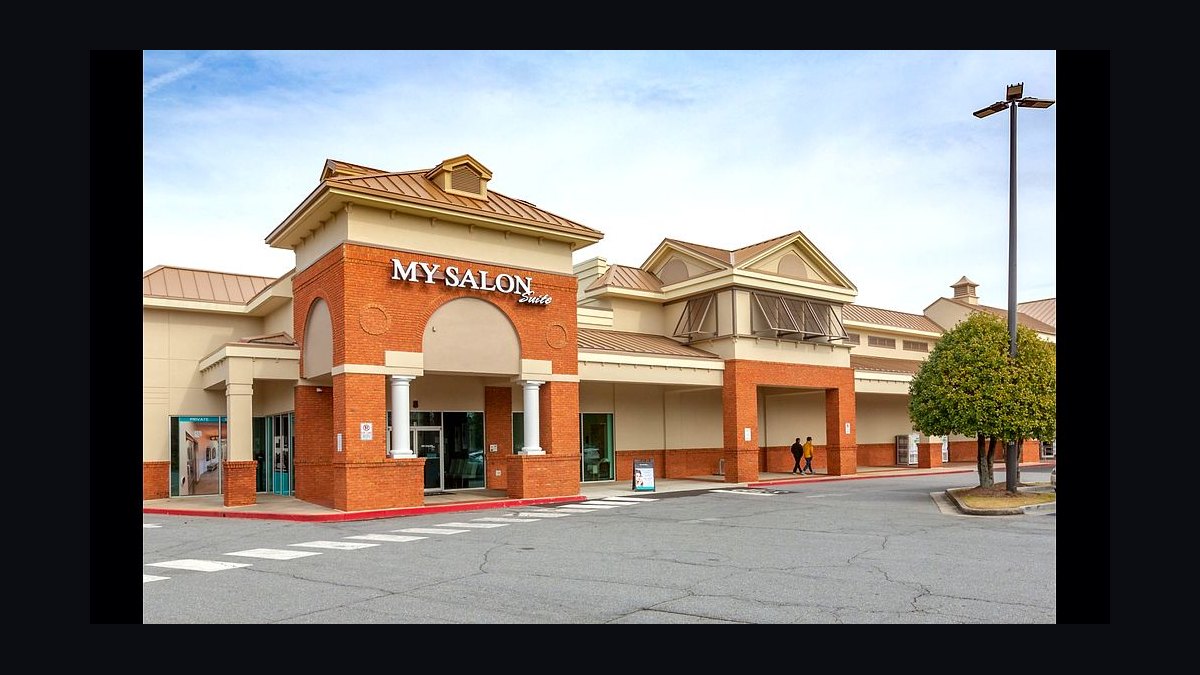
Open a MY SALON Suite franchise in 2027 only if you have roughly $500K liquid, $1.5M net worth, and can absorb 12 to 24 months of negative cash flow during lease-up. The model is real estate arbitrage, not beauty. Median mature locations post around $442,000 revenue and $191,000 EBITDA at 91% occupancy — but payback runs five to seven years.
What a salon suite franchise actually is and why the distinction matters
The single most expensive mistake prospective buyers make is underwriting MY SALON Suite as a salon. It is not a salon. No one who works there is your employee, you do not book appointments, you do not sell shampoo, and you have no control over service pricing. You are a landlord who happens to own a franchise license, and every economic decision flows from that fact.
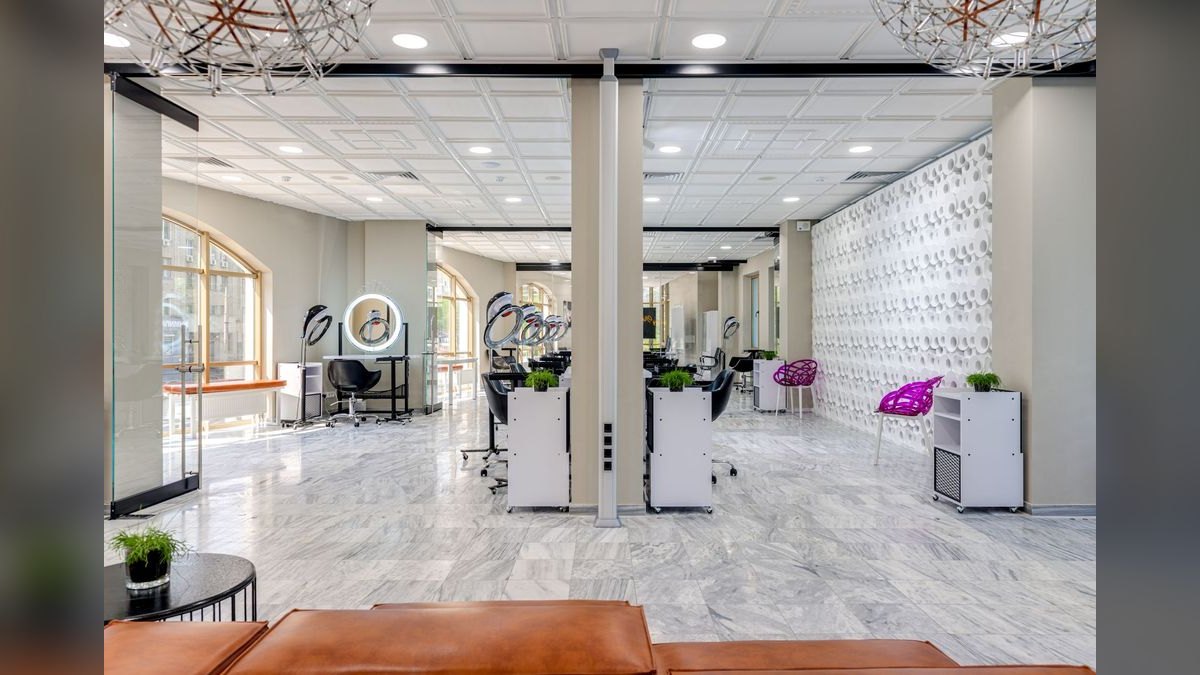
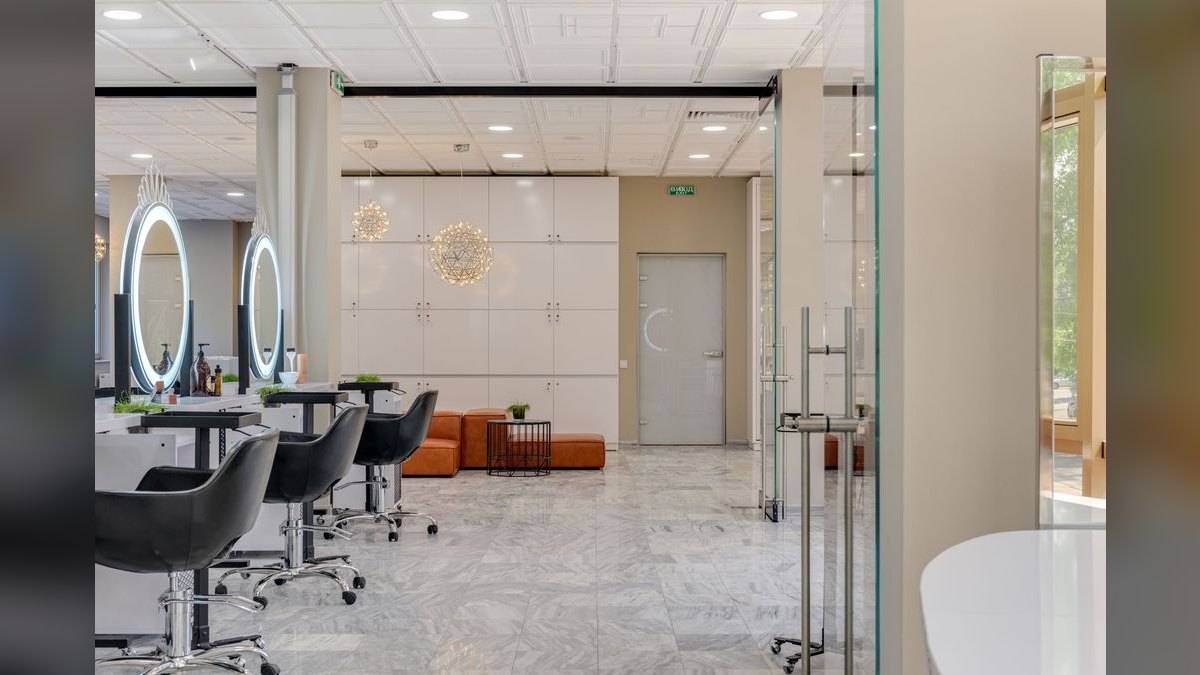
The mechanics are straightforward. You sign a master lease on a retail box — typically 5,000 to 8,000 square feet — at a triple-net rate somewhere in the low-to-mid twenties per square foot in secondary markets and the mid-to-high thirties in prime Sunbelt retail. You build that box out into roughly 20 to 32 individually lockable suites, each running 80 to 150 square feet with its own sink, mirror, lighting, storage, and door. Then you sublease those suites week-to-week or month-to-month to independent beauty professionals — hair stylists, colorists, nail technicians, estheticians, lash artists, barbers, massage therapists — at weekly rates that commonly land in the $325 to $575 band depending on suite size and market.
The arbitrage is the whole business. You are paying a single-tenant rate on the full box and collecting a multi-tenant rate on the subdivided space. Annualize a $400/week suite and you are collecting roughly $20,800 per year on maybe 120 square feet — call it $170 per square foot on the leasable portion, against a blended cost basis (rent plus amortized build-out) that is a fraction of that. Common-area square footage, hallways, laundry, restrooms, and the reception area dilute the effective yield, which is why the real math sits closer to $45 to $90 per square foot annualized across the entire footprint. That spread, multiplied by 20 to 32 doors, is your gross revenue line.
Why this matters for 2027 specifically: the tenant base is expanding structurally, not cyclically. Beauty professionals have been leaving commission-based salons for independent practice for over a decade, and the independent stylist population has grown many multiples over that window while traditional commission salons have shed professional headcount. A commission stylist typically surrenders 40 to 60 percent of service revenue to the house. A suite tenant pays a fixed weekly rent, keeps 100 percent of service and retail revenue, sets their own hours, controls their own booking, and builds a client list they own outright. Once a stylist's book supports the rent — usually somewhere around 15 to 25 regular clients per week depending on ticket size — the suite is strictly better economics for them. That is a one-way door, and it is why the category has grown from a few hundred locations a decade ago to several thousand today.

What you are actually buying from the franchisor is a package: a proven suite layout and build specification, an operating system for member acquisition and lease administration, access-control and member-portal technology, national supplier relationships, brand recognition that shortens the lease-up curve, a site-selection process, and — critically for financing — the SBA-registry franchise status that makes 7(a) lenders comfortable. What you are not buying is a business that runs itself in year one.
MY SALON Suite sits under Suite Management Franchising, part of the Propelled Brands platform that also holds FASTSIGNS and NerdsToGo. That matters more than franchise-shoppers usually credit. A platform parent means the franchisor has real infrastructure — legal, franchise development, supply chain, franchisee support — rather than a founder-run operation improvising as it scales. It also means the brand competes on operational discipline rather than on being the cheapest entry.
The scope of the commitment is a ten-year initial term with renewal options, a franchise fee in the $50,000 range with a meaningful discount for veterans through VetFran, a royalty assessed as a percentage of gross rent collected in the mid-five-percent range, plus small fixed monthly contributions to the brand fund and technology stack. Notice that the royalty is on rent collected, not on what your tenants earn. That is a materially friendlier royalty base than most service franchises, because your revenue is contractual and predictable rather than transactional.
The step-by-step process from inquiry to stabilized operation
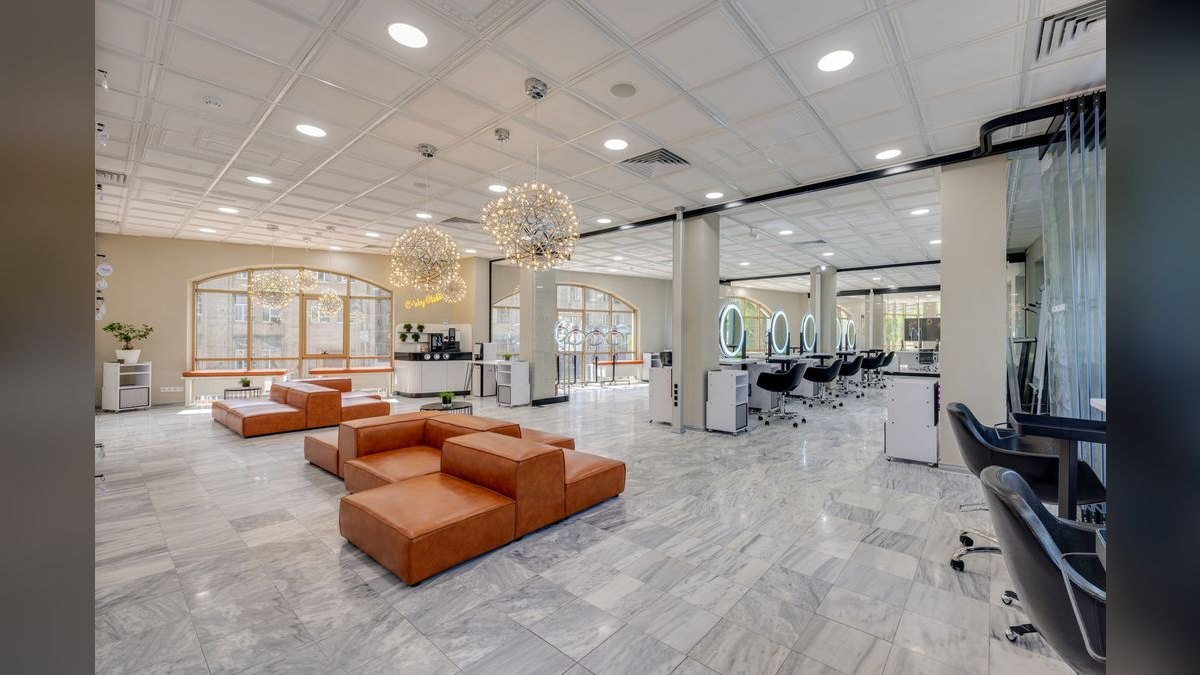
The path from first phone call to a stabilized, cash-flowing unit is a 24 to 30 month project. Compressing it is mostly impossible; the constraints are real estate and construction, not paperwork.
Phase one — qualification and disclosure (months one through two). You submit an inquiry, complete a financial pre-qualification, and receive the Franchise Disclosure Document. Federal rule requires you to hold the FDD for at least 14 calendar days before signing anything or paying any money. Use those two weeks. Item 7 gives you the initial investment table, Item 19 gives you the financial performance representation, Item 20 gives you unit counts, turnover, and — most valuable of all — the contact list of current and former franchisees. Item 21 gives you the franchisor's audited financials, which tell you whether the parent can fund the support it promises.
Phase two — validation (months two through three). Call franchisees. Not three, not five — twelve or more, deliberately stratified: four in their first 18 months who can tell you what lease-up actually felt like, four in years two to three who can tell you whether occupancy stuck, and four in year four-plus who can tell you about renewals, capital refresh cycles, and whether the second unit was worth it. Ask the questions that produce numbers, not feelings: what was your true all-in cost including everything the FDD table understates, what month did you go cash-flow positive, what is your occupancy today, what is your average weekly suite rate, how many hours a week do you actually spend, and would you sign again. That last question is the whole call. If three or more say no, stop.
Phase three — Discovery Day and mutual approval (month three or four). You travel to headquarters, meet the executive team, tour a location, and get evaluated as much as you evaluate. Arrive with a completed market analysis, a capital structure, and a ten-year pro forma. A Discovery Day that is purely a sales presentation with no unscripted franchisee access is a signal about how the relationship will run.
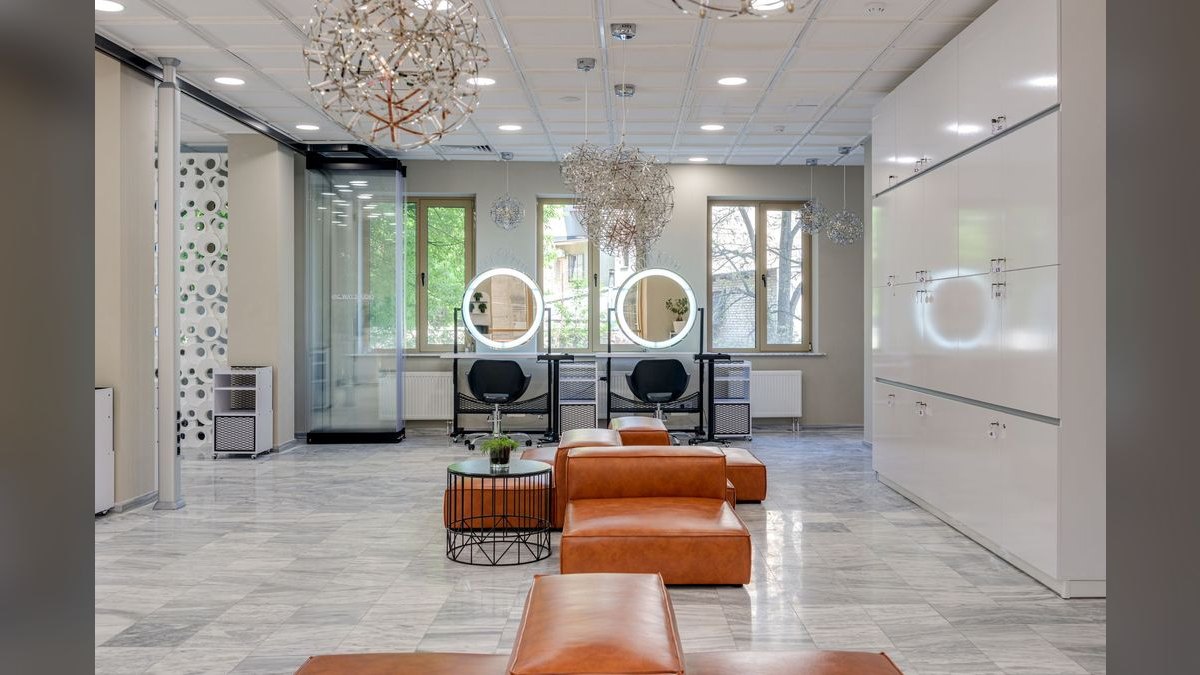
Phase four — site selection (months four through eight). This is where deals die or get made. You are hunting a 5,000 to 8,000 square foot end-cap or inline space in a Class-A or strong Class-B center, with high female daytime traffic, generous parking (suite tenants and their clients park all day, and centers with tight ratios will fight you), signage visibility, and ideally co-tenancy with fitness, grocery, or medical uses that pull the same demographic. The franchisor's real estate team will help, but you own the outcome.
Phase five — lease negotiation (months six through nine, overlapping). The single highest-leverage activity in the entire project. See the costs section below for why.
Phase six — permitting and build-out (months seven through twelve). Plumbing is the long pole. Every suite that takes a hair stylist needs a shampoo bowl, which means supply, drain, and vent runs to 20-plus points in a box that was probably built for one restroom. Municipalities vary enormously in plan-review speed; some turn permits in four weeks, others take four months. Budget conservatively and get a general contractor who has built suite concepts before — the learning curve on a first-timer GC will cost you more than the premium for an experienced one.
Phase seven — pre-leasing (months nine through twelve, overlapping build). Do not wait for the certificate of occupancy to start signing members. Top operators walk hard-hat tours through a half-finished space and sign deposits off floor plans. A location that opens at 30 percent pre-leased has a fundamentally different first year than one that opens empty.
Phase eight — grand opening and lease-up (months eleven through twenty-four). You open, you market, you fill doors. This is the negative-cash-flow window.
Phase nine — stabilization (months twenty-four through thirty). Occupancy plateaus in the high eighties to low nineties, churn becomes routine rather than existential, and owner time drops toward five to ten hours per week.
Costs, timelines, and the ranges that actually govern the deal
The disclosed initial investment range runs roughly $675,000 on the low end to about $1,682,000 on the high end. That spread is enormous, and understanding what drives it is the difference between a deal that works and one that does not.
Franchise fee — around $50,000, with roughly half off for qualifying veterans and first responders through VetFran. This is the least interesting number in the whole model. It is under five percent of your total capital.
Build-out and construction — roughly $475,000 to $1,225,000. This is the variable that decides everything. At the low end you are taking a second-generation space with existing plumbing stubs in a low-cost construction market with a landlord funding a large share. At the high end you are doing a full white-box conversion in a high-cost metro with union labor, expensive permitting, and no landlord contribution. On a per-square-foot basis you are looking at roughly $150 to $250 for the suite build.
Furniture, fixtures, and equipment — roughly $65,000 to $135,000. Suite partitions, styling stations, mirrors, shampoo bowls, lighting, laundry equipment, common-area furnishings, electronic locks.
Signage — roughly $8,000 to $25,000. Landlord and municipal sign codes drive this more than your preferences do.
Technology, POS, and access control — roughly $7,500 to $22,000. Member portal, keyless suite entry, security cameras, network.
Grand opening marketing — roughly $25,000 to $50,000 covering the first 90 days. Underspending here directly lengthens lease-up, which is the most expensive thing that can happen to you.
Training and travel — roughly $3,500 to $9,000 for the headquarters program.
Insurance and licensing — roughly $5,000 to $12,000 in year one.
Working capital — roughly $30,000 to $130,000. This is the line item that kills undercapitalized operators, and the disclosed range is arguably light for a slow lease-up.
Ongoing: a royalty in the mid-five-percent range on gross rent collected, a fixed monthly brand fund contribution, and a fixed monthly technology fee. Ten-year term with two five-year renewals. Minimum financial qualification of roughly $500,000 liquid and $1.5 million net worth.
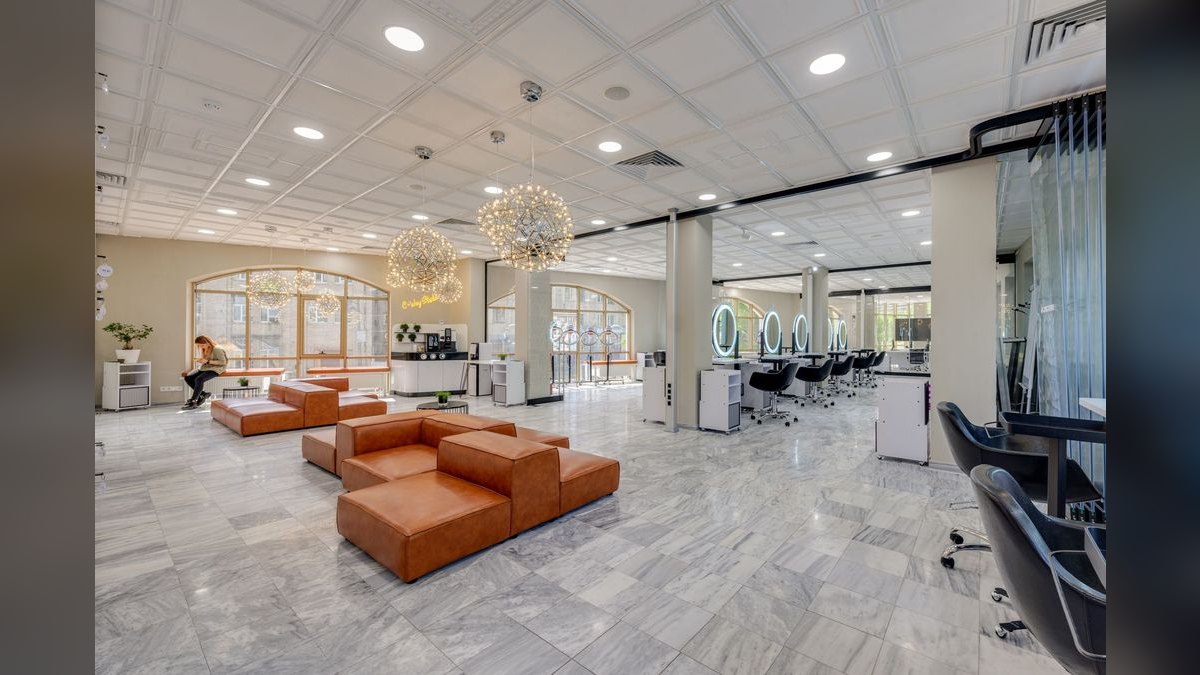
Now the performance side. Across a couple hundred reporting locations open at least twelve months, the median unit posted roughly $442,000 in annual gross revenue with roughly $191,500 in EBITDA at about 91 percent occupancy — an EBITDA margin near 43 percent. Top-quartile units push past $585,000 in revenue with EBITDA above $285,000 at 96 percent-plus occupancy. Bottom-quartile units sit under $315,000 in revenue with EBITDA under $85,000 at occupancy below 78 percent. Read that bottom quartile carefully: a unit at $85,000 EBITDA carrying a million-dollar build does not service its own debt.
Timeline to money. Occupancy at month one typically runs zero to 15 percent. Month six lands somewhere in the 35 to 50 percent band. Break-even arrives around month 14 to 18 at roughly 70 to 75 percent occupancy. Stabilization lands at month 24 to 30. Cumulative year-one cash flow is negative — commonly negative $40,000 to negative $120,000 depending on how aggressively you marketed and how fast you filled. Payback on a $1 million all-in basis at median performance runs about five to seven years.
The financing overlay changes the answer. SBA 7(a) money for franchise real-estate-arbitrage deals has been pricing in the high nines to low tens all-in, against the six-to-seven-percent world of a few years ago. A $1 million note amortized over ten years at that rate runs roughly $13,000 per month in debt service — call it $155,000 to $160,000 annually. Against median EBITDA of $191,500 that is a debt service coverage ratio around 1.2x, which is thin but bankable. Against bottom-quartile EBITDA it is well under 1.0x, which is insolvency. Underwrite to the bottom quartile, not the median.
The lease is where you win or lose the deal. Landlord tenant improvement allowances in the current retail environment have been running materially better than they did at the 2022–2023 peak, and free-rent concessions of six to twelve months on a ten-year lease are negotiable in soft submarkets. A $60-per-square-foot TI allowance on a 6,000 square foot box is $360,000 of build-out the landlord funds. That single negotiation can move your all-in from $1.2 million to $840,000 and cut two full years off payback. Spend more time on the lease than on the FDD.
Where operators get this wrong
They underwrite the median and get the bottom quartile. The Item 19 median is a survivor-weighted number from locations open at least a year in markets the franchisor approved. Your pro forma should model bottom-quartile occupancy for eighteen months and check whether you still make debt service. If the answer is no, either raise more equity or pass.
They treat working capital as a rounding error. The disclosed working capital line tops out around $130,000. If your lease-up runs six months slower than plan — entirely normal — you will burn through that plus more. Operators who fully fund the build and skimp on reserves run dry at exactly month nine to twelve, which is precisely when occupancy is finally climbing and marketing spend produces the highest return. Running out of cash at the moment the flywheel starts turning is the single most common failure pattern in this category. Carry $150,000 to $200,000 in reserves beyond the disclosed range.
They skip the saturation drive. Total salon suite units across all brands have grown into the thousands, and mature metros like Denver, Atlanta, and Dallas carry dozens of locations across competing banners. Sola Salon Studios leads the category on unit count by a wide margin; Phenix Salon Suites, Salon Lofts, Salons by JC, and IMAGE Studios all compete for the same tenant. Drive a 15-minute radius around your target site and physically count competitors — every brand plus every independent suite operator. Four or more within that ring and you are fighting for a finite pool of stylists, which shows up as rate compression and slow lease-up, not as an empty market.
They try to run it like a salon. Members are independent contractors. They set their own prices, hours, service menus, and retail lines. Owners who try to impose brand standards on how a tenant colors hair, or who police walk-in policies, generate churn. Every vacated suite costs you turnover time, a re-lease cycle, and often a small refresh. Your job is facility quality, community, and occupancy — not craft supervision.
They ignore the plumbing. A first-time general contractor who has never built a suite concept will misprice the drain and vent work on 20-plus wet stations, and you will eat the change orders. Ask the franchisor for GC references who have built the concept, and get at least three bids from contractors with suite experience.
They open empty. Pre-leasing during construction is free occupancy. Operators who start member outreach at certificate of occupancy give up three to six months of revenue they could have banked. Start marketing the moment the lease is signed.
They buy the wrong trade area. Female workforce participation, median household income in the mid-seventies and up, population growth, and existing beauty-professional density are the four variables that matter. A cheap lease in a declining tertiary market is not a bargain — there is no tenant base to fill 28 doors.
They underestimate the first eighteen months of owner time. "Semi-absentee" is a description of a stabilized unit, not a startup. Expect meaningful hands-on hours through lease-up: touring prospects, running local outreach to beauty schools and existing salons, managing the GC, and building the member community. The five-to-ten-hour week arrives after stabilization, not before.
Decision framework: build new, buy a resale, go independent, or pass
There are four legitimate paths, and the right one depends on your capital, your risk tolerance, and how much of your return you want to come from execution versus from buying someone else's completed execution.
Build new is the maximum-value, maximum-risk path. You capture the entire lease-up spread, you get to negotiate your own TI allowance, and you own a unit with a full ten-year term ahead of it. You also carry 100 percent of the construction risk, permitting risk, and lease-up risk, and you fund 12 to 24 months of negative cash flow. Choose this if you have $500K-plus liquid beyond the build, a genuinely under-served trade area, and a five-to-seven-year hold horizon.

Buy a resale. Existing units do come to market — a modest number each year through business brokerages and franchisor referral. A stabilized unit at 90 percent-plus occupancy with 24 months of operating history typically trades in the three-and-a-half to four-and-a-half times EBITDA range, which on roughly $191,000 of EBITDA prices around $670,000 to $860,000 plus lease assumption. You pay a premium relative to the raw build cost, but you buy out the lease-up risk entirely and collect distributions in year one. Verify remaining lease term, remaining franchise term, deferred maintenance, and the trailing twelve months of actual suite-level occupancy — not the seller's stabilized-month snapshot. Choose this if you want cash flow now and are willing to trade upside for certainty.
Go independent. You can build a suite facility without a franchise. You save the franchise fee and the ongoing royalty on gross rent, which on $440,000 of revenue is roughly $24,000 per year, compounding over ten years into real money. You give up brand recognition that shortens lease-up, the member-acquisition playbook, national vendor pricing, lease-negotiation support, and — importantly — the SBA franchise-registry status that makes lenders comfortable. Independent operators typically run a somewhat lower margin because member acquisition costs more without brand pull. Choose this only if you have direct beauty-industry relationships in the market and can finance without leaning on the franchise designation.
Choose a different banner. Run an apples-to-apples comparison before committing. Sola carries the largest footprint and strongest name recognition but a higher royalty rate. Phenix tends to disclose lower build ranges. IMAGE positions premium with higher build cost and higher suite rents. Salon Lofts and Salons by JC each have regional strength. Compare the disclosed investment range, the royalty base and rate, the Item 19 disclosure, and — most importantly — franchisee validation call quality across all of them.
Or pass. If you need cash flow inside twelve months, if your metro already carries four-plus suite competitors in a 15-minute ring, if you cannot fund reserves beyond the build, or if you are temperamentally a hands-on operator who wants to manage people and service quality, this is the wrong asset. There is no shame in a no — the category punishes forced deals.
Related questions
How much owner time does a MY SALON Suite location actually require?
Expect 20 to 30 hours weekly through site selection, construction, and lease-up. Once occupancy stabilizes above roughly 85 percent, the workload drops to five to ten hours weekly — member screening, marketing approvals, facility maintenance coordination, and quarterly financial review.
Can I finance a MY SALON Suite build with an SBA loan?
Yes. The brand's franchise-registry status makes 7(a) lenders comfortable. Expect roughly 10 to 20 percent equity injection, a ten-year amortization, a personal guarantee, and pricing in the high single to low double digits. Get a written term sheet before signing anything with the franchisor.
What happens when a suite tenant leaves?
You lose that suite's weekly rent until re-leased — typically two to eight weeks in a healthy market. Budget five to ten percent annual churn. Maintain a waiting list; top-performing locations carry a dozen or more prospects, which turns turnover into a same-week backfill.
Is a second unit meaningfully more profitable than the first?
Generally yes. Insurance, legal, accounting, and marketing overhead spread across two locations, and you already know the build and lease-up playbook. Incremental units commonly run a higher margin than the first, which is why a large share of operators in the system hold multiple units.
FAQ

What is the total investment range to open a MY SALON Suite franchise?
The disclosed range runs from roughly $675,000 to about $1,682,000, covering the franchise fee, build-out, fixtures, signage, technology, grand-opening marketing, training, insurance, and initial working capital. The spread is driven almost entirely by construction cost and how much tenant improvement allowance you negotiate from the landlord.
How long until the location generates positive cash flow?
Most locations run negative for 12 to 24 months. Break-even typically arrives around month 14 to 18 at roughly 70 to 75 percent occupancy, with full stabilization near 91 percent occupancy at month 24 to 30. Pre-leasing during construction is the most reliable way to compress that curve.
What revenue does a mature location generate?
The median reporting location posts roughly $442,000 in annual gross revenue with about $191,500 in EBITDA at 91 percent occupancy. Top-quartile units exceed $585,000 in revenue. Bottom-quartile units sit under $315,000 — model that scenario before signing, not the median.
What are the financial qualification requirements?
Roughly $500,000 in liquid assets and $1.5 million net worth, generally excluding your primary residence and retirement accounts. Treat those as minimums rather than targets — operators who qualify at exactly the threshold have no cushion for a slow lease-up, which is the most common failure mode.
Is this genuinely a semi-absentee business?
At stabilization, yes — five to ten hours weekly. During site selection, construction, and lease-up, no. Plan on substantial hands-on involvement for the first 18 to 24 months, then step back once occupancy holds and a facility manager is in place.
Should I buy an existing location instead of building new?
If you want cash flow in year one and are willing to pay for certainty, yes. Stabilized resales trade around three-and-a-half to four-and-a-half times EBITDA, eliminating construction and lease-up risk. Building new captures more total value but requires funding two years of losses first.
Sources
- Franchise Disclosure Documents — Wisconsin DFI Franchise Registration
- FTC Franchise Rule and Buying a Franchise Guide — Federal Trade Commission
- SBA 7(a) Loan Program — U.S. Small Business Administration
- SBA Franchise Directory — U.S. Small Business Administration
- Barbers, Hairstylists, and Cosmetologists — U.S. Bureau of Labor Statistics Occupational Outlook Handbook
- Franchise Business Economic Outlook — International Franchise Association
- My Salon Suite Franchise Information
- Sola Salon Studios Franchise Opportunity
- Phenix Salon Suites Franchise
- Independent Contractor vs. Employee Classification — Internal Revenue Service
Related on PULSE
This page will be disappearing soon. Save it to your device for $1 — or read it free while it is here.
@Kory-White- · if Venmo asks, the last 4 of my number are 2012
This page is gone.
This one is off the shelf now. $1 keeps it on your phone for good — the whole page, pictures and diagrams included.
 franchiseShould I open or buy a Rita's Italian Ice franchise in 2027?
 franchiseShould I open or buy an Orangetheory Fitness franchise in 2027?
 franchiseShould I open or buy a Stanley Steemer franchise in 2027?
 franchiseShould I open or buy a Valvoline Instant Oil Change franchise in 2027?
 franchiseShould I open or buy a Jimmy John's franchise in 2027?
 franchiseShould I open or buy a Papa John's franchise in 2027?
 franchiseShould I open or buy a Culver's franchise in 2027?
 franchiseShould I open or buy a Hand and Stone Massage franchise in 2027?
 franchiseShould I open or buy a Mathnasium franchise in 2027?
 franchiseShould I open or buy a Bahama Breeze franchise in 2027?