


Should I open or buy a Rubio's Coastal Grill franchise in 2027?
Quality
Certified

Probably not. Rubio's Coastal Grill emerged from a 2024 Chapter 11 under a distressed-debt owner focused on stabilizing existing units, not selling franchises. There is no open development program, California labor economics are punishing, and revenue per unit sits below pre-2020 levels. Buy an existing operator's unit or pick a healthier concept instead.
Two doors: build a new unit versus buy an operating one
Everyone frames this question as a single yes/no, but there are really two distinct transactions hiding inside it, and they carry almost nothing in common except the logo on the sign.
Door one — open a brand-new franchise unit. You sign a franchise agreement with the current brand owner, pay an initial fee, secure a site, build it out, and open cold. The economics are dominated by construction cost and the ramp curve. You control site selection, which is the single largest lever on a restaurant's lifetime revenue, and you get a clean box with modern equipment and no deferred maintenance. You also eat 6–12 months of pre-opening burn with zero revenue, a full ramp period where sales climb toward maturity over 18–30 months, and total exposure to construction-cost inflation that has been brutal in Southern California and Arizona endcap space since 2022.
Door two — acquire an existing unit or small cluster. You buy the operating assets, assume or renegotiate the lease, and get transferred as franchisee-of-record with the brand owner's consent. You inherit a revenue stream on day one, a trained crew, an established local customer base, and a real trailing P&L instead of a projection. You also inherit the previous operator's problems: a bad lease with three years left and no options, equipment at end of life, a soured local reputation, a store manager who is already interviewing elsewhere, and a location that may be structurally declining rather than temporarily underperforming.
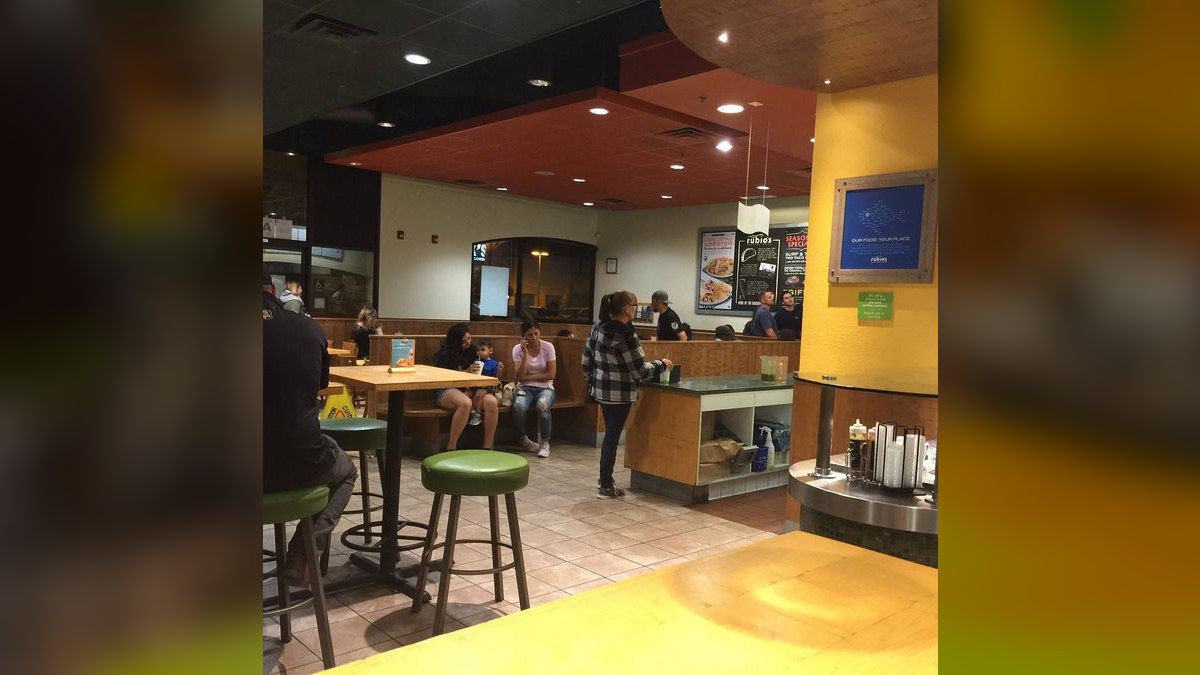
The complicating fact specific to Rubio's is that door one is largely closed in 2027. The post-bankruptcy owner acquired the brand through a credit bid and has publicly framed the near-term plan as stabilizing the roughly 80-odd corporate and licensed units, with franchise growth described as a later phase behind corporate expansion. There is no visible development team running discovery days at scale, no aggressive territory map, no multi-unit area development push. If you call and get a polite "we're not awarding new territories right now," that is the system working as designed, not a brush-off.
That leaves door two — and possibly a third door nobody frames as a franchise question at all: refranchising. In a turnaround, the owner's most likely franchise activity is not selling greenfield territories to newcomers; it is converting underperforming corporate units to experienced operators who can run them leaner than a corporate G&A structure allows. Those deals go to people the owner already knows. If you are not in that network, you are not in that deal flow. This is the same dynamic you see in any post-restructuring restaurant brand — the first franchise transactions after a bankruptcy are almost always refranchising to insiders, not greenfield to outsiders.
There is a fourth path worth naming honestly, because a lot of experienced operators land there: skip the brand entirely and open an independent coastal-taco concept. You lose the name recognition and the supply agreements. You keep 100% of the brand equity, pay no royalty and no marketing fund, and you can build a 1,200–1,600 square foot box for meaningfully less than a franchised prototype because you are not obligated to a specified millwork package, signage program, or approved equipment list. In a category where the customer is buying "fresh fish taco," not a specific trademark, that trade is far less lopsided than it would be in burgers or coffee, where brand is the product.
How to decide between them
The decision is not "is Rubio's a good brand." It is "which of these four paths clears my personal hurdle rate given the capital I actually have and the operating experience I actually possess." Work it in that order — capital and experience first, brand second.
Start with a hard gate on operating experience. If you have never run a restaurant P&L, do not enter a turnaround brand as your first unit. You will be learning scheduling, food cost variance, seafood waste management, and labor compliance simultaneously, in a system whose franchisor support infrastructure is itself being rebuilt. First-time operators need a franchisor with a mature field-consultant bench, documented playbooks, and a training program that has run continuously for a decade. A brand three years out of Chapter 11 is running lean SG&A by design; that lean SG&A is exactly the support you would be counting on.
Second gate: market. Rubio's brand awareness is concentrated in Southern California and, secondarily, Arizona and Nevada. Outside that footprint the name does no work for you, and there is no national ad fund to bridge the gap. If your site is in Texas or Colorado, you are paying a royalty for awareness that does not exist in your trade area. That is the worst possible franchise trade — cost without benefit.
Third gate: the lease, not the brand. In fast casual, the site is 60–70% of the outcome. A great operator in a mediocre endcap loses to a mediocre operator in a great endcap almost every time. Before you evaluate any franchise agreement, evaluate whether the specific box in front of you has the daypart traffic, the co-tenancy, the visibility, the parking count, and the drive-thru or mobile-pickup geometry to support the revenue you are modeling. If the lease is bad, the brand does not matter.
Fourth gate: stress test at 80% of system average unit volume. Every franchise pro forma is built on system averages, and roughly half of all units by definition fall below that line. Model the unit with sales 20% under the system mean, labor at the high end of the range, and food cost 300 basis points above target. If that scenario is cash-flow negative and you cannot fund it for eighteen months out of reserve, the deal is too tight regardless of how good the base case looks.
Run that tree honestly and most prospective buyers exit at the second or third node. That is the correct outcome. The purpose of the tree is not to find a way to yes; it is to spend $400 on diligence instead of $800,000 on a mistake.
One more decision input that operators consistently underweight: your exit. Restaurant equity is only worth what a buyer will pay, and buyers price franchised units off a multiple of adjusted EBITDA discounted for brand risk. A unit in a growing system with a long remaining franchise term and a fresh lease trades at a materially better multiple than the same cash flow inside a system that has restructured twice. When you buy into a distressed brand, you are not just accepting present-day risk — you are pre-committing to a narrower buyer pool seven years from now.
What the numbers actually look like
Be careful with any specific figure you see quoted for this brand right now. The last publicly filed franchise disclosure document predates the restructuring, and post-bankruptcy ownership has not, as of this writing, published an updated Item 19 financial performance representation that reflects the current cost structure. Anyone quoting a precise current investment range or AUV is extrapolating. Treat the following as structural ranges typical of the coastal fast-casual segment, and demand the actual current FDD before you commit a dollar.
Total initial investment for a new fast-casual unit in this format — roughly 1,600 to 2,400 square feet, inline or endcap, with a full kitchen — realistically lands somewhere in the high six figures to low seven figures all-in once you include leasehold improvements, equipment, signage, technology, opening inventory, training, grand-opening marketing, and three months of working capital. The single most volatile line is leasehold improvements: the same buildout that penciled at one number in 2021 has risen sharply on labor, steel, HVAC, and electrical. Get two general contractor bids on your specific box before you believe any franchisor-supplied range.
Ongoing fees in this segment cluster around 5–6% royalty on gross sales plus a brand fund contribution of roughly 2%, often with a local marketing minimum on top of that. Model the combined franchise-related cost at 8–10% of revenue, not 6%. That difference is the entire margin of a marginal unit.
Labor is the defining variable, and it is location-specific. California's fast-food sector minimum wage regime, established under AB 1228 and administered by a state council with annual adjustments, has pushed hourly labor costs in covered California restaurants materially above neighboring states. Rubio's cited labor costs as a factor in its bankruptcy filing. Practically, a California unit's labor line runs several hundred basis points higher than the identical unit in Arizona or Nevada. On a $1.2M unit, a five-point labor swing is $60,000 a year — which is often the entire owner distribution. This is why the same brand can be a reasonable deal in Phoenix and an unworkable one in Orange County.
Food cost runs high in seafood. A menu built on mahi, shrimp, and salmon carries a cost of goods percentage above a chicken-and-rice concept, and — more importantly — it carries higher *variance*. Wild-catch pricing moves with season, quota, and ocean conditions in ways that a chicken contract does not. An operator with genuine supply relationships in the San Diego–Baja corridor can source better than one buying entirely through a broadline distributor, and that sourcing edge is worth real basis points. If you do not have that relationship, budget conservatively.
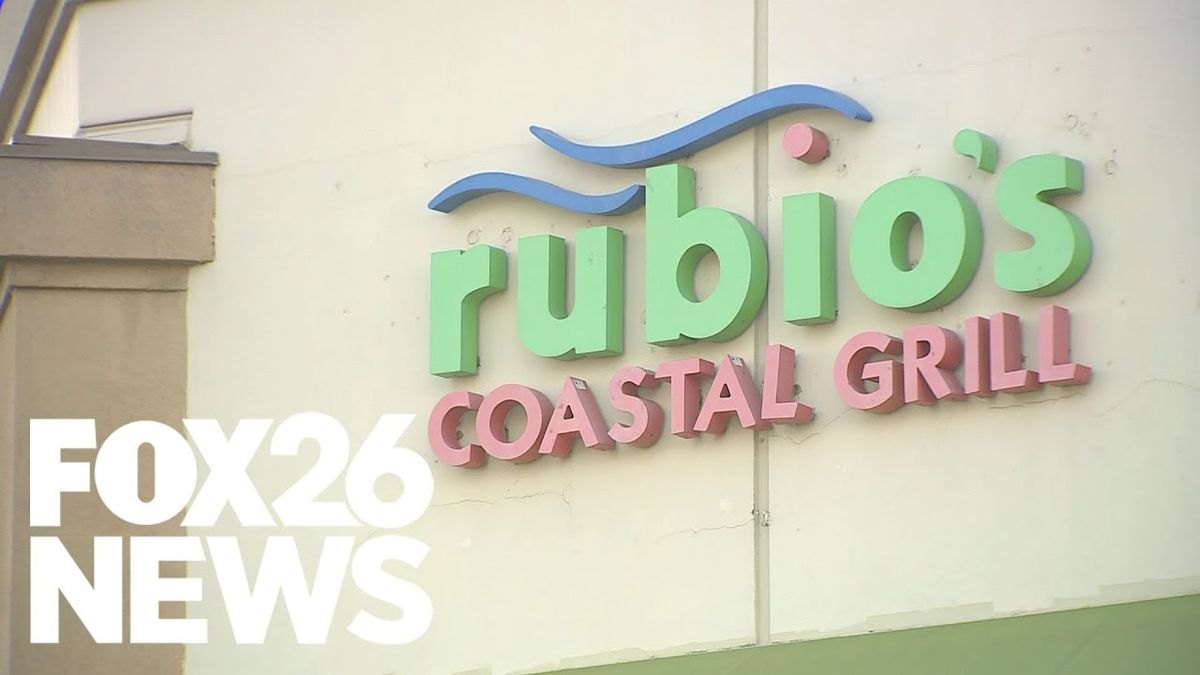
Restaurant-level margin in coastal fast casual, after food, labor, occupancy, and controllables but before debt service and owner compensation, typically runs in the high single digits to mid teens for healthy units. A California unit under the current wage floor sits at the bottom of that band. After debt service on a leveraged deal, first-year owner cash flow on a single unit is often modest — enough to service a salary or a return, rarely both.
Payback on a single fast-casual unit at system-average volume generally runs three to four years in a healthy system. Add a year for a distressed brand where you cannot count on franchisor-driven traffic growth to lift your ramp.
Now compare that to buying an existing unit. Restaurant resales in this segment typically trade at a multiple of adjusted trailing cash flow — a range that varies widely with lease quality, franchise term remaining, and equipment condition, but which almost always comes in well below the cost of building the same unit new. That gap is the entire argument for door two. You skip the construction risk, you skip the ramp, and you get real numbers to underwrite instead of a projection. The price of that certainty is that you cannot pick the site — you are buying someone else's site decision, and you had better understand why they are selling.
Three diligence items on a resale that people skip and regret:
- Remaining lease term including options. If there are four years left with no options, your entire investment is subject to a landlord's renewal terms in year four. Negotiate an extension *before* you close, not after.
- Remaining franchise term and transfer/renewal fees. A unit with three years left on a twenty-year agreement is a different asset than one with fifteen. Renewal often triggers a mandatory remodel to current prototype — a six-figure obligation that must come off your purchase price.
- Deferred maintenance schedule. Walk the line with a refrigeration tech and a hood-cleaning contractor before closing. Compressors, fryers, HVAC, and the grease interception system are the four line items that turn a modest resale into an unfunded capital project.
Sequencing the work, and what happens after you sign
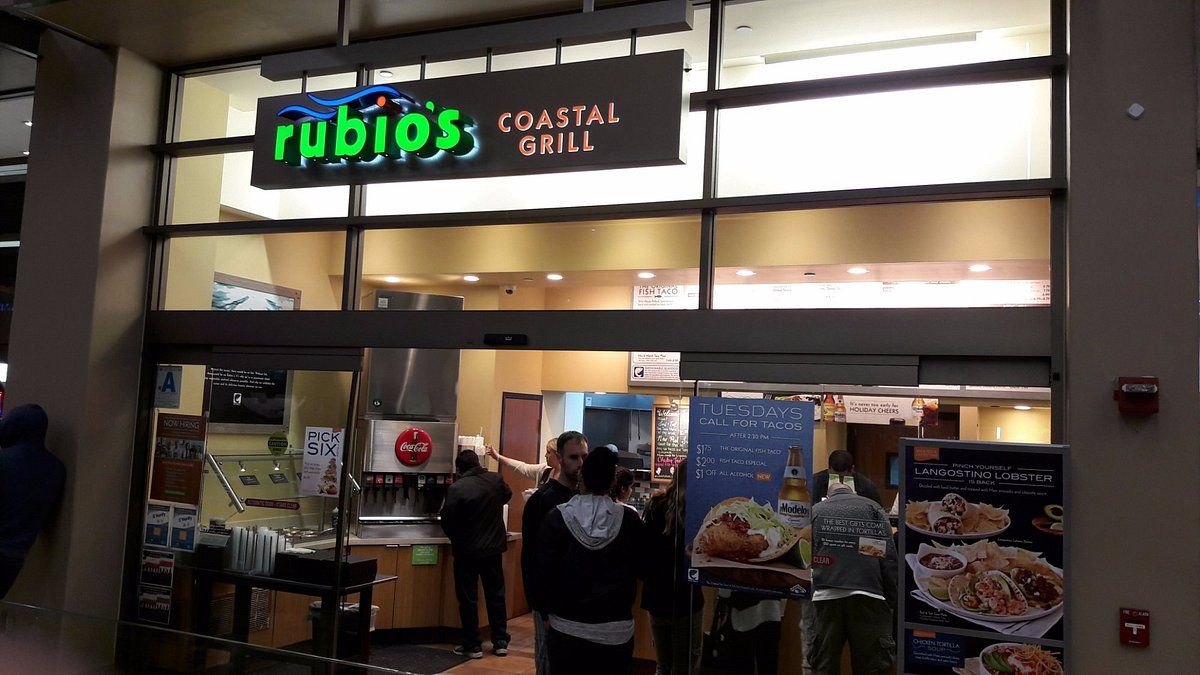
Assume you have cleared the gates and you are pursuing a resale in-footprint. Here is how the ninety days should actually run, and what the first year looks like on the other side.
Weeks 1–2 — verify the program before you spend anything. Contact the franchisor's development contact in writing. Ask three questions: are you awarding new units in my market, do you consent to transfers of existing units, and can I receive a current FDD. Get the answer in writing. If the answer is no on both awarding and transfers, you are done — pivot to an independent concept or a different system, and you have spent nothing but an email.
Weeks 3–4 — read the FDD like an adversary. The five items that matter most: Item 5 (initial fees), Item 6 (ongoing royalty, brand fund, technology fees, and any minimums), Item 7 (estimated initial investment, with every footnote read), Item 19 (financial performance representation — note carefully *which* units are included; a top-quartile-only representation is not a system average), and Item 20 (unit counts and, critically, the tables showing transfers, terminations, non-renewals, and closures over the last three years). Item 20's closure and transfer columns tell you more about franchisee health than any glossy brochure. Item 3 litigation history matters too, especially in the wake of a restructuring.
Weeks 5–6 — call franchisees, not the ones the franchisor suggests. Item 20 includes contact information for current and recently departed franchisees. Call ten. Ask about volume, labor percentage, food cost, field support quality since the ownership change, how marketing fund dollars are being deployed, supply chain reliability, and the single question that predicts everything: *would you buy another unit today?* If most say no, believe them. Then call the ones who left. Departed franchisees give you the unvarnished version.
Weeks 7–8 — underwrite the specific asset. Build a five-year P&L on your actual lease comp, your actual local wage floor, and two real GC bids if construction is involved. On a resale, reconstruct the trailing twelve months from bank statements and POS exports, not from the seller's summary. Add back owner compensation and non-recurring items honestly — and subtract back a market-rate manager salary, because if you are not working sixty hours a week in the store, somebody has to.
Weeks 9–10 — stress and finance in parallel. Run the 80% volume scenario. Simultaneously, get a term sheet. SBA 7(a) lending is the standard vehicle for restaurant acquisition, and it is worth confirming early that your lender will actually fund a deal in a system with a recent bankruptcy — some credit committees flag that at the brand level regardless of how strong your individual unit looks. Finding that out in week nine is annoying; finding it out in week thirteen after you have gone hard on a deposit is expensive.
Weeks 11–13 — close or walk, with no sunk-cost reasoning. If the numbers, the references, and the site model do not all clear, walk. The diligence spend is not an argument for closing; it is the price of learning not to.
The first ninety days after closing matter more than the diligence. The most common way a competent buyer destroys a resale is by changing too much too fast. Keep the crew. Retention of the existing kitchen staff is the highest-leverage thing you control in month one — a taco line with turnover in the fry and grill stations produces inconsistent food, and inconsistent food kills repeat frequency faster than any price increase. Fix throughput before you fix anything else: ticket times, mobile-order staging, and line layout. Hold pricing steady for at least a quarter so you can read demand cleanly.

Months four through twelve are about channel mix and local marketing. Third-party delivery is a margin trap and a volume necessity at the same time — the commission structure means delivery orders can carry a fraction of the contribution margin of a walk-in ticket, so the goal is to use the marketplaces for acquisition and then migrate customers to first-party pickup where you keep the economics. Catering and office-lunch programs are the underexploited lever in coastal fast casual; a taco bar for thirty people is a high-ticket, low-labor-intensity order that uses existing prep capacity in an off-peak window.
Only evaluate a second unit after the first is boring. Multi-unit economics are genuinely better — you leverage a general manager bench, spread marketing spend across a trade area, and get purchasing scale — but multi-unit problems compound. The operators who fail in this segment are almost never the ones who ran one store well for three years; they are the ones who signed a three-unit development agreement on the strength of a good first quarter.
And keep the adjacent option live the whole time. If Rubio's stays closed to new franchisees through 2028, the coastal-taco demand that made you interested in the first place does not evaporate. The category is expanding, the customer is real, and an independent concept in the same trade area captures that demand without the royalty, the marketing fund, the remodel obligation, or the exposure to another owner's balance sheet. Franchising buys you a system and a name. Make sure you are actually getting both before you pay for them.
Related questions
Can I buy an existing Rubio's location from a current franchisee?
Possibly — transfers require franchisor consent and typically a transfer fee, and the franchisor may hold a right of first refusal. Ask in writing whether the brand is approving transfers before you spend on diligence. A resale is the most realistic 2027 path.
Why does California's wage floor matter so much for this specific brand?
The brand's unit base is concentrated in California, where the fast-food sector minimum wage sits well above neighboring states. That pushes the labor line several points higher than an identical Arizona unit — often the difference between a distributing unit and a break-even one.
Is a second bankruptcy a permanent disqualifier?
No, but it changes the diligence. Restructured brands can stabilize and grow. It does mean shorter franchise-term protection, thinner field support, tighter SBA lending, and a narrower buyer pool at your exit. Price all four into your offer.
What should I look at in Item 20 of any FDD?
The three-year tables for transfers, terminations, non-renewals, and closures. Rising transfers and closures against flat openings is the clearest quantitative signal of franchisee distress in any system, and it is disclosed by law.
Would an independent fish-taco concept really compete?
In this category, often yes. Customers buy freshness and price point more than trademark. You give up supply agreements and name recognition; you keep the royalty, the marketing fund, and full control of the concept and the exit.
FAQ
Is Rubio's Coastal Grill selling franchises in 2027?
There is no visible open franchise development program. Following the 2024 Chapter 11 and the credit-bid sale, ownership has focused on stabilizing existing corporate and licensed units, with franchise expansion described as a later phase. Confirm current status directly with the franchisor in writing before spending anything on diligence.

What would a new unit cost to open?
Get the current FDD Item 7 — the last public disclosure predates the restructuring and construction costs have risen sharply since. Structurally, a full-kitchen fast-casual box of 1,600–2,400 square feet in a Southern California or Arizona endcap is a high-six-figure to low-seven-figure project all-in, including working capital.
How long until a unit pays back?
Three to four years is typical for a healthy fast-casual system at average volume. Add roughly a year for a brand in turnaround, where you cannot count on franchisor-driven traffic growth to accelerate your ramp. Model payback on your stressed case, not your base case.
Is buying an existing unit safer than building new?
Usually, on a risk-adjusted basis. You get real trailing numbers instead of projections, immediate revenue, and a trained crew — and you skip construction-cost exposure. The trade is that you inherit the seller's site decision, lease terms, and deferred maintenance. Diligence the lease and the equipment hardest.
What are the realistic alternatives in this category?
Other coastal and Baja-style fast-casual franchise systems with active development programs, a broader national fast-casual brand with stronger unit economics, or an independent coastal concept where you keep 100% of the equity and pay no royalty. In a category where customers buy freshness over trademark, independent is more viable than in most segments.
Will SBA lenders finance a deal in a recently bankrupt system?
Some will, some will not — several credit committees flag brand-level restructuring history regardless of individual unit performance. Get a term sheet early, in parallel with FDD review, so a financing dead-end surfaces in week nine rather than after you have committed a nonrefundable deposit.
Sources
- U.S. Small Business Administration — 7(a) loan program terms and eligibility: https://www.sba.gov/funding-programs/loans/7a-loans
- Federal Trade Commission — Franchise Rule and A Consumer's Guide to Buying a Franchise: https://www.ftc.gov/business-guidance/resources/consumers-guide-buying-franchise
- California Department of Industrial Relations — Fast Food Minimum Wage FAQ (AB 1228): https://www.dir.ca.gov/dlse/Fast-Food-Minimum-Wage-FAQ.htm
- California Department of Financial Protection and Innovation — franchise registration and disclosure filings: https://dfpi.ca.gov/
- U.S. Courts — Chapter 11 bankruptcy basics: https://www.uscourts.gov/court-programs/bankruptcy/bankruptcy-basics/chapter-11-bankruptcy-basics
- Nation's Restaurant News — restaurant industry and franchise transaction coverage: https://www.nrn.com/
- Restaurant Business Online — operator economics and brand news: https://www.restaurantbusinessonline.com/
- Restaurant Dive — restaurant industry news and bankruptcy coverage: https://www.restaurantdive.com/
- National Restaurant Association — industry research and state of the industry reporting: https://restaurant.org/research-and-media/research/
- Bureau of Labor Statistics — Occupational Employment and Wage Statistics for food service: https://www.bls.gov/oes/
Related on PULSE
- Should I open or buy a Bibibop Asian Grill franchise in 2027?
- Should I open or buy a Lenny's Grill & Subs franchise in 2027?
- Should I open or buy an Eggs Up Grill franchise in 2027?
- Should I open or buy a Luna Grill franchise in 2027?
- Should I open or buy a Pancheros Mexican Grill franchise in 2027?
- Should I open or buy a Romano's Macaroni Grill franchise in 2027?
This page will be disappearing soon. Save it to your device for $1 — or read it free while it is here.
@Kory-White- · if Venmo asks, the last 4 of my number are 2012
This page is gone.
This one is off the shelf now. $1 keeps it on your phone for good — the whole page, pictures and diagrams included.
 franchiseShould I open or buy a Marco's Pizza franchise in 2027?
 franchiseShould I open or buy a Big O Tires franchise in 2027?
 franchiseShould I open or buy a Dairy Queen franchise in 2027?
 franchiseShould I open or buy an Auntie Anne's franchise in 2027?
 franchiseShould I open or buy a Roto-Rooter franchise in 2027?
 franchiseShould I open or buy an Orangetheory Fitness franchise in 2027?
 franchiseShould I open or buy a Crumbl Cookies franchise in 2027?
 franchiseShould I open or buy a Great Clips franchise in 2027?
 franchiseShould I open or buy a Rita's Italian Ice franchise in 2027?
 franchiseShould I open or buy a Taco Bell franchise in 2027?