


Should I open or buy an Another Broken Egg Cafe franchise in 2027?
Quality
Certified
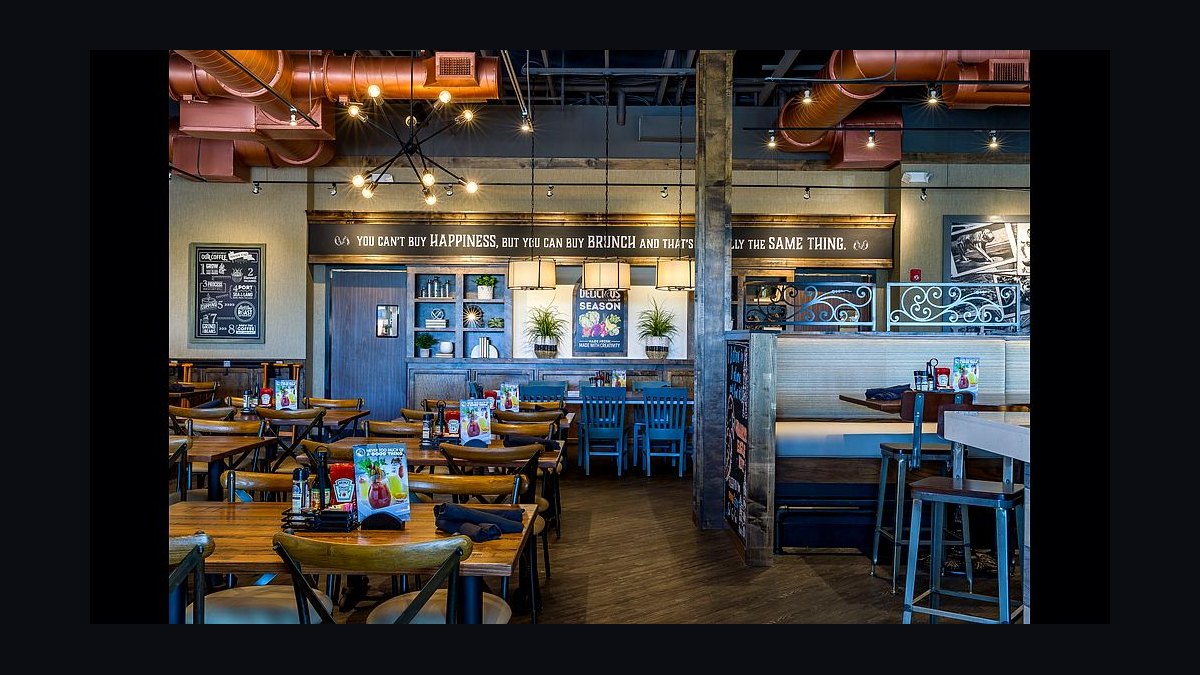
Yes — if you have $1.0M-$1.6M in liquid capital, an A-grade daytime retail site, and you actually want to run a single-shift breakfast/brunch/lunch operation that closes by 2 PM. Another Broken Egg Cafe is a chef-driven, full-bar daytime concept with a 2024 system AUV of $1.837M (Item 19) and a $40,000 franchise fee plus 5% royalty + 1.5% brand marketing fee + 2% local advertising minimum (Item 6). Conservative Year-1 cash flow for a new unit at 75% of system AUV runs $140K-$220K after debt service; payback typically lands in Year 4-5. Probably not if you cannot stomach the $802K-$1.6M Item 7 range, the brand's 27 net new units over 24 months growth pace pulling executive attention thin, or 2026 egg-cost volatility still pressuring food costs 34% above pre-pandemic baseline.
The Real Numbers
Another Broken Egg Cafe's 2025 FDD (the document a 2027 buyer signs against, refreshed each April) discloses the following investment ranges and unit economics. All numbers below are sourced from Item 7 (Estimated Initial Investment), Item 6 (Other Fees), and Item 19 (Financial Performance Representations) of the publicly registered FDD as compiled by FranchiseDirect, VettedBiz, FranchisePayback, and SharpSheets.
| Line Item | Low | High | Notes |
|---|---|---|---|
| Initial Franchise Fee | $40,000 | $40,000 | Item 5; single-unit |
| Leasehold Improvements / Build-Out | $325,000 | $725,000 | 3,200-4,000 sq ft typical |
| Furniture, Fixtures, Equipment | $185,000 | $310,000 | Kitchen line, full bar, POS |
| Signage & Decor | $25,000 | $55,000 | Chef-driven aesthetic |
| Architectural / Engineering | $35,000 | $75,000 | Includes permitting |
| Opening Inventory | $15,000 | $25,000 | Fresh-first menu |
| Training & Travel | $12,000 | $22,000 | Mandatory at HQ |
| Insurance, Deposits, Licenses | $20,000 | $45,000 | Liquor license varies by state |
| Grand Opening Marketing | $15,000 | $25,000 | Item 11 minimum |
| Working Capital (3 months) | $130,000 | $277,000 | Pre-breakeven cushion |
| TOTAL INITIAL INVESTMENT | $802,400 | $1,599,000 | Item 7 range |
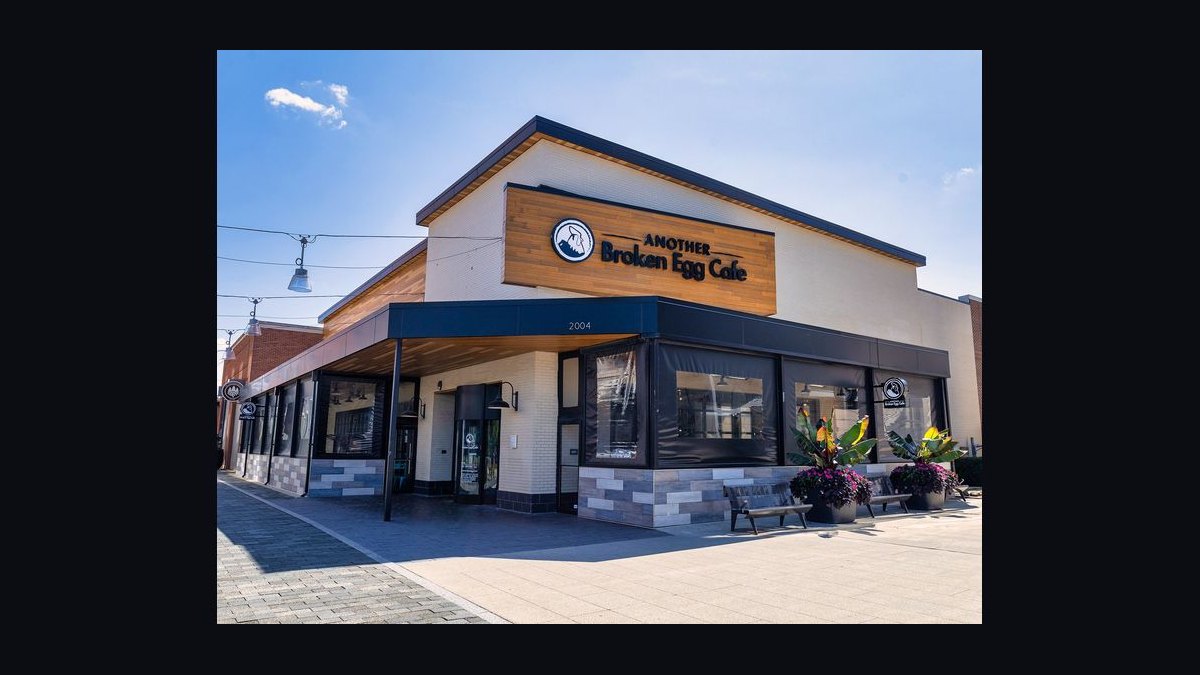
Ongoing fees disclosed in Item 6:
- Royalty: 5.0% of gross sales (paid weekly via EFT)
- Brand marketing fund: 1.5% of gross sales
- Local advertising minimum: 2.0% of gross sales
- Technology fee: ~$400-$700/month per location
- Total recurring rake to franchisor + ad funds: 8.5%+ of top line
Revenue & profitability (Item 19, 2024 system data — the most recent disclosed):
- System AUV (franchised units, full-year operating): $1,837,000
- Top-quartile units: $2.4M+
- Bottom-quartile units: $1.2M-$1.4M
- Food + paper cost of goods: 27-30% of sales (egg-volatility sensitive)
- Labor (single shift advantage): 28-32% of sales
- Occupancy: 7-10% of sales
- Royalties + marketing: 8.5% of sales
- Cafe-level EBITDA margin (mature unit): 12-16%
- Year-1 EBITDA for new unit ramping to 75% of AUV: $140K-$220K
- Simple payback period: 4.5-5.5 years at midpoint investment
- 5-year IRR (single unit, cash buyer): ~14-18%
The single-shift operating model (typical hours 7 AM-2 PM) is the headline economic story. You pay one set of opening costs, run one labor schedule, and close before dinner. That structurally suppresses labor as a % of sales versus dinner-segment full-service.
Who Wins With This Business
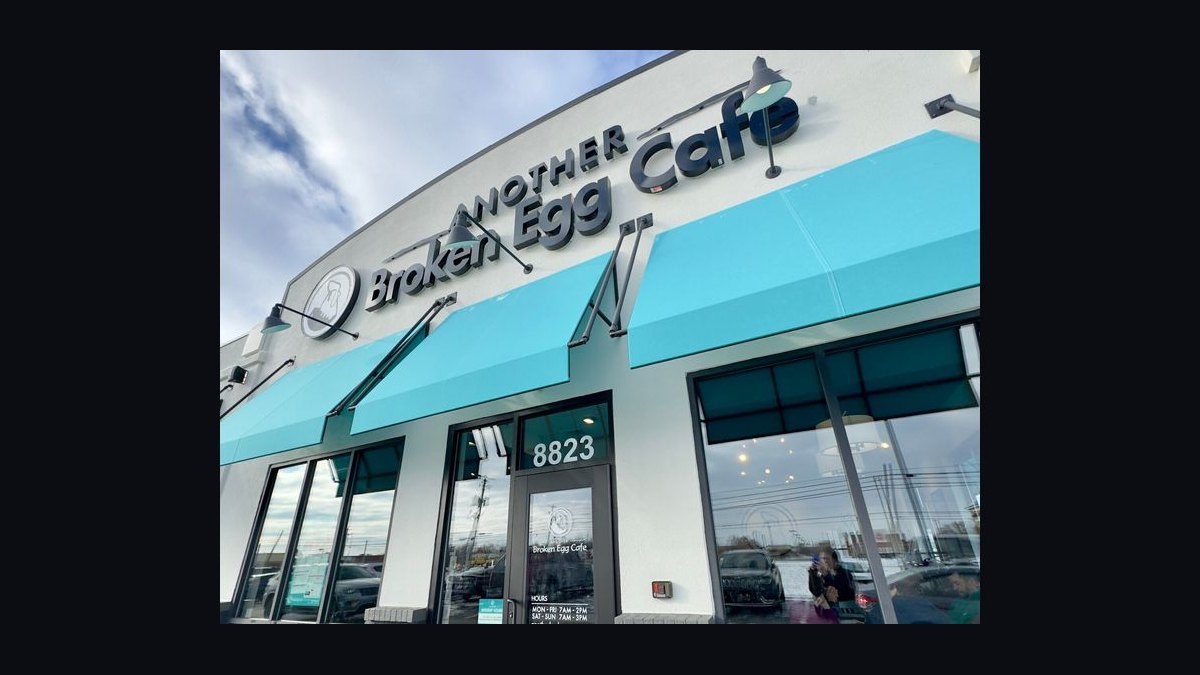
- Multi-unit operators already running QSR or fast-casual who want a daytime asset to diversify daypart exposure and balance against dinner-heavy portfolios.
- Real-estate-savvy entrepreneurs who can secure end-cap or A-grade retail with strong morning traffic — grocery-anchored centers, lifestyle centers near affluent ZIPs.
- Operators with $1.0M+ liquid net worth and $2M+ total net worth meeting the brand's stated financial qualifications, plus access to SBA 7(a) financing (Another Broken Egg is on the SBA Franchise Registry).
- Hands-on owner-operators in the first 18 months willing to be on the floor daily during the messy ramp.
- Markets with high female 25-54 daytime traffic — brunch is structurally a female-led occasion; ZIP demographics drive AUV more than any other variable.
- Buyers who want lifestyle leverage — closing by 2 PM means no late-night close, no dinner rush burnout, no third-shift labor headaches.
Who Loses With This Business
- Anyone undercapitalized trying to make the $802K low end work — the $130K-$277K working capital line is real; new units regularly run 4-6 months below breakeven.
- Absentee investors who hire a GM Day 1 and check out. Brunch is a hospitality-led concept; GM-only operations cluster in the bottom quartile.
- Operators chasing the highest AUV chart — system mean is $1.837M but median is meaningfully lower, and Item 19 by definition skews to operators who chose to report.
- Buyers betting on egg-cost normalization — avian flu losses since 2022 exceed 144 million birds, and supply has not rebalanced. Plan COGS at the high end.
- First-time restaurant operators with no F&B background — full-bar program, scratch kitchen, and 28-32% labor target require operational chops.
- Markets without weekend brunch culture — secondary metros with low brunch penetration consistently underperform.
- Anyone counting on franchisor marketing to drive traffic — the 1.5% brand fund is national-level; local 2% minimum is where butts-in-seats actually come from.
2027 Market Conditions
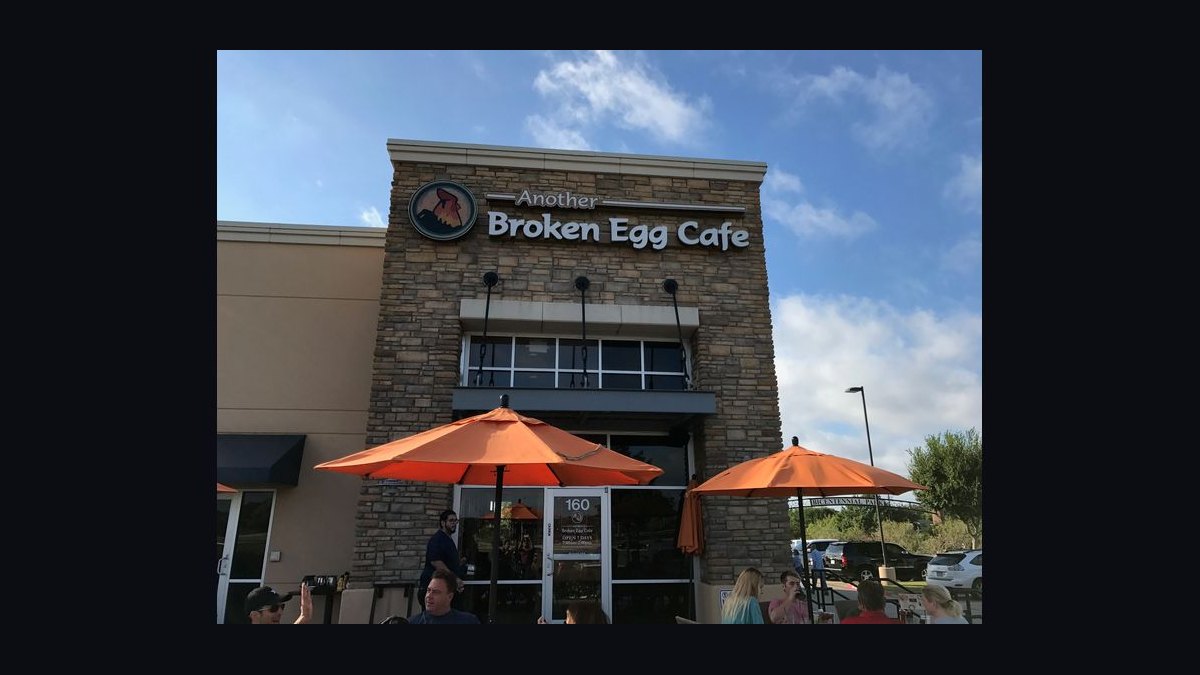
- Breakfast daypart growth has decelerated. Per McKinsey's 2026 restaurant outlook, breakfast spending now lags every other daypart in both full-service and limited-service — consumers treat it as discretionary when budgets tighten.
- Egg prices remain volatile. Wholesale egg prices ran +43% globally in 2023 and are still recovering from avian flu losses exceeding 144 million birds since 2022. Breakfast operators with eggs in 60%+ of menu items carry concentrated COGS risk.
- Food costs are sticky. Restaurant industry food costs are 34% above pre-pandemic baseline; food-away-from-home rose ~6% January 2024 to September 2025.
- Labor pressure continues. Multiple states have minimum-wage increases scheduled through 2027; the single-shift model partially insulates Another Broken Egg but does not eliminate exposure.
- Brand momentum is real. Another Broken Egg signed four multi-unit development agreements in 2025 for 12 new cafes over 5 years, joined the 100-unit club in 2024, and added 27 net new cafes over 24 months. New executive team installed in October 2025 to accelerate growth.
- Competitive pressure intensifying. First Watch (publicly traded), Snooze A.M. Eatery, Keke's Breakfast Cafe (acquired by Denny's for $82.5M in 2022), and The Toasted Yolk are all expanding in the same A-grade real estate.
- Consumer trade-down risk. Mid-priced full-service brunch ($18-$28 average ticket) is squeezed between value QSR breakfast below and independent third-wave brunch above.
The 90-Day Decision Tree
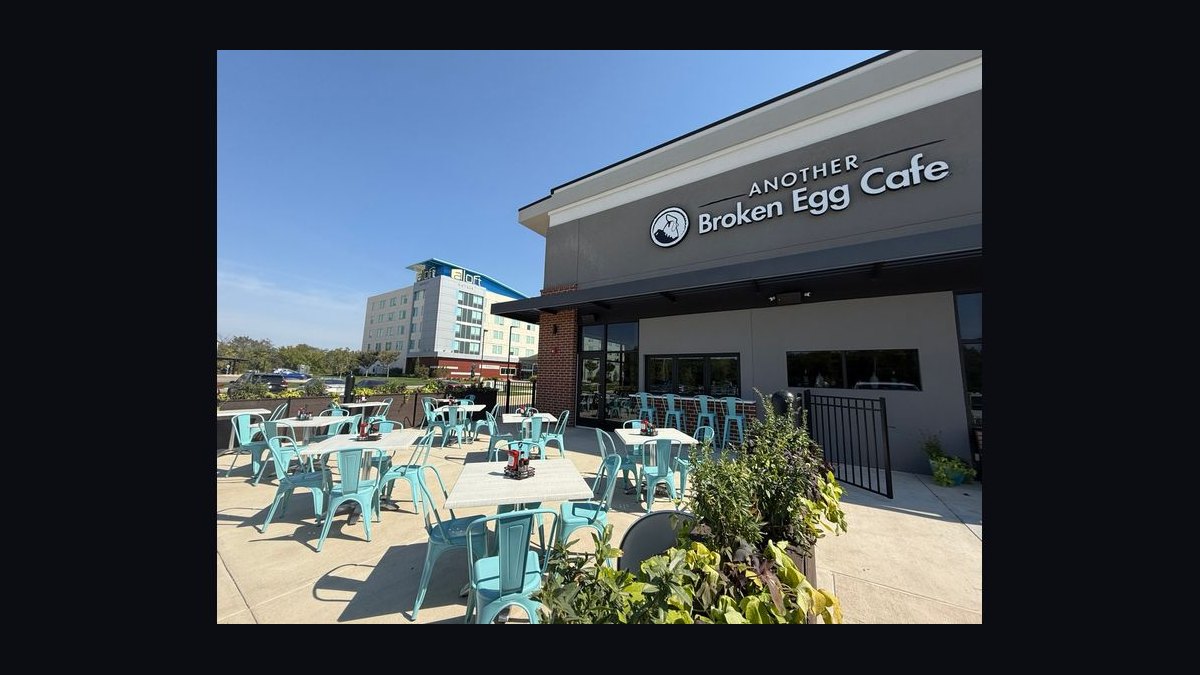
- Day 1-7: Request the 2025 FDD from franchise development; read all 23 items with a franchise attorney. Verify Item 3 litigation history, Item 20 franchisee/franchisor unit counts, and Item 21 audited financials.
- Day 8-14: Pull Item 20 franchisee contact list; call at least 15 current operators — split across <2-year, 2-5 year, and 5+ year cohorts. Ask specifically about ramp speed, COGS run-rate, and franchisor support.
- Day 15-21: Build your own pro forma at 65%, 75%, and 100% of system AUV. Anything that does not pencil at 65% AUV with conservative COGS (30%) is a pass.
- Day 22-35: Tour 3+ existing cafes in different markets — Tuesday breakfast rush, Saturday brunch peak, weekday lunch lull. Time wait, count tables turned, eat the food.
- Day 36-50: Engage a commercial broker to identify 3-5 candidate sites in your target territory. Run traffic counts, daytime population, household income, competing breakfast within 3 miles.
- Day 51-65: Arrange financing — SBA 7(a) prequalification, conventional bank quote, ROBS if applicable. Target 70-75% loan-to-cost to preserve working capital.
- Day 66-75: Attend Discovery Day at corporate HQ. Meet the new executive team. Stress-test their field support model given the 100+ unit expansion pace.
- Day 76-85: Final attorney review of Franchise Agreement — territory protection, transfer rights, renewal terms, post-term non-compete.
- Day 86-90: Sign or walk. If signing, deliver $40K franchise fee and lock site Letter of Intent the same week.
Alternative Plays
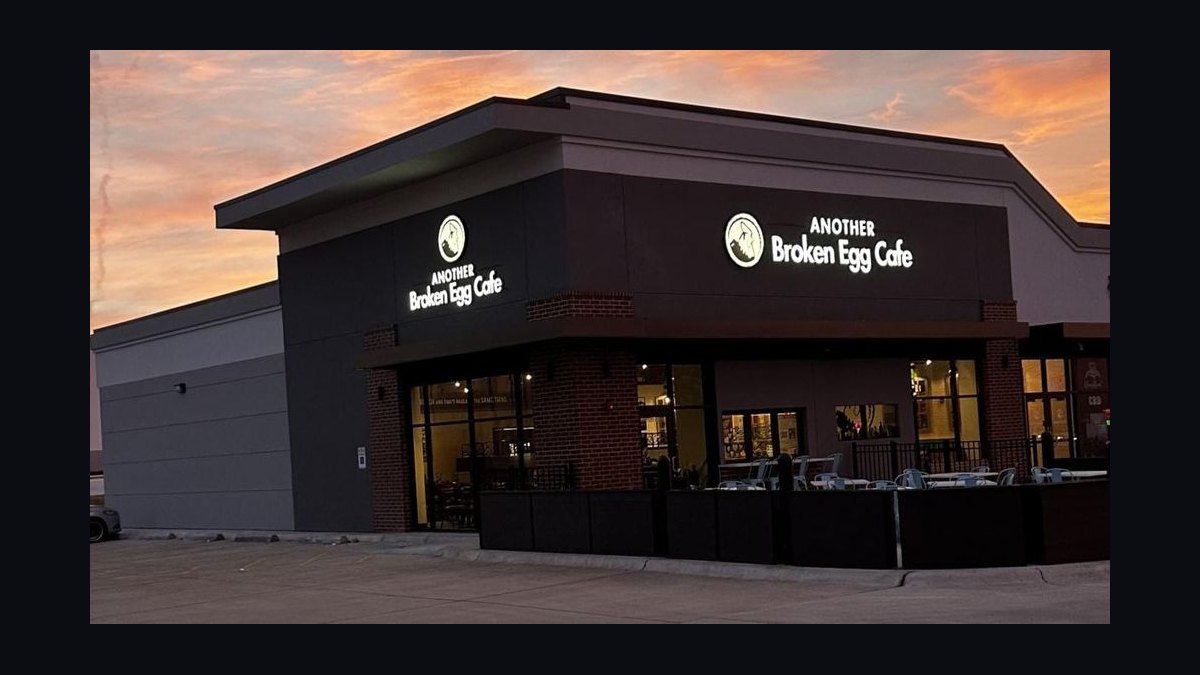
- First Watch (publicly traded, NASDAQ: FWRG): No new franchising — corporate-owned expansion only. Closed to new operators but worth tracking as the segment benchmark; AUV ~$2.1M, ~600 units.
- Snooze A.M. Eatery: Corporate-owned, not franchising. Strong unit economics but unavailable to franchisees.
- The Toasted Yolk Cafe: Smaller franchise system (~30 units), lower initial investment ($550K-$1.1M), similar daytime model. Less brand equity, less support infrastructure.
- Egg Harbor Cafe: Midwest-focused, ~25 units, $700K-$1.3M initial investment, family-owned brand with slower growth.
- Sunny Street Cafe: Smaller breakfast franchise (~25 units), $500K-$900K investment, lower AUV (~$1.1M).
- Independent brunch concept: Skip the 8.5% recurring royalty + marketing rake, capture 100% of cash flow. Trade-off: no playbook, no supply chain, no brand awareness — independent restaurant failure rate is ~30% in Year 1, 60% by Year 5 per BLS.
- Multi-unit acquisition of existing Another Broken Egg cafes: Watch the Item 20 resale list in next year's FDD. Buying a seasoned unit at 3.5-4.5x EBITDA can beat building from scratch when capex is rising.
FAQ
What is the total investment range to open an Another Broken Egg Cafe? The total initial investment falls between $802,000 and $1.6 million, per Item 7. This range covers everything from leasehold improvements and equipment to pre-opening costs and working capital.
How much liquid capital do I need to qualify? Franchisees typically need $1.0 million to $1.6 million in liquid capital. This ensures you can cover the initial investment and have reserves for early operations.
What are the ongoing royalty and marketing fees?
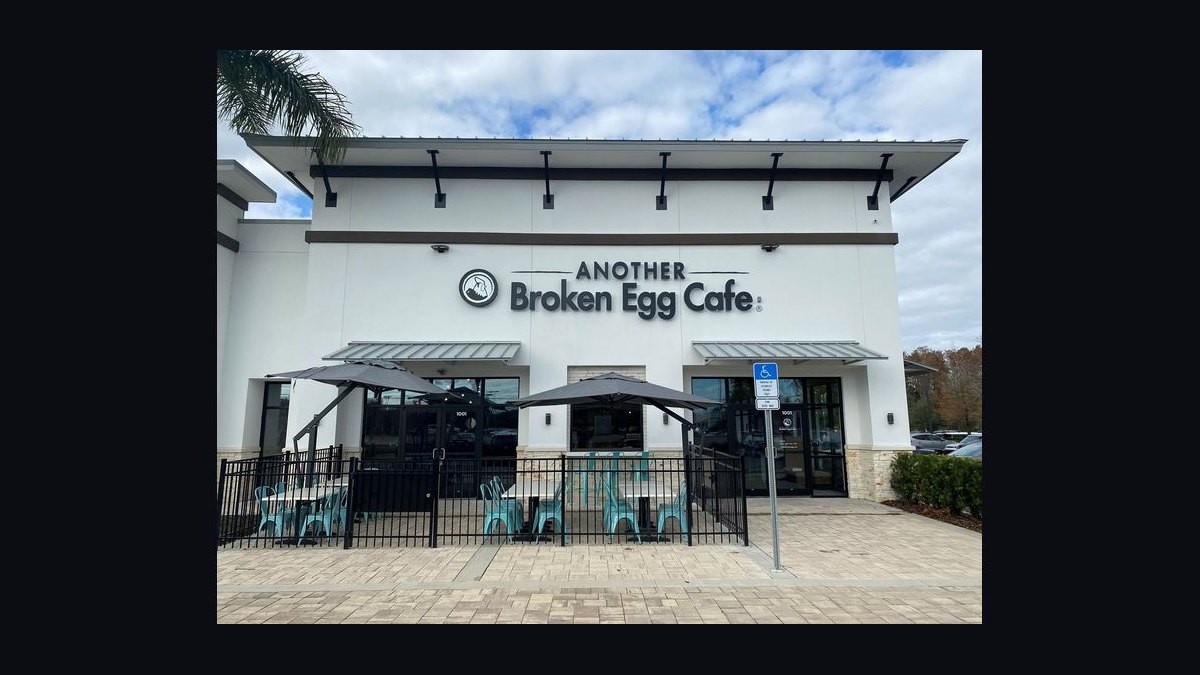
You’ll pay a 5% royalty on gross sales, a 1.5% brand marketing fee, and a 2% local advertising minimum. These fees support national and local brand-building efforts.
How profitable is a typical franchise unit? System average unit volume (AUV) was $1.837 million in 2024. A new unit at 75% of that AUV might generate Year-1 cash flow of $140,000 to $220,000 after debt service, with payback typically in Year 4 or 5.
What are the biggest risks in 2027? Egg cost volatility remains a concern, with food costs still about 34% above pre-pandemic levels. The brand’s moderate growth pace—27 net new units over 24 months—can also stretch corporate support.
Is this a good fit for someone who wants a dinner or evening operation? No—Another Broken Egg Cafe is a single-shift, daytime concept that closes by 2 PM. It’s designed for breakfast, brunch, and lunch only, so it’s not suitable for operators seeking evening hours.
Bottom Line
Another Broken Egg Cafe is a legitimate, growing, daytime full-service franchise with real Item 19 numbers ($1.837M AUV), a single-shift operating model that structurally protects labor costs, and brand momentum (100-unit club crossed in 2024, four multi-unit deals signed in 2025, new executive team installed October 2025). For a well-capitalized hands-on operator with $300K-$450K liquid, an A-grade daytime site, and the operational chops to run a full-bar scratch kitchen, the 4.5-5.5 year payback at ~14-18% IRR is competitive with most franchised full-service alternatives. Walk away if you are undercapitalized, planning to be absentee, betting on egg-cost normalization, or chasing the headline AUV without underwriting your own market's brunch penetration. The economics work — but only with A-grade real estate, A-grade operations, and a 5-year horizon.
Sources
- Another Broken Egg Cafe Franchise FDD, Costs & Fees (2025) — FranchisePayback
- Another Broken Egg Cafe Franchise (Costs + Fees + FDD) — Franchise Direct
- Another Broken Egg Cafe Franchise FDD, Profits & Costs (2025) — SharpSheets
- Another Broken Egg Cafe Franchise Insights — VettedBiz
- About the Numbers — Another Broken Egg Franchise (Official)
- Another Broken Egg Cafe Drives Franchise Growth with New Executive Team (Oct 2025) — Franchising.com
- Another Broken Egg Cafe Continues Its Growth Momentum with Four New Multi-Unit Development Agreements — Franchising.com
- The top restaurant industry trends for 2026 — McKinsey
- Breakfast Restaurants & Diners in the US Industry Analysis — IBISWorld
- The State of Restaurants in 2025: Labor and Food Costs — FSR Magazine
- Two Breakfast and Brunch Competitors Push Toward More Growth — FSR Magazine
- SBA Franchise Directory — U.S. Small Business Administration
Another Broken Egg Cafe review / reviews / rating / Another Broken Egg Cafe franchise review 2027 / review of Another Broken Egg Cafe franchise.
Related on PULSE
- Should I open or buy a Broken Yolk Cafe franchise in 2027?
- Should I open or buy a Just Love Coffee Cafe franchise in 2027?
- Should I open or buy a Sunny Street Cafe franchise in 2027?
- Should I open or buy a Keke's Breakfast Cafe franchise in 2027?
- Should I open or buy a The Toasted Yolk Cafe franchise in 2027?
- Should I open or buy a 85C Bakery Cafe franchise in 2027?
Recently Added — Related
This page will be disappearing soon. Save it to your device for $1 — or read it free while it is here.
@Kory-White- · if Venmo asks, the last 4 of my number are 2012
This page is gone.
This one is off the shelf now. $1 keeps it on your phone for good — the whole page, pictures and diagrams included.
 franchiseShould I open or buy a Take 5 Oil Change franchise in 2027?
 franchiseShould I open or buy a Jamba franchise in 2027?
 franchiseShould I open or buy a Planet Fitness franchise in 2027?
 franchiseShould I open or buy a Papa John's franchise in 2027?
 franchiseShould I open or buy a Cold Stone Creamery franchise in 2027?
 franchiseShould I open or buy a Servpro franchise in 2027?
 franchiseShould I open or buy a Sonic Drive-In franchise in 2027?
 franchiseShould I open or buy a Bojangles franchise in 2027?
 franchiseShould I open or buy a Pizza Hut franchise in 2027?
 franchiseShould I open or buy a Jimmy John's franchise in 2027?