


Should I open or buy a Teriyaki Madness franchise in 2027?
Quality
Certified
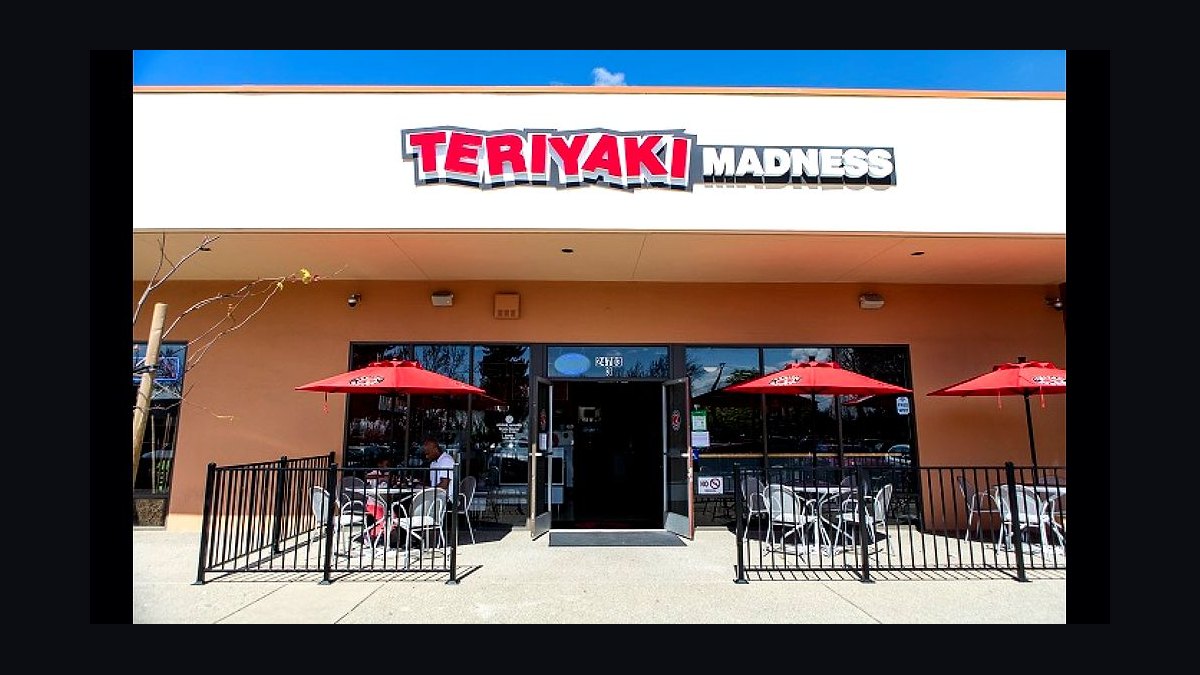
Yes — if you can fund $400K–$1.1M in liquid capital, secure a 1,200–1,800 sq ft endcap with strong daytime traffic in a metro where Asian fast-casual penetration is still under-indexed, and you treat Teriyaki Madness (TMAD) as an off-premise volume play (80% of orders are pickup, delivery, or curbside). Probably not — unless you are willing to be a hands-on owner-operator for the first 12–18 months. Real 2027 benchmarks: AUV $1,113,760, store-level EBITDA roughly $134K–$168K (12–15%), breakeven 14–22 months, payback on cash invested 4–6 years. Multi-unit operators with restaurant ops experience win. Absentee passive investors and first-time restaurateurs in saturated markets lose.
The Real Numbers
Teriyaki Madness's 2025 FDD Item 7 (effective for 2026–2027 awards) puts the total initial investment at $392,667 to $1,121,405 depending on whether you take an inline endcap, a conversion, or a freestanding ground-up build. The brand has 200+ open units, opened 41 new shops in 2025, and reports systemwide sales up 22% YoY as of Q3 2025. Royalty is 6% of net sales, brand marketing fund is 3%, and the franchise fee is $45,000 for a single shop (multi-unit "Executive Package" discounts available).
Item 19 disclosed in the 2025 FDD covers 105 franchised shops that operated the full prior year and submitted P&Ls. Reported system AUV: $1,113,760 (some cohorts disclose up to $1,177,195 for top-half performers). The middle-of-the-pack store generates ~$1.0M–$1.2M in net sales with store-level EBITDA of ~12–15% after royalty, marketing fee, COGS (~30%), labor (~28%), and occupancy (~8%).
| Line item | Low | High | Notes |
|---|---|---|---|
| Initial franchise fee | $45,000 | $45,000 | Item 5 |
| Site survey / lease fees | $2,000 | $6,500 | Item 7 |
| Construction / build-out | $150,000 | $475,000 | Endcap vs. ground-up |
| FF&E (furniture, fixtures, equipment) | $76,000 | $174,000 | Hood, wok line, POS |
| Signage / décor | $15,000 | $48,000 | Brand standard package |
| Pre-opening inventory | $8,000 | $14,000 | Proteins, produce, packaging |
| Training (5 staff x 3 weeks) | $6,000 | $22,000 | Travel + wages |
| Insurance / licenses / permits | $4,500 | $18,000 | Health dept, liquor (if any) |
| Working capital (3 mo) | $40,000 | $135,000 | Payroll runway |
| Real estate deposit / rent | $7,000 | $21,000 | First/last/security |
| Grand opening marketing | $10,000 | $20,000 | Required local launch spend |
| Contingency | $29,167 | $142,905 | Item 7 catch-all |
| TOTAL | $392,667 | $1,121,405 | Item 7, 2025 FDD |
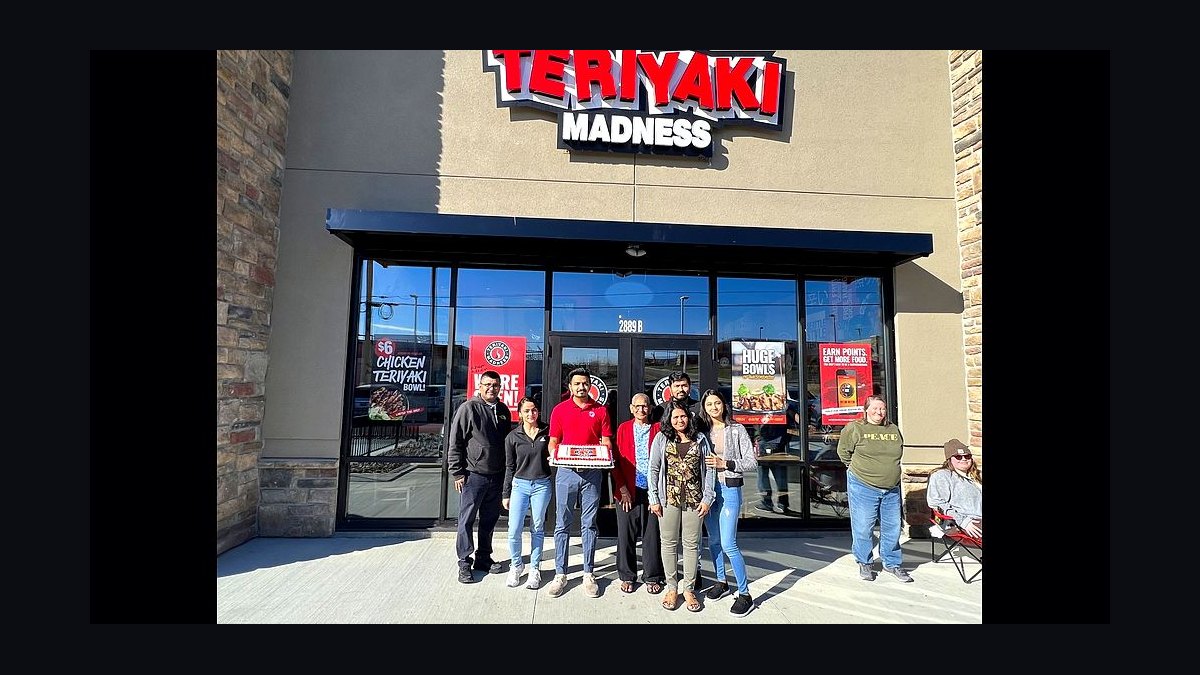
Revenue & margin math at AUV of $1.11M: COGS at 30% = $333K, labor at 28% = $311K, occupancy at 8% = $89K, royalty at 6% = $67K, marketing at 3% = $33K, other operating at 8% = $89K. Store-level EBITDA lands at ~$192K (17%) for an efficient operator and ~$134K (12%) for an average one. Subtract debt service on a typical $500K SBA 7(a) loan at 11% over 10 years (~$83K/yr) and the operator clears $50K–$110K take-home in Year 1, scaling to $150K–$200K by Year 3 as marketing efficiency improves.
Payback period: 4–6 years on cash invested (~$200K equity injection on a $700K total project). Breakeven monthly sales: $72K–$78K, typically hit by month 8–14.
Who Wins With This Business
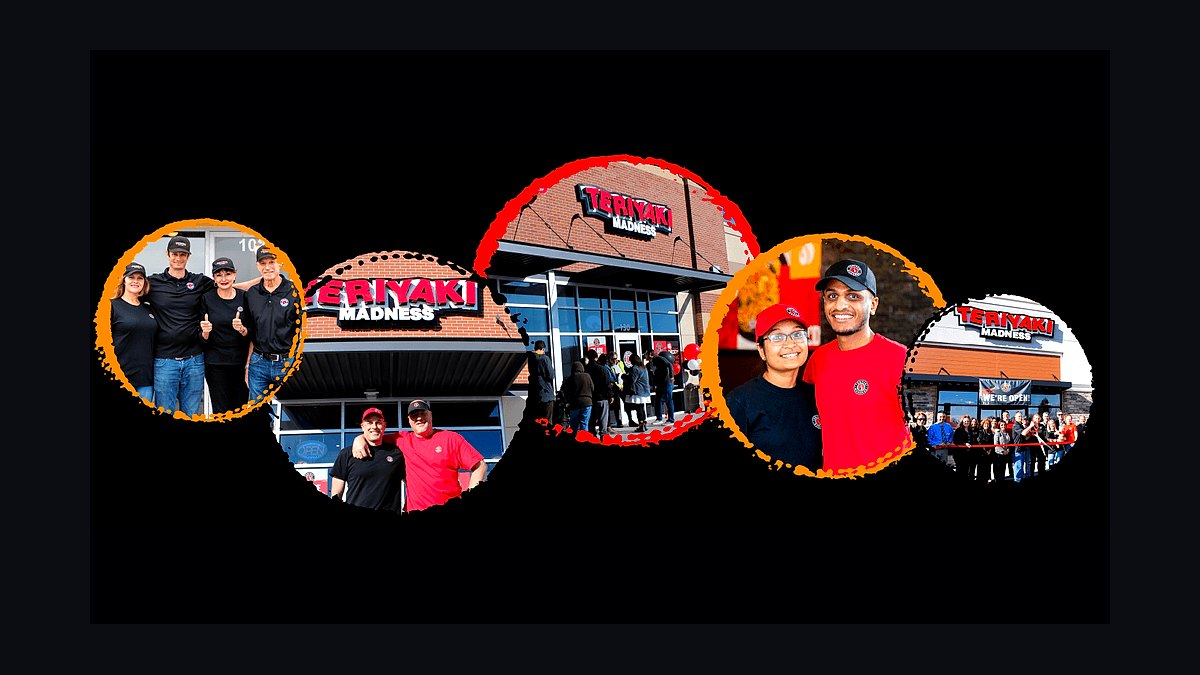
Multi-unit restaurant operators with 3+ existing concepts win because TMAD's 80% off-premise mix rewards systems thinking — third-party delivery management (DoorDash, Uber Eats, Grubhub commissions), Mad Dash native delivery, and curbside throughput drive AUV faster than dine-in optimization. Former QSR/fast-casual GMs with wok-line or batch-cook experience win because the menu engineering is straightforward but the prep flow is tight — proteins (chicken, beef, tofu, salmon) marinate overnight and fire-finish to order.
Hands-on owner-operators in secondary metros (Boise, Omaha, Greenville, Tulsa, Albuquerque, Spokane) win because Asian fast-casual penetration is still under 4% of QSR volume in those markets versus 8–12% in West Coast metros. Operators with $750K+ net worth and $250K+ liquid clear SBA underwriting cleanly. Real estate-savvy franchisees who can negotiate TI (tenant improvement) allowances of $40–$80 per square foot cut their net build-out by $60K–$140K.
Demographic sweet spot: trade areas with 25,000+ daytime population, median household income $65K+, office or hospital anchors within 1 mile, and lunch-rush traffic of 1,500+ vehicles in the noon hour.
Who Loses With This Business
Absentee investors lose. Despite the off-premise model, TMAD shops require an on-site GM for the first 18 months, and owner-operator stores out-earn passively-managed stores by $180K–$250K in AUV. The brand will award absentee deals to qualified multi-unit groups, but single-unit absentee buyers consistently under-perform Item 19 medians.
First-time restaurateurs in saturated Asian-fast-casual markets lose. Seattle, Portland, San Francisco, San Jose, Los Angeles, and Honolulu already have Panda Express, Pei Wei, Wok Box, Mod Pizza-adjacent concepts, and dozens of independent teriyaki shops. New TMAD units in those metros report $780K–$920K AUV versus the $1.11M system average because incumbents have eaten the easy daypart share.
Operators chasing the franchise-fee discount lose. The Executive Package ($120K for 3 units) looks like savings but requires opening all three within 36 months — operators who haven't opened one shop successfully should not commit to three on paper.
Drive-thru-only believers lose. TMAD has piloted drive-thru endcaps but does not consistently outperform inline endcaps because the menu (rice bowls, fresh-cut vegetables, build-your-own protein) doesn't pre-package as fast as a burger or coffee chain. Wendy's, Chick-fil-A, and Starbucks drive-thru benchmarks do not apply.
2027 Market Conditions
Fast-casual is projected to be a $209B industry by 2027, and Asian + healthy are the two fastest-growing segments inside it (Technomic, FRC). TMAD has 200+ open units and signed 9 new franchisee groups in Q3 2025, two of them on the Executive Package "all-you-can-build" track with no growth cap.
Headwinds for 2027 awards:
- Construction costs are up 18–24% versus 2022 (AGC index), pushing endcap build-out to $95–$140 per square foot versus the $70 norm three years ago.
- Beef and chicken protein costs are up 9–14% YoY (USDA ERS), squeezing COGS to the upper end of the 30% range.
- Restaurant labor in major metros is $17–$22/hour for line cooks; California, Washington, and New York require $20+/hour minimums for fast-food workers under AB 1228 and equivalents.
- Third-party delivery commissions of 25–30% on DoorDash/Uber Eats remain a margin drag; TMAD's Mad Dash native delivery (~12% all-in) is a partial offset but requires driver staffing.
Tailwinds:
- Gen Z and millennial flavor preferences favor Asian and "bowl culture" (rice/protein/veg/sauce stacks) — Sweetgreen, Cava, Chipotle have proven the format.
- TMAD's off-premise mix (80%) is structurally 5–8 margin points higher than a dine-in-heavy concept because front-of-house labor is leaner.
- Secondary-market expansion runway — fewer than 20 of the top 100 US metros have a TMAD unit, leaving 80+ open territories.
- AI-driven inventory and labor scheduling (Crunchtime, Restaurant365, 7shifts) cuts food cost variance by 80–150 basis points for operators who adopt early.
The 90-Day Decision Tree
- Days 1–14: Self-qualification. Confirm $250K liquid + $750K net worth. Pull a soft credit pull (FICO 680+) and gather two years of personal tax returns + a personal financial statement (SBA form 413).
- Days 15–21: Initial inquiry. Submit the Confidential Questionnaire at franchise.teriyakimadness.com. Expect a 20-minute introductory call with TMAD's franchise development team within 5 business days.
- Days 22–35: FDD review. Receive the current Franchise Disclosure Document (must be in your hands 14 days minimum before signing per FTC Rule). Read Item 7 line by line, Item 19 cohort by cohort, Item 20 unit count and turnover, and Item 21 audited financials.
- Days 36–50: Validation calls. TMAD provides a roster of all current franchisees. Call at least 10, including 3 in your target market type (secondary metro, similar daypart mix). Ask: actual Year-1 sales vs. pro forma, actual COGS, actual labor, support quality, regret/redo questions.
- Days 51–65: Market study + site survey. TMAD's real estate team will pull placer.ai or similar trade-area data. You should independently verify daytime population, median income, competitive Asian QSR count within 3 miles, and lunch-rush traffic counts before signing.
- Days 66–75: Financing. SBA 7(a) preferred-lender pre-approval (Live Oak, Newtek, Huntington, ReadyCap, Celtic Bank). Bring $200K cash equity for a $700K total project. Expect 10-year amortization at SBA prime + 2.75% (currently ~11%).
- Days 76–82: Discovery Day. Travel to Denver HQ (2 days). Meet executive team, training team, supply chain lead, marketing lead. TMAD also conducts mutual evaluation — they will reject candidates who fail the operator-fit screen.
- Days 83–88: Attorney review. Have a franchise-specialist attorney (not a generalist) review the FDD and franchise agreement. Budget $3,500–$7,000. Negotiate the territory radius, transfer fee, and renewal terms before signing.
- Day 89: Sign + pay franchise fee. $45,000 wired. Territory is locked, 18-month opening deadline starts.
- Day 90: Begin site selection. TMAD-approved brokers in your market. Target endcap, 1,500 sq ft, $30–$45/sq ft NNN, 7-year primary + two 5-year options.
Alternative Plays
Cava — Mediterranean bowl concept, $1.0M–$2.4M investment, AUV ~$2.7M, but only company-owned units; not franchising as of 2027. Watch for franchise pivot announcement.
Mo' Bettahs Hawaiian Style Food — direct teriyaki competitor, Savory Fund portfolio, AUV $1.6M+, investment $615K–$1.18M, 5% royalty + 2% marketing. Better unit economics but harder territory availability outside Mountain West.

Wow Bao — Asian steamed bao concept, ghost-kitchen-first model, investment $75K–$370K for a virtual unit. Much lower capital but lower AUV ($300K–$600K) and platform-dependent.
Build an independent teriyaki shop — skip the $45K franchise fee + 9% ongoing fees. Independents in Pacific Northwest do $800K–$1.4M AUV but SBA underwriting is 30–40% harder without a brand and marketing lift is 100% on you.
Buy a resale TMAD unit — 20–25 units change hands annually. Resales price at 3.5–5x SDE (seller's discretionary earnings), typically $425K–$750K all-in for a proven $1M+ AUV unit. Lower risk, less upside.
Cava-adjacent Mediterranean concepts — Roti, Naf Naf, Garbanzo — are franchising at $450K–$900K and benefit from the same bowl-culture demographic tailwind.
FAQ
What is the total investment range for a Teriyaki Madness franchise in 2027? The total investment typically falls between $400,000 and $1.1 million in liquid capital. This range covers franchise fees, build-out, equipment, and initial inventory, but actual costs vary by location and market conditions.
How long does it take to break even and see a return on investment? Most franchisees reach breakeven within 14 to 22 months, with payback on cash invested averaging 4 to 6 years. These timelines depend on factors like site selection, local competition, and operational efficiency.
What are the typical sales and profit margins for a Teriyaki Madness location? Average unit volume (AUV) is around $1,113,760, with store-level EBITDA ranging from $134,000 to $168,000, representing a 12–15% margin. Actual results vary widely based on location and management.
Do I need to be a hands-on owner-operator, or can I be an absentee investor? Hands-on owner-operation is strongly recommended for the first 12–18 months to ensure success. Absentee investors often struggle, as the model relies on active management to control costs and drive off-premise sales.
What type of location works best for a Teriyaki Madness franchise?

Ideal locations are 1,200 to 1,800 square foot endcap spaces in metro areas with strong daytime traffic and low Asian fast-casual penetration. The business is heavily off-premise, with about 80% of orders from pickup, delivery, or curbside.
Who is most likely to succeed with a Teriyaki Madness franchise in 2027? Multi-unit operators with restaurant operations experience tend to perform best. First-time restaurateurs in saturated markets face higher risks, while those who treat it as an off-premise volume play and actively manage the business see better outcomes.
Bottom Line
Teriyaki Madness in 2027 is a legitimate fast-casual play for hands-on operators with $200K liquid equity, restaurant ops experience, and access to an under-saturated metro. Real economics: $393K–$1.12M total investment, $1.11M average AUV, 12–15% store-level EBITDA, 4–6 year payback. Multi-unit operators using the Executive Package are the highest-EBITDA cohort. Single-unit passive investors and first-time operators in saturated West Coast metros are the failure cohort. Validate with 10+ existing franchisees, not the brand's own marketing, before signing.
Sources
- Teriyaki Madness 2024 FDD Talk — Franchise Chatter (Aug 2024)
- Teriyaki Madness Franchise Review 2025 — Franchise Chatter (Aug 2025)
- Teriyaki Madness Costs, Fees, FDD — Franchise Direct
- Teriyaki Madness Insights — Vetted Biz
- Teriyaki Madness 20-Year Anniversary Record Quarter — RestaurantNews.com (Oct 2025)
- Teriyaki Madness LA Expansion Plans — QSR Magazine
- Teriyaki Madness FDD & Profits — Sharpsheets (2025)
- Teriyaki Madness Deep Dive — 1851 Franchise
- Teriyaki Madness Franchise Costs 2026 — Franchise Help
- SBA 7(a) Loan Program Rates — U.S. Small Business Administration
- USDA ERS Food Price Outlook — USDA Economic Research Service
- Technomic Top 500 Chain Restaurant Report
Related on PULSE
This page will be disappearing soon. Save it to your device for $1 — or read it free while it is here.
@Kory-White- · if Venmo asks, the last 4 of my number are 2012
This page is gone.
This one is off the shelf now. $1 keeps it on your phone for good — the whole page, pictures and diagrams included.
 franchiseShould I open or buy a Chipotle franchise in 2027?
 franchiseShould I open or buy a Firehouse Subs franchise in 2027?
 franchiseShould I open or buy a Panera Bread franchise in 2027?
 franchiseShould I open or buy a Cook Out franchise in 2027?
 franchiseShould I open or buy an Orangetheory Fitness franchise in 2027?
 franchiseShould I open or buy a Roto-Rooter franchise in 2027?
 franchiseShould I open or buy a Great Clips franchise in 2027?
 franchiseShould I open or buy a Crumbl Cookies franchise in 2027?
 franchiseShould I open or buy an Auntie Anne's franchise in 2027?
 franchiseShould I open or buy a Marco's Pizza franchise in 2027?