


Should I open or buy a Chronic Tacos franchise in 2027?
Quality
Certified
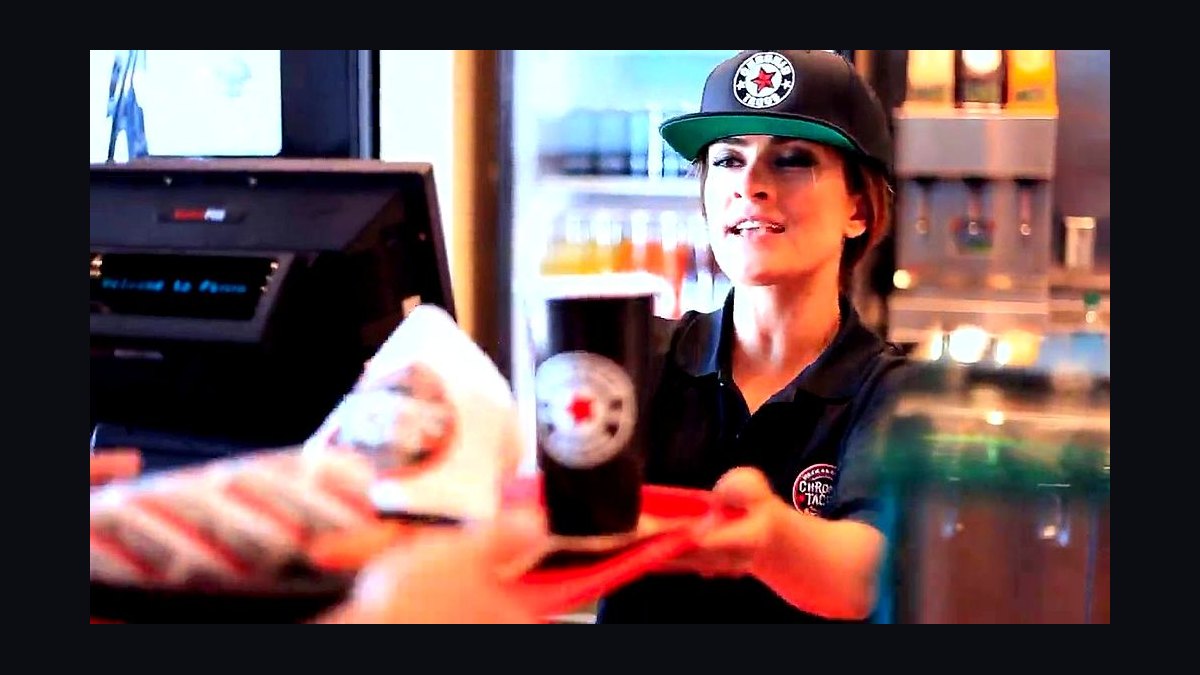
Probably not — unless you are a multi-unit California or Pacific-Northwest operator with $300K-$500K liquid, an existing Mexican fast-casual playbook, and tolerance for a brand still rebuilding from a 2020-2022 contraction. Chronic Tacos sits in a brutal fast-casual Mexican category dominated by Chipotle (~4,090 units) and an aggressively expanding Qdoba (~100 openings/year planned through 2032). The 2026 FDD lists a total investment of $294,000 to $946,000, a $30,000-$40,000 franchise fee, 6% royalty, and 2% marketing fee. Reported system AUV runs $780K-$848K, with estimated owner earnings of $93,682-$117,102 per location. Realistic breakeven: 18-30 months. Realistic payback: 6.0-8.0 years. Year-1 conservative cash flow: $40K-$80K after debt service. Buy a resale in a proven SoCal market; avoid new-build greenfield outside the West Coast.
The Real Numbers
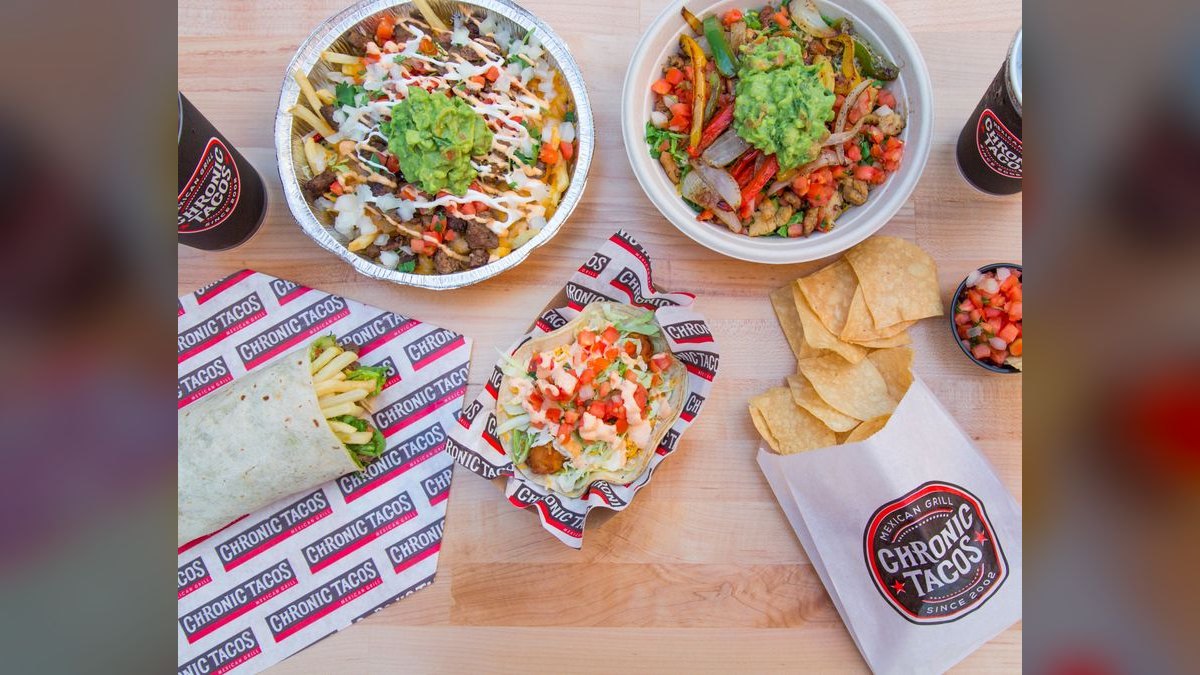
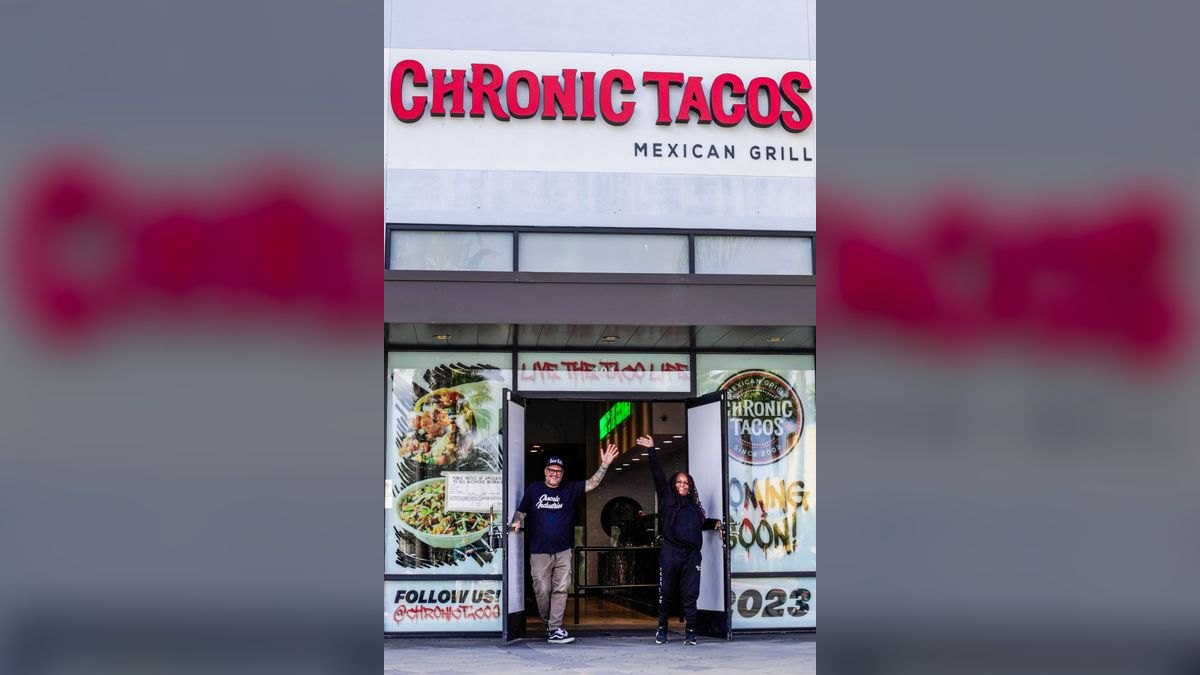
Chronic Tacos is a fresh-Mex, build-your-own taco brand founded in 2002 in Newport Beach, California by Randy Wyner and Dan Biello, now led by CEO Michael Mohammed. The 2026 Franchise Disclosure Document (Item 7) discloses a total initial investment range of $294,000 to $946,000 for a single restaurant. The franchise fee is $30,000-$40,000, depending on territory. Ongoing fees are 6% royalty on gross sales and 2% national marketing fund contribution, with potential local advertising spend of 1-2% on top.
The FDD Item 19 Financial Performance Representation reports a system AUV of $847,991 versus a fast-casual sub-sector average of $688,609, and an alternate reported figure of $780,680 in average gross sales. Estimated franchisee earnings range $93,682-$117,102, implying an 11-15% store-level EBITDA margin — below the 18-22% Chipotle company-store norm but in line with smaller Mexican fast-casual peers.
| Line Item | Low | Mid | High |
|---|---|---|---|
| Franchise Fee (Item 5) | $30,000 | $35,000 | $40,000 |
| Build-Out & Leasehold | $120,000 | $260,000 | $480,000 |
| Kitchen Equipment & Smallwares | $65,000 | $110,000 | $185,000 |
| POS, Tech, Signage | $18,000 | $32,000 | $55,000 |
| Initial Inventory | $9,000 | $14,000 | $22,000 |
| Training & Opening Costs | $12,000 | $22,000 | $38,000 |
| Working Capital (3 mo) | $40,000 | $75,000 | $126,000 |
| TOTAL INVESTMENT | $294,000 | $548,000 | $946,000 |
| Royalty (% of gross sales) | 6% | 6% | 6% |
| Marketing Fund | 2% | 2% | 2% |
| System AUV | $688,609 | $780,680 | $847,991 |
| Owner Earnings (Year 2+) | $93,682 | $105,392 | $117,102 |
| Payback Period | 6.0 yrs | 7.0 yrs | 8.0 yrs |
Sanity check: at a midpoint $548K investment and $105K annual owner earnings, cash-on-cash return is ~19% pre-debt. With 70% SBA debt at 11.5%, annual debt service is ~$54K, leaving ~$51K free cash flow in a stabilized year — not Year 1. Year 1 typically lands $40K-$80K lower than steady state.
Who Wins With This Business
Winners share five traits. First, multi-unit operators: the 2026 FDD explicitly favors 3-5 unit area developers; CEO Michael Mohammed told QSR Magazine the brand wants operators who "act like 200 units when we have 50." Single-unit owner-operators rarely clear $80K Year 1. Second, California, Arizona, Nevada, Oregon, Washington — the brand's heritage corridor where 24-month-old units consistently hit $800K+ AUV. Third, operators with $300K-$500K liquid beyond the franchise fee, because landlord TI packages run $40-$70/sqft — meaningful but rarely enough to fully cover $480K high-end build-outs. Fourth, owners willing to run late-night daypart (the brand's post-10pm sales mix runs 18-22% in college and beach markets — a structural moat against Chipotle). Fifth, resale buyers: a stabilized Chronic Tacos at 2.5-3.5x SDE is a better deal than greenfield risk.
Who Loses With This Business
Losers are equally identifiable. East Coast and Southeast greenfield operators carry the highest failure rate — brand awareness outside the West sits below 8% aided recall per 2025 Technomic data, forcing 12-18 months of subsidized marketing to ramp. Single-unit absentee owners who plan to hire a GM at $65K-$75K typically see owner earnings collapse to $25K-$50K, since the GM's salary eats 60-70% of the earnings line. Operators in markets with three or more existing Chipotle units within a 3-mile radius see AUV compression of 18-25%.
Other loss patterns: investors expecting a 3-year payback — the FDD-implied payback is 6-8 years; operators without QSR or fast-casual experience who underestimate food cost (28-32%) and labor (29-33%); and anyone counting on the franchisor to drive traffic — the 2% marketing fund generates regional digital and social but not the national-broadcast pressure that Chipotle and Qdoba deploy. Finally, buyers locking in 10-year leases at $42+/sqft in B-tier suburban centers rarely survive a revenue dip of 15% — the rent-to-sales ratio breaches 12% and the store goes upside-down.
2027 Market Conditions
Fast-casual Mexican is a $15.8B segment projected to grow 5.2% CAGR through 2029 per IBISWorld, but growth is concentrating at the top. Chipotle operates 4,090 units as of Q1 2026 with flat comp guidance for 2026 — a sign even the category leader is hitting saturation in core markets. Qdoba announced an aggressive 100-openings-per-year plan running through 2032, doubling its footprint to ~1,400. Moe's Southwest Grill continues a slow contraction. Independent and regional Mexican fast-casual brands face a squeeze: scale players have app-driven loyalty (38M Chipotle Rewards members), AI-driven labor scheduling, and catering platforms smaller brands cannot match.

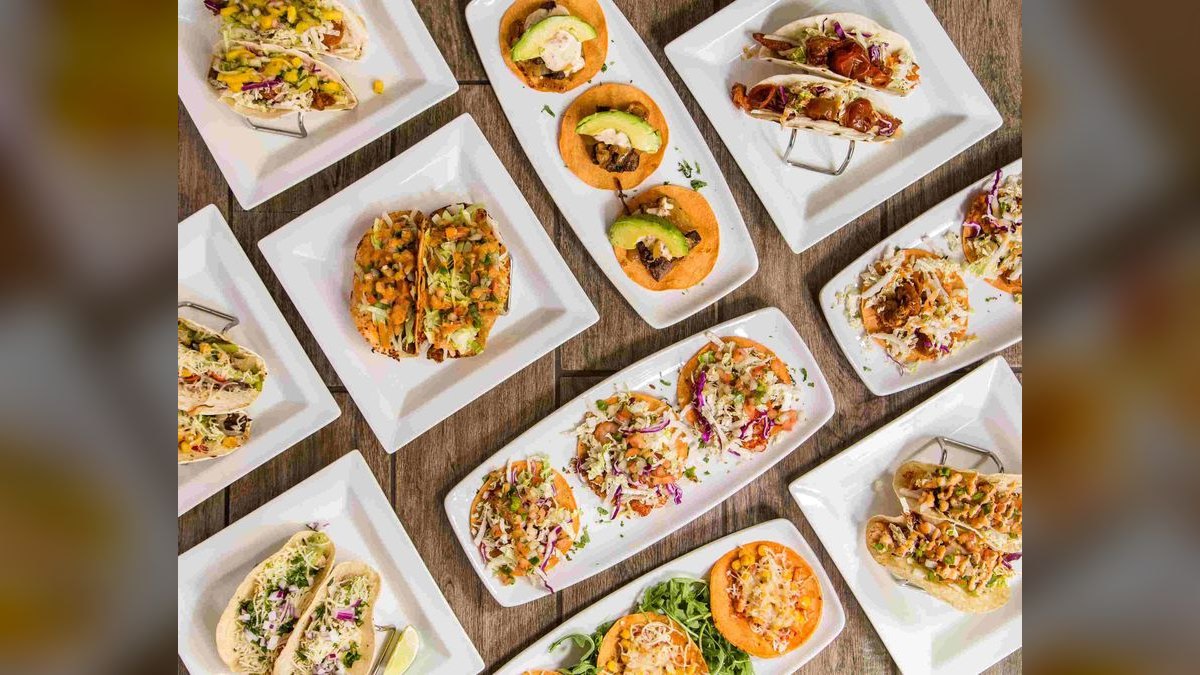
Chronic Tacos sits in a defensible niche — Baja-California-style fresh Mex with proteins like al pastor on a vertical spit, a younger 18-34 demo skew, late-night daypart, and a beach/surf brand identity. The brand has 40-50 units across the US, Canada, and Japan and is rebuilding after closing roughly 15-20 underperforming units between 2020 and 2023. 2027 tailwinds: Hispanic and Latino population growth (Census projects 20.1% of US population by 2030), continued fresh-prep consumer preference, and a post-pandemic preference for smaller, regional brands over the big three. 2027 headwinds: beef and avocado commodity inflation running 8-12% YoY, California fast-food minimum wage at $20/hour depressing West Coast margins, and GLP-1 weight-loss drugs softening category traffic 2-4% per Technomic's 2026 Consumer Brand Metrics.
The 90-Day Decision Tree
- Days 1-7 — Pull the current FDD. Request the 2026 or 2027 FDD directly from Chronic Tacos franchise development. Read Item 3 (litigation), Item 7 (investment), Item 19 (financial performance), and Item 20 (system size — franchised openings vs. closures last 3 years) before anything else. If closures outnumber openings in the most recent year, stop.
- Days 8-21 — Validate Item 19 with current franchisees. The FDD lists every operating franchisee with phone numbers in Item 20. Call 10-15 operators (not the ones the franchisor suggests). Ask actual AUV, food cost, labor cost, rent, franchisee net income. Aim for a dispersion view — if bottom-quartile units do $550K, your model must survive that floor.
- Days 22-35 — Trade area study. Hire a third-party demographer (eSiteAnalytics, Buxton, or SiteZeus) for $3K-$6K. Validate daytime population 30K+ within 3 miles, median HHI $65K+, Hispanic population index 110+, and <2 Chipotle units within 2 miles.
- Days 36-50 — Capital stack. Pre-qualify SBA 7(a) loan through Live Oak Bank, Huntington, or ApplePie Capital. Target 70% LTV at 11-12.5% prime+ in 2027 rate environment. Confirm $120K-$200K equity injection is liquid.
- Days 51-65 — Site letters of intent. Negotiate rent at 7-9% of projected sales (not the landlord's asking 11-13%). Push for 6 months free rent, $40-$60/sqft TI, 5+5+5 term.
- Days 66-75 — Franchise attorney review. Hire a franchise-specific attorney ($3K-$6K) — Wigdor, Lewitt Hackman, Garner Marshall. Negotiate transfer fee cap, territory protection radius (1.5 mile minimum), and renewal terms.
- Days 76-85 — Discovery Day in Costa Mesa, California. In-person headquarters visit. Meet CEO, ops, marketing, supply chain. Ask for 3 closed-store post-mortems — refusal is a red flag.
- Days 86-90 — Decision. Sign or walk. If you walk, do not get sucked back in by a franchise fee discount; the underlying unit economics do not change for a $10K rebate.
Alternative Plays
If Chronic Tacos does not pencil, consider four alternatives. First, Tacos 4 Life — Christian-mission positioning, AUV $1.4M+, higher build-out but stronger unit economics. Second, Bubbakoo's Burritos — East Coast-heavy, AUV $1.0M-$1.2M, lower investment $250K-$650K, aggressive franchising. Third, a Chipotle area developer agreement is not available (Chipotle is corporate-owned), so the closest analog is Qdoba, with AUV around $1.1M and investment $1.0M-$1.6M — higher capital, stronger brand pull. Fourth, an independent regional Mexican concept with lower royalty drag: a single-location independent at the same $548K cost but 0% royalty + 0% marketing retains an extra $62K-$68K annually on the same $780K AUV — but you give up brand awareness, supply chain, and marketing engine. Fifth, resale acquisition of a stabilized Chronic Tacos in a proven SoCal market at 2.5-3.5x SDE typically pencils to 22-28% cash-on-cash versus 8-14% greenfield Year 1-3 — almost always the better risk-adjusted play.
FAQ
What is the total investment range to open a Chronic Tacos franchise? The total investment ranges from $294,000 to $946,000, including a $30,000–$40,000 franchise fee. Exact costs depend on location size, build-out, and equipment needs.
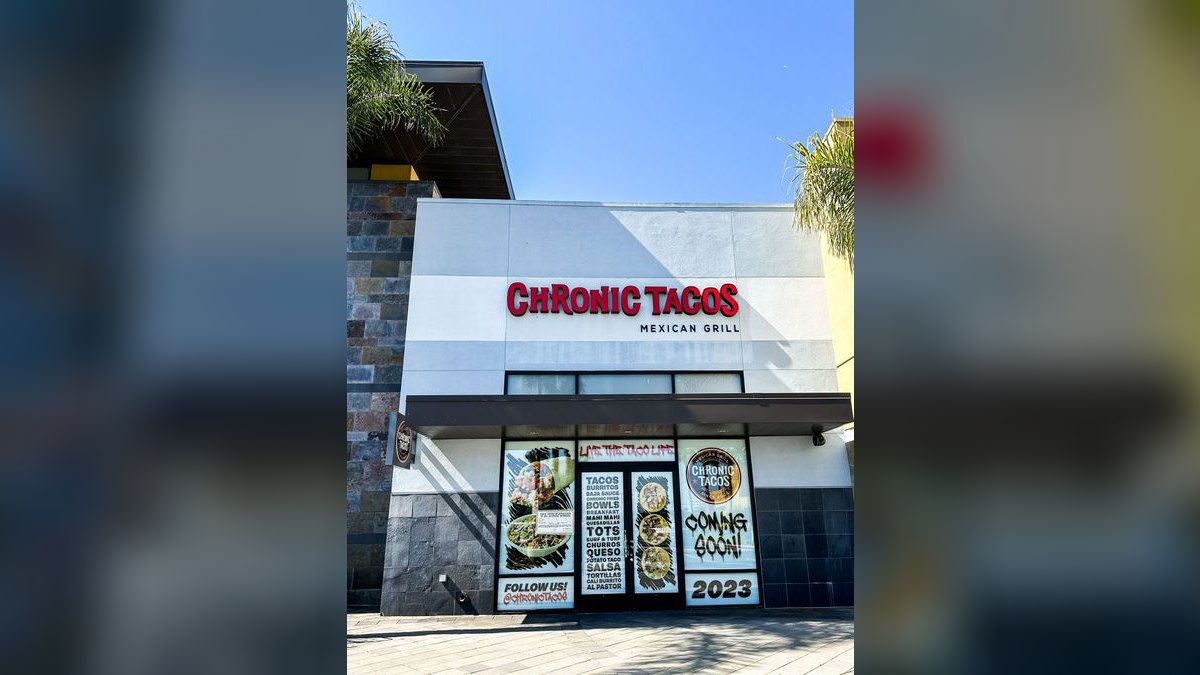
How much can I expect to earn as a Chronic Tacos franchise owner? System average unit volume (AUV) is $780,000–$848,000, with estimated owner earnings of $93,682–$117,102 per location. Year-1 cash flow after debt service is typically $40,000–$80,000.
How long does it take to break even and get my money back? Realistic breakeven is 18–30 months, with full payback on investment taking 6.0–8.0 years. Faster returns are more likely in established West Coast markets.
Is Chronic Tacos competitive with Chipotle and Qdoba? Chronic Tacos has far fewer units (under 100) compared to Chipotle’s ~4,090 and Qdoba’s aggressive expansion. The brand is still recovering from a 2020–2022 contraction, so competition is intense.
Should I buy a new franchise or a resale? Buying a resale in a proven Southern California market is strongly recommended. New-build greenfield locations outside the West Coast carry higher risk and slower growth.
What are the ongoing royalty and marketing fees? The royalty fee is 6% of gross sales, and the marketing fee is 2%. These are standard for fast-casual franchises and contribute to brand support and advertising.
Bottom Line
Chronic Tacos is a legitimate regional brand with defensible niche positioning but borderline single-unit economics outside its West Coast heritage corridor. Buy if: you are a multi-unit California, Arizona, Nevada, Oregon, or Washington operator with $300K-$500K liquid, prior fast-casual experience, and access to a stabilized resale at 2.5-3.5x SDE. Walk if: you are a single-unit East Coast or Southeast greenfield investor without the brand's regional supply chain density or brand awareness floor. The math: $548K midpoint investment, $105K stabilized earnings, 6-8 year payback — better than running a restaurant blind, worse than a Chipotle area developer agreement you cannot get, and roughly tied with Bubbakoo's, Tacos 4 Life, or a strong independent on risk-adjusted return.
Sources
- Chronic Tacos Franchise FDD, Costs & Fees (2026) — FranchisePayback
- Chronic Tacos Franchise Insights: FDD, Costs & Fees — VettedBiz
- Chronic Tacos Franchise 2026 ROI & Fees — FranchiseGrade
- Chronic Tacos Franchise Analysis: Cost, FDD & More — Franzy
- Chronic Tacos Franchise FDD, Profits & Costs — Sharpsheets
- Start a Chronic Tacos Franchise in 2026 — Entrepreneur
- Inside the Comeback Story of Chronic Tacos — QSR Magazine
- Franchise Expansion Top of Mind at Chronic Tacos — Fast Casual
- Chronic Tacos Multi-Unit Franchisee Opportunities — FranchiseWire
- Chipotle Mexican Grill Form 10-Q FY2026 — SEC EDGAR
- Qdoba US Expansion Strategy — CoStar
- Unit Economics 101: AUV, COGS & Breakeven — 1851 Franchise
Related on PULSE
This page will be disappearing soon. Save it to your device for $1 — or read it free while it is here.
@Kory-White- · if Venmo asks, the last 4 of my number are 2012
This page is gone.
This one is off the shelf now. $1 keeps it on your phone for good — the whole page, pictures and diagrams included.
 franchiseShould I open or buy a Valvoline Instant Oil Change franchise in 2027?
 franchiseShould I open or buy a Sonic Drive-In franchise in 2027?
 franchiseShould I open or buy a Little Caesars franchise in 2027?
 franchiseShould I open or buy a Massage Envy franchise in 2027?
 franchiseShould I open or buy a Kona Ice franchise in 2027?
 franchiseShould I open or buy a KinderCare franchise in 2027?
 franchiseShould I open or buy an Anytime Fitness franchise in 2027?
 franchiseShould I open or buy a Chipotle franchise in 2027?
 franchiseShould I open or buy a Firehouse Subs franchise in 2027?
 franchiseShould I open or buy a Panera Bread franchise in 2027?