


Should I open or buy a Yard House franchise in 2027?
Quality
Certified
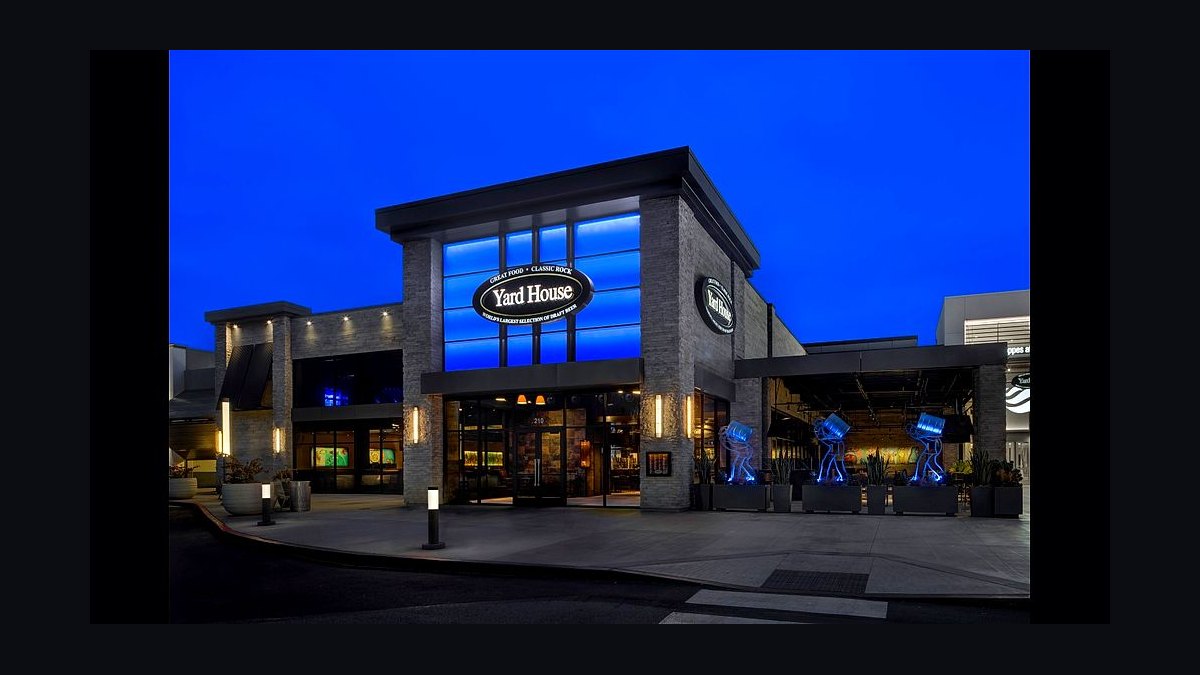
You cannot open a Yard House franchise in 2027. Yard House is wholly owned by Darden Restaurants, which acquired it in 2012 and operates every U.S. location corporately. The only conceivable operator path runs through Darden's airport franchising channel, open to established concessionaires. Everyone else should evaluate comparable polished-casual sports-bar brands that actually franchise.
Yard House versus the brands you can actually franchise
The honest framing of this question is not "Yard House: yes or no." It is "Yard House is closed, so what is the nearest open door?" Understanding why the door is closed matters, because the same logic governs several other brands people ask about in the same breath.
Darden Restaurants bought Yard House USA in 2012 for a reported $585 million and folded it into the portfolio alongside The Capital Grille, Seasons 52, Eddie V's, and Bahama Breeze. Darden's operating philosophy across that portfolio has been consistent for more than a decade: own the domestic units, control the guest experience, and reinvest cash flow into new corporate builds rather than selling development rights. Olive Garden and LongHorn Steakhouse — the two largest brands — are also corporate-operated domestically. Darden's franchising activity is concentrated in two channels: international master-franchise agreements, and a domestic airport licensing program for locations inside U.S. terminals. That airport channel is real, published, and active for several Darden brands, and it is the only place a Yard House license has ever been plausibly discussed for a third party.
So the comparison set breaks into three tiers.

Tier one — the closed brand. Yard House itself. Roughly ninety U.S. locations, all corporate. Big boxes, frequently seven thousand to twelve thousand square feet, built around a signature draft-beer wall with a hundred-plus taps, a scratch kitchen, and late-night service. High average unit volumes by casual-dining standards, high build cost, high operating complexity. Not for sale as a franchise.
Tier two — the near-substitutes that do franchise. Twin Peaks, owned by FAT Brands, is the closest available analogue: polished-casual sports-bar positioning, beer-forward beverage program, high-energy atmosphere, comparable ticket. Buffalo Wild Wings, owned by Inspire Brands, is a step down in polish but a proven multi-unit franchise system with deep operational infrastructure. Boston Pizza brings a family sports-bar angle with a scratch pizza program. Each of these publishes a Franchise Disclosure Document, which means you get Item 7 investment ranges and Item 19 financial performance representations to underwrite against — something Yard House will never give you because it does not sell franchises and therefore files no FDD.
Tier three — the build-your-own path. Acquire or launch an independent taphouse. Yard House's actual moat is not a proprietary recipe; it is a very large beverage program executed consistently, a scratch kitchen, and a real-estate strategy that puts boxes next to stadiums, lifestyle centers, and dense entertainment districts. Those components are purchasable individually. What you cannot buy is brand recognition and the supply-chain leverage that comes with a corporate parent.
The trade-off across tiers is straightforward. Tier two buys you a proven playbook, national marketing, and lender comfort — at the cost of royalties, brand-fund contributions, territory restrictions, and mandated remodel cycles. Tier three keeps every dollar of margin and every operating decision, and hands you the full burden of concept development, menu engineering, vendor negotiation, and demand generation. Independent operators who succeed at the taphouse format almost always have prior beverage-program depth. Franchisees who succeed at tier two almost always have prior multi-unit management depth. Different skills, different failure modes.
How to decide, in order

Work the decision in a strict sequence, because the early gates are cheap and the later ones are expensive. Do not commission a market study before you know whether you qualify for anything.
Gate one: is Yard House available to you at all? For a domestic street-side location, the answer is no, full stop. If you operate airport food-and-beverage concessions today — multiple terminals, established disadvantaged-business-enterprise compliance history, a labor pipeline that can pass badging and background requirements, and a balance sheet that satisfies airport authorities — you have a conversation to open with Darden's international and airport franchising group. If not, skip to gate two immediately. Every week you spend chasing a domestic Yard House license is a week not spent underwriting a deal you could actually close.
Be alert here: any broker, consultant, or "franchise placement" firm claiming to sell you a domestic Yard House franchise is misrepresenting the brand. Do not pay a deposit. Verify directly through Darden's published franchising contact page.
Gate two: what is your real liquidity and net worth? Franchisors publish minimum financial requirements, and lenders enforce them. A polished-casual box in the three-to-five-million-dollar all-in range typically expects seven-figure liquid capital and a net worth well above the project cost. If you are working with under one and a half million liquid, tier two polished casual is out of reach without partners, and you should look at smaller-footprint sports-pub concepts or the independent path.

Gate three: what is your operating experience? Polished casual with a heavy alcohol mix is a different business from fast casual. You are managing a hundred-plus employees per unit, a beverage program with meaningful spoilage and shrink exposure, dram-shop and responsible-service liability, late-night labor scheduling, and a kitchen running a broad scratch menu at volume. Franchisors screen for this. Lenders screen for it harder.
Gate four: does your trade area support the format? A large polished-casual box needs density, income, and a traffic generator. Practically, that means a substantial adult population within a short drive, household income comfortably above the national median, and proximity to a stadium, arena, entertainment district, lifestyle center, or dominant regional mall. A suburban end-cap that comfortably supports a family sports pub will not fill eight thousand square feet of polished casual on a Tuesday.
Gate five: what does the FDD actually say? Only tier-two brands get you here. Read Item 7 for the investment range, Item 19 for financial performance representations, Item 20 for the unit-count table — specifically the transfers, terminations, and non-renewals, which tell you more about franchisee health than any average unit volume figure. Item 12 defines your territory. Item 11 lists every fee and technology mandate the franchisor can impose on you later.
The numbers behind each option
Precise figures change with every FDD filing cycle, so treat the ranges below as underwriting frames and verify current numbers in the current FDD before you commit a dollar. Where a brand does not franchise, no FDD exists and any number you see quoted online is an estimate, not a disclosure.

Yard House, estimated build economics. Because there is no FDD, the only defensible way to size a Yard House box is by component. A seven-to-twelve-thousand-square-foot polished-casual restaurant with premium finishes, a full commercial kitchen, and a hundred-plus-tap draft system with the associated glycol lines, walk-in cooler capacity, and dispensing hardware is a multi-million-dollar project in current construction dollars. Restaurant build-out costs have risen materially since 2022 across labor and materials, which pushes a project that once penciled at three hundred-odd dollars per square foot toward four hundred or more depending on market and landlord contribution. Add a liquor license, which ranges from a few tens of thousands of dollars in open-license states to a genuinely eye-watering six-figure sum in quota markets like New Jersey, parts of Florida, and California. Add pre-opening payroll and training for a large staff, plus three months of working capital against a payroll that runs high because the format is service-intensive. The all-in number lands well above three million dollars and can approach or exceed five million. This is precisely why the format does not lend itself to single-unit first-time ownership even hypothetically.
Airport variant. An airport unit compresses the footprint — typically a few thousand square feet post-security — and changes the revenue model. Enplanement counts and dwell time replace trade-area demographics. Rent is not rent; it is a concession fee, usually structured as a percentage of gross sales against a minimum annual guarantee, and it runs meaningfully higher as a percentage of sales than street-side rent. Labor costs carry an airport premium in most major markets, driven by living-wage ordinances at airport authorities and by the friction of badging. Volumes per square foot can be excellent because the audience is captive, but they are also capped by seat count and hours of operation. Underwrite an airport unit at a fraction of street-level volume, not parity.
Twin Peaks. Publishes an FDD with an Item 7 range spanning roughly one and a half million to just over five million dollars depending on whether you are converting an existing building, doing a ground-up build, or taking a second-generation restaurant space. Royalty and marketing contributions sit in the typical casual-dining band — a five percent royalty plus a marketing fund contribution of a couple of points. Item 19 has historically disclosed strong average unit volumes and healthy restaurant-level margins for the system's stronger cohorts. Read the cohort splits carefully; system averages skew toward mature, well-sited units.
Buffalo Wild Wings. Lower ticket, lower polish, higher unit count, and a longer operating history as a franchise system. Item 7 typically lands in the low-to-mid millions. Royalty around five percent with a comparatively heavy advertising fund contribution, which is what pays for national sports-media presence. New area-developer agreements generally carry multi-unit development obligations rather than single-unit deals.
Boston Pizza. A Canadian-headquartered family sports-bar concept with a scratch pizza program. Investment range sits between the two above. Strong in Canada, with U.S. development incentives that fluctuate by region and year.
Smaller-footprint sports pubs. Family-oriented sports-pub franchises operate at a fraction of the capex — typically under one and a half million dollars all in — because the box is smaller, the finish level is lower, and the beverage program is simpler. Average unit volumes are correspondingly lower, often in the one-to-two-million range. The margin percentage can be comparable; the absolute dollars are not. If your goal is cash flow per unit, this path requires multi-unit scale. If your goal is to own one restaurant and run it yourself, it is far more realistic than polished casual.
The operating line items that actually determine outcomes. Whichever brand you pick, model these honestly: food cost in the high twenties to low thirties as a percentage of sales; labor in the low-to-mid thirties, higher in wage-mandate markets; occupancy in the high single digits street-side and materially higher in airports; royalty and marketing combined at six to nine points; and a restaurant-level EBITDA margin that lands in the mid-teens for a healthy polished-casual unit. Note what that means arithmetically. Restaurant-level margin is calculated before corporate overhead, before debt service, and before your own compensation. A unit throwing off mid-teens restaurant-level margin on eight million dollars of revenue is a genuinely good business. The same margin percentage on one and a half million dollars of revenue is a job.
Beverage mix is the swing factor for this category. Beer-and-cocktail-forward concepts carry higher gross margin per dollar of revenue than food-only concepts, which is why the format exists. That same mix is the category's exposure. Industry beverage incidence in casual dining has been under pressure, driven by lower alcohol consumption among younger adult cohorts and by shifting consumer patterns around beverages generally. If you underwrite a taphouse concept at historical alcohol mix percentages and the actual mix comes in several points lower, your entire margin thesis moves. Sensitize for it. Run the pro forma at your assumed mix, then again with the alcohol share five points lower, and see whether the deal still services debt.
Sequencing the build, whichever path you choose
The decision is one thing; execution sequencing is where deals die. Here is a workable order of operations for a tier-two franchise deal, with the airport variant noted where it diverges.
Weeks one through three — qualify yourself. Assemble a CPA-prepared personal financial statement, proof of liquid funds, and a résumé of operating experience. Franchisors will ask for all three before sending an FDD. If you are pursuing the airport channel, add your concessions portfolio, three years of gross revenue by location, and your compliance history with the relevant airport authorities.
Weeks three through six — request and read the FDD. Federal rules require the franchisor to give you the FDD at least fourteen calendar days before you sign anything or pay any money. Use that window properly. Read Item 19 for financial performance, but read Item 20 first — the table of openings, closures, transfers, and terminations over the last three years is the single most honest page in the document. Then call franchisees. Not the ones the franchisor gives you; pull names from the Item 20 exhibit list and cold-call twenty. Ask three questions: what did your build actually cost versus the disclosed range, what does your P&L look like in month thirty, and would you sign again.
Weeks five through ten — site selection. Run this in parallel with FDD review, because good sites do not wait. Commission real trade-area analysis rather than eyeballing a map. You want daytime and nighttime population, income distribution, competitive density, drive-time isochrones, and traffic-generator proximity. Retail analytics firms do this work for a mid-five-figure fee on a serious site package; it is cheap insurance against a seven-figure mistake. For airports, substitute enplanement counts by concourse, dwell-time data, post-security seat inventory, and the competitive tenant mix disclosed in the authority's request-for-proposals package.
Weeks eight through twelve — pro forma and financing. Build a monthly model, not an annual one, because restaurant ramp is seasonal and front-loaded with losses. Assume a ramp period before you hit stabilized volume. Pre-qualify financing early: Small Business Administration 7(a) loans are widely used for franchise restaurant deals and several lenders specialize in restaurant franchise credit. Conventional financing becomes viable at larger deal sizes or with a strong sponsor balance sheet. Equipment leasing can carve a meaningful slice out of the cash requirement, though it raises your fixed monthly obligation.
Weeks ten through fourteen — legal. Engage a franchise attorney who does this work full-time, not your general business counsel. They will review the FDD and franchise agreement, flag the territory definition, the transfer and renewal provisions, the personal guarantee scope, and the remodel obligations. For airport deals, the master concession agreement with the airport authority is a second, separate negotiation and often the harder one — minimum annual guarantees, capital investment commitments, and hours-of-operation requirements all live there.
Weeks fourteen through eighteen — lease and letter of intent. Landlord negotiation on a large restaurant box centers on tenant improvement allowance, free-rent period, exclusivity, co-tenancy protections, and the personal guarantee. Get the TI allowance in writing before you sign the franchise agreement, because it materially changes your capital requirement.
Then: build, hire, train, open. Construction on a large restaurant box commonly runs six to nine months from permit, and permitting itself can add months in restrictive jurisdictions. Hire the general manager and executive kitchen manager well before opening — franchise training programs typically require several weeks of certified management training, and those people need to be on payroll during it.
What the closed-brand pattern tells you about the wider category
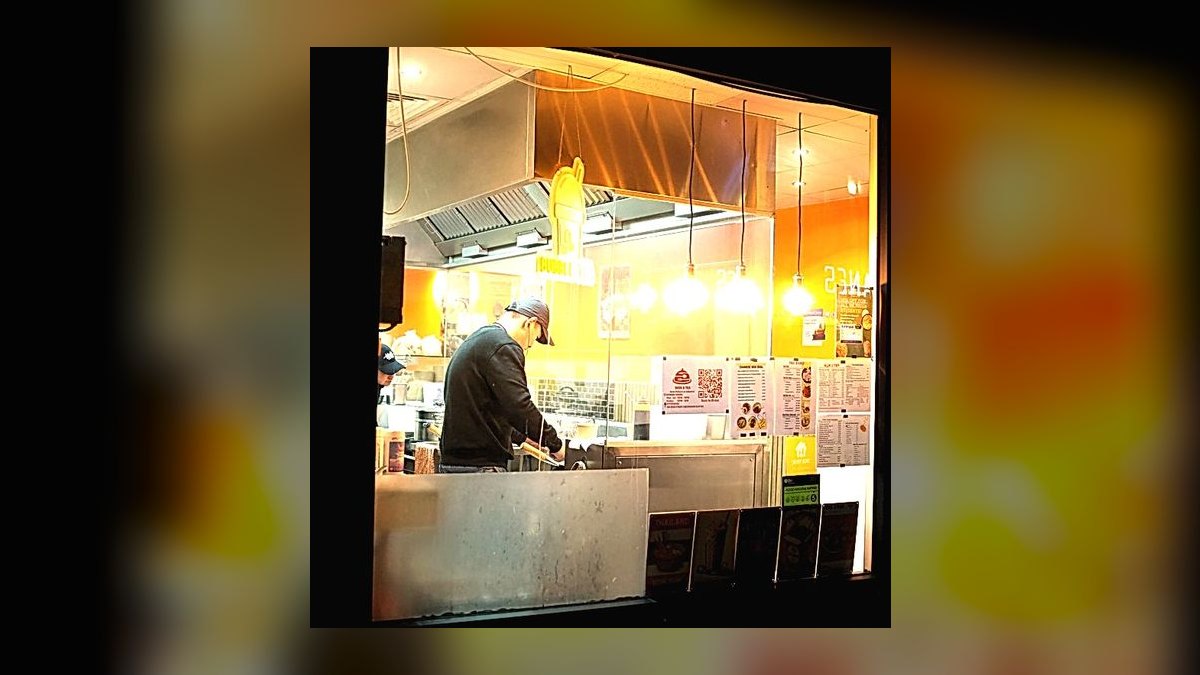
Yard House is not an outlier. A meaningful share of the restaurant brands people most want to own are corporate-only domestically, and the reasons rhyme. Brands with very high average unit volumes, complex operations, and strong balance-sheet parents tend to keep their units. Franchising is, at its core, a way to fund growth with someone else's capital. A parent company generating strong free cash flow and holding cheap access to debt does not need your capital and would rather keep the full unit economics.
That pattern has a practical consequence for how you search. Rather than picking a brand you admire as a guest and then discovering it is closed, invert the process: start from the universe of brands that actually file FDDs in your target category and investment range, then filter for the ones whose unit economics and franchisee health look strongest. The Federal Trade Commission's franchise rule is what makes this possible — it forces disclosure, and disclosure is your only real leverage as a prospective buyer.
There is also a live secondary market worth understanding. Existing franchise units resell, often through business brokers, and buying an operating unit changes the risk profile entirely. You get a trailing P&L instead of a projection, an existing staff, and immediate revenue. You also inherit deferred maintenance, a lease with whatever terms the prior operator accepted, possibly a remodel obligation coming due, and the franchisor's approval requirement on the transfer. For polished-casual formats where the ground-up build is the dominant risk, buying an existing unit at a multiple of cash flow frequently beats building new — the buyer skips construction risk, permitting risk, and the ramp entirely. Ask the franchisor directly what units are available for transfer in your market; they often know before the listing goes public.
One more adjacent angle: multi-brand operators. The most durable restaurant franchisees rarely own one brand. They build a portfolio — a high-volume evening concept, a daypart-complementary breakfast or fast-casual brand, and sometimes a non-restaurant service business — so that shared back-office, accounting, HR, and real-estate capability spreads across more revenue. If you are considering a single polished-casual box, ask whether the same capital deployed across three smaller units in complementary dayparts would produce steadier cash flow with less concentration risk. For most first-time franchise investors it does.
Related questions
Does Yard House have a Franchise Disclosure Document I can request?
No. FDDs exist only for companies that sell franchises. Because Yard House does not offer domestic franchises, no FDD is filed and none can be requested. Any document presented to you as a Yard House FDD should be treated as fraudulent.
Could Darden start franchising Yard House domestically later?
Possible but unannounced. Darden's stated posture keeps domestic units corporate-operated and treats the smaller-brand segment as an organic growth vehicle. Watch quarterly earnings calls and the investor relations page for any change; do not plan capital around speculation.
Is the airport franchising channel realistically open to a new operator?
Rarely. Airport concession licenses go to operators with existing terminal portfolios, compliance track records, and balance sheets that satisfy airport authorities. A newcomer's realistic entry is as a joint-venture partner or subtenant with an established concessionaire, not as a prime.
What is the closest franchise I can actually buy to Yard House?
Twin Peaks is the nearest analogue in positioning — polished-casual sports bar, beer-forward, comparable ticket. Buffalo Wild Wings offers a larger, more mature franchise system at lower polish. Both publish FDDs with Item 7 investment ranges and Item 19 performance data.
Should I buy an existing restaurant instead of building new?
Often yes. An operating unit gives you a trailing P&L, trained staff, and day-one revenue while removing construction and ramp risk. You inherit the lease, deferred maintenance, and any pending remodel obligation, and the franchisor must approve the transfer.
FAQ
Can I open a Yard House franchise in my hometown in 2027?
No. Yard House is a wholly owned Darden Restaurants brand and every U.S. location is corporate-operated. Darden does not sell domestic franchises for it, so there is no application, no disclosure document, and no territory to buy. The only franchising Darden conducts domestically is a limited airport licensing program open to established concessionaires.
Why would a profitable brand refuse to franchise?
Franchising primarily solves a capital problem — it funds expansion with franchisee money. A parent company with strong cash flow and access to inexpensive debt does not need that capital and would rather retain the full unit-level profit, keep total control of the guest experience, and avoid the legal and support infrastructure that a franchise system requires.
How much capital do I need for a comparable polished-casual sports bar?
Plan for a project in the multi-million-dollar range once you account for build-out, kitchen and bar equipment, a substantial draft system, furniture and signage, a liquor license, pre-opening payroll and training, and several months of working capital. Verify the current Item 7 range in the specific brand's active FDD, and expect lenders to require significant liquid capital beyond the project cost.
How long until a new polished-casual restaurant breaks even?
Sponsors commonly underwrite a multi-year payback on a large restaurant box, with the first year frequently near or below breakeven on operator cash flow after debt service. The variables that move it most are trade-area quality, the ramp curve, occupancy cost, and beverage mix. Model it monthly and stress-test the ramp.
Someone offered to broker me a Yard House franchise. Is that legitimate?
No. There is no domestic Yard House franchise to broker. Treat any deposit request, letter of intent, or "reservation fee" tied to a domestic Yard House location as a scam, and verify directly with Darden's published franchising contact before responding further.
What should I read first in any FDD?
Item 20. The tables of openings, closures, transfers, terminations, and non-renewals over the trailing three years reveal franchisee health more honestly than any average-unit-volume figure in Item 19. Then read Item 7 for investment, Item 12 for territory, and Item 11 for the obligations the franchisor can impose on you after signing.
Sources
- https://www.darden.com/
- https://investor.darden.com/financial-information/sec-filings/default.aspx
- https://www.franchisedarden.com/
- https://www.yardhouse.com/
- https://www.ftc.gov/business-guidance/resources/franchise-rule-compliance-guide
- https://www.ftc.gov/business-guidance/industry/franchises
- https://www.sba.gov/funding-programs/loans/7a-loans
- https://restaurant.org/research-and-media/research/
- https://www.nrn.com/
- https://www.sec.gov/edgar/searchedgar/companysearch
Related on PULSE
- Should I open or buy a Huddle House franchise in 2027?
- Should I open or buy a TruBlue Total House Care franchise in 2027?
- Should I open or buy a House Doctors franchise in 2027?
- Should I open or buy a Stumpy's Hatchet House franchise in 2027?
- Should I open or buy an Arby's alternative — Roast House — franchise in 2027?
- Should I open or buy a Nestle Toll House Cafe franchise in 2027?
This page will be disappearing soon. Save it to your device for $1 — or read it free while it is here.
@Kory-White- · if Venmo asks, the last 4 of my number are 2012
This page is gone.
This one is off the shelf now. $1 keeps it on your phone for good — the whole page, pictures and diagrams included.
 franchiseShould I open or buy a Servpro franchise in 2027?
 franchiseShould I open or buy a Bruster's Real Ice Cream franchise in 2027?
 franchiseShould I open or buy a Taco Bell franchise in 2027?
 franchiseShould I open or buy a Supercuts franchise in 2027?
 franchiseShould I open or buy a Take 5 Oil Change franchise in 2027?
 franchiseShould I open or buy an Auntie Anne's franchise in 2027?
 franchiseShould I open or buy an Orangetheory Fitness franchise in 2027?
 franchiseShould I open or buy a Mac Tools franchise in 2027?
 franchiseShould I open or buy a Little Caesars franchise in 2027?
 franchiseShould I open or buy a Hand and Stone Massage franchise in 2027?