


Should I open a pet sitting business in 2027?
Quality
Certified

Yes — if you can sell yourself, hire reliable sitters, and survive 12-18 months of <$3,000/month take-home before scale. A solo independent pet sitting business launches for $2,000-$5,000 (LLC, insurance, bonding, scheduling software, marketing), reaches breakeven in 3-6 months, and produces $25,000-$55,000 Year-1 owner cash flow at solo capacity. Push past $100,000 revenue only by hiring W-2 or 1099 sitters (Year 2-3) and graduating off Rover (which takes 20%) onto direct-booked recurring clients via Time To Pet ($25-$50/mo). Probably not if you live in a low-density rural area, hate sales, or expect passive income — this is a labor business with a 25-40% net margin ceiling and real liability exposure on every single visit.
The Real Numbers
Pet sitting in 2027 is a $1.3B+ U.S. industry growing roughly 0.8% per year post-2024 surge (IBISWorld). The economics split sharply between independent solo (cheapest entry, hardest scale) and franchise (turnkey systems, royalty drag). Real 2027 numbers below — independent figures from IBISWorld and SBDCNet, franchise figures from Fetch! Pet Care FDD Item 7 and Item 19 (the only meaningful pet-sitting franchise still issuing FDDs with unit economics disclosure).
| Line item | Independent solo | Independent + 3 sitters | Fetch! Pet Care franchise |
|---|---|---|---|
| Startup investment | $2,000-$5,000 | $8,000-$15,000 | $88,567-$103,667 |
| Franchise fee | $0 | $0 | $62,500 |
| Insurance + bonding (Pet Sitters Associates / Business Insurers of the Carolinas) | $300-$500/yr | $800-$1,500/yr | $1,200-$2,000/yr |
| Scheduling software (Time To Pet) | $25-$50/mo | $40 + $16/active sitter | included or $50/mo |
| Marketing (Year 1) | $500-$2,000 | $3,000-$8,000 | $45,600 ($3,800/mo required) |
| Year-1 gross revenue | $35,000-$70,000 | $85,000-$160,000 | $87,485 (FDD median) |
| Net margin | 25-40% | 18-28% | 14-18% after 7% royalty |
| Year-1 owner cash flow | $25,000-$45,000 | $40,000-$70,000 | $12,248-$15,748 (FDD Item 19) |
| Breakeven | 3-6 months | 9-14 months | 18-30 months |
| Royalty / platform take | 0% (direct) or 20% (Rover) / 40% (Wag) | 0% direct | 7% of gross + 2% brand fund |
The headline math: a solo direct-booked operator clears more annual cash than a Fetch! franchisee because the $62,500 franchise fee, 7% royalty, and $3,800/month forced ad spend chew through margin before payroll. Franchise wins on systems, not economics — and only if you plan to scale to 3-5 territories within 36 months. Realistic per-service pricing for 2027 (urban/suburban U.S.): $20-$35 per 30-minute drop-in, $22-$40 per 30-min walk, $55-$95 per overnight stay, $15-$40 daytime daycare per dog. Rover keeps 20%; Wag keeps 40%. Time To Pet direct booking keeps 100% minus 2.9% Stripe.
Who Wins With This Business
You win if you fit at least three of these. First, you live in a dense, high-income suburb or urban core (think Austin, Charlotte, Seattle, Denver, Northern NJ) where dual-income households with $80K+ incomes own dogs and travel for work. Second, you can hold a sales conversation — every "meet and greet" is a 30-minute pitch, and franchise owners who close at 70%+ scale; those at 40% never escape solo work. Third, you are organized and systems-minded — daily routing across 8-15 visits per sitter requires Time To Pet, GPS check-ins, photo updates, and bulletproof billing. Fourth, you have $5,000-$10,000 in cushion to survive Months 1-4 while word-of-mouth compounds. Fifth, you genuinely like animals AND people — the secret skill is talking to nervous Type-A dog moms, not just dogs. Finally, you want to build something sellable: a recurring-revenue pet sitting business with 80+ active clients sells for 2-3.5x SDE ($150K-$300K exits are common per BizBuySell pet-services data).
Who Loses With This Business
You lose if any of these apply. You expect passive income — every visit is your or an employee's physical labor; there is no hands-off month. You live in a low-density rural area where the addressable market of <100 frequent-traveler dog owners can't support full-time revenue. You hate sales and social media — the #1 lead source in 2027 is Nextdoor + local Facebook groups + Google Business Profile reviews, all of which require a human voice. You're planning to scale only through Rover/Wag — the 20-40% platform take caps your net margin around 12-18% and they own the customer relationship. You can't pass a background check + bonding (felony, recent bankruptcy, no driver's license). You're squeamish about emergencies — diabetic insulin shots, post-surgical drain care, anxious dogs escaping yards, and the 3 AM "my sitter didn't show" call are real. And you're buying a franchise to be your own boss without reading the FDD — Fetch's $3,800/month required marketing spend is a non-negotiable contract obligation that crushes underfunded operators in Years 1-2.
2027 Market Conditions
Three structural facts shape 2027. First, the pandemic pet boom is over — APPA estimates U.S. household pet ownership flat at 66-67% since 2024, so growth comes from share-shift away from neighbor kids and asking-friends, not net new dogs. Second, hybrid work permanently created the midday walk SKU — corporate hybrid policy (3-4 office days/week per Stanford WFH Research's 2026 data) means a mid-day 20-30 min walk at $22-$28 is now a recurring weekly purchase in 35-50% of dog-owning suburban households. Third, Rover commoditized the bottom of the market but created an opportunity at the top: clients burned by inconsistent Rover sitters pay 20-35% premiums for an insured, bonded, uniformed, fully-vetted local business with one phone number that always answers. The winning 2027 positioning is "professional, insured, owner-operated alternative to Rover" — not "cheaper than Rover."
The 90-Day Decision Tree
- Days 1-15: Pick your model and ZIP. Pull U.S. Census ACS data on median household income + dog-ownership-friendly housing (single-family, fenced yards) for every ZIP within 12 miles. Target ZIPs with $95K+ median income, 40%+ owner-occupied, and <3 incumbents on Rover. Decide: independent (recommended) vs. Fetch! franchise (only if you have $150K+ liquid and intend 2+ territories).
- Days 16-30: Legalize and insure. Form LLC ($50-$500 by state via Northwest Registered Agent or your state SOS), get EIN (free, IRS), open business checking (Mercury or Relay, free), buy $1M general liability + bonding through Pet Sitters Associates ($229/yr) or Business Insurers of the Carolinas ($300-$450/yr). Sign up for Time To Pet ($25-$50/mo). Buy a domain + Google Workspace ($6/user/mo).
- Days 31-45: Build the proof stack. Get CPR & Pet First Aid certified ($35-$85, Pro Pet Hero or American Red Cross). Join Pet Sitters International ($175/yr) or NAPPS ($165/yr) for credibility. Create a Google Business Profile, claim Nextdoor, build a one-page site (Carrd $19/yr or Squarespace $16/mo). Draft a 8-paragraph service agreement (vet release, key handling, severe-weather clauses, cancellation policy).
- Days 46-60: Get your first 10 clients — the hardest 10 you'll ever land. Post in 5 local Nextdoor groups + 3 Facebook groups with photos and your credentials. Offer 3 free meet-and-greets per week for the first 6 weeks. Ask every client for a Google review within 48 hours of first paid service.
- Days 61-75: Set rates that price for full capacity. Price drop-ins at $24-$30, walks at $26-$32, overnights at $70-$95. Discount nothing. Track every lead source in Time To Pet.
- Days 76-90: Audit and decide on a hire. If you've hit 40+ recurring weekly visits and are turning away work, post a W-2 part-time sitter role at $17-$22/hr on Indeed (cheaper and more reliable than 1099 — IRS reclassification risk is real per IRS Topic 762 and the 2026 DOL 6-factor test). If you're under 25 weekly visits at Day 90, fix lead-gen before hiring.
Alternative Plays
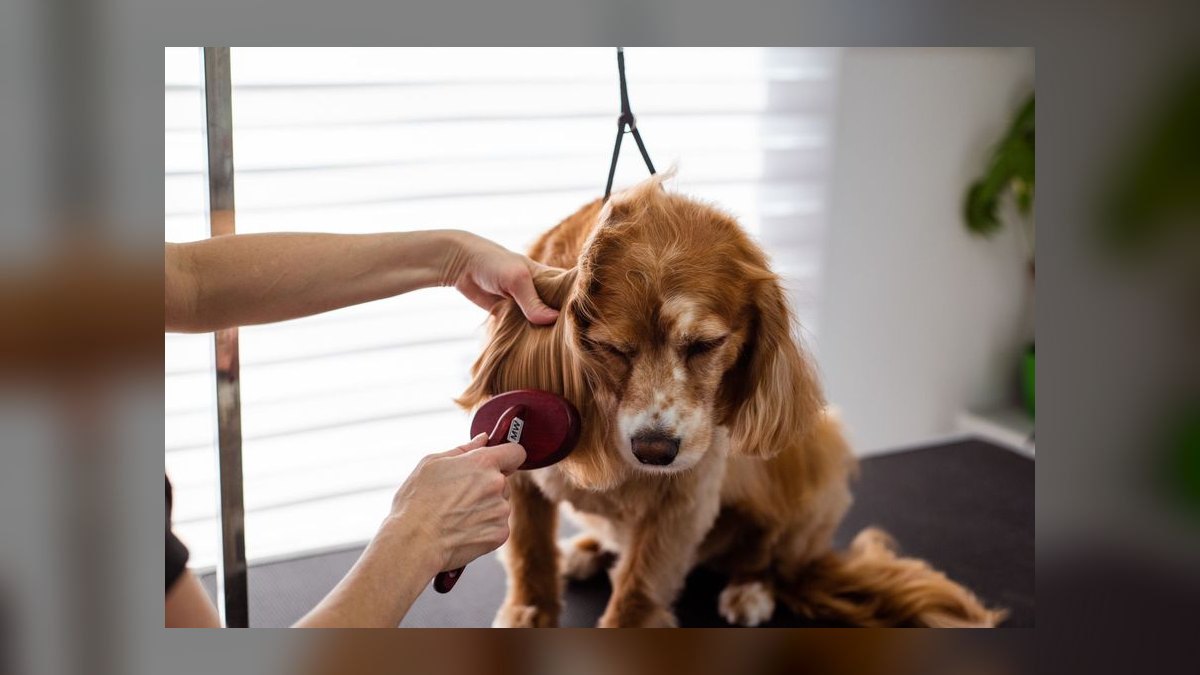
If pet sitting's labor intensity and overnight demands turn you off, mobile dog grooming (Aussie Pet Mobile, Hounds Town franchises) shows higher per-hour revenue but 20x the startup cost ($60K-$95K equipped vans). Dog training has higher margins (60%+) but requires real expertise — Karen Pryor Academy ($5,395) or CCPDT certification are the minimum credential bar. In-home pet boarding stacks better on existing real estate: if you have a fenced yard and zoning allows, boarding 3-4 dogs at $55-$85/night with no commute beats running drop-ins across town. Rover/Wag as a side hustle is a fine evening/weekend gig at $8K-$25K/year but never builds equity — you don't own the customer.
FAQ
How much money can I realistically make in my first year? Most solo pet sitters take home $25,000 to $55,000 in Year 1, but the first 12-18 months often net under $3,000 per month. Your actual income depends heavily on your local pet population, pricing, and how quickly you fill your schedule.
Do I need to use Rover or can I start on my own? You can start independently, but many beginners use Rover to build a client base. Rover takes about 20% of each booking, so transitioning clients to direct bookings through software like Time To Pet ($25-$50/month) is key to improving margins.
What are the startup costs and how fast can I break even? Launch costs range from $2,000 to $5,000 for an LLC, insurance, bonding, scheduling software, and basic marketing. Most businesses reach breakeven within 3-6 months if they secure a steady stream of recurring clients early on.
Is this a good side hustle or does it need to be full-time?
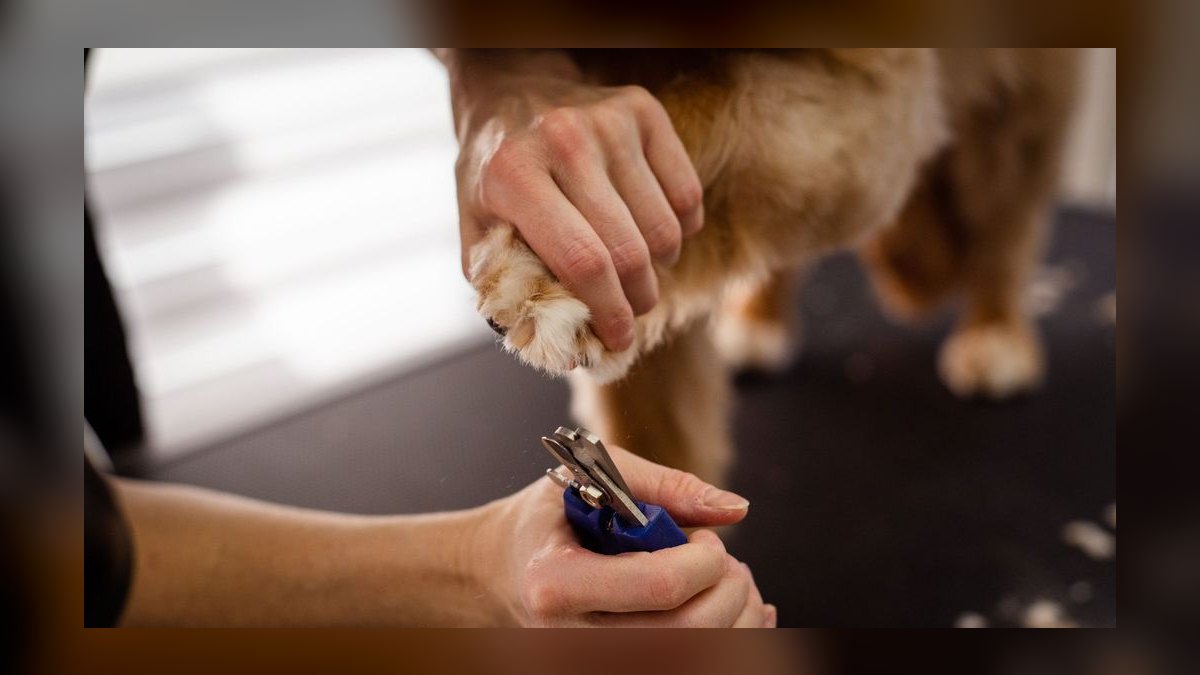
It works well as a side hustle initially, but scaling to significant income requires full-time commitment. The business is labor-intensive with a 25-40% net margin ceiling, so it rarely becomes passive income.
What are the biggest risks I should watch out for? Liability on every visit is real—pet injuries, lost keys, or property damage can happen. You also face the risk of unreliable sitters if you hire help, and slow seasons (holidays aside) can strain cash flow.
Can I run this from a rural or low-density area? Probably not profitably. Pet sitting thrives in areas with high pet ownership and dense populations. Rural areas typically lack enough clients to fill a schedule, making it hard to cover costs and earn a living wage.
Bottom Line
Pet sitting in 2027 is a legitimate $25K-$70K solo income business with a real path to a $150K-$300K exit if you treat it like a service business — not a hobby. Start independent, not franchised. Build off Rover in Months 1-3, then migrate to direct-booked Time To Pet by Month 6. Insure aggressively with Pet Sitters Associates or Business Insurers of the Carolinas. Price for the 35% net margin, never the 18% Rover margin. Hire W-2, not 1099. Pick a dense, $95K+ median-income ZIP with weak Rover incumbency. If you can sell the meet-and-greet, ask for the Google review, and route 12 visits a day without breaking down — this business pays. If you're hoping for passive income from cute dogs, buy a $25K Vanguard fund instead.
Sources
- IBISWorld — Dog Walking Services in the U.S. (Industry Report)
- SBDCNet — Pet Care Services Business Snapshot
- Sharpsheets — Fetch! Pet Care Franchise FDD, Profits & Costs
- Vetted Biz — Fetch! Pet Care Franchise Insights: FDD, Costs & Fees
- Time To Pet — Pricing
- Time To Pet — Pet Sitting Business Metrics: Revenue & Cash Flow
- Pet Sitters Associates — Insurance Coverage and Pricing
- Business Insurers of the Carolinas — Pet Sitter Insurance
- Pet Sitters International — Membership and Standards
- NAPPS — National Association of Professional Pet Sitters
- APPA — 2025-2026 National Pet Owners Survey
- IRS — Topic 762 Independent Contractor vs. Employee
- DOL Wage and Hour Division — 2024 Independent Contractor Final Rule
- Stanford WFH Research — 2026 Hybrid Work Patterns
*pet sitting business review / pet sitting franchise reviews / pet sitting business rating / pet sitting review 2027 / review of pet sitting business*
Related on PULSE
- Best pet care franchises to start in 2027
- Should I open or buy a Pet Butler franchise in 2027?
- Should I open or buy an EarthWise Pet franchise in 2027?
- Should I open or buy a Pet Wants franchise in 2027?
- Should I open or buy a Pet Supplies Plus franchise in 2027?
- Should I open or buy a K9 Resorts Luxury Pet Hotel franchise in 2027?
This page will be disappearing soon. Save it to your device for $1 — or read it free while it is here.
@Kory-White- · if Venmo asks, the last 4 of my number are 2012
This page is gone.
This one is off the shelf now. $1 keeps it on your phone for good — the whole page, pictures and diagrams included.
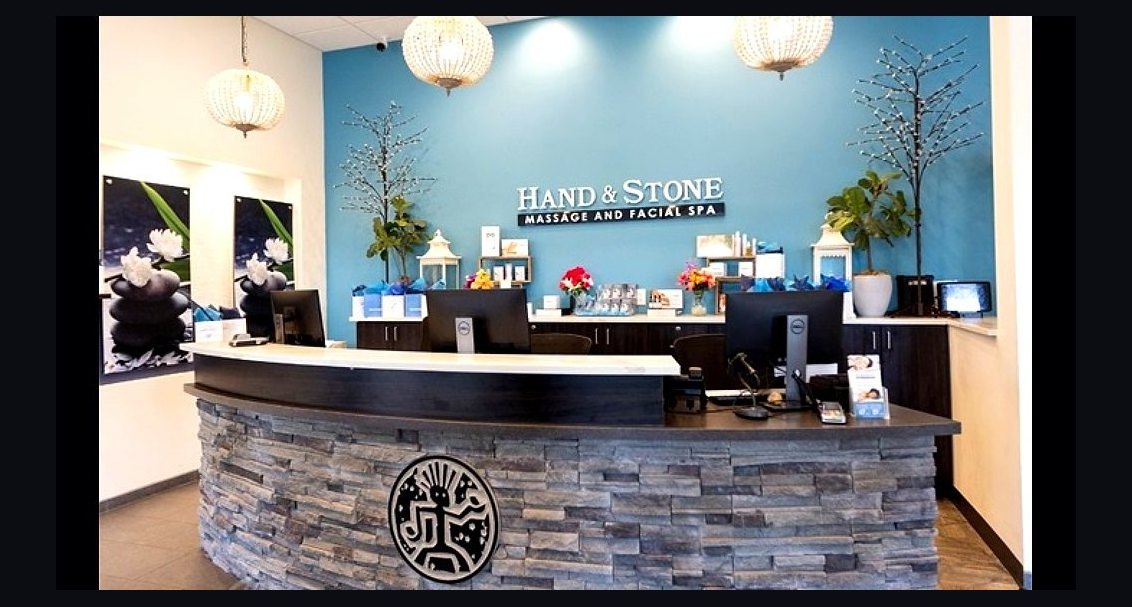 franchiseShould I open or buy a Hand and Stone Massage franchise in 2027?
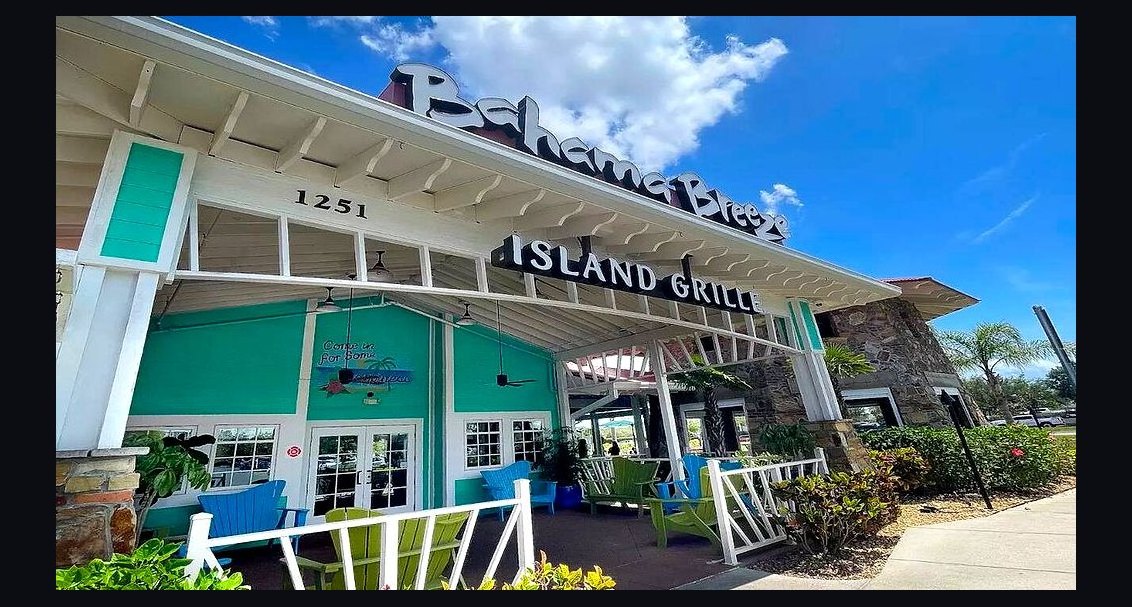 franchiseShould I open or buy a Bahama Breeze franchise in 2027?
 franchiseShould I open or buy a Whataburger franchise in 2027?
 franchiseShould I open or buy an F45 Training franchise in 2027?
 franchiseShould I open or buy a Dunkin' franchise in 2027?
 franchiseShould I open or buy a Firehouse Subs franchise in 2027?
 franchiseShould I open or buy a Pizza Hut franchise in 2027?
 franchiseShould I open or buy a Goddard School franchise in 2027?
 franchiseShould I open or buy a Jiffy Lube franchise in 2027?
 franchiseShould I open or buy a Sonic Drive-In franchise in 2027?