


Should I open a junk removal business in 2027?
Quality
Certified
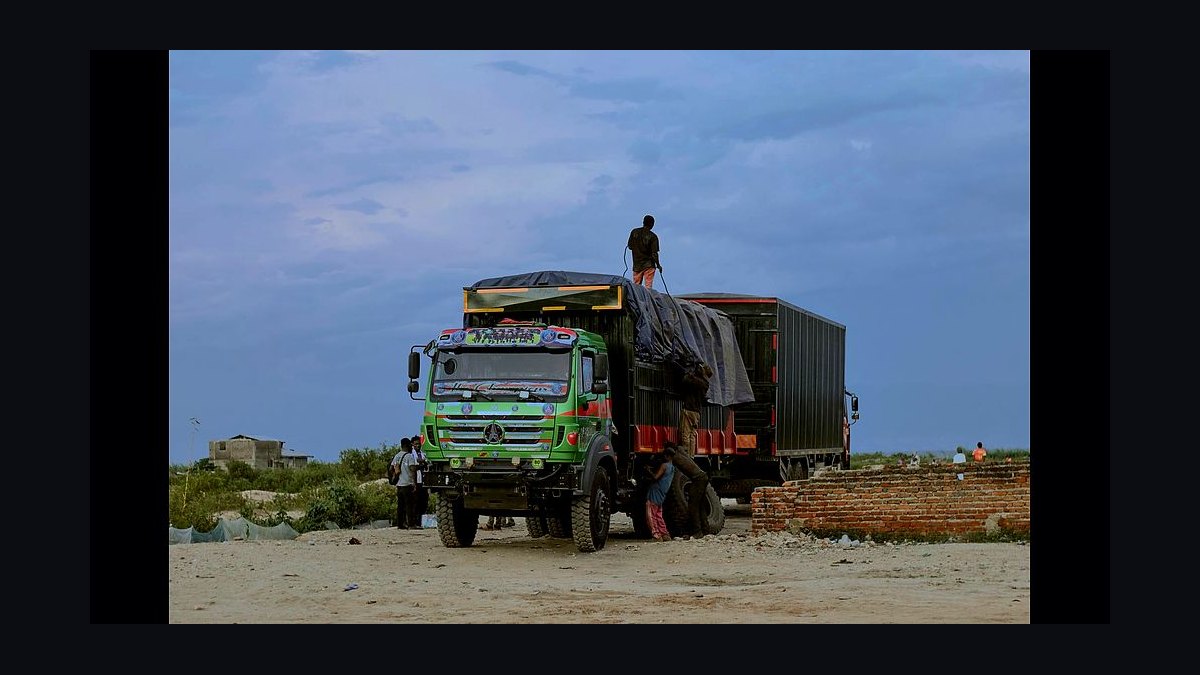
Yes — open a junk removal business in 2027 if you can fund $60K-$180K all-in (one truck, dumpster trailer, dump fees pre-paid), survive 8-14 months to breakeven, and treat it as a route-density marketing problem (Google LSA + booked-job conversion) rather than a "haul stuff" problem. Independent operators reach $300K-$700K Year-1 revenue with 15-25% net margin if they run two trucks by month 9. Franchise route (1-800-GOT-JUNK, College HUNKS, JDog) needs $184K-$480K total investment but delivers $1.45M-$3.06M average gross revenue by Year 3 thanks to call-center leads and brand recall. Probably not if you have under $50K liquid, no dump-permit relationships, or expect to drive the truck yourself past month 6.
The Real Numbers
Junk removal is one of the lowest-CapEx home-services businesses still throwing off real cash in 2027. The catch: labor costs 35-45% of revenue and dump fees 8-15% — both rising. Below are 2026-2027 FDD figures (Item 7 + Item 19) and IBISWorld benchmarks for independents.
| Path | Total Investment | Year-1 Revenue | Year-3 Revenue | EBITDA Margin | Payback |
|---|---|---|---|---|---|
| Independent, 1 truck | $45K-$95K | $180K-$320K | $450K-$750K | 15-22% | 14-22 months |
| Independent, 2 trucks | $120K-$220K | $380K-$640K | $900K-$1.4M | 18-25% | 18-28 months |
| JDog Junk Removal | $30K-$157K (FDD 2026) | $220K-$450K | $600K-$950K | 12-18% | 20-30 months |
| College HUNKS Hauling Junk | $258K-$480K (FDD 2026) | $520K-$1.1M | $1.28M-$1.45M avg | 10-16% | 30-42 months |
| 1-800-GOT-JUNK? | $184K-$294K (FDD 2025) | $650K-$1.2M | $2.03M median / $3.06M avg | 8-14% | 36-54 months |

Independent unit economics (per job): avg ticket $385 (full-load) or $185 (1/4 load); labor $95; dump fee $48; fuel/truck $22; merchant + LSA cost-per-lead $38; gross margin ~47%. Two trucks × 5 jobs/day × 300 days = 3,000 jobs = ~$725K revenue.
Franchise economics: royalty 7-8% + brand fund 2-8% comes off the top, so franchisee net margin runs 3-6 points below an equally-priced independent. The trade is call-center booking conversion (28-35%) vs. self-managed lead-to-book (14-22%) and brand recall that gets the phone to ring without LSA spend.

Who Wins With This Business
Former blue-collar managers with route-density instinct — roofing, HVAC, landscaping, plumbing crews — already understand dispatch, crew scheduling, and same-day-callback wins. Junk removal is 80% sales/ops, 20% hauling; if you've run a 5-truck service crew, you already know the muscle.
Marketing-fluent owners who treat Google Local Service Ads + Nextdoor + Yelp ad spend as a P&L line, not an afterthought. The winners in 2027 spend $3,800-$7,500/month on paid lead-gen and convert 22-32% of inbound calls.
Real-estate-adjacent operators — house cleanouts, estate sales, eviction cleanouts, realtor-listing turn jobs — these jobs average $650-$1,400 and come pre-qualified through agent referrals. Geographic edge: Sun Belt metros (Phoenix, Tampa, Charlotte, Austin, Raleigh, Nashville) where boomer downsizing + in-migration drives 11-14% job growth annually.
Military veterans get a near-cheat-code with JDog (veteran-owned franchise; ~$15K vet discount) or VetFran programs at the other brands. JDog's $30K-$157K low end is the cheapest franchised entry in junk.
Who Loses With This Business

The "I'll drive the truck forever" owner-operator. If you're still doing pickups in month 9, your business is a $110K-job-with-a-truck, not a business. You'll burn out, never hire, and never sell. Independents who fail to hire by job-#180 hit a hard ceiling at $240K revenue.
Underfunded operators (under $25K liquid) who skip insurance, skip dump-permit accounts, skip the LSA budget, and try to grow on Craigslist + Facebook Marketplace alone. Insurance alone runs $4,800-$8,200/year (commercial auto + GL + worker's comp); skipping it = one rolled mattress on the freeway = bankruptcy.
Top-50-metro entrants without brand. In Atlanta, Dallas, Denver, Seattle, Phoenix, 1-800-GOT-JUNK + College HUNKS + 3-4 LSA-dominant locals already saturate paid search. CPC for "junk removal near me" in those markets hit $22-$38 in late 2026. An indie with no brand pays $200+ per booked job.

Owners allergic to permits + waste-handling rules. EPA Subtitle D rules (construction debris) + state mattress-recycling laws (CA, CT, RI, NY) + e-waste handling (TX, IL, MA) require licensed disposal chains. One CFL-bulb dump-violation fine = $2,500-$11,000.
2027 Market Conditions
Industry size: $10.4B-$15B (IBISWorld waste-collection slice + private estimates), 6-9% CAGR, ~67,000 employees. Junk-removal franchise segment $2.6B globally, growing 9.6% CAGR through 2035.
Demand drivers: (1) Boomer downsizing — 4.4M Americans turning 65 annually through 2027 = peak estate cleanout demand. (2) Migration into Sun Belt + Mountain West = move-out + move-in volume. (3) Tariff-driven home renovation pullback = more "declutter instead of remodel" jobs. (4) Multifamily turnover — 2026 apartment-vacancy surge in Sun Belt = bulk eviction cleanouts.

Cost pressures: Dump fees up 8-14% YoY in 2026 (most state landfills hit capacity; transfer-station consolidation). Commercial auto insurance up 11% YoY. Diesel volatile ($3.20-$4.80/gal range).
Competitive shifts: LoadUp + Dolly (app-based) compete on the sub-$200 small-job segment but bleed margin and can be ignored. 1-800-GOT-JUNK's call-center moat got stronger with their AI-routing rollout in 2026. JDog signed a partnership with USAA in late 2026, channeling vet-household business.
Regulatory tailwinds for clean operators: California SB-1383 (organic waste diversion) and EPR-for-mattresses laws in 9 states now require certified-disposal proof — independents who can show certified chain-of-custody win municipal + insurance-claim contracts.
The 90-Day Decision Tree

- Days 1-7 — Cash + market check. Confirm $60K liquid minimum (or $25K + truck financing approved at < 9% APR). Pull Google Trends + LSA-volume estimator for your ZIP; reject if monthly "junk removal" searches under 1,800 in your service radius.
- Days 8-21 — Path decision. Independent vs. franchise. If franchise, request Item 7 + Item 19 from JDog, College HUNKS, 1-800-GOT-JUNK; talk to 5 existing franchisees (FDD Item 20 list).
- Days 22-35 — Entity + insurance + permits. LLC + EIN; commercial auto $1M/$2M; GL $1M/$2M; worker's comp if hiring; dump-permit account at 2 nearest transfer stations; DOT number if crossing state lines.
- Days 36-55 — Truck + trailer + branding. Used F-450 or Isuzu NPR ($28K-$58K) + 14-yard dump trailer ($8K-$14K) + vinyl wrap ($2.8K-$4.5K). Buy used; new isn't worth the financing cost.
- Days 56-65 — Digital storefront. Google Business Profile claimed + verified; LSA budget $1,500/mo to start; Yelp claimed; Nextdoor neighborhood sponsorship ($199/mo); booking flow via Housecall Pro or ServiceTitan Lite ($79-$199/mo).
- Days 66-80 — First jobs + review machine. Price $185-$425/load; post-job SMS asks for Google review with photo; target 4.8+ stars by job #25.
- Days 81-90 — Hire + dispatch. First W-2 helper at $19-$23/hr; you're now dispatching from the cab. Decide truck-#2 trigger: 18 jobs/week sustained for 4 weeks.
Alternative Plays

Dumpster rental pivot: Same insurance, same dump-permit, lower labor (drop-and-leave). $320K-$580K Year-2 revenue, 28-34% net margin. Bin There Dump That ($75K-$170K FDD) or independent fleet of 15-yard rolloffs.
Estate-cleanout + auction-resale: Niche junk removal tied to MaxSold / EverythingButTheHouse consignment. Higher avg ticket ($1,200+) and resale upside on antiques. Better fit for owners with appraisal knowledge.
Construction debris hauling: B2B contract play with GCs + roofers. Recurring tonnage instead of one-off calls. Higher truck loads (rolloff or roll-off), EPA Subtitle D compliance required.

Hoarding-recovery specialist: Trauma-trained crews + biohazard PPE; partners with mental-health agencies + APS. Jobs run $3,800-$14,000. Niche, recession-resistant, low competition.
Pure franchise capital play: Buy an existing 1-800-GOT-JUNK territory from a retiring franchisee (multiples 2.8-3.5× SDE) instead of building from zero. Skips months 1-18 of buildout pain.
FAQ
How much money do I really need to start a junk removal business in 2027? You’ll need between $60,000 and $180,000 all-in to cover one truck, a dumpster trailer, initial dump fees, insurance, and basic marketing. If you have less than $50,000 liquid, it’s very tough to survive the first 8–14 months before you break even.
How long until I see a profit? Most independent operators take 8 to 14 months to reach breakeven. After that, margins typically settle at 15–25% once you have steady route density and at least two trucks running.

Can I run this business alone, driving the truck myself? You can, but it’s not recommended past month six. The model works best when you shift from driver to owner-operator managing a team and marketing. Driving yourself long-term caps growth and eats into your ability to build route density.
What’s the difference between going independent vs. buying a franchise? Independents can hit $300,000–$700,000 in Year-1 revenue with two trucks, while franchises like 1-800-GOT-JUNK or College HUNKS require $184,000–$480,000 total investment but average $1.45 million–$3.06 million gross by Year 3, thanks to built-in call-center leads and brand recognition.
How do I get customers without a big ad budget? Focus on Google Local Service Ads (LSA) and converting every booked job into repeat and referral business. It’s a route-density marketing problem—not a “haul stuff” problem. Word-of-mouth and online reviews are your cheapest long-term drivers.

What’s the biggest mistake new owners make? Underestimating dump fees and permit relationships. Without pre-paid dump accounts and solid local landfill connections, your costs spike unpredictably. Also, many fail by not treating marketing as the core job from day one.
Bottom Line
Junk removal in 2027 is a real business with real cash flow — not a get-rich-quick play. Independent route: $60K-$220K in, $450K-$1.4M out by Year 3, 15-25% net margin, 18-28 month payback. Franchise route: $184K-$480K in, $1.28M-$3.06M revenue by Year 3, 8-16% net margin, 30-54 month payback, but stronger exit multiple and call-center lead flow. Win conditions: get off the truck by month 9, spend on LSA + Nextdoor, lock realtor/apartment-mgr contracts, run the dump-permit chain cleanly. Lose conditions: under-fund insurance, refuse to hire, expect Craigslist leads to scale, enter a top-50 metro with no brand and no LSA budget.
Sources
- 1-800-GOT-JUNK? FDD 2025 — Item 7 + Item 19 (Franchise Chatter)
- College HUNKS Hauling Junk & Moving 2024 FDD ($1.28M average sales)
- JDog Junk Removal 2026 FDD (Wisconsin filing)
- IBISWorld — Waste Collection Services in the US Industry Analysis, 2026
- Junk Removal Franchise Market Size 2026-2035 (Business Research Insights)
- Junk Removal Startup Costs Breakdown — $177K CAPEX / $552K cash buffer (Financial Models Lab)
- Junk Removal Owner Income: $102K-$720K EBITDA (Financial Models Lab)
- Angi 2026 Junk Removal Pricing Guide
- HomeGuide 2026 Junk Removal Prices List
- Vetted Biz — 1-800-GOT-JUNK Franchise Insights
- Entrepreneur — JDog Junk Removal Franchise Directory 2026
- Franchise Gator — College Hunks Hauling Junk 2026
Related on PULSE
- Should I open or buy a JDog Junk Removal franchise in 2027?
- Should I open or buy a Stand Up Guys Junk Removal franchise in 2027?
- Should I open or buy a JDog Junk Removal & Hauling franchise in 2027?
- Should I open a stump removal business in 2027?
- Should I open a snow removal business in 2027?
- Should I open or buy a Junk Doctors franchise in 2027?
This page will be disappearing soon. Save it to your device for $1 — or read it free while it is here.
@Kory-White- · if Venmo asks, the last 4 of my number are 2012
This page is gone.
This one is off the shelf now. $1 keeps it on your phone for good — the whole page, pictures and diagrams included.
 franchiseShould I open or buy a Dairy Queen franchise in 2027?
 franchiseShould I open or buy a Big O Tires franchise in 2027?
 franchiseShould I open or buy a Jamba franchise in 2027?
 franchiseShould I open or buy a Domino's franchise in 2027?
 franchiseShould I open or buy a Hand and Stone Massage franchise in 2027?
 franchiseShould I open or buy a Wendy's franchise in 2027?
 frShould I open or buy a McDonald's franchise in 2027?
 franchiseShould I open or buy a UPS Store franchise in 2027?
 franchiseShould I open or buy a Rita's Italian Ice franchise in 2027?
 franchiseShould I open or buy a Goddard School franchise in 2027?