


Should I open a home staging business in 2027?
Quality
Certified

Yes — if you have $15,000–$35,000 in startup capital, a strong design eye, garage or storage space for inventory, and you live in a metro with median home prices above $500,000 where staging actually moves listings. No — if you're in a sub-$350,000 median market, lack design portfolio proof, or can't tolerate 12–24 months of inventory reinvestment before margins stabilize. Virtual staging at $25–$75 per photo has captured the low end of physical staging since 2024. The best path: start with consultation-only ($400–$500/visit), build agent referrals, then transition to full vacant staging.
The Real Numbers
The 2027 home staging economics split into two models: consultation-only (asset-light, $40K–$90K owner take-home) and full vacant staging (asset-heavy, $150K–$500K+ revenue but real capex). Per the NAR Profile of Home Staging, 83% of buyers' agents say staging helps clients visualize the property, and 20% of sellers' agents report staged homes sell 1–5% higher.
| Line Item | Solo Consultation Model | Full Vacant Staging (Solo) |
|---|---|---|
| Startup capital | $3,500–$8,000 | $15,000–$35,000 |
| Year-1 inventory spend | $0 | $12,000–$25,000 |
| Year-1 gross revenue | $40,000–$90,000 | $180,000–$430,000 |
| Avg project fee | $275–$500 (consult) | $3,500–$4,500 (60-day) |
| Projects per month | 8–15 consults | 5–8 vacant stages |
| Owner take-home Y1 | $25,000–$55,000 | $50,000–$140,000 |
| Owner take-home Y3 | $45,000–$95,000 | $130,000–$260,000 |
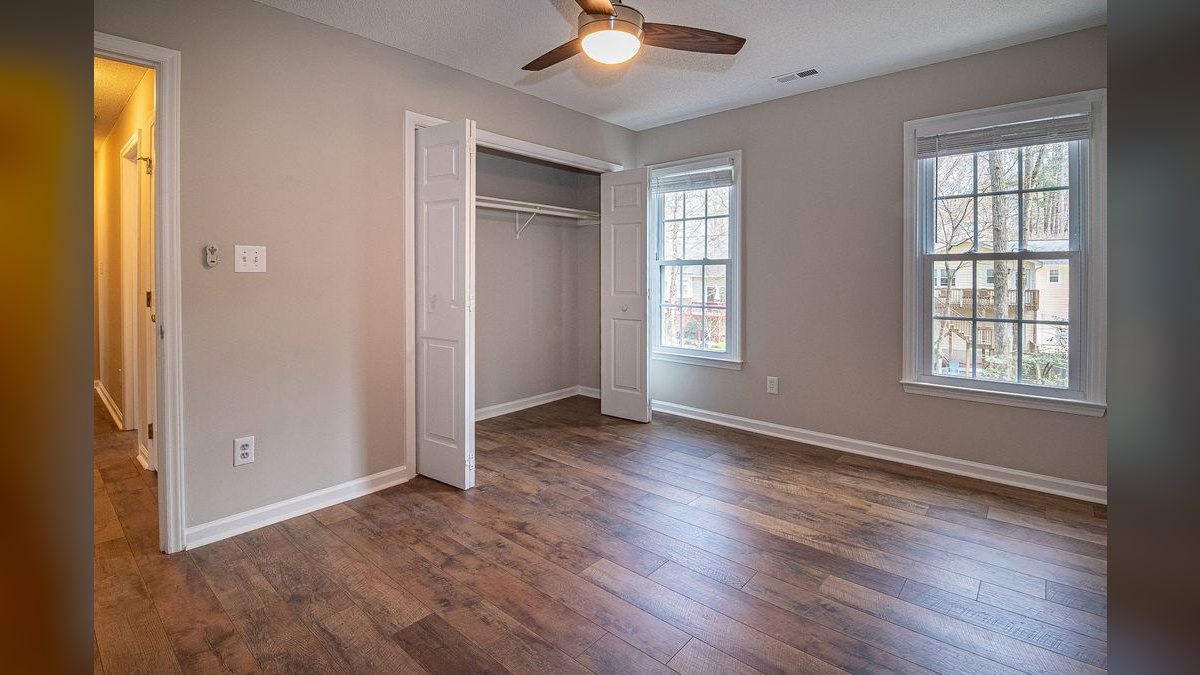
Startup capital breakdown for full vacant staging ($25,000 midpoint): Inventory ($14,000 — sofas, accent chairs, beds, art, accessories for 2–3 simultaneous stages), van or trailer ($4,500 used cargo van or $1,800 trailer), warehouse/garage lease deposit ($1,500), insurance (general liability $700/yr + inland marine cargo $900/yr = $1,600 first year), LLC/permits/website ($1,200), RESA membership + certification ($795–$1,295), photography & marketing ($1,800), working capital buffer ($500–$1,000).
Revenue math (solo full-stage model, mid-case): 6 stages/month × $3,800 avg fee × 12 months = $273,600 gross. COGS (inventory amortization, per-project labor, van, warehouse, insurance) ≈ $52,800. Owner labor + overhead ≈ $28,000. EBITDA ≈ $192,800 before owner draw. Reality compresses this because 20–25% of projects extend past 60 days, 8–12% of clients want re-styles mid-project, and 3–5% of inventory is lost annually to theft or damage.
The franchise option: The industry is 98%+ independent. Showhomes is one of the few national models (since 1986) with roughly 40–50 locations and franchise fees in the $45,000–$75,000 range plus 6–8% royalties. Their model is owner-occupied "manager" staging (placing people in vacant luxury homes) rather than traditional furniture staging. Most operators go independent and join RESA or IAHSP for certification credibility.
Who Wins With This Business

Interior designers transitioning out of full-service residential work win hardest. They already own taste, vendor relationships, and a portfolio. Staging is faster cycle, smaller decisions, and gets paid in 30–60 days versus 9–18 months for renovation work. Former real estate agents who flipped to staging carry agent-network warm intros — and 40%+ of staging revenue comes from agent referrals per industry surveys.
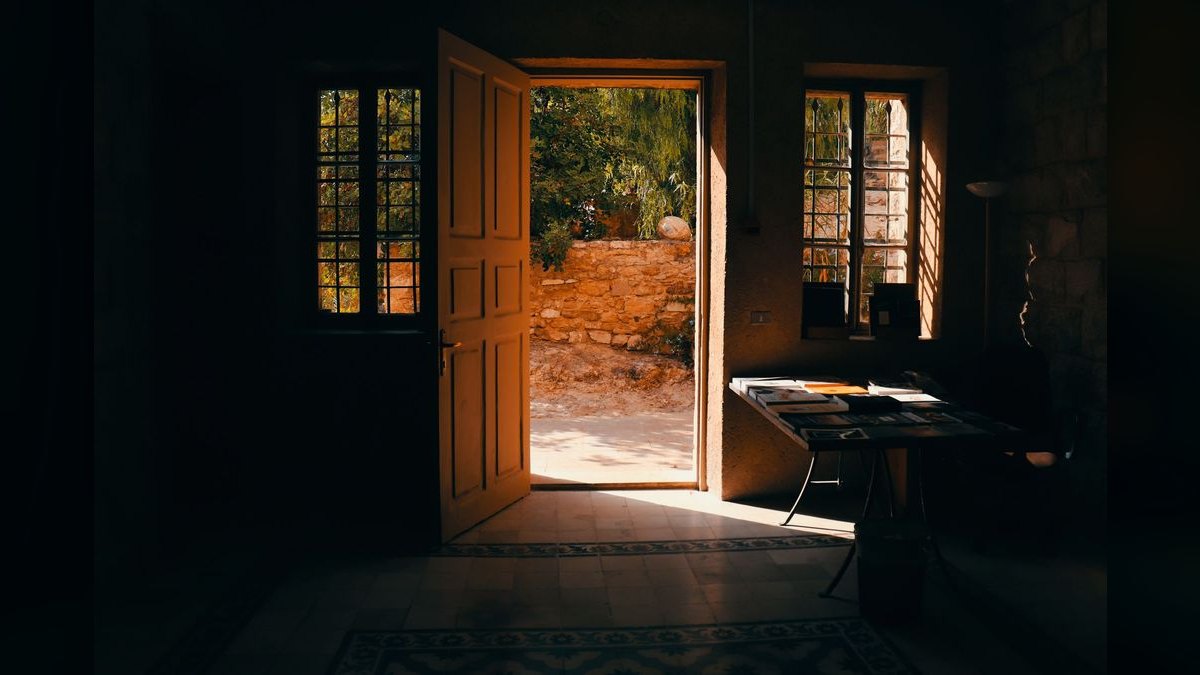
Operators in metros with $600K+ median prices and DOM over 30 days (Phoenix, Charlotte, Nashville, Raleigh, Tampa, Sacramento, Boise, Salt Lake) win because agents have explicit budgets for staging — often $2,500–$5,000 baked into the listing presentation. Luxury specialists ($1.5M+ listings) win biggest — they bill $8,000–$25,000 per stage with 40–50% margins because inventory amortizes against fewer, higher-fee jobs.
Operators who own warehouse space outright skip the $800–$2,400/month rent line and pull 15–25 EBITDA points more than peers. Married-couple teams where one styles and one handles logistics/install win — labor is the largest controllable cost and the second pair of hands is free.
Who Loses With This Business
Anyone in a sub-$350,000 median market loses. Agents in those markets don't pay for staging — sellers won't reimburse $3,500 against a $280K sale. Solo operators with no inventory storage lose to CORT/AFR rental dependency — paying $500–$600/room/month rented destroys margins; you become a logistics middleman, not a staging business.

Hot-market entrants (where DOM is under 21 days) lose because listings sell without staging. Phoenix in 2021–22 had stagers churning out of business inside 18 months. Pure-virtual stager startups with no physical model are losing to $15–$30 AI tools (Apply Design, REimagineHome, BoxBrownie's automated tier) — the human-virtual-staging arbitrage that worked from 2019–2024 has compressed margins below 25%.
Anyone who undercapitalizes inventory loses. You cannot stage 6 homes simultaneously with one living room set. The math of needing 3–4 sofas, 8–12 accent chairs, 6+ beds, 40+ pieces of art to handle realistic concurrency means $15K minimum in physical inventory. Operators who skip this take fewer jobs and never hit the volume needed for profitability.
2027 Market Conditions
Mortgage rates settling in the 6.0–6.5% range through 2027 (per Fannie Mae and MBA forecasts) keep DOM elevated at 40–65 days in most metros — good for staging demand. The NAR Profile of Home Staging shows staging share has climbed to roughly 19% of all U.S. listings from 12% in 2019, and is growing fastest in the $750K+ segment.
Three concrete 2027 tailwinds:

- Boomer downsizing wave — 10,000+ boomers daily retiring and selling family homes, mostly vacant, mostly suburban, exactly the staging sweet spot.
- Real-estate-agent margin compression post-NAR commission settlement (effective August 2024) is pushing agents to invest in marketing differentiation — staging shows up in 49% of luxury listing pitches.
- Build-to-rent (BTR) and SFR institutional owners (Invitation Homes, Tricon, Pretium) are paying stagers for portfolio photography stages at $1,500–$2,500/property — a new B2B revenue channel that didn't exist five years ago.
Three concrete 2027 headwinds:
- AI virtual staging at $0.50–$5/photo (Apply Design, Virtual Staging AI, BoxBrownie AI tier) has captured 30–40% of the under-$400K-listing physical staging market.
- Furniture inflation — wholesale upholstery costs are up 18–24% cumulative since 2022, raising inventory replacement capex.
- Insurance costs for inland marine cargo coverage have risen 22–35% since 2023 due to van theft loss ratios.
The 90-Day Decision Tree

- Days 1–7: Local market validation. Pull your metro's median sale price (Redfin/Zillow), median DOM (Realtor.com), and % of listings staged (call 8–10 listing agents and ask directly). Disqualify if median price is below $350K or DOM is below 21 days.
- Days 8–21: Portfolio + certification path. If you have no portfolio, do 3–5 free or $500 occupied-home consultations for friends/network and photograph results professionally ($400–$600 with a real estate photographer). Enroll in RESA-PRO certification ($795) or Home Staging Resource (HSR) certification ($1,795) — most agents check for one of these.
- Days 22–35: Legal + financial setup. Form LLC ($150–$500 depending on state), open a business checking account, get an EIN, buy general liability ($300–$700/yr via Hiscox or Next Insurance) and inland marine cargo coverage ($800–$1,500/yr via Distinguished Programs). Set up QuickBooks Online ($35/mo) or Wave (free).
- Days 36–55: Inventory acquisition. Build a two-stage capable kit ($12,000–$18,000): two sofa sets, four accent chairs, two queen beds, two dining sets, 30+ art pieces, 60+ accessories. Buy at estate sales (40% savings), CORT clearance, IKEA, Wayfair Professional, Facebook Marketplace. Rent a 400–800 sqft warehouse or climate-controlled storage ($350–$1,200/mo).
- Days 56–75: Agent outreach. Build a list of 40–60 listing agents in your zip code at $500K+ price points. Send printed lookbooks (~$8/each) and request 15-minute meetings. Convert at 8–15% rate = 4–9 warm agents. Offer first stage at 25% off ($2,500 instead of $3,500) to break the ice.
- Days 76–90: First stages + systems. Land 1–3 paid stages. Build SOPs for install (4–6 hours), photography handoff (24-hour turnaround), de-install (3–4 hours), and damage inspection. Implement Stagerly or StageMyOwn ($30–$80/mo) for inventory tracking + invoicing. Reinvest 100% of first-90-day revenue into inventory expansion.
Alternative Plays

Virtual staging service ($25–$75/photo, 80%+ margins, zero inventory, $2,500 startup) — pure software arbitrage but AI is eating the floor by 2027. Sustainable only if you offer human-finished premium tier at $95–$150/photo for ultra-luxury.
Consultation-only model — $275–$500 per 2-hour walkthrough, 40–60% margins, no inventory, $5,000 startup. Best path for someone testing the waters or geographically constrained to a slow market.
Furniture-rental brokerage — partner with CORT Furniture or Brook Furniture Rental as a referral source, take 15–20% commission on rentals you place into staged homes. Zero inventory risk, $0 startup. Cap on income but $30K–$80K passive with one phone call per week.

B2B builder/developer staging — focus on new construction model homes and BTR portfolios. Bills at $2,500–$5,000/home with 6–12 month engagements (not 60-day cycles). Inventory amortizes against longer engagements = higher margins, but requires builder relationships and bigger upfront inventory float ($60K+).
Acquire an existing staging business with inventory included. Boomer-aged stagers retiring are selling 5–10 year businesses for 1.5–2.5x SDE (typically $80K–$220K all-in) with 2–4 active agent relationships and $40K–$120K of depreciated inventory. Skip the startup curve entirely.
FAQ
What's the minimum startup capital needed for a home staging business in 2027? You'll typically need $15,000 to $35,000 to cover initial furniture inventory, storage, insurance, and marketing. The lower end works if you start with a small, versatile collection and rent additional pieces per project; the higher end gives you more flexibility for larger homes.
How much can I realistically earn in my first year?

A solo stager doing 5 to 8 vacant stages per month at $3,500 to $4,500 per 60-day project can see gross revenue between $200,000 and $430,000. Keep in mind that inventory costs and overhead will reduce that to a 25–40% EBITDA margin after the first year or two.
How long does it take to break even? Breakeven usually falls between month 8 and month 14, largely because furniture inventory is a major cash drag. The timeline depends on how quickly you land clients and how much you reinvest in new pieces.
Is virtual staging a threat to physical staging? Yes, virtual staging at $25 to $75 per photo has taken over the low end of the market since 2024. It works well for empty rooms in lower-priced homes, but high-end listings (especially those above $500,000) still benefit from physical staging to create a real, lived-in feel.
What markets are best for a physical staging business? Focus on metro areas with median home prices above $500,000, where staging can measurably speed up sales and justify the cost. Markets under $350,000 median are tougher because buyers and agents often prefer virtual staging or skip it entirely.

Do I need a design portfolio to succeed? Absolutely. Agents and sellers want proof of your style and ability to transform spaces. A strong portfolio with before-and-after photos from even a few projects can make or break your first client meetings, especially in competitive metro areas.
Bottom Line
Home staging in 2027 is a real business at $500K+ median markets, a vanity business at sub-$350K medians, and a margin trap everywhere in between. The economics work if you have $15K–$35K inventory capital, design credentials, warehouse access, and patience for a 10–14 month breakeven curve. Solo operators can clear $130K–$260K in Year-3 working 5–8 stages per month at $3,500–$4,500 per project. The path of least resistance: launch consultation-only at $400–$500/visit, build a 60-agent referral list in 90 days, reinvest every dollar into physical inventory, then transition to full vacant staging at Month 9–12. Avoid the AI virtual-staging arbitrage trap at the low end — that game is closing. Focus on luxury, vacant, and B2B (builder/BTR) segments where margins survive the next five years.
Sources
- National Association of REALTORS, Profile of Home Staging — https://www.nar.realtor/research-and-statistics/research-reports/profile-of-home-staging
- Real Estate Staging Association (RESA), Industry Reports — https://www.realestatestagingassociation.com/statistics
- IAHSP Staging Industry Statistics — https://www.iahsp.com/staging-industry-statistics
- HomeAdvisor Home Staging Cost Guide — https://www.homeadvisor.com/cost/disaster-recovery/stage-a-home/
- Showhomes Franchise Information — https://www.showhomesfranchise.com/
- CORT Furniture Rental Staging Programs — https://www.cort.com/home-staging
- Home Staging Resource (HSR) Certification — https://www.homestagingresource.com/
- Mortgage Bankers Association Forecast — https://www.mba.org/news-and-research/forecasts-and-commentary
- Fannie Mae Housing Outlook — https://www.fanniemae.com/research-and-insights/forecast
- Council of Insurance Agents & Brokers Market Reports — https://www.ciab.com/resources/commercial-property-casualty-market-survey/
Related on PULSE
- Should I open a home inspection business in 2027?
- Should I open a home baking business in 2027?
- Best home services franchises to buy in 2027
- Should I open or buy a Griswold Home Care franchise in 2027?
- Should I open or buy a Home Helpers Home Care franchise in 2027?
- Should I open or buy a FirstLight Home Care franchise in 2027?
This page will be disappearing soon. Save it to your device for $1 — or read it free while it is here.
@Kory-White- · if Venmo asks, the last 4 of my number are 2012
This page is gone.
This one is off the shelf now. $1 keeps it on your phone for good — the whole page, pictures and diagrams included.
 franchiseShould I open or buy a Hand and Stone Massage franchise in 2027?
 franchiseShould I open or buy a Taco Bell franchise in 2027?
 franchiseShould I open or buy a Rita's Italian Ice franchise in 2027?
 franchiseShould I open or buy a Whataburger franchise in 2027?
 franchiseShould I open or buy a Matco Tools franchise in 2027?
 franchiseShould I open or buy a Supercuts franchise in 2027?
 franchiseShould I open or buy a Marco's Pizza franchise in 2027?
 franchiseShould I open or buy a Jimmy John's franchise in 2027?
 franchiseShould I open or buy a Chipotle franchise in 2027?
 franchiseShould I open or buy a Valvoline Instant Oil Change franchise in 2027?