


Should I open a HVAC repair business in 2027?
Quality
Certified

Yes — opening an HVAC repair business in 2027 is a strong opportunity if you hold (or can obtain within 90 days) an EPA Section 608 Universal certification, a state mechanical/contractor license, and $45,000–$85,000 in starting capital for a service-only owner-operator launch. The market fundamentals are favorable: the R-410A phaseout deadline of January 1, 2028 is driving replacement and repair demand, the A2L refrigerant transition raises the technical bar for competitors, and industry projections indicate a significant technician shortage continuing through 2027. Expect $280K–$450K Year-1 revenue as a one-truck operator, 15–25% net margin as a solo operator, and 6–14 month breakeven. Probably not if you cannot obtain proper licensing in your state, dislike unpredictable on-call schedules, or plan to subcontract refrigerant work without proper certification.
The Real Numbers
The service-and-repair lane of HVAC (focusing on repairs rather than new-construction installs) historically offers the highest margins in the trade. Below are cost ranges based on available industry data from franchise disclosure documents and industry reports.
| Line Item | Independent Owner-Operator | Franchise Route (Typical Range) |
|---|---|---|
| Franchise fee | $0 | $43,000–$45,000 |
| Service van (used) | $8,000–$35,000 | $25,000–$80,000 |
| Tools & diagnostics | $5,000–$15,000 | $7,500–$22,000 |
| EPA 608 + state license | $100–$1,500 | $100–$1,500 |
| Insurance (GL + auto + WC) | $4,500–$11,000/yr | $5,500–$11,000/yr |
| Software (ServiceTitan, Housecall Pro) | $79–$398/mo | Often bundled |
| Working capital (3 months) | $20,000–$45,000 | $30,000–$80,000 |
| TOTAL starting range | $45,000–$130,000 | $113,000–$287,000 |
| Year-1 revenue (typical owner-operator) | $280,000–$450,000 | Varies widely |
| Service-call gross margin | 50–65% | 50–65% |
| Net margin (solo, Year 1) | 15–25% | 8–14% |
| Net margin (3–10 techs) | 5–12% | 10–18% |
| Breakeven | 6–14 months | 12–26 months |
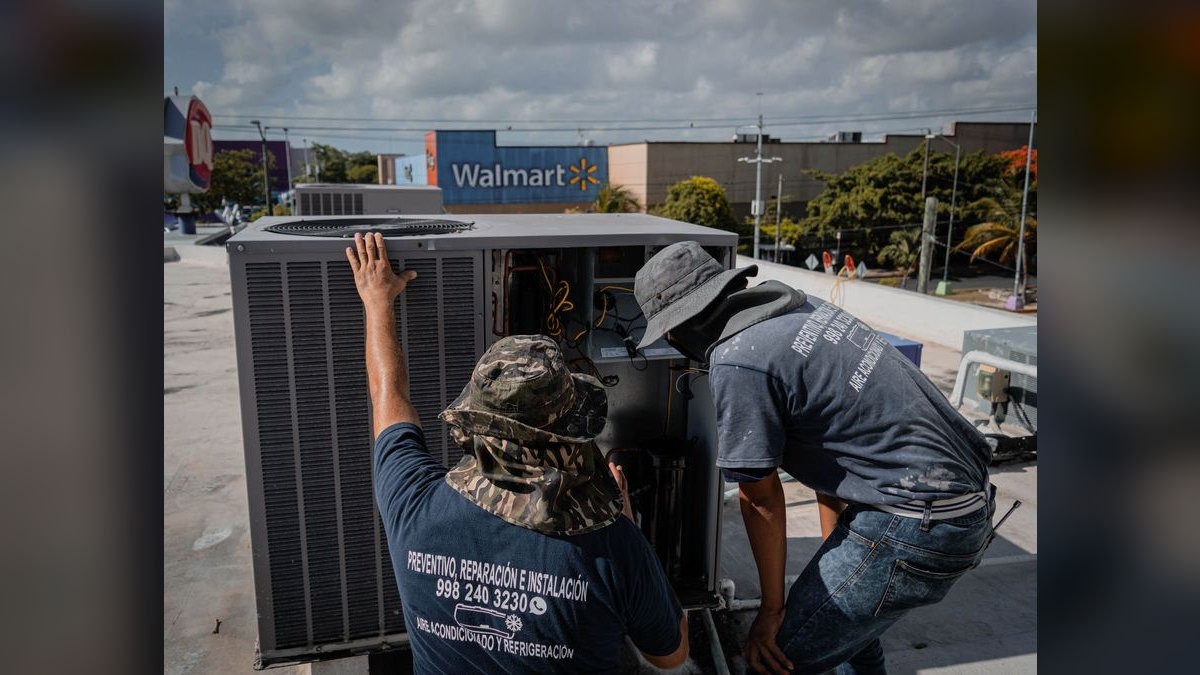
Key insights from industry data: Revenue per technician is the strongest leading indicator — top-performing shops achieve significantly higher per-truck revenue than average operators. Service-call gross margins (50–65%) typically exceed install margins (35–50%), which is why many successful launches focus on repairs first. Truck inventory (compressors, capacitors, contactors, blower motors, refrigerant cylinders) requires $8,000–$15,000 per truck in working capital that first-year operators often underestimate.
Who Wins With This Business
The winners in 2027 HVAC repair typically share several traits:
- Licensed and certified before launch — EPA 608 Universal, state mechanical license, and ideally NATE or HVAC Excellence certification
- Operator-technician hybrids — they perform work themselves initially and understand both the technical and business sides
- Geographic density focus — they target a 15-mile service radius with older housing stock (systems built before 2010 need more repairs) and climates with significant cooling or heating demand (Phoenix, Houston, Dallas, Atlanta, Tampa, Charlotte, Las Vegas, Sacramento)
- Repair-first strategy — they cap installation work at 30% of revenue until Year 2 to protect cash flow
- Flat-rate pricing — they use a price book from day one rather than time-and-materials billing
Successful operators also understand the value of hiring a customer service representative (CSR) before hiring a second technician. A dedicated CSR can improve booked-call conversion rates significantly, often paying for themselves within weeks.
Who Loses With This Business
Common pitfalls that lead to failure:
- Launching without EPA 608 certification — EPA fines for improper refrigerant handling can reach tens of thousands of dollars per violation
- Chasing new-construction installs — this channel has lower margins (35–50%) and payment terms of 45–90 days from general contractors
- Adding technicians too quickly — solo operators can net 15–25%, but adding two W-2 techs without proper systems can drop net margins to 5%
- Buying expensive new vehicles — used 2019–2022 Ford Transit or Chevy Express vans at $22,000–$35,000 offer better return on investment
- Operating in rural areas — counties below 25,000 households create excessive windshield time that eats into billable hours
2027 Market Conditions
Four major factors make 2027 a notable entry window for HVAC repair:
1. The R-410A phaseout deadline of January 1, 2028. The EPA AIM Act bans the manufacture and import of new R-410A residential and light-commercial systems after that date. Homeowners with R-410A systems installed 2010–2018 face an awkward window — old enough to fail, but not yet transitioned to the R-454B / R-32 A2L generation. This creates a wave of repair calls expected to continue through 2030.
2. The A2L refrigerant transition raises the bar. R-454B and R-32 are A2L (mildly flammable) refrigerants requiring new handling protocols, leak detection, and ventilation rules. Untrained or uninsured competitors will be locked out of servicing 2025+ systems — operators who skill up now gain a multi-year advantage.
3. The technician shortage persists. Industry projections suggest the technician gap could reach 225,000 by 2027, with roughly 1.8 open jobs per available tech. The average age of HVAC technicians is over 50, and industry training output doesn't fully replace retiring workers. Wages have risen accordingly, with median tech pay approaching $70,000 and commercial specialists clearing $100,000 in major metros.
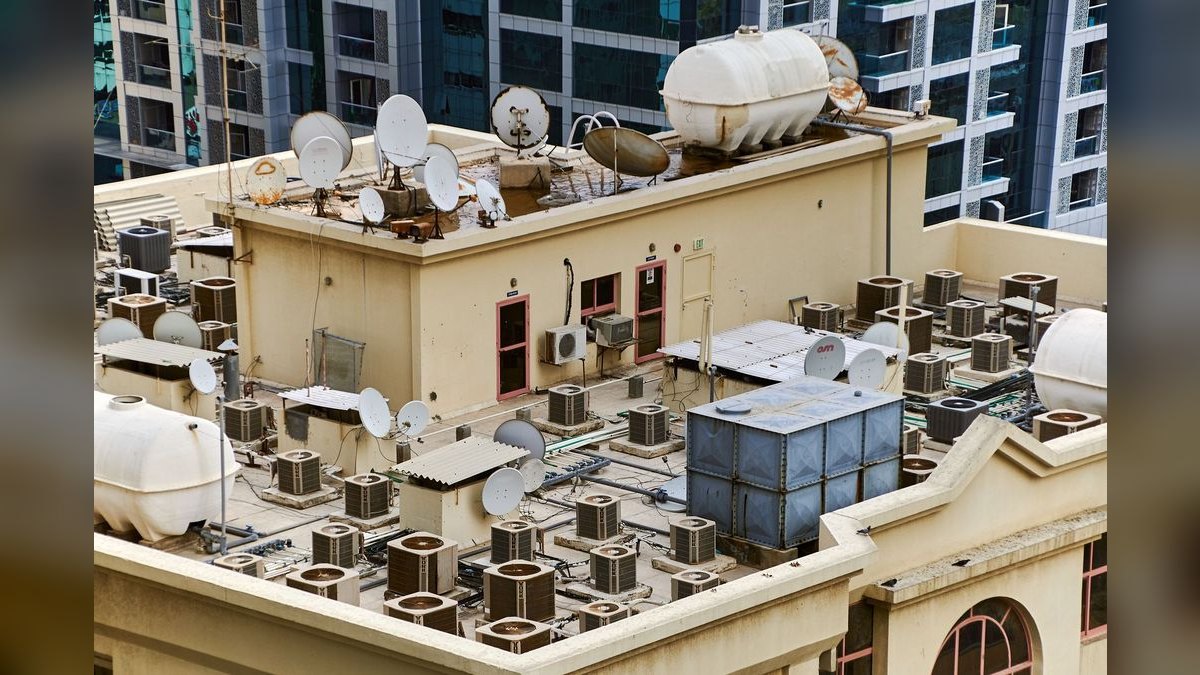
4. Replacement costs favor repair. A new R-454B 3-ton system installed runs $8,500–$14,000 in 2027, significantly higher than R-410A systems in prior years due to refrigerant costs, sensor requirements, and copper prices. This 40–55% price increase is pushing homeowners to defer replacement and repair existing units — exactly the service calls that pay a repair-focused shop well.
Two headwinds to consider: Insurance costs for trades (general liability, commercial auto, workers' comp) have been rising significantly year-over-year, and some carriers are non-renewing first-year operators. Refrigerant cost volatility means you must carry both A1 and A2L cylinders on every truck through at least 2030.
The 90-Day Decision Tree
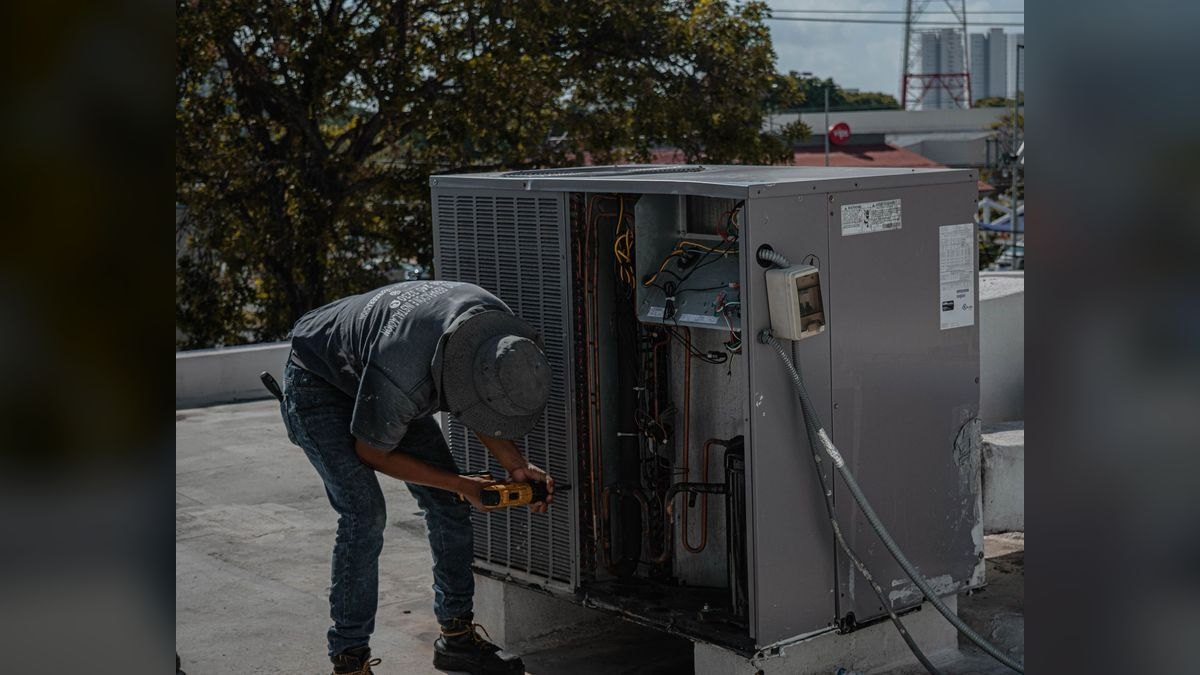
- Days 1–14 — License audit. Pull your state contractor-license requirements. Confirm EPA 608 Universal is current; if not, take the exam ($100–$150 through ESCO Group or SkillCat). Stop here if your state requires journeyman hours you don't have — pivot to an apprenticeship-then-launch path.
- Days 15–30 — Territory math. Pick 2 candidate ZIP clusters within 15 miles of home. Research: households built pre-2010, median home value, summer cooling-degree-days. Disqualify any cluster below 40,000 qualified households or below 1,400 annual cooling degree days.
- Days 31–45 — Capital lock. Decide independent vs franchise. Franchise may work if you have no operations background and need a playbook. Otherwise, line up $45K–$85K — SBA 7(a) loans are a common source (HVAC has a lower default rate than many other small business types).
- Days 46–60 — Vehicle and tools. Buy a used 2019–2022 Ford Transit or Chevy Express ($22K–$35K), equip with shelving ($4,500–$7,500), and stock per standard industry guidelines. Set up ServiceTitan, Housecall Pro, or FieldEdge ($79–$398/mo) with a flat-rate price book.
- Days 61–75 — Marketing pre-launch. Build a Google Business Profile, get on Angi Pro Leads, run Local Service Ads geofenced to your target ZIPs, and ask prior employers or neighbors for launch reviews.
- Days 76–90 — First 30 calls. Take every call yourself. Target a 72% close rate at average ticket $425+. If you're under those numbers by day 90, the issue is typically the price book, not the market.
Alternative Plays

If full HVAC repair feels too capital- or license-heavy, three adjacent plays capture much of the upside with less exposure:

- Mini-split-only installer. Ductless mini-splits (Mitsubishi, Fujitsu, LG, Daikin) require the same EPA 608 but one specialty tool kit ($3,500), and tickets of $3,800–$7,200 for single-zone installs carry 42–55% gross margin.
- PM-contract reseller. Sign up to resell preventive-maintenance plans for an established HVAC contractor under your own brand at $189–$249/year per home — you keep 35–45% of the recurring revenue without any refrigerant exposure.
- Indoor air quality (IAQ) specialist. Sell and install whole-home dehumidifiers, ERVs, UV-C, and MERV-13 retrofits ($1,200–$4,800 ticket, 55–68% gross margin). No EPA 608 required. Pairs well with a partner HVAC shop that refers IAQ leads.
If you have more capital ($300K+) and want scale from day one: (a) buy an existing HVAC shop doing $800K–$1.5M revenue at typical multiples — there are many owner-retirements expected through 2030; or (b) consider a franchise — the playbook exists, but franchise royalty (6–7% of gross) plus brand fund (1–2%) affects margins.
FAQ
How much money do I actually need to start an HVAC repair business in 2027?
Plan for $45,000 to $85,000 in starting capital if launching as a service-only owner-operator. This covers a used van, basic diagnostic tools, initial parts inventory, licensing fees, insurance, and a modest marketing budget. The range depends on local license costs and whether you buy equipment new or used.

Do I need a specific certification to work with the new refrigerants coming in 2028?
Yes, you must hold an EPA Section 608 Universal certification to legally handle any refrigerant, including the new A2L types being phased in. Without it, you cannot purchase refrigerant or perform repairs involving the refrigerant circuit. The certification exam costs around $100–$150 and can be completed online.
How long until I break even and start making a profit?
Most owner-operators reach breakeven within 6 to 14 months, assuming steady lead generation and reasonable overhead. First-year net profit typically ranges from $42,000 to $112,500 (15–25% of $280K–$450K revenue), but that number drops significantly once you hire employees without proper systems in place.
What happens to my business after the R-410A phaseout in January 2028?

The ban on R-410A production will actually boost demand for repairs and replacements in 2027, as customers rush to upgrade aging systems. After 2028, you'll need to be certified for A2L refrigerants and stock new equipment, but the technician shortage means fewer competitors. Expect a temporary surge in service calls before a gradual shift to the new refrigerant standard.
Can I run this business part-time or from home?
Yes, many HVAC repair businesses start as a one-person operation run from a home office with a van parked in the driveway. You'll need a dedicated space for storing parts and tools, but a commercial shop isn't required until you hire multiple technicians. Be prepared for on-call rotations, especially during summer and winter peak seasons.
What's the biggest risk I should watch out for?
The main risk is underestimating the importance of proper licensing and insurance. Operating without a state mechanical or contractor license can result in fines, legal liability, and being unable to pull permits for major repairs. Also, if you hate unpredictable schedules and emergency calls at all hours, this business will be a poor fit regardless of the financial upside.
Sources
- EPA Section 608 Technician Certification Requirements (40 CFR Part 82 Subpart F) — epa.gov/section608
- EPA AIM Act Final Rule on HFC Phasedown — epa.gov/climate-hfcs-reduction
- Bureau of Labor Statistics, Occupational Outlook Handbook — Heating, Air Conditioning, and Refrigeration Mechanics and Installers — bls.gov/ooh
- ACCA (Air Conditioning Contractors of America) — Industry resources and technician demographics — acca.org
- ServiceTitan — State of the Trades Report — servicetitan.com
- HVACR Business Magazine — Industry trends and technician shortage coverage — hvacrbusiness.com
- Aire Serv Franchise Disclosure Document (publicly available via franchise registrations)
- One Hour Heating & Air Conditioning Franchise Disclosure Document (publicly available via franchise registrations)
- IBISWorld — Heating & Air-Conditioning Contractors Industry Report (NAICS 23822)
Related on PULSE
- Best HVAC and plumbing franchises to buy in 2027
- Should I open or buy an Aire Serv HVAC franchise in 2027?
- Should I open a transmission repair business in 2027?
- Should I open a paintless dent repair business in 2027?
- Should I open or buy a CPR Cell Phone Repair franchise in 2027?
- Should I open a independent auto repair shop in 2027?
This page will be disappearing soon. Save it to your device for $1 — or read it free while it is here.
@Kory-White- · if Venmo asks, the last 4 of my number are 2012
This page is gone.
This one is off the shelf now. $1 keeps it on your phone for good — the whole page, pictures and diagrams included.
 franchiseShould I open or buy a UPS Store franchise in 2027?
 franchiseShould I open or buy an F45 Training franchise in 2027?
 franchiseShould I open or buy a Bojangles franchise in 2027?
 franchiseShould I open or buy a Chipotle franchise in 2027?
 franchiseShould I open or buy a KinderCare franchise in 2027?
 franchiseShould I open or buy a Drybar franchise in 2027?
 franchiseShould I open or buy a Taco Bell franchise in 2027?
 franchiseShould I open or buy a Jimmy John's franchise in 2027?
 franchiseShould I open or buy a Kona Ice franchise in 2027?
 franchiseShould I open or buy a Planet Fitness franchise in 2027?