


Should I open a flooring installation business in 2027?
Quality
Certified

Open a flooring installation business in 2027 only if you bring five-plus years of estimating or crew-leader experience, roughly $80K–$150K in liquid capital, and a metro where renovation spending is strong. This is a sales, subcontractor-management, and working-capital business. Skilled installers without a closing background usually stall out.
What a flooring installation company actually is, and why the distinction decides your outcome
The single most expensive misunderstanding in this trade is thinking that a flooring installation business sells flooring installation. It doesn't. It sells *certainty* — that a homeowner's living room will be torn out Monday and finished Thursday, with baseboards intact, furniture moved back, and no dust in the HVAC returns. The plank is a commodity available at Floor & Decor, Home Depot, Lowe's, and a dozen regional distributors. What isn't a commodity is a company that shows up when it said it would, quotes in twenty-four hours, and eats the cost when a subfloor surprise appears.
Structurally, the business is three machines bolted together, and each one fails differently.
The first is a demand machine. You buy or earn attention — Google Business Profile and Local Services Ads, Houzz, Angi, Thumbtack, yard signs, realtor and general-contractor relationships — and convert it into booked in-home estimates. Cost per lead in the paid channels typically lands in the tens of dollars to low hundreds depending on metro competitiveness, and lead-to-job conversion for a trained estimator runs far ahead of an untrained one. The economics of the entire company are decided here, before a single tack strip gets pulled.
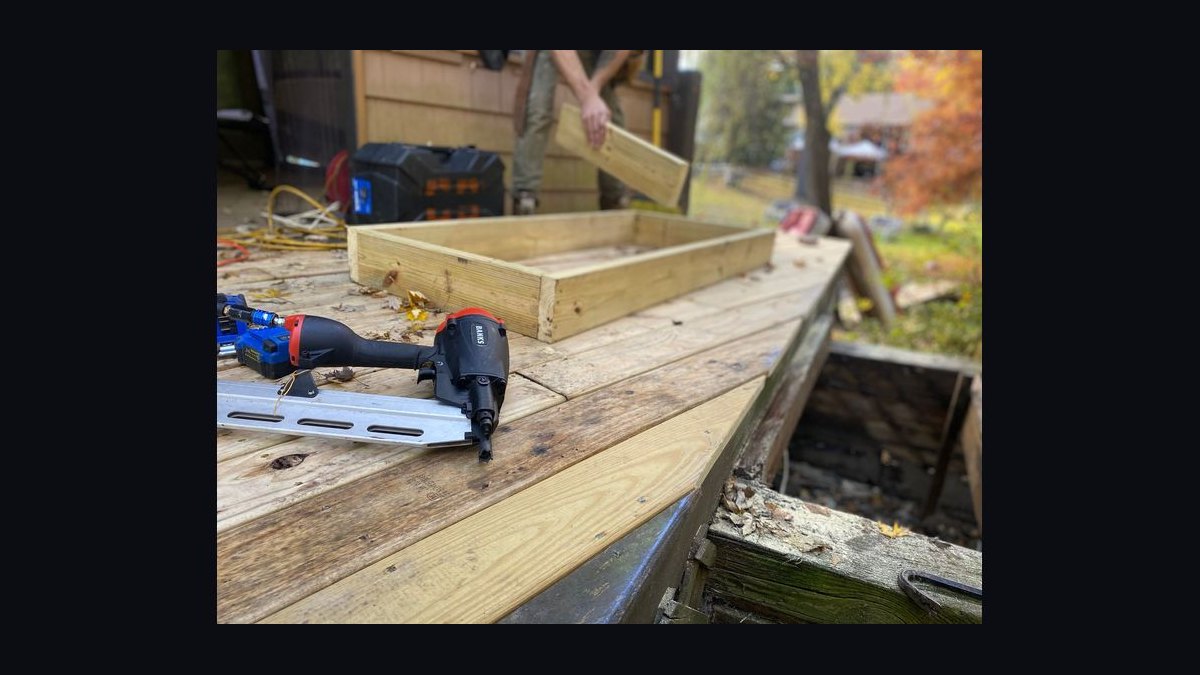
The second is a pricing and closing machine. You walk a room, measure it, identify the subfloor condition, choose a material, calculate waste factor, price sublet labor, add margin, and present a number the customer will sign against two or three competing bids. Material gross margins on the common categories — luxury vinyl plank, engineered hardwood, tile, carpet — commonly sit in the roughly 30–42% band before labor. Get the waste factor or the prep scope wrong and you've donated your profit to the customer. A single mis-scoped stair-nose or transition detail can erase the margin on a mid-sized job.
The third is a fulfillment machine, and this is the part people assume is the whole business. Material gets ordered from a distributor with a lead time typically measured in weeks, not days. A crew — almost always 1099 subcontractors paid by the square foot — gets scheduled. The job runs one to four days for a typical residential scope. Then a walkthrough, a punch list, final collection, a review request, and a referral ask.
The reason this framing matters so much for the 2027 decision is that the three machines have wildly different barriers to entry, and the easy one is the one most prospective owners are good at. Anyone who has led a crew can fulfill. Very few can build demand and close at a defensible margin, month after month, while floating material costs. When you evaluate whether to open this company, you are really evaluating whether you can run machines one and two — because machine three you can rent from subcontractors.
There's an upstream angle worth understanding too. Flooring sits at a specific point in the renovation sequence: after demolition, plumbing rough-in, and drywall; usually before final trim and cabinet toe-kicks. That position makes you dependent on other trades' schedules on any job that isn't a standalone floor replacement. It also makes you a natural referral partner for kitchen remodelers, bath contractors, painters, and property managers, because they need someone who won't blow their critical path. Companies that build a book of trade referrals and multifamily turn work get something the pure-consumer operators never do: schedule density that isn't bought at a cost per lead.
The step-by-step process from decision to a functioning company
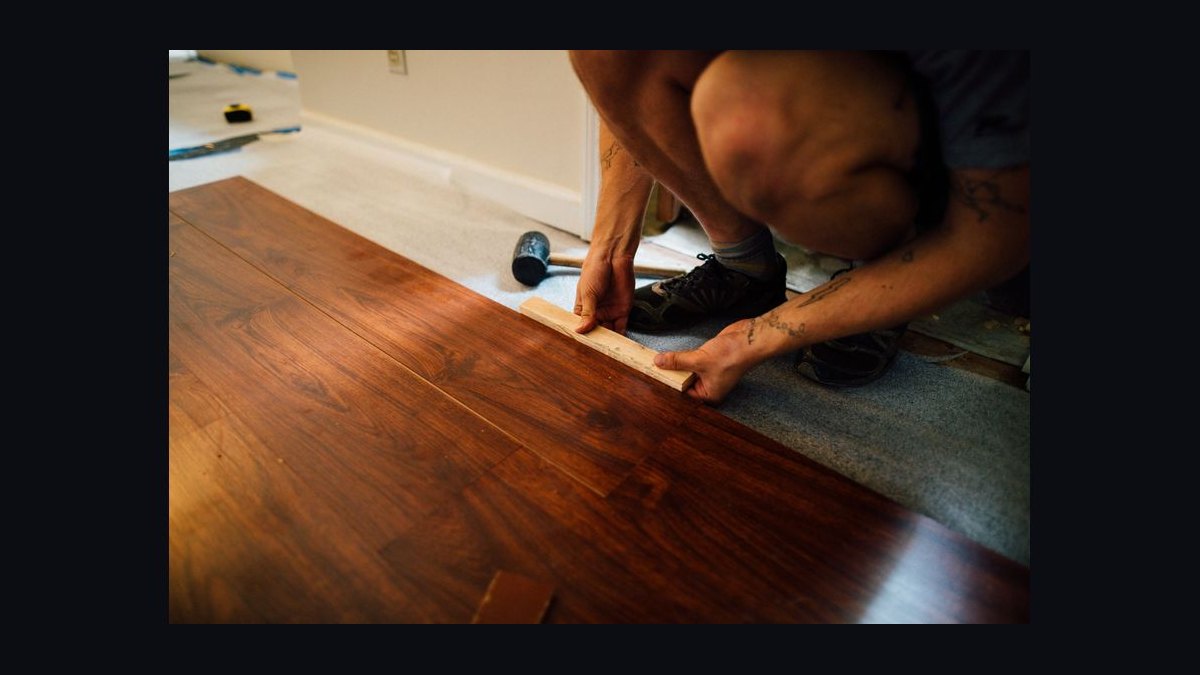
The sequence below is the one that survives contact with reality. The order matters more than the calendar — recruiting labor before you have demand produces idle crews who go work for someone else, and building demand before you have labor produces sold jobs you can't staff.
Validate the market before you spend anything. Pull Census American Community Survey data for your target metro: median home value, share of owner-occupied homes built before 2000, household income, and total owner-occupied unit count within roughly a forty-five-minute drive. Older housing stock plus meaningful home equity plus owner-occupancy is the demand signal. Then shop your competition — book three free estimates on a real room in your own or a friend's home. You'll learn local price-per-square-foot norms, close technique, quoted lead times, and how professional the intake feels. If the strongest incumbent has a mediocre review profile and a thin count, the market is winnable. If two or more competitors carry near-perfect ratings across hundreds of reviews and answer the phone on the second ring, choose a different sub-metro rather than fighting a brand war with no budget.
Choose your structure: independent, franchise, or specialty. Independent keeps every dollar of gross and every ounce of control, and costs the least to start, but you author your own marketing, pricing, and vendor relationships from zero. A franchise gives you a playbook, negotiated vendor pricing, lead routing, and a brand — in exchange for a franchise fee and an ongoing royalty plus brand-fund percentage of gross, forever. The honest test: if you already know how to generate and close residential home-improvement leads, the royalty is expensive rent on knowledge you have. If you don't, it may be the cheapest sales education available.
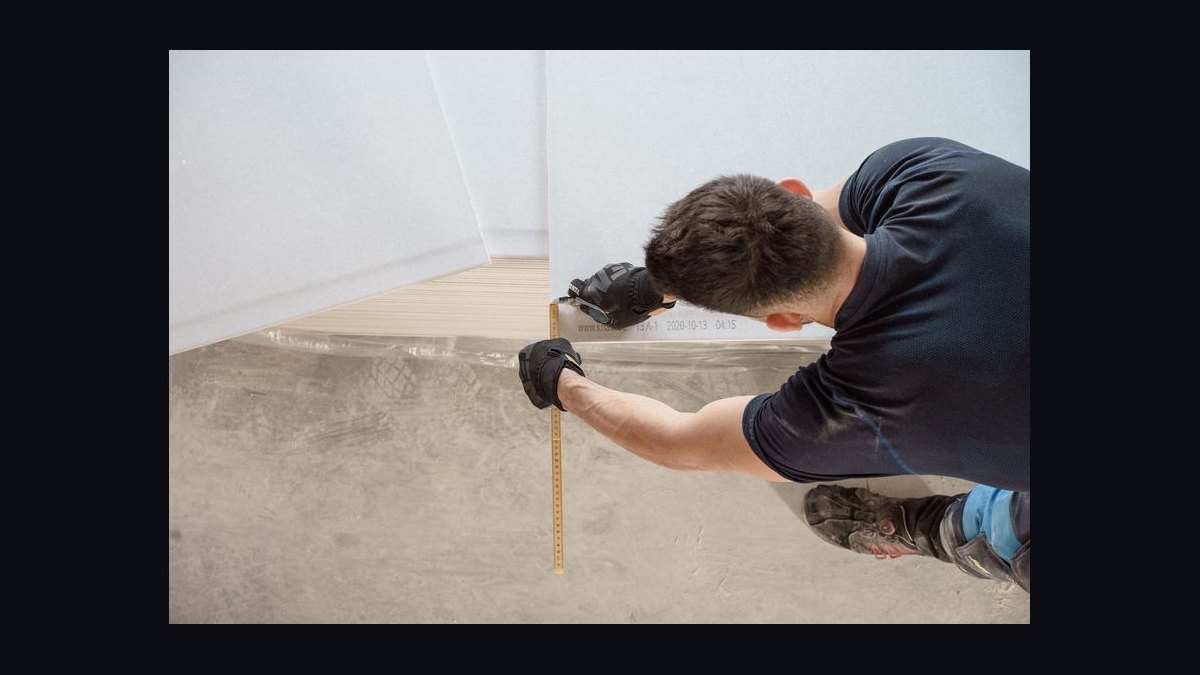
Form and capitalize. LLC with an S-corp election is the common structure. Insurance is not optional and not cheap: general liability, commercial auto, and workers' compensation coverage — often obtained through a PEO if you'll ever carry W-2 labor. Set up accounts with the major mills and distributors and negotiate net-30 terms once you have trailing purchase history; until then you're paying up front, which is precisely why undercapitalized launches strangle. Fund six months of operating expense plus enough float to carry two simultaneous material orders and one disputed job.
Recruit the labor bench before you need it. Two crews minimum, three to five if you want to promise dates confidently. Pay by the square foot, with rates that differ by material — vinyl plank is the cheapest per foot, tile and hardwood materially more because they're slower and less forgiving. Pay reliably and on a fixed day. In a trade where crew turnover is high and the median installer is well into their forties, the boring virtues — predictable schedules, prompt payment, correct insurance, no arguing over change orders — are how you take the best crews away from disorganized competitors.
Stand up the operating stack. A field-service CRM (JobNimbus, Housecall Pro, Service Fusion, Markate and similar all serve this market), QuickBooks Online, a card and ACH processor with the fee priced into your margin, and a measuring/estimating workflow you can execute in the customer's living room. The single highest-ROI discipline in this stack is quote turnaround. Same-day or next-day quotes beat week-later quotes at a rate that has nothing to do with price.
Launch demand and hold a weekly cadence. Google Business Profile fully built out, Local Services Ads, one design-intent platform, and one lead marketplace with a hard budget cap. Then run the same week every week: a Monday review of cost per lead and close rate by source, a midweek audit of realized gross profit per completed job against your quoted margin, and a Friday installer pay run. Kill any lead source that can't produce jobs at your target CAC within sixty days, and move that budget into referral and trade-partner development.
Costs, timelines, and the ranges that actually hold up

Start with the capital question, because it decides everything downstream. A subcontract-only operator with no showroom is the lightest version of this business: a used van or truck, a wrap, hand tools and measuring gear, insurance deposits, software, initial marketing, and working capital. That configuration commonly lands in the low tens of thousands to under a hundred thousand dollars all-in, and the practical floor is set not by equipment but by float. Add a mobile showroom — a built-out Sprinter with sample boards and a design workflow — and the number roughly doubles or more, because the vehicle buildout alone is a major line item. Franchise routes layer a franchise fee and required opening spend on top; the mobile-showroom franchise concepts sit meaningfully above the no-showroom concepts on total investment, and the published investment ranges in any brand's Franchise Disclosure Document Item 7 are the only numbers worth quoting.
On revenue, the honest framing is a wide band. An independent operator working a decent metro, closing a handful of jobs a week at a mid-four-figure to low-five-figure average ticket, produces a first-year top line somewhere in the mid-six figures. Franchise systems publish Item 19 financial performance representations that show system-average gross revenue, and the mobile-showroom concepts report higher averages than the no-showroom concepts — which is what you'd expect from a higher-investment, higher-ticket model. Read Item 19 carefully: averages include mature units, the cohort definition matters enormously ("open at least twenty-four months" is not the same as "first-year"), and the top decile is not a forecast for you.
Margin is where prospective owners get lied to, sometimes by themselves. Material gross margin in the 30–42% range, minus sublet labor, minus overhead, does not leave 20% at the bottom once you pay yourself a market wage for the estimating, selling, and project-managing you're doing. Realistic owner-paid EBITDA in this trade sits in the high single digits to mid teens. Anyone quoting 20%+ net is either excluding owner compensation, running a specialty niche with no subcontractors, or describing a mature multi-crew operation with a hired sales team. Both of the last two are achievable; neither is your first year.
Timelines follow from margin and ticket size. Payback on a light independent launch is the fastest — under a year and a half is realistic if you're selling from month one, because your invested capital is small and your gross profit per job is immediate. Heavier configurations with larger capital bases take proportionally longer, and franchise royalties extend the runway. Cash-flow positive is a different milestone from payback; with deposits collected up front and installers paid weekly, a well-run flooring shop can be cash-flow positive quickly even while still recovering startup capital.

Three cost lines deserve specific attention because they're chronically underestimated. Insurance — general liability at a limit general contractors and property managers will accept, commercial auto for a work vehicle, and workers' comp — is a four-figure-per-month reality in many states, not a rounding error. Working capital for material is the silent killer: a distributor order for a large job ties up cash for weeks, and if that job goes into dispute you're floating both the material and the labor while arguing. Customer acquisition compounds: at typical paid-channel costs per lead and realistic close rates, your acquisition cost per closed job runs into the several hundreds of dollars, which has to be priced into every quote or your margin evaporates channel by channel.
On the exit side, small specialty-trade contractors trade on modest EBITDA multiples — low single digits is the normal range — and the multiple depends almost entirely on whether the business runs without the owner. A shop where the owner is the estimator, the seller, and the project manager isn't a business; it's a job with equipment. The moment a hired estimator can sell at your close rate and your margin, the enterprise value changes character.
Where new owners get it wrong
Confusing craft skill with business skill. The best installer in town who opens a company has bought a job with overhead attached. Installing is the part you can rent. Selling at a defensible margin against competing bids is the part you can't, and untrained sellers close at a fraction of the rate trained estimators do. If the thought of asking for a five-figure signature in a stranger's kitchen makes you want to go pull carpet instead, this business will punish you for years before you admit it.
Launching undercapitalized. Under about forty thousand liquid, one bad job breaks you. Material float plus a payment dispute plus a slow month is a completely ordinary sequence of events, and it's fatal without a cushion. The specific failure mode: you've paid the distributor, you've paid the crew, the customer is withholding over a punch item, and next week's payroll is due. That's not a margin problem, it's a liquidity problem, and profitable companies die of it constantly.

No labor bench. One crew means every promise you make is a coin flip. When your installer takes a better-paying week from someone else, you either move the customer — burning the review you needed — or you install it yourself at a brutal opportunity cost while your estimates go unbooked. Owners in this trap plateau at a low ceiling permanently, because the only hours available for selling are the hours they're on their knees with a tapping block.
Quoting on square footage and ignoring prep. Subfloor leveling, moisture mitigation, old adhesive removal, stair details, transitions, furniture handling, and haul-away are where estimates go wrong. Vinyl plank's tolerance for imperfect subfloors has genuinely reduced prep labor versus older material categories, which is part of why the category took over — but tolerance is not immunity, and a floor that telegraphs every dip will get you a bad review regardless of what the plank manufacturer claims.
Treating lead sources as a permanent buy. Marketplace leads and paid search are how you start, not how you finish. They're shared, they're price-shoppers, and their cost drifts upward as competitors bid. The operators who reach durable margin move share into referrals, past-customer repeat work, realtor and investor-flipper pipelines, and trade partnerships where acquisition cost approaches zero. Failing to make that transition means your CAC line grows with your revenue forever.
Skipping the Franchise Disclosure Document homework. If you go the franchise route, Item 7 (investment range), Item 19 (financial performance), Item 20 (outlet turnover — look hard at terminations and transfers), and the franchisee contact list in the back are the whole decision. Call ten current franchisees and five former ones. Ask about lead quality, royalty on gross versus net, territory size, and what they'd do differently. A discovery-day presentation is marketing; Item 20 is evidence.
Underpricing to win the first jobs. Buying revenue at 20% gross margin to "build reviews" trains a customer base and a referral network to expect that price. You cannot raise prices 40% on the same lead sources later. Start at your target margin and lose some bids; the bids you lose on price were mostly going to be your worst customers.
Decision framework: which version of this business to open, or whether to open one at all

The go/no-go reduces to four gates, and all four have to clear. First, skill: do you have five-plus years of estimating or crew-leader experience in flooring or an adjacent trade, and can you close? Second, capital: do you have enough liquid to cover startup plus six months of operating expense plus material float — and is it money you can genuinely lose? Third, market: does your metro have enough owner-occupied homes with equity and aging floors inside a reasonable drive, without an entrenched review-dominant incumbent? Fourth, temperament: are you willing to spend most of your week on lead follow-up, in-home selling, subcontractor scheduling, and accounts-receivable chasing rather than installing?
If all four clear, the structure choice follows from what you lack. Have the crews and the closing skill? Independent — you're paying a royalty for nothing. Have capital and business sense but no home-improvement sales background? A franchise's playbook and lead routing are worth real money. Have capital and want higher tickets and premium positioning? The mobile-showroom model targets a larger average job at a higher investment. Have limited capital but strong hands-on skill and dislike of subcontractor management? A single-operator specialty is the better fit.
That last path deserves elaboration, because "flooring installation" isn't the only shape this opportunity takes, and the adjacent plays sometimes carry better economics.
Refinishing-only. Screen-and-recoat and full sand-and-finish work on existing hardwood has high material margin, single-person or two-person crews, no distributor inventory, and no subcontractor bench to manage. Average revenue per operator is lower than full-service installation, but margin as a percentage is meaningfully better precisely because there's no sublet labor line and no material float. It's the best fit for a skilled solo operator who wants profit per hour rather than top-line scale.
Commercial and multifamily only. Property-manager turn work, tenant improvements, and general-contractor subcontracts trade lower gross margin for enormous schedule density — one relationship can produce a continuous stream of units. The catch is payment terms. Net-thirty is optimistic, net-sixty is common, and retainage exists. This path demands materially more working capital than residential and rewards operators who are good at collections and bidding, not at consumer selling.

Material and design without installation. Selling flooring and referring the install eliminates labor risk entirely, but it puts you head-to-head with big-box and category-killer pricing on a commodity, and it requires inventory or showroom capital. Generally the weakest independent play in 2027 unless you're serving designers and builders with a curated, service-heavy offer.
Niche retrofit specialization. The interesting 2027 angle is narrowing hard: tear-out-and-replace of dated tile and stone in higher-end homes, stair-and-landing specialty work, moisture-mitigation-heavy basement conversions, or pet-and-kid-durable installs marketed to a specific homeowner segment. A narrow niche lets you standardize crews, pricing, and marketing copy simultaneously, which is how a small operator produces better realized margin than a generalist twice their size.
Then the macro read, honestly stated. The forces favoring you: an aging housing stock, homeowners with locked-in low mortgage rates who renovate instead of moving, a large and growing residential remodeling spend base of which flooring is a meaningful slice, and a structurally tight installer labor pool that punishes disorganized competitors more than it punishes you. The forces against you: vinyl plank's forgiving install has lowered the skill moat and compressed per-square-foot labor rates, which means more new entrants competing on price; new-construction volume is rate-sensitive and can swing hard; and paid lead costs rise as everyone crowds the same channels. Net, there's a real window here for a sales-led operator with a labor bench — and a genuinely bad deal for a craftsman who hoped the phone would ring because the work is good.
Related questions
Do I need a contractor's license to install flooring?
It depends entirely on the state and often the municipality. Some states require a specialty or general contractor license above a dollar threshold per job; others require only a business license and registration. Check your state licensing board before quoting, and confirm any city permit requirements for subfloor or structural work.
Should I hire installers as W-2 employees or 1099 subcontractors?

Most operators start with 1099 crews paid by the square foot to keep fixed costs variable. Understand the worker-classification rules in your state — control over schedule, tools, and method can reclassify a sub as an employee, with back-tax and insurance exposure. Verify each crew's own insurance.
How much should I budget for marketing in year one?
Plan on a meaningful monthly paid spend from launch — enough to generate the estimate volume your close rate requires to hit your revenue target — then measure cost per closed job by channel and reallocate monthly. Budget separately for the Google Business Profile, review generation, and vehicle wrap that lower CAC over time.
Is buying an existing flooring company better than starting one?
Often yes, if it comes with crews, a review profile, and repeat customers. You pay a low single-digit EBITDA multiple for cash flow that exists today instead of building it. Verify that revenue isn't tied to the departing owner's personal relationships, and scrutinize accounts receivable quality.
What average ticket should I target?
Higher tickets improve every unit economic you have, because acquisition cost and drive time are roughly fixed per job. Push toward whole-floor and multi-room scopes, stair work, and prep-inclusive quotes rather than single-room minimums, and price small jobs at a minimum that protects your margin.
FAQ
How much liquid capital do I really need to open a flooring installation business?
Plan on roughly $80K–$150K for a comfortable launch, and treat about $40K as an absolute floor for a bare-bones subcontract-only start. The number is driven less by tools than by insurance deposits, marketing spend before revenue arrives, and float on material orders. Six months of operating runway plus enough cash to carry two simultaneous material orders and one disputed job is the real test.
What revenue is realistic in year one?

A capable independent operator in a healthy metro typically lands somewhere in the mid-six figures on the top line in year one, and franchise systems publish their own averages in Item 19 of their Franchise Disclosure Documents — with the mobile-showroom concepts reporting higher averages than the no-showroom concepts. Read the cohort definitions closely; averages that include units open two-plus years are not a first-year forecast.
What profit margin should I actually expect?
After paying yourself a market wage for selling, estimating, and project-managing, expect high single digits to mid teens EBITDA. Claims of 20%+ net almost always exclude owner compensation or describe a specialty model with no sublet labor. Material gross margin in the 30–42% range is real, but sublet labor, insurance, vehicles, software, and customer acquisition consume most of the gap.
Franchise or independent?
Independent if you already know how to generate and close home-improvement leads and can recruit crews from your own network — the royalty and brand fund on gross revenue is expensive rent on knowledge you have. Franchise if you have capital and operating discipline but no consumer-sales background; the playbook, vendor pricing, and lead routing are genuinely worth something. Either way, read Items 7, 19, and 20 and call ten current franchisees.
Which markets are best in 2027?
Metros with high median home values, a large stock of owner-occupied homes built before 2000, and healthy household income — because renovation spending tracks home equity closely. Just as important is competitive weakness: a market where no incumbent has both a dominant review profile and a professional intake process is worth more than a bigger market where two do.
What's the single biggest reason these businesses fail?
Undercapitalization colliding with the owner's inability or unwillingness to sell. The fatal sequence is predictable: not enough float to carry material and payroll through one disputed job, combined with too few booked estimates because the owner spent the week installing instead of quoting. Both problems are decided before you open, not after.
Sources
- https://www.bls.gov/ooh/construction-and-extraction/flooring-installers-and-tile-and-marble-setters.htm
- https://www.bls.gov/oes/current/oes472044.htm
- https://www.jchs.harvard.edu/research-areas/remodeling
- https://www.census.gov/programs-surveys/acs
- https://www.sba.gov/funding-programs/loans/7a-loans
- https://www.ftc.gov/business-guidance/resources/franchise-rule-compliance-guide
- https://www.ibisworld.com/united-states/market-research-reports/flooring-installers-industry/
- https://www.census.gov/construction/nrc/index.html
- https://www.irs.gov/businesses/small-businesses-self-employed/independent-contractor-self-employed-or-employee
Related on PULSE
- Should I open a security alarm installation business in 2027?
- Should I open a solar installation business in 2027?
- Should I open a Christmas light installation business in 2027?
- How do I franchise my own business in 2027?
- Franchise vs. independent business: which should I start in 2027?
- Should I open or buy a Padgett Business Services franchise in 2027?
This page will be disappearing soon. Save it to your device for $1 — or read it free while it is here.
@Kory-White- · if Venmo asks, the last 4 of my number are 2012
This page is gone.
This one is off the shelf now. $1 keeps it on your phone for good — the whole page, pictures and diagrams included.
 franchiseShould I open or buy an F45 Training franchise in 2027?
 franchiseShould I open or buy a UPS Store franchise in 2027?
 franchiseShould I open or buy a Smoothie King franchise in 2027?
 franchiseShould I open or buy a Rita's Italian Ice franchise in 2027?
 franchiseShould I open or buy a Subway franchise in 2027?
 franchiseShould I open or buy a Wendy's franchise in 2027?
 franchiseShould I open or buy a Drybar franchise in 2027?
 franchiseShould I open or buy a Take 5 Oil Change franchise in 2027?
 franchiseShould I open or buy a Planet Fitness franchise in 2027?
 franchiseShould I open or buy a Servpro franchise in 2027?