


Should I open a tree service business in 2027?
Quality
Certified
Opening a tree service business in 2027 is viable only if you can personally climb, sell, or run a chipper and commit $170,000-$535,000 in startup capital. Demand is strong — a $30B+ market growing toward $43.7B by 2030 — but workers' comp runs $15-$25 per $100 of payroll and ISA-certified arborists are scarce. Absentee or undercapitalized operators fail.
What the tree service business actually is and why 2027 demand matters
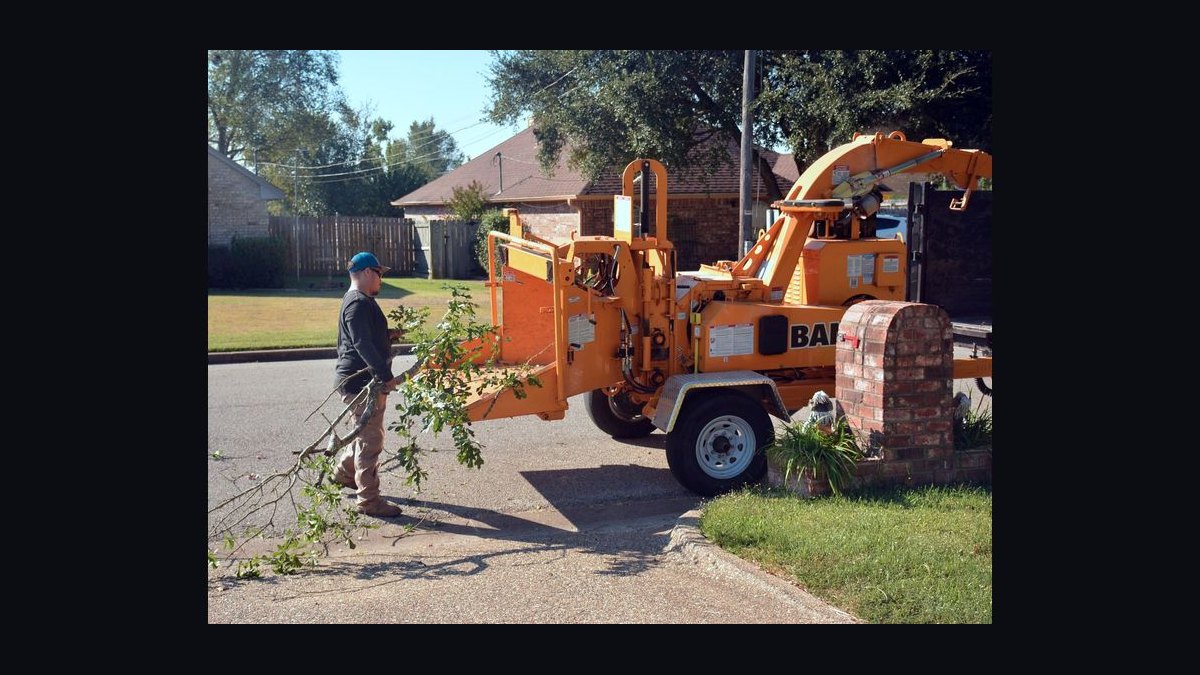
A tree service business is a licensed, insured, equipment-heavy trade that performs removal, pruning, storm cleanup, stump grinding, and plant health care on residential, commercial, municipal, and utility right-of-way properties. It is not landscaping with a taller ladder. The work splits into distinct revenue lines with wildly different capital and liability profiles: removals and aerial pruning require bucket trucks or climbing crews and carry the bulk of the safety exposure; stump grinding is a low-liability, high-margin add-on; plant health care (PHC) is recurring, consultative, and requires almost no climbing. Understanding which line you are actually entering determines your capital stack, your insurance bill, and your hiring plan.
Why 2027 specifically matters comes down to a rare convergence of demand drivers. The post-1970s suburban planting wave — maples, ashes, Bradford pears — is now 50-55 years old and at end-of-life, driving predictable removal demand at $800-$2,800 per tree. Climate-driven storm frequency keeps setting records; NOAA logged 28 billion-dollar weather events in 2024-2025, and emergency tree work carries 2x-3x pricing premiums. Emerald ash borer and spotted lanternfly continue killing tens of millions of trees annually across dozens of states, generating removal demand through 2030. And insurers — State Farm, Allstate — are increasingly conditioning homeowner renewals in CA, FL, and TX on tree clearance from structures, which converts discretionary trimming into mandatory work.
The structural hostility is labor. The ISA certification pipeline produces roughly 2,400 new arborists per year in the US against 9,000+ annual openings, and the global certified-arborist shortage sits around 29,000. Vocational programs are scaling capacity but will not close the gap until 2029-2030. Expect $28-$42 per hour loaded labor cost for a competent climber in 2027, with stricter immigration enforcement spiking labor cost 18-24% in TX, FL, and GA. Consolidators — SavATree (Apax Partners), Bartlett Tree Experts, The Davey Tree Expert Company (ESOP), and Wright Tree Service — are actively acquiring $1M-$8M revenue regional operators at 4x-6x EBITDA, which creates a genuine exit path for disciplined builders but also means the best local operators get bought before you can out-compete them.
The industry is a real $30B+ market growing at roughly 2.1% CAGR to $43.7B by 2030 per IBISWorld. That growth rate is modest, not explosive — this is a share-gain game, not a rising-tide game. You win by routing density, pricing discipline, and safety culture, not by market expansion. If you cannot articulate why a homeowner should call you instead of the eight competitors already listed in their ZIP code, the macro tailwind will not save you.
The step-by-step process for launching in 2027
The launch sequence below is a 90-day decision tree followed by a 14-18 month ramp. Skipping steps — particularly insurance binding and the ISA credential — is the single most common cause of Year-1 failure.
Days 1-15: Validate the geography. Pull Census ACS 5-year housing-age data for your target ZIPs. Target areas where 45%+ of housing stock was built between 1960 and 1985 — that is your end-of-life canopy. Count active competitors via Google Maps, Angi, and Yelp. Fewer than six per 50,000 population is the green light; eight or more per 25 square miles is a commodity-pricing trap where tickets collapse to $400-$600 and gross margin compresses below 35%.
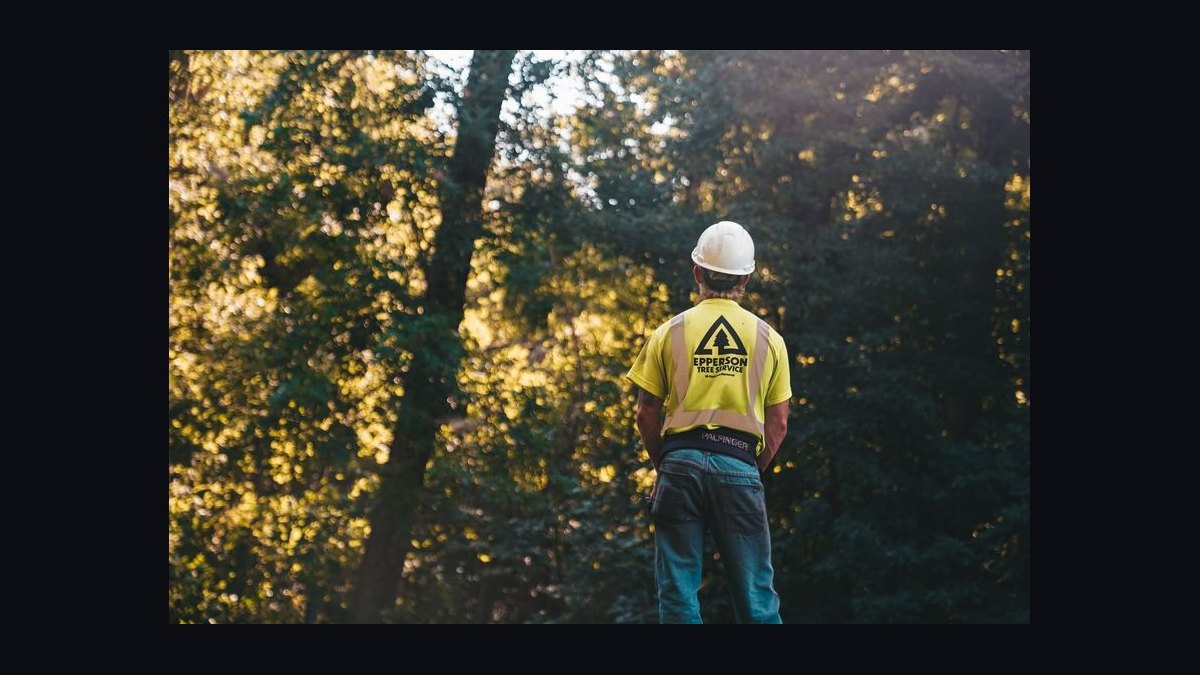
Days 16-30: Get the credential or the operator. Either enroll in ISA Certified Arborist prep (roughly a 90-day path, ~$400 exam) or sign an ISA-certified operations partner on sweat-equity terms. No ISA credential means no preferred insurance pricing tier and no credibility with municipal or HOA buyers.
Days 31-45: Lock the capital stack. Apply for SBA 7(a) up to $5M (2027 rates roughly Prime + 2.25% to 2.75%) or SBA Express up to $500K. Pre-qualify equipment through Vermeer Credit, Bandit Financial, or Crest Capital at 7-10% on 60-month terms. Do not sign anything until you have two competing term sheets.
Days 46-60: Buy used iron, not new iron. Source the bucket truck through TruckPaper or IronPlanet auctions at $45K-$85K for a 3-5 year old unit with 80K-120K miles, versus $135,000-$185,000 new from Altec or Versalift. A used Vermeer BC1500 or Bandit 250XP chipper runs $28K-$40K versus $72,000 new. Get the inland marine quote before delivery — you cannot insure equipment you have not scheduled.
Days 61-75: Bind insurance and W2 the first climber. General liability, commercial auto, workers' comp, and inland marine must all be bound before the first job. Hire one ISA-certified climber at $32-$42/hr plus one groundsman at $19-$24/hr. Payroll must be W2 — misclassification is the fastest way to void your workers' comp policy.
Days 76-90: Sell, don't bid. Door-knock 800 homes in your dense-route ZIPs with a $25 free-assessment offer. Launch Google Local Service Ads at $35-$85 per qualified lead. Target 18-25 jobs in month one at an average ticket of $1,400.
Costs, timelines, and typical ranges
The 2027 startup math splits into two paths: independent build-from-scratch (lower capex, slower ramp) and the Monster Tree Service franchise (the only meaningful franchised tree-care brand at scale). Independent total initial investment runs $168,000-$330,000. The Monster Tree Service franchise, per its 2025 FDD Item 7, runs $415,610-$534,510 including a $49,500 initial franchise fee.
Equipment is the single biggest variable and the biggest place to over-spend. A new Altec or Versalift bucket truck lists at $135,000-$185,000; the same unit at 3-5 years old trades at $45K-$85K. A 2027 Vermeer BC1500 chipper retails around $72,000; used Bandit 250XP units trade at $28K-$40K. Stump grinders run $8,000-$15,000. Chainsaws, climbing gear, and PPE add $6,000-$12,000. A pickup and trailer adds $20,000-$45,000. Skip the new fleet on day one — used iron preserves the working-capital cushion that lets you survive the first slow winter.
Insurance is non-optional and routinely underestimated. Real 2027 quotes for a two-truck operation: general liability $135-$180/month, commercial auto $202-$310/month per truck, workers' comp $15-$25 per $100 of payroll (so a $180K payroll means $27K-$45K per year in workers' comp alone), and inland marine on equipment at 1.5-4% of value. A fully insured small operator runs $1,400-$2,400/month all-in. Year-one insurance across all lines lands at $14,000-$28,000 independent, or $18,000-$30,000 under the franchise.
Working capital is the line item that kills undercapitalized entrants. Budget six months of payroll — $40,000-$90,000 — because insurance deposits, workers' comp deposits, and the 12-month sales ramp chew $25K-$40K/month before revenue covers it.
Revenue and profitability benchmarks: independent Year-1 gross sales run $180K-$320K; Year-2 runs $300K-$650K. The Monster Tree Service FDD Item 19 reports $505,703 average gross sales with estimated earnings of $50,571-$60,685. Stabilized EBITDA margin for independents is 12-18%; franchise operators see roughly 10-12% after royalty drag. Gross profit margin runs 40-60% independent, 38-52% franchised. Breakeven timeline is 14-18 months independent, 18-24 months franchised. Payback period is 3.5-5 years independent, 5-7 years franchised. Current SDE exit multiples sit at 2.5x-4.5x per Peak Business Valuation 2026 data, meaning a stabilized $120K SDE business exits at $300K-$540K.
Average annual gross sales per crew/territory run $385,000-$510,000 based on franchise data. Independent operators with one bucket truck and a two-person ground crew typically break even at month 14-18 and stabilize at 12-18% EBITDA margins.
Where operators get this wrong
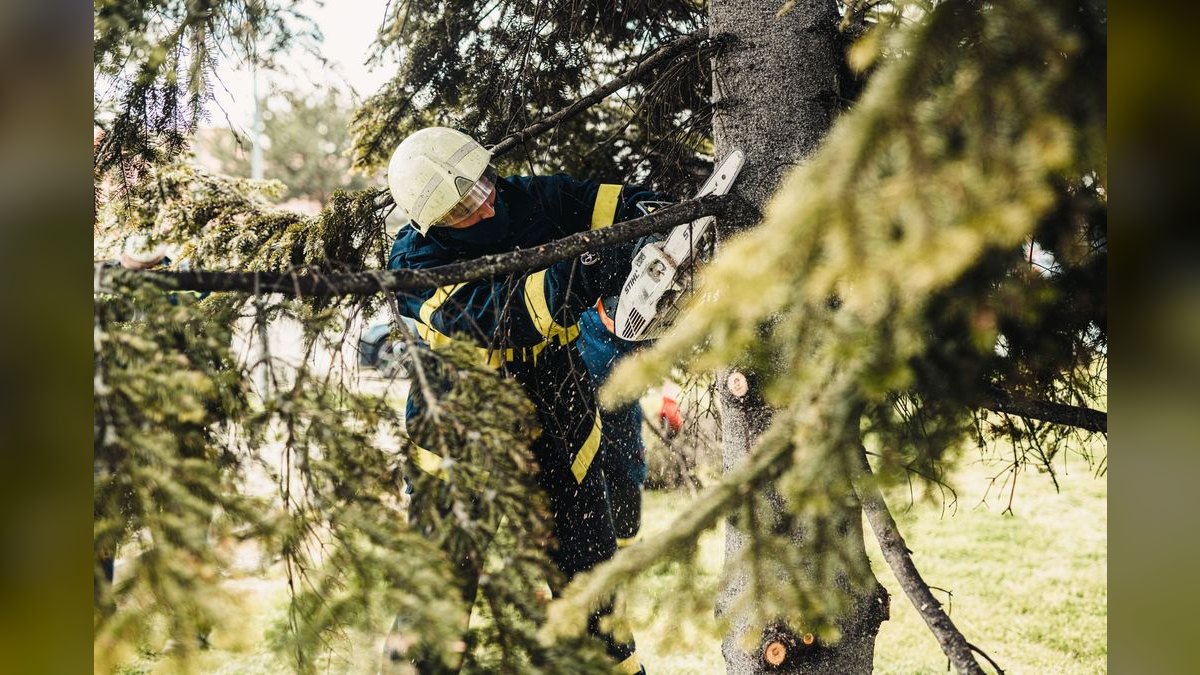
Absentee ownership. Tree work carries a fatality rate roughly 30 times the national average per BLS data cited by ArborNote. Without an owner who can train, audit, and fire unsafe climbers, a single OSHA-recordable incident wipes out a year of EBITDA. If you never plan to swing a saw or assess a tree in person, this is the wrong business.
Commodity-pricing suburbs. Entering a market with eight or more established competitors per 25 square miles collapses pricing to $400-$600 per tree and compresses gross margin below 35%. Density and differentiation matter more than raw population.
Counting on H-2B or undocumented labor. Stricter 2027 immigration enforcement has spiked labor cost 18-24% in TX, FL, and GA. The arborist gap is real: 29,000 certified short globally, and 42% of operators expect a quality shortage by 2029. Build your model on W2 wages at $28-$42/hr loaded, not on a labor arbitrage that may not exist.
Undercapitalization. The $420K working-capital buffer in the financialmodelslab model exists because insurance, workers' comp deposits, and the 12-month sales ramp chew $25K-$40K/month before revenue covers it. Operators who buy new iron on day one and run out of cash in month seven are the 30% Year-1 failure cohort.
Cold-climate seasonality. Midwest and Northeast operators without snow-plow side revenue can see January through March revenue drop below 35% of summer monthly revenue. If you cannot add winter revenue, you need a full year of fixed costs in reserve.
Skipping the ISA credential. No ISA-certified arborist on staff means no preferred insurance tier, no credibility with municipal and HOA buyers, and no ability to sell PHC contracts at $185-$325 per tree per year.
Misclassifying labor as 1099. This voids workers' comp coverage in most states and converts a manageable claim into a company-ending one.
Decision framework: when to choose what
The right structure depends on your capital, your personal skill set, and your timeline to cash flow.
Choose independent build-from-scratch if: you can personally climb or operate a chipper, you have $170K-$330K committed, you want the highest stabilized margin (12-18% EBITDA), and you are patient enough to absorb a 14-18 month breakeven. You keep the full SDE at exit and pay no royalty.
Choose the Monster Tree Service franchise if: you have $415K-$535K, you want brand, CRM, and a pricing playbook rather than building lead-gen and back-office from scratch, and you accept a longer 18-24 month breakeven and 5-7 year payback in exchange for a proven system and Item 19 disclosure of $505,703 average gross sales.
Choose an adjacent play if the capital or the fatality risk is a non-starter. Stump grinding only: one $14K Vermeer SC30TX plus a $12K trailer/truck, no climbing, no aerial liability, $175-$425 per stump, 45-60% gross margins, total entry $45K-$75K. Plant health care consulting: ISA-certified arborist plus a soil-injection rig at $18K, selling emerald ash borer prevention contracts at $185-$325/year per tree with recurring revenue, 55-65% margin, and zero climbing exposure. Acquire instead of build: BizBuySell lists 240+ tree service businesses at 2.5x-4.5x SDE; a $140K SDE business at 3x is a $420K acquisition with immediate cash flow versus a 14-18 month build ramp, and SBA 7(a) finances 85-90% of the purchase.
Walk away if: you are an absentee investor, you are undercapitalized below $150K with no financing, you are in a commodity-pricing suburb with 8+ competitors per 25 square miles, or you are unwilling to W2 an ISA-certified climber from day one.
Related questions
Do I need to be a certified arborist to open a tree service business in 2027?
No, but you or a key employee should have hands-on climbing and tree-care skills. Many successful owners start as climbers or hire an ISA-certified arborist early. Without someone who can safely operate a chipper and assess tree health, the business faces higher liability, worse insurance pricing, and slower growth.
How much revenue can a single crew generate?
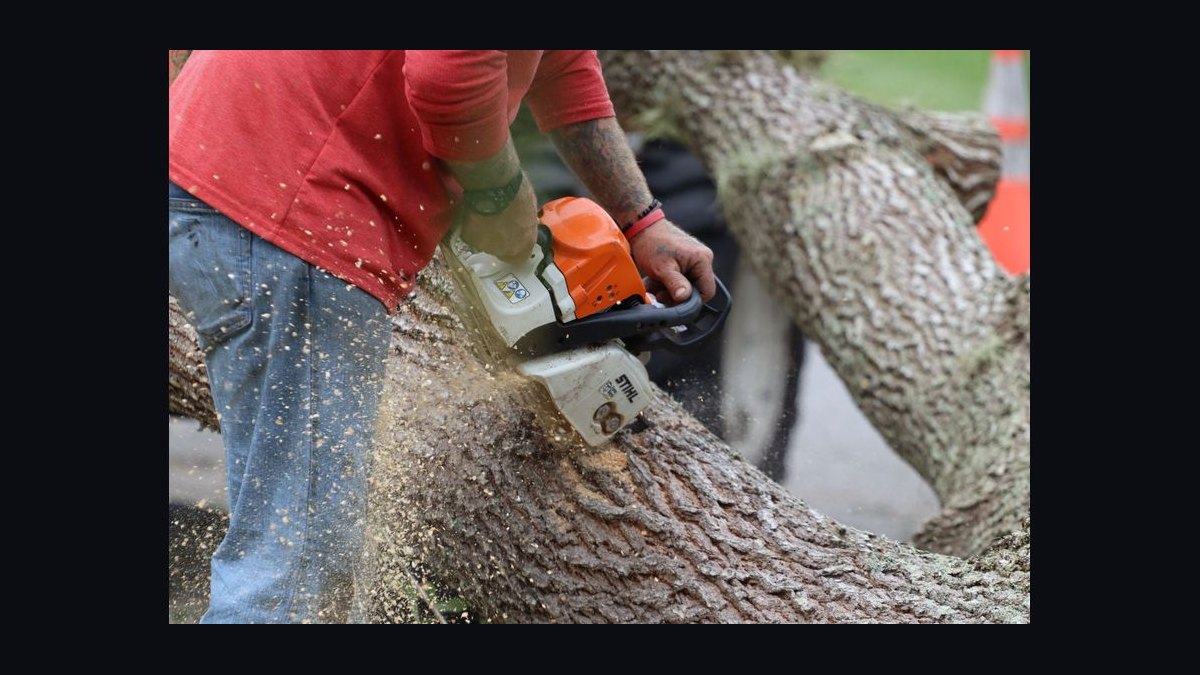
Average annual gross sales per crew territory range from $385,000 to $510,000 based on franchise data. Independent operators with one bucket truck and two ground workers often see $300,000 to $650,000 in year two, with net earnings around $50,000 to $60,000 after expenses.
How long until a tree service business becomes profitable?
Most independent operators break even between month 14 and 18, with EBITDA turning positive within 12 to 24 months. Franchise operators typically take 18-24 months to breakeven and 5-7 years to full payback because of royalty drag and higher initial investment.
Is the tree service market growing enough to support new businesses in 2027?
Yes. The US tree service market is estimated at over $30 billion and growing about 2.1% annually, reaching $43.7 billion by 2030. Demand is driven by aging urban canopies, storm cleanup, emerald ash borer, and insurance-driven defensive trimming. Local competition and seasonality still affect individual outcomes.
What is the biggest single risk in this business?
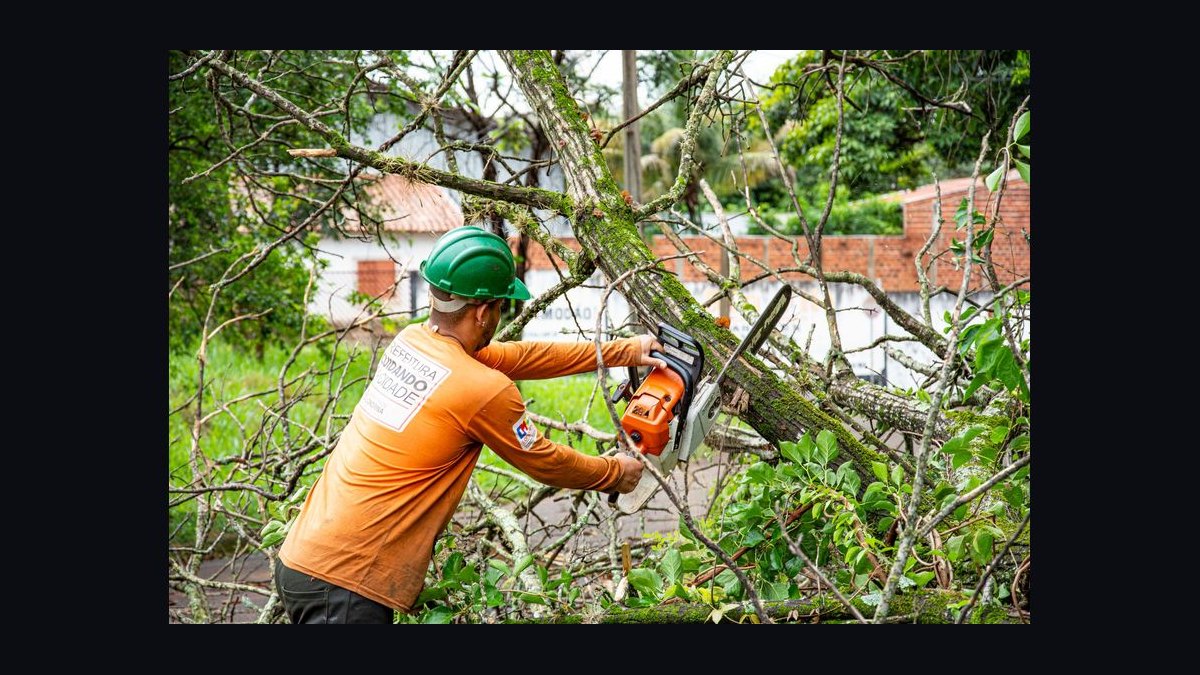
Workers' compensation insurance cost and the underlying injury rate. At $15-$25 per $100 of payroll, a $180K payroll generates $27K-$45K in workers' comp alone, and the fatality rate is roughly 30 times the national average. Safety culture is not optional — it is the business model.
FAQ
What is the minimum capital needed to open a tree service business in 2027? Expect to invest between $150,000 and $535,000 for a fully equipped operation. This covers a bucket truck, chipper, stump grinder, safety gear, insurance deposits, and initial working capital. Leasing equipment can lower the upfront cost but increases monthly overhead and reduces the working-capital cushion you need to survive the first slow winter.
How long until the business becomes profitable? Most independent operators break even between month 14 and 18, with EBITDA turning positive within 12 to 24 months. Year-two revenue typically ranges from $300,000 to $650,000 per crew, depending on local demand, routing density, and pricing discipline. Franchise operators typically take 18-24 months to breakeven.
What are the biggest risks in the tree service industry? Workers' compensation insurance is the top cost, running $15 to $25 per $100 of payroll due to the high injury rate. The fatality rate is about 30 times the national average for all occupations. A shortage of ISA-certified arborists — over 29,000 globally — also makes hiring experienced climbers difficult and expensive.
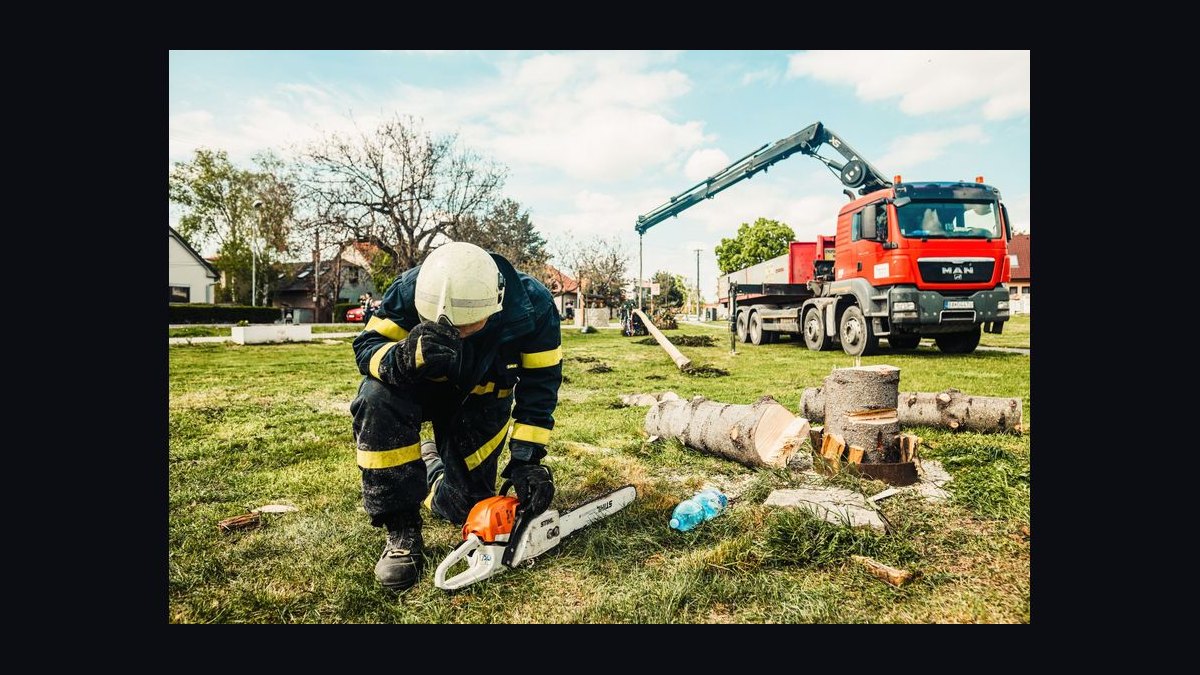
Do I need to be a certified arborist to start a tree service business? No, but you or a key employee should have hands-on climbing and tree-care skills. Many successful owners start as climbers or hire an ISA-certified arborist early. Without someone who can safely operate a chipper and assess tree health, the business faces higher liability and slower growth, and you lose access to preferred insurance pricing tiers.
How much revenue can a single crew generate in a year? Average annual gross sales per crew territory range from $385,000 to $510,000 based on industry franchise data. Independent operators with one bucket truck and two ground workers often see $300,000 to $650,000 in year two, with net earnings around $50,000 to $60,000 after expenses and owner compensation.
Is the tree service market growing enough to support new businesses in 2027? Yes, the US tree service market is estimated at over $30 billion and growing at about 2.1% annually, reaching $43.7 billion by 2030. Demand is driven by aging urban tree canopies, storm cleanup needs, emerald ash borer, and insurance-driven defensive trimming. However, local competition and seasonal weather patterns can significantly affect individual growth rates.
Sources
- IBISWorld — Tree Trimming Services in the US Industry Report (6064)
- Franchise Chatter — Monster Tree Service 2026 FDD Review: Costs, Fees, Average Revenues
- VettedBiz — Monster Tree Service Franchise Insights: FDD, Costs & Fees
- Peak Business Valuation — Valuation Multiples for a Tree Service Business
- Financial Models Lab — Tree Care Service Startup: $244K CAPEX, 18-Month Breakeven Plan
- TechInsurance — Tree Service Business Insurance Costs
- ArborNote — The Smart Guide to Tree Service Insurance 2026
- ArboStar — How Much Do Tree Service Companies Make?
- Turf Magazine — The Profitability of Tree Care Services
- Monster Tree Service Franchise — Investment Options
Related on PULSE
- Best automotive service franchises to buy in 2027
- Should I open a tutoring service in 2027?
- Should I open a dog walking service in 2027?
- How do I franchise my own business in 2027?
- Franchise vs. independent business: which should I start in 2027?
- Should I open or buy a Padgett Business Services franchise in 2027?
This page will be disappearing soon. Save it to your device for $1 — or read it free while it is here.
@Kory-White- · if Venmo asks, the last 4 of my number are 2012
This page is gone.
This one is off the shelf now. $1 keeps it on your phone for good — the whole page, pictures and diagrams included.
 franchiseShould I open or buy a Meineke franchise in 2027?
 franchiseShould I open or buy a Massage Envy franchise in 2027?
 franchiseShould I open or buy a Take 5 Oil Change franchise in 2027?
 franchiseShould I open or buy a Merry Maids franchise in 2027?
 franchiseShould I open or buy a Cold Stone Creamery franchise in 2027?
 franchiseShould I open or buy a Papa John's franchise in 2027?
 franchiseShould I open or buy a Subway franchise in 2027?
 franchiseShould I open or buy a Cook Out franchise in 2027?
 franchiseShould I open or buy a Mac Tools franchise in 2027?
 franchiseShould I open or buy an Orangetheory Fitness franchise in 2027?