


Should I open a vending machine business in 2027?
Quality
Certified

Opening a vending machine business in 2027 makes sense only if you treat it as a logistics route, not passive income — secure 8-12 confirmed locations before buying a single machine. An independent startup runs $15,000-$45,000 for 3-5 machines; a HealthyYOU Vending franchise runs $60,000-$200,000 for 8-12. Expect 25-35% net margins and a 14-22 month break-even with strong locations, but full-time income requires scaling past 20 machines.
What it is and why it matters
A vending machine business is, at its core, a small retail chain where each store is a single unattended box bolted to a wall in someone else's building. You buy or lease the machine, negotiate a placement agreement with a location owner, stock it with product, collect cash and card payments, and restock on a fixed cadence — typically two to three visits a week per route cluster. The economics resemble a franchise more than they resemble a stock-market side hustle: you are renting shelf space from a landlord (the location) in exchange for a commission, usually 0-25% of gross sales, and your profit sits in the spread between what you pay for product wholesale and what the machine collects at retail.
Why this matters more in 2027 than it did five years ago is that the underlying cost structure has shifted. Cashless payment has crossed 70% of vending transaction volume industry-wide, according to National Automatic Merchandising Association tracking, which means a machine without a card reader is now a liability rather than a cost-saver — locations increasingly refuse cash-only units outright because employees don't carry cash and complain when a machine can't take a tap-to-pay card. At the same time, beverage and healthy-snack input costs have risen faster than vending sell prices historically moved, which compresses margin for operators who don't actively manage pricing. The business still works, but it rewards operators who run it like a route-based logistics operation: someone comfortable with a vehicle, a dolly, a set schedule, and ongoing sales conversations with location managers, rather than someone who wants to install a machine once and never think about it again.

The reason "should I open one" is a genuinely useful question in 2027 specifically is that the entry point has bifurcated. On one side, independent operators can start lean with used-but-serviceable combo machines and DIY-source their own locations, keeping total investment under $45,000 for a five-machine route. On the other side, business-opportunity packages like HealthyYOU Vending or Naturals2Go bundle machines, coaching, and sometimes location-placement support into a $60,000-$200,000 package — these are not franchises in the legal sense (no royalty, no Item 19 earnings claim in most cases), but they function like training wheels for a first-time operator who wants structure. Neither path is inherently better; the right answer depends on how much capital you have, how comfortable you are cold-calling businesses to secure break-room space, and whether you value the coaching enough to pay a premium for it.
The step-by-step process (mermaid)
The actual sequence of opening a vending machine business is narrower than most people assume, and the order matters more than the individual steps. The single most common mistake is buying machines first and hunting for locations second — that reverses the correct sequence and leaves expensive equipment sitting unused in a garage while the owner scrambles.
The correct order starts with location validation. Before spending meaningfully on equipment, you identify 40-50 candidate locations in your service area: businesses with 30-plus employees, gyms, apartment complexes with 100-plus units, manufacturing plants, auto-repair shops, hospitals, and self-storage facilities. You cold-walk or cold-call a meaningful subset of these — 15-20 is a reasonable target — and ask a simple qualifying question: do they currently have vending, and would they consider a machine with cashless payment and healthier options. The goal is 8-10 verbal commitments before you spend a dollar on hardware.
Once locations are lined up, you handle the legal and financial scaffolding: forming an LLC, securing general liability insurance, registering for state sales tax where required, and opening a dedicated business bank account. This is also the decision point for independent versus business-opportunity paths, since your available capital determines which route is realistic.
Next comes signing location agreements — simple one-page contracts covering term length, commission rate, exclusivity, and removal conditions — followed by ordering machines and cashless hardware sized to the number of confirmed placements, not to some larger ambition. Only after contracts are signed do machines get ordered, installed, stocked according to a planogram (which products go in which slots based on the specific location's demographics), and priced.
The final phase is building the restock route itself: two to three fixed visits per week, using sales and telemetry data to identify which SKUs move and which sit, and renegotiating or replacing any location that underperforms within the first 60-90 days. This closing loop — measure, adjust, repeat — is what separates operators who plateau at three or four machines from those who scale into a real route business.
Costs, timelines, and typical ranges
The capital required to open a vending machine business splits cleanly by path, and understanding the line items matters more than memorizing a single total. On the independent side, a five-machine startup typically runs $23,000-$45,000: new or lightly-used combo machines from established manufacturers cost $3,000-$5,000 apiece, initial inventory runs $1,500-$3,000, a used cargo van or pickup outfit costs $2,000-$5,000, entity formation and insurance land around $800-$1,500, cashless readers run $150-$400 per machine, and three months of working capital adds another $3,000-$6,000. A business-opportunity package such as HealthyYOU Vending bundles eight machines with telemetry and coaching for $60,000-$200,000 — the premium buys structure and hand-holding, not fundamentally different machines.
Revenue per machine is the number that determines whether any of this pencils out. Average gross revenue sits between $300 and $600 per machine per month for independent operators, translating to annual revenue of $18,000-$36,000 per machine over a full year. Business-opportunity operators report somewhat higher per-machine revenue, often $400-$900 monthly, because healthy-SKU pricing runs higher per item. Product cost of goods typically consumes 45-55% of revenue for standard snack-and-beverage mixes, with location commissions taking another 0-25%, leaving net EBITDA margins in the 20-35% range depending on path and location quality.
Put together, a five-machine independent route in its first year commonly produces $18,000-$40,000 of owner cash flow, while an eight-machine business-opportunity route can produce $24,000-$60,000 — but the larger number comes with proportionally larger upfront capital at risk. Break-even timing runs 14-22 months for independent operators with solid locations and stretches to 24-36 months for business-opportunity paths, largely because the higher entry cost takes longer to recover even when per-machine revenue is stronger.
Beyond the initial year, the realistic timeline to meaningful income is longer than most new operators expect. A five-machine route rarely replaces full-time income; that generally requires scaling to 15-20 machines, which most operators reach — if they reach it at all — by month 18-24 through reinvesting cash flow into additional units rather than through the original startup capital. Ongoing costs also compound at scale: telemetry fees of $8-$12 per machine per month, periodic component repairs (bill validators run $200-$400 to replace, refrigeration compressors $400-$800), and vehicle maintenance all eat into the margin that looked comfortable on a single-machine spreadsheet.
Where teams get it wrong
The single most expensive mistake is sequencing: buying machines before securing locations. This is common enough to be the defining failure mode of the industry — an eager new operator spends $20,000-$30,000 on equipment, then discovers that finding 8-10 viable, high-traffic locations takes real sales effort and weeks or months of cold-calling. The machines sit in a garage or storage unit depreciating and generating zero revenue while the owner scrambles, and the psychological pressure of sunk cost often pushes them into accepting bad locations just to get machines placed — a low-traffic site with under 30 daily transactions rarely clears $400 a month, regardless of how good the machine or product selection is.

A second common error is underestimating the physical and logistical demands of the business. Restocking is not glamorous work: it involves lifting 30-40 pound product cases, driving fixed routes in all weather, troubleshooting bill jams and refrigeration failures on-site, and having uncomfortable conversations with location managers when a machine breaks down or underperforms. Operators who expect a "set it and forget it" cash machine — a phrase that circulates heavily in social-media pitches for this business — burn out or quietly abandon the route within the first year, often at a loss.
Third, buying used equipment below roughly $1,000 per machine off classified listings is a false economy for most first-time operators. Repair costs on aging machines frequently exceed the original purchase price within twelve months, particularly when a bill validator or a compressor fails; those single-component repairs can run $200-$800, meaning two failures can eclipse what a "bargain" $800 machine cost to acquire in the first place. New or certified-refurbished units from established manufacturers cost more upfront but carry warranties and predictable maintenance profiles that matter enormously when you're also managing a location relationship.
Fourth, operators who try to scale past roughly 15 machines solo — handling restocking, sales, bookkeeping, and repairs alone — tend to hit a wall around month 18, either stalling growth or burning out entirely. The route math that works cleanly at five machines (one person, a few hours twice a week) breaks down at fifteen or twenty, where restocking alone can consume two to three full days weekly, leaving no time for the location-hunting and relationship management that keeps the route healthy. Operators who scale successfully typically bring on part-time help or a second operator (frequently a spouse or family member) well before hitting that wall, splitting location/sales responsibilities from inventory/restocking responsibilities.
Finally, many new operators underprice for 2027 input costs. Beverage and snack wholesale costs have risen meaningfully over the past two years, and operators who held 2024-era pricing into 2026-2027 saw their margins quietly erode by several percentage points without any single dramatic event — just gradual compression that shows up as a disappointing year-end number. Reviewing and adjusting pricing at least twice a year, rather than setting it once at launch, is a habit that separates operators who protect margin from those who slowly lose it.
Decision framework: when to choose what (mermaid)
Deciding whether to open a vending machine business in 2027 — and which path to take if you do — comes down to three practical filters: available capital, appetite for direct sales work, and desired timeline to profitability. If you have under $50,000 and are comfortable cold-walking businesses yourself to secure placements, the independent path is the more capital-efficient choice, since you avoid paying a premium for coaching and support you may not need. If you have $60,000-$200,000 and would rather pay for structure, machine sourcing, and some placement guidance than build that skill set from scratch, a business-opportunity package such as HealthyYOU Vending or Naturals2Go removes some of the early friction at the cost of a much larger upfront check and a longer break-even window.
If neither profile fits — if you lack the capital for either path, or you're unwilling or unable to do the physical restocking work personally — vending may not be the right business regardless of path, and several adjacent models deserve a look instead. An unattended micro-market (Amazon Just Walk Out-style kiosks) requires $25,000-$50,000 per site and delivers stronger margins (30-40% EBITDA) but needs a larger location with 100-plus employees to justify the footprint. An ATM route requires only $3,000-$8,000 per machine and produces $200-$500 monthly per well-placed unit with less physical labor, though it still requires the same location-hunting skill. A coffee or water-cooler B2B service route runs $30,000-$80,000 to start but produces monthly recurring revenue rather than per-transaction revenue, and stickier customer relationships. For operators with more capital and a preference for a less operationally intensive path, acquiring an existing, already-cash-flowing vending route at 2-3x annual EBITDA skips the location-hunting phase entirely, trading a lower return multiple for immediate cash flow and proven locations.
Related questions
How much does it cost to buy a used vending machine?
Serviceable used combo machines typically run $1,000-$3,000, though units under $1,000 often carry hidden repair risk. Bill validators cost $200-$400 to replace and compressors $400-$800, so factor likely near-term repairs into any used-equipment budget before buying.
What commission rate should I offer a location for vending placement?
Most independent placements run 0-15% of gross sales, with high-traffic or competitive locations sometimes reaching 20-25%. Start conversations near the lower end and reserve higher commissions for locations with genuinely strong foot traffic.
Is a vending machine business passive income?
No — it requires active restocking two to three times weekly, hands-on troubleshooting, and ongoing location relationship management. Operators expecting a truly passive setup are the most common source of failed vending routes.
How many vending machines do I need to make a full-time income?
Most operators need 15-20 machines to approach full-time income, generating roughly $60,000-$120,000 in annual owner earnings at that scale. A typical five-machine starter route produces $18,000-$40,000 in year-one cash flow, which is supplemental rather than full-time.
Should I choose cashless-only or keep a cash option on my vending machines?
Cashless now represents over 70% of vending transaction volume, and many locations refuse cash-only machines outright. Installing a cashless reader ($150-$400 per machine, plus $8-$12 monthly telemetry) is close to mandatory for competitive placements in 2027.
FAQ
How much money do I really need to start a vending machine business in 2027? Expect $15,000-$45,000 for an independent 3-5 machine startup, covering machines, initial inventory, a vehicle setup, and working capital. Business-opportunity packages like HealthyYOU Vending run $60,000-$200,000 for 8-12 machines with coaching and telemetry bundled in.
Can I make a full-time income from vending machines in 2027? It's achievable but typically only after scaling past roughly 20 machines. A standard five-machine route produces $18,000-$40,000 in year-one owner cash flow — useful supplemental income, but most operators need significant route growth before it replaces a full-time job.
How long does it take to break even opening a vending machine business? With strong locations, independent operators typically break even in 14-22 months; business-opportunity paths run 24-36 months due to higher upfront cost. High-traffic sites like offices, hospitals, and gyms shorten this timeline meaningfully.
What are the biggest risks to a vending machine business in 2027? Losing locations to competitors (including unattended micro-markets and enterprise vending providers), rising input costs compressing margin, theft or vandalism, and machine breakdowns are the primary risks. Diversifying across multiple locations and using cashless telemetry for real-time monitoring both help mitigate them.
Should I go independent or buy into a business opportunity like HealthyYOU Vending? Independent startups cost less ($15,000-$45,000) and give full control over machine choice and locations, while business-opportunity packages ($60,000-$200,000) trade a higher price for coaching, machine sourcing, and some placement support. Neither files a standardized earnings-claim disclosure, so either way you should build your own location-by-location pro forma rather than relying on marketing numbers.
What profit margin should I expect per vending machine? Average gross revenue runs $300-$600 per machine monthly, with net margins of 25-35% after product cost, location commission, and restocking expenses. High-traffic locations like gyms and busy break rooms push toward the upper end; low-traffic sites often fall short of profitability entirely.
Sources
- IBISWorld — Vending Machine Operators in the US Industry Report
- National Automatic Merchandising Association (NAMA) — State of the Industry Report
- U.S. Small Business Administration — vending route operator industry profile
- Nayax — cashless vending adoption reporting
- Cantaloupe Inc. (NASDAQ: CTLP) — annual filings on telemetry and cashless adoption
- VendingMarketWatch — vending industry census (revenue per machine, commission benchmarks)
- U.S. Bureau of Labor Statistics — wage data for route driver occupations
- IRS Schedule C industry data — NAICS 454210 Vending Machine Operators
Related on PULSE
- Should I open or buy a HealthyYOU Vending franchise in 2027?
- How do I franchise my own business in 2027?
- Franchise vs. independent business: which should I start in 2027?
- Should I open or buy a Padgett Business Services franchise in 2027?
- Should I open a arcade business in 2027?
- Should I open a ATM business in 2027?
This page will be disappearing soon. Save it to your device for $1 — or read it free while it is here.
@Kory-White- · if Venmo asks, the last 4 of my number are 2012
This page is gone.
This one is off the shelf now. $1 keeps it on your phone for good — the whole page, pictures and diagrams included.
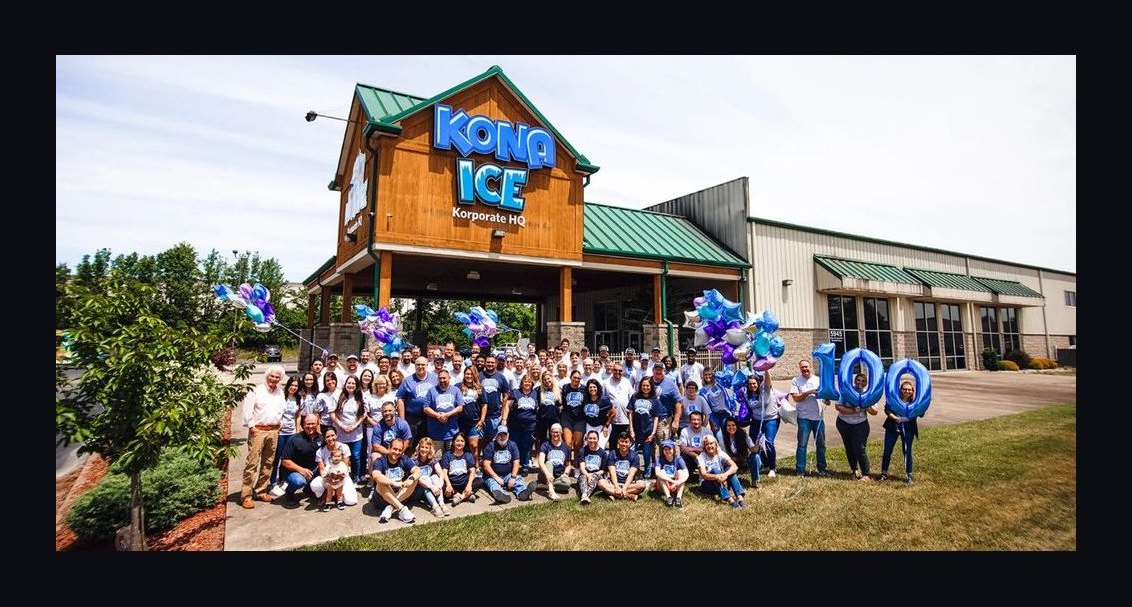 franchiseShould I open or buy a Kona Ice franchise in 2027?
 franchiseShould I open or buy a Big O Tires franchise in 2027?
 franchiseShould I open or buy a Domino's franchise in 2027?
 franchiseShould I open or buy a Chipotle franchise in 2027?
 franchiseShould I open or buy an Ace Hardware franchise in 2027?
 franchiseShould I open or buy a Bahama Breeze franchise in 2027?
 franchiseShould I open or buy a Wendy's franchise in 2027?
 franchiseShould I open or buy a UPS Store franchise in 2027?
 franchiseShould I open or buy a Primrose Schools franchise in 2027?
 franchiseShould I open or buy a Smoothie King franchise in 2027?