
Should I open or buy a YogaSix franchise in 2027?
 Curated byKory White · Fractional CRO · Maryland
 PULSEKNOWLEDGE LIBRARY
Open a YogaSix franchise in 2027 only if you can fund roughly $300,000–$550,000, keep $100,000–$200,000 liquid, and personally run membership sales and instructor quality for two years. The Xponential platform gives real estate, CRM, and pre-sale support. Absentee owners in saturated or non-affluent markets should pass.
A studio in a lifestyle center, and the math nobody runs first
Picture a 2,100-square-foot end-cap in a suburban lifestyle center — the kind anchored by a grocery store with a hot bar and a Lululemon three doors down. The rent is $28 per square foot triple-net, so roughly $59,000 a year before CAM and taxes, and the landlord wants a ten-year term with a personal guarantee on the first five. The buildout needs a heated studio room, a lobby with a retail wall, two bathrooms with showers, and an HVAC system that can hold a room at 95 degrees while forty people breathe in it. That last item is where first-time owners get surprised: heating and dehumidification for a hot yoga room is not a standard retail HVAC package, and the delta between a landlord's base building system and what a heated studio actually requires often runs $25,000 to $60,000 out of the tenant's pocket.
Now run the revenue side. A studio with 300 active members at an average blended dues rate of $155 per month produces $558,000 a year in recurring revenue. Add class packages for non-members, retail, teacher training referrals, and workshops, and $600,000 to $650,000 is a realistic mature year. That is the number that makes the model work. The problem is that you do not have 300 members on opening day — you have whatever your pre-sale produced, and the gap between month one and month fourteen is funded entirely by your working capital.
Here is the scenario that separates the two outcomes. Owner A signs in January, opens in October, and enters month one with 180 founding members at $109 introductory dues — $19,620 monthly recurring. Payroll for a studio manager, a sales lead, and a roster of twelve part-time instructors runs $18,000 a month. Rent plus CAM is $6,200. Royalty and marketing fees take another $2,000. Owner A is losing roughly $8,000 a month at open and needs eight to twelve months of membership growth plus the founding-rate step-up to cross into black. If they budgeted $50,000 in working capital, they are refinancing or borrowing by month six.

Owner B runs the same buildout but treats the pre-sale as the actual business. They open with 310 founding members and a waitlist, which means month one is roughly break-even and month four is genuinely profitable. Same brand, same fees, same build cost — a completely different first two years. The variable was not the franchise. It was ninety days of ground-level selling before a single class was taught. Every honest conversation with a boutique fitness operator eventually lands on this point, and it applies equally to Club Pilates, Pure Barre, StretchLab, and every independent studio that ever opened with a soft launch and hope.
How the membership engine actually converts a lead into margin
The economics of a boutique studio are subscription economics wearing gym clothes. Understanding the machine matters more than understanding yoga, and it is the same machine that runs a SaaS book of business: acquire, onboard, retain, expand, and watch the churn rate like it is a fuel gauge.
The funnel starts with a lead — an intro-offer signup, a walk-in, a referral, a ClassPass visitor, a corporate wellness partner's employee. That lead books an introductory class or a discounted two-week trial. The conversion event happens in the studio, not online: someone at the front desk has a structured conversation about goals and pricing after the person's second or third class, when the endorphins and the habit are both fresh. Boutique fitness systems generally see intro-to-member conversion somewhere in the 40 to 60 percent range when the sales conversation is disciplined and consistently executed, and well under 30 percent when it is left to whoever happens to be working the desk.

Once someone is a member, the entire profit question becomes duration. At $155 a month, a member who stays 8 months is worth about $1,240. A member who stays 22 months is worth about $3,400. Nothing else in the P&L moves the needle like that number, because acquisition cost is roughly the same either way. This is why instructor quality is not a soft concern — it is the retention lever. Members bond to a teacher and a time slot, not to a brand. Lose a popular 6:00 a.m. instructor without a warm handoff and you can watch a dozen memberships cancel over the following two months.
Class utilization is the other half of the machine. A studio running 45 to 55 classes a week with an average of 11 attendees per class is filling roughly two-thirds of a 16-mat room. That utilization figure drives whether your instructor labor is efficient. Paying a teacher $40 to $55 for a class with 4 people in it is a losing trade; the same pay for 14 people is excellent. Managing the schedule — killing dead time slots, protecting the peak 5:30 a.m., 9:30 a.m., and 5:45 p.m. blocks, and testing new slots in short pilots — is the weekly operating discipline that separates a 62 percent gross margin from a 48 percent one.
The diagram is not decoration — it is the operating model. Every dollar of profit in this business is produced in the box marked "bonds to an instructor and a time slot." Owners who treat marketing spend as the growth lever while ignoring that box end up on an acquisition treadmill: buying members at $120 apiece to replace members leaving at the same rate, running hard and standing still.
Real numbers: what it costs, what it returns, and where the money leaks
Start with the investment. The published Item 7 range in recent YogaSix disclosure documents runs roughly $300,000 to $550,000 all-in, with an initial franchise fee in the neighborhood of $60,000. The spread is almost entirely construction and market. A second-generation fitness space in a secondary market with a landlord contributing $40 per square foot in tenant improvement allowance lands near the bottom. A raw white-box in a coastal metro with union labor and a long permitting queue lands at the top or above it.

A realistic line-item picture for a 2,000-square-foot studio:
- Initial franchise fee: around $60,000
- Leasehold improvements: $120,000 to $300,000, net of any TI allowance — flooring, heated-room HVAC, mirrors, sound, lighting, restrooms and showers, front-desk millwork
- Equipment, props, retail inventory: $25,000 to $60,000
- Technology, POS, booking, and CRM setup: $10,000 to $30,000
- Pre-sale and grand-opening marketing: $25,000 to $60,000
- Insurance, permits, professional fees: $5,000 to $18,000
- Training and travel: $5,000 to $15,000
- Working capital: $50,000 to $120,000 — and this is the line people underfund
On ongoing fees, budget a royalty in the 6 to 7 percent range plus a brand marketing fund contribution of roughly 2 percent, and expect a local marketing spend obligation on top. Model the franchisor-directed load at 9 to 11 percent of gross revenue when you build your pro forma, then verify the exact figures against Items 5 and 6 of the current disclosure document — never against a blog post, a broker's one-pager, or this page.

Now the operating model on a mature $650,000 studio, expressed as percentages you can stress-test:
- Instructor and front-desk labor: 26 to 32 percent, so $170,000 to $208,000
- Rent, CAM, and utilities: 13 to 18 percent — hot rooms carry a meaningfully higher electric and gas bill than an unheated studio, often $1,200 to $2,500 a month more in a cold climate
- Royalty: roughly 6 to 7 percent, so $39,000 to $46,000
- Brand marketing fund: roughly 2 percent, so $13,000
- Local marketing, software, insurance, supplies, merchant fees, repairs: 14 to 18 percent
That leaves an owner-benefit line somewhere around $110,000 to $190,000 before debt service, and before you pay yourself a manager's salary if you are not working the floor. If you financed $350,000 on a ten-year SBA 7(a) note, debt service alone is roughly $4,200 to $4,800 a month, or $50,000 to $58,000 a year. Subtract that and the honest owner take on a healthy single unit is often $60,000 to $130,000 — real money, but not passive money, and not life-changing money from one location. This is why serious operators in the Xponential ecosystem tend toward multi-unit or multi-brand ownership: the second and third studio share a manager, a marketing budget, a bookkeeper, and an instructor pool, and the incremental margin is much better than the first.
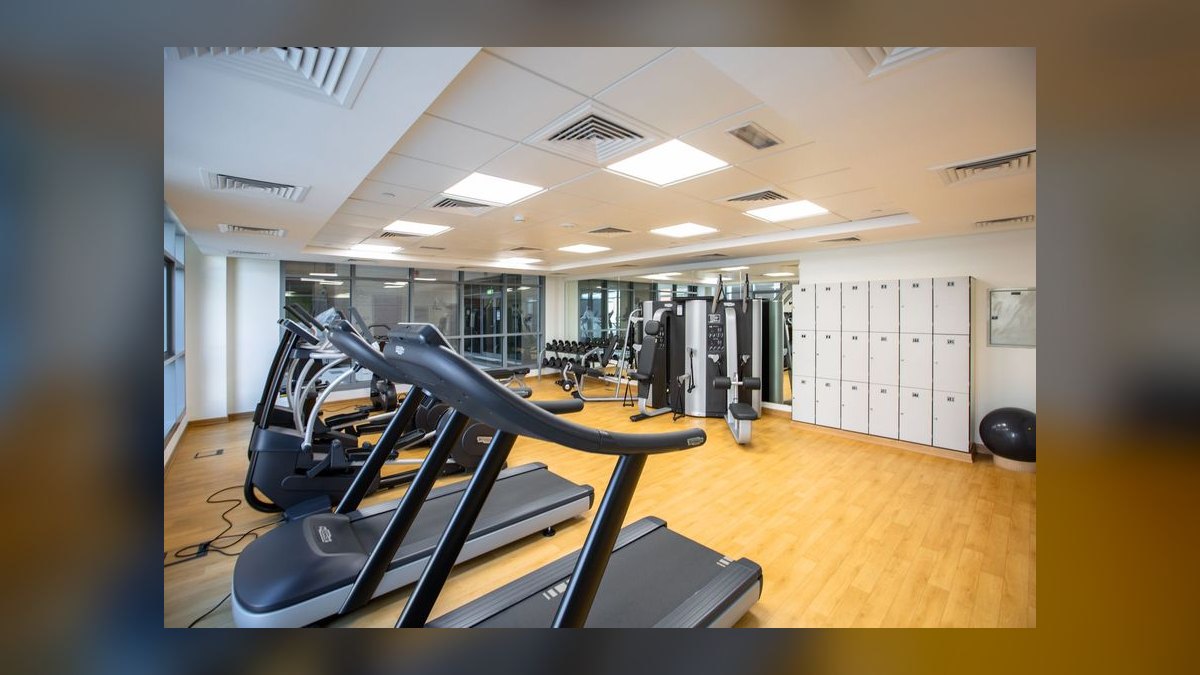
Breakeven timing is the number to anchor on. Studios with strong pre-sales and a manager hired 60 days before opening often reach monthly cash breakeven inside 8 to 14 months. Studios that open soft — under 150 founding members, no manager, owner learning the software during opening week — commonly take 18 to 30 months, and some never get there before the founding rates expire and a churn wave hits.
Buying an existing studio changes the arithmetic in ways worth taking seriously. A resale trades on a multiple of seller's discretionary earnings, commonly in the 2.0x to 3.5x range for boutique fitness depending on membership stability, remaining lease term, equipment condition, and whether the owner is the operator. Buying a studio doing $180,000 in SDE at 2.75x means $495,000 plus a transfer fee — more than a new build, but with revenue on day one and no construction risk. The critical diligence items are membership tenure distribution (how many members joined in the last 90 days versus 3 years ago), the churn trend over 24 months rather than a single snapshot, whether founding-rate members are about to step up or cancel, deferred maintenance on the HVAC, and how much of the current performance walks out the door with the departing owner's personal relationships.
Trade-offs: the platform, the alternatives, and what you give up
The central trade in any franchise decision is equity in your own brand versus speed, systems, and reduced variance. Xponential's platform is a real asset for a first-time operator. Site selection help matters enormously when you have never negotiated a retail lease — a bad location cannot be fixed by good operations, and a franchisor with a real estate team and a portfolio of comparable deals will keep you out of at least a few traps. The pre-sale playbook, the CRM, the class-scheduling stack, the standardized class formats, and a national brand that a member recognizes when they relocate all have genuine value.

What you give up is control and margin. You cannot change pricing architecture freely, you cannot rebrand, you cannot pivot the concept if the market shifts, and you cannot sell to whomever you want without franchisor approval. You pay 9 to 11 percent off the top forever. And you accept system risk: if the franchisor's brand marketing underdelivers, or a sibling brand saturates your trade area, or the parent company's financial position affects support levels, that lands on you and you cannot exit it cheaply.
The realistic alternative set:
Independent yoga studio. Same buildout, no $60,000 fee, no royalty. On a $650,000 studio you keep an extra $50,000 to $70,000 a year. In exchange you build the brand, the sales process, the software stack, the class formats, and the teacher training pipeline yourself. This is a good trade for someone who has already run a studio and has a local following. It is a bad trade for a career banker doing this for the first time.

A sibling Xponential brand. Club Pilates carries higher equipment cost — reformers are expensive — but typically commands higher price points per member and has demonstrated strong unit economics across the system. Pure Barre is a lighter buildout. StretchLab is a one-to-one appointment model with different labor dynamics, closer to a services business than a class business. If the platform is what attracts you, compare brands on labor intensity and equipment capex, not just on which workout you personally like.
Adjacent recovery and wellness concepts. Contrast therapy, cold plunge and sauna studios, IV and recovery lounges, and infrared-based models generally run lower labor loads because there is no instructor in every session. Lower labor, but also lower community stickiness — the retention mechanism that makes yoga durable is precisely the human one. Weigh whether you want a labor-light business with weaker bonds or a labor-heavy one with stronger ones.
Larger-format and competing yoga concepts. Established multi-location yoga operators compete directly for the same member, and in many suburban markets the real competitor is not another franchise at all — it is a beloved independent studio with a fifteen-year-old member base and a teacher everyone follows. Walk that studio before you sign anything.

Buy rather than build, in any of the above. Existing units in most boutique categories trade regularly. Revenue on day one, no permitting risk, and a proven trade area, at the cost of inheriting whatever the prior owner broke.
Pitfalls that sink studios, and the countermeasures
Underfunding working capital. The single most common failure. Owners fund construction fully and the first year barely. Rule of thumb: after every check is written for buildout, equipment, fees, and opening marketing, you should still have six months of full fixed costs — rent, payroll, debt service, insurance — sitting in the account. For most single units that is $80,000 to $130,000, not $50,000.
Treating the pre-sale as marketing rather than as the business. The 8 to 12 weeks before opening are when the studio's first two years are decided. That period needs a dedicated salesperson, a physical presence at every farmers market and 5K and corporate wellness fair in the trade area, pop-up classes in park pavilions and office lobbies, and a founding-member offer with a real deadline. A studio that opens with 90 members and a studio that opens with 300 have identical cost structures and completely different fates.
Hiring the manager too late. A general manager hired two weeks before opening is learning the software while trying to sell memberships. Hire 60 to 90 days ahead so they run the pre-sale, build the instructor roster, and own the relationships from day one. Pay for someone who has run a boutique studio or a high-end retail store; the difference between a $48,000 manager and a $65,000 manager with a track record shows up in your churn rate within two quarters.

Instructor compensation set too low. Paying at the bottom of the local market produces a revolving door, and teacher turnover is member turnover with a two-month lag. Pay competitively for the market, add attendance and retention bonuses, cover continuing education, and build a substitute bench so a sick teacher does not mean a cancelled class. Instructor turnover in boutique fitness is high industry-wide; being a studio people want to teach at is a durable and underrated advantage.
Signing the wrong lease. Ten-year term with a full personal guarantee, no co-tenancy protection, no early termination right, and no cap on CAM escalations is a hazard. Push for a guarantee that burns off after 36 months of on-time payment, a landlord TI allowance sized to the heated-room HVAC requirement, exclusivity against another yoga or barre tenant in the center, and a defined cap on annual operating-expense increases. Hire a tenant-rep broker and a real estate attorney; the fee is trivial against a ten-year obligation.
Skipping validation calls. Talk to at least eight to ten current owners, and insist on a mix: two who opened in the last 18 months, two who have been in five-plus years, at least one multi-unit operator, and — critically — one who has sold or closed a unit. Item 20 of the disclosure document lists transfers, terminations, and non-renewals along with contact information for former franchisees. Those former-franchisee conversations are the most informative calls you will make, and the ones prospective owners most often skip.

Misjudging the trade area. The demographic profile that supports a boutique studio is fairly specific: sufficient household density within a 10 to 12 minute drive, household income that comfortably supports a $155 monthly discretionary line item, and a population that already demonstrates wellness spending. Do not assume a market is greenfield because there is no yoga studio — sometimes the absence is the market telling you something. Conversely, an existing thriving independent proves demand exists, and competing on facility quality and schedule breadth is a legitimate strategy.
Assuming semi-absentee works from month one. It can work eventually, with a proven GM and mature systems. It rarely works at open. Plan on 40 to 60 hours a week for the first year, then reassess. If your life genuinely cannot accommodate that, either partner with someone whose can, or buy an existing studio with a stable management team already in place and pay the premium for it.
Ignoring the second-unit question until year three. If multi-unit is the plan — and it usually should be, since that is where the returns are — negotiate the area development rights when you have the most leverage, which is before you sign the first agreement. Retrofitting territory rights after you have proven a market is expensive.
Related questions
How long until a boutique fitness studio breaks even?
Strong pre-sale and an experienced manager: typically 8 to 14 months to monthly cash breakeven. Weak launch: 18 to 30 months, sometimes never. Recovering full initial investment usually takes 3 to 5 years. Model both scenarios before signing anything.
Is buying an existing studio better than opening a new one?
Buying gives day-one revenue and no construction risk, typically at 2.0x to 3.5x seller's discretionary earnings. Opening costs less upfront but burns 12 to 24 months of cash. Buy if the membership base is tenured and stable; build if the market is genuinely unserved.
Can I run this semi-absentee?
Eventually, with a proven general manager and mature systems. Almost never at opening. Budget 40 to 60 hours a week for year one. If you must be absentee from day one, hire the GM 90 days early and expect a slower ramp and a thinner take.
What kills boutique fitness studios most often?
Undercapitalization and churn, in that order. A studio with six months of reserves survives a slow ramp; one with two months does not. Above 7 to 8 percent monthly churn, acquisition spending only replaces losses and the studio never compounds.
Should I sign a multi-unit development agreement upfront?
If multi-unit is genuinely the plan, negotiating territory rights before the first agreement is far cheaper than adding them later. But do not commit to a build schedule you cannot fund — development agreements carry deadlines with real penalties.
FAQ
What does it actually cost to open a YogaSix franchise?
Recent disclosure documents put the total initial investment at roughly $300,000 to $550,000, including an initial franchise fee around $60,000. The wide range reflects construction cost, market, and whether the space is second-generation or raw. Verify current figures in Item 7 of the active disclosure document rather than relying on any secondary source.
How much does a YogaSix owner earn?
Mature studios commonly gross somewhere in the $400,000 to $900,000 range, and after labor, rent, royalties, and operating expenses an owner-benefit line of roughly $110,000 to $190,000 pre-debt is achievable at the healthy end. Subtract SBA debt service and a manager's salary if you are not on the floor, and realistic take-home on a single unit is often $60,000 to $130,000.
What are the ongoing fees?
Expect a royalty in the 6 to 7 percent range plus a brand marketing fund contribution of roughly 2 percent, with a local marketing spend obligation on top. Model 9 to 11 percent of gross going to franchisor-directed costs, and confirm the exact structure against Items 5 and 6 of the current disclosure document.
How long does it take to open after signing?
Typically 6 to 12 months from signature to opening, driven by site selection, lease negotiation, permitting, and construction. Permitting in dense metros is the most common source of delay. Every month of delay costs rent without revenue, so negotiate a rent commencement date tied to certificate of occupancy where possible.
Do I need yoga experience to own one?
No — the required skills are membership sales, hiring, scheduling, and financial management. Instructors are hired and trained, and class formats are standardized. That said, owners with no fitness-industry background should expect a steeper first year and should weight the franchise platform's systems more heavily in their decision.
What is the biggest single predictor of success?
Pre-sale performance. Studios that open with 250 to 350 founding members reach breakeven roughly a year earlier than studios that open with under 150. It is a ninety-day sprint before opening, and it determines the shape of the first two years more than any other decision except location.
Sources
- https://www.ftc.gov/business-guidance/resources/consumers-guide-buying-franchise
- https://www.sba.gov/funding-programs/loans/7a-loans
- https://www.franchise.org/
- https://www.entrepreneur.com/franchises/franchise500
- https://www.ibisworld.com/united-states/market-research-reports/pilates-yoga-studios-industry/
- https://www.healthandfitness.org/
- https://www.ftc.gov/legal-library/browse/rules/franchise-rule
- https://www.sec.gov/edgar/searchedgar/companysearch
- https://www.statista.com/topics/1141/health-and-fitness-clubs/
- https://www.franchisebusinessreview.com/
Related on PULSE
- [How long does it take to open a franchise and break even in 2027?](/knowledge/fr1104)
- [Should I open or buy a Tommy Gun's Original Barbershop franchise in 2027?](/knowledge/fr1095)
- [Should I open or buy a Painting with a Twist franchise in 2027?](/knowledge/fr1058)
 pulse-toolsHow Many Staff Should I Schedule Each Shift Across My Food Truck Fleet?
 pulse-toolsHow Many Sales Reps Do I Need to Hire for My Office Furniture Dealership?
 tlHow Many Sales Reps Do I Need to Hire for My Merchant Services Company?
 tlHow Many Sales Reps Do I Need to Hire for My Landscaping Company This Year?
 pulse-toolsHow Many Employees Should I Schedule Each Shift at My Movie Theater?
 pulse-toolsHow Many Budtenders Should I Schedule Each Shift at My Cannabis Dispensary?
 pulse-toolsHow Many Cashiers Should I Schedule Each Shift at My Convenience Store Chain?
 pulse-toolsHow Many Sales Reps Do I Need to Hire for My Window Replacement Company?
 tlHow Many Baristas Should I Schedule Each Shift at My Coffee Shop?
 pulse-toolsHow Many Employees Should I Schedule Each Day at My Wine Shop?