


Should I open or buy a Snap Fitness franchise in 2027?
Quality
Certified
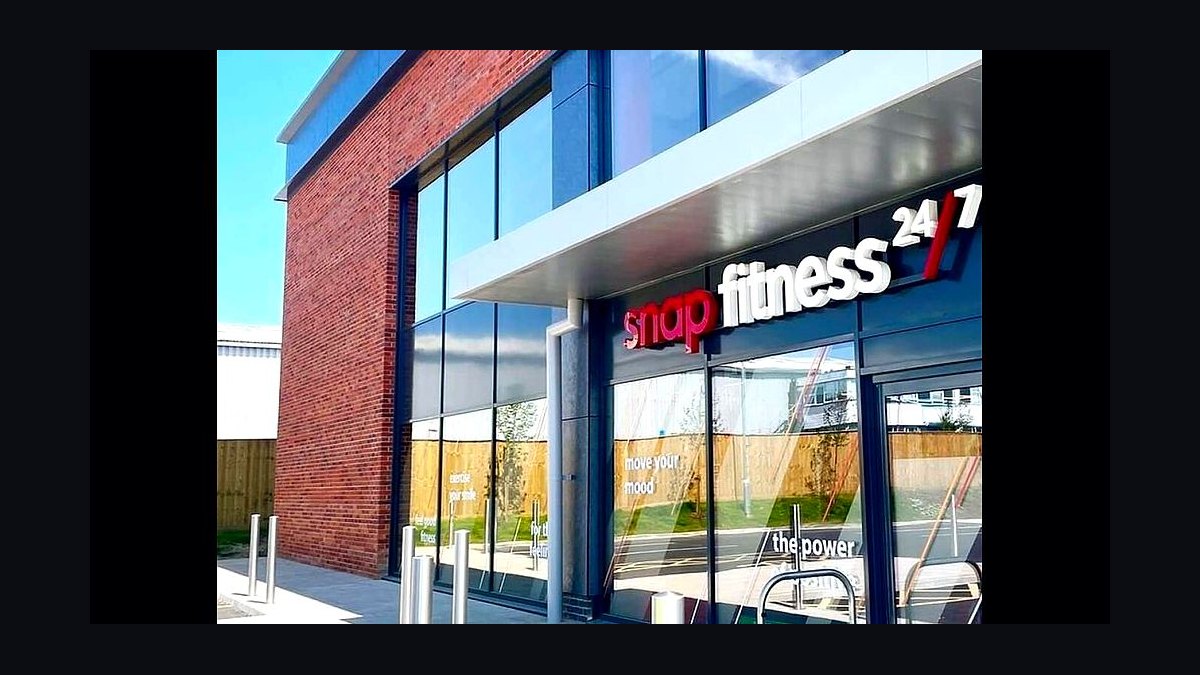
Yes, for the right operator: Snap Fitness in 2027 is a lower-capital ($400K–$900K total investment), 24/7 keycard-access franchise built for lean staffing and semi-absentee or multi-unit ownership in secondary markets. Open one if you can drive membership sales in an underserved suburb; skip it if you expect big-box revenue or are entering a saturated metro already thick with value gyms.
A Scenario That Frames the Decision
Picture a franchisee who currently owns two convenience-store locations in a town of 28,000 people, forty minutes outside a mid-size metro. The nearest Planet Fitness is twenty-two minutes away; the nearest Anytime Fitness is in the same strip center as a grocery anchor with high rent. There's no 24/7 gym within town limits. This is the exact profile Snap Fitness is designed for: a secondary market too small to justify a 20,000-square-foot big-box build but large enough to support a 3,500–6,000 square foot express gym with a few thousand working adults inside a three-mile radius.
The owner's open question isn't "is fitness a good business" — it's "does the Snap model's math work in THIS town, at THIS rent, against THIS competition." That's the right framing for any 2027 franchise decision, and it's different from asking whether fitness demand is growing nationally (it is, modestly) or whether franchising itself is a good vehicle (it depends entirely on unit economics in the specific market). A franchisee who skips the local math and buys based on brand recognition alone is the most common failure pattern in this segment — the Item 19 financial performance representations in the FDD describe averages, not what happens in a town with 8,000 fewer rooftops than the system median.
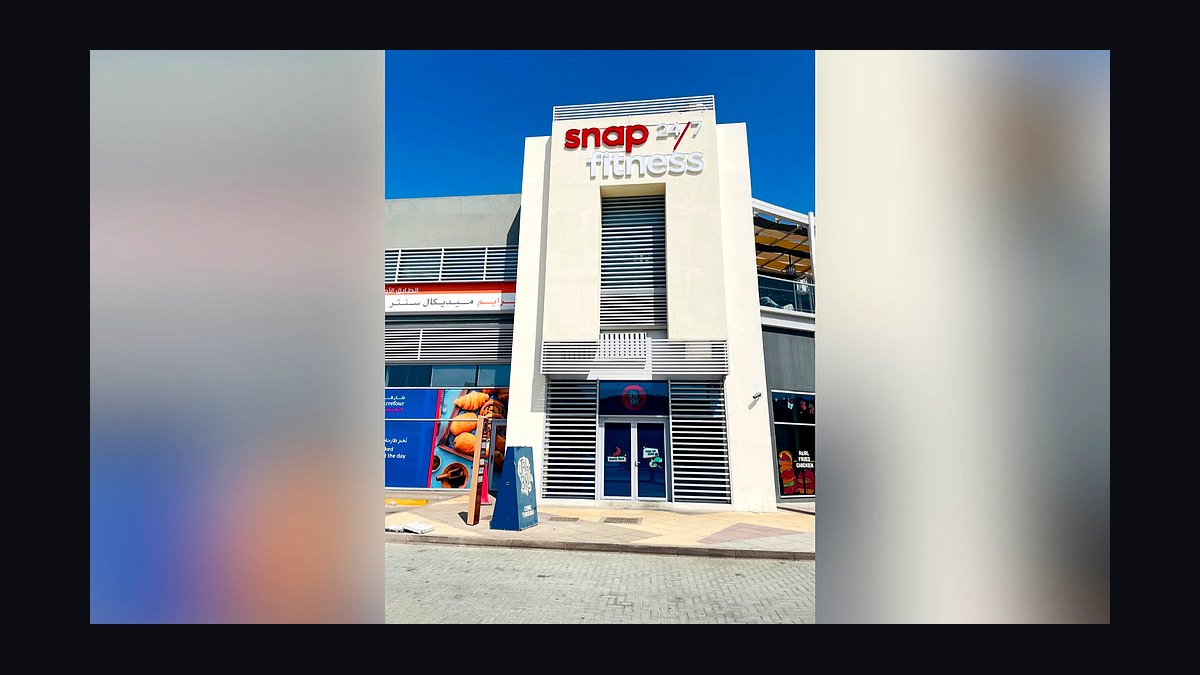
For this hypothetical owner, the right next move isn't signing a franchise agreement — it's pulling the trade-area data (rooftop count, median household income, competitive density) and running it against Snap's published unit economics before even calling a franchise development rep. The scenario also exposes the real trade-off every prospective Snap franchisee faces: lower capital and lower staffing cost versus a hard ceiling on revenue per location, which only pencils out if the owner's time horizon includes a second or third unit.
How the Low-Labor Model Actually Works
Snap Fitness's entire value proposition rests on a mechanism, not a feature list: strip out continuous staffing, and nearly every other number in the business improves. A conventional full-service gym staffs the floor most open hours — trainers, front-desk, cleaning crew — because the business model depends on in-person upsells (personal training, retail, group classes). Snap instead sells access itself as the product: a keycard or app credential unlocks the door at 3 a.m. as reliably as at 3 p.m., and the equipment, HVAC, and cameras run unattended for the majority of the clock.
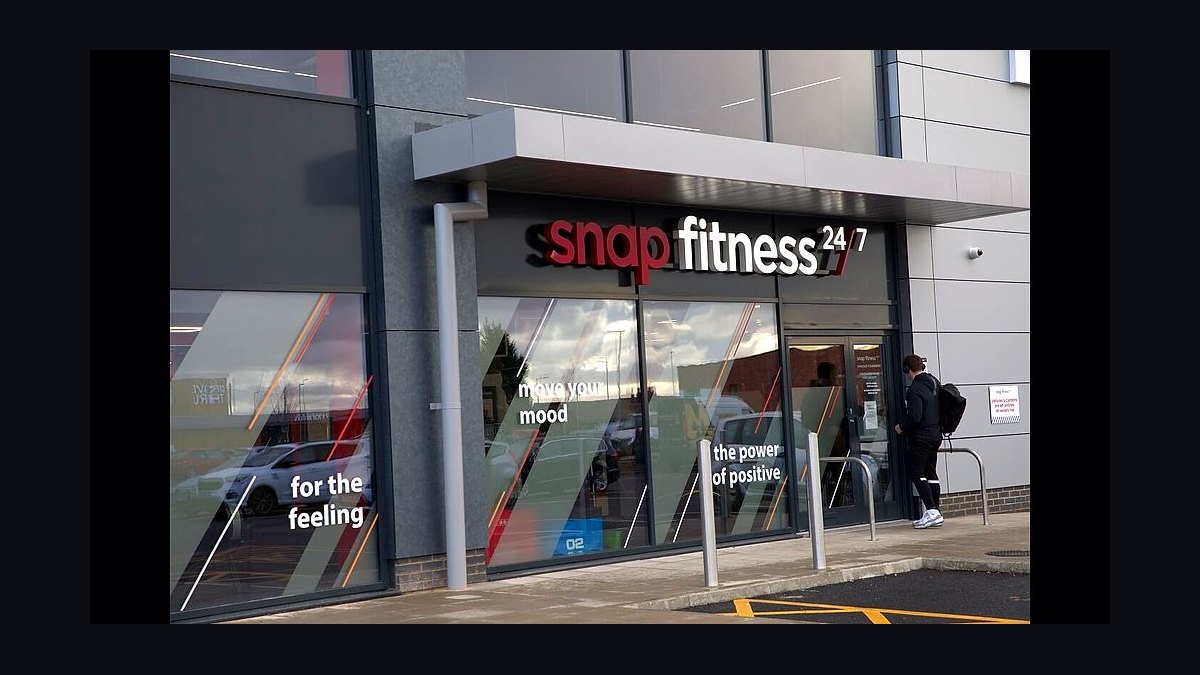
That single design choice cascades through the P&L. Labor at a staffed big-box gym commonly runs 25–35% of revenue; at Snap, because staffing is concentrated into a handful of paid hours per day (a manager or part-timer handling sales tours, cleaning checks, and member escalations) plus remote monitoring software, labor typically lands in the 12–18% range. Lower labor means the business tolerates a smaller membership base and still clears a profit — which is exactly what makes a 600-member club in a town of 28,000 viable where a model needing 3,000 members to break even would not be.
The second half of the mechanism is billing automation. Membership dues are drafted monthly through the brand's proprietary software platform, which also runs access logs, cancellation workflows, and — through Lift Brands' sister company Fitness On Demand — virtual class content that substitutes for a live group-fitness instructor. The owner doesn't need to staff a spin class at 6 a.m.; a screen runs it. This is why Snap is described as "semi-absentee-friendly": the mechanism removes the two most labor-intensive functions of a gym (instruction and continuous supervision) and replaces them with software, leaving the owner's real job as sales and retention rather than day-to-day operations.
Understanding this mechanism matters for the open-or-not decision because it reveals where the model breaks. If a market requires heavy in-person selling to convert members (common in markets with several competing value gyms all running similar promotions), the owner ends up re-adding labor hours the model was built to avoid — sales staff, retention callers, local marketing presence — and the cost advantage erodes.
Real Numbers, Ranges, and Benchmarks

The 2026 FDD outlines a franchise fee of roughly $20,000–$30,000 and a total Item 7 initial investment of about $400,000 to $900,000, covering leasehold improvements, equipment, technology, initial marketing, training, and working capital. Royalties are commonly structured as a flat monthly fee near $549 (rather than a pure percentage, which distinguishes Snap from many franchise royalty structures that scale with revenue), plus a separate marketing fund contribution around 2% of gross sales.
| Line item | Low | High |
|---|---|---|
| Franchise fee | $20,000 | $30,000 |
| Leasehold / buildout | $120,000 | $350,000 |
| Equipment (cardio + strength) | $150,000 | $350,000 |
| Technology & access software | $15,000 | $45,000 |
| Initial marketing / pre-sale | $25,000 | $70,000 |
| Insurance, permits, training | $9,000 | $35,000 |
| Working capital (3–6 months) | $50,000 | $120,000 |
| Total Item 7 | ~$400,000 | ~$900,000 |
On the revenue side, a mature club with 600–1,500 members paying $30–$50 per month grosses roughly $300,000–$700,000 annually. After royalty, marketing fee, rent (typically 14–18% of revenue for a well-negotiated secondary-market lease), and the low 12–18% labor load, net margins commonly run 18–30%, putting owner take-home in the $60,000–$180,000 range for a single mature unit. Multi-unit operators — common in this system, with some franchisees running five to ten locations — scale that per-unit profit across a small corporate overhead, which is where the real wealth-building case for Snap lives rather than in any single club.

Financing in 2027 most often runs through SBA 7(a) loans, which typically require 10–20% of the total project cost as a down payment and carry variable rates in the Prime + 2.75% to Prime + 4.5% band depending on credit profile and collateral. Equipment leasing (treadmills, bikes, strength racks) is common as a supplement, usually in the 6–10% APR range over 60-month terms, which keeps the SBA loan amount smaller and preserves working capital. A realistic break-even timeline for a single unit is 18–30 months of operating cash flow, with full payback of the initial investment landing in year four to six assuming membership growth tracks toward the 600–1,500 range rather than stalling at 400–500, which is the scenario that produces the 15–20% of franchises the FDD associates with failing to reach positive cash flow within three years.
Trade-offs and Alternatives

The core trade-off is capital efficiency versus revenue ceiling. Snap asks for roughly a third to a half of what a big-box brand like Crunch Fitness or EōS Fitness requires ($1.5–$3 million), and it returns correspondingly higher percentage margins because labor is so much lighter. But the absolute dollar ceiling is also lower: a Snap club rarely clears $700,000 in annual gross sales, where a strong big-box location can reach $1.5–$2 million. An owner optimizing for the biggest single-location payday should look at the big-box tier; an owner optimizing for the best return per dollar invested, or for a base to scale into several units, fits the Snap model better.
Inside the express-gym tier, the real comparison is against Anytime Fitness (the largest 24/7 small-box brand, with higher franchise fees and larger protected territories, but deeper brand recognition in most U.S. metros), Workout Anytime (a close value-positioned peer), and Fitness 19 (a slightly larger-format value gym). Snap's differentiators are its Lift Brands ownership, which bundles in Fitness On Demand virtual programming, and a franchise fee at the lower end of that competitive set. None of these brands differ enormously on the core labor-light mechanism — the decision between them usually comes down to territory availability, local brand awareness, and which development rep gives the franchisee the most confidence in their support model.
The alternative most owners underweight is simply not franchising at all: an independent 24/7 gym captures full equity and avoids royalty and marketing-fund drag entirely, but forfeits the brand's negotiated vendor pricing on equipment, its proprietary billing/access software, its site-selection support, and — critically for a first-time gym owner — its playbook for the pre-sale period that determines whether a club opens with 150 founding members or 15. For a first-time operator, that playbook is often worth more than the royalty costs it.
Common Pitfalls and How to Avoid Them
The single most common mistake is treating Snap as revenue-equivalent to a big-box and under-marketing accordingly. Because the model only needs 600–1,500 members to hit its mature-club numbers, owners sometimes relax pre-sale and local marketing spend too early, assuming the "low-labor" branding means "low-effort." It doesn't — the labor that's removed is instructional and supervisory, not sales and retention. Budget real dollars and hours for a 60–90 day pre-sale campaign before opening day, and keep local marketing active through at least the first twelve months.
A second pitfall is underestimating the equipment refresh cycle. Franchise agreements typically require replacing cardio equipment every 5–7 years and strength equipment every 7–10 years, a capital event that can run $60,000–$120,000 per location. Franchisees who don't reserve $10,000–$15,000 annually from day one often get caught short at the five-year mark, right when a competing gym's newer equipment starts pulling members away. Build the reserve into the original financing plan, not into a future "we'll figure it out" line.
Third, site selection errors are harder to undo in this format than in a big-box, because the smaller footprint (2,500–6,000 square feet) means the location leans more heavily on visibility and a residential feeder base rather than destination traffic. A club tucked behind a strip center with poor street visibility will underperform even in an otherwise underserved town. Validate the trade area with real rooftop counts and drive-time data before signing a lease, not after.

Fourth, owners sometimes skip direct conversations with existing multi-unit franchisees, relying instead on the FDD's Item 19 averages. Item 19 describes system-wide performance, not what a specific town with below-median income or above-median competitive density will produce. Talk to at least eight current owners, including at least two or three multi-unit operators, before committing capital — and ask specifically about membership counts, churn rate, and real take-home pay, not just gross revenue.
Finally, owners occasionally treat the semi-absentee promise too literally and under-hire the on-site manager who makes it possible. A capable general manager, paid $35,000–$50,000 plus growth-tied bonuses, is what actually makes a Snap club run without the owner physically present most days. Skimping on that hire reintroduces the owner's time commitment that the model was supposed to remove.
Related questions
Is Snap Fitness a better franchise than Anytime Fitness for a first-time owner?
Both share the 24/7 express-gym mechanism; Anytime Fitness carries higher brand recognition and territory value but a higher franchise fee, while Snap typically enters at a lower cost. The better pick depends on which brand still has open territory in your target market.
How many members does a Snap Fitness club need to break even?

Most clubs need to approach the 400–600 member range to cover rent, royalty, labor, and debt service, with the 600–1,500 range needed to hit the $60,000–$180,000 owner take-home mature-club benchmark.
Can I convert an existing independent gym into a Snap Fitness franchise?
Conversions are possible in some franchise systems but require matching the brand's space, equipment, and software standards, plus paying the franchise fee; ask the development rep directly whether a conversion path and reduced fee exist for your situation.
What happens if my Snap Fitness location underperforms the FDD's Item 19 averages?
You're still responsible for royalty, rent, and debt service regardless of performance; underperformance typically forces either a capital injection, a pivot in local marketing and pre-sale tactics, or in the worst case a sale of the unit to another franchisee.
FAQ
What is the typical net profit for a Snap Fitness franchise owner? Mature clubs generally produce net profits between $60,000 and $180,000 annually, with the higher end driven by multi-unit operators or above-average local membership growth relative to the 600–1,500 member benchmark.
How much capital do I need to open a Snap Fitness gym?

Total investment runs roughly $400,000 to $900,000, including a franchise fee of $20,000–$30,000, with most owners also keeping $120,000–$250,000 in additional liquid reserves beyond the project budget.
Can I run a Snap Fitness as a semi-absentee owner? Yes — the 24/7 keycard-access model and lean staffing structure support semi-absentee ownership, provided a reliable on-site or regional manager handles daily operations, which many multi-unit franchisees rely on across several locations.
What is the royalty fee structure for Snap Fitness? Royalties commonly run as a flat monthly fee near $549 rather than a straight percentage, plus a marketing fund contribution near 2% of gross revenue; exact terms depend on the franchise agreement and may vary by region or development period.
How long does it take to break even on a Snap Fitness franchise? Cash-flow break-even commonly lands between 18 and 30 months, with full payback of the initial investment typically reached in year four to six, assuming the club reaches the 600–1,500 member range rather than stalling below 500.
What support does Snap Fitness provide to franchisees? Lift Brands provides initial training, site-selection guidance, marketing playbooks for pre-sale and grand opening, proprietary billing and access-control software, and access to Fitness On Demand virtual class content in lieu of staffed group fitness instruction.
Sources
- https://www.snapfitness.com/us/franchise-opportunities/
- https://www.entrepreneur.com/franchises/snapfitness/282571
- https://www.franchisebusinessreview.com/
- https://www.ibisworld.com/united-states/industry/gym-health-fitness-clubs/1261/
- https://www.ihrsa.org/
- https://www.statista.com/topics/1141/health-and-fitness-clubs/
- https://www.franchise.org/
- https://www.grandviewresearch.com/industry-analysis/fitness-club-market
- https://www.sfia.org/
- https://www.sba.gov/funding-programs/loans/7a-loans
Related on PULSE
- Best fitness and gym franchises to buy in 2027
- Should I open or buy a Fitness 19 franchise in 2027?
- Should I open or buy an EOS Fitness franchise in 2027?
- Should I open or buy a Crunch Fitness franchise in 2027?
- Should I open or buy a Blink Fitness franchise in 2027?
- Should I open or buy a Retro Fitness franchise in 2027?
This page will be disappearing soon. Save it to your device for $1 — or read it free while it is here.
@Kory-White- · if Venmo asks, the last 4 of my number are 2012
This page is gone.
This one is off the shelf now. $1 keeps it on your phone for good — the whole page, pictures and diagrams included.
 franchiseShould I open or buy a Matco Tools franchise in 2027?
 franchiseShould I open or buy a Stanley Steemer franchise in 2027?
 franchiseShould I open or buy a Cinnabon franchise in 2027?
 franchiseShould I open or buy a Domino's franchise in 2027?
 franchiseShould I open or buy a Dairy Queen franchise in 2027?
 franchiseShould I open or buy a Subway franchise in 2027?
 franchiseShould I open or buy a Cold Stone Creamery franchise in 2027?
 franchiseShould I open or buy a Great Clips franchise in 2027?
 franchiseShould I open or buy a KinderCare franchise in 2027?
 franchiseShould I open or buy a Marco's Pizza franchise in 2027?