


Should I open or buy a solidcore franchise in 2027?
Quality
Certified

Verify first: [solidcore] has operated as a predominantly company-owned chain, so a franchise may not be available to buy. Read the current Franchise Disclosure Document before assuming otherwise. If it is closed, the realistic paths are a peer reformer franchise or an independent Lagree studio at roughly $400,000–$750,000 all-in.
What a [solidcore] studio actually is, and why the ownership model matters more than the brand
[solidcore] built its reputation on a specific workout: high-intensity, low-impact resistance training performed on slow-tempo Lagree-style reformer machines, in dim rooms, to loud music, with class sizes small enough that an instructor can correct your form by name. The brand launched in 2013 and grew into one of the recognizable premium names in boutique fitness. That much is settled history. What matters to a prospective owner is the second fact, and it is the one most people skip: for most of its existence the company expanded by opening and operating its own locations rather than by selling franchises.
That single structural detail reshapes the entire question. When a brand grows corporately, it keeps the unit-level margin instead of trading it for a franchise fee and a royalty stream. Brands do that for a reason — usually because the unit economics are strong enough that owning the cash flow beats selling the right to produce it. Franchising is, at bottom, a capital and speed decision. A company franchises when it wants other people's money and other people's operating attention to grow faster than its balance sheet allows. A company stays corporate when the model prints enough cash to self-fund, when the experience is fragile enough that inconsistent operators would damage the brand, or when private equity ownership prefers a clean, wholly-owned asset to sell later.
The practical consequence for you is that a "[solidcore] franchise" may simply not be a purchasable thing in the year you are shopping. Franchise availability is not folklore — it is a documented, legally filed fact. In the United States, any company offering franchises must prepare a Franchise Disclosure Document under the FTC Franchise Rule, and roughly a dozen states additionally require registration before a brand can offer or sell within their borders. If a brand is franchising, an FDD exists and can be requested. If no current FDD exists, no one can legally sell you a franchise, no matter what a broker's landing page implies.

This is where a lot of would-be owners waste three months. They fill out a "franchise inquiry" form on an aggregator site, get routed to a lead broker who represents entirely different brands, and end up on a call about a sandwich concept in a secondary market. Franchise portals monetize intent, not accuracy. The listing you clicked may exist because the keyword has volume, not because the brand sells units.
So treat the brand question and the business question as two separate decisions. The business question — should I own a premium reformer studio in an affluent market — is answerable with real numbers and is largely independent of which logo goes on the door. The brand question — can I specifically buy this one — is a five-minute factual check that either opens a door or closes it. Do the factual check first, because if the answer is no, you have not lost anything: the economics you researched still apply to the peer franchise or the independent studio you open instead.
There is also a quieter option people forget. If you are drawn to the brand specifically rather than to ownership generally, corporate roles exist — studio management, regional operations, area leadership. That is not equity, but for someone whose real motivation is "I love this workout and want to be inside this company," it costs nothing and risks nothing. Plenty of people who describe themselves as wanting to own a studio actually want to run one, and those are different lives with different balance sheets.
The verification and site-selection process, step by step

Work the sequence below in order. Each step is cheap relative to the one after it, which is the point — you want the expensive commitments last, and you want each stage to have a real chance of killing the deal before you spend more.
Step one: establish franchise availability as a fact. Contact the brand directly through corporate channels rather than a third-party portal. Ask one precise question: are you currently offering franchises in my state, and if so, may I receive the current Franchise Disclosure Document? Under the FTC Franchise Rule, a prospective franchisee must receive the FDD at least fourteen calendar days before signing anything or paying any money. That waiting period is your friend, not a formality. If the brand cannot produce an FDD, the conversation is over and you have your answer in a week.
Step two: read the FDD like a skeptic, not a fan. The document has twenty-three standardized items. Five deserve disproportionate attention. Item 7 gives the estimated initial investment range — the brand's own numbers, filed under penalty of enforcement. Item 12 defines your territory, or tells you that you have none. Item 19 is the Financial Performance Representation, and it is optional; if a brand declines to make one, that silence is information. Item 20 lists outlet counts and, critically, transfers, terminations, and non-renewals over the prior three years — a rising termination count is the single loudest warning in the whole document. Item 21 contains audited financials for the franchisor itself, which tells you whether the entity collecting your royalty is solvent.
Step three: call existing franchisees. Item 20 includes a contact list of current and former operators. Call at least ten current and, more importantly, several former ones. Former franchisees have no incentive to protect the system. Ask what their actual opening cost was versus the Item 7 estimate, how long ramp took, what the required technology and marketing fees actually run per month, and whether they would sign again.

Step four: validate the market before you tour a single space. Pull drive-time demographics rather than radius circles — a five-mile radius across a river is not a five-mile market. A premium reformer studio generally needs a substantial population within a fifteen-minute drive, skewed toward higher household income, because the price point assumes discretionary spending. Count direct competitors: other reformer or Lagree studios, plus adjacent premium boutiques that compete for the same weekly workout budget. A handful of established direct competitors in a mid-sized market is a real saturation signal, though differentiation on schedule, instructor quality, or amenities can still carve room.
Step five: negotiate the lease with the buildout in mind. Retail leases for fitness use need specific provisions: adequate ceiling height for reformer clearance, floor load capacity, HVAC sized for a room full of people generating heat, dedicated restroom and changing capacity, and a use clause that actually permits fitness. Ask for a tenant improvement allowance and a free-rent construction period. A ten-year term with renewal options protects your eventual resale; a short term with no options quietly caps what a buyer will pay you later.
Step six: pre-sell founding memberships during construction. This is the step that separates studios that ramp in six months from studios that ramp in eighteen. Founding-member campaigns run while the space is still framed lumber, with a discounted rate locked for a defined period in exchange for prepayment. Every prepaid membership is working capital you did not borrow and a member who feels early rather than sold to.
Costs, timelines, and the ranges that actually show up on the invoice
Because the brand has been largely corporate, the honest way to price this decision is to price the comparable asset: a premium Lagree or reformer studio, franchised or independent. The structure of the spend is consistent even when the logo changes.

Franchise fee. If you franchise a peer brand, expect an initial fee in the mid five figures — commonly somewhere in the forty-five to sixty thousand dollar range for boutique fitness concepts. That buys the license, initial training, and site-selection support. It buys nothing physical. Independent studios skip this line entirely, which is the single largest argument for going independent.
Leasehold improvements and buildout. This is the widest line and the one most likely to blow up. Realistic range runs roughly one hundred thirty thousand to three hundred fifty thousand dollars depending on the shell condition, market labor rates, and how much the landlord contributes. A second-generation fitness space with existing restrooms and adequate HVAC can come in near the bottom of that band. A raw white-box in an expensive metro, requiring new mechanical, electrical, plumbing, sound isolation, and a full locker area, lands at the top or above it. Sound isolation is the sleeper cost in mixed-use buildings — a neighboring tenant complaint can force retrofits after you have already opened.
Reformer equipment. Lagree-style machines are expensive precision equipment, and a studio floor needs enough of them to fill a class. Budget in the range of one hundred twenty thousand to two hundred eighty thousand dollars for a full floor plus reception and retail fixtures. Machines also consume maintenance: springs, cables, carriages, and upholstery wear on a predictable cycle, and deferred maintenance shows up as a client complaint before it shows up on a spreadsheet. Many independents open with a smaller machine count and add units once class fill rates justify them — a reasonable capital discipline, though it caps early revenue per class.
Technology. Booking, billing, membership management, and CRM run in the low hundreds per month for most platforms, with setup and integration pushing the first-year technology spend into the ten to thirty-five thousand dollar range once you include hardware, a point-of-sale, screens, sound, and access control. Franchised systems typically mandate the platform; independents choose but must integrate.
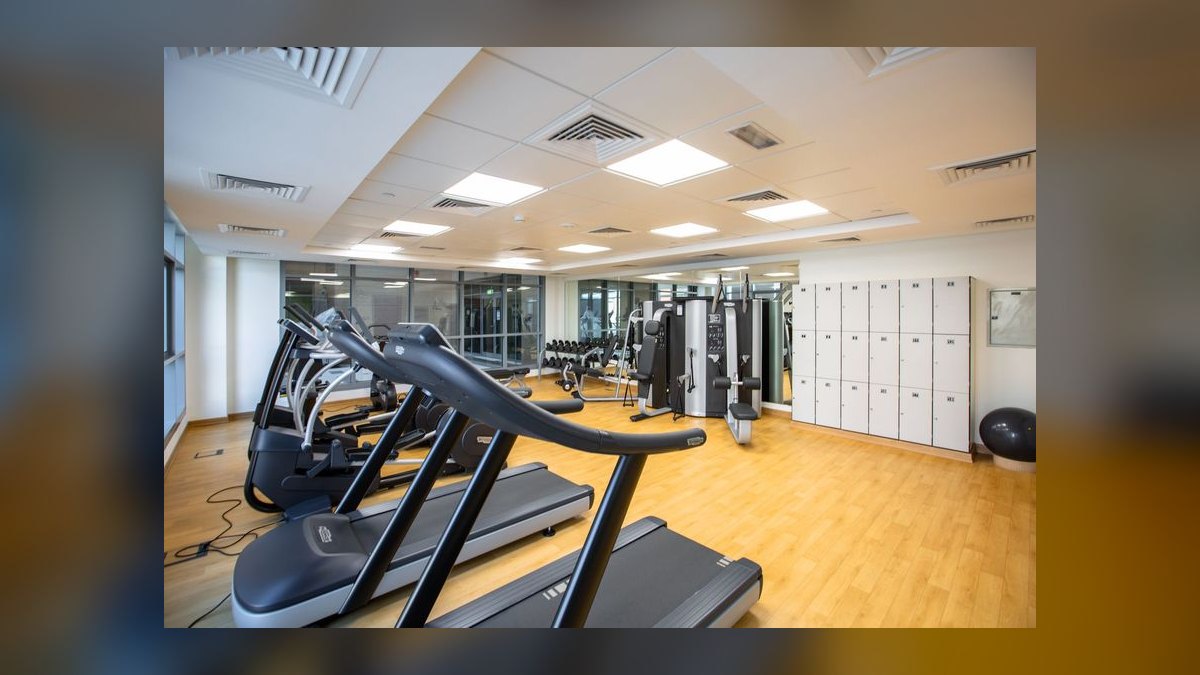
Pre-opening marketing. Twenty-five to seventy thousand dollars is a realistic band for a founding-member campaign, local paid social, signage, launch events, and introductory class offers. Underfunding this line is the most common self-inflicted wound, because a studio that opens to an empty schedule teaches its first visitors that the room is empty.
Insurance, permits, and professional fees. General liability, professional liability, and equipment coverage for a reformer studio typically land in the low-to-mid four figures annually, higher if you add private training or anything that edges toward clinical services. Workers' compensation scales with payroll and state. Add a franchise attorney's review of the FDD and lease — a few thousand dollars that routinely saves multiples of itself.
Working capital. Fifty to one hundred thirty thousand dollars covering three to six months of rent, payroll, and fixed costs before the studio carries itself. This is the line lenders scrutinize and owners underestimate.
Revenue side. Premium reformer studios commonly gross in the five hundred thousand to one-point-two million dollar range annually, built on recurring memberships in the low-to-mid hundreds per month plus class packs, private sessions, and retail. Instructor labor typically consumes roughly a quarter to a third of revenue, rent another mid-teens percentage, and marketing and general operating expenses a further chunk. A franchised unit adds royalty and brand-fund contributions on top, commonly in the mid-to-high single digits of gross. Owner earnings in a healthy, well-located studio land in a wide band — meaningful five to low-six figures, with the top of the range reserved for high-fill studios in strong markets.
Timeline. From signed agreement to open doors, six to twelve months is normal. Permitting is the variable that ruins schedules; in strict jurisdictions, plan review alone can consume a quarter. Ramp to steady-state membership typically takes another twelve to eighteen months. Model your working capital against the longer end of both, not the shorter.
Where owners get this wrong

Confusing brand affection with brand availability. The most expensive error in this entire category is spending months chasing a franchise that is not being sold, then panic-pivoting into a lesser opportunity because the emotional momentum has to go somewhere. Verify in week one.
Treating Item 7 as a budget rather than an estimate. The franchisor's investment range is a good-faith disclosure, not a quote. Local construction costs, landlord contributions, and permit requirements swing the real number substantially. Build a contingency of fifteen to twenty percent on the buildout line and do not spend it on nicer finishes.
Underestimating the instructor problem. This is the operational core of the business and the thing that most distinguishes a studio that compounds from one that churns. Lagree-style instruction requires specific certification, and the pool of certified instructors in any given market is finite. Boutique fitness instructor turnover is high across the industry, partly because many instructors teach part-time across multiple studios. You will be recruiting continuously. The retention levers that actually work are unglamorous: predictable schedules, benefits for instructors at meaningful weekly class counts, continuing-education stipends, a visible path from instructor to lead to manager, and a fair split on private sessions. A studio whose best instructor leaves and takes forty clients across town has just discovered how much of its brand equity was actually personal.
Signing a lease that caps the exit. Buyers price a studio partly on the lease they inherit. A three-year remaining term with no options is a discount you agreed to years before you knew it. Negotiate options and an assignment clause that permits transfer to a qualified buyer without unreasonable landlord withholding.
Pricing on cost rather than on positioning. Premium reformer pricing works because the experience justifies it — small classes, skilled correction, a room that feels considered. Discounting to fill the schedule in month three teaches the market your real price and is nearly impossible to walk back. If fill is weak, add value or add off-peak formats; do not cut the headline rate.

Ignoring revenue concentration. If a small handful of clients drive an outsized share of revenue through private packages, you have a fragile book. Diversify deliberately.
Skipping the former-franchisee calls. Current franchisees have a financial interest in the system looking healthy, including the resale value of their own unit. Former operators do not. The delta between those two conversations is the most honest due diligence available to you, and it costs nothing but a few uncomfortable phone calls.
Assuming the category's growth rate is your growth rate. Reformer pilates has been one of the faster-growing corners of boutique fitness, and that tailwind is real. It also attracts competitors. Category growth does not protect a poorly located studio; it just means the competitor who opens eight blocks away is better capitalized than they would have been five years ago.
Choosing between the three paths, and planning the exit before you sign
The decision reduces to three vehicles, and the right one depends less on preference than on what the FDD check returns and what your capital and temperament support.
Path one — the [solidcore] franchise, if it exists. Best case. You get a recognized premium brand, a proven operating system, and a defined territory. You pay for it in an upfront fee, ongoing royalty, brand-fund contributions, mandated vendors, and reduced autonomy over pricing and programming. You also inherit an approval process on resale: most franchisors hold a right of first refusal and must approve your buyer, which narrows the pool.
Path two — a peer reformer or pilates franchise. The reformer category has established franchised brands with hundreds of units, which is precisely the proof-of-concept a lender wants to see. You get the same structural trade — system and brand in exchange for fee and royalty — with a different logo. For a first-time operator without fitness industry background, this is usually the highest-probability path, because the system substitutes for experience you do not have yet.

Path three — independent Lagree studio. Full equity, full control, no royalty, no territory protection, and no playbook. You choose your equipment, your software, your pricing, and your brand. You also build everything: the marketing engine, the instructor pipeline, the operating procedures, the member experience standards. Independents can outperform franchises on margin because six to eight points of gross revenue stay home — but only if the operator can generate demand without a brand doing it for them. If you already run a fitness business, or you have deep local network and marketing capability, independence is often the better trade.
Plan the exit at the beginning. Most boutique fitness owners sell within five to ten years. Franchised units generally trade at a higher multiple of earnings than independents because the brand and system transfer with the sale; independents trade at a discount unless they have a genuinely strong local brand, long operating history, and stable membership. The factors that move your eventual price are all decisions you make now: lease length and assignability, equipment age at time of sale, documented systems that survive your departure, instructor stability, membership diversification, and clean books that a buyer's accountant can verify in a week rather than a quarter.
A middle exit exists too. Owners who do not want to sell often transition to semi-absentee operation by hiring a general manager, trading a slice of margin for most of their time back. That works only if the studio's systems and instructor team are strong enough to run without the founder in the room — which is, not coincidentally, the same condition that makes it sellable.
Related questions
Can I buy an existing [solidcore] studio instead of opening a new one?

If locations are corporate-owned, they are not for sale to individuals — the company would be divesting an operating asset, which is a corporate transaction, not a franchise resale. Ask corporate directly. Existing-unit resales are typically only available within franchised systems.
How much liquid capital do I need before anyone will talk to me?
Premium boutique fitness franchisors commonly require a net worth in the high six figures and liquid capital well into six figures. Lenders want to see roughly twenty to thirty percent of total project cost as owner equity. Verify exact thresholds in Item 7 and the franchisor's qualification criteria.
Is an SBA loan realistic for a reformer studio?
Yes, and it is the common financing route. SBA 7(a) loans are widely used for franchise buildouts, and brands listed in the SBA Franchise Directory streamline eligibility review. Expect a personal guarantee, a lien on business assets, and often a home equity pledge.
Does the Lagree method require a specific license to teach?
Instructors train and certify in the method, and studios using branded Lagree equipment operate under equipment and licensing terms set by that company. Confirm current requirements directly with the equipment manufacturer before building your instructor plan.
FAQ
Is [solidcore] currently offering franchises?
Availability changes, and it is a filed fact rather than a matter of opinion. Historically the company grew through corporate ownership rather than franchising. Contact the brand directly and ask whether a current Franchise Disclosure Document exists for your state. If no FDD is available, no franchise can legally be sold to you, regardless of what a broker site suggests.
What does it cost to open a comparable premium reformer studio?

Total investment commonly lands between roughly four hundred thousand and seven hundred fifty thousand dollars, driven by buildout and equipment. A second-generation fitness space with usable mechanicals sits near the bottom; a raw shell in a high-cost metro sits at the top or beyond. Always price against actual local contractor bids rather than a national average.
How long from decision to opening day?
Six to twelve months is typical. Site selection and lease negotiation take one to three months, permitting and plan review can take one to four depending on jurisdiction, construction two to four, and staffing and pre-sale overlap the final stretch. Permitting is the least predictable variable, so build schedule slack around it.
What revenue and profit should I model?
Well-run premium reformer studios commonly gross five hundred thousand to one-point-two million dollars annually. After instructor labor, rent, marketing, operating expenses, and any royalty, owner earnings vary widely by fill rate and market. Model a conservative case at the low end of gross with full fixed costs, and confirm you can still service debt.
If the brand is not franchising, is a peer franchise or an independent studio better?
If this is your first operating business, a peer franchise usually wins — the system compensates for inexperience and lenders view it favorably. If you already operate a fitness business or have strong local marketing capability, independence keeps the royalty and gives you full control over pricing and programming.
What single factor most determines whether the studio succeeds?
Retention, which is downstream of instructor quality. Acquisition cost is high in boutique fitness, so profitability depends on members staying for many months rather than a few. Studios that invest in instructor development, pay fairly, and keep schedules stable retain both staff and members; those that treat instructors as interchangeable churn both.
Sources
- https://www.ftc.gov/business-guidance/resources/franchise-rule-compliance-guide
- https://www.sba.gov/funding-programs/loans/7a-loans
- https://www.sba.gov/document/support-sba-franchise-directory
- https://www.franchise.org/
- https://www.entrepreneur.com/franchises
- https://www.franchisebusinessreview.com/
- https://www.healthandfitness.org/
- https://www.ibisworld.com/united-states/market-research-reports/pilates-yoga-studios-industry/
- https://www.sfia.org/reports/
- https://www.grandviewresearch.com/industry-analysis/health-fitness-club-market
Related on PULSE
This page will be disappearing soon. Save it to your device for $1 — or read it free while it is here.
@Kory-White- · if Venmo asks, the last 4 of my number are 2012
This page is gone.
This one is off the shelf now. $1 keeps it on your phone for good — the whole page, pictures and diagrams included.
 franchiseShould I open or buy a Domino's franchise in 2027?
 franchiseShould I open or buy a Bruster's Real Ice Cream franchise in 2027?
 franchiseShould I open or buy a Drybar franchise in 2027?
 franchiseShould I open or buy a Chipotle franchise in 2027?
 franchiseShould I open or buy a Mac Tools franchise in 2027?
 franchiseShould I open or buy a Bojangles franchise in 2027?
 franchiseShould I open or buy a Wendy's franchise in 2027?
 franchiseShould I open or buy a Merry Maids franchise in 2027?
 franchiseShould I open or buy a Cold Stone Creamery franchise in 2027?
 franchiseShould I open or buy a Take 5 Oil Change franchise in 2027?