


Should I open or buy a Clean Juice franchise in 2027?
Quality
Certified
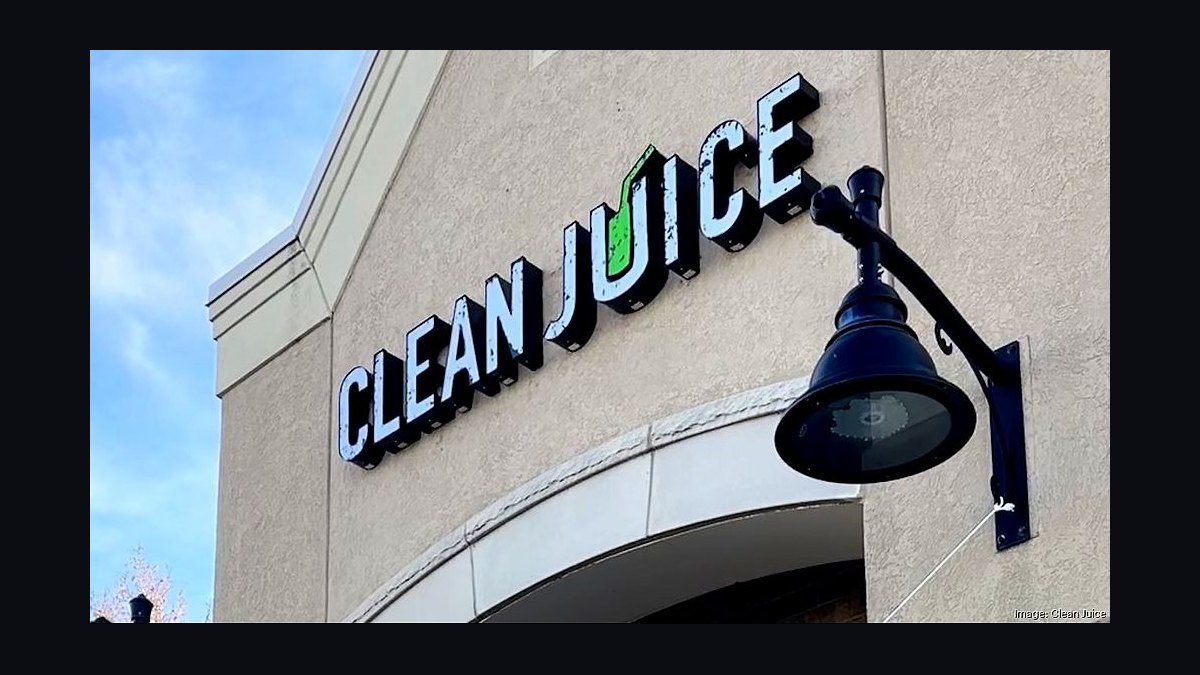
Open a Clean Juice franchise in 2027 only after you have validated an affluent, health-conscious trade area and confirmed real franchisee profitability yourself — the certified-organic positioning is genuine, but the $300,000–$600,000 investment, 7% royalty, and organic-COGS pressure punish a weak location fast. Buying an existing unit from a motivated seller is frequently the lower-risk way into the same brand.
The two options compared
Anyone weighing whether to open a Clean Juice franchise in 2027 is really choosing between two very different entry points, and each carries its own risk profile. The first is a ground-up new-unit build: you sign the franchise agreement, pay the roughly $35,000 initial franchise fee, and construct a café from an empty shell in a site you select and the franchisor approves. This route hands you full control over location, lease terms, and construction sequencing, but it also means you absorb essentially all of the ramp-up risk. A brand-new café in this category typically needs 12 to 24 months to reach a mature sales run-rate, and working capital gets consumed quickly during that window — slower than owners expect, since foot traffic and subscription/loyalty behavior for a juice concept builds gradually rather than arriving on opening day.
The second option is acquiring an existing, operating Clean Juice location from a current franchisee who wants out. Resales occur in virtually every mature franchise system, and Clean Juice is no exception given documented turnover among its franchisee base. Buying an existing unit means inheriting trailing twelve-month sales data, an established customer base, trained staff, and a location that has already proven — or failed to prove — itself in that specific trade area. That is real, observable information that a new-build site selection process can only estimate from demographics and traffic counts. The tradeoff is that you pay a premium for that operating history, you negotiate directly with a seller who may be motivated by underperformance rather than success, and you need to independently determine why the seller is exiting: burnout, a better opportunity elsewhere, or a site that simply cannot clear Clean Juice's cost structure in that market.
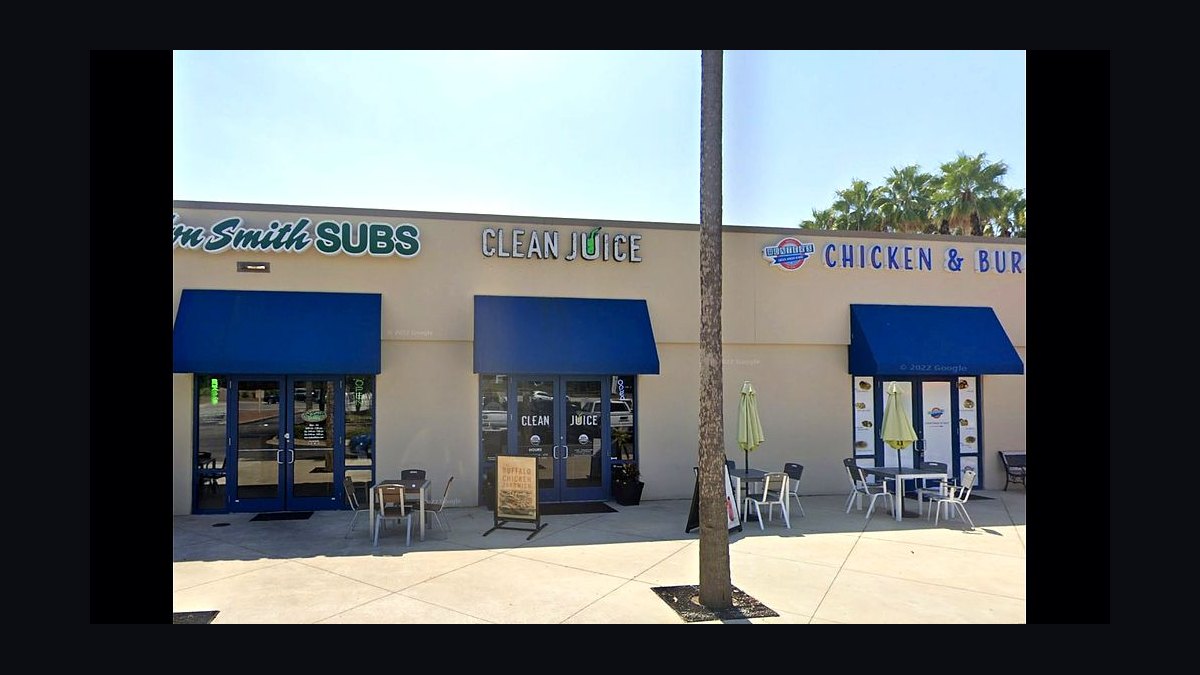
A third, hybrid path deserves mention alongside those two: a multi-unit development agreement, where you commit to opening three to five locations over several years in exchange for reduced fees and modest royalty concessions. This suits an operator who already has retail or quick-service restaurant management experience and wants negotiating leverage that comes from scale. It is a meaningfully different risk shape than either single-unit option, though, because it multiplies your exposure to location-sensitivity across several sites at once — a misjudged market doesn't stay isolated, it compounds across your whole portfolio.
Adjacent to this decision is a workflow many prospective owners skip: benchmarking Clean Juice against comparable health-and-wellness quick-service concepts before locking in. If you are comparing Clean Juice to a competing smoothie or juice brand, the same new-build-versus-resale framework applies, but the numbers shift with each brand's fee structure and average unit volume, so run this analysis brand-by-brand rather than assuming Clean Juice's economics transfer directly to a competitor's FDD.
For a first-time franchise buyer in 2027, the resale path generally carries less downside, because you can observe actual performance before signing, request the seller's real profit-and-loss statement rather than the franchisor's system-wide averages, and negotiate price against demonstrated cash flow rather than a projection. A new build makes more sense only when you have identified an underserved, affluent, health-focused market with no existing Clean Juice presence and strong site fundamentals — anchor tenants, a gym or wellness cluster nearby, strong daytime population — that the current footprint of locations does not yet reach.
How to decide between opening new and buying existing
The decision sequence below walks through market validation first, then forks based on whether a resale candidate actually exists in your target trade area — a distinction many prospective owners skip past too quickly, assuming the two paths are interchangeable everywhere.
Run every candidate market through the demographic gate first, because Clean Juice's organic premium pricing only clears in areas where customers already pay up for wellness, fitness, and clean-label food. If a market fails that gate, neither entry path is worth pursuing, and every hour spent on the Franchise Disclosure Document becomes academic. If the market passes, the fork on resale availability determines your next moves: a resale candidate shifts your diligence toward financial verification of an existing, ongoing business, while a new-build path shifts it toward real estate negotiation and construction risk. Either branch still requires calling at least ten current owners and reading the Item 20 outlet-turnover table before signing anything — that step does not change based on which entry path you choose, and skipping it is the single most common regret owners report after the fact.

A closely related judgment call sits upstream of this whole flowchart: whether your household's liquidity and risk tolerance even support a food-and-beverage franchise at all, independent of brand. Quick-service concepts with perishable inventory carry a different risk texture than, say, a service-based franchise with no spoilage exposure — juice and smoothie concepts sit firmly in the higher-risk, higher-maintenance category because ingredient freshness is both a brand promise and a daily operational cost. If you are new to food-and-beverage ownership generally, spend time with current multi-unit operators — in any juice or smoothie system, not just Clean Juice — before treating the demographic gate above as the only filter that matters.
Concrete numbers behind each option
New-build investment. The 2026 Franchise Disclosure Document lists a franchise fee of approximately $35,000 and a total Item 7 investment range of roughly $300,000 to $600,000, covering buildout and leasehold improvements ($140,000–$330,000), equipment and point-of-sale systems ($80,000–$180,000), signage and decor ($20,000–$55,000), initial inventory ($10,000–$25,000), initial marketing ($12,000–$35,000), training and travel ($6,000–$18,000), and working capital for the first three months ($35,000–$90,000). High-volume sites in A-tier retail centers — Whole Foods-anchored plazas, lifestyle centers with strong daytime foot traffic — often push total investment toward $550,000–$700,000, because landlords in those centers demand higher-spec buildouts and larger security deposits. A new build also carries a break-even window of roughly 18 to 30 months, meaning you should hold at least $100,000 in liquid reserves beyond the initial Item 7 figure to survive the ramp period without financial stress bleeding into staffing or marketing decisions.

Resale investment. Buying an existing, open unit typically means paying a purchase price based on a multiple of the seller's discretionary earnings or EBITDA — commonly 2x to 4x annual owner cash flow in food-and-beverage franchise resales broadly, though Clean Juice-specific multiples are not publicly benchmarked, so have a franchise resale broker or accountant run the math on the specific unit you're evaluating. If a location generates $80,000 in verified annual owner earnings, a 3x multiple puts the purchase price near $240,000 — potentially less than a comparable new build once you account for avoided construction time and immediate cash flow starting day one. You will still owe the same 7% royalty and roughly 2% marketing fee going forward regardless of which path you took to open, since those are baked into the franchise agreement itself, not tied to how you acquired the unit.
Revenue and margin reality, either path. Mature cafés gross $400,000–$900,000 annually, with the best-performing locations in dense, high-income suburbs hitting $800,000–$900,000 — the exception, not the typical outcome. Organic cost-of-goods runs 30%–35% due to certified-organic sourcing requirements and produce spoilage risk, labor typically runs 25%–30%, occupancy runs 15%–20%, and the 7% royalty plus 2% marketing fee take another 9% off the top. At $650,000 in gross sales, that leaves an owner clearing roughly $50,000–$130,000 before debt service. If you financed either the buildout or the acquisition price, subtract debt service from that range before deciding whether the resulting number supports your household's finances. Underperforming locations, especially in secondary or non-affluent markets, can gross under $300,000, which after the same cost structure often produces negative cash flow — true whether you built that location yourself from a shell or bought it from a prior owner who already discovered the demographic doesn't support the model.

One adjacent number worth tracking alongside the unit economics: the trajectory of comparable health-and-wellness retail categories. Cold-pressed juice, smoothie, and functional-beverage categories have shown steadier growth than general quick-service food over the past several years, driven by sustained consumer interest in clean-label and functional ingredients — a tailwind that benefits a well-run Clean Juice location but does not offset a poor site choice. Macro category growth raises the ceiling on a good location; it does not rescue a bad one.
Implementation details and sequencing
Whichever path you choose, the diligence sequence should look similar in its early stages, with a branch point around day 45 depending on whether you are building or buying.
For a new build, expect roughly 90 to 120 days from signed lease to opening day, covering permitting, kitchen buildout, equipment installation, signage, and staff training. Clean Juice's brand standards are prescriptive on decor and layout, so budget contingency time into your schedule for landlord and franchisor sign-off cycles, which routinely add weeks that a first-time developer does not anticipate. For an acquisition, the timeline compresses significantly: once you have audited the seller's financials, confirmed the lease can be assigned or renewed on acceptable terms, and inspected equipment condition — juicers and blenders see heavy daily wear and may need replacement budgeted directly into your offer — closing and training transfer can often happen within 60 to 90 days of an accepted offer. You are generating revenue from the first day you take over rather than waiting through a construction period, which is the single biggest structural advantage a resale has over a new build.

Either way, do not skip the franchisee call step regardless of which path you are leaning toward. A resale seller has an obvious incentive to undersell how difficult the business has been, and a franchisor's Item 19 financial performance representation, when provided, typically excludes the bottom quarter of performers, which skews the picture you'd form from that document alone. Ask specifically about fresh-inventory spoilage management, since organic produce is perishable and poor inventory discipline is one of the most frequently cited margin killers among franchisees in this category. Also review the FDD's litigation history section closely — a 2025 class-action filing in California alleged inadequate training and unrealistic sales projections, and that history may shape both what the 2027 FDD discloses and how much negotiating leverage you have on resale price if you are buying from a franchisee whose unit was affected by those issues.
A downstream consideration that deserves equal weight once you open, regardless of path: community marketing execution in the first 90 days determines a disproportionate share of a juice concept's first-year trajectory, because repeat-visit habits (subscriptions, loyalty punch cards, corporate wellness partnerships) form early or not at all. Owners who treat the grand-opening period as a formality rather than a deliberate customer-acquisition campaign tend to underperform their own site's demographic potential for a year or more afterward.
Related questions
Is it cheaper to buy an existing Clean Juice than to build one?
Often yes in cash terms, since you avoid 90-120 days of construction costs and lost ramp-up revenue, but the purchase price reflects the seller's earnings multiple — verify actual trailing profit and loss before assuming a discount versus new-build Item 7 costs.
How do I find Clean Juice franchises for resale?

Ask the franchisor's development team directly, since they track exiting franchisees, and also check franchise resale marketplaces and brokers who specialize in food-and-beverage transfers.
Does Clean Juice approve who I buy a location from?
Yes — franchise agreements require franchisor approval of any ownership transfer, including background checks and training requirements for the buyer, similar to opening a brand-new unit.
What happens to the lease when I buy an existing Clean Juice?
You will need the landlord to approve a lease assignment or sign a new lease with you directly; review the remaining lease term and renewal options before finalizing a resale purchase.
Can I convert an existing café space into a Clean Juice instead of building a raw shell?
Sometimes — a second-generation space with existing plumbing and ventilation for food service can reduce buildout costs versus a raw shell, though Clean Juice's specific equipment and layout standards still apply in full.
FAQ
Is opening a new Clean Juice riskier than buying an existing one? Generally yes, because a new build carries construction risk, an unproven site, and a longer 18-30 month break-even window with no trailing revenue data to lean on. A resale gives you verifiable financial history, though you still need to confirm the seller's numbers independently rather than taking them at face value.
What's the typical price to buy an existing Clean Juice franchise?

There's no published standard, since resale pricing depends on the specific unit's earnings, lease terms, and equipment condition. Expect pricing to reflect a multiple of verified owner cash flow, and always have an accountant review the seller's actual financial statements before making an offer.
Do I still pay the franchise fee if I buy an existing Clean Juice? Typically a transfer fee applies rather than the full initial franchise fee, though this varies by franchisor and should be confirmed in the current FDD and transfer agreement — it's usually lower than the roughly $35,000 fee charged for a brand-new unit.
How much liquid capital do I need to open a Clean Juice, new build or resale? For a new build, plan on $100,000-$180,000 liquid beyond the Item 7 investment to cover the ramp period comfortably. For a resale, liquid capital needs depend on the purchase price and how much of it you finance, but reserve funds for working capital remain essential on either path.
Will the royalty and marketing fee differ if I buy versus build? No — the ongoing royalty of roughly 7% of gross sales and the roughly 2% marketing fee apply uniformly under the franchise agreement, regardless of whether you opened the location yourself or purchased it from a prior franchisee.
Should I negotiate a multi-unit deal if I'm considering opening more than one Clean Juice? If you have operating experience and capital for three to five units, a development agreement can reduce per-unit fees and improve economics through shared purchasing and management, but it also concentrates your risk in a single brand and demographic model, so weigh that concentration carefully before committing.
Sources
- Clean Juice Franchise Disclosure Document (2026 filing) — Items 5, 6, 7, 19, 20
- Clean Juice official franchise site — investment range and organic model
- Entrepreneur Franchise listings — Clean Juice
- Franchise Business Review — restaurant/juice-bar franchisee satisfaction data
- IBISWorld — Juice & Smoothie Bars in the US industry report
- Technomic — health-and-wellness beverage market data
- Statista — US juice/smoothie and organic-food trends
- International Franchise Association (IFA) — Franchise Economic Outlook
- Nutrition Business Journal — organic food-and-beverage data
- Restaurant Business — health-focused fast-casual trends
Related on PULSE
- Should I open or buy a Nekter Juice Bar franchise in 2027?
- Should I open or buy an I Love Juice Bar franchise in 2027?
- Should I open or buy a Main Squeeze Juice Co franchise in 2027?
- Should I open or buy a CoCo Fresh Tea & Juice franchise in 2027?
- Should I open or buy a Juice It Up! franchise in 2027?
- Should I open or buy a ServiceMaster Clean franchise in 2027?
This page will be disappearing soon. Save it to your device for $1 — or read it free while it is here.
@Kory-White- · if Venmo asks, the last 4 of my number are 2012
This page is gone.
This one is off the shelf now. $1 keeps it on your phone for good — the whole page, pictures and diagrams included.
 franchiseShould I open or buy a Bahama Breeze franchise in 2027?
 franchiseShould I open or buy a Jimmy John's franchise in 2027?
 franchiseShould I open or buy a Cinnabon franchise in 2027?
 franchiseShould I open or buy a Sonic Drive-In franchise in 2027?
 franchiseShould I open or buy a Pizza Hut franchise in 2027?
 franchiseShould I open or buy a Dairy Queen franchise in 2027?
 franchiseShould I open or buy a Planet Fitness franchise in 2027?
 franchiseShould I open or buy a Crumbl Cookies franchise in 2027?
 franchiseShould I open or buy a Servpro franchise in 2027?
 franchiseShould I open or buy a Panera Bread franchise in 2027?