
Should I open or buy a Buca di Beppo franchise in 2027?
 Curated byKory White · Fractional CRO · Maryland
 PULSEKNOWLEDGE LIBRARY
You cannot realistically buy a Buca di Beppo franchise in 2027. The brand is overwhelmingly company-owned, filed Chapter 11 in 2024, and closed dozens of locations. If you want family-style Italian, your two live options are franchising a healthier full-service brand or opening an independent concept — both roughly $1.5M–$3M.
Two live routes into family-style Italian dining
Once you accept that the Buca di Beppo storefront isn't for sale as a franchise, the decision collapses into two genuinely different businesses that happen to serve similar food. They are not variations on a theme. They differ in who holds the brand risk, who supplies the playbook, how fast you can move, and what you own at the end.
Route one: franchise an established full-service Italian brand. Carrabba's Italian Grill, operating under Bloomin' Brands, is the closest structural analog to what a Buca operator would want — polished-casual, wood-fired Italian, full bar, sit-down service, group-friendly tables. Franchising here means you buy a system: an approved buildout spec, a negotiated supply chain, a training program, a national marketing fund, and a menu somebody else already tested against thousands of markets. You also buy constraints. Franchise agreements dictate your equipment vendors, your décor refresh cycle, your pricing corridors, your hours, and often your remodel obligations at renewal. Availability is genuinely limited — most large full-service casual brands franchise selectively, in specific development territories, to operators who already run multiple units. A first-time restaurateur with a strong personal balance sheet and no operating history is usually not who these brands are recruiting.
Route two: open an independent family-style Italian restaurant. Here you own the concept outright. No royalty (typically 4–6% of gross sales in full-service franchising), no brand fund contribution (usually another 2–3%), no approval process for a menu change, no corporate insistence that you replace serviceable equipment because the system standardized on a new model. You keep every dollar of upside on a hit concept. You also carry every dollar of downside on a miss, and you start with zero brand awareness in a category where the incumbent chains spend eight figures a year telling people they exist.
The honest framing is that the franchise route trades margin points for reduced variance, and the independent route trades reduced variance for margin points and control. Neither is safer in absolute terms. A franchised unit in a bad trade area still fails. An independent with a genuinely differentiated concept and a chef-operator on the floor six nights a week can outperform any chain unit in the same market — and does, routinely, in dense metros where the chains' portion-and-price value proposition reads as generic.
There is a third route worth naming even though it isn't family-style: step down the format ladder. Fast-casual and quick-service Italian — counter service, limited table service, smaller footprint — cut your capital requirement roughly in half and cut your labor line by five to eight percentage points of revenue. You give up the celebration-dinner occasion and the alcohol margin, both of which are real. But you also give up the 200-seat dining room that has to fill on a Tuesday in February. For an operator with $700K rather than $2.5M, this is not a consolation prize; it is a materially different and often more survivable business.
A fourth path exists on paper and deserves a sentence: acquiring a distressed asset. When a chain restructures, real estate, equipment, and sometimes going-concern units come to market cheap. Buying a closed Buca location's leasehold and equipment package — the hoods, the walk-ins, the bar, the grease interceptor already installed and permitted — can save $400K–$800K against a raw-shell buildout. You would operate it under your own flag, not the Buca flag. This is a real strategy and it is how a number of independent operators got their kitchens for a fraction of new cost. It is also how operators inherit a location that failed for a reason.
How to choose between the routes
The choice is not about preference. It is about which specific constraints bind hardest in your situation — capital, experience, timeline, and appetite for brand risk. Work them in that order, because capital is the only one you cannot talk your way around.
Start with a blunt liquidity test. Lenders in this segment want 25–40% equity injection on a full-service project, and SBA 7(a) financing — the most common vehicle for restaurant projects, with a $5 million program ceiling — typically requires 10–25% down plus a personal guarantee and often a lien on your home. If your available equity is under roughly $400K, a $2M project is not financeable regardless of how good the concept is, and you should be evaluating the fast-casual tier or a distressed-asset acquisition instead of arguing with the number.
Then test operating experience honestly. Franchisors screen for it. So do lenders. So does reality: full-service Italian is a high-complexity operation — scratch sauces, multiple cooking stations, a bar program, a large front-of-house team, reservation and wait-list management, and a check average that customers will punish you for missing on. Operators who came from a single-station QSR background frequently underestimate the coordination load of a 200-seat dining room on a Saturday at 7:30 p.m.
The third filter is timeline. A franchise agreement adds three to six months of approval, territory negotiation, and mandatory training before you break ground. An independent can move as fast as your permits allow — which in most jurisdictions still means nine to eighteen months from lease signature to opening night once you account for plan review, health department sign-off, hood and fire suppression inspection, and liquor licensing. Liquor is the one that surprises people: in control states and in cities with quota systems, a full liquor license can take six-plus months and cost anywhere from a few thousand dollars to six figures on the secondary market. Bar revenue is typically 20–30% of sales in this segment at a much better cost of goods than food, so building a model that assumes it and then not getting the license on time is a genuine failure mode.
The last filter is brand risk tolerance, and this is where Buca's history earns its place in the analysis. A franchise ties your unit's fate to decisions made in a boardroom you don't sit in. When the parent restructures, your brand's marketing spend, supply agreements, and consumer perception all move without your input. Independents don't have that exposure. They have the opposite problem — nobody is spending on awareness but you.
What each route actually costs
Numbers first, caveats after. These are planning ranges for a full-service Italian project in a mid-to-high-traffic suburban or secondary-urban market in 2027, not quotes.
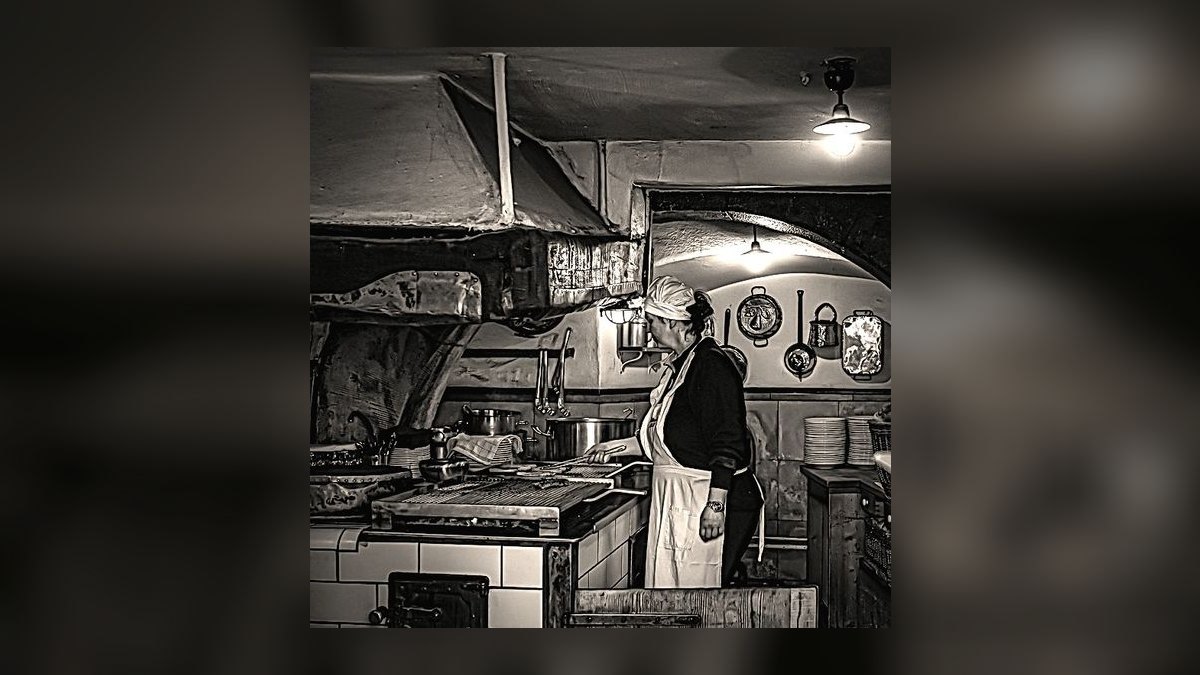
Independent family-style Italian, 6,000–10,000 sq ft. Leasehold improvements and buildout run $700,000 to $1,800,000 depending on whether you are taking a raw shell or a second-generation restaurant space. Kitchen equipment, bar equipment, and POS: $300,000 to $650,000 — a full Italian line means deck or wood-fired ovens, multiple range stations, fryers, a pasta cooker, substantial refrigeration, and walk-in cooler and freezer capacity sized for a scratch operation. Signage and interior décor: $40,000 to $150,000, higher if the concept leans theatrical the way Buca's did. Opening inventory, food and beverage: $25,000 to $60,000. Pre-opening and grand-opening marketing: $30,000 to $80,000. Working capital to cover the ramp: $120,000 to $350,000 — and this is the line most first-time operators shortchange. All in: roughly $1.5M to $3.0M, with the top of the range reflecting prime metro real estate.
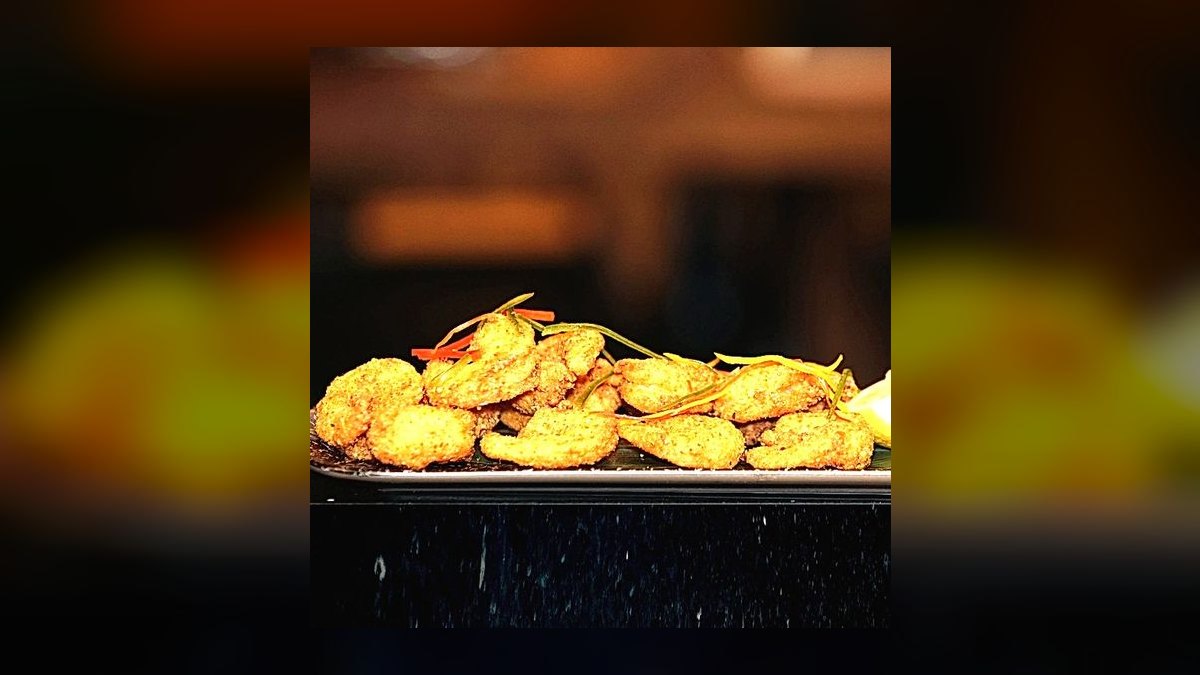
Franchised full-service Italian. Add a franchise fee, commonly in the $40,000–$60,000 range for full-service brands, and expect a total project cost at or above the independent range — franchisor buildout specs are rarely the cheap version. Ongoing, budget 4–6% of gross sales in royalty and another 2–3% in brand fund. On $3M of sales, that is $180,000 to $270,000 a year leaving the business before you pay yourself. What you get for it is a system, a supply chain with real negotiating leverage, and a name people already recognize on a highway sign.
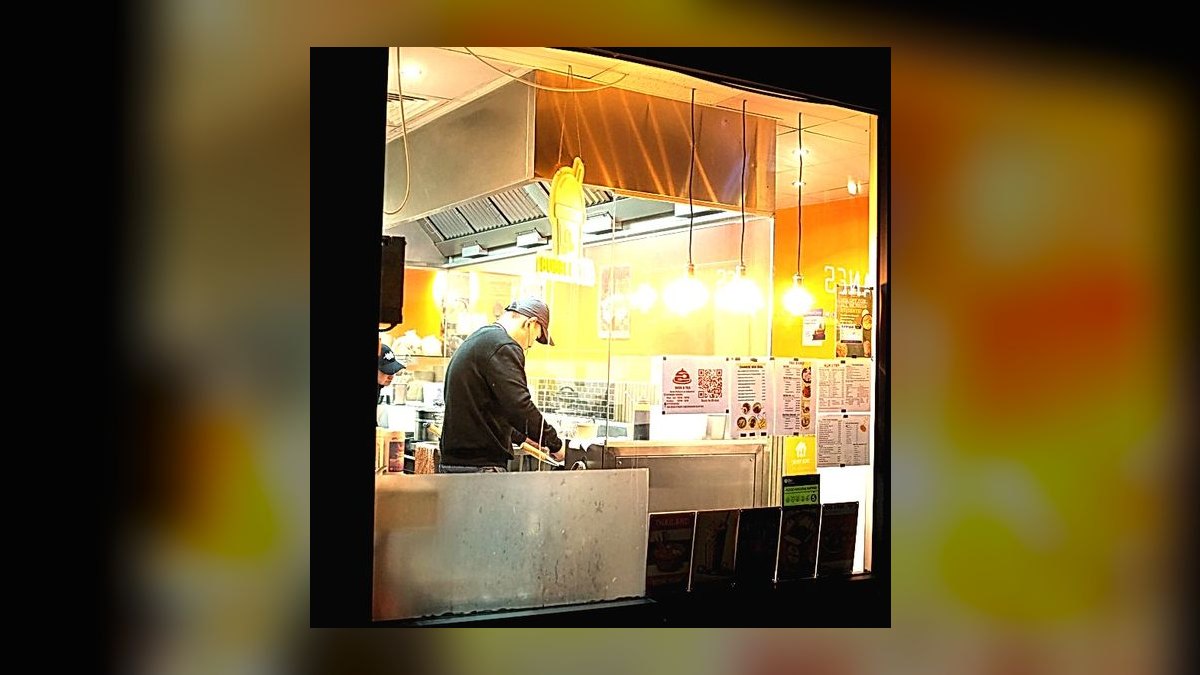
Fast-casual or quick-service Italian. Total project cost commonly lands in the $500,000 to $1,500,000 band depending on footprint and whether the space is second-generation. Franchise fees in this tier are typically lower — often around $25,000–$35,000 — with royalties in the same 5–6% neighborhood. Unit volumes are correspondingly lower, generally in the $1.0M–$1.8M range, but so is the labor load and so is the square footage you have to fill.
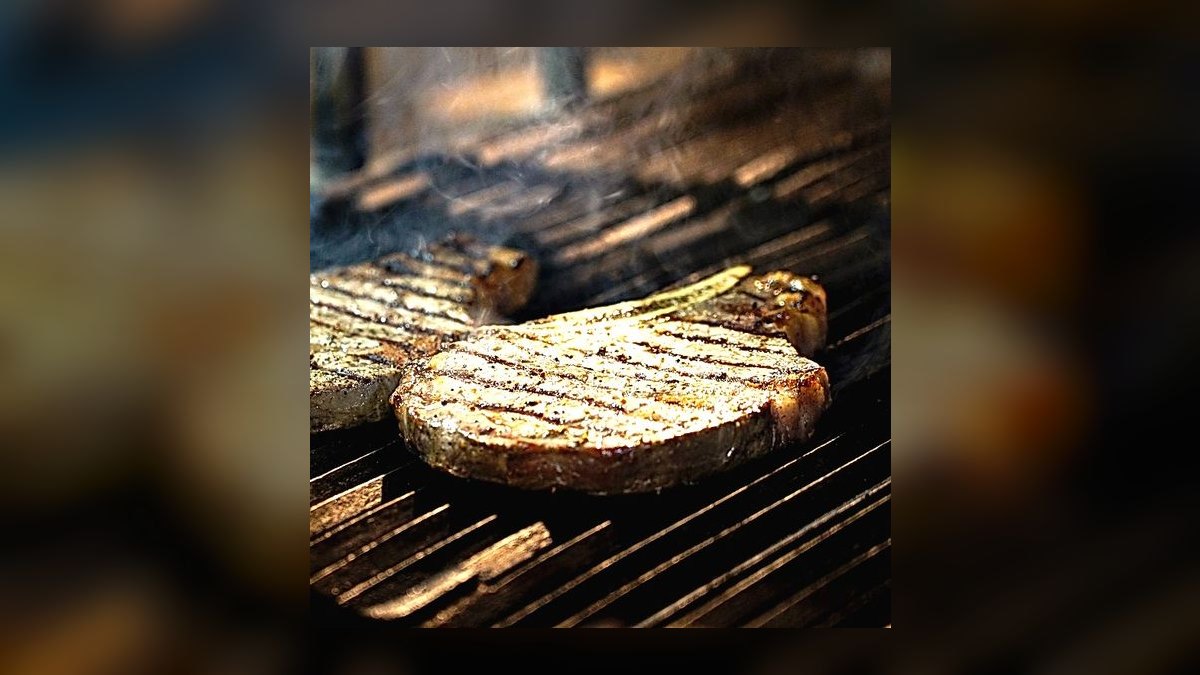
Now the operating model, which matters more than the buildout because it runs every day for a decade. On a full-service Italian restaurant grossing $2.8M:
- Food and beverage cost: 28–33% of sales in a normal year. Italian is ingredient-exposed — imported olive oil, aged hard cheeses, canned tomatoes, veal, and seafood have all seen sharp moves since 2024, and operators who did not reprice have watched this line drift toward 35%.
- Labor: 30–35% of sales, fully loaded with taxes and benefits. Full-service is labor-heavy by construction: servers, bussers, bartenders, hosts, dishwashers, line cooks, prep, and salaried management.
- Occupancy: 6–10% of sales. Rent on a 6,000–10,000 sq ft space commonly runs $15,000–$40,000 a month depending on market, plus CAM, insurance, and taxes.
- Marketing, utilities, repairs, supplies, insurance, credit card fees, and everything else: 15–20% of sales.
That leaves a restaurant-level margin in the 5–12% range before debt service and before any franchise royalty. On $2.8M, a 10% restaurant-level margin is $280,000 — and if you borrowed $1.8M at commercial rates over ten years, debt service will consume a very large share of it. This is the arithmetic behind the segment's reputation. It is not that the businesses lose money. It is that the margin cushion between a good year and a bad one is thin enough that one soft quarter, one broken walk-in, or one 200-basis-point move in food cost erases the year's profit.
Two more numbers belong here. Industry data consistently puts new-restaurant failure in the neighborhood of 60% within three years, and hourly turnover in full-service dining routinely exceeds 75% annually. Neither number is a reason not to open. Both are reasons to capitalize for eighteen months of operation rather than three, and to treat your training and scheduling systems as capital assets rather than overhead.
Sequencing the build, and what to watch after opening
Order matters more than speed. The most common expensive mistake in this category is signing a lease before the concept and the financing are locked, which converts every subsequent decision into a race against rent you are already paying on a space you cannot yet operate.

A few sequencing details that separate operators who open on budget from those who don't. Negotiate tenant improvement allowance hard — in second-generation restaurant space, a landlord contributing $30–$60 per square foot changes your capital requirement by six figures on a 7,000 sq ft box. File the liquor application the week you sign the lease, not the week you finish construction. Hire your executive chef and general manager 90 days before opening, not 30, because they need to write the recipes, build the prep sheets, and run the training that determines whether your first month is a strong impression or a public rehearsal. Soft-open for at least a week at limited covers; the point is to break the kitchen in private.
After opening, the metric that governs survival is prime cost — food and beverage cost plus total labor, as a percentage of sales. Under 60% is strong for full-service Italian. Under 65% is workable. Above 68% sustained, the business does not generate enough to cover occupancy and overhead and you are burning working capital whether or not the dining room looks busy. Review it weekly, not monthly. A monthly cadence means you find out about a problem five weeks after it started.
The adjacent levers most operators under-use: off-premise and catering. Family-style Italian travels better than almost any other full-service cuisine — large-format pans of baked pasta hold temperature, they price well against per-person catering benchmarks, and they use kitchen capacity during dayparts your dining room is empty. Operators in this segment routinely build catering and large-party takeout into 15–25% of revenue at a labor cost far below dine-in. That incremental volume is what turns a 7% restaurant into a 12% one. Private dining is the same idea from the other direction: a room you can sell for a rehearsal dinner or a corporate holiday party at a guaranteed minimum is the highest-margin square footage in the building.
Finally, plan for décor refresh. The kitschy, photograph-covered, checkered-tablecloth aesthetic that defined the family-style Italian category is genuinely durable — it reads as warm rather than dated when it is maintained, and as neglected when it isn't. Budget $20,000–$50,000 every three to five years to keep it deliberate. Guests forgive a lot; they do not forgive a dining room that looks like nobody has looked at it since it opened.
Related questions
Can I buy a closed Buca di Beppo location and run my own concept there?
Often yes. Post-restructuring, leaseholds and equipment packages come to market. A second-generation restaurant space with hoods, walk-ins, grease interceptor, and bar already installed and permitted can cut $400,000–$800,000 off a raw-shell buildout — but diligence the reason the location failed.
Is Carrabba's actually franchising in 2027?
Availability is limited and market-specific. Bloomin' Brands franchises selectively and screens hard for multi-unit operating experience and net worth. Treat any specific territory as something to confirm directly with the franchisor's development team and verify in the current Franchise Disclosure Document, not something to assume.
How much of my capital should stay liquid after opening?
Enough for six months of full operating expenses at zero profit — commonly $120,000–$350,000 for a full-service Italian restaurant. Under-reserving working capital is the single most common cause of failure in otherwise viable restaurants; the concept works, the runway just ran out first.
Does a franchise reduce my odds of failing?
It reduces variance, not risk. You get a tested menu, a supply chain, and brand awareness, which lowers the odds of a catastrophic concept miss. You also pay 6–9% of gross sales in royalty and brand fund, which lowers your margin cushion in a thin-margin segment.
What footprint should a family-style Italian concept target?
Buca-scale rooms ran 6,000–10,000 sq ft. Many 2027 operators are deliberately building smaller — 4,000–6,000 sq ft with a tighter menu — because a smaller room fills on weeknights, costs less to staff, and lets you add catering volume instead of chasing dine-in covers to justify seats.
FAQ
Can I actually buy a Buca di Beppo franchise in 2027?
Realistically, no. Buca di Beppo is almost entirely company-owned and has not offered broad conventional franchising. Following its 2024 Chapter 11 filing and a substantial round of closures, the organization's focus has been restructuring the existing footprint rather than recruiting new franchisees. Anyone marketing you a Buca franchise opportunity should be verified directly against a current Franchise Disclosure Document before any money changes hands.
What does a comparable full-service Italian restaurant cost to open?
Plan on $1.5M to $3.0M all-in for a 6,000–10,000 sq ft full-service Italian restaurant with a bar. That covers leasehold improvements, kitchen and bar equipment, POS, décor, signage, opening inventory, pre-opening marketing, and working capital. Second-generation restaurant space and a meaningful tenant improvement allowance are the two biggest levers for landing at the low end of that range.
How much revenue should I model?
A well-executed full-service Italian restaurant in a strong trade area commonly grosses $2.0M to $4.0M annually. Build your pro forma at three levels — a conservative case around $1.8M, a base case, and an upside case — and confirm the business still services its debt at the conservative number. If it only works at the upside case, the deal is not financeable and shouldn't be.
Why did Buca di Beppo struggle if the category works?
The failure was largely balance-sheet and traffic-driven rather than a verdict on family-style Italian as a concept. Chain-level debt, declining unit traffic, and a large-footprint, high-fixed-cost format collide badly. A leaner independent with lower overhead, a shorter menu, and an owner on the floor operates with cost structure a national chain simply cannot replicate.
What's the single most useful number to watch after opening?
Prime cost — combined food, beverage, and total labor as a percentage of sales — reviewed weekly. Under 60% is strong for this segment, under 65% is workable, and sustained readings above 68% mean the unit cannot cover occupancy and overhead. Weekly review catches drift while you can still fix it with menu engineering or a schedule rebuild.
Is fast-casual Italian a better first venture than full-service?
For an under-capitalized or first-time operator, frequently yes. Project costs commonly run $500,000 to $1,500,000, labor runs several points lower as a share of sales, and the smaller footprint removes the pressure to fill a large dining room on slow nights. You forfeit bar margin and the celebration-dinner occasion, which are real trade-offs worth pricing explicitly.
Sources
- https://www.sba.gov/funding-programs/loans/7a-loans
- https://restaurant.org/research-and-media/research/
- https://www.nrn.com/
- https://www.restaurantbusinessonline.com/
- https://www.bls.gov/iag/tgs/iag722.htm
- https://www.ftc.gov/business-guidance/resources/consumers-guide-buying-franchise
- https://www.franchise.org/
- https://www.bloominbrands.com/
- https://www.uscourts.gov/court-programs/bankruptcy/chapter-11-bankruptcy-basics
- https://www.ers.usda.gov/data-products/food-price-outlook/
Related on PULSE
- [How long does it take to open a franchise and break even in 2027?](/knowledge/fr1104)
- [Should I open or buy a Tommy Gun's Original Barbershop franchise in 2027?](/knowledge/fr1095)
- [Should I open or buy a Painting with a Twist franchise in 2027?](/knowledge/fr1058)
@Kory-White- · if Venmo asks, the last 4 of my number are 2012
 pulse-moviesTop 10 Movies on Netflix 2027
 pulse-moviesTop 10 Movies on Max 2027
 pulse-moviesTop 10 Fantasy Movies of All Time in 2027
 pulse-moviesTop 10 Documentaries of All Time in 2027
 pulse-moviesTop 10 Superhero Movies of All Time in 2027
 pulse-moviesTop 10 Romance Movies of All Time in 2027
 pulse-moviesTop 10 Westerns of All Time in 2027
 pulse-moviesTop 10 Musical Movies of All Time in 2027
 pulse-moviesTop 10 Thriller Movies of All Time in 2027
 pulse-moviesTop 10 Crime Movies of All Time in 2027