


Should I open or buy a Carrabba’s Italian Grill franchise in 2027?
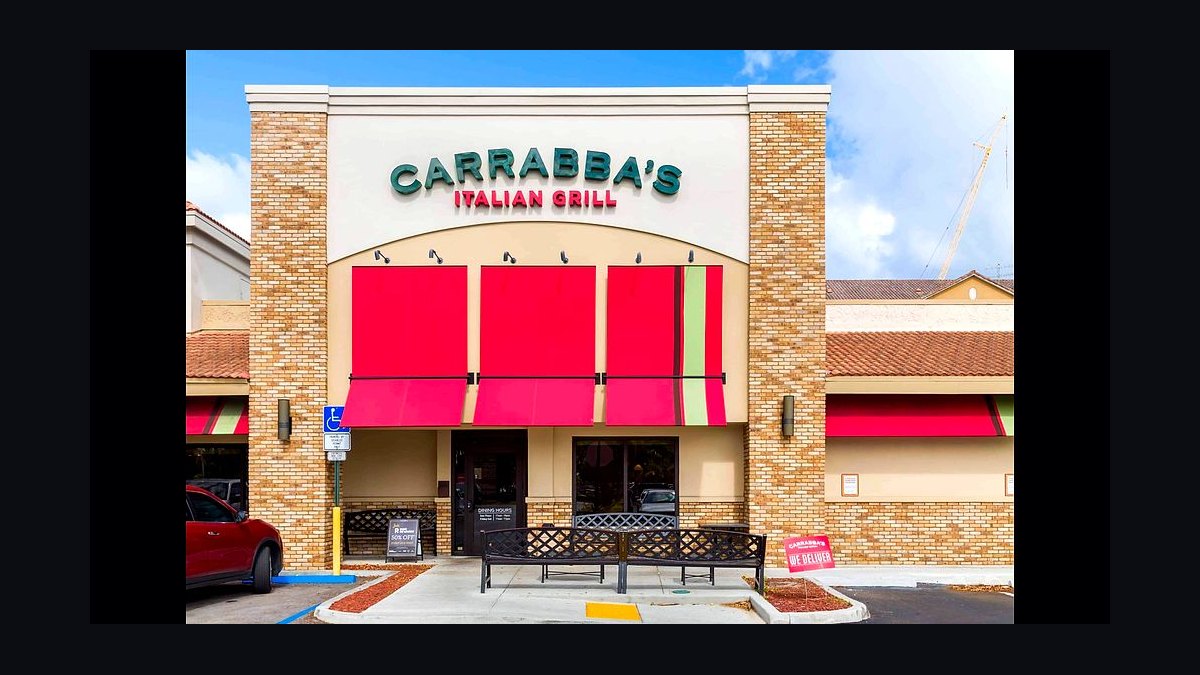
Reality check: Carrabba's Italian Grill is owned by Bloomin' Brands and is overwhelmingly company-operated in the US — it does not broadly sell domestic franchises, so "buying a Carrabba's franchise" generally isn't an option here. Carrabba's is a full-service Italian casual-dining chain (a sister brand to Outback Steakhouse under Bloomin' Brands), grown almost entirely through corporate ownership in the US, with some international franchising. So the realistic paths for an entrepreneur are: (1) explore international franchising with Bloomin' Brands where offered, (2) open an independent full-service Italian restaurant, or (3) invest in Bloomin' Brands stock (NASDAQ: BLMN). A comparable full-service Italian restaurant is a $1,500,000-$3,000,000 build grossing $2,500,000-$4,500,000. This answer covers realistic routes, because a domestic Carrabba's franchise is generally not available.
The Real Numbers
Since Carrabba's is company-operated in the US, the relevant economics are those of a comparable full-service Italian casual-dining restaurant.
| Line Item (comparable full-service Italian) | Low | High | Notes |
|---|---|---|---|
| Concept/brand (if franchising a peer) | $40,000 | $60,000 | N/A if independent |
| Buildout / leasehold | $700,000 | $1,800,000 | Full-service + bar |
| Equipment & POS | $320,000 | $700,000 | Kitchen, bar, POS |
| Signage & decor | $40,000 | $140,000 | Casual-dining decor |
| Initial inventory | $25,000 | $60,000 | Food + beverage |
| Initial marketing | $30,000 | $80,000 | Grand opening |
| Working capital | $120,000 | $350,000 | First 3 months |
| Total investment | ~$1,500,000 | ~$3,000,000 | Full-service Italian |
| Target net margin | 8%-15% | After ramp |

Revenue reality: strong full-service Italian restaurants gross $2.5M-$4.5M, but the segment is capital- and labor-intensive with thin margins (8%-15%). Bloomin' Brands keeps Carrabba's corporate to capture the full margin and control the brand — a signal of how operationally demanding full-service casual dining is. The realistic franchise route is a peer brand or international Carrabba's, or BLMN stock for passive exposure.
Who Wins With This Path
- Capital required: $1.5M-$3M for a comparable restaurant; any amount for BLMN stock.
- Time commitment: full-time, full-service operation with a management team.
- Skills: full-service Italian operations, hospitality, and cost control.
- Geographic fit: high-traffic suburban/affluent markets (or international markets where Carrabba's franchises).
- Lifestyle fit: hospitality-intensive enterprise.
The winners are experienced full-service operators building an independent concept, international franchisees, or passive BLMN investors.
Who Loses With This Path

- Buyers expecting a domestic Carrabba's franchise — generally not available.
- Under-capitalized operators in a thin-margin segment.
- Operators without full-service experience.
- Weak-location, undifferentiated restaurants.
- Those who underestimate casual-dining labor and food cost.
2027 Market Conditions
- Demand: full-service Italian casual dining is durable in strong markets but capital- and labor-heavy.
- Ownership: Carrabba's stays US-corporate; franchising is international.
- Competition: Olive Garden, independent Italian, and fast-casual Italian.
- Labor: full-service labor cost is the main margin pressure.
- Public-market option: Bloomin' Brands (NASDAQ: BLMN) offers exposure without operating.
The 90-Day Decision Tree

- Recognize a domestic Carrabba's franchise isn't generally offered — decide among international franchising, independent, or BLMN stock.
- If operating, model full-service Italian economics with thin margins.
- Validate a strong casual-dining market.
- Secure a site and $1.5M-$3M capital.
- Build out a differentiated full-service restaurant (or pursue an international Carrabba's).
- Open with strong hospitality and cost control.
- Or buy BLMN stock for passive exposure to Carrabba's parent.
Alternative Plays
- Bloomin' Brands international franchising — where Carrabba's/Outback franchises abroad.
- Independent full-service Italian — full control, all the segment risk.
- Fazoli's / Russo's — fast-casual/QSR Italian, lower capital.
- Texas Roadhouse / steakhouse franchises — other casual-dining (in the Pulse library).
- Bloomin' Brands stock (NASDAQ: BLMN) — passive exposure.
- Different casual-dining segment — brewhouse, steakhouse, etc.
Financial Reality Check: What It Actually Costs to Open a Comparable Italian Restaurant
If you're set on the Carrabba's concept but can't buy a domestic franchise, the closest alternative is building a full-service Italian restaurant from scratch. Here's the honest financial picture based on current industry data (2025-2027 ranges):

Initial Investment: $1,500,000 - $3,000,000
- Leasehold improvements: $500,000 - $1,200,000 (build-out, kitchen equipment, HVAC, plumbing)
- Equipment and fixtures: $300,000 - $600,000 (ovens, refrigeration, POS systems, furniture)
- Liquor license: $50,000 - $400,000 depending on your state and local market
- Permits and legal fees: $25,000 - $75,000
- Initial inventory and supplies: $40,000 - $80,000
- Pre-opening marketing and staffing: $60,000 - $120,000
- Working capital reserve (6-12 months): $300,000 - $600,000
Ongoing Annual Operating Costs:
- Food and beverage cost: 28-35% of revenue (Italian restaurants typically run 30-33%)
- Labor cost: 30-38% of revenue (front and back of house)
- Rent: 6-10% of revenue ($8,000-$25,000/month for a 4,000-6,000 sq ft space)
- Utilities: 2-4% of revenue
- Marketing: 2-4% of revenue
- Insurance, maintenance, and miscellaneous: 3-5% of revenue
Revenue Projections (realistic ranges):

- Year 1: $1,500,000 - $2,500,000 (ramp-up period)
- Year 2-3: $2,000,000 - $3,500,000 (stabilized)
- Year 4+: $2,500,000 - $4,500,000 (mature operation)
Profit Margins:
- Average net profit margin for full-service Italian restaurants: 3-7% after all expenses
- Top-performing independents: 8-12%
- Break-even typically occurs in months 12-24
These numbers are based on medium-to-large metro markets (population 500,000+). Smaller markets will see lower costs but also lower revenue ceilings. No two restaurants are identical, so these ranges reflect the broad industry reality.
The International Franchise Route: Where It's Actually Available
Bloomin' Brands does selectively franchise Carrabba's outside the United States. If you're willing to operate internationally, this is your only legitimate path to a Carrabba's franchise. Here's what's currently known:
Active International Franchise Markets (as of 2025-2026):
- South Korea – Multiple locations operating under a master franchise agreement
- Philippines – Several locations in Metro Manila and major cities
- Middle East – Select locations in the UAE and Saudi Arabia (via franchise partners)
- Other regions – Bloomin' Brands occasionally evaluates proposals in Latin America, Southeast Asia, and the Caribbean
Requirements for International Franchising (based on Bloomin' Brands' typical criteria):

- Net worth: $5,000,000 - $10,000,000 minimum
- Liquid assets: $2,000,000 - $4,000,000
- Restaurant or hospitality experience: Strongly preferred, often required for multi-unit development
- Real estate access: Must secure a prime location (typically 4,500-6,500 sq ft) in a high-traffic area
- Development commitment: Usually 3-5 locations over 5-7 years for master franchise agreements
Franchise Fees and Royalties (estimated, based on Bloomin' Brands' public disclosures and industry norms):
- Initial franchise fee: $40,000 - $60,000 per location
- Royalty fee: 4-6% of gross sales
- Marketing fee: 1-2% of gross sales
- Total investment per location: $2,500,000 - $4,000,000 (including build-out, equipment, and working capital)
How to Apply: Visit Bloomin' Brands' official website and look for "International Franchising" or "Global Development." Submit a formal inquiry with your financial qualifications, market analysis, and development plan. Expect a 6-12 month evaluation process including background checks, financial verification, and site visits.

Realistic Odds: International franchising is competitive. Bloomin' Brands receives hundreds of inquiries annually but approves only a handful of new franchise partners. Your best chance is if you have existing restaurant operations in a target market and can demonstrate strong local connections.
Strategic Alternatives: Three Paths That Actually Work
If neither domestic franchising nor international expansion fits your situation, here are three proven strategies that entrepreneurs use to capture the Carrabba's-style market:
Path 1: The "Carrabba's Clone" Independent Restaurant Open your own full-service Italian restaurant that directly competes with Carrabba's. Study their menu, pricing, and service model, then differentiate with:
- A unique regional Italian concept (e.g., Sicilian, Tuscan, or coastal Italian)
- Locally sourced ingredients and seasonal specials
- A stronger wine program or craft cocktail menu
- Lower price points (entrees $14-$22 vs. Carrabba's $18-$30)
- Aggressive local marketing and community partnerships
Path 2: Acquire an Existing Italian Restaurant Instead of building from scratch, buy an established independent Italian restaurant or a small regional chain. Benefits:

- Immediate cash flow and existing customer base
- Proven location and lease terms
- Trained staff and established suppliers
- Potential to rebrand or renovate gradually
- Acquisition costs typically 2-4x annual EBITDA (often $500,000 - $2,000,000 for a profitable restaurant)
Path 3: Invest in Bloomin' Brands Stock (BLMN) If you want exposure to Carrabba's success without operational headaches:
- Current market cap: ~$2.5 billion (as of early 2025)
- Dividend yield: 2-4% (varies quarterly)
- Revenue growth: 2-5% annually (mature casual dining segment)
- Risk factors: Labor costs, food inflation, changing consumer preferences, competition from fast-casual
- Best for: Passive investors who believe in the brand's long-term viability and want quarterly income
Which Path Is Right for You?
- High net worth, international experience: Pursue international franchising
- $1.5M+ capital, hands-on operator: Build an independent Italian restaurant
- $500K-$2M, want immediate cash flow: Acquire an existing restaurant
- $50K-$200K, passive investor: Buy BLMN stock
Each path has different risk profiles, time commitments, and return potential. The key is matching your resources and goals to the realistic option—not chasing a domestic franchise that doesn't exist.
FAQ

Can I actually buy a Carrabba’s Italian Grill franchise in the US? No, Carrabba’s is almost entirely company-owned by Bloomin’ Brands in the United States. Domestic franchise opportunities are not broadly available, so the typical path to owning a Carrabba’s here does not exist.
What about international franchising for Carrabba’s? Bloomin’ Brands does offer some international franchise opportunities for Carrabba’s in select countries. If you’re outside the US, you can inquire directly with the company, but approval is selective and requires significant capital and experience.
How much would it cost to open a comparable full-service Italian restaurant instead? Building a full-service Italian restaurant similar to Carrabba’s typically costs between $1,500,000 and $3,000,000. This range covers leasehold improvements, equipment, permits, and initial inventory.
What kind of revenue can a similar independent Italian restaurant expect? Annual gross revenue for a well-run full-service Italian restaurant in a good location usually falls between $2,500,000 and $4,500,000. Actual results vary widely based on location, concept, and management.

Is investing in Bloomin’ Brands stock a realistic alternative to owning a franchise? Yes, buying shares of Bloomin’ Brands (NASDAQ: BLMN) gives you indirect exposure to Carrabba’s success without needing to operate a restaurant. Stock performance is subject to market risks and company performance.
What are the first steps if I want to explore international franchising with Bloomin’ Brands? Contact Bloomin’ Brands directly through their corporate website or international development team. Be prepared to provide financial statements, restaurant experience, and a detailed business plan for your target market.
Bottom Line
Don't look for a domestic Carrabba's franchise — it's a Bloomin' Brands corporate-operated concept, not a US franchise. To enter full-service Italian, build a differentiated independent restaurant ($1.5M-$3M), pursue international Carrabba's franchising where offered, or buy BLMN stock for passive exposure. The segment is durable but capital- and labor-heavy with thin margins. For lower-capital Italian exposure, consider fast-casual formats (Fazoli's, Russo's). The realistic vehicles are an independent concept, international franchise, or equity — not a US Carrabba's agreement.
Related on PULSE
- Should I open or buy a Repicci’s Italian Ice franchise in 2027?
- Should I open or buy a Rita's Italian Ice franchise in 2027?
- Should I open or buy a Jeremiah's Italian Ice franchise in 2027?
- Should I open or buy a Bibibop Asian Grill franchise in 2027?
- Should I open or buy a Lenny's Grill & Subs franchise in 2027?
- Should I open or buy an Eggs Up Grill franchise in 2027?
Sources
- Bloomin' Brands investor relations and SEC filings (NASDAQ: BLMN), 2025-2026 — Carrabba's corporate-ownership model
- Bloomin' Brands international franchising disclosures, 2025-2026
- Carrabba's Italian Grill official site — corporate model
- IBISWorld — Italian & Full-Service Casual-Dining Restaurants in the US, 2026 industry report
- Technomic — casual-dining-segment data 2026
- Statista — US casual-dining and Italian-restaurant market, 2025-2026
- Restaurant Business / Nation's Restaurant News — full-service Italian trends 2026
- International Franchise Association (IFA) — 2027 Franchise Economic Outlook
- Franchise Business Review — restaurant-franchise satisfaction data
- Commercial real-estate full-service restaurant cost benchmarks, 2026
This page will be disappearing soon. Save it to your device for $1 — or read it free while it is here.
@Kory-White- · if Venmo asks, the last 4 of my number are 2012
This page is gone.
This one is off the shelf now. $1 keeps it on your phone for good — the whole page, pictures and diagrams included.
 pulse-qHow Do Change Orders Blow Up a Buildout Budget, and How Do I Cap Them in 2026?
 pulse-qHow do you ask a question that helps a rep identify the moment they lost control of the sales conversation in 2026?
 pulse-qShould I open or buy a Rhino Linings franchise in 2027?
 pulse-qShould I open or buy an Eye Level Learning franchise in 2027?
 pulse-qHow Do I Budget a Physical Therapy Clinic Buildout in 2026?
 pulse-qHow do you certify sales skills before reps face real buyers in 2026?
 pulse-qHow Do I Protect Myself If My Landlord Goes Bankrupt in 2026?
 pulse-qHow Many Tellers Should I Schedule Each Day at My Bank Branch in 2026?
 pulse-qHow Do I Negotiate a Lease and Buildout for a Private or Charter School in 2026?
 pulse-qShould I open or buy an Earl of Sandwich franchise in 2027?