


Should I open or buy a Huey Magoo’s Chicken Tenders franchise in 2027?
Quality
Certified
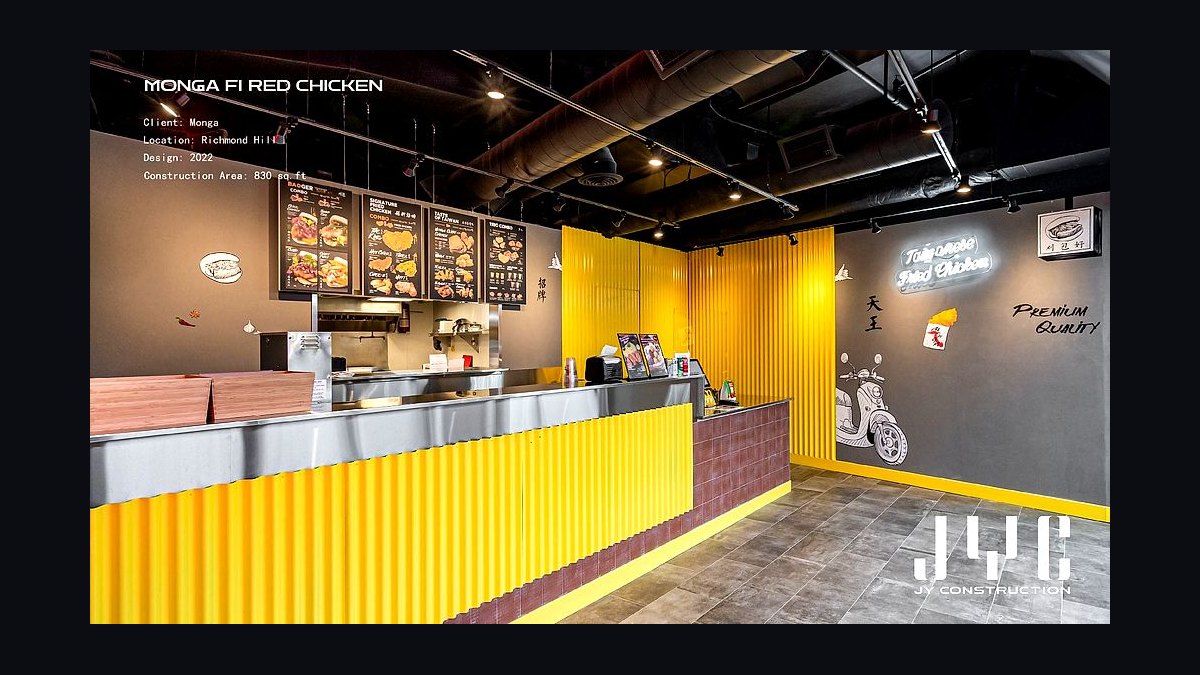
Open a Huey Magoo's franchise in 2027 only if you can secure a drive-thru site, fund $700,000–$1,500,000 with $200,000–$400,000 liquid, and run it yourself for eighteen months. Buying an existing profitable unit costs more upfront but removes permitting risk. Under-capitalized single-unit operators in saturated tender markets should skip it.
Build new versus buy existing: two genuinely different businesses
People treat "open or buy" as one question with a budget answer. It isn't. Opening a new Huey Magoo's Chicken Tenders location and acquiring a running one are different risk profiles, different skill demands, and different timelines to cash. Confusing them is the most common mistake first-time franchise buyers make in the chicken-tender category.
Opening new means you sign a franchise agreement, pay roughly $35,000 in franchise fee, then spend eight to eighteen months converting cash into a building before a single tender is sold. Your total Item 7 range in the 2026 FDD sits around $700,000 to $1,500,000. The variance is almost entirely real estate and build-out: a conversion of an old fast-food shell in Alabama lands near the bottom, a ground-up pad site in a top-50 metro blows past the top. During that window you burn rent, carry loan interest on drawn construction financing, and pay yourself nothing. You need $100,000 to $200,000 in reserves *beyond* the Item 7 number just to survive the gap between lease signing and opening day. Franchisees who miss this are the ones who run out of money three weeks before their soft open — a genuinely awful place to be, because at that point the sunk cost is total and the asset is worth pennies unfinished.
What you get for that pain is a clean slate. You pick the site, you build the drive-thru geometry you want, the equipment is new and under warranty, and there's no inherited staff culture or reputation to repair. You also get the developer incentives — franchisors scaling fast are the ones willing to trade territory rights and fee reductions for committed multi-unit development schedules.
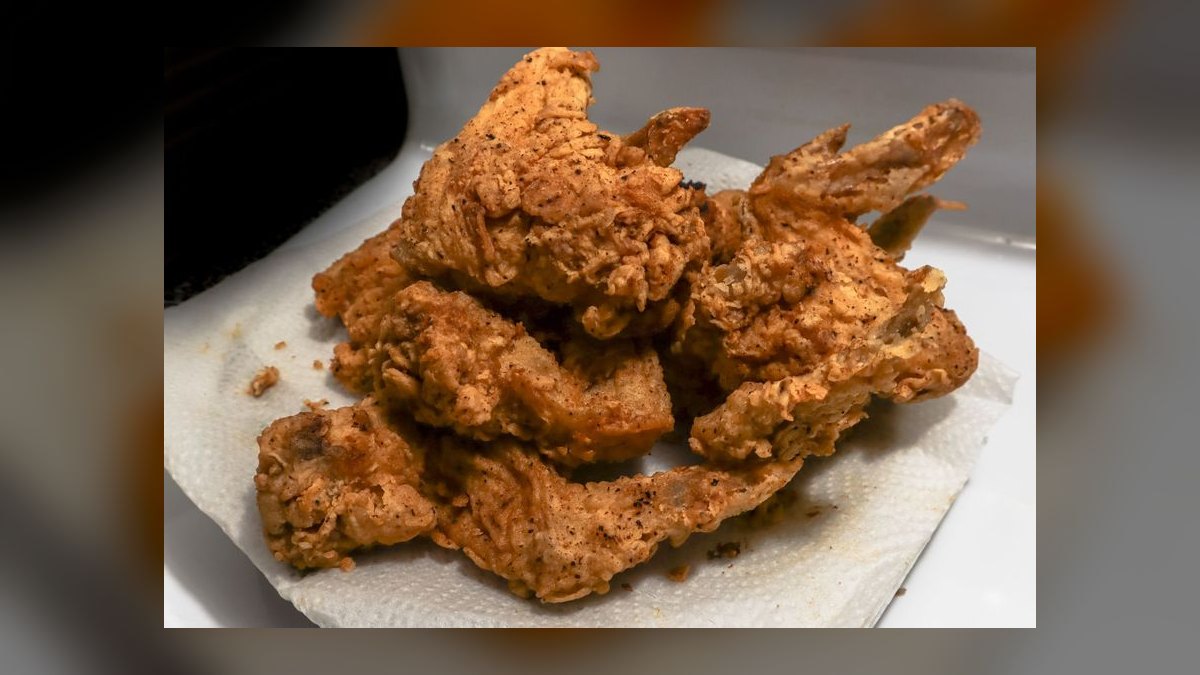
Buying existing means you're purchasing cash flow instead of manufacturing it. QSR franchise resales typically trade on a multiple of adjusted EBITDA — in the fast-food space that generally runs in the 2.5x to 4x range depending on lease term remaining, equipment age, and how much of the profit depends on the seller personally standing in the store. A unit throwing off $200,000 in adjusted EBITDA with twelve years left on the lease might ask $600,000 to $800,000 for the business, and you still assume the lease, still pay a transfer fee to the franchisor, and still need working capital. Total cash outlay can look similar to a build — sometimes higher — but the money buys revenue that exists today.
The catch on resales is diagnostic. Every unit for sale has a reason. Some reasons are benign: the owner is retiring, relocating, or consolidating into a different market. Some are not: the trade area is deteriorating, a competitor opened four hundred yards away, the lease renewal is coming and the landlord wants a 40% bump, or the equipment package is at end of life and needs $150,000 nobody wants to spend. Your job in diligence is to figure out which one you're looking at before wiring funds.
There's a third path worth naming because operators forget it exists: buying a distressed unit and turning it around. A store doing $900,000 in a trade area that supports $1.4 million is a management problem, not a market problem, and it can be bought near equipment value. This is a specialist play — you need to have already run this brand or a very similar one — but the returns per dollar invested are the highest of the three routes when it works.
How to decide between building and buying
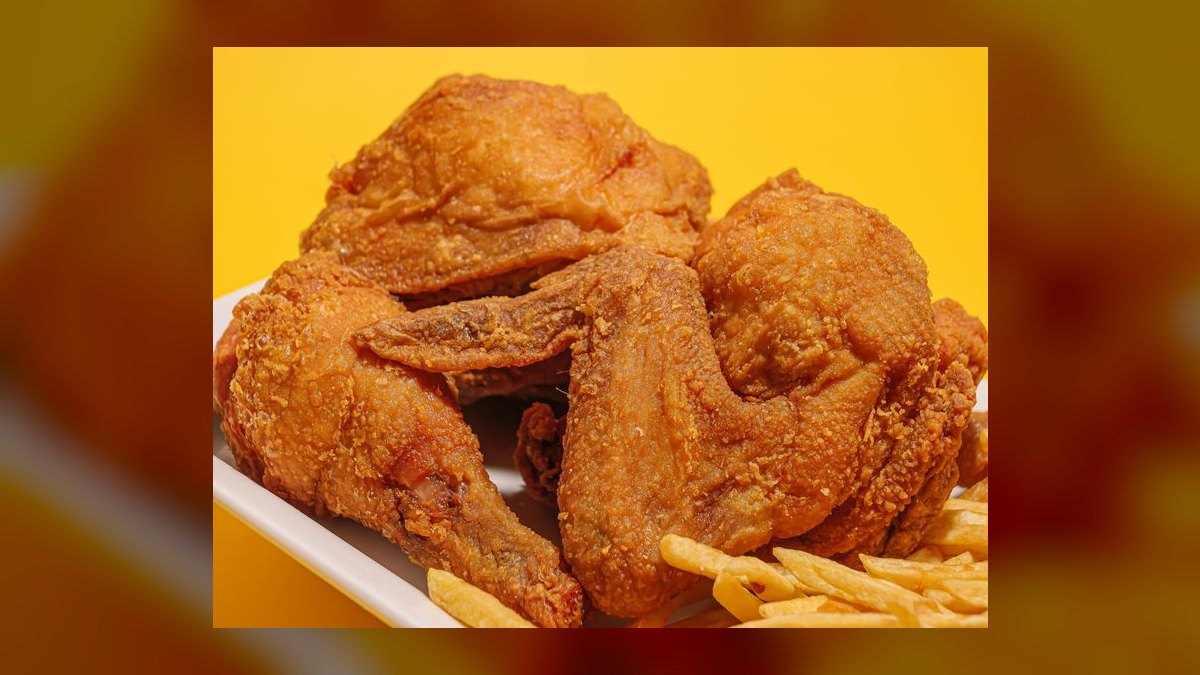
The decision isn't preference. It's a function of four inputs: your liquid capital, your operating experience, your local real estate reality, and how much time you can go without income.
Start with experience. If you have never run a restaurant, buying an operating unit with a competent GM already in place is dramatically safer than building. You get a functioning system to learn inside of rather than having to invent one while a construction loan accrues. If you've run multi-unit QSR before, building is more attractive, because the thing you're good at — site selection, opening execution, ramping a new trade area — is exactly the value a build captures.
Then look at real estate. In markets where drive-thru pad sites are effectively unavailable at any reasonable rent — most of coastal California, much of the Northeast, dense infill in Texas metros — the buy path may be the only path, because the scarce asset isn't the brand, it's the site with a drive-thru approved by the municipality. Where entitled sites and conversion shells are plentiful, building gives you better economics per dollar.
Then capital. Building requires you to fund the full Item 7 plus reserves without revenue. Buying lets a lender underwrite against existing cash flow, which often means better loan terms — SBA 7(a) lenders are markedly more comfortable financing an acquisition with three years of tax returns behind it than a startup projection.
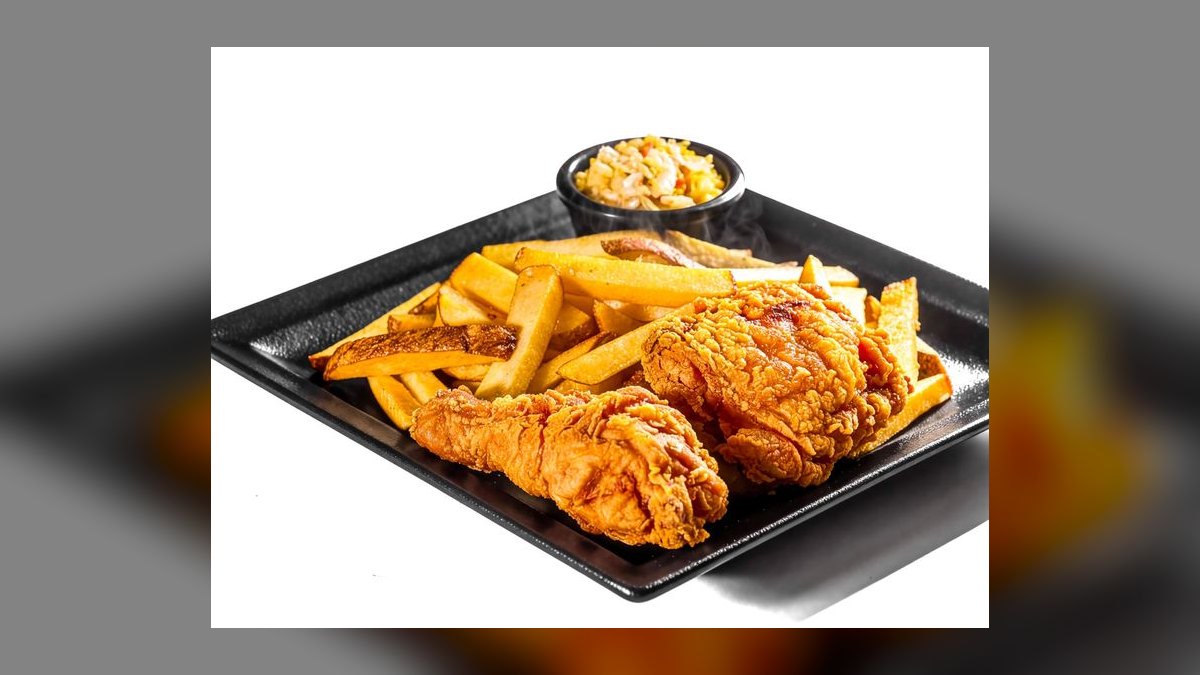
Finally, runway. If you need income within six months, do not build. Permitting alone runs six to nine months in franchise-friendly states like Florida, Georgia, and Texas, and twelve to eighteen in California or the Northeast.
Run this honestly. The most expensive outcome in franchising isn't picking the wrong brand — it's picking the right brand through the wrong entry path with the wrong amount of money.
The concrete numbers behind each option
Here is what the money actually does in both directions, in 2026 dollars, adjusted for where 2027 costs are trending.
Building new. The franchise fee is roughly $35,000. Buildout and leasehold improvements run $320,000 to $800,000 for a 1,500 to 2,800 square-foot unit with a drive-thru, and construction costs have been escalating 6% to 10% annually on labor shortages and material inflation — so budget toward the upper end for a 2027 open. Equipment and POS run $200,000 to $420,000: fryers, breading station, holding cabinets, walk-in, hood system, and a POS package. Signage and decor add $30,000 to $90,000 and are brand-prescribed, so there's no value-engineering them. Opening inventory is $12,000 to $32,000, grand-opening marketing $20,000 to $55,000, training and travel $10,000 to $28,000, and working capital $60,000 to $160,000 for the first three months. That's the $700,000 to $1,500,000 Item 7 band.
If you can find a conversion — an old fast-food shell with existing drive-thru infrastructure, grease interceptor, and three-phase power — you save $150,000 to $300,000 versus ground-up. Budget $50,000 to $100,000 back for remediation, because inherited HVAC, plumbing, and grease traps are almost never in the condition the listing implies. Net, conversions still win on both cost and schedule.
Occupancy is the number that kills marginal units. Landlords are writing 15 to 20 year leases with 3% to 5% annual escalators. Triple-net rent for a 2,000 square-foot unit in a decent retail corridor runs $4,000 to $9,000 monthly, plus CAM of $1,000 to $2,500. Total occupancy — rent, CAM, and property tax — should stay under 12% to 15% of projected gross. At $15,000 a month you need $1.2 million or more in revenue to carry it. In a top-50 metro, add 20% to 30% to every one of these figures.
Buying existing. You pay a multiple of adjusted EBITDA plus a franchisor transfer fee, and you assume the remaining lease. The critical diligence items are: how many years remain before renewal (under five years remaining is a serious value discount), what the escalator schedule does to occupancy percentage over your hold period, and the age of the equipment package. A hood system, walk-in compressor, and fryer battery all reaching end of life simultaneously is a $150,000 to $250,000 capital call you'd rather know about before closing than after. Get an equipment condition report. Insist on three years of tax returns reconciled to POS reports — not P&Ls the seller prepared, the actual filings.
Unit economics, either way. Mature shops gross $1.1 million to $2.2 million. Model a $1.5 million unit: COGS at 30% to 34% is $450,000 to $510,000 — chicken breast has been volatile, running roughly $1.80 to $2.40 per pound for fresh, never-frozen tenders, with breading, sauce, and fry oil adding five to seven points on top. Labor at 28% to 33% is $420,000 to $495,000, covering a GM at $50,000 to $65,000, two or three shift leads at $15 to $18 an hour, and eight to twelve crew at $12 to $16. State minimum wage increases — Florida stepping to $15 by 2027 among them — push this direction only. Occupancy at 12% to 15% is $180,000 to $225,000. Royalty at 5% plus 2% local marketing is $105,000. Other opex — utilities, insurance, repairs, smallwares — at 8% to 10% is $120,000 to $150,000.
That leaves $180,000 to $300,000 in EBITDA before debt service and owner draw. Finance 60% of startup at 8% to 10% and annual debt payments run $40,000 to $80,000, so net owner cash flow is $100,000 to $220,000 in the early years, improving to $180,000 to $280,000 by year three at $1.8 million in sales. Solid. Not a windfall from one box.
The multi-unit math is where this brand gets interesting. Two units share a district manager, one bookkeeper, one marketing spend line, and one set of vendor negotiations. Combined owner cash flow at two units lands in the $300,000 to $500,000 range on the same management infrastructure. Franchisors scaling fast reward this — reduced royalties for additional units are a common structure, and half a point on a $1.5 million unit is $7,500 a year in pure margin. If the second unit is even a possibility, negotiate the development agreement at signing rather than coming back later without leverage.
The operational grind nobody puts in the brochure
Neither path is passive. For the first twelve to eighteen months, expect 60 to 70 hour weeks with your hands in the business. The model works when the owner is on the line, not in an office reviewing dashboards.
Throughput is the lever that separates a $1.2 million unit from a $1.8 million one in the same trade area. Tenders cook to order in three to four minutes, which is a real constraint at peak. A well-run drive-thru handles 40 to 55 cars in a lunch hour. Past 100 lunch transactions you need either a two-lane drive-thru — rare in inline units — or dual point-of-sale so drive-thru and dine-in don't queue against each other. A digital menu board at $15,000 to $25,000 pays for itself through suggested upsells: every 5% lift in average ticket, from $12 to $12.60, adds $75,000 to $90,000 in top line at $1.5 million volume.
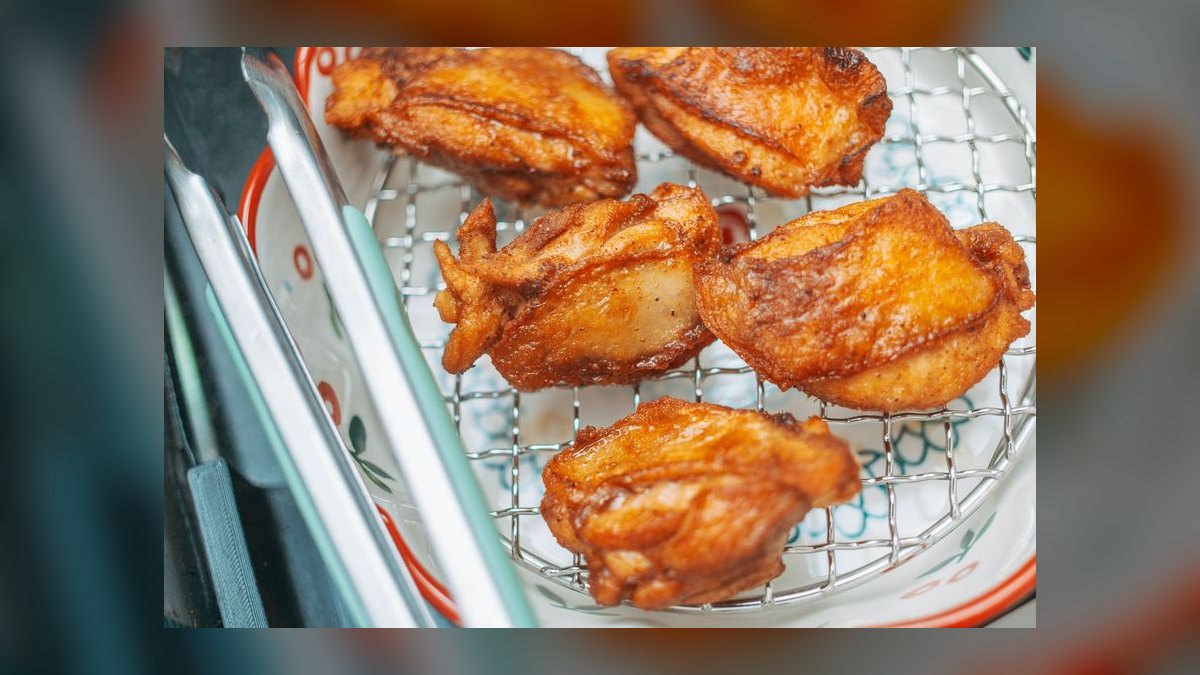
Waste is the quiet margin leak. Breaded tenders have roughly a two-day shelf life. Managers who can't forecast daily demand within 10% will burn $10,000 to $20,000 a year before anyone notices, because waste never appears as a line item — it shows up as COGS drifting two points high and everyone blaming commodity prices. Par-level systems for breading and sauce prep, plus a written prep chart tied to day-part forecasts, fix most of it.
Cross-training is not optional at this labor cost. Every employee should bread, fry, and run a register. A crew of specialists means one callout collapses a shift; a crew of generalists absorbs it.
Catering is the most under-run revenue line in the tender category. Family packs and party trays sell into offices, churches, youth sports, and schools. A $500 catering order nets $150 to $200 and consumes zero drive-thru capacity. Two or three a week is $15,000 to $25,000 in incremental annual profit for the cost of a salesperson's afternoon and a stack of business cards. Most single-unit operators never build the list.
Third-party delivery is necessary and thin. Commissions of 15% to 25% on orders that are typically 10% to 15% of sales means delivery contributes volume more than profit. Bundle delivery-only combos to lift order size and offset commission, and never let delivery back up the line — drive-thru times over four minutes cost you more in walked-away regulars than the delivery ticket was worth.
Implementation and sequencing, whichever path you pick
The sequence differs by path, but the diligence spine is identical: read the FDD, validate with operators, prove the trade area, then commit capital.
Read the 2026 FDD properly. Items 5, 6, and 7 give you fees and investment. Item 19 is the financial performance representation — read exactly which units are included and which are excluded, because averages that quietly drop the bottom quartile tell you very little. Item 20 gives you the transfer, termination, and non-renewal counts, and this is the single most informative page in the document. A fast-scaling system with a rising transfer count is telling you something the growth-story press coverage isn't.
Call operators — more than the franchisor suggests. Eight is a floor, not a target. Call units that opened three years ago, not the ones that opened last quarter, because a fresh unit's honeymoon sales tell you nothing about steady state. Ask four specific things: current AUV, actual food and labor percentages, what they'd budget differently on build-out, and whether they'd sign again. Call at least two operators who are *selling* — Item 20's transfer list gives you names — because departing franchisees are the only ones with no reason to soften the story.
Prove the trade area before you sign anything. Count competing tender and chicken concepts within three miles: Raising Cane's, Slim Chickens, Zaxby's, Bojangles', Guthrie's, plus the fried-chicken incumbents and every hot-chicken entrant. The tender category is crowding fast and will be more crowded in 2027 than today. Then check daypart traffic, lunch employment density, and school and stadium proximity, which drive the group-order business that fills otherwise dead evenings.
Secure site control before signing the franchise agreement if you're building. Signing first and hunting sites second is how people end up with a development obligation and no viable real estate, which forces a bad site or a forfeited fee.
Marketing in the first ninety days decides your ramp. Lead with product quality, not discounting — the brand's positioning is the thicker hand-breaded "filet" tender against uniform strips, and that only matters if people taste it. Comparative taste offers, high-school sports fundraiser nights that bring fifty to a hundred people through on a dead Tuesday, and geo-fenced digital ads inside a two-mile radius during lunch and dinner windows are the three that reliably move a new store. Budget $2,000 to $4,000 monthly for local digital beyond the national fund, and treat it as a permanent line, not an opening expense.
Ask about daypart expansion before you sign. Breakfast is the obvious white space in tender concepts, and it is the kind of rollout that can add meaningfully to a unit's annual sales — while also requiring a 5 a.m. crew, warming equipment, and a labor model you didn't underwrite. Ask your development rep what has been piloted and what the results were. If a daypart is coming, you want your equipment package and hood capacity sized for it on day one rather than retrofitting a running store.
Related questions
Is buying an existing Huey Magoo's cheaper than building one?
Not necessarily cheaper in total cash, but the money buys existing revenue instead of construction risk. A profitable unit trades on a multiple of adjusted EBITDA, and lenders underwrite acquisitions more favorably than startups because there are tax returns to review.
How much liquid capital do I actually need?
Plan on $200,000 to $400,000 liquid minimum, with net worth of $1 million or more. Add $100,000 to $200,000 in reserves beyond Item 7 to cover rent, payroll, and personal living costs during the permitting and construction gap.
Can I run this as an absentee owner?
Not in the first eighteen months. The model depends on throughput, waste control, and crew consistency — all of which degrade fast without an owner present. Absentee structures work only after a proven GM and documented systems are in place.
What kills most new chicken-tender units?
Three things: occupancy above 15% of sales, no drive-thru, and running out of working capital before opening. Competition matters less than these self-inflicted structural problems.
Should I negotiate a multi-unit agreement upfront?
Yes, if a second unit is even plausible. Development-agreement leverage disappears once you're a single-unit franchisee, and reduced royalties on additional units compound meaningfully over a ten-year hold.
FAQ
What is the total investment range for a Huey Magoo's franchise?
The 2026 FDD shows total Item 7 investment of roughly $700,000 to $1,500,000. The spread is driven almost entirely by real estate and build-out costs. Budget toward the top of the range in a top-50 metro or for ground-up construction, and toward the bottom for a conversion of an existing fast-food shell in a secondary market.
How much can I expect to earn as an owner?
Mature units gross $1.1 million to $2.2 million, producing restaurant-level margins in the 12% to 18% range and owner profit of roughly $120,000 to $300,000 before debt service. After financing costs on a typical 60% leveraged build, net owner cash flow in the early years lands closer to $100,000 to $220,000, improving as sales ramp.
What is the franchise fee and ongoing royalty?
The franchise fee is around $35,000, with royalty near 5% of gross sales plus a marketing fee in the 2% to 3% range. These are conventional terms for the quick-service chicken segment. Multi-unit operators can sometimes negotiate a reduced royalty on additional units as part of a development agreement.
How does Huey Magoo's compare to Raising Cane's or Slim Chickens?
Huey Magoo's positions on premium hand-breaded "filet" tenders with a focused menu. Raising Cane's and Slim Chickens compete directly in the tender niche with larger unit counts and stronger brand recognition. The smaller system means less market saturation in many areas but also less consumer awareness to lean on at opening.
What are the key requirements to qualify as a franchisee?
Expect a liquid capital requirement in the $300,000 to $500,000 range and net worth of $1 million or more, plus restaurant operating experience — your own or a partner's. Franchisors in this segment generally favor operators who will be actively involved rather than passive investors, particularly for a first unit.
Is 2027 a good time to open a Huey Magoo's franchise?
The chicken category tailwind is real, but so is crowding — expect materially more tender-focused competitors by 2027 than today. The timing question matters less than the site question. A great drive-thru site in an under-served trade area is a good 2027 investment; a compromised site in a saturated one is not, regardless of category momentum.
Sources
- https://www.hueymagoos.com/franchising/
- https://www.entrepreneur.com/franchises/directory
- https://www.franchisebusinessreview.com/
- https://www.ibisworld.com/united-states/market-research-reports/chicken-restaurants-industry/
- https://www.franchise.org/
- https://www.restaurantbusinessonline.com/
- https://www.nrn.com/
- https://www.ers.usda.gov/topics/animal-products/poultry-eggs/
- https://www.sba.gov/funding-programs/loans/7a-loans
- https://www.ftc.gov/business-guidance/resources/consumers-guide-buying-franchise
Related on PULSE
This page will be disappearing soon. Save it to your device for $1 — or read it free while it is here.
@Kory-White- · if Venmo asks, the last 4 of my number are 2012
This page is gone.
This one is off the shelf now. $1 keeps it on your phone for good — the whole page, pictures and diagrams included.
 franchiseShould I open or buy a Subway franchise in 2027?
 franchiseShould I open or buy a Mac Tools franchise in 2027?
 franchiseShould I open or buy a Merry Maids franchise in 2027?
 franchiseShould I open or buy a Cold Stone Creamery franchise in 2027?
 franchiseShould I open or buy a Papa John's franchise in 2027?
 franchiseShould I open or buy a Cook Out franchise in 2027?
 franchiseShould I open or buy a McAlister's Deli franchise in 2027?
 franchiseShould I open or buy an Orangetheory Fitness franchise in 2027?
 franchiseShould I open or buy a Culver's franchise in 2027?
 franchiseShould I open or buy a Jamba franchise in 2027?