


Should I open or buy a Dunn Brothers Coffee franchise in 2027?
Quality
Certified
Only if you want a hands-on craft-coffee cafe, not a speed-first drive-thru. Dunn Brothers Coffee's in-store roasting is a real differentiator, but it adds labor and equipment complexity. Expect roughly $350K–$750K all-in, $500K–$1.1M mature volume, and owner earnings near $60K–$200K after a 12–18 month ramp.
The outcome you should expect
Buy this brand and you are buying a small manufacturing operation bolted onto a cafe. That is the honest framing, and it drives every number that follows. A typical unit opens somewhere in the $350,000 to $750,000 range per the current FDD, with a franchise fee near $35,000, a royalty around 5% of gross, and a marketing fee on top of that. The spread between the low and high end is not noise — it is the difference between taking over a second-generation restaurant space in a secondary market and ground-up drive-thru construction in a metro suburb with a long permitting queue.
The revenue outcome you should plan for, not hope for, is a mature cafe grossing $500,000 to $1,100,000. The high end of that band belongs almost entirely to drive-thru or hybrid units sitting on high-traffic suburban corridors. A pure in-line cafe in a secondary market settles closer to $500,000 to $700,000, and you should build your pro forma on that figure unless you have hard traffic counts and a signed drive-thru site to justify otherwise. Average ticket runs meaningfully above a Dunkin'-style quick-serve because of the craft positioning and the whole-bean retail attachment, but ticket alone does not save a unit that only sees 250 transactions a day.
Owner compensation is where prospective buyers get the most disappointed, so be blunt with yourself here. A single-unit operator working the floor fifty to sixty hours a week can realistically clear $60,000 to $120,000 in year two. Hire a general manager and step back to an oversight role and you are handing that manager $50,000 to $65,000 in salary, which comes straight out of your take. Absentee ownership on one unit generally lands in the $40,000 to $80,000 band, and there are years it lands lower. The economics of single-unit coffee do not support a true absentee owner drawing a professional salary. Multi-unit is where the model starts to pay an owner properly, because a single district manager and shared roasting expertise amortize across three or four stores.
The timeline outcome matters as much as the dollar outcome. Break-even on a new Dunn Brothers unit typically arrives somewhere between month eight and month fourteen — not month six, whatever the discovery-day deck implies. Craft coffee builds by habit formation, and habit formation is slow. Your first ninety days will be inflated by grand-opening curiosity traffic that then recedes. The real trend line only becomes readable in months four through nine, once the novelty traffic has washed out and you are seeing the actual repeat base. Plan your working capital against month fourteen, not month six, and you will make calmer decisions in month five when the numbers look scary.
One outcome that does not show up in any FDD table: you will become a coffee person whether you intended to or not. Roasting profiles, moisture content in green lots, first-crack timing, grinder calibration drift across a humid afternoon — this becomes your daily vocabulary. Operators who find that energizing tend to outperform. Operators who wanted a semi-passive cash-flowing asset tend to sell in year three at a discount.
What drives that outcome
Five variables move the P&L more than everything else combined, and four of them are decided before you ever open the doors. Format is first. A drive-thru or hybrid unit converts a fundamentally different customer — the 7:10 a.m. commuter who will never park and walk in. That customer is worth several hundred transactions a week and costs you nothing in seating square footage. A cafe-only unit trades that volume for dwell time, laptop customers, afternoon meetings, and a stronger community identity. Neither is wrong, but the drive-thru unit generally earns a better margin per dollar of buildout because throughput scales without proportional labor.
Second is labor. Cafe labor in this segment runs roughly 30% to 36% of sales, and the roasting function sits on top of that. Budget two to four hours of dedicated roasting labor per day in a busy store. That is a real line item — call it 10 to 20 hours a week of skilled time that cannot be handed to a brand-new hire. Cross-training three people to roast competently is the single highest-leverage operational move you can make in your first year, because a one-roaster store is one flu season away from buying wholesale beans and quietly abandoning the brand's entire premise.
Third is the bean retail attachment rate. On-site roasting only pays for itself when you convert cafe traffic into whole-bean purchases. A twelve-ounce bag carries a far better margin structure than a latte and requires no barista labor at the moment of sale. Stores that treat retail as an afterthought — a dusty shelf by the register — see attachment rates in the low single digits. Stores that treat it as a product line, with a roast-date stamp, a subscription option, a staff member trained to actually recommend a lot, and wholesale accounts feeding local restaurants and offices, can push retail into a meaningful share of revenue. That wholesale channel is the most underrated upside in the model and the closest adjacent business worth building: a small B2B route selling roasted beans to nearby offices, restaurants, and hotels uses roasting capacity you already own during off-peak hours.
Fourth is occupancy. Rent plus CAM plus taxes should land near 8% to 11% of projected sales, and if a landlord's number pushes you past 12% you should walk regardless of how good the corner looks. Coffee has thin absolute dollars per ticket; occupancy is the line that quietly kills more cafes than competition does.
Fifth is competitive geography, which is really a question about who is already on your commute. Dutch Bros, Scooter's, 7 Brew, and the regional drive-thru operators compete on speed and price. Starbucks competes on ubiquity and app convenience. Dunn Brothers cannot beat any of them at their own game, and trying to is the most common strategic error a new franchisee makes. The winning posture is to concede speed and win on product, roast freshness, and a physical place people want to be.
Benchmarks and realistic ranges
Here is the cost structure to underwrite against, understanding that every figure is a planning range rather than a quote. Franchise fee: roughly $35,000. Buildout and leasehold improvements: $150,000 to $420,000, driven almost entirely by whether you inherit usable plumbing, grease, and electrical or start from a shell. Equipment and POS including the roaster: $120,000 to $280,000 — the espresso machine, grinders, brewers, refrigeration, and a five-to-twelve-kilo drum roaster together account for the bulk. Signage and decor: $20,000 to $60,000. Opening inventory including green coffee: $10,000 to $28,000. Grand-opening marketing: $15,000 to $45,000. Training and travel for you plus a lead barista plus roasting instruction: $8,000 to $25,000. Working capital: $40,000 to $120,000 as listed.
Now the correction I would make to that last line. The listed working capital is thin for this concept. Add $50,000 to $80,000 in liquid reserves beyond the Item 7 total. A cafe that reaches break-even at month twelve rather than month eight burns roughly four extra months of payroll, rent, and inventory, and that gap is where undercapitalized owners start making bad decisions — cutting the roasting hours, trimming the one experienced barista, letting the retail shelf go empty. Every one of those cuts attacks the thing you paid a franchise fee to own.
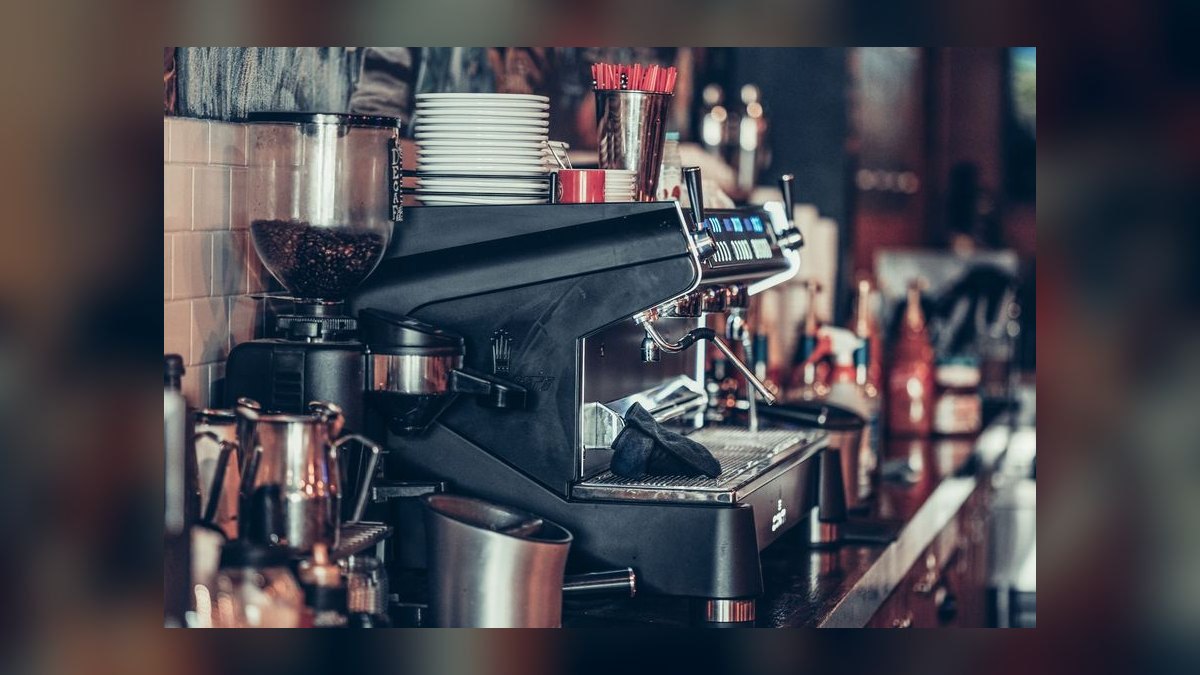
Space requirements run about 1,200 to 2,200 square feet for a cafe format, with drive-thru units frequently smaller in interior footprint but costlier per square foot because of the lane, canopy, ordering equipment, and site work. Territory protection typically runs a 1.5 to 2 mile radius, tightening toward a mile or less in dense metros. Confirm the exact radius language in your FDD and pay attention to what the protection actually excludes — non-traditional venues, grocery placement, and e-commerce bean sales are commonly carved out.
Site demographics matter more here than in most food franchising. The brand indexes best in upper-middle-income neighborhoods, roughly $75,000 to $120,000 median household income, where a $6 latte is an unremarkable purchase and where craft and provenance actually register as value. In a price-sensitive corridor the roasting story is invisible and you are simply a slower, more expensive coffee shop. Run your own drive-time analysis rather than accepting a franchisor map: daytime population, morning commute direction relative to your curb cut, and the presence of a genuine anchor generating repeat trips.
Hidden costs worth pre-funding: annual roaster servicing in the low four figures, periodic replacement of thermocouples, burners, and drum bearings, and a full roaster overhaul every five to seven years running well into five figures. Green bean storage needs a stable, dry, pest-controlled space — green coffee holds far longer than roasted, which is an inventory advantage, but only if you store it properly. Also budget $500 to $1,500 a month for genuinely local marketing on top of the required marketing fee. The fee funds brand-level work; the neighborhood relationships that make a community cafe work are bought with your own money and your own hours.
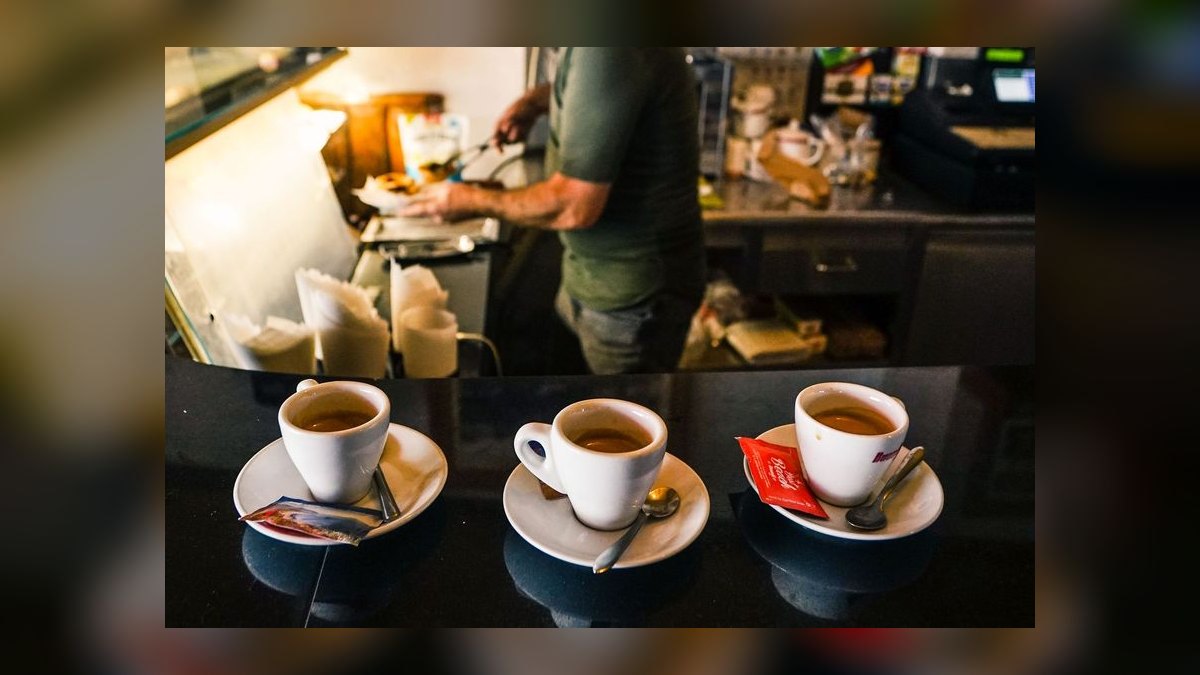
Expect roughly 5% to 10% waste on green beans during your first quarter as your roasting team dials in. That is normal and it is tuition. It should approach negligible by month four. If it hasn't, your roasting training didn't take and you should get the franchisor back in the store.
Risks, edge cases, and failure modes
The dominant failure mode is a good operator in the wrong trade area. Dunn Brothers in a speed-first corridor loses. Two Dutch Bros lanes and a Starbucks drive-thru within a mile will strip the commuter segment out from under a cafe-only unit before you have finished paying off the buildout, and no amount of superior product recovers a customer who never slows down enough to notice. If your site's honest customer is the commuter, you need a lane, full stop. If you cannot get a lane, you need a site whose honest customer is the dweller — near a hospital, a university, a downtown professional core, a walkable retail district.
The second failure mode is roasting abandonment. It happens gradually. Your roaster quits, you're short-staffed, you buy roasted beans to bridge two weeks, and then the bridge becomes the road. Once you stop roasting daily you are paying a 5% royalty for the right to operate a generic coffee shop, which is a strictly worse business than an independent cafe with the same fixtures. Protect the roasting function structurally: three trained roasters minimum, a written profile log for each lot, and a standing service contract on the machine so a burner failure is a two-day problem instead of a two-month one.
The third is undercapitalization dressed up as optimism. If your entire liquid position is consumed by the Item 7 total, you have not funded the business — you have funded the buildout. The distinction becomes brutally clear in month nine.
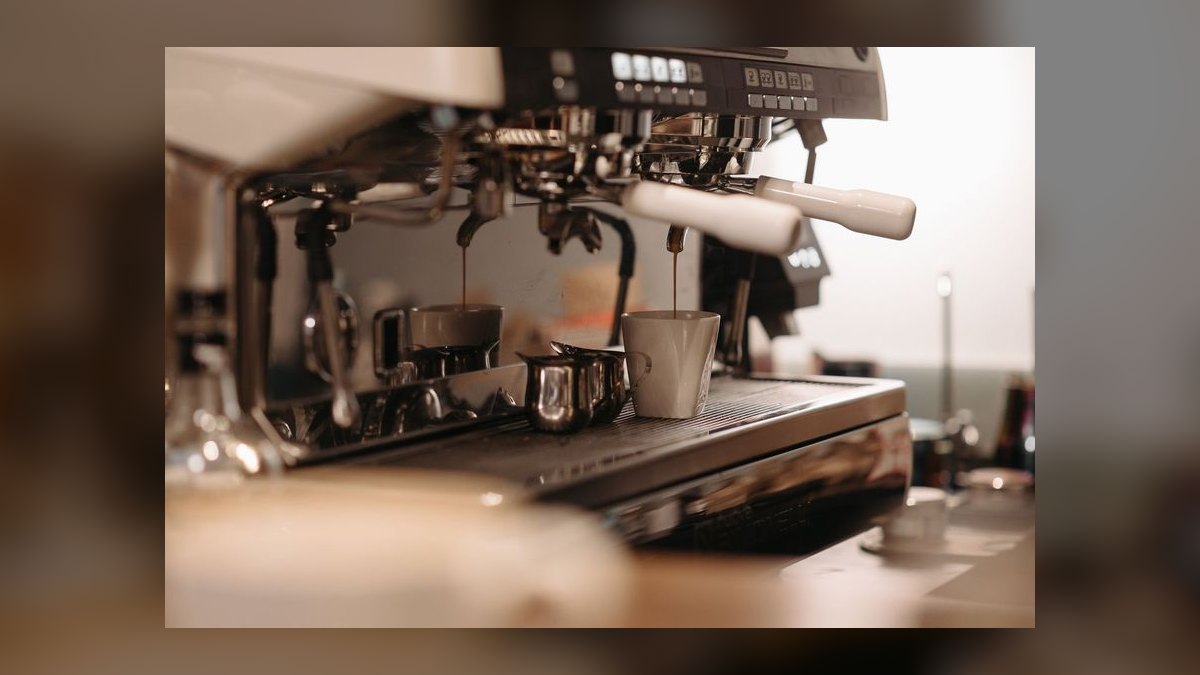
Edge cases worth thinking through. Buying an existing unit rather than opening new changes the risk profile substantially: you get real trailing financials, an existing customer base, and often a below-replacement-cost price, but you inherit deferred maintenance, a possibly damaged local reputation, and staff who learned bad habits from the outgoing owner. Insist on trailing twenty-four months of POS-level data, not seller-prepared summaries, and get the roaster professionally inspected — a neglected drum roaster is a five-figure surprise. Also verify the remaining franchise term and the transfer fee, and read the renewal terms carefully; a unit with eighteen months left on a ten-year agreement is a different asset than one with seven years.
Multi-unit expansion is another edge case. The brand does not generally grant broad exclusive development rights, so you negotiate site by site, and the franchisor may approve someone else in an adjacent pocket while you are still building your second. If a multi-unit plan is central to your thesis, get the development commitments in writing before you sign the first agreement, not after you have proven the concept in your market.
Labor market risk deserves its own line. This concept needs skilled baristas and at least a few people willing to learn roasting, which is a narrower hiring pool than a button-press quick-serve. In a tight local labor market that constraint is binding, and wage pressure lands directly on the 30% to 36% labor line with no menu-price lever big enough to offset it fully. Coffee customers are more price-sensitive than they admit; a fifty-cent increase across the board is noticed.
Finally, commodity exposure. Green coffee is a traded commodity with real price volatility, and buying green rather than roasted means you feel that volatility more directly, though you also capture the roasting margin that a wholesale buyer surrenders. Build a modest cushion into your COGS assumption rather than modeling a single-point bean cost.
A practical rollout plan

Work the first two weeks as a document exercise, not a site hunt. Read the full FDD — not the summary, the document — with particular attention to Items 5, 6, 7, 12, 17, and 19. Item 12 tells you what territory you actually get. Item 17 tells you the transfer, renewal, and termination terms that determine whether this is an asset or a job. Item 19, if a financial performance representation is provided, is the only revenue figure the franchisor is legally standing behind; treat everything said verbally at discovery day as marketing. Decide in this window whether you are pursuing cafe or drive-thru, because that single choice re-prices your entire capital plan.
Weeks three and four belong to franchisee interviews, and this is the step most buyers rush. Call at least eight current owners from the Item 20 list, including at least two who left the system. Ask specific questions: what did you actually invest all-in versus the FDD range, what month did you break even, what percentage of revenue is whole-bean retail, how many hours a week do you personally work, how long did roasting training take to stick, and would you do it again. Then ask the question that produces the most honest answer: what do you wish you had known before you signed?
Weeks five through seven are market validation. Sit in your target trade area at 7 a.m. and again at 2 p.m. and count cars and foot traffic yourself. Map every competitor within three miles and classify each as speed, scale, or craft. If the craft slot is genuinely open and the demographics support a premium ticket, you have a thesis. If a strong independent roaster already owns the craft position locally, understand that you are challenging an incumbent with real loyalty, and price your ramp assumptions accordingly.
Weeks eight through ten are site and lease. Negotiate hard on rent, on tenant improvement allowance, on a rent-abatement construction period, and on exclusivity language preventing the landlord from leasing to another coffee operator in the same center. Have a franchise-experienced attorney read both the lease and the franchise agreement together — the mismatch between a ten-year lease and a shorter franchise term is a classic trap.
Weeks eleven through sixteen are buildout, permitting, and equipment. Roasting introduces requirements a normal cafe does not have: ventilation, sometimes an afterburner depending on local air-quality rules, adequate gas or electrical service, and clearances that your general contractor may not have encountered. Raise this with the municipality early. A roaster ventilation surprise discovered during final inspection costs weeks.
The final stretch before opening is hiring and training. Over-hire deliberately — plan for attrition in the first sixty days. Get three people through roasting instruction, not one. Run at least two full soft-open days with friends, family, and neighborhood invitees so your team makes its mistakes in front of a forgiving crowd. Then open, and hold your prices; discounting a craft product in week one teaches your market the wrong number.
Related questions
Is buying an existing Dunn Brothers unit safer than opening a new one?
Usually yes on risk, sometimes no on price. You get trailing financials and an existing customer base instead of a blank ramp. But you inherit deferred maintenance, staff habits, and local reputation. Demand twenty-four months of POS data and inspect the roaster before agreeing to any number.
How does Dunn Brothers compare to a drive-thru coffee franchise?
Different businesses. Drive-thru brands optimize throughput, speed, and simple operations with pre-roasted beans. Dunn Brothers optimizes product craft and dwell time. Drive-thru concepts generally ramp faster and run leaner; Dunn Brothers offers differentiation and a retail bean channel that speed brands cannot easily replicate.
Could I just open an independent roaster-cafe instead?
You could, and many do. You save the franchise fee, the 5% royalty, and the marketing fee — real money. You give up the training system, the roasting curriculum, supplier relationships, and a known name. If you already have roasting expertise, independent often wins financially.
What is the wholesale bean opportunity worth?
It varies widely and no reliable published benchmark exists, so treat it as upside rather than a plan assumption. The logic is sound: you own roasting capacity that sits idle off-peak, and local offices, restaurants, and hotels buy beans continuously. Confirm your franchise agreement permits wholesale accounts first.
How many units do I need before I can step back from daily operations?
Practically, three or more. One unit cannot support both a general manager's salary and a meaningful owner draw. At three to four units a district manager, shared roasting talent, and consolidated purchasing start producing genuine owner income without you working the floor.
FAQ
How much money do I need to open a Dunn Brothers Coffee franchise?
Plan for roughly $350,000 to $750,000 all-in per the current FDD, including a franchise fee near $35,000. Then add $50,000 to $80,000 in reserves beyond that total, because the listed working capital assumes a faster ramp than most units actually achieve. Liquidity requirements typically fall in the $120,000 to $250,000 range depending on your financing structure.
What revenue and profit should I realistically expect?
Mature units gross roughly $500,000 to $1,100,000, with the upper band concentrated in drive-thru and hybrid formats on high-traffic corridors. Owner earnings generally land between $60,000 and $200,000 depending on volume, format, how many hours you personally work, and whether you carry a general manager's salary.
What actually makes Dunn Brothers different from other coffee franchises?
On-site bean roasting in every store. Competitors ship pre-roasted beans from central facilities; each Dunn Brothers location roasts green coffee in a small-batch drum roaster on the premises. That supports a genuine freshness claim, a premium price point, and a whole-bean retail line that most coffee franchises cannot offer with the same credibility.
What are the ongoing fees?
A royalty near 5% of gross sales plus a marketing fee around 2%. Both are standard for the segment. Budget an additional $500 to $1,500 monthly for local marketing — community sponsorships, neighborhood social media, sampling — because the brand fund covers system-level work, not the local relationship building this concept depends on.
Is a drive-thru format available, and should I choose it?
Yes, drive-thru and hybrid formats are part of the system and represent a growing share of new openings. Choose it if your trade area's real customer is a commuter. Drive-thru costs more to build but converts a volume segment that a cafe-only unit simply cannot reach.
What is the single biggest risk?
Abandoning the roasting. It happens quietly when a trained roaster quits and short-term convenience takes over. Once you stop roasting daily you are paying royalties on a generic coffee shop. Cross-train at least three roasters and keep a service contract on the machine.
Sources
- https://www.dunnbrothers.com/
- https://www.ftc.gov/business-guidance/resources/franchise-rule-compliance-guide
- https://www.entrepreneur.com/franchises
- https://www.franchisebusinessreview.com/
- https://www.ibisworld.com/united-states/market-research-reports/coffee-shops-industry/
- https://www.ncausa.org/
- https://www.franchise.org/
- https://www.sba.gov/business-guide/plan-your-business/calculate-your-startup-costs
- https://www.nrn.com/
- https://www.restaurantbusinessonline.com/
Related on PULSE
- Best coffee and beverage franchises to buy in 2027
- Should I open or buy an It's A Grind Coffee franchise in 2027?
- Should I open or buy a The Coffee Bean & Tea Leaf franchise in 2027?
- Should I open or buy a Hunt Brothers Pizza franchise in 2027?
- Should I open or buy a Christian Brothers Automotive franchise in 2027?
- Should I open or buy a The Brothers that just do Gutters franchise in 2027?
This page will be disappearing soon. Save it to your device for $1 — or read it free while it is here.
@Kory-White- · if Venmo asks, the last 4 of my number are 2012
This page is gone.
This one is off the shelf now. $1 keeps it on your phone for good — the whole page, pictures and diagrams included.
 frShould I open or buy a McDonald's franchise in 2027?
 franchiseShould I open or buy a Valvoline Instant Oil Change franchise in 2027?
 franchiseShould I open or buy a Firehouse Subs franchise in 2027?
 franchiseShould I open or buy a Little Caesars franchise in 2027?
 franchiseShould I open or buy a Culver's franchise in 2027?
 franchiseShould I open or buy a Great Clips franchise in 2027?
 franchiseShould I open or buy a Meineke franchise in 2027?
 franchiseShould I open or buy a Wingstop franchise in 2027?
 franchiseShould I open or buy a Kumon franchise in 2027?
 franchiseShould I open or buy a KinderCare franchise in 2027?