


Should I open or buy a Coffee Beanery franchise in 2027?
Quality
Certified
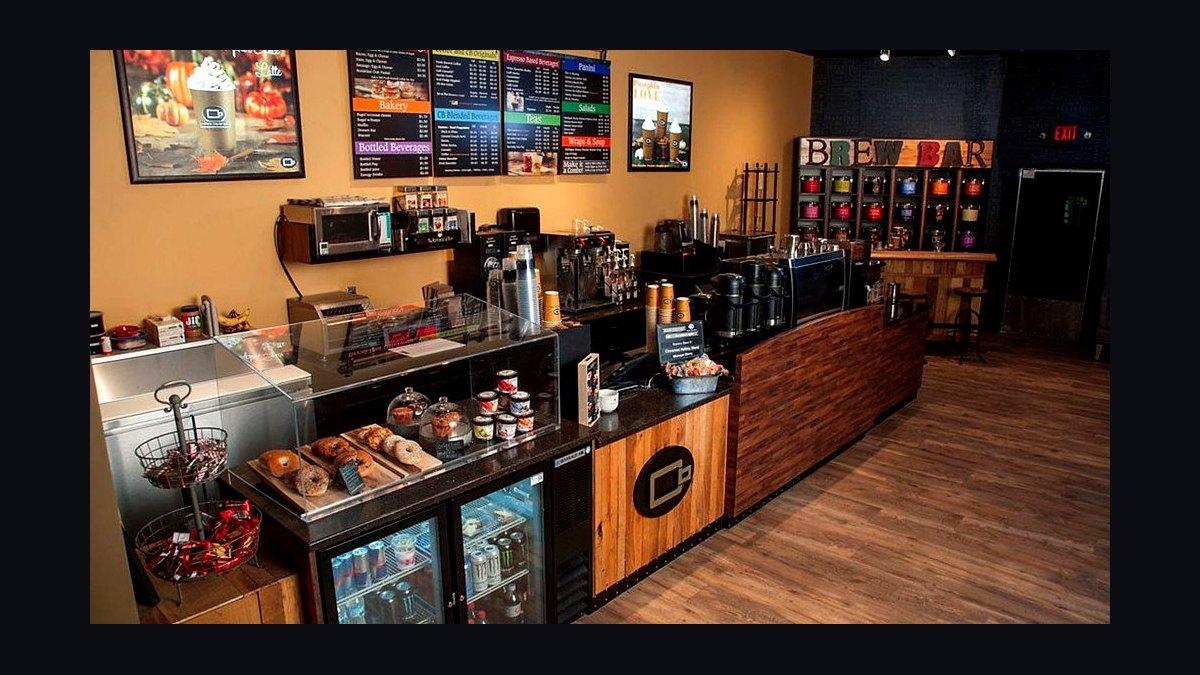
Only if you have a specific, high-traffic site secured and you accept owner-operator hours. Coffee Beanery offers a lower-capital entry — roughly $200,000 to $500,000 across kiosk, cafe, and drive-thru formats with a ~$25,000 fee and ~6% royalty — but it brings modest national brand pull, so location quality and daily execution decide the outcome.
What Coffee Beanery actually is, and why the format menu matters more than the logo
Coffee Beanery is a specialty-coffee franchise founded in Michigan in 1976, which makes it one of the older gourmet-coffee brands still franchising in the United States. It predates the Starbucks national buildout, and that heritage cuts both ways. On one hand, the system has survived multiple coffee cycles — the mall-kiosk boom, the third-wave espresso wave, and the recent drive-thru arms race — which means the operating playbook has been stress-tested. On the other hand, the unit count has drifted down from its early-2000s peak, and a shrinking system means less advertising leverage, fewer supply-chain concessions, and a thinner bench of experienced multi-unit operators to learn from.
The product set centers on flavored gourmet coffee, espresso drinks, loose-leaf teas, blended beverages, and a light food program — pastries, breakfast sandwiches, and packaged retail coffee. The flavored-coffee lineup is the genuine differentiator. It is a broader syrup and flavored-bean assortment than most national competitors carry, and in the right market it creates a loyal, habitual customer who cannot get the same drink two blocks away. That matters because a small-brand cafe cannot win on convenience alone; it has to give somebody a reason to drive past a Starbucks.
What you are really buying, though, is format optionality. Coffee Beanery franchises cafes, kiosks, and drive-thrus, and each is a materially different business with different capital, different labor models, and different failure modes. A kiosk in a hospital lobby is a captive-audience concession business. A 1,200-square-foot cafe is a neighborhood third place that lives or dies on morning rush plus afternoon dwell. A drive-thru is a throughput business measured in cars per hour and seconds per ticket. Most first-time franchise buyers evaluate a brand as one thing. With Coffee Beanery, that is the wrong frame — you should be evaluating three separate business models that happen to share a logo, a supply chain, and a royalty rate.
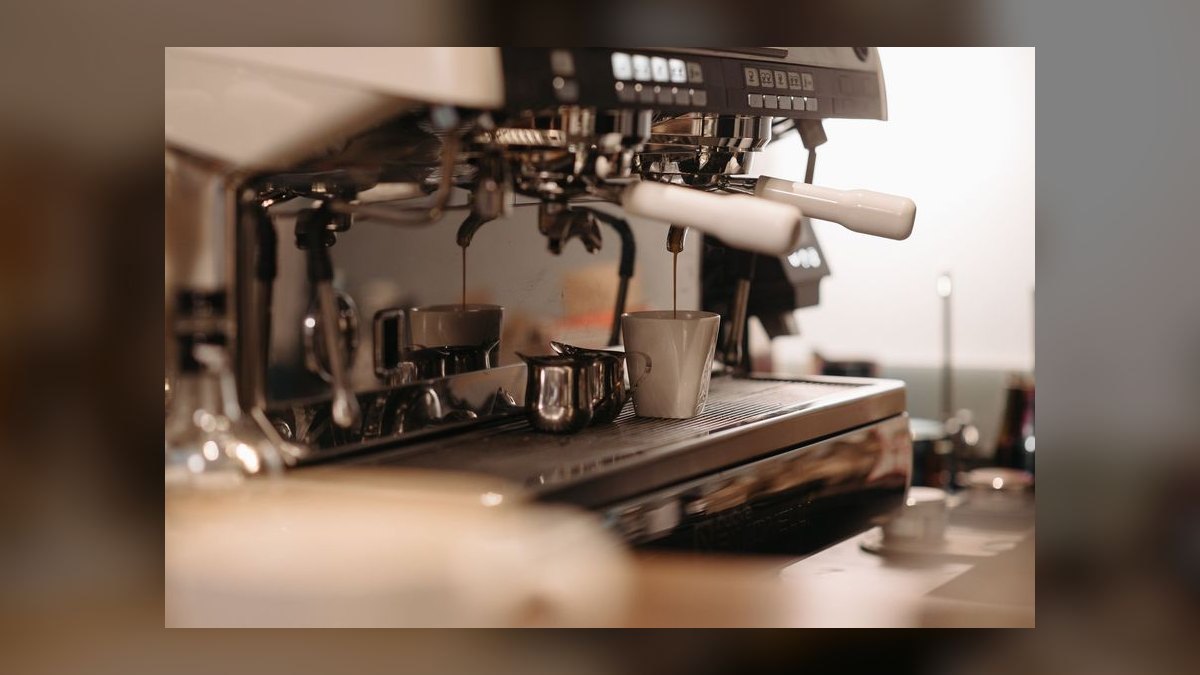
That optionality has a real strategic use. It lets you enter cheap, prove the market, and step up. Buying a kiosk at the bottom of the investment range to test whether your city responds to the flavored-coffee positioning, then converting the learning into a drive-thru three years later, is a legitimate sequencing play. It is also how a lot of small-brand operators build durable multi-unit portfolios without ever writing a $500,000 check on day one. The upstream effect is on financing: a $200,000 kiosk is an SBA 7(a) loan most lenders will underwrite against a decent personal balance sheet, while a ground-up drive-thru with land can push you into a construction-plus-permanent structure that takes months longer to close.
The reason this matters more than the brand name is simple arithmetic. National brands sell you demand. Regional brands sell you a system and leave demand to you. When you buy Dunkin' or Starbucks-adjacent scale, a meaningful share of your traffic arrives because of the sign. With Coffee Beanery, expect a much smaller share of "sign traffic" outside its Midwest and Mid-Atlantic strongholds, and budget accordingly — most independent operators of small-brand cafes spend somewhere in the $15,000 to $40,000 range annually on genuinely local marketing on top of the mandatory marketing fund contribution. That is not a criticism of the brand; it is the structural trade you accept in exchange for a lower entry price and less territorial competition from your own system.
The step-by-step process from first inquiry to open doors
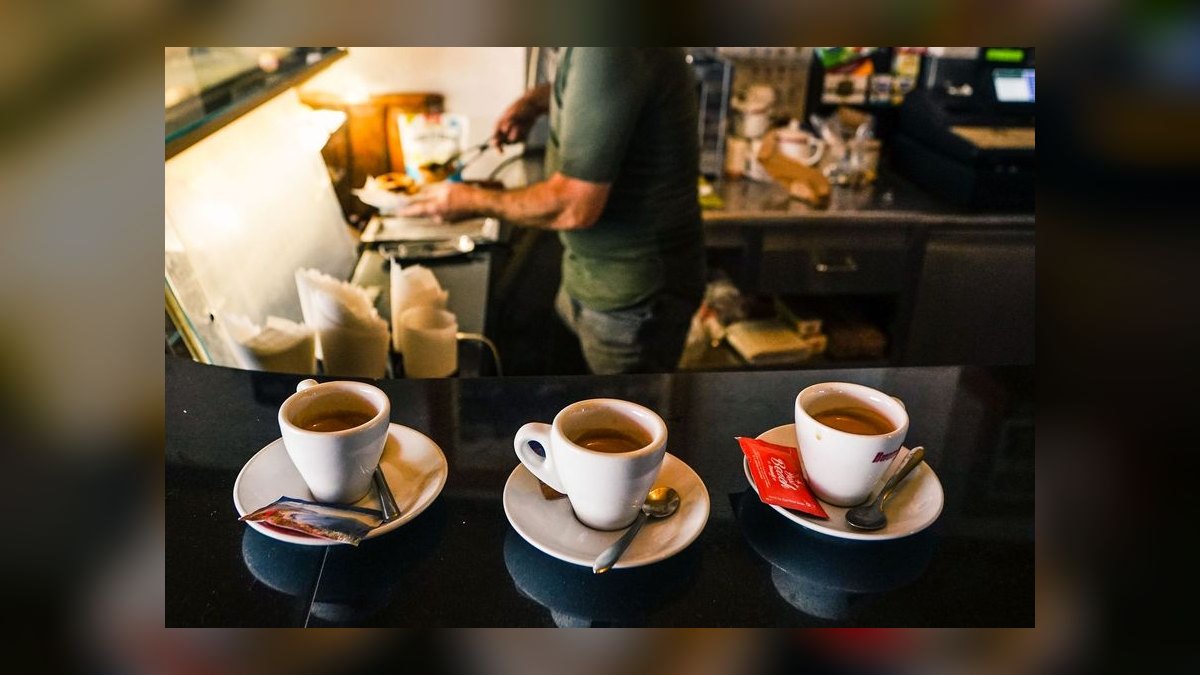
The sequence below is the one experienced franchise buyers run regardless of brand, tightened for a smaller system where your own diligence has to substitute for the reassurance a big brand's numbers would provide.
Request and read the Franchise Disclosure Document. The FDD is the single most important document in this decision and franchisors must deliver it at least 14 calendar days before you sign anything or pay any money. Read Item 5 (initial fees), Item 6 (ongoing royalty and marketing fees), Item 7 (estimated initial investment, which is where the $200,000 to $500,000 range comes from), Item 19 (financial performance representations, if the brand makes any), Item 20 (unit counts, openings, closures, and transfers over the last three years), and Item 21 (audited financials of the franchisor itself). For a smaller system, Item 20 is where the truth lives. Count closures and transfers against total units. A system where transfers spike is a system where owners are getting out.
Interview eight to twelve current franchisees — from the Item 20 list, not the list the salesperson gives you. Ask about actual annual gross sales, actual owner take-home after paying yourself a manager wage, months to break even, how long the buildout ran past schedule, and what the franchisor did the last time something went wrong. Ask specifically about the format you intend to open. Kiosk economics tell you nothing about drive-thru economics. Also call at least two former franchisees; the FDD lists departures, and departed operators are the least filtered source you will find.
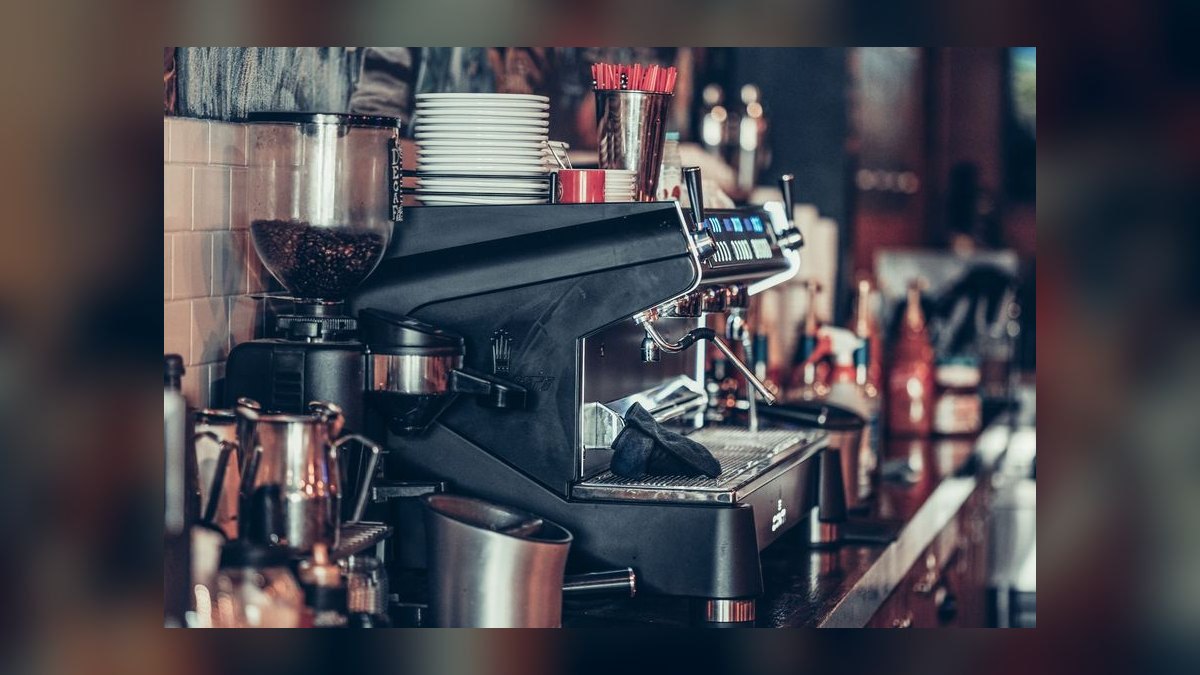
Validate the site before you fall in love with the brand. For a cafe, you want morning-commute directional traffic on the correct side of the road, visible signage, and a residential or employment density that supports a repeat habit. For a drive-thru, you need stacking depth — the number of cars that can queue without blocking the road — plus an easy in-and-out and, ideally, a right-turn entry from the dominant morning direction. For a kiosk, you are negotiating with a landlord who is really a host institution: a hospital, a university, an airport, a corporate campus. That negotiation is closer to a concession agreement than a lease, and the terms often include revenue share and hours-of-operation mandates that don't appear in a normal retail lease.
Secure financing in parallel, not sequentially. SBA lending is the standard path for franchise coffee, and being on the SBA Franchise Directory streamlines the review. Get pre-qualified while you are still in FDD review so the site negotiation isn't held hostage to loan timing.
Sign, then build. Buildout for a kiosk is measured in weeks; a cafe conversion in a second-generation restaurant space is typically two to four months; a ground-up drive-thru with permitting, site work, and utilities can run six months or considerably more depending on the municipality. Permitting delays are the single most common schedule killer, and every month of delay is a month of rent and loan payments against zero revenue.
Train, hire, open soft, then open loud. Run a friends-and-family soft open to shake out drink consistency and ticket times, then spend real money on the grand opening. In a small-brand launch, the grand opening is not a formality — it is the moment you buy the trial that a national logo would have given you for free.
Costs, timelines, and the numbers you should actually model
The 2026 disclosure puts the initial franchise fee near $25,000, total Item 7 investment roughly between $200,000 and $500,000 depending on format, a royalty near 6% of gross sales, and a separate marketing fee in the low single digits. Those are the disclosed headline figures. Here is how they distribute across a real project.
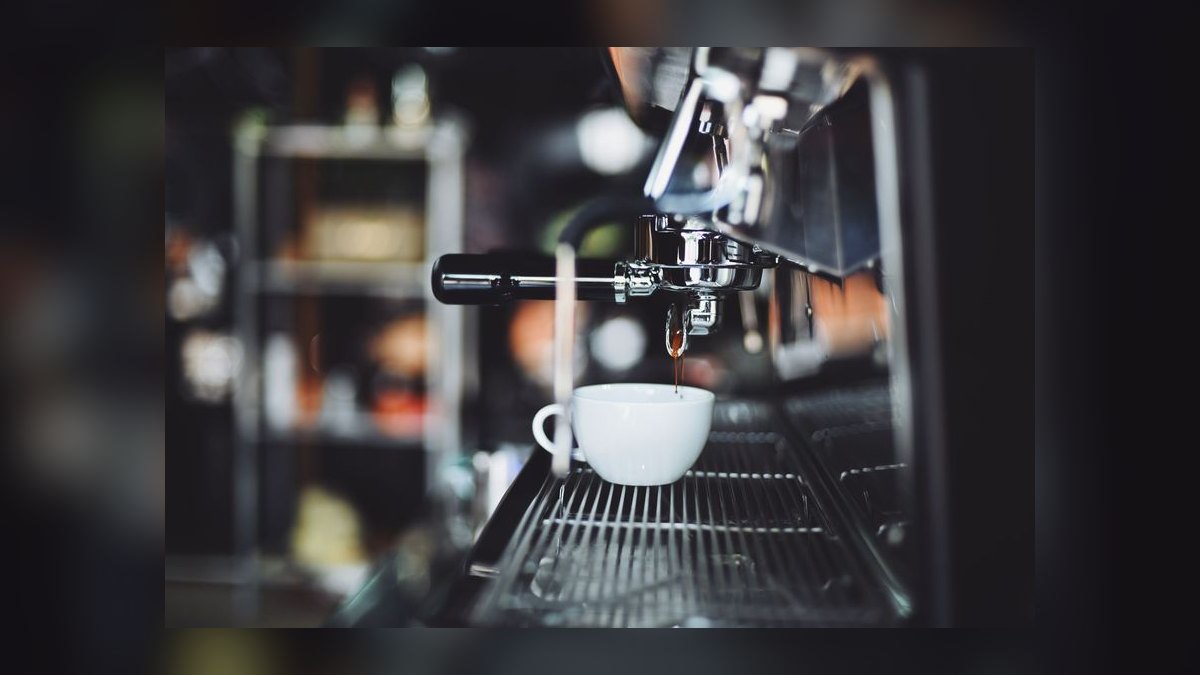
At the kiosk end, expect something like $90,000 in buildout and leasehold work, $70,000 in equipment and point-of-sale, $12,000 in signage and decor, $8,000 in opening inventory, $10,000 in grand-opening marketing, $6,000 in training and travel, and $30,000 in working capital — landing near the $200,000 floor. At the drive-thru or full-cafe end, the same line items scale to roughly $280,000 in buildout, $190,000 in equipment, $50,000 in signage, $22,000 in inventory, $35,000 in opening marketing, $18,000 in training, and $90,000 in working capital, which is how you reach the $500,000 ceiling. Note how much of the increase is buildout and equipment rather than fees — the franchise cost is nearly constant; the real-estate decision is what moves the number.
On revenue, mature units in this segment gross roughly $350,000 to $800,000 annually, with the spread driven almost entirely by format and site. Model a $600,000 cafe like this: beverage and food cost of goods around 27% ($162,000), labor around 33% ($198,000), occupancy around 11% ($66,000), the 6% royalty ($36,000), the marketing fee around 2% ($12,000), and other operating expenses — utilities, insurance, supplies, repairs, credit card fees — around 11% ($66,000). That leaves roughly $60,000 in owner earnings before debt service, and it is why coffee is a business where a two- or three-point swing in labor percentage is the difference between a good year and a bad one. Push the same unit to $750,000 with better throughput and the fixed-cost absorption alone adds most of the incremental revenue straight to the bottom line. Restaurant-level margins in this segment realistically land between 10% and 18%, producing $50,000 to $170,000 of owner earnings across the range — but read that as *including* the value of your own full-time labor, not on top of it.
By format: a 400-to-800-square-foot kiosk at $200,000 to $300,000 invested typically produces $350,000 to $500,000 in revenue and $50,000 to $90,000 in owner earnings, with you working fifty-plus hours a week yourself. A 1,000-to-1,500-square-foot cafe at $350,000 to $500,000 invested can support $500,000 to $800,000 in revenue and $80,000 to $170,000 in owner earnings, but needs three to five employees and carries rent that commonly runs $3,000 to $6,000 a month. A drive-thru at the top of the investment range can reach $600,000 to $900,000 in a strong traffic position, but construction complexity and a six-to-twelve-month ramp mean break-even frequently lands eighteen to twenty-four months after opening.
Timeline-wise, budget four to eight weeks from FDD receipt to signature if you are disciplined, two to six months for site selection and lease negotiation, and then the buildout window described above. From first serious inquiry to open doors, six to nine months is a realistic kiosk or second-generation cafe path; twelve to eighteen months is realistic for ground-up drive-thru. Then add the ramp. Very few coffee units hit their run-rate in month one — you are building a morning habit, and habits form over quarters, not weeks.
Finally, model the exit before you model the entry. Small-brand franchise resales are thin. A reasonable expectation is a valuation in the range of 1.5x to 2.5x annual net profit for a stabilized unit, against the 2.5x to 4x that larger, more liquid brands command. Lease term matters enormously here: a buyer will not pay for cash flow that expires in eighteen months, so negotiate options at the start. If your plan requires a premium exit inside five years, this is the wrong vehicle.
Where operators get this wrong
Treating the brand as demand. The most common and most expensive error is assuming that a franchise agreement buys customer flow. In the Midwest and Mid-Atlantic, Coffee Beanery has genuine name recognition. Elsewhere, you are effectively opening an independent coffee shop that pays a 6% royalty in exchange for a proven system, supply relationships, and training. That trade can absolutely be worth it — systems and sourcing are hard to build alone — but only if you priced the marketing you will have to do yourself.
Underwriting a drive-thru on cafe assumptions. Drive-thru coffee is a speed business. If your ticket time drifts past a couple of minutes during the 7:00 to 9:00 window, cars balk and you lose the customer permanently, not just today. That means staffing the peak heavier than the labor model suggests, investing in a second brew station, and drilling your team on sequencing. Operators who staff drive-thrus to a cafe labor percentage strangle their own peak-hour revenue and then conclude the site was bad.
Taking the mall or declining-traffic kiosk because it is cheap. Low rent in a dying channel is not a bargain. Enclosed-mall coffee has been in structural decline for two decades. The kiosk formats worth pursuing are the ones with captive, recurring, non-discretionary traffic — hospitals with shift changes, universities with class schedules, transit hubs, large employers. Ask the host for actual foot-traffic counts and shift-change times, not a marketing brochure.
Ignoring the digital gap. By 2027, mobile order-ahead and a functioning loyalty program are close to table stakes in coffee, not a differentiator. A smaller franchisor may not offer a first-party app at parity with the giants. If that is the case, plan for a third-party ordering and loyalty stack, budget the monthly cost, and confirm in writing what the franchise agreement permits you to bolt on. Being unable to accept a mobile order in a commuter corridor is a durable, compounding disadvantage.
Skipping validation calls or doing them badly. "Are you happy?" gets you nothing. Ask numbers: what did you gross last year, what did you take home after paying a manager's wage, how many months to break even, what surprised you. Then ask the question most buyers never ask — "would you sign again today, at today's costs?"

Not funding the ramp. Working capital is the line item people cut when the buildout runs over, and it is the one that kills units. If your buildout goes 20% over and you fund it out of working capital, you enter a six-to-twelve-month ramp with three months of cushion. Hold the working capital line and find the overrun money somewhere else.
Buying a franchise to buy a job you don't want. This is an owner-operator brand. Fifty to sixty hours a week for the first two or three years is the realistic commitment. If your actual goal is semi-passive income, coffee at this investment level is the wrong asset class — the labor intensity of a beverage business with a 6:00 a.m. open is not something an absentee model absorbs well.
Decision framework: when to open, when to buy an existing unit, and when to walk
Three doors exist here, and most buyers only consider one. Opening new gives you site choice and a clean slate but costs you twelve-plus months and a full ramp. Buying an existing Coffee Beanery unit — a resale — gives you day-one cash flow and a proven site at a valuation that is usually favorable in thin-resale brands, but you inherit whatever the previous owner did to the staff, the equipment, and the local reputation. Buying an independent coffee shop and running it unbranded gives you full control and no royalty, at the cost of the system, the supply chain, and the training.
Open new when you have identified a genuinely underserved traffic position — a growing suburb, a new medical campus, a commuter corridor with no quality option — and the site is available. Buy an existing unit when you can verify two to three years of tax returns showing stable sales, the lease has meaningful term remaining, and the price lands near or below 2.5x net profit. Go independent when the only value the franchise adds in your specific market is a logo nobody recognizes, and you would rather spend the 6% royalty on your own equipment and marketing.
Say yes to Coffee Beanery specifically when four things line up: you hold $200,000 to $500,000 with adequate liquidity and can survive twelve to eighteen months before positive cash flow; you accept a smaller system where the franchisor provides less hand-holding and you drive local marketing yourself; you have access to a location where the flexible footprint is an actual advantage — the hospital lobby, the campus, the commuter kiosk the big chains skip; and you value the ability to start small and step up formats under one brand relationship.
Walk away when you want a turnkey brand with national marketing pull, when you are in a saturated specialty-coffee market like Seattle or Portland where the name means nothing and the competition is excellent, when your plan requires a premium exit inside five years, or when you are not prepared to be in the store before dawn.
One adjacent consideration worth weighing: the same capital, applied to a drive-thru-first competitor, buys into a faster-growing segment with a stronger digital stack — but usually at a higher fee, more territorial restriction, and more competition for the few sites those brands will approve. Coffee Beanery's advantage is not that it is better; it is that it is *available* at sites and price points the growth brands won't touch. If that describes your specific opportunity, the trade is rational. If you are choosing purely on brand strength, you are comparing on the one axis where this brand loses.
Related questions
How long until a Coffee Beanery unit breaks even?
Plan on twelve to eighteen months for a kiosk or second-generation cafe and eighteen to twenty-four months for a ground-up drive-thru. Coffee revenue builds through habit formation, so the ramp is gradual rather than stepped. Fund working capital for the full ramp, not the first quarter.
Can I run a Coffee Beanery as an absentee owner?

Realistically, no. This is an owner-operator model with a pre-dawn open, tight labor margins, and a peak window that punishes understaffing. A hired manager consumes $45,000 to $60,000 of a unit's earnings — often most of the owner profit at the lower end of the revenue range.
Is a kiosk or a drive-thru the better first unit?
A kiosk if you want lower capital, a captive host location, and a fast path to cash flow. A drive-thru if you have secured a commuter corridor with real stacking depth and can fund a longer ramp. The site availability usually decides this, not preference.
How does the 6% royalty compare to other coffee franchises?
Roughly 6% plus a marketing fee is squarely mid-market for the specialty-coffee segment — neither a bargain nor an outlier. The more meaningful comparison is what the fee buys: national advertising weight and a first-party digital ordering stack, where a smaller system typically delivers less.
What should I ask existing franchisees that most buyers don't?
"Would you sign again today at today's build costs?" and "what did you take home after paying yourself a manager's wage?" The first surfaces regret; the second strips out the accounting trick that makes owner-operator businesses look more profitable than they are.
FAQ
What is the total investment for a Coffee Beanery franchise?
Item 7 of the disclosure document puts total initial investment in the range of roughly $200,000 to $500,000, including the approximately $25,000 initial franchise fee. Kiosks sit at the low end; full cafes and drive-thrus reach the top. Confirm the current figures in the FDD you receive, because ranges are updated annually and buildout costs have been volatile.
What are the ongoing fees?

Expect a royalty near 6% of gross sales plus a separate marketing fund contribution in the low single digits. Both are calculated on gross revenue, not profit, which means they are owed in slow months too. Model them as fixed costs when you build your break-even, not as a share of upside.
How much does a Coffee Beanery owner actually make?
Mature units in this segment gross roughly $350,000 to $800,000, with owner earnings realistically landing between $50,000 and $170,000 before debt service. That figure includes the value of your own full-time labor. Subtract a market manager's wage from it if you want an honest read on the return on your invested capital.
Is Coffee Beanery growing or shrinking?
The system is smaller than at its early-2000s peak, which is common for heritage coffee brands that expanded through mall channels. Check Item 20 of the current FDD for the last three years of openings, closures, and transfers — that table, not the brand's marketing, is the authoritative answer at the moment you are buying.
How does it compare to a drive-thru-focused competitor?
Drive-thru specialists generally offer stronger growth momentum, better digital ordering, and more brand pull, but demand higher investment, impose stricter site requirements, and compete hard for the few approved locations. Coffee Beanery's edge is accessibility — lower capital, flexible footprints, and openness to nontraditional sites the growth brands decline.
What happens if I want to sell?
Resales in smaller systems are infrequent and take longer to transact. Expect a valuation around 1.5x to 2.5x annual net profit for a stabilized unit, versus 2.5x to 4x for larger brands. Remaining lease term drives the multiple more than most sellers expect, so negotiate renewal options at signing.
Sources
- https://www.ftc.gov/business-guidance/resources/franchise-rule-compliance-guide
- https://www.sba.gov/funding-programs/loans/7a-loans
- https://www.entrepreneur.com/franchises/coffeebeanery/282536
- https://www.franchise.org/
- https://www.ncausa.org/Research-Trends/Market-Research
- https://www.ibisworld.com/united-states/industry/coffee-shops/1973/
- https://www.restaurantbusinessonline.com/
- https://www.nrn.com/
- https://www.franchisebusinessreview.com/
Related on PULSE
- Best coffee and beverage franchises to buy in 2027
- Should I open or buy an It's A Grind Coffee franchise in 2027?
- Should I open or buy a The Coffee Bean & Tea Leaf franchise in 2027?
- Should I open or buy a Summer Moon Coffee franchise in 2027?
- Should I open or buy a Just Love Coffee Cafe franchise in 2027?
- Should I open or buy a Dunn Brothers Coffee franchise in 2027?
This page will be disappearing soon. Save it to your device for $1 — or read it free while it is here.
@Kory-White- · if Venmo asks, the last 4 of my number are 2012
This page is gone.
This one is off the shelf now. $1 keeps it on your phone for good — the whole page, pictures and diagrams included.
 franchiseShould I open or buy a Cold Stone Creamery franchise in 2027?
 franchiseShould I open or buy a Cook Out franchise in 2027?
 franchiseShould I open or buy a Subway franchise in 2027?
 franchiseShould I open or buy an Anytime Fitness franchise in 2027?
 franchiseShould I open or buy a Stanley Steemer franchise in 2027?
 franchiseShould I open or buy a Jamba franchise in 2027?
 franchiseShould I open or buy a Papa John's franchise in 2027?
 franchiseShould I open or buy a Meineke franchise in 2027?
 franchiseShould I open or buy a Massage Envy franchise in 2027?
 franchiseShould I open or buy a Culver's franchise in 2027?