


Should I open or buy a The Lash Lounge franchise in 2027?
Quality
Certified
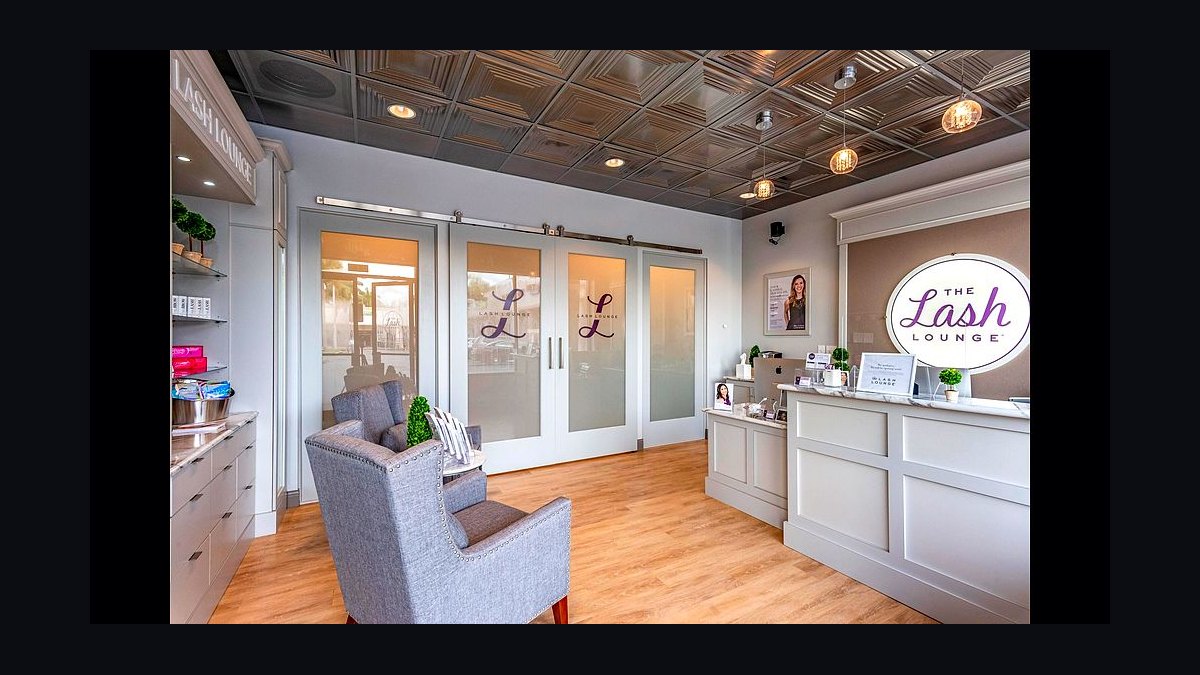
Buy or open a Lash Lounge franchise only if you can staff it. The economics work — memberships smooth cash flow, mature salons gross $500K–$1.2M, owners clear roughly $80K–$220K on a $200K–$500K investment. But lash technician recruiting, not demand, decides your outcome. In an affluent market with a hiring pipeline, yes; without one, skip it.
The outcome you should expect
Set your expectations against a chair-count model, not a revenue dream. A Lash Lounge occupies 1,200–2,000 square feet and fits somewhere between six and twelve lash stations. Every dollar the salon earns has to pass through a licensed technician's hands for roughly 60 to 120 minutes. That is the entire business in one sentence: revenue is capped by staffed, booked chair-hours, and nothing in the marketing plan changes that ceiling.
Run the arithmetic before you sign anything. Say you open with six technicians working an average of 30 billable hours a week at 70 percent utilization. That is roughly 126 productive hours weekly. At a blended service ticket somewhere in the $75–$110 range per hour of chair time — full sets price higher, fills lower, brow and lift services fall in between — you land near $10K–$13K a week, or $520K–$680K annually. Getting to the $1M+ end of the published range means either running ten-plus technicians at high utilization or commanding premium metro pricing. Neither happens in year one.
The realistic first-year arc looks like this: months one through three run at 30–45 percent of mature revenue while the membership base builds; months four through nine climb toward 60–75 percent; month twelve to eighteen is where a well-run salon in a good market approaches steady state. Most franchisees describe break-even somewhere in the 12-to-24-month window, and that spread is not noise — it maps almost perfectly to how fast the owner filled the technician roster. Salons that opened with four techs and planned to "hire into demand" consistently sit at the slow end.
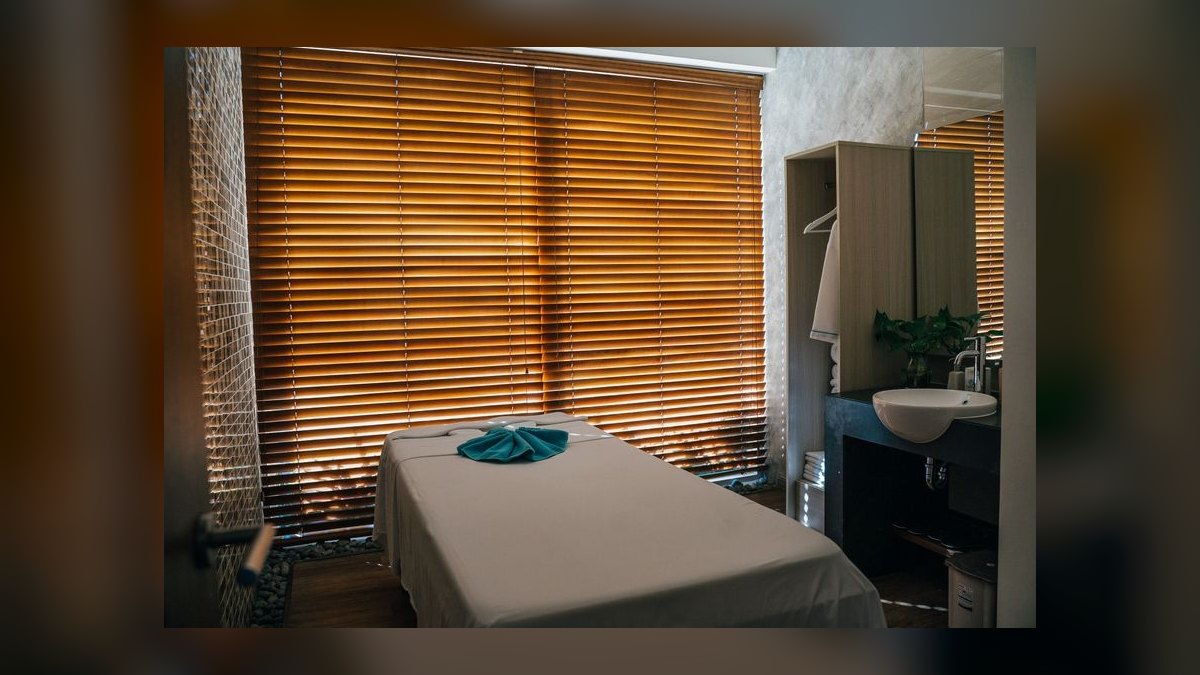
The second thing to expect is that your revenue mix will be less exotic than the brochure suggests. Fills — the recurring two-to-three-week appointment that memberships are built around — will dominate. Lifts, tints, and brow services are real but secondary. Retail (cleansers, sealants, brushes, aftercare) typically contributes a single-digit percentage of revenue, and treating it as a profit center is a common first-year misread. The membership is the product. Everything else is attachment.
What drives that outcome
Four variables move the needle, and they are not equally weighted. In rough order of impact: technician supply, membership retention, market affluence, and location quality. Notice that two of the four are labor-market facts you inherit rather than decisions you make.
Technician supply. Each salon needs six to twelve licensed technicians, and industry turnover for lash artists runs high — commonly cited in the 30–40 percent annual range. That means a six-tech salon is replacing two to three people a year, forever. The Lash Lounge runs a proprietary certification program that technicians must complete, and the franchisee typically absorbs that cost, in the low thousands per technician. So every departure costs you the certification spend, the ramp time, and — worse — the clients that technician's regulars follow out the door. Lash clients bond to the artist, not the brand. That is the uncomfortable structural truth of this category.
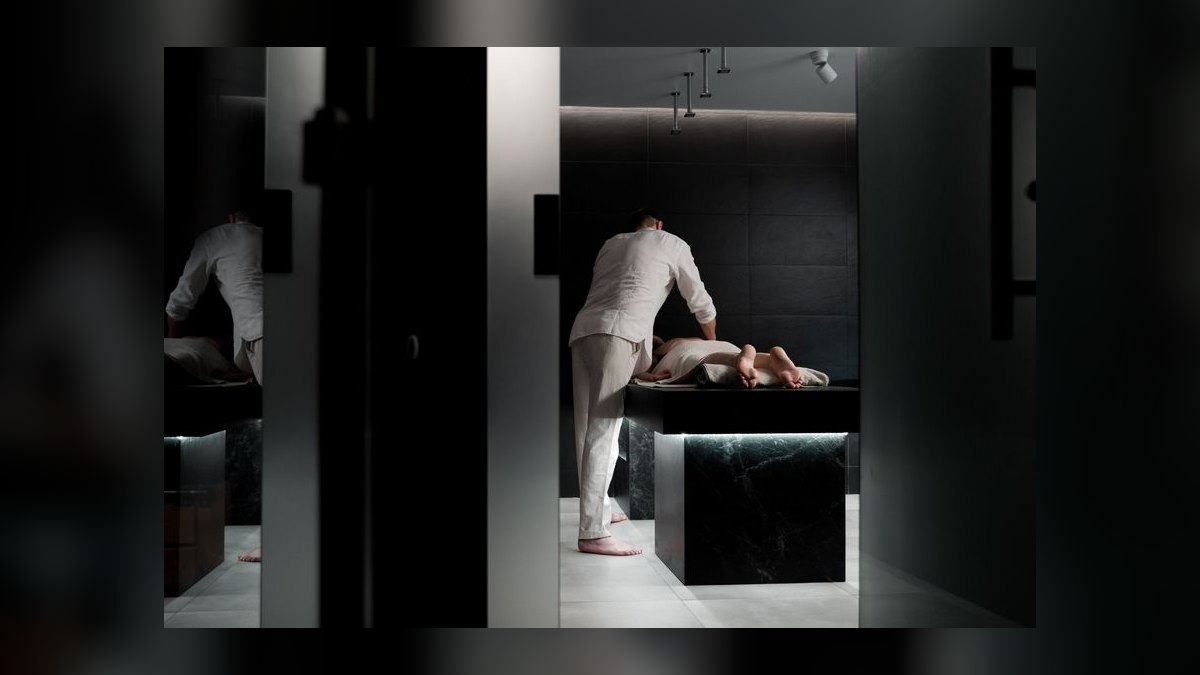
Membership retention. A membership base at 70 percent-plus annual retention behaves like an annuity. At 50 percent it behaves like a leaky bucket you refill with paid acquisition. The difference between those two numbers, on a $600K salon, is the difference between an owner draw and a break-even year. Retention is driven mostly by technician consistency (the same artist every visit) and appointment availability — which loops straight back to staffing.
Market affluence. Premium positioning requires customers who will pay premium prices. That means household income concentration, a female-skewing daytime population, and retail co-tenancy that pulls the same demographic — think a center anchored by a boutique fitness studio, a grocery with a strong prepared-foods program, or a med-spa cluster. A Lash Lounge in a value-oriented trade area is fighting its own price architecture.
Location. Visibility, parking, and adjacency matter more than square footage. The service is high-frequency and appointment-based, so convenience compounds: a client coming every two to three weeks will quietly defect to whatever is easier to reach.
Benchmarks and realistic ranges
Here is the investment stack, roughly as the FDD frames it. Treat the low column as a second-generation space in a modest market and the high column as a ground-up build in a coastal metro.
| Line item | Low | High |
|---|---|---|
| Initial franchise fee | ~$50,000 | ~$50,000 |
| Buildout / leasehold improvements | ~$120,000 | ~$300,000 |
| Equipment, fixtures, lash stations | ~$30,000 | ~$75,000 |
| Signage and decor | ~$15,000 | ~$45,000 |
| Opening inventory | ~$8,000 | ~$22,000 |
| Grand-opening and pre-sale marketing | ~$25,000 | ~$60,000 |
| Training and travel | ~$8,000 | ~$22,000 |
| Working capital (3–6 months) | ~$40,000 | ~$95,000 |
| Total | ~$200,000 | ~$500,000 |
Ongoing, expect a royalty near 6 percent of gross and a brand marketing fee on top, typically in the 1–2 percent range. Verify both against the current FDD Item 6 — these move between filings, and the marketing fund contribution is sometimes structured with a local-spend requirement layered on.
On the operating side, the ratios that matter:
- Technician labor: 40–50 percent of gross. This is the dominant line and the one most owners underestimate. Technicians commonly earn hourly in the high-teens-to-thirty range or work on commission structures around 35–50 percent of service revenue; tips run on top and do not hit your P&L but do affect retention.
- Occupancy: 10–15 percent of gross. Above 15 percent in a premium retail center and the math gets tight fast. Negotiate a ramp — reduced rent for months one through six — as aggressively as you negotiate the base rate.
- Product and supplies: 8–12 percent. Adhesives, extensions, sanitation consumables. Approved-supplier requirements mean you cannot arbitrage this line, so model it as fixed.
- Royalty and marketing: 7–8 percent combined.
- Owner earnings: 12–20 percent of gross at a well-run salon. On $800K that is roughly $100K–$160K; on $1.1M it approaches the top of the published range.
Liquidity: plan on $100K–$180K liquid plus the ability to service debt. If you are using an SBA 7(a) loan — the standard vehicle for a franchise at this price point — expect roughly 20–30 percent injection, a ten-year term on the non-real-estate portion, and a personal guarantee. That guarantee is the part people skim. It means a failed salon follows you home.

Two contractual benchmarks worth pricing in before you fall in love with the concept. First, the term is ten years with a renewal option, and renewal requires signing whatever the then-current franchise agreement says — not the one you signed. Fees, territory definitions, and technology requirements can all shift. Second, non-compete provisions restrict you from operating a competing lash business near existing locations for a period after termination. Read the exact radius and duration in your FDD; do not assume the numbers you read in a blog post apply to your agreement.
Risks, edge cases, and failure modes
The staffing death spiral. This is the failure mode, and it is worth describing precisely because it is not obvious from the outside. A technician leaves. Her regulars — thirty or forty clients on two-week cycles — call to rebook and are offered a different artist or a later date. Some accept. Some don't. Membership cancellations tick up. Revenue dips, so you tighten hours or delay a hire. Remaining technicians pick up the slack, get stretched, and one of them leaves. Repeat. Salons rarely fail because demand disappeared; they fail because the roster unraveled and nobody rebuilt it fast enough. The defense is boring and effective: keep three to five warm candidates in the pipeline at all times, maintain relationships with local cosmetology and esthetics programs, and treat a technician resignation as a five-alarm event rather than an HR chore.
Assuming semi-absentee means passive. The model supports semi-absentee ownership with a strong manager, and plenty of owners run it that way successfully — after year one. Attempting it from day one is where absentee investors get hurt. Somebody has to interview technicians, handle the client who is unhappy with her set, negotiate with the landlord about the HVAC, and enforce the retail attachment. If that person is not you, you are paying a manager $55K–$75K plus incentives, and that comes straight out of the owner-earnings line above.
Territory that isn't as exclusive as it sounds. Protected territories are typically drawn on population or radius, which is fine. What surprises people is that exclusivity generally does not extend to online or brand-level sales — gift cards, national promotions, e-commerce. Ask directly, in writing, how the franchisor handles a customer inside your radius who buys through a brand channel. Ask the same question of existing franchisees, who will answer more candidly.
Ramp-rate mismatch on multi-unit deals. Area development agreements can look attractive — reduced fees per additional unit, locked territory. They also carry opening schedules. Miss a milestone and you can forfeit the undeveloped territory while still carrying the development fee. Do not sign a three-to-five-unit schedule until you have operated one salon through a full year and know your actual ramp.
Category competition and substitution. You are competing with Amazing Lash Studio, Deka Lash, independent studios, solo artists renting suites, and — increasingly — the at-home substitutes: lash serums, magnetic lashes, and DIY cluster kits. The suite renters are the real pressure. A skilled artist with a loyal book can rent a room for $250–$400 a week and keep the rest. Your value proposition to that artist has to be steady flow, no admin, benefits, and a brand that fills her chair. If it isn't, she leaves and takes the book.
Concentration risk. A single-unit franchise in a single trade area is one recession, one anchor-tenant departure, or one road-construction project away from a very bad year. Membership businesses are resilient but not immune; discretionary beauty spend compresses when household budgets tighten, and the premium tier compresses first. Model a scenario where revenue drops 20 percent and see whether you can still cover debt service and rent.
Adjacent comparison worth running. Before committing, price this against the neighboring membership-beauty models — waxing franchises like European Wax Center or Waxing the City, med-spa concepts, and blow-dry bars. They share the recurring-revenue logic and the affluent-market requirement, but differ meaningfully on labor intensity and licensing constraints. Waxing services, for instance, run shorter appointment times and often support higher throughput per staff hour. That comparison sharpens whether you actually want the lash category or just want the membership model, and those are genuinely different decisions.
A practical rollout plan
Ninety days is the standard framing, but the honest version runs closer to six to nine months from signature to opening once you account for site selection, permitting, and buildout. Here is how to sequence it so the staffing problem gets solved before it can hurt you.
Weeks 1–3: document work. Read the FDD end to end — every item, not the summary. Item 7 for investment, Item 19 for any financial performance representation, Item 20 for the outlet table. That outlet table is the single most informative page in the document: it shows openings, closures, transfers, and terminations by year. A brand with rising closures and transfers is telling you something the marketing site will not. Have a franchise attorney review before you sign; the several thousand dollars is trivial against a $300K commitment plus a personal guarantee.
Weeks 3–6: validation calls. Talk to at least eight to ten current franchisees, and specifically include ones who have been open three-plus years and at least one who has closed or sold. Ask concrete questions: How many technicians do you run? What is your actual annual turnover? What percentage of members were still active twelve months after joining? What did you clear last year after paying yourself a manager's wage? What do you wish you had negotiated in the lease? Franchisees are usually candid on the phone in a way no document will be.
Weeks 6–12: market and site. Pull demographics for candidate trade areas — household income, female population 25–54, daytime population. Then physically visit competitor locations at 6 PM on a Thursday and at noon on a Saturday and count cars. Demand-mapping software is useful; parking-lot observation is decisive. Simultaneously, map the labor supply: how many licensed estheticians and cosmetologists are within a fifteen-minute drive, and how many schools graduate them locally? If the answer is thin, that market is a no regardless of how good the income data looks.
Weeks 12–20: lease and buildout. Negotiate the lease with a tenant-rep broker who works retail — never direct with the landlord. Push for a build-out allowance, a rent-abatement ramp, a personal-guarantee burn-off, and a co-tenancy clause. Then permit and build. This phase is where timelines slip; add four weeks of buffer to whatever the contractor promises and hold your grand-opening date loosely.
Weeks 14–24: hire and certify — start this before the space is finished. This is the sequencing point most people get wrong. Recruiting overlaps buildout, not follows it. Certification takes time, and a technician you hire the week before opening is not productive the week you open. Target being fully staffed with certified artists two to three weeks before doors open, and use that window for practice sets on friends-and-family at a discount. Those sessions double as your first content and your first reviews.
Weeks 20–26: pre-sell memberships. Founding-member pricing, sold before opening, does three things: it funds working capital, it books the first four weeks of the schedule, and it tells you whether the trade area actually wants what you are selling. A pre-sale that stalls is the cheapest possible signal to slow down. Local partnerships — bridal shops, boutique gyms, med-spas — outperform broad paid social at this stage because the referral carries trust.
Opening through month 12: measure three numbers weekly. Active member count, technician utilization rate, and rebooking rate at the chair. Rebooking rate — the percentage of clients who schedule their next fill before they leave — is the leading indicator for everything downstream. If it drops below the mid-seventies, something is wrong with the experience, the availability, or the artist relationship, and you will see it there weeks before you see it in revenue.
Related questions
How does The Lash Lounge compare to Amazing Lash Studio or Deka Lash?
All three run membership-based lash studios with similar investment ranges and the same technician-supply constraint. The Lash Lounge positions more premium. Differences in royalty, territory size, and franchisee satisfaction matter more than brand feel — compare FDDs side by side, especially the Item 20 outlet tables.
Can I buy an existing Lash Lounge instead of opening a new one?
Often the better path. You inherit a membership base, a trained roster, and real financials instead of projections. Expect a transfer fee, franchisor approval, the same training requirement, and a right of first refusal. Diligence the technician tenure and membership retention above all else.
How many technicians do I need before opening?
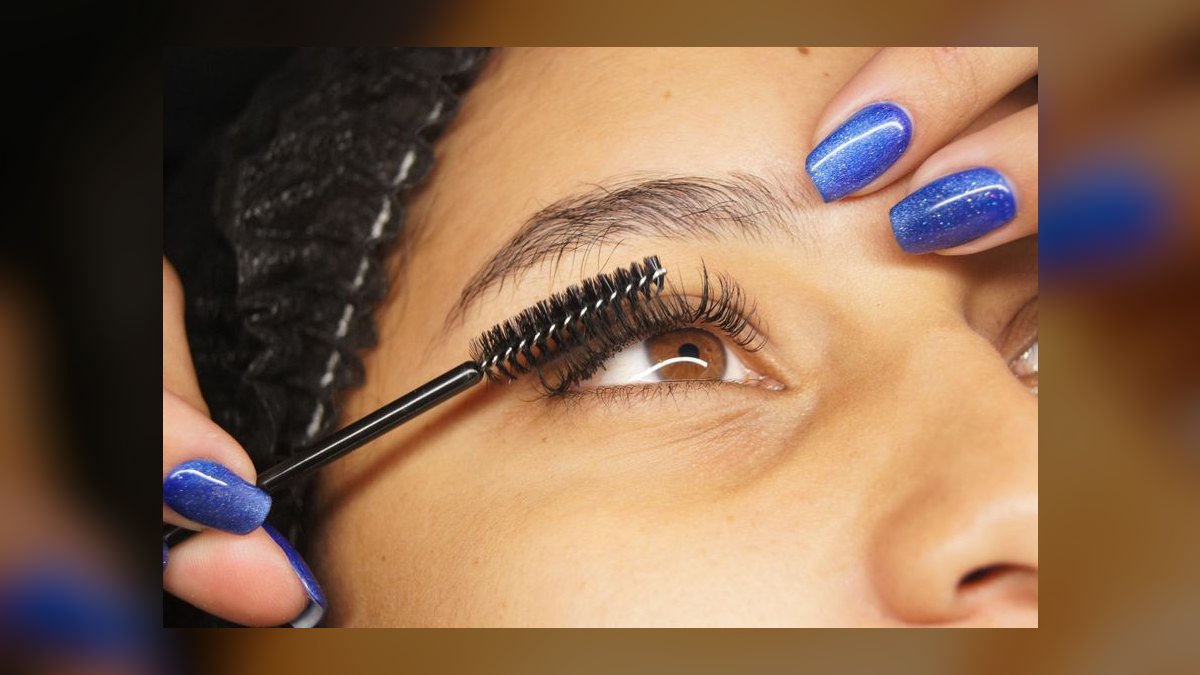
Plan for at least four to six certified technicians on day one for a typical 1,200–2,000 sq ft salon, scaling toward eight to twelve as the membership base fills. Opening understaffed to save payroll reliably backfires — appointment scarcity kills early retention.
Is this a good semi-absentee investment?
Eventually, not initially. Budget for a full-time manager at $55K–$75K plus incentives if you will not be on site, and subtract that from projected owner earnings. Most successful semi-absentee owners were hands-on for the first twelve to eighteen months.
What happens to memberships if I sell the salon?
They transfer with the business, which is exactly why membership retention drives resale value. Buyers underwrite the recurring base. A salon with 70 percent-plus retention and long technician tenure commands a materially better multiple than one with equivalent revenue and a churning roster.
FAQ
What is the total cost to open a Lash Lounge franchise?
Roughly $200,000 to $500,000 all-in per the FDD, including a franchise fee near $50,000. The spread is driven mostly by buildout — a second-generation space in a mid-size market lands near the bottom, a ground-up premium fit-out in a major metro near the top. Budget $100,000–$180,000 liquid on top of financing.
What ongoing fees will I pay?
Expect a royalty around 6 percent of gross sales plus a brand marketing fee, commonly 1–2 percent. Some agreements also require a local advertising minimum on top of the national fund. Confirm the exact structure in Item 6 of the current FDD rather than relying on any published summary, including this one.
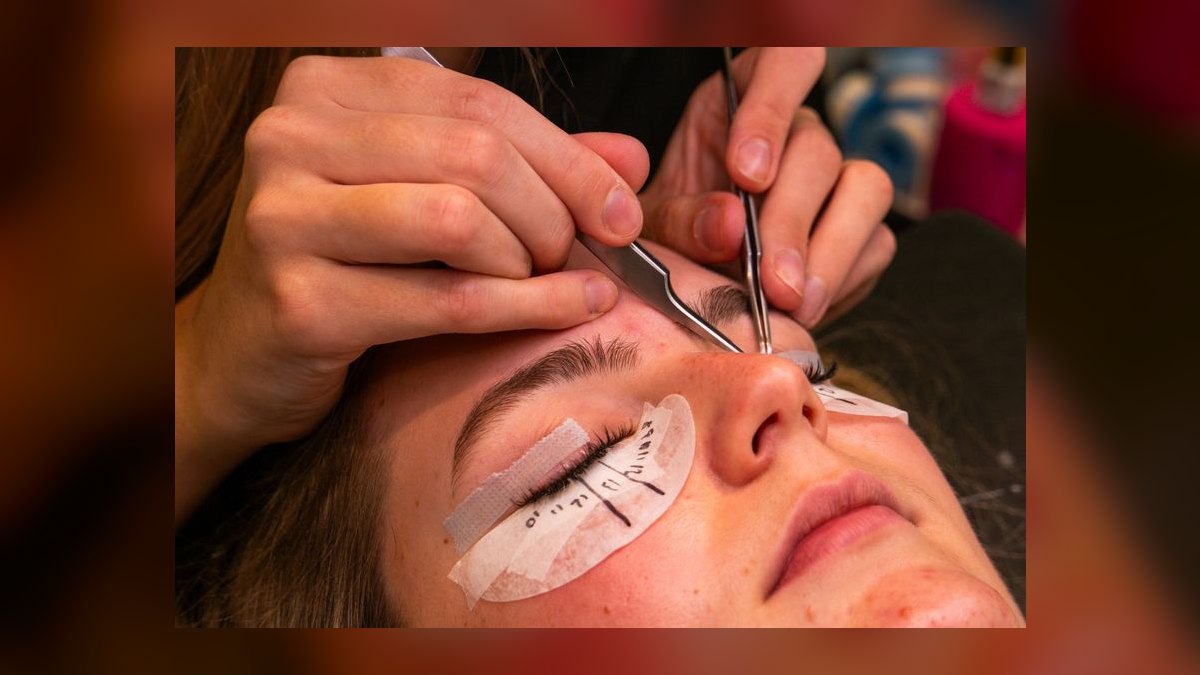
How long until the salon is profitable?
Most franchisees report break-even in the 12-to-24-month range. The variable that explains almost all of that spread is staffing speed — salons that open fully staffed and certified ramp memberships faster and hit break-even at the early end. Cash-flow positive is not the same as recovering your investment, which typically takes longer.
What is the single biggest risk?
Technician turnover. Annual churn in the 30–40 percent range is normal for the category, and lash clients follow their artist. Every departure costs certification spend, ramp time, and a slice of your membership base simultaneously. Owners who build a continuous hiring pipeline outperform owners who react to resignations.
Do I need a cosmetology or esthetics license myself?
Generally no — the franchisee does not need to be a licensed technician, and licensing requirements for the service providers vary by state. But you do need to understand your state's rules cold, because they determine who can legally apply extensions in your salon and therefore how deep your hiring pool actually is. Check with your state board before signing.
Is 2027 a reasonable time to enter the category?
The lash and premium self-care category has shown durable demand, and the membership structure holds up better than transactional beauty in soft periods. The constraint is not demand — it is labor and market fit. If your trade area has affluence and a real technician supply, timing is secondary to execution.
Sources
- https://www.thelashlounge.com/
- https://www.entrepreneur.com/franchises/directory
- https://www.franchisebusinessreview.com/
- https://www.ftc.gov/business-guidance/industry/franchises
- https://www.sba.gov/funding-programs/loans/7a-loans
- https://www.bls.gov/ooh/personal-care-and-service/barbers-hairstylists-and-cosmetologists.htm
- https://www.franchise.org/
- https://www.probeauty.org/
- https://www.census.gov/programs-surveys/acs
- https://www.ibisworld.com/united-states/market-research-reports/hair-nail-skin-care-services-industry/
Related on PULSE
This page will be disappearing soon. Save it to your device for $1 — or read it free while it is here.
@Kory-White- · if Venmo asks, the last 4 of my number are 2012
This page is gone.
This one is off the shelf now. $1 keeps it on your phone for good — the whole page, pictures and diagrams included.
 franchiseShould I open or buy a Stanley Steemer franchise in 2027?
 franchiseShould I open or buy a Take 5 Oil Change franchise in 2027?
 franchiseShould I open or buy an F45 Training franchise in 2027?
 franchiseShould I open or buy a Jeremiah's Italian Ice franchise in 2027?
 franchiseShould I open or buy a Whataburger franchise in 2027?
 franchiseShould I open or buy a Mac Tools franchise in 2027?
 franchiseShould I open or buy a Goddard School franchise in 2027?
 franchiseShould I open or buy a Taco Bell franchise in 2027?
 franchiseShould I open or buy a Drybar franchise in 2027?
 franchiseShould I open or buy a Cinnabon franchise in 2027?