


Should I open or buy an Image Studios franchise in 2027?
Quality
Certified
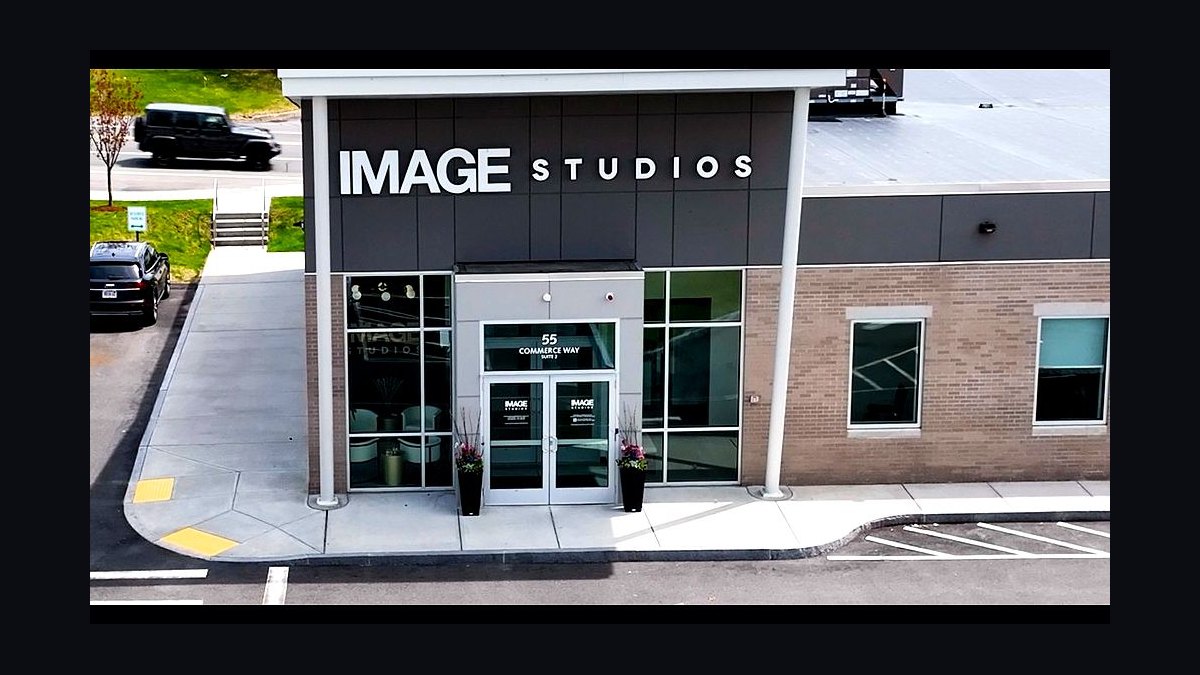
Yes, if you want a semi-absentee, recurring-rent salon-suite franchise: opening a new Image Studios territory or buying an existing location both work in 2027, but they solve different problems. Open new if you want full control over site selection and can absorb 12-18 months of lease-up risk. Buy an existing, stabilized location if you want to skip the buildout and lease-up period and start collecting rent from an already-leased facility on day one.
The two paths: build a new Image Studios territory or buy an existing one
Anyone evaluating an Image Studios franchise in 2027 is really choosing between two very different transactions dressed up as the same brand. The first path is a ground-up development: you sign a new franchise agreement, secure a territory, lease or purchase a 5,000-12,000 square foot commercial space, and build out 15 to 40+ individual salon suites from scratch. The second path is an existing-unit resale: you buy a location that's already open, already built, and — ideally — already leased to a roster of independent beauty professionals paying recurring rent.
These are not variations on the same risk profile. A ground-up Image Studios build is a real-estate development project wrapped inside a franchise agreement. You are responsible for site selection, permitting, construction management, and — critically — filling an empty building with tenants who have never heard of your location. The 2026 FDD lists a franchise fee around $50,000 and total Item 7 investment of roughly $700,000 to $1,500,000, and virtually all of that capital goes out the door before a single suite generates rent. You are betting that your market has enough independent stylists, estheticians, nail techs, and lash artists who want to rent rather than work as salon employees, and that you can convince a meaningful share of them to sign with your unbuilt facility over an established competitor like Sola Salons or MY SALON Suite.
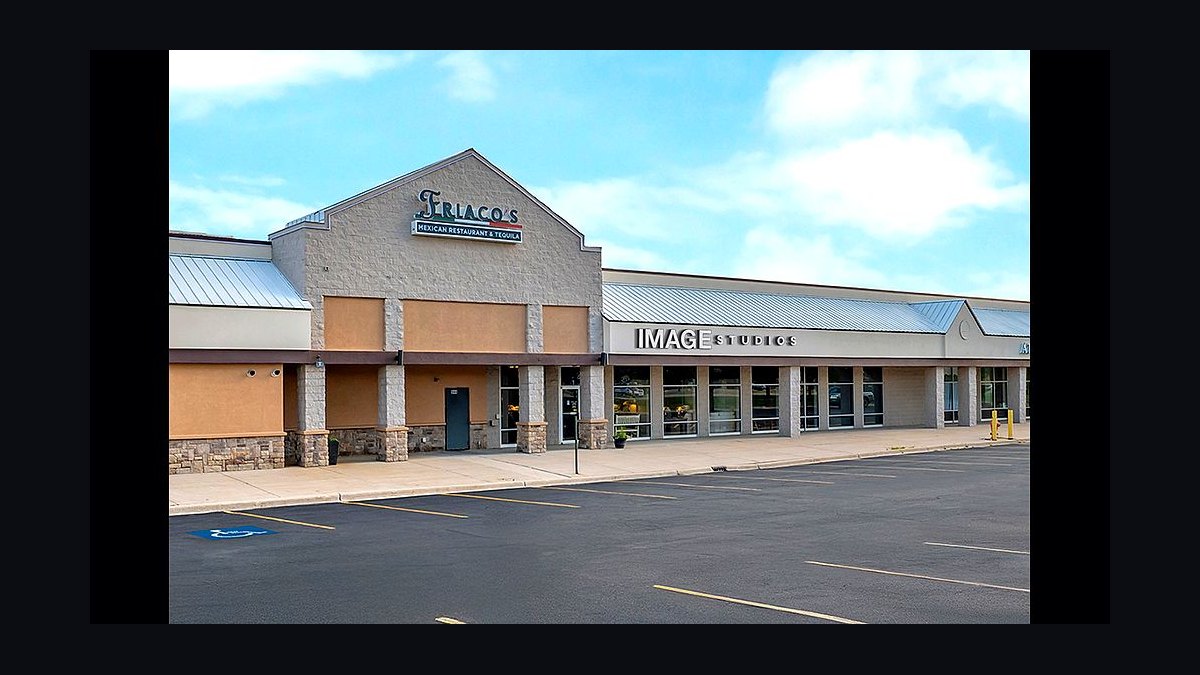
Buying an existing Image Studios location flips that risk. You're not gambling on lease-up — you're buying a cash-flowing asset with a known occupancy history, a known tenant roster, and a known P&L. The tradeoff is price: a mature Image Studios location netting $120,000-$350,000 annually will not sell at a discount just because you'd rather have avoided the buildout. Resale values for established locations typically run 2.5x to 4x annual net profit, so a location clearing $200,000/year in owner earnings could reasonably list for $500,000-$800,000. That's often comparable to — or higher than — what you'd spend building new, but you're paying for certainty rather than potential.
There's a third, less obvious variant worth naming: a partially-stabilized resale — a location that opened 12-24 months ago and is still climbing from 60-75% first-year occupancy toward the 80-95% stabilized range. These deals sit in between: cheaper than a fully mature resale, but with real, verifiable rent-roll history instead of a pro forma. If you can get the seller's actual suite-by-suite leasing records (not just their projections), a partially-stabilized unit is often the best risk-adjusted entry point into the brand, because you inherit some tenant relationships without paying full price for a decade of brand-building.
Whichever path you choose, the underlying business does not change: you are a landlord to independent beauty professionals, not a salon operator. You don't cut hair, you don't manage employees performing services, and you don't own the client relationships inside each suite. You own the building, the amenities, the brand, and the lease. That single fact should drive the open-versus-buy decision more than anything else, because it means your core competency needs to be leasing and facility management — not beauty industry experience — regardless of which path you pick.
How to decide between opening new and buying existing
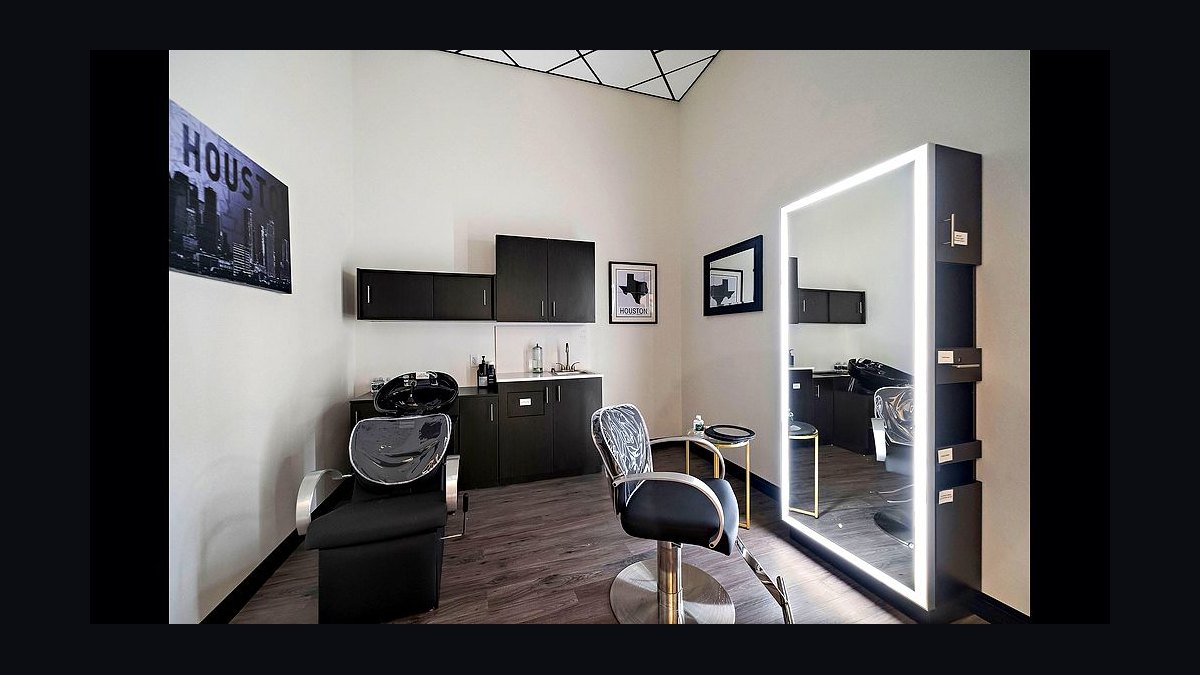
The decision tree comes down to three questions: how much capital you have, how much time you can tolerate before cash flow starts, and whether your target market already has an available, well-located property that fits the suite-count and demographic profile Image Studios needs.
If you have $700,000-$1,500,000 in accessible capital (including the $200,000-$300,000 in liquid assets the FDD typically requires) and you're comfortable with 6-18 months of negative or break-even cash flow while suites lease up, opening new gives you first-mover advantage in an unclaimed territory and lets you select the exact site, traffic pattern, and demographic mix you want. If your target city already has Sola Salons or MY SALON Suite locations near capacity, an open territory might actually face less competition for tenants than you'd expect, because those brands' waitlisted stylists become your leasing pipeline.
If your capital is capped closer to the low end of the Item 7 range, or you have no appetite for construction management, permitting delays, or the risk that lease-up takes longer than projected, buying an existing location removes nearly all of that variability — at the cost of a higher entry price per dollar of eventual profit, since you're paying a multiple on stabilized earnings rather than raw construction cost.
The market-availability question often decides it for you: there frequently isn't a resale available in your specific target metro at the time you're ready to buy. Salon-suite resales don't come up constantly — owners who reach 85-95% occupancy and $120,000-$350,000 in net profit tend to hold rather than sell, so if your target market has no listed Image Studios resale, "buy existing" isn't actually a live option and the decision defaults to opening new (or picking a different territory where a resale does exist).
Concrete numbers behind each option
The dollar comparison between opening and buying is where most first-time buyers get surprised, because the headline Item 7 range hides very different cash-flow timing.
Opening a new Image Studios location:
- Franchise fee: $50,000 (fixed, per the 2026 FDD)
- Buildout and leasehold improvements: $400,000-$900,000, the largest and most variable line item — expect this to run 20%-30% over initial contractor estimates given 2026-2027 permitting delays and material costs, so budget a 10%-15% contingency
- Equipment and fixtures: $120,000-$300,000
- Signage and decor (brand-prescribed): $25,000-$70,000
- Technology and software (booking, access control, billing): $10,000-$30,000
- Initial marketing for suite leasing: $25,000-$60,000
- Training and travel for the required two-week headquarters training program: $8,000-$25,000
- Working capital to cover the lease-up period: $60,000-$150,000
- Total Item 7: roughly $700,000-$1,500,000
- Time to first rent dollar: typically 5-7 months (permitting, construction, initial leasing)
- Time to break-even occupancy (80%+): 6-18 months from opening
Buying an existing, stabilized Image Studios location:
- Purchase price: 2.5x-4x annual net profit — a location netting $150,000-$250,000/year would run roughly $375,000-$1,000,000
- No separate franchise fee in most transfer structures, though a transfer fee (commonly a few thousand to low five figures) and franchisor approval are required
- Immediate rent collection from an existing tenant base, assuming disclosed occupancy holds after the ownership change
- Time to first rent dollar: immediate, at closing
- Time to break-even: effectively day one if occupancy and expenses match the disclosed financials — the real due-diligence question is verifying that they do
Occupancy drives everything regardless of path. A 10-suite facility at $4,000/month average suite rent generates $40,000/month in gross revenue at full occupancy. At the more realistic first-year range of 60%-75% occupancy, that same facility brings in $24,000-$30,000/month before royalty (6%), marketing fee (2%), rent or mortgage, property taxes, insurance, and common-area maintenance. Net cash flow at that stage often lands in the $8,000-$12,000/month range. Push occupancy to the 90%+ stabilized level and the same facility can net $15,000-$20,000/month. That occupancy swing — not the choice between opening and buying — is the single biggest determinant of whether either path pencils out. Many owners also layer in ancillary revenue (vending, retail product sales, event-space rental) worth an additional 5%-10% on top of suite rent, which applies equally whether you built the location or bought it.
Implementation details and sequencing
Once you've picked open-new or buy-existing, the sequencing diverges sharply for the first several months, then converges once suites are leased and the facility is running.
If you open new: the sequence starts with reading the full 2026 FDD and confirming the salon-suite landlord model fits your goals, then interviewing at least 8 existing franchisees about their real occupancy, suite rates, lease-up timelines, and net profit — not the franchisor's pro forma numbers. Next comes market validation: confirming your target area has enough beauty-professional density and household income to support 15-40+ independent operators paying $300-$600+/week per suite. Site selection and lease negotiation follow, then the two-week required training program at headquarters, then construction and buildout (the longest phase, typically 3-5 months), then the leasing push — marketing vacant suites to local cosmetology schools, existing salon employees looking to go independent, and beauty-professional communities — which continues aggressively through and past opening day. Expect to personally invest 20-30 hours/week during this first 6-12 months; many owners hire a part-time manager (typically $30,000-$45,000/year) once the tenant base stabilizes, dropping weekly involvement to 5-10 hours.
If you buy existing: the sequence compresses dramatically. You still read the FDD and franchise agreement, but your diligence shifts to the target property: obtaining the actual rent roll (not summary occupancy percentages), verifying individual tenant lease terms and remaining lease length, confirming the maintenance and capital-expenditure history of the building, and getting franchisor approval for the ownership transfer (Image Studios, like most franchisors, has approval rights and often a right of first refusal on resales). You'll still attend training, but there's no construction phase and no cold-start leasing campaign — your job from day one is retention: renewing existing tenants, filling any vacancies inherited at closing, and not disrupting the operational rhythm that made the location worth buying in the first place.
Both paths converge on the same steady-state operational reality once stabilized: most franchisees report 8-15 hours/week of ongoing involvement, split roughly across marketing to fill vacancies (3-5 hours), maintenance coordination for HVAC, plumbing, and cleaning (2-4 hours), bookkeeping and rent collection (2-3 hours), and tenant relations including lease renewals and move-outs (1-3 hours). Truly absentee ownership (under 5 hours/week) is achievable but requires a strong manager and a self-managing tenant mix — it's a stretch goal, not a guarantee on day one regardless of which path got you there.
Related questions
Is it cheaper to buy an existing Image Studios than to open a new one?
Not necessarily. A stabilized resale sells at 2.5x-4x annual net profit, which can exceed the $700,000-$1,500,000 buildout cost for a location with strong occupancy. Buying removes lease-up risk but doesn't guarantee a lower price.
How long does it take an Image Studios location to become profitable?
New builds typically reach break-even occupancy (80%+) within 6-18 months. Existing, disclosed-stabilized purchases can be cash-flow positive immediately at closing if the rent roll holds after transfer.
Can I finance an Image Studios franchise purchase or buildout?
Yes, third-party lenders and SBA-type financing are commonly used for both new buildouts and existing-location purchases, though buildout financing typically requires more documentation given construction risk.
What's the biggest risk specific to buying an existing location versus opening new?
Inheriting undisclosed problems: expiring leases, deferred maintenance, or an occupancy rate propped up by short-term concessions that won't renew. Independent verification of the rent roll is essential before closing.
How does Image Studios compare to Sola Salons for a first-time buyer?
Sola has broader brand recognition and often an easier initial lease-up in metros where it's established, but territories can be saturated. Image Studios frequently has more room in secondary and tertiary markets at similar investment levels.
FAQ
Should I open or buy an Image Studios franchise in 2027? Both are viable: open new if you want site control and can absorb 6-18 months of lease-up risk, buy existing if you want immediate cash flow from a stabilized rent roll and are willing to pay a multiple on proven net profit.
What does an Image Studios franchisee actually do day-to-day? You act as a landlord, not a beauty-service provider. Daily and weekly work includes marketing vacant suites, coordinating maintenance, collecting rent, and managing tenant relations — typically 8-15 hours/week once stabilized.
How much can I make owning an Image Studios franchise? Mature locations gross $500,000-$1,200,000 in annual suite rental revenue, with owner net profit ranging from $120,000 to $350,000 depending heavily on occupancy, local rent rates, and operating costs.
Do I need beauty industry experience to open or buy one? No. The model is real-estate and leasing focused. The franchisor's required two-week training program covers operations, marketing, and lease management regardless of your background.
What's the total investment to open a new Image Studios location? Roughly $700,000-$1,500,000 including a $50,000 franchise fee, buildout, equipment, signage, technology, initial marketing, training, and working capital, per the 2026 FDD.
What happens if suite occupancy drops after I open or buy? Occupancy below roughly 70% strains cash flow significantly — a 10-suite location at that level nets far less than one at 90%+. The franchisor provides marketing support, but local leasing performance ultimately depends on the owner.
Sources
- https://www.franchise.org
- https://www.entrepreneur.com/franchises
- https://www.franchisebusinessreview.com
- https://www.ibisworld.com
- https://www.probeauty.org
- https://www.statista.com
- https://www.sba.gov/business-guide/plan-your-business/franchise-businesses
- https://www.census.gov
Related on PULSE
This page will be disappearing soon. Save it to your device for $1 — or read it free while it is here.
@Kory-White- · if Venmo asks, the last 4 of my number are 2012
This page is gone.
This one is off the shelf now. $1 keeps it on your phone for good — the whole page, pictures and diagrams included.
 franchiseShould I open or buy a Kona Ice franchise in 2027?
 franchiseShould I open or buy a Pizza Hut franchise in 2027?
 franchiseShould I open or buy an Anytime Fitness franchise in 2027?
 franchiseShould I open or buy a Bahama Breeze franchise in 2027?
 franchiseShould I open or buy a Chipotle franchise in 2027?
 franchiseShould I open or buy a Firehouse Subs franchise in 2027?
 franchiseShould I open or buy a Servpro franchise in 2027?
 franchiseShould I open or buy a McAlister's Deli franchise in 2027?
 franchiseShould I open or buy a Papa John's franchise in 2027?
 franchiseShould I open or buy a UPS Store franchise in 2027?