


Should I open or buy a Brain Balance franchise in 2027?
Quality
Certified
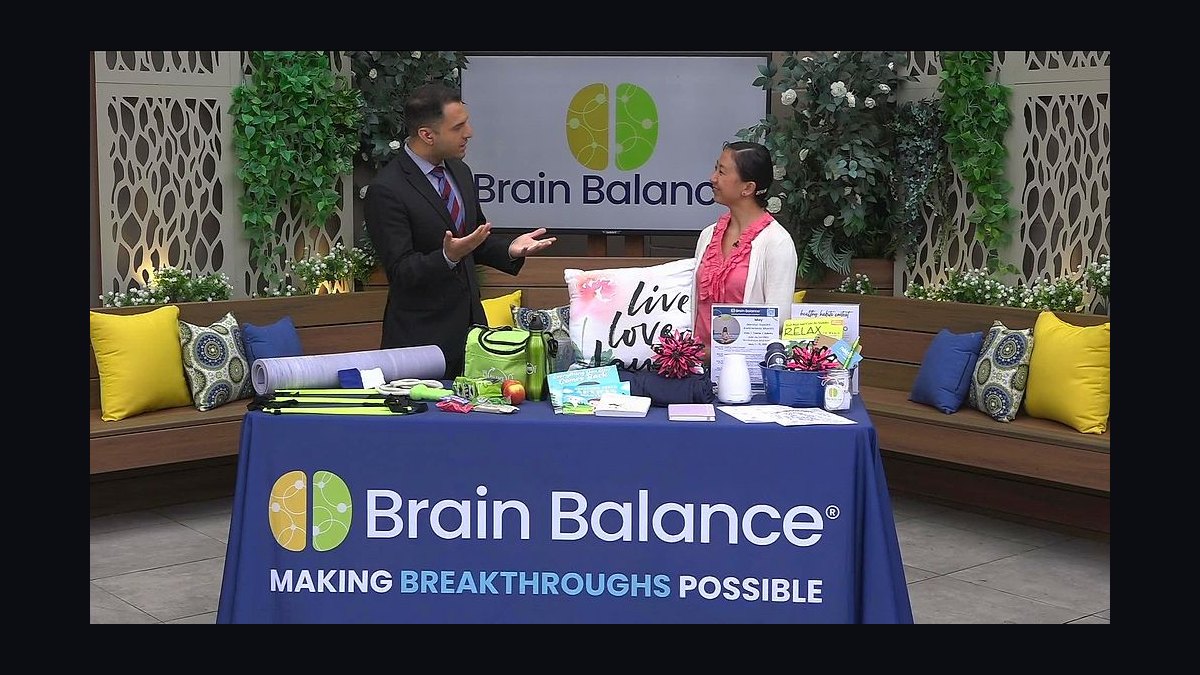
Opening a Brain Balance franchise in 2027 makes sense for a mission-driven operator with $200,000-$500,000 to invest who wants to run a drug-free cognitive-development center for children with ADHD and learning challenges — but only after validating local demand and outcomes claims honestly. Buying an existing center is lower-risk than building new. Skip it if you'd overstate results or operate in a cost-constrained market.
The Two Paths: New Center vs. Existing Resale
Anyone evaluating a Brain Balance franchise in 2027 faces a fork early: sign with corporate for a new territory, or buy an existing center from a franchisee who is exiting. Each path carries a distinct risk profile, and conflating them is the most common mistake prospective owners make.
A brand-new Brain Balance center requires building enrollment from zero. You sign the franchise agreement, select a 2,500-4,000 sq ft space, build it out to brand specification, train coaches, and then spend 6-12 months converting cold leads into paid assessments and multi-month program enrollments. The upside is a clean cap table — no inherited staff problems, no prior owner's reputation to overcome, and full control over local marketing from day one. The downside is cash burn: most new centers run 8-14 months before reaching breakeven enrollment, and working capital reserves of $50,000-$150,000 exist specifically to cover that runway.
Buying an existing center changes the math entirely. You're purchasing a customer list, a trained (if imperfect) coaching staff, an established relationship with local pediatricians and school counselors, and — critically — real historical financials you can diligence instead of projecting. Resale prices for operating Brain Balance centers typically run 0.5x-1.2x trailing annual revenue depending on profitability and lease terms remaining, which in practice means paying somewhere between $300,000 and $900,000 for a center already grossing $600,000-$1,000,000. That's a steep premium over the ~$200,000 low end of a new build, but it buys out 12-18 months of ramp risk. The decision often comes down to how much you value certainty versus how much capital you're willing to risk on unproven local demand.
A third, quieter option exists for some territories: a struggling existing franchisee selling below replacement cost because they mismanaged staffing or overstated outcomes to parents and burned local trust. These deals can be attractive on price but require unusually careful diligence — you're not just buying a business, you're buying (and needing to repair) a reputation in a small, word-of-mouth-driven market.

How to Decide Between New and Existing
The decision tree above starts with the single most important filter: does a resale opportunity even exist in your target geography? Brain Balance franchise turnover is modest compared to food-service concepts, so in most territories the honest answer is no, which routes you straight to the new-build path. When a resale does exist, the next gate is financial verification — not the seller's summary, but CPA-reviewed trailing twelve-month statements, ideally with bank deposit records cross-checked against claimed enrollment counts. A seller who resists producing this should be treated as a red flag, not a negotiating quirk.
If the numbers check out, price discipline matters more than almost any other variable. Paying above 1.2x trailing revenue for a franchise with recurring-but-not-guaranteed program revenue erodes the margin of safety that makes a resale attractive in the first place — at that point you'd be better served building new and keeping full control of staffing and local marketing spend from day one. Either path converges on the same territory-validation step: confirming the market actually supports a center before committing capital, which matters equally whether you're opening fresh or taking over an existing lease.
Concrete Numbers Behind Each Option
The 2026 FDD sets the baseline for a new center: a $50,000 franchise fee, Item 7 total investment of roughly $200,000-$500,000, an 8%-10% royalty on gross revenue, and a marketing fee near 2%-3%. Breaking down the build-out: leasehold improvements run $70,000-$180,000, equipment and assessment materials $30,000-$80,000, signage and brand-prescribed decor $12,000-$35,000, initial enrollment-driving marketing $30,000-$80,000, training and travel $15,000-$40,000, insurance and licensing $5,000-$15,000, and working capital reserves of $50,000-$150,000 to cover the first four to six months before enrollment revenue stabilizes.

For an existing center, the comparable all-in number is the resale purchase price plus any deferred maintenance or lease renegotiation costs, typically landing at $300,000-$900,000 for a mature location. The royalty and marketing fee structure transfers unchanged — you inherit the same 8%-10% royalty obligation regardless of path. What differs is revenue timing: a new center's revenue curve starts near zero and climbs over 8-14 months, while a resale's revenue is immediately at whatever level the seller's enrollment pipeline supports on day one of ownership, assuming staff and family relationships transfer smoothly.
Mature centers under either ownership path gross $600,000-$1,500,000 annually, with owner net income of $80,000-$300,000 after royalties, staffing, and occupancy costs. Staffing represents the largest controllable cost line: each center runs 4-8 full-time employees — a center director, 2-4 program coaches, and an administrative coordinator — with starting coach pay of $30,000-$45,000 and historical annual turnover of 25-40%, meaning a realistic operating budget needs to assume one to two coach replacements per year with 4-8 weeks of training ramp per hire. The program itself runs in recurring 12-week cycles, often $4,000-$8,000 per cycle per family, which creates lumpy cash flow: a surge of new-enrollment cash followed by a gradual decline as sessions conclude, best managed by keeping a steady pipeline of 15-25 active families (60-100 enrolled children) in rotation at any given time.
Implementation Details and Sequencing

Whichever path you choose, the sequencing discipline is similar in shape, just compressed differently. The first month belongs entirely to diligence: reading the FDD in full, paying particular attention to Item 21 financial performance representations and any pending litigation disclosures, and retaining a franchise attorney with healthcare-regulatory experience given the outcomes-claims scrutiny this category attracts. Skipping this step to move faster is the single most expensive mistake available at this stage, because it's the only point where you can walk away cleanly.
Weeks five through ten should be spent talking to at least eight existing owners — not just the three the franchisor hands you as references, but owners you source independently through franchise-owner forums and LinkedIn. Ask specifically about enrollment demand in their territory, the affordability ceiling families hit, assessment-to-enrollment conversion rates, and real net profit after royalties. This is also when you run the territory math: a market needs roughly 50,000 children under 18 and median household income above $75,000 to reliably support one center, since the $4,000-$8,000 per-cycle program cost prices out households below that threshold.
From there the two paths diverge in mechanics but not in rigor. A new build spends weeks eleven through thirty on site selection, lease negotiation, and construction to brand spec, while a resale spends that same window on deeper financial diligence, lease assignment or renegotiation with the landlord, and — critically — a staff retention plan, since losing the center director or lead coaches during a transition can erase most of what you paid the premium for. Both paths converge again on coach hiring and the franchisor's standard training (roughly two weeks at headquarters plus one week on-site), followed by a final quarter focused on assessment marketing and conversion discipline. The owners who succeed long-term, under either entry path, are the ones who build a steady 15-25 family pipeline and market program outcomes conservatively rather than promising cures — a posture that protects you from the FTC and state-level scrutiny that has already hit comparable cognitive-training brands.
Related questions
Is it better to buy a resale Brain Balance or open a new territory?
It depends on capital available and risk tolerance: resales cost more upfront (0.5x-1.2x trailing revenue) but skip the 8-14 month ramp a new center requires, provided the financials are independently verified first.
How much does Brain Balance franchise outcomes scrutiny actually matter?
Significantly — the FTC and state agencies have targeted cognitive-training programs for exaggerated claims in 2024-2026. Use franchisor-approved marketing language and avoid promising cures or guaranteed grade improvements.
What's a realistic timeline from signing to opening a Brain Balance center?
Typically 6-12 months for a new build, depending on site selection, permitting, and construction; a resale can transfer in 2-4 months if financials and staff retention are already in order.
Can one owner run multiple Brain Balance territories?
Multi-unit ownership is possible once a first center is stabilized and profitable, usually after 18-24 months, since staffing and enrollment management already consume most of a single owner's bandwidth early on.
FAQ
What is the typical investment range for a Brain Balance franchise in 2027?
A new center runs $200,000-$500,000 in total Item 7 investment including the $50,000 franchise fee. An existing resale typically costs $300,000-$900,000 depending on trailing revenue and lease terms remaining.
How much can an owner expect to earn from a mature Brain Balance center? Mature centers generally gross $600,000-$1,500,000 annually, with owner net income of $80,000-$300,000, varying with enrollment pipeline strength, local pricing, and staffing efficiency.
What ongoing fees apply after opening? An 8%-10% royalty on gross revenue plus a 2%-3% marketing fee apply regardless of whether you opened new or bought an existing center — these obligations transfer with the franchise agreement.
Is the Brain Balance program scientifically validated? The program combines sensory-motor, academic, and nutritional components, and many families report positive results, but independent peer-reviewed studies are limited. Franchisees should market outcomes conservatively and review current Item 21 disclosures carefully.
What's the biggest risk specific to buying an existing center rather than opening new? Inheriting a damaged local reputation or unstable staffing — if the prior owner overstated outcomes or churned coaches rapidly, you may spend your first year repairing trust rather than growing enrollment.
How many staff does a typical center need, and what does turnover look like? Centers run 4-8 full-time staff: a director, 2-4 coaches, and an administrative coordinator. Coach turnover historically runs 25-40% annually, so budget for ongoing recruitment and a 4-8 week training ramp per hire.
Sources
- https://www.ftc.gov/business-guidance/industry/franchises
- https://www.entrepreneur.com/franchises/directory
- https://www.franchisebusinessreview.com
- https://www.ibisworld.com
- https://www.statista.com
- https://www.franchise.org
- https://www.cdc.gov/ncbddd/adhd/data.html
- https://www.nih.gov
Related on PULSE
This page will be disappearing soon. Save it to your device for $1 — or read it free while it is here.
@Kory-White- · if Venmo asks, the last 4 of my number are 2012
This page is gone.
This one is off the shelf now. $1 keeps it on your phone for good — the whole page, pictures and diagrams included.
 franchiseShould I open or buy a KinderCare franchise in 2027?
 franchiseShould I open or buy a Whataburger franchise in 2027?
 franchiseShould I open or buy a Jimmy John's franchise in 2027?
 franchiseShould I open or buy a Hand and Stone Massage franchise in 2027?
 franchiseShould I open or buy a Domino's franchise in 2027?
 franchiseShould I open or buy an Auntie Anne's franchise in 2027?
 franchiseShould I open or buy a Crumbl Cookies franchise in 2027?
 franchiseShould I open or buy a Firehouse Subs franchise in 2027?
 franchiseShould I open or buy a Wendy's franchise in 2027?
 franchiseShould I open or buy a Matco Tools franchise in 2027?