


Should I open or buy a Cafe Rio franchise in 2027?
Quality
Certified
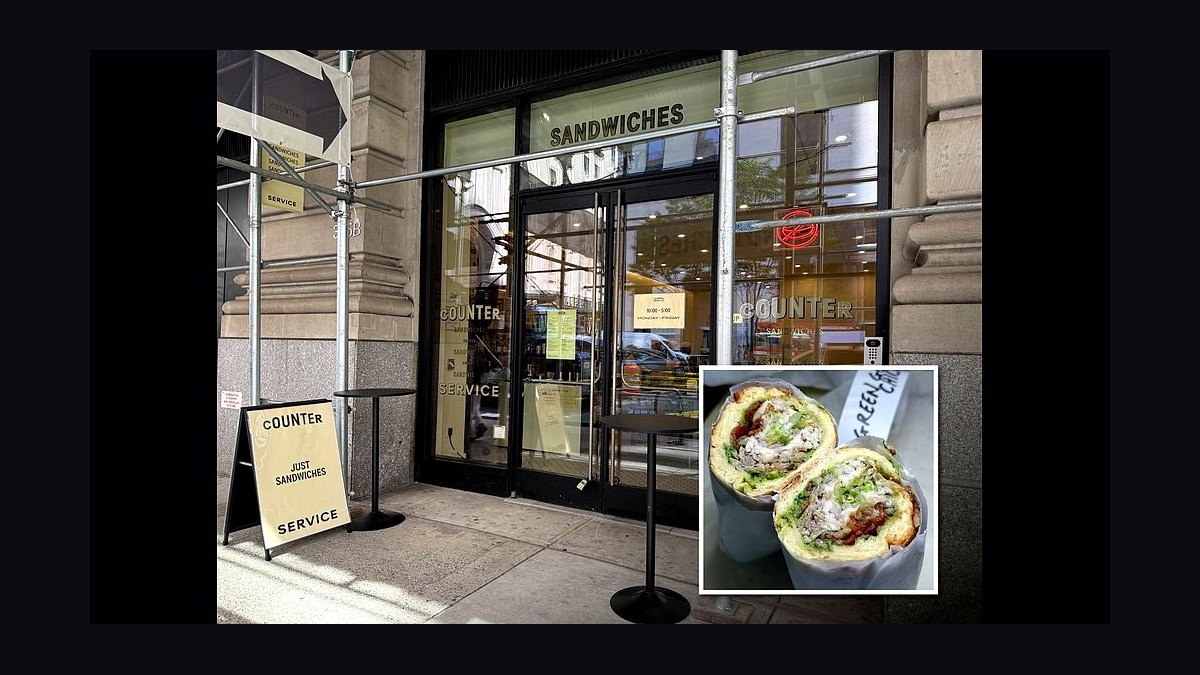
For most first-time operators, buying a Charleys Philly Steaks franchise is the lower-risk path in 2027 — you get a recognized cheesesteak/sandwich brand, a tested menu, and franchisor support, typically for $200,000-$750,000 depending on format. An independent sandwich shop costs less upfront and keeps 100% of profit and brand control, but you absorb all the marketing, recipe, and supply-chain risk yourself. Choose franchise for speed and support; choose independent for margin and creative control.
What it is and why it matters
Charleys Philly Steaks is a Columbus, Ohio-founded quick-service concept built around chopped-steak sandwiches, fries, and lemonade, operating across mall food courts, airports, in-line strip-center units, and a growing number of freestanding drive-thru locations. When you buy the franchise, you're licensing a known menu, a supply chain for steak and rolls, marketing materials, a point-of-sale system, and an operating playbook — plus the right to use a name that already carries recognition with mall shoppers and airport travelers who don't want to gamble on an unknown sandwich stand.
An independent sandwich shop is the opposite bet: no royalty, no territory restrictions, no franchisor approval process for menu changes, but also no brand recognition on day one, no negotiated national supplier pricing, and no proven playbook for staffing, food cost, or marketing. You are inventing the recipe, the pricing, the supplier relationships, and the reputation from a standing start.
The decision matters because sandwich retail is a low-margin, high-volume business. A cheesesteak shop lives or dies on throughput during a narrow lunch window, on food cost discipline (bread and protein are the two most volatile inputs), and on repeat-visit habit formation. A franchise buys you a shortcut through the trial-and-error most independents spend their first 18-24 months on — but it also locks you into fixed royalty and ad-fund percentages that erode margin for the life of the agreement, typically 10-20 years with renewal options. An independent owner keeps every point of margin but has to build habit and trust from zero, in a category where diners already have three or four sandwich options within walking distance.
Location format changes the calculus further. Mall food-court and airport locations depend heavily on foot traffic the operator doesn't control and often carry percentage-rent or minimum-guarantee lease terms on top of build-out costs. In-line and freestanding locations behave more like a traditional restaurant lease, with more control over hours, drive-thru capability, and catering, but also more responsibility for driving your own traffic since you can't rely on mall anchor stores to walk customers past your door.
The step-by-step process
Both paths — franchise and independent — follow a similar skeleton, but the sequence and the decision points differ meaningfully in where diligence happens.
On the franchise side, the Franchise Disclosure Document (FDD) is the single most important artifact in the whole process. Item 19 (if the franchisor provides it) shows historical unit-level financial performance — average unit volume, food cost percentage ranges, and sometimes profit ranges. Item 20 shows unit counts, openings, closings, and transfers, which tells you whether existing franchisees are thriving or fleeing. Skipping a real read of both is the single most common regret reported by new franchise buyers across every quick-service category, not just sandwiches.
On the independent side, the equivalent diligence is self-directed: you need to build your own comparable-unit financial model from public restaurant-industry benchmarks, negotiate supplier contracts without volume leverage, and test your menu and pricing with real customers before you've committed to a lease. Many independent sandwich shop owners run a pop-up, farmers-market stand, or ghost-kitchen pilot for 3-6 months before signing a physical lease, specifically to de-risk the menu and pricing before fixed costs start.
Costs, timelines, and typical ranges
Charleys' own disclosure documents have historically shown a franchise fee in the $15,000-$30,000 range, with total initial investment spanning roughly $200,000 to $750,000+ depending heavily on format — a small mall or airport kiosk sits at the low end, while a freestanding unit with a drive-thru and full kitchen build-out sits at the high end. Ongoing fees on top of that typically include a royalty in the mid-single digits (commonly cited around 6% of gross sales) plus a separate advertising/brand fund contribution, both paid for the life of the agreement regardless of how the store performs in a given month.
An independent sandwich shop's build cost depends almost entirely on the space you sign — a small storefront with minimal kitchen equipment can open for well under $150,000, while a full-service shop with a hood system, walk-in cooler, and dine-in seating can run $300,000-$500,000+ once you account for equipment, permitting, signage, point-of-sale, initial inventory, and working capital reserves. The wide swing is the point: independents have far more control over how much they spend, for better and worse, since there's no brand-standard equipment package or approved contractor list forcing consistency.
Timeline-wise, the franchise route from signed agreement to grand opening commonly runs 6-12 months, driven by site approval, franchisor-mandated training (often 2-6 weeks at a certified location plus in-store training before opening), and construction to brand spec. Independent timelines vary more widely — anywhere from 4 months for a simple build-out with an experienced operator to well over a year for a first-time owner navigating permitting, contractor delays, and menu development without a template to follow. Either way, budget at least three to six months of working capital beyond opening day; both franchise and independent sandwich shops typically take 6-18 months to ramp to stabilized sales volume, and undercapitalized owners are the ones who don't survive that ramp.
Where teams get it wrong
The most common franchise mistake is treating the FDD as a formality instead of the core diligence document. Prospective owners read the glossy overview material, talk to the franchise development representative (whose job is to sell territory), and skip calling existing franchisees directly — especially ones who closed or transferred out, whose contact information is disclosed in Item 20 specifically so you can ask them what went wrong. A five-minute skim of a 150-page FDD is not diligence; a franchise attorney review plus direct franchisee interviews is.
The most common independent mistake is underestimating how expensive it is to build brand awareness from zero. A new, unbranded sandwich shop next to an established chain doesn't just need to be as good — it needs a compelling reason for a stranger to try it once, and then a strong enough experience to earn a second and third visit before savings run out. Independent owners frequently underbudget local marketing and overestimate how much organic foot traffic and word-of-mouth will do in the first six months.
A mistake common to both paths is misjudging labor cost in a sandwich concept. Chopped-steak sandwiches, or any made-to-order sandwich format, require more prep labor per ticket than a simple sub-assembly-line model, and new owners frequently staff for a slow opening week rather than for the lunch rush that determines whether the unit is profitable. Food cost is the second shared trap — protein and bread price volatility can swing a well-run sandwich shop's margin by several points in a single quarter, and owners who don't track food cost weekly (not monthly) often discover the problem only after it's already eaten several months of profit.
Location-format mismatch is a franchise-specific trap worth calling out separately: buying into a mall food-court territory because it's available, rather than because the mall's foot traffic and demographic actually support a $12-15 average ticket, leaves owners fighting occupancy costs and percentage-rent terms that a freestanding or in-line location wouldn't carry. Matching the format to the trade area matters more than matching the format to what happened to be for sale.
Decision framework: when to choose what
If you have limited capital, no restaurant operating experience, and want the fastest route to a repeatable playbook, the franchise path — Charleys or a comparable actively-franchising sandwich brand — gives you training, supplier relationships, and marketing support you would otherwise spend years building alone. If you have strong local market knowledge, a distinctive food concept, restaurant operating experience already, and want to keep every point of margin without a royalty ceiling on your upside, an independent sandwich shop lets you build exactly the brand and menu you want without franchisor approval friction.
Multi-unit ambition tips the scale further toward franchising, since area-development agreements and negotiated multi-unit fee discounts reward scale in ways an independent operator can't replicate without building that infrastructure themselves. Conversely, if your goal is a single flagship location that reflects a personal concept — a regional specialty, a family recipe, a specific neighborhood identity — independence protects that vision from brand-standard menu and design requirements a franchisor would otherwise impose.
Related questions
How much does it cost to open a Charleys Philly Steaks franchise?
Total initial investment has historically ranged roughly $200,000-$750,000+ depending on format (mall kiosk vs. freestanding drive-thru), with a franchise fee typically in the $15,000-$30,000 range plus ongoing royalty and ad-fund percentages. Confirm current figures in the latest FDD.
Is it cheaper to open an independent sandwich shop than a franchise?
Often yes upfront, especially for small-format concepts under $150,000, since there's no franchise fee or royalty. But independents carry all marketing and menu-development cost themselves, which can offset the savings over the first two years.
What's in a Franchise Disclosure Document that matters most?

Item 19 (financial performance representations) and Item 20 (unit counts, closures, and transfers) matter most — they show real unit economics and franchisee turnover, not marketing claims.
How long does it take to open a franchise sandwich shop from signing?
Typically 6-12 months from signed franchise agreement to grand opening, driven by site approval, mandated training, and brand-spec construction.
Can I convert an independent sandwich shop into a franchise later?
Generally no — franchisors require new units to be built to their brand and design standards from the start, so an existing independent shop would need to close and rebuild, not simply rebrand, to join most systems.
FAQ
Does Charleys Philly Steaks franchise in food courts, freestanding locations, or both? Both, plus airports and other non-traditional venues. Format significantly changes the investment range and lease terms, so confirm which formats are currently being offered in your target market before assuming a cost figure applies to you.
What ongoing fees does a Charleys franchisee pay beyond the initial investment? Franchise systems in this category typically charge a royalty (commonly mid-single-digit percentage of gross sales) plus a separate advertising or brand fund contribution, both paid continuously for the life of the agreement. Exact current rates should be confirmed in the FDD.
Is an independent sandwich shop harder to get financed than a franchise? Often yes. Lenders frequently view established franchise brands as lower-risk because of proven unit economics and franchisor support, which can make SBA and conventional financing easier to secure for a franchise than for an unproven independent concept.
What's the biggest financial risk specific to sandwich shops versus other restaurant formats? Protein and bread cost volatility. Sandwich concepts built around a specific protein (steak, in Charleys' case) are more exposed to commodity price swings than menus with more substitutable ingredients, which makes weekly food-cost tracking especially important.
Should I talk to existing franchisees before signing a franchise agreement? Yes, always — and specifically ask to speak with franchisees who closed or transferred out, whose contact information is disclosed in the FDD's Item 20, not just currently thriving locations recommended by the franchisor.
Can I negotiate the terms of a franchise agreement, or are they fixed? Core terms like royalty percentage and territory rights are usually non-negotiable and standard across all franchisees, though some flexibility can exist around multi-unit development incentives or financing assistance. An independent shop, by contrast, has no such fixed terms since you're setting all of them yourself.
Sources
- https://www.ftc.gov/business-guidance/resources/franchise-rule-compliance-guide
- https://www.franchise.org/
- https://www.sba.gov/business-guide/plan-your-business/franchise-business
- https://www.restaurant.org/
- https://www.qsrmagazine.com/
- https://www.nrn.com/
- https://www.entrepreneur.com/franchises
- https://www.ibisworld.com/
Related on PULSE
- Should I open or buy a Jersey Mike's Subs franchise in 2027?
- Should I open or buy a Firehouse Subs franchise in 2027?
- Should I open or buy a Penn Station East Coast Subs franchise in 2027?
- Should I open or buy a Which Wich Superior Sandwiches franchise in 2027?
- Should I open or buy a Capriotti's Sandwich Shop franchise in 2027?
- Should I open or buy a Jimmy John's franchise in 2027?
This page will be disappearing soon. Save it to your device for $1 — or read it free while it is here.
@Kory-White- · if Venmo asks, the last 4 of my number are 2012
This page is gone.
This one is off the shelf now. $1 keeps it on your phone for good — the whole page, pictures and diagrams included.
 franchiseShould I open or buy a Roto-Rooter franchise in 2027?
 franchiseShould I open or buy a Supercuts franchise in 2027?
 franchiseShould I open or buy a Smoothie King franchise in 2027?
 frShould I open or buy a McDonald's franchise in 2027?
 franchiseShould I open or buy a Chipotle franchise in 2027?
 franchiseShould I open or buy a Firehouse Subs franchise in 2027?
 franchiseShould I open or buy a Wendy's franchise in 2027?
 franchiseShould I open or buy a Big O Tires franchise in 2027?
 franchiseShould I open or buy a Drybar franchise in 2027?
 franchiseShould I open or buy a Taco Bell franchise in 2027?