


Should I open or buy an Insomnia Cookies franchise in 2027?
Quality
Certified
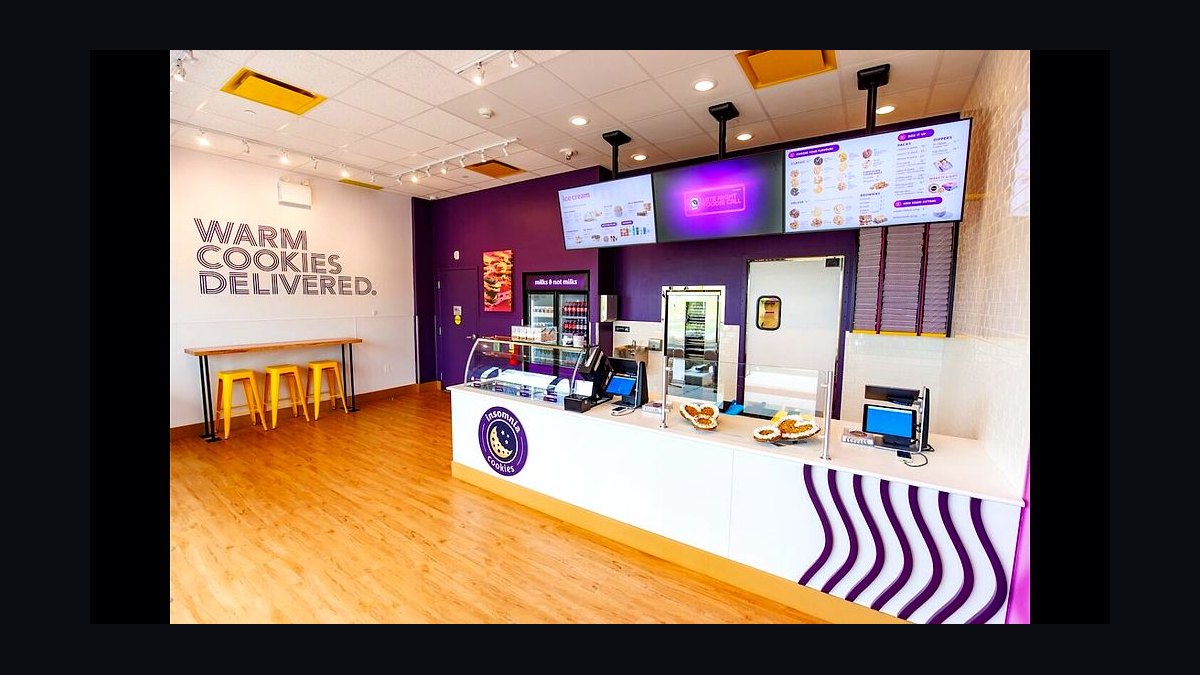
Verify franchise availability first. Insomnia Cookies grew primarily company-operated, so a franchise may not be offered on your timeline. If it is available, expect roughly $200,000–$550,000 all-in for a small late-night bakery in a college or dense urban market. If it is not, an actively-franchising cookie brand is the faster path.
The two paths on the table: Insomnia versus an actively-franchising cookie brand
Almost every person asking this question is really weighing two different bets, and confusing them is the most expensive mistake in the process. Path one is waiting for or pursuing an Insomnia Cookies franchise agreement. Path two is deploying the same capital into a dessert brand that is unambiguously selling franchises today — Crumbl Cookies, Great American Cookies, Nothing Bundt Cakes, or a comparable concept. These are not variations on a theme. They differ in availability, in daypart, in labor model, in real estate, and in how long your money sits idle before it starts working.
Insomnia Cookies, founded in 2003, built its brand on warm cookies delivered late — the peak window runs roughly 10 PM to 1 AM, with hours often extending to 2 or 3 AM. That is a genuinely differentiated position. Nobody else owns "warm cookie at midnight" in the consumer's head the way Insomnia does. The footprint is small, typically 500 to 1,200 square feet, sometimes cited as 800 to 1,200 for newer builds, which keeps rent and buildout comparatively low against a full-service restaurant or even a standard QSR. The menu is simple: cookies, cookie cakes, ice cream, a handful of add-ons. Simple menus mean simpler kitchens, shorter training curves, and less inventory shrink.
The problem is structural, not qualitative. Insomnia scaled primarily through company-owned locations. The brand grew from roughly 250 locations in 2023 to an estimated 300–350 by 2026, and that growth was largely corporate. A company that operates its own units keeps its own unit economics, its own real estate, and its own margin. It does not need to sell franchises to grow, and brands in that position tend to franchise selectively, in specific markets, to specific operator profiles, on their own timetable. Franchising has been limited and selective historically. You may find the door open in 2027. You may find it open only in three states you do not live in. You may find it closed.

Path two brands are the opposite. Crumbl operates well over 1,000 locations and built its entire growth engine on franchising — the sales process is designed to move you from inquiry to signed agreement quickly. Great American Cookies has decades of franchise infrastructure, heavy mall and lifestyle-center placement, and a daytime daypart. Nothing Bundt Cakes runs a celebration-occasion model with strong catering and corporate gifting revenue. Chip City has expanded aggressively in the Northeast. None of these carry the late-night halo Insomnia has, but all of them will actually take your call and send you a Franchise Disclosure Document.
The honest framing: Insomnia is the better brand story and the harder door. The alternatives are the weaker story and the open door. What you are really deciding is how much you are willing to pay — in months of waiting, in optionality, in capital sitting in a money market instead of in a business — for the stronger brand story. That price is real and you should put a number on it before you start.
The third path most buyers ignore: buying an existing unit
There is a route that gets almost no attention in these conversations and deserves more. If Insomnia franchising is limited but resale of an existing franchised unit is permitted, buying an operating store is structurally different from opening one. You buy revenue instead of buying a hope of revenue. You inherit staff, a delivery zone that has been tested, a lease with known terms, and — critically — real POS history you can read line by line rather than an Item 19 average you have to interpret.
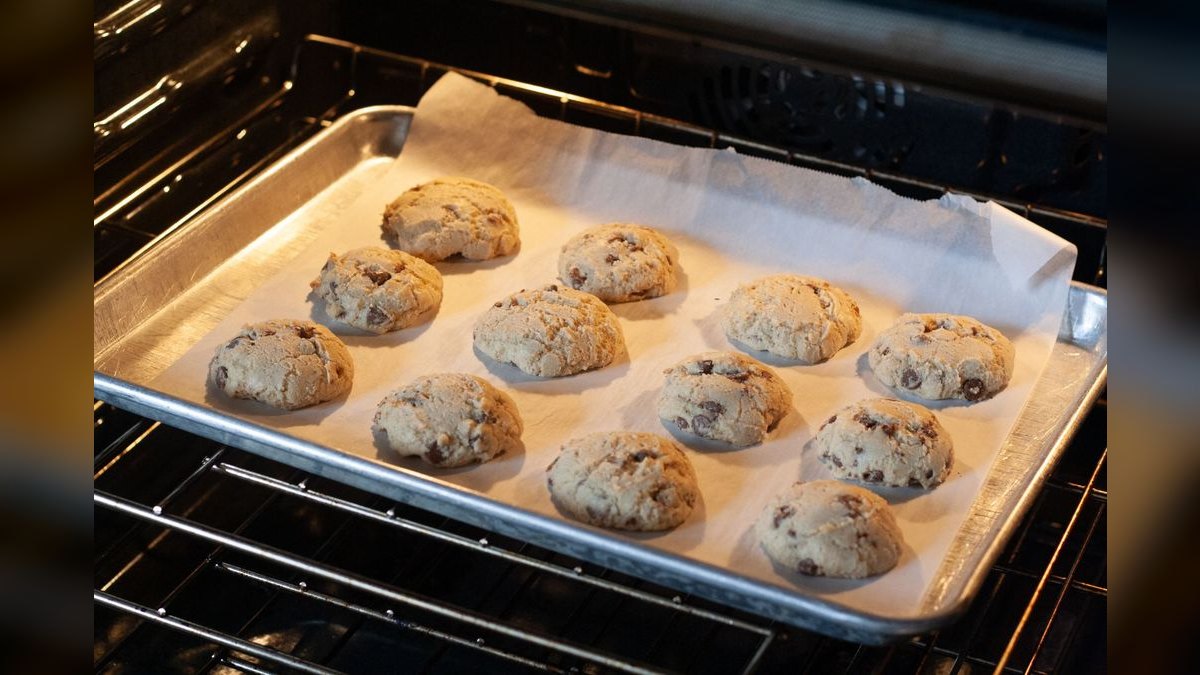
The trade-offs are concrete. You pay a premium over buildout cost when the store is healthy, typically expressed as a multiple of seller's discretionary earnings; dessert and small-format food businesses commonly trade in a two-to-three-times SDE range, though this varies enormously by market, lease term remaining, and whether the buyer is bringing financing or cash. You inherit deferred maintenance — ovens near end of life, a walk-in that needs a compressor, a POS on an unsupported version. You inherit the seller's staffing problems, which in a late-night business are usually the reason they are selling. And the franchisor still has to approve you as a transferee, which means you go through the same qualification process you would for a new unit, plus a transfer fee.
The diligence for a resale is different and better. You ask for three years of P&Ls, tax returns, and POS exports by daypart. You reconcile the P&L against the tax return — if they disagree materially, the P&L is a marketing document. You pull the delivery platform dashboards directly, because third-party sales are hard to fake when you are looking at the platform's own reporting. You read the lease for remaining term, option periods, percentage-rent clauses, and any late-night operating restrictions the landlord could enforce. You check whether the store's late-night hours are actually permitted by the lease and by local zoning, or whether the seller has been operating on a landlord's informal tolerance that evaporates at transfer.
For a first-time operator with limited food service background, a healthy resale is frequently the lower-risk entry even at a higher headline price, because it collapses the riskiest phase — the first twelve months, where a new store is simultaneously building habit, tuning labor, and burning working capital — into a purchase price you can finance.
Deciding between them without guessing

The decision is sequential, not simultaneous. You do not compare Insomnia against Crumbl in the abstract; you first resolve the availability question, and only the answer to that determines which comparison you are actually running. Most people invert this and spend three months building financial models for a franchise they cannot buy.
Step one is a direct inquiry to the franchisor. Submit the franchise interest form on the corporate site, then follow up by phone. The question you need answered is narrow and specific: is Insomnia Cookies awarding franchise agreements for new units in [your specific metro] in the next twelve months, and if so, what are the financial qualification requirements and the current development schedule? Ask separately whether existing franchised units are available for transfer in your region. Vague enthusiasm from a development rep is not a yes. A yes looks like: they send you an FDD, or they tell you a specific market and a specific timeline.
Step two is a market honesty test, and you should run it whether or not Insomnia says yes, because it determines whether the late-night model works for you at all. The model needs three things stacked in the same few blocks: a young late-night population, walkable or short-drive density, and permission to operate at 1 AM. A university with 15,000-plus students living on or adjacent to campus is the archetype. A dense downtown entertainment district with bars that close at 2 AM is the other. A suburban strip center anchored by a grocery store is neither, no matter how good the demographics look on a Nielsen report — the customer is home and asleep.
Test it by physically standing in your candidate trade area between 10 PM and 1 AM on a Thursday, Friday, and Saturday. Count people. Note what is open. Check whether the delivery apps show competitors operating at that hour and how long their quoted delivery times run. If the apps show a 55-minute wait at midnight, that is unmet demand. If they show nothing open, ask yourself whether that is opportunity or evidence that nobody buys food there at midnight.
Step three is the capital and timeline test. Decide, before you have an emotional stake, how long you are willing to wait for Insomnia and what your capital does in the meantime. Write down a date. If the franchisor has not sent you an FDD by that date, you move to path two. Without a written date, waiting becomes indefinite, because there is always one more email that might come back positive.
The decision tree above has one property worth naming: every path terminates. There is no branch where you keep waiting. That is deliberate. The single most common failure in this specific question is a buyer who spends eighteen months in an availability limbo, loses their preferred site to a competitor, and ends up with neither the brand they wanted nor the timing they needed.
Concrete numbers behind each option
Treat every figure below as a planning range to be replaced by FDD Item 7 the moment you have a real document. Item 7 is the franchisor's own estimated initial investment table, it is a legal disclosure, and it overrides any secondhand number including these.
For a small-footprint late-night cookie bakery, the build stacks roughly like this. Franchise fee: $25,000 to $35,000. Buildout and leasehold improvements: $90,000 to $280,000, and the spread is almost entirely about the condition of the space you take — a second-generation food space with existing hood, grease trap, and three-phase power lands at the low end; raw retail shell with no plumbing lands at the high end or above it. Equipment and ovens: $60,000 to $150,000, covering convection ovens, refrigeration, display cases, POS, and small wares. Signage and decor: $12,000 to $40,000, higher if you are in a district with a design review board or a landlord with strict sign criteria. Initial inventory: $6,000 to $18,000. Opening marketing: $8,000 to $25,000. Training and travel: $8,000 to $25,000 for you plus key staff. Working capital: $25,000 to $70,000, and this is the line people underfund most consistently.
Total: roughly $200,000 to $550,000. Ongoing, plan for royalty near 6 percent of gross and an advertising fund contribution in the 2 to 3 percent range. Verify both in Item 6.
Now the operating side, which matters more than the build. Model a store at $700,000 in annual gross sales and the line items move like this: cost of goods around 28 percent, or $196,000. Labor at 30 percent, or $210,000 — and in a late-night model that number is under real upward pressure, with 30 to 35 percent being a defensible planning range in markets with rising minimum wages or thin labor pools. Occupancy and delivery costs near 16 percent, or $112,000. Royalty, ad fund, and other operating expenses near 14 percent, or $98,000. What is left is owner earnings in the range of $84,000 to $160,000, depending on where you land in each band and whether you are working in the store.
That last point is not a footnote. If your $120,000 in owner earnings includes the value of you personally covering forty-plus hours of shifts, some of which run past midnight, the return on invested capital is meaningfully lower than the headline suggests. Price your own labor at what you would pay a general manager — call it $50,000 to $65,000 in most markets — and see what the business earns above that. If the answer is $30,000 on $400,000 invested, you have bought yourself a job with a 7.5 percent return on capital, and you should know that going in rather than discovering it in month fourteen.
The third-party delivery math deserves its own treatment because it can quietly eat the model. Commission on Uber Eats, DoorDash, and Grubhub commonly runs 15 to 30 percent of order value depending on the tier and whether you are buying marketing placement on the platform. On a $22 cookie order at 25 percent commission, you lose $5.50 before you pay for a single ingredient. If half your volume flows through third-party apps at that rate, your effective COGS-plus-commission on that half approaches 50 percent. In-house drivers avoid commission but bring wages, mileage reimbursement, insurance, and scheduling complexity — plus real safety obligations when someone is driving alone at 1 AM.
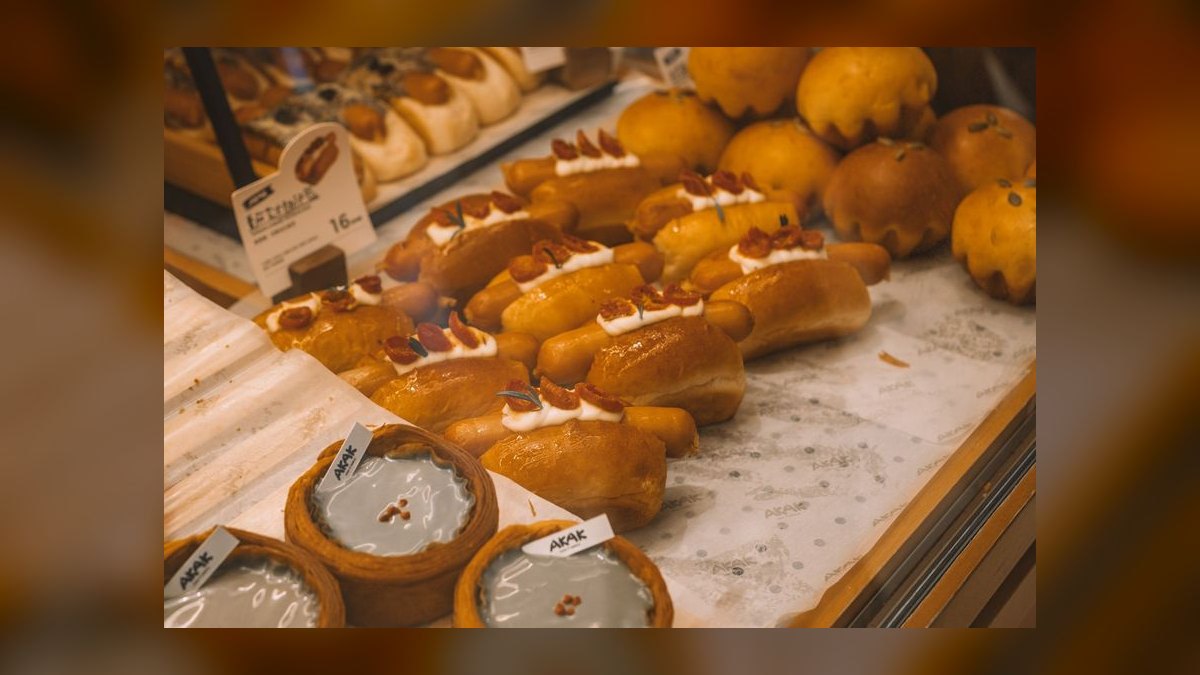
The workable answer most operators converge on is hybrid: in-house drivers during the 10 PM to 1 AM peak when order density is high enough that one driver can run three or four deliveries per trip, and third-party platforms during the thin shoulder hours where a salaried driver would be idle. Model both scenarios explicitly in your pro forma rather than assuming one channel. Build a version at 70 percent in-house and a version at 70 percent third-party, and see whether the business survives the worse one.
For comparison, the actively-franchising alternatives generally require similar or somewhat higher total capital, and they carry different revenue shapes. A daytime cookie or dessert brand in a lifestyle center trades the late-night labor premium for higher rent and a more competitive daypart. A celebration-cake model carries catering and corporate revenue that is less weather-dependent and less tied to an academic calendar. Neither is obviously better; they are differently shaped. What is unambiguously better about them is that you can obtain the FDD and get a real number this month rather than speculating.
One more number that is specific to this brand and gets underweighted: the academic calendar. A store whose demand is driven by a university experiences a real summer, and depending on the school, a real winter break. If June, July, and August run at 50 to 60 percent of term-time volume, your annual figure is not twelve equal months and your working capital needs to survive a slow quarter without you injecting cash. Ask any franchisee you interview for their monthly sales by month, not their annual total. The shape of the year tells you more than the size of it.
Territory, site, and the ninety-day sequence
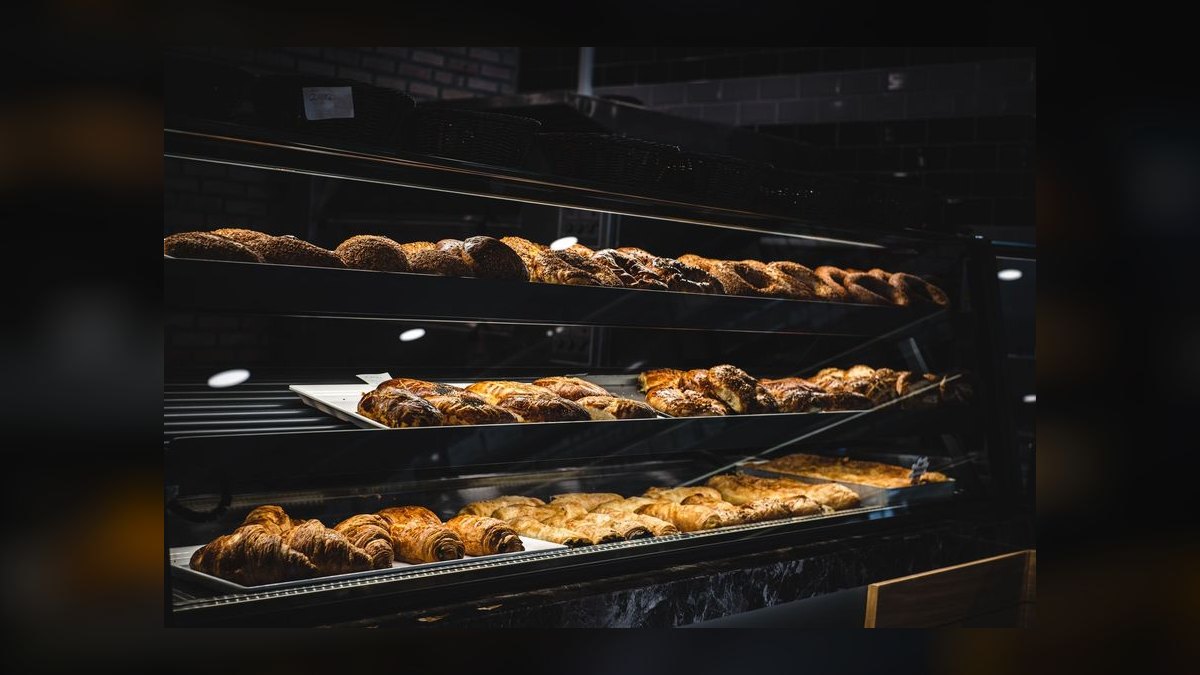
Territory economics for this model are unusual and you should understand them before you negotiate. Because the product promise is a warm cookie delivered fast — the operational target is roughly 15 to 20 minutes — the effective service radius is small. That produces territories that are geographically tight, sometimes on the order of a one- to two-mile radius around a single location, rather than the multi-mile or population-based territories common in QSR franchising. A small territory is not automatically bad; in a dense urban core, a one-mile radius can contain more addressable customers than ten miles of suburb. But it does mean you should read Item 12 carefully and understand exactly what protection you are getting, whether the franchisor reserves the right to open company units or alternative channels inside your area, and what happens if a neighboring franchisee's delivery zone overlaps yours.
Negotiate for territory protection of at least five years and, if the first unit performs, a defined path to additional units — a development right or a right of first refusal on adjacent territory. Multi-unit economics are where franchise operators actually make money in this segment: your second and third stores share a general manager, share purchasing leverage, and share your own management time in a way the first store cannot.
Site selection will take longer than you expect. Plan for six to twelve months. The franchisor will likely retain approval rights and will want proximity to universities, entertainment districts, or genuinely 24-hour commercial zones. Expect traffic pattern analysis, delivery zone overlap checks against existing locations, and a zoning review specifically for late-night operation. That last item is the one that kills deals quietly. Many municipalities restrict food service hours by zone, some require a specific late-night or extended-hours permit, and some landlords write operating hour limits directly into the lease. Confirm all three — zoning, permit, lease — in writing before you sign anything. A site that cannot legally operate past 11 PM is not a site for this concept, regardless of how good the foot traffic looks.
On staffing, build the hiring model around the reality of the schedule. Core hours often run from mid-afternoon to 2 or 3 AM. That schedule attracts college students, which is convenient because they are also your customer and they turn over every May. Budget for wage premiums on overnight shifts, expect turnover well above a daytime concept, and — this is the operational hinge — identify at least two people besides yourself who can close. A single-closer store means you personally work every late shift, and that is not sustainable past about six months. Food safety compliance during unsupervised overnight hours is a genuine liability exposure; document your procedures and spot-check them at 1 AM, not at 3 PM.
A few sequencing rules that save money. Do not sign a lease before the franchisor approves the site — you will own a lease for a location you cannot operate. Do not order equipment before permits are issued — permit delays of three to six months are ordinary and equipment payment terms are not. Do not open with full late-night hours on day one; run a soft open with limited hours for a week to find your production bottlenecks when the volume is forgiving. And do not skip the franchisee interviews. Ten calls is a floor, not a target, and you should specifically seek out operators who have closed or sold a unit, because satisfied franchisees are the ones the franchisor hands you and they are not the full sample.
Finally, run the whole sequence with a written abandonment date. If Insomnia has not produced an FDD by month three, execute path two. The capital, the site, the financing pre-approval, and the operating plan you built are all transferable to another cookie brand. The only thing you lose is the brand name, and you were never guaranteed that anyway.
Related questions
What happens if Insomnia declines my franchise application?
You lose the brand, not the plan. Your capital stack, trade-area analysis, financing pre-approval, and operating model transfer directly to Crumbl, Great American Cookies, or Chip City. Redirect the same package within weeks rather than restarting. Ask the franchisor whether resale of an existing unit is a possibility.
Can I run a late-night cookie shop without university proximity?
Possible but harder. You need a substitute demand source: a dense entertainment district with 2 AM bar closings, a hospital campus with shift changes, or a genuinely 24-hour commercial zone. Verify by counting foot traffic and checking delivery-app wait times between 10 PM and 1 AM on three separate weekend nights.
How much of my investment should be liquid rather than financed?
Plan on $80,000 to $150,000 liquid, with total net worth well above that. Franchisors set their own minimums in the FDD. Undercapitalized openings fail on working capital in months six through twelve, not on concept — hold enough cash to cover a full slow summer without an injection.
Is buying an existing location cheaper than building new?
Rarely cheaper on the headline price, often cheaper on risk. A healthy resale trades at a premium to buildout cost but delivers verified revenue, a tested delivery zone, and an existing team. Demand three years of P&Ls reconciled against tax returns before accepting any seller's earnings claim.
Should I use third-party delivery apps or in-house drivers?
Both, split by hour. In-house drivers during the 10 PM to 1 AM peak when density lets one driver batch three or four orders; third-party platforms during thin shoulder hours. Third-party commissions of 15 to 30 percent are only tolerable when the alternative is an idle salaried driver.
FAQ
Is Insomnia Cookies actually awarding franchises in 2027?
Historically franchising has been limited and selective — the brand grew primarily through company-operated locations. Availability can change by year and by region, so contact franchise development directly and ask a specific question: are agreements being awarded in your metro in the next twelve months? Treat anything short of an issued FDD as a no.
What does it cost to open an Insomnia Cookies franchise?
Planning range is roughly $200,000 to $550,000 all-in for a small-footprint bakery, with a franchise fee in the $25,000 to $35,000 range. The spread depends heavily on whether you take a second-generation food space or a raw shell. Replace these estimates with FDD Item 7 as soon as you receive a document.
What are the ongoing fees?
Expect royalty near 6 percent of gross sales plus an advertising fund contribution around 2 to 3 percent. Verify exact percentages, calculation basis, and any local marketing spend requirement in Item 6 of the FDD, and confirm whether technology, POS, or delivery platform fees are charged separately on top.
What average unit volume should I underwrite?
There is no reliable public industry-wide figure, and volumes vary sharply between a campus-adjacent urban store and a smaller market. Request Item 19 financial performance representations from the franchisor, then validate against franchisee interviews. Ask for monthly sales by month, not annual totals, so you can see the academic-calendar seasonality.
Does this model work outside college towns?
The late-night delivery model depends on a young population awake and spending after 10 PM. Dense urban entertainment districts can substitute for campuses. Standard suburban strip retail generally cannot, regardless of daytime demographics — the customer is home by 9 PM and the peak daypart simply does not exist there.
If Insomnia is unavailable, which alternatives are closest?
Crumbl Cookies has the largest franchise footprint and the most developed franchise sales infrastructure. Great American Cookies offers decades of franchising history with a daytime, mall-oriented daypart. Nothing Bundt Cakes covers the celebration-occasion segment with catering revenue. None replicate the late-night positioning, but all will issue you an FDD.
Sources
- https://insomniacookies.com/
- https://insomniacookies.com/locations
- https://www.ftc.gov/business-guidance/resources/franchise-rule-compliance-guide
- https://www.ftc.gov/business-guidance/blog/2022/05/thinking-about-buying-franchise
- https://www.franchise.org/
- https://www.sba.gov/funding-programs/loans/7a-loans
- https://crumblcookies.com/franchising
- https://www.greatamericancookies.com/franchising
- https://www.nothingbundtcakes.com/franchising
- https://www.nrn.com/
Related on PULSE
- Should I open a Crumbl Cookies franchise in 2027?
- Should I open or buy a Great American Cookies franchise in 2027?
- Should I open or buy a Mrs. Fields Cookies franchise in 2027?
- Should I open or buy a Crave Cookies franchise in 2027?
- Should I open or buy a Crumbl Cookies franchise in 2027?
- Should I open or buy a Cookies Crumbl alternative — Insomnia Cookies — franchise in 2027?
This page will be disappearing soon. Save it to your device for $1 — or read it free while it is here.
@Kory-White- · if Venmo asks, the last 4 of my number are 2012
This page is gone.
This one is off the shelf now. $1 keeps it on your phone for good — the whole page, pictures and diagrams included.
 franchiseShould I open or buy a Panera Bread franchise in 2027?
 franchiseShould I open or buy a Cold Stone Creamery franchise in 2027?
 franchiseShould I open or buy a Mathnasium franchise in 2027?
 frShould I open or buy a McDonald's franchise in 2027?
 franchiseShould I open or buy a Jamba franchise in 2027?
 franchiseShould I open or buy a Hand and Stone Massage franchise in 2027?
 franchiseShould I open or buy a Cinnabon franchise in 2027?
 franchiseShould I open or buy a Sonic Drive-In franchise in 2027?
 franchiseShould I open or buy a Meineke franchise in 2027?
 franchiseShould I open or buy a Little Caesars franchise in 2027?