


Should I open or buy a Menchie's franchise in 2027?
Quality
Certified
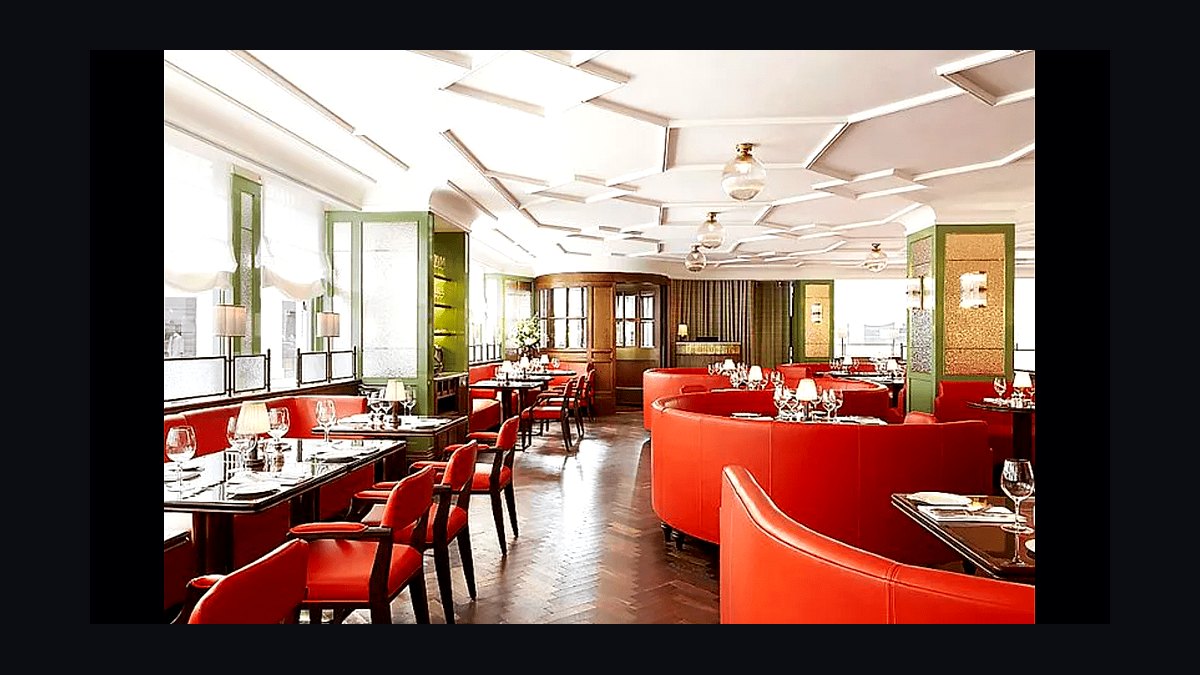
Only buy an existing, profitable Menchie's — don't open a new one from scratch in 2027. Frozen yogurt peaked around 2013 and has contracted since. A build costs roughly $300,000–$550,000, while a proven resale often trades for $80,000–$250,000. Validate local demand and current franchisee P&Ls before committing anything.
A concrete scenario: two buyers, same brand, opposite outcomes
Picture two prospective franchisees evaluating the same brand in the same year. Buyer A finds a 1,500-square-foot second-generation retail space in a growing suburban lifestyle center, signs a ten-year lease at $6,500 a month, and builds new. Between the franchise fee, buildout, machines, signage, opening inventory, grand-opening marketing, training travel, and a working-capital reserve, they are roughly $470,000 in before the first cup is weighed. If the shop performs at the middle of the reported range — call it $500,000 in gross sales — the owner's take-home lands somewhere near the high five figures after cost of goods, labor, occupancy, royalty, ad fund, and everything else. On a $470,000 investment, that is a payback measured in five, six, seven years, and that math assumes the shop hits mid-range on year one, which new units frequently do not. Buyer A is not buying a business; they are buying a job with a very expensive entry fee and a landlord who gets paid first.
Buyer B does something less exciting. They contact the franchisor's development team, ask for the list of units currently available for transfer, and pull listings from the public business-for-sale marketplaces. They find a shop that opened in the mid-2010s whose owner is exiting for reasons that have nothing to do with the business — retirement, a relocation, a second career. The unit does around $480,000 a year and has done so, plus or minus five percent, for three consecutive years. The asking price is $180,000. Buyer B negotiates on the strength of aging yogurt machines that will need replacement inside three years, lands closer to $150,000, assumes a lease with six years remaining, and inherits a customer base, a staffing bench, a health-inspection track record, and a Google review profile that took a decade to accumulate.
Same brand. Same category headwinds. Radically different risk. Buyer B paid roughly a third of what Buyer A paid for a revenue stream that already exists and can be verified against tax returns. Buyer A paid full freight for a revenue stream that exists only in a spreadsheet. In a growing category, Buyer A's premium can be justified — you pay more for a new unit because you get first-mover position in an underserved trade area and the category tide lifts you. In a contracting category, that premium has no tide behind it. This is the single most important framing for anyone weighing whether to open or buy in 2027: the category's direction of travel changes which of those two paths is rational, and frozen yogurt's direction of travel has been down since the early-2010s boom broke.
The same logic applies well beyond froyo. Any concept whose unit count peaked years ago and has been shrinking since — certain sandwich chains, certain smoothie concepts, a fair number of the cupcake and juice-bar brands that had their moment — presents the same asymmetry. New builds in mature or declining categories systematically overpay relative to resales, because the franchisor's development pipeline is priced off brand equity and buildout cost, while the resale market is priced off actual cash flow. When those two numbers diverge sharply, the resale market is telling you something the franchise brochure is not.
How the unit economics actually work, line by line
Frozen yogurt self-serve is a deceptively simple P&L, and understanding where the money goes is what separates a diligent buyer from a hopeful one. Start with the top line. A self-serve shop sells product by weight — customers pull their own yogurt, load their own toppings, and pay per ounce at the scale. That structure has one enormous virtue: the customer performs the labor that a scooping ice cream shop pays an employee to perform. It also has one enormous vulnerability: the customer controls portion size, which means your average ticket is set by consumer behavior rather than by menu engineering.
Cost of goods on frozen yogurt sits in a comfortable zone — roughly 30 percent of sales is a common working assumption, meaning gross margin north of two-thirds. Toppings carry different margins than the base; candy and syrups are cheap per ounce sold, fresh fruit is not and spoils. Franchisees who let the topping bar drift toward premium items without adjusting price per ounce quietly bleed several points of margin.

Labor is where the "low labor" pitch gets tested. The self-serve model does not mean nobody works there. Somebody has to run the register, restock and rotate a topping bar that must look full and clean at all times, break down and sanitize the yogurt machines on a schedule that health codes dictate rather than convenience, mop a floor that gets sticky by definition, and be present when a family of five is deciding. Practically, that is two people on shift most of the time and three during a Friday-evening rush. Labor in the mid-twenties as a percentage of sales is realistic; brochure figures at the low end of the range usually assume the owner is standing behind the counter for free. If you plan to hire a full-time manager so you can keep another job or run multiple units, add a salary in the range of a mid-market retail manager and subtract it directly from owner earnings — that single decision can cut take-home by a third or more.
Occupancy is the line that kills marginal froyo units. A 1,200 to 1,800 square foot inline retail space in the kind of family-dense, high-visibility center this concept requires does not rent cheap, and dessert traffic does not fill the space for the eight hours a day a restaurant would. Occupancy running into the teens as a percentage of sales is common, and every point above that comes straight out of the owner's pocket. This is why percentage-rent structures — a lower base with a percentage of sales above a threshold — matter so much for seasonal dessert concepts. It converts a fixed cost into a variable one precisely in the months when sales collapse.
Then royalty and ad fund. Royalty near six percent of gross plus an advertising contribution of a couple of points means roughly eight cents of every dollar leaves before you have paid for anything. On a $500,000 shop that is about $40,000 a year, which is a meaningful fraction of what the owner will ultimately take home. A six percent royalty sits at or slightly above the typical range for food franchising, and it is worth asking pointedly what the ad fund buys in your specific market. National brand spend in a category with a few hundred units nationwide does not generate the kind of awareness that a thousand-unit chain's fund does.
Two structural facts sit underneath all of this. The first is seasonality. A dessert concept in a temperate climate does the overwhelming majority of its business in the warm months. The winter quarter can run at or below break-even, which means the summer has to fund the winter — and an owner who spends the July cash instead of reserving it discovers in January that a profitable business can still run out of money. The second is equipment. Soft-serve yogurt machines are capital items with finite lives, and replacing one is a five-figure decision. A buyer inheriting a decade-old shop should assume machine replacement is a when, not an if, and price it into the offer.
Real numbers, ranges, and what to benchmark against
The disclosure document is the starting point, not the conclusion. The franchise fee sits around $40,000 and total initial investment lands in the neighborhood of $300,000 to $550,000 depending on market, space condition, and how much of the buildout the landlord contributes. That range is wide for a reason: a second-generation food space with usable plumbing, grease infrastructure, and an existing HVAC package can save six figures over a raw shell, and the difference between those two scenarios is the difference between a viable investment and a bad one. Before you fall in love with a location, get a contractor's walkthrough and a landlord's tenant-improvement allowance in writing.
On the revenue side, mature shops in this category commonly land somewhere between $350,000 and $700,000 in annual gross sales, with owner earnings across a corresponding band that runs from roughly $40,000 at the low end to well into six figures at the top. Note what that range implies: the bottom of the earnings band is below what the owner could earn working for someone else, on an investment of several hundred thousand dollars. That is not a hypothetical worst case — it is the reported low end of the operating population.
The benchmarks that actually matter during diligence are ratios, not absolutes:
Sales per square foot. Divide gross sales by leased square footage. A shop doing $450,000 in 1,300 square feet is a fundamentally healthier animal than one doing $500,000 in 1,900 square feet, because the second one is paying rent on 600 square feet of decoration.
Occupancy as a percentage of sales. Above the mid-teens and the lease is eating the business. Get the actual lease, including CAM charges, insurance pass-throughs, and scheduled escalations, not the base rent number the seller quotes.
Rent-to-summer-sales. Because of seasonality, compute annual rent against warm-season sales alone. If the summer months cannot carry the full year's occupancy, the winter will be funded out of the owner's savings.
Average ticket and transaction count, separately. Sales can hold flat while transactions fall and price rises — that is a shrinking customer base masked by inflation, and it is the single most common way a declining unit looks stable on a summary P&L. Ask for three years of transaction counts, not just revenue.
Same-store sales trend over three to five years. In saturated metro markets, established froyo units have widely reported flat-to-declining comps as dessert options fragmented across ice cream, gelato, bubble tea, cookies, and everything else competing for the same after-dinner dollar. In smaller underserved towns, units are more often stable. The trade-area profile matters more in this category than in almost any other.
On the resale side, listings for units in mature dessert concepts commonly ask somewhere in the low six figures, and time-on-market runs long compared with stronger quick-service brands — often the better part of a year rather than a couple of months. Long marketing times are leverage. A seller fourteen months into a listing will entertain an offer that a seller in month two will not. Franchisors typically hold a right of first refusal on transfers and charge a transfer fee plus training costs for the incoming owner, so budget for that on top of the purchase price and confirm the exact figures in the current disclosure document's transfer section rather than relying on any number you read secondhand — including this page.

The single most useful diligence artifact is Item 20 of the disclosure document, which shows unit counts, openings, closures, terminations, and transfers year over year. Openings minus closures tells you whether the system is growing. A high transfer rate tells you owners are exiting. Read three consecutive years of it, not one — a single year can be noise, three years is a trend. Then call franchisees. Not the handful the franchisor suggests; call from the full contact list the disclosure document is required to provide, including the section listing owners who left the system in the prior year. Departed franchisees give the most honest interview you will get.
Trade-offs, alternatives, and adjacent plays worth pricing
The honest comparison set for a froyo investment is not other froyo brands — it is every other way to deploy $300,000 and full-time attention.
Buying an existing unit versus opening new. Covered above, but worth stating as a rule: in a category with flat or declining unit counts, resale should be the default and new-build the exception that requires justification. You buy new when you have a genuinely underserved trade area, a landlord contributing meaningfully to buildout, and franchisee interviews confirming that recently opened units in comparable markets are performing.
Growing dessert categories. Gourmet cookies, premium frozen custard, and craft ice cream concepts have taken share while froyo receded. They generally carry higher buildout costs and, in the hot brands, higher fees and longer waitlists — you are paying a premium for category momentum. The relevant question is whether that premium is smaller than the discount you'd need on a froyo unit to compensate for category risk. Often it is.

Independent dessert shop. No franchise fee, no royalty, no ad fund — that is eight points of gross margin back in your pocket, which on a $500,000 shop is roughly $40,000 a year, or the difference between a mediocre and a decent living. What you give up is a proven buildout package, supply-chain contracts, operating systems, and brand recognition. For a first-time operator, that trade usually favors the franchise. For someone with restaurant operating experience and local marketing chops, independence is genuinely competitive.
Multi-unit versus single-unit. Single-unit dessert franchising is structurally hard because the owner cannot afford a manager and therefore must work the counter, capping the return at what one person's labor is worth. Multi-unit operators spread a manager and a marketing effort across three or four locations and start to build something with enterprise value. If you cannot see a path to a second and third unit, ask yourself honestly whether you are buying an asset or a wage.
Adjacent revenue in the same footprint. Catering for office and school events, gift-card sales, birthday-party packages, and seasonal limited-time flavors are the standard levers for smoothing seasonality. Adding hot beverages or a complementary daypart product can pull traffic into the dead winter months. Any of these change the labor model, so model them before assuming they are free upside.
Common pitfalls and how to avoid them
Treating "low labor" as "low effort." Self-serve reduces labor relative to full-service, not to zero. Budget two to three staff on shift and verify against the actual payroll registers of the unit you're buying — not the seller's characterization of them. Ask for the payroll provider's reports, which are much harder to shade than a hand-built spreadsheet.
Underwriting to the middle of the range. Prospective franchisees habitually model at the midpoint of the disclosed sales range and the low end of the disclosed investment range. Reverse it. Model at the low end of sales and the high end of investment, and see whether the deal still works. If it only pencils at the optimistic corner of both distributions, it does not pencil.
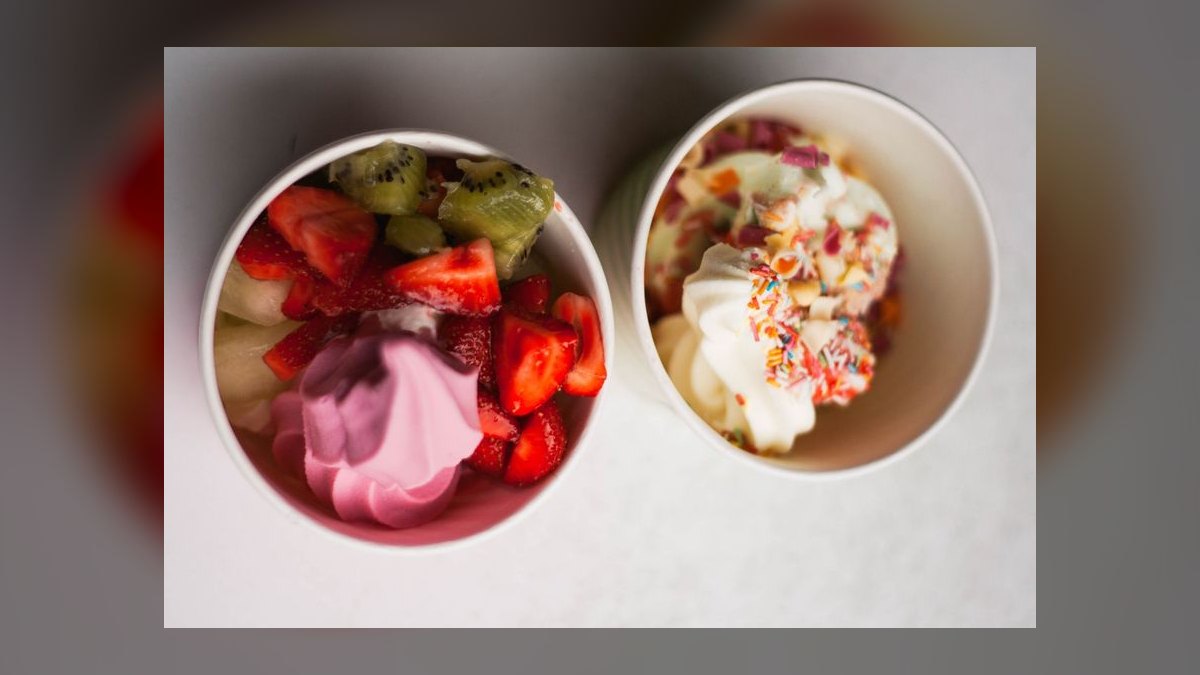
Signing the lease before finishing franchisee interviews. The lease is the longest and least escapable commitment in the entire deal — often longer than the franchise agreement's practical exit and usually personally guaranteed. Never sign it while diligence is open. If a landlord pressures you to commit before you've talked to a dozen operators, that is information about the landlord.
Missing the seasonality trap in the cash plan. Build a thirteen-week rolling cash forecast that explicitly reserves summer cash for the winter trough. Owners who fail here are usually profitable on paper and insolvent in February. Set the reserve aside in a separate account in July, not in November when it's already gone.
Accepting the seller's add-backs at face value. Every resale is marketed on "adjusted" earnings with the owner's salary, vehicle, phone, and assorted personal expenses added back. Some add-backs are legitimate; many are the cost of running the business dressed up as discretionary. Rebuild the P&L yourself from bank statements and tax returns, and if the seller resists providing them, that resistance is the answer.
Ignoring equipment age and lease remainder. These are the two hidden liabilities in nearly every dessert-shop resale. Machines age out and are expensive to replace; a lease with three years left means you may face a renewal negotiation from a position of total weakness, because your entire investment is immobile. Prefer units with meaningful lease term remaining or a negotiated renewal option, and get an equipment condition report before closing.
Rushing the resale timeline. New franchisees typically get a mandated review period before signing; resale buyers often get a compressed window because a seller is impatient. That compression is exactly backwards — a resale requires more diligence, not less, because you are also inheriting somebody else's operating history, staff, equipment, and reputation. Retain a franchise attorney and an accountant who has read disclosure documents before, and refuse to close on a schedule that prevents real review.

Skipping the competitive audit. Map every frozen-dessert and dessert-adjacent retailer within a few miles: ice cream, gelato, bubble tea, cookies, donuts, the dessert program at the local grocery. Territory protection in franchising typically covers same-brand encroachment only — it does nothing about the cookie shop opening next door. Pull their review counts and ratings, visit on a Friday evening, and count cars.
Confusing brand nostalgia with brand demand. Frozen yogurt has genuine affection attached to it, which makes it easy to mistake your own fondness for a market signal. The test is not whether people like froyo. It is whether enough people in your specific trade area will pay enough per visit, often enough, across twelve months, to cover a lease, a payroll, an eight-percent fee load, and a return on several hundred thousand dollars of your capital.
Related questions
Is buying an existing franchise always better than opening new?
No. In growing categories with underserved territories, a new build captures a better location and a full-term agreement. Resale wins when the category is flat or contracting and proven cash flow trades below replacement cost — which is the frozen-yogurt situation heading into 2027.
How many franchisees should I call before deciding?
At least a dozen for a mature-category concept, drawn from the full disclosure-document contact list rather than a franchisor-curated shortlist. Include several owners who exited the system in the prior year; their interviews are consistently the most candid and the most predictive.
What financing is realistic for this kind of purchase?

SBA 7(a) loans are the common path for franchise acquisitions, typically requiring meaningful liquid injection plus a personal guarantee and often a lien on your home. Lenders scrutinize category trends, so a contracting concept can face tougher underwriting than a growing one.
Does seasonality make dessert franchising unworkable in cold climates?
Not unworkable, but it narrows the margin for error considerably. Cold-climate units need a genuine winter strategy — indoor mall or high-traffic enclosed locations, complementary warm products, catering, or percentage-rent leases that flex when sales fall.
How much of the disclosure document actually matters?
Items 5, 6, and 7 for fees and investment; Item 19 for any financial performance representation; Item 20 for unit counts, closures, transfers, and the franchisee contact lists. Read three consecutive years of Item 20 to see the system's actual direction.
FAQ
Can a Menchie's franchise be profitable in 2027?
Yes, in the right trade area, and no in the wrong one — the outcome is more location-dependent than brand-dependent. Mature units in the category commonly gross between roughly $350,000 and $700,000, with owner earnings spanning something like $40,000 to well into six figures. That spread is the whole story: the same brand, the same systems, and radically different results driven by trade-area demographics, lease terms, seasonality, and whether the owner works the counter. Underwrite to the bottom of that range, not the middle.
What does it cost to open a new location versus buy an existing one?
Opening new runs roughly $300,000 to $550,000 all-in, including a franchise fee around $40,000, buildout, equipment, inventory, opening marketing, and working capital. Existing units in mature dessert concepts frequently list in the low six figures, plus a franchisor transfer fee and training costs for the incoming owner. Verify all current figures in the latest disclosure document rather than relying on any secondary source.
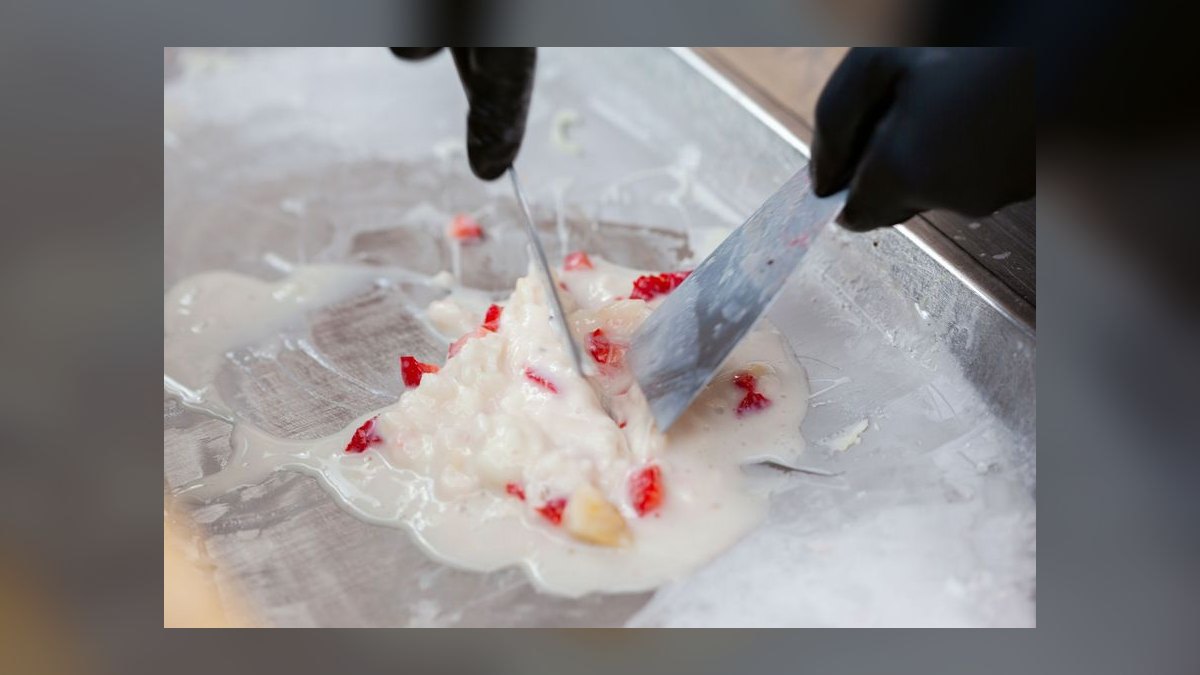
What are the ongoing fees?
Royalty runs near six percent of gross sales, with an advertising contribution on top of that — call it roughly eight cents of every dollar leaving before you pay for product, people, or rent. On a $500,000 shop that's around $40,000 annually. Ask specifically what the ad fund delivers in your market, since national spend in a few-hundred-unit system buys less local awareness than a large chain's fund does.
How long does it take to open a new unit?
Six to twelve months is the normal span from signed agreement to opening day, driven by site selection, lease negotiation, permitting, construction, and training. Permitting and construction are the usual sources of delay, and both are largely outside your control. Every month of delay is a month of rent on a space that isn't selling anything, so negotiate a free-rent construction period in the lease.
What's the biggest risk in this deal?
Category direction. Frozen yogurt boomed in the early 2010s and contracted substantially afterward, with many shops closing as the fad cooled. Surviving brands operate real businesses, but they are not riding a growth wave, and dessert competition has fragmented across cookies, gelato, bubble tea, and premium ice cream. Everything else — seasonality, labor, occupancy — is manageable. Category decline is the risk you cannot operate your way out of.
If I walk away from froyo, what should I look at instead?
Growing dessert categories such as gourmet cookies, frozen custard, or craft ice cream, where you're paying a premium for momentum rather than a discount for decline. An independent dessert shop is also worth pricing — no fee load means roughly eight more points of margin, at the cost of brand recognition and turnkey systems. Compare all of them on payback period and the realistic low-end scenario.
Sources
- https://www.ftc.gov/business-guidance/resources/franchise-rule-compliance-guide
- https://www.sba.gov/funding-programs/loans/7a-loans
- https://www.ftc.gov/business-guidance/resources/consumers-guide-buying-franchise
- https://www.franchise.org/
- https://www.entrepreneur.com/franchises/franchise500
- https://www.bizbuysell.com/
- https://www.nrn.com/
- https://www.ibisworld.com/united-states/market-research-reports/
- https://www.restaurantbusinessonline.com/
- https://www.sba.gov/document/support-franchise-directory
Related on PULSE
- How long does it take to open a franchise and break even in 2027?
- Should I open or buy an ice cream franchise in 2027?
- Should I open or buy a Tommy Gun's Original Barbershop franchise in 2027?
- What should I look for in a franchise disclosure document before signing?
- Is buying an existing franchise resale safer than opening a new unit?
This page will be disappearing soon. Save it to your device for $1 — or read it free while it is here.
@Kory-White- · if Venmo asks, the last 4 of my number are 2012
This page is gone.
This one is off the shelf now. $1 keeps it on your phone for good — the whole page, pictures and diagrams included.
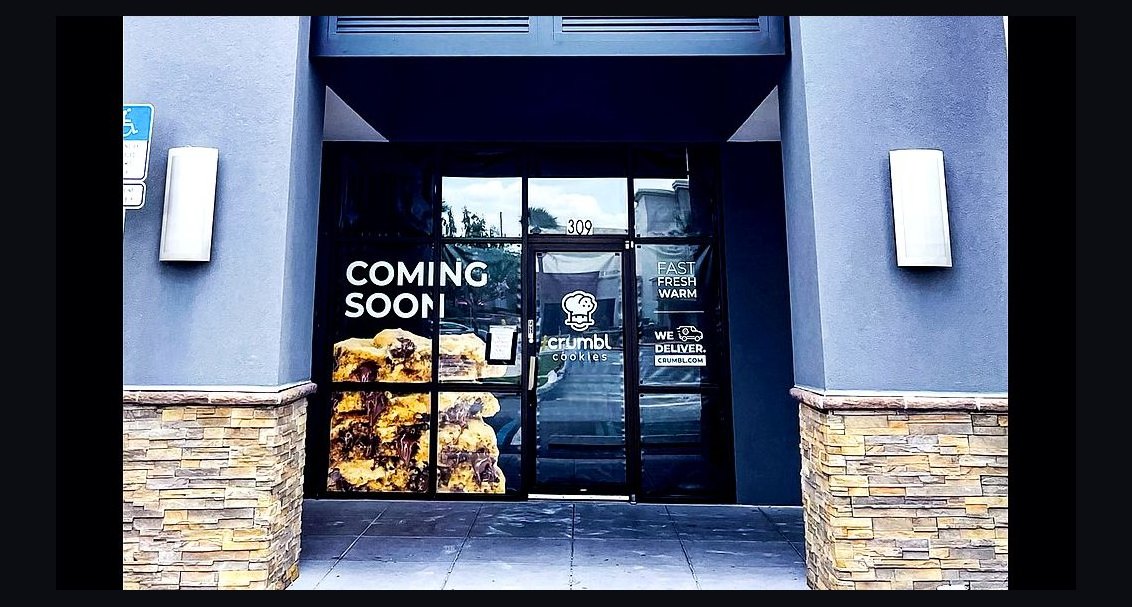 franchiseShould I open or buy a Crumbl Cookies franchise in 2027?
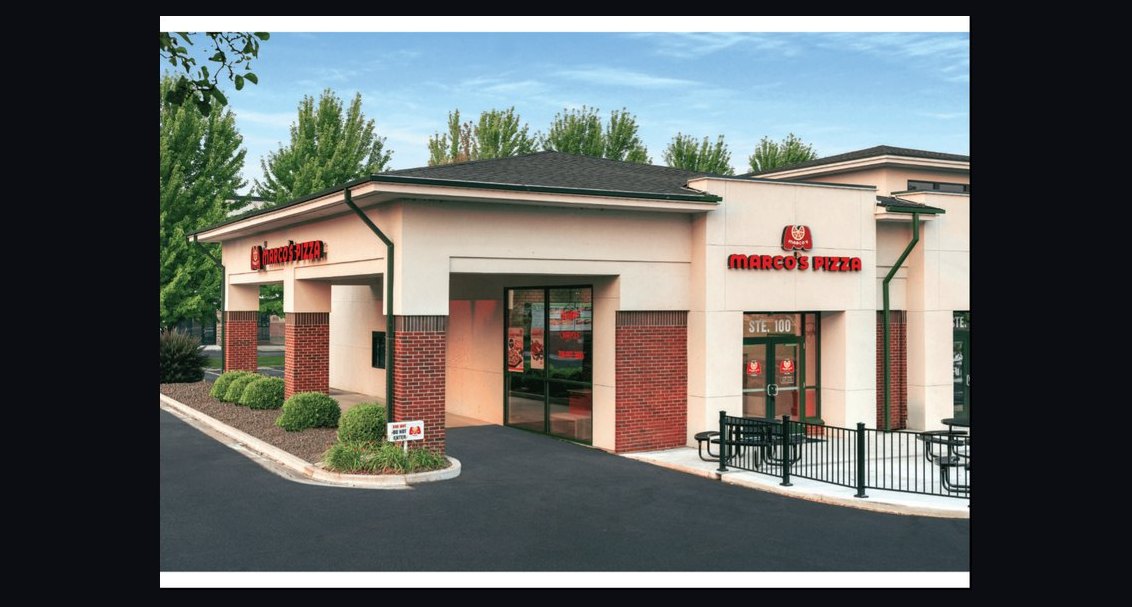 franchiseShould I open or buy a Marco's Pizza franchise in 2027?
 franchiseShould I open or buy a Matco Tools franchise in 2027?
 franchiseShould I open or buy a Cinnabon franchise in 2027?
 franchiseShould I open or buy a Servpro franchise in 2027?
 franchiseShould I open or buy a Valvoline Instant Oil Change franchise in 2027?
 franchiseShould I open or buy a Mathnasium franchise in 2027?
 franchiseShould I open or buy a FACE FOUNDRIÉ franchise in 2027?
 franchiseShould I open or buy a Great Clips franchise in 2027?
 franchiseShould I open or buy a Jeremiah's Italian Ice franchise in 2027?