


Should I open or buy a Gatti's Pizza franchise in 2027?
Quality
Certified
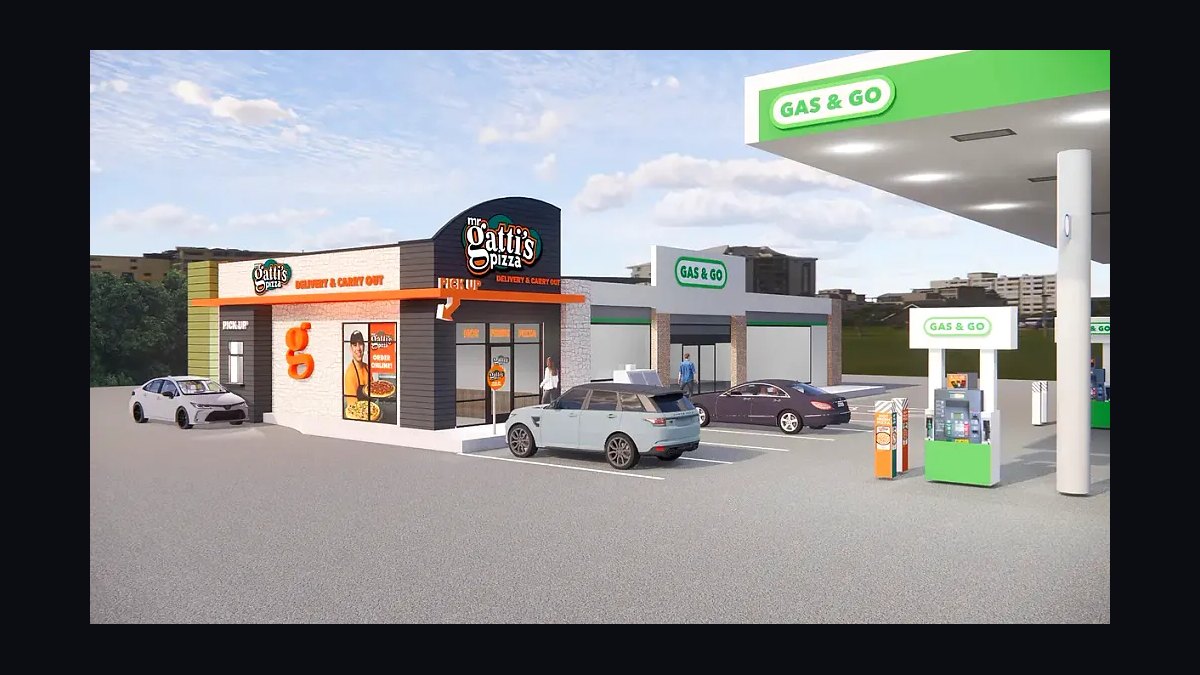
Proceed only with rigorous diligence: Gatti's Pizza is a 1969 Texas buffet-and-arcade brand with a genuinely turbulent ownership history, including past bankruptcy and restructuring, so the decision to open a franchise hinges less on the concept and more on whether the current franchisor is financially stable, well-run, and transparent about unit economics before you sign anything.
A Franchisee's First 18 Months
Picture a prospective owner in a mid-sized Texas or Oklahoma market weighing a Gatti's Pizza franchise against a Pizza Ranch or an independent buffet concept. They sign a letter of intent, pay a deposit, and spend the next four to six months in site selection, lease negotiation, and buildout — choosing between a smaller express/delivery unit around $400,000 or a full GattiTown entertainment center that can run $1.5 million to $3 million or more once arcade equipment, games, and a larger footprint are added. During buildout, they discover the franchisor's construction and design-review process is slower than expected because corporate has changed ownership twice in the past several years and the operations team is smaller than it was at the brand's peak. Opening week draws strong local curiosity — Gatti's still carries real name recognition across Texas and the surrounding South — but by month six the owner is confronting the two defining cost centers of the format: buffet food waste, which requires constant portion and staffing discipline to keep under control, and arcade/game maintenance, which is capital-intensive and never really stops. By month twelve, the franchisee's real test isn't marketing or customer counts — it's whether the corporate office answers calls quickly, ships promised menu innovation, and behaves like a stable long-term partner. That is the scenario every serious Gatti's prospect should mentally run before they open a single location, because the brand's history means this isn't a hypothetical risk — it's the central variable.
How the GattiTown Economics Actually Work
The GattiTown format works as a blended revenue engine: pizza buffet drives traffic and covers a meaningful share of fixed costs, while arcade and games revenue carries higher margin and is what separates a strong GattiTown from a mediocre one. Buffet pricing is built to be all-you-can-eat value, which means food cost runs higher than a typical quick-service pizza concept and labor must actively manage waste — running out of a pizza style irritates customers, but overproducing burns margin every single day. Games revenue, by contrast, has minimal marginal cost per play once the machines are installed, so a location that drives strong arcade attach rates on top of buffet traffic can meaningfully outperform a location that is buffet-only in practice. The mechanism only works, though, if the franchisor is contributing to it: menu innovation (gluten-free crusts, plant-based options, limited-time offers) needs corporate R&D and vendor relationships, digital ordering and loyalty tools need corporate technology investment, and national brand marketing needs a stable ad fund. When a franchisor's ownership is in flux, these support functions are typically the first to shrink, which is exactly what independent franchisee reviews from sites like FranchiseBusinessReview and FranchiseGrade have flagged for Gatti's — inconsistent marketing support and turnover in franchisor leadership.
Real Numbers, Ranges, and Benchmarks
Total investment for a Gatti's Pizza franchise varies dramatically by format. A smaller express or delivery-focused unit runs roughly $400,000 to $700,000 all-in, while a full GattiTown entertainment center — combining a pizza buffet, salad bar, and a substantial arcade — typically requires $1.5 million to $3 million or more once buildout, equipment, games, signage, initial inventory, marketing, and working capital are stacked together. The franchise fee itself is around $30,000 regardless of format, and ongoing royalties run roughly 4% to 5% of gross sales, plus a separate advertising fee of about 1% to 2% of gross that funds regional or national campaigns rather than your local marketing, which you should expect to fund separately at another 1% to 3% of revenue. Average unit volumes vary just as widely: smaller express-format units commonly gross $600,000 to $1.2 million a year, while large GattiTown centers with strong games attach can reach $2 million to $4 million or more, though you should treat any system-wide average with suspicion and insist on format-specific figures. Ongoing capital expenditure is a line item many prospects underweight — arcade games need regular maintenance, insurance, and periodic replacement, and buffet equipment like steam tables and pizza ovens has a shorter useful life than standard kitchen gear, so budget $50,000 to $100,000 in equipment replacement every five to seven years on top of routine repairs. Labor is the other structural cost: buffet formats need staff dedicated to constantly monitoring and replenishing the line, bussing tables, and managing the game room, and with minimum wages climbing in many states through 2026 and 2027, labor can consume 30% to 40% of revenue or more at a poorly run unit. Break-even timelines commonly reported by franchisees in this category run two to four years, heavily dependent on local competition, buffet demand in that specific market, and how much of the revenue mix comes from higher-margin games versus food.
Trade-offs and Alternative Concepts
The core trade-off in a Gatti's franchise decision is capital intensity and format complexity against brand recognition and blended-margin upside. A GattiTown gives you two revenue engines under one roof — food and entertainment — which can outperform a single-format competitor in the right market, but it also means you're operating a restaurant and a mini entertainment venue simultaneously, with all the staffing, maintenance, and working-capital demands that implies. An express or delivery-only Gatti's avoids the games overhead and cuts the entry price roughly in half, but it also forfeits the brand's signature family-entertainment draw that differentiates it from any other delivery pizza chain on the block. Against direct competitors, Peter Piper Pizza offers a similar buffet-plus-arcade model concentrated in the Southwest and Mexico, with total investment in a comparable $700,000 to $1,800,000 range and royalties near 4% to 5% — a useful benchmark for what a healthier-positioned competitor charges for a similar format. Chuck E. Cheese operates mostly corporate-owned units, so franchise availability there is rare, while CiCi's Pizza has significantly shrunk its franchise development and is a shrinking rather than growing option. If the diligence on Gatti's current ownership turns up red flags — thin Item 19 disclosure, high franchisee turnover, or leadership instability — the rational alternative isn't to abandon the buffet-entertainment category, it's to redirect capital toward a more stable brand in the same space, or toward a lower-capital, non-buffet pizza format like a delivery-focused concept where the downside of franchisor instability is smaller because your fixed investment is smaller too.
Common Pitfalls and How to Avoid Them
The single biggest pitfall is signing before verifying the current franchisor's financial and operational stability, given that Gatti's has been through bankruptcy and restructuring and has changed hands multiple times, including a 2019 sale. Avoid it by requesting the most recent Franchise Disclosure Document, reading Item 19 (financial performance representations) and Item 20 (franchisee count and turnover) closely, and treating a missing or thin Item 19 as a genuine red flag rather than a formality — if the franchisor won't show you real numbers, you have no benchmark for realistic revenue. A second pitfall is under-capitalizing a GattiTown-format unit: the games and buffet buildout is expensive, and franchisees who stretch to the edge of their liquidity on day one have no cushion for the labor and equipment-replacement costs that hit hardest in years two and three. Budget beyond the headline investment range and keep working capital reserves specifically earmarked for arcade maintenance and buffet equipment turnover. A third pitfall is skipping direct franchisee outreach — contact ten to fifteen current and former franchisees rather than relying on corporate-supplied references, and ask pointed questions about year-over-year revenue trends since 2020, labor challenges, franchisor responsiveness on menu innovation, and whether digital ordering and loyalty tools are provided or something you'll have to build yourself. A fourth pitfall is ignoring exit strategy before signing: pizza-buffet concepts have a smaller resale buyer pool than quick-service or fast-casual formats, so ask the franchisor directly for the number of transfers completed in the past three years and the average time a location sits on the market before resale — if transfers are rare, you may be more locked in than you expect. Finally, don't skip in-person diligence: visit at least three existing Gatti's locations in different markets during both peak and off-peak hours, and observe buffet freshness, game maintenance, and real customer traffic firsthand rather than trusting marketing materials alone.
Related questions
How much does a Gatti's Pizza franchise cost to open?
Total investment ranges from about $400,000 for a smaller express/delivery unit to $3 million or more for a full GattiTown entertainment center, plus a roughly $30,000 franchise fee and 4%-5% ongoing royalty.
Is Gatti's Pizza's bankruptcy history a dealbreaker for franchisees?
Not automatically, but it makes diligence mandatory — verify the current owner's financial health, request the latest FDD, and speak directly with 10-15 current and former franchisees before signing.
What's the difference between a Gatti's express unit and a GattiTown?
Express/delivery units skip the arcade and cost roughly half of a full GattiTown, which combines a pizza buffet with a substantial games area and correspondingly higher capital and labor demands.
How does Gatti's compare to Peter Piper Pizza or Chuck E. Cheese?
Peter Piper offers a similar buffet-and-arcade model in the Southwest with comparable investment and royalties; Chuck E. Cheese is mostly corporate-owned with few franchise slots; CiCi's has sharply reduced new franchise development.
What should I ask a Gatti's franchisor before signing?
Ask for format-specific AUVs (not system-wide averages), average franchisee tenure, how many transfers occurred in the past three years, and whether digital ordering/loyalty tools are provided or self-funded.
FAQ
How much does it cost to open a Gatti's Pizza franchise? Total investment ranges from roughly $400,000 for a smaller express/delivery unit to over $3,000,000 for a large GattiTown entertainment center. The franchise fee is around $30,000, with ongoing royalty fees of 4%-5% plus a separate advertising fee.
Is Gatti's Pizza a safe investment given its past bankruptcies? The brand has undergone past bankruptcy and restructuring, so you must carefully verify the current franchisor's financial health and legal standing. Request the most recent Franchise Disclosure Document and consult existing and former franchisees for honest feedback.
What are the different franchise formats available? Formats range from express/delivery-only locations to full-scale GattiTown family entertainment centers with pizza buffets, salad bars, and arcade games. Your choice significantly affects total investment, staffing needs, and potential revenue mix.
How long does it take to break even on a Gatti's franchise? Break-even timelines vary widely by format and location, but many franchisees report two to four years before reaching profitability, heavily influenced by local competition, buffet demand, and entertainment/games traffic.
Do I need restaurant or entertainment industry experience to open one? Prior restaurant or family-entertainment experience helps, and the franchisor provides training, but managing a combined buffet-and-games format demands strong operational and staffing skills, so inexperience raises real operating risk.
What are the biggest risks of opening a Gatti's Pizza franchise in 2027? The franchisor's historical instability, the capital intensity of buffet/entertainment formats, and a national shift away from all-you-can-eat dining are the core risks — verify current franchisor support and local demand before committing.
Sources
- https://www.entrepreneur.com/franchises/directory
- https://www.franchisebusinessreview.com/
- https://www.ftc.gov/business-guidance/resources/franchise-disclosure-document-fdd
- https://www.franchise.org/
- https://www.nrn.com/
- https://www.ibisworld.com/
- https://www.statista.com/
- https://www.technomic.com/
- https://www.bbb.org/
- https://www.franchisegrade.com/
Related on PULSE
- Should I open or buy a Mr. Gatti's Pizza franchise in 2027?
- Best pizza franchises to buy in 2027
- Should I open or buy an East of Chicago Pizza franchise in 2027?
- Should I open or buy a Pizza Ranch franchise in 2027?
- Should I open or buy a Snappy Tomato Pizza franchise in 2027?
- Should I open or buy a Hunt Brothers Pizza franchise in 2027?
This page will be disappearing soon. Save it to your device for $1 — or read it free while it is here.
@Kory-White- · if Venmo asks, the last 4 of my number are 2012
This page is gone.
This one is off the shelf now. $1 keeps it on your phone for good — the whole page, pictures and diagrams included.
 franchiseShould I open or buy a UPS Store franchise in 2027?
 franchiseShould I open or buy an F45 Training franchise in 2027?
 franchiseShould I open or buy a Rita's Italian Ice franchise in 2027?
 franchiseShould I open or buy a Pizza Hut franchise in 2027?
 franchiseShould I open or buy a KinderCare franchise in 2027?
 franchiseShould I open or buy a Supercuts franchise in 2027?
 franchiseShould I open or buy a Wingstop franchise in 2027?
 franchiseShould I open or buy an Auntie Anne's franchise in 2027?
 franchiseShould I open or buy a Dairy Queen franchise in 2027?
 franchiseShould I open or buy a Domino's franchise in 2027?