


Should I open or buy a CKO Kickboxing franchise in 2027?
Quality
Certified

Opening a CKO Kickboxing franchise in 2027 makes sense for a hands-on, community-minded operator who can drive membership retention and staff energetic instructors — the total investment of roughly $150,000 to $400,000 is genuinely low for boutique fitness, and the recurring-membership model rewards operators who show up daily. Skip it if you can't commit to retention work or you're entering an already-saturated boutique-fitness market.
A Concrete Scenario That Frames The Problem
Picture two prospective owners looking at the same CKO Kickboxing territory in a mid-size suburban market in early 2027. Both have roughly $180,000 in available capital, both like the idea of a heavy-bag kickboxing studio, and both have read the marketing brochure describing a "turnkey boutique fitness business." The first owner treats the studio like a real estate investment — sign the lease, open the doors, run some Facebook ads, and expect memberships to fill in. Eighteen months later, that studio is hemorrhaging members every January and barely breaking even, because nobody owned the community side of the business: no instructor continuity, no re-engagement calls to lapsed members, no local partnerships. The second owner treats the studio like what it actually is — a boutique fitness business that lives or dies on a 70%+ retention rate. That owner is on the floor greeting members by name, texting no-shows, running a referral incentive, and investing in instructor development from day one. Both spent the same $180,000. One is clearing $120,000 a year by year three; the other is looking for a buyer at a discount. This is the fork every CKO candidate faces, and it has nothing to do with the workout itself — heavy-bag kickboxing is a proven, differentiated format — and everything to do with whether the owner treats membership retention as the core job or as an afterthought.
How The Mechanism Actually Works
CKO Kickboxing's economics run on a fairly simple loop, but each link in the chain has to hold for the studio to be profitable. A studio of 2,000-3,500 square feet, built out with heavy bags and instructor stations, needs to sell and then keep somewhere around 250-400 active monthly memberships to comfortably clear its fixed costs (rent, royalty, instructor payroll). New members come in through a pre-sale campaign before opening and then through ongoing local marketing, referrals, and drop-in conversions once the doors are open. The membership fee — typically $99-$149 per month — funds instructor payroll, rent, the royalty and marketing fees owed to the franchisor, and whatever is left becomes owner profit. The single biggest lever in that loop is retention: because boutique fitness studios lose members every month to relocation, injury, boredom, or seasonal drop-off, the studio has to keep replacing lost members just to stay flat, and it has to add net-new members to grow. A studio with weak retention is running on a treadmill — constantly re-filling a leaky bucket with expensive marketing dollars — while a studio with strong retention converts each marketing dollar into a member who sticks around for a year or more, dramatically improving the return on every dollar spent acquiring them. This is why franchise development materials always emphasize "community" — it isn't a soft value statement, it's the mechanism that keeps the bucket from leaking.
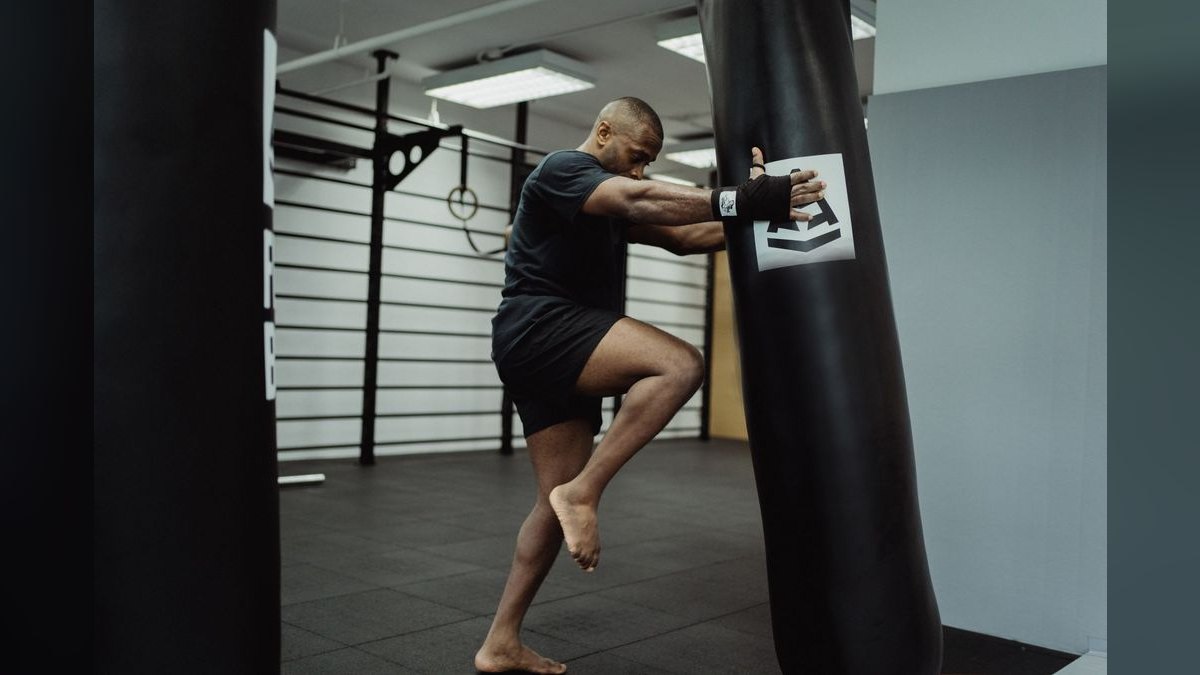
Open enrollment periods, seasonal pre-sales, and referral incentives all exist to feed the top of this loop, but none of them matter if the middle of the loop — the instructor-led class experience and the community feel — doesn't hold members past their first month. That's the mechanism a franchise buyer is actually purchasing: not a workout format, but a retention system built around that workout format.
Real Numbers, Ranges, And Benchmarks
The 2026 FDD lists a franchise fee of roughly $30,000-$35,000, with total Item 7 investment landing between $150,000 and $400,000 depending on market and buildout scope. Breaking that down: buildout and leasehold improvements typically run $70,000-$200,000, equipment (heavy bags, gloves, flooring, sound systems) runs $30,000-$80,000, signage and decor run $12,000-$35,000, initial supplies run $5,000-$15,000, initial marketing for the pre-sale campaign runs $15,000-$40,000, training and travel for the operator and early instructors run $8,000-$25,000, and working capital to cover the first three to six months runs $25,000-$70,000. Ongoing fees include a royalty in the 6%-8% range (or a flat fee, depending on the specific franchise model offered) plus a marketing fee generally around 2% of gross revenue.
On the revenue side, membership pricing typically runs $99-$149 per month for unlimited classes, with introductory offers around $49-$79 for the first month and class packs (10-class cards) priced around $150-$200. Mature studios generally gross $350,000-$800,000 annually, with owner income in the $60,000-$180,000 range. A studio grossing around $500,000 typically allocates $150,000-$200,000 to rent and occupancy (25%-40% of revenue), $100,000-$150,000 to instructor payroll (20%-30%), $30,000-$50,000 to marketing, and $25,000-$40,000 to royalties and fees, leaving roughly $80,000-$175,000 in pre-tax profit — but only if the studio sustains 250-400 active members. Below roughly 200 active members in a 1,500-2,000 square foot format, breakeven becomes difficult. Boutique fitness retention benchmarks generally run 65%-75% for members staying past 90 days, with well-run, community-heavy CKO studios pushing toward 70%-80%. Expect 20%-30% annual churn as a baseline to plan marketing spend against, plus hidden costs like equipment replacement (bags, gloves, flooring) every three to five years at $15,000-$30,000 and fitness-studio insurance running $5,000-$12,000 annually. Before signing anything, request the 2026 FDD's Item 19 financial performance representation and specifically ask for median net profit margin rather than accepting headline gross revenue figures — if the franchisor won't share it, build your own projections around a conservative 10%-15% margin.
Trade-Offs And Alternatives
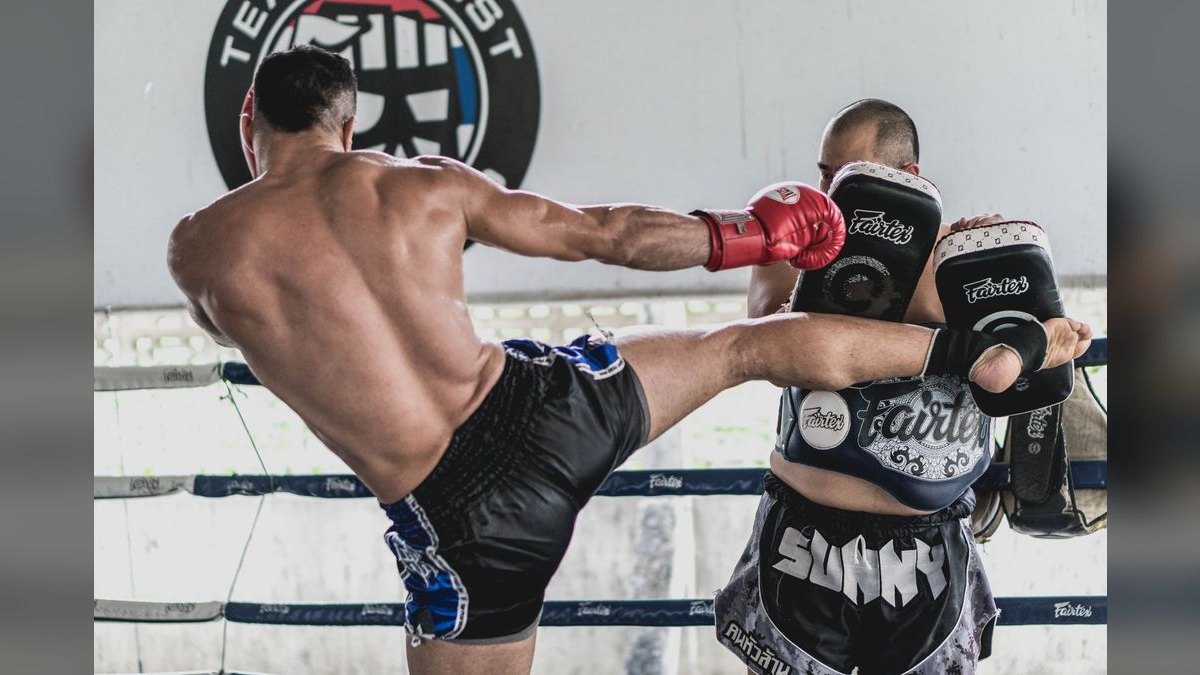
The core trade-off with a CKO Kickboxing franchise is capital efficiency versus competitive intensity. On the capital side, CKO's $150,000-$400,000 total investment is genuinely low compared to premium boutique concepts like Barry's ($500,000-$1.2 million) or even F45 ($300,000-$600,000), which makes it accessible to a first-time franchise buyer without institutional-level financing. On the competitive side, the boutique fitness category is crowded: other kickboxing concepts (9Round, iLoveKickboxing), HIIT studios (F45, Burn Boot Camp), and strength/conditioning brands (Orangetheory, BFT) are all fighting for the same fitness-conscious consumer in any given trade area. A market with three or more boutique fitness studios within a two-mile radius isn't necessarily a dealbreaker, but it does mean CKO's lower investment functions best as a "defensive" entry that still requires a real local marketing budget — plan on $20,000-$40,000 annually — to differentiate rather than simply competing on price.
Resale is the other side of the trade-off worth weighing before you open. Boutique fitness franchises typically sell for two to three times annual EBITDA, so a CKO studio generating $100,000 in EBITDA might sell for $200,000-$300,000 — respectable capital recovery but not a wealth-building exit on its own. CKO must approve any buyer and will charge a transfer fee, typically $5,000-$15,000, and your studio lease's assignability terms matter enormously to a future buyer, so negotiate for lease assignability and ideally a 10-year term with renewal options at signing, not after. If your goal is a five-to-ten-year hold with a meaningful exit, a single unit rarely commands a premium multiple — multi-unit operators (two to three studios) attract stronger buyers and better terms, which is a realistic path given how comparatively low the per-unit capital requirement is.
Common Pitfalls And How To Avoid Them
The most common mistake CKO franchise buyers make is treating the franchise fee and buildout budget as the whole investment, then running out of working capital during the slow ramp-up period before membership hits breakeven — always keep the full $25,000-$70,000 working capital buffer intact and don't raid it for buildout overruns. A second common pitfall is underinvesting in instructor recruitment and training before opening; because CKO's bag-work format doesn't require complex choreography, instructor training is genuinely easier than for dance-based or advanced HIIT concepts, but that ease can tempt owners to treat instructor hiring as an afterthought rather than a core hiring priority — energetic, consistent instructors are directly tied to the retention numbers that make or break the unit economics. A third pitfall is skipping the site-selection diligence: a studio needs enough fitness-conscious foot traffic and vehicle visibility to sustain 250-400 active members, and choosing a cheaper lease in a weaker trade area often costs far more in marketing spend over the life of the studio than the rent savings are worth. Fourth, many buyers accept headline gross revenue figures from Item 19 without pushing for median net profit margin, which can create unrealistic expectations — always model your pro forma around the median, not the top quartile of performers. Finally, absentee ownership is a structural mismatch with this model; because the business depends on daily community-building, member recognition, and instructor management, an owner who isn't on-site regularly during the first 12-18 months will struggle to hit the retention benchmarks that separate a $180,000-income studio from one that barely covers its royalty payment.
Related questions
How long does it take a CKO Kickboxing studio to break even?
Most studios that pre-sell aggressively and hit 250+ active members within the first six months break even in year one to eighteen months; slower ramps or oversaturated markets can push breakeven past two years.
Does CKO Kickboxing offer financing or discounts for veterans or multi-unit buyers?
Franchise development terms vary by year and territory; confirm current financing assistance, veteran incentives, and multi-unit discount structures directly against the current FDD rather than older marketing materials.
What's the difference between CKO Kickboxing and 9Round or iLoveKickboxing?
All three are heavy-bag or circuit-based kickboxing fitness franchises with similar investment ranges; the meaningful differences come down to class format, territory availability, and each brand's specific Item 19 performance data in your market.
Can one operator run multiple CKO Kickboxing locations?
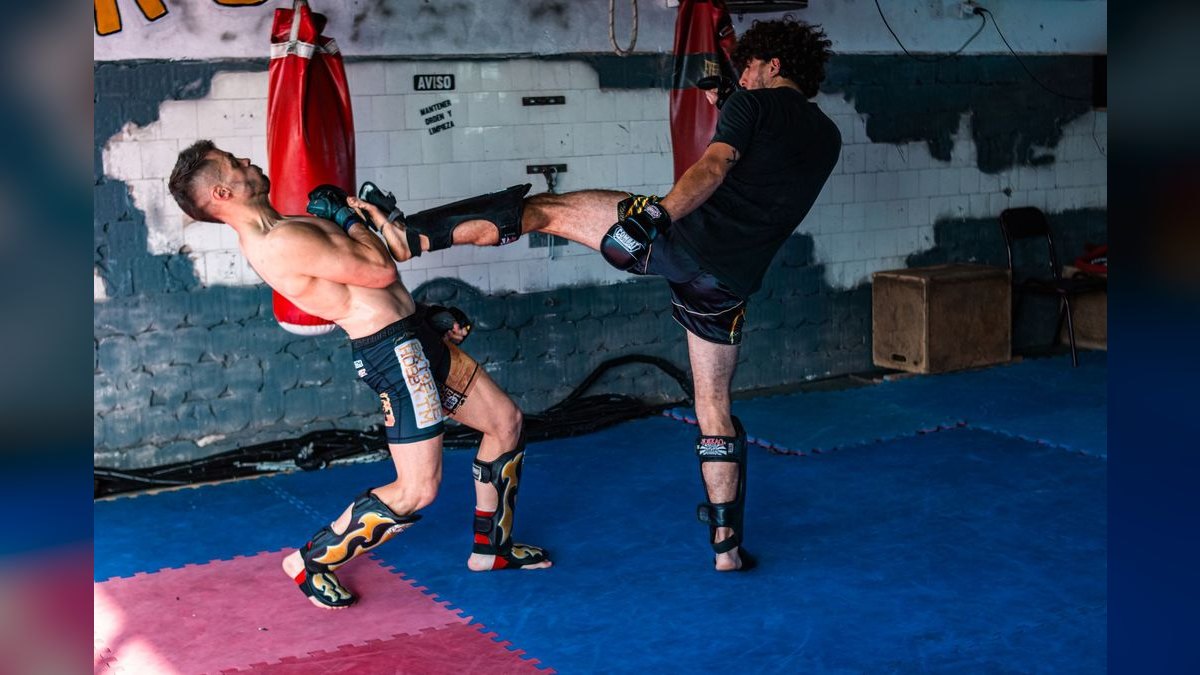
Yes, and given the relatively low per-unit capital requirement, multi-unit operation is a common strategy for owners seeking stronger resale value and economies of scale on marketing and management.
FAQ
What is the total investment range to open a CKO Kickboxing franchise? The total initial investment typically falls between $150,000 and $400,000, including a franchise fee of roughly $30,000 to $35,000. This range covers build-out, equipment, and working capital, making it one of the more affordable boutique fitness franchises to open.
How much can I expect to earn as a CKO Kickboxing franchise owner? Mature studios generally generate annual gross revenue between $350,000 and $800,000, with owner income ranging from $60,000 to $180,000. Actual earnings depend heavily on location, membership retention, and operational efficiency.
What are the ongoing fees I need to pay? Royalties are typically 6% to 8% of gross revenue, or a flat fee depending on the model, plus a marketing fee around 2% of gross revenue. These fees are standard for boutique fitness franchises and support brand development and national advertising.
How competitive is the boutique fitness market for CKO Kickboxing? The boutique fitness space is highly competitive, with kickboxing, HIIT, and strength-focused studios all vying for the same members. CKO's heavy-bag focus and community-driven model help differentiate it, but success requires strong local marketing and excellent instructor retention.
What are the biggest challenges in running a CKO Kickboxing franchise? Key challenges include membership retention, finding and keeping qualified instructors, and selecting a high-traffic location. Because the business model relies on recurring memberships, consistent class quality and community engagement are critical to sustaining active membership counts.
Is CKO Kickboxing a good fit for first-time franchise owners? It can be, especially for fitness-minded operators with some business experience. The relatively low capital requirement and established brand reduce some risk, but you'll need to be hands-on with staffing, marketing, and member retention to open and run the studio successfully.
Sources
- https://www.entrepreneur.com/franchises/directory
- https://www.ibisworld.com
- https://www.ihrsa.org
- https://www.statista.com
- https://franchisebusinessreview.com
- https://www.franchise.org
- https://www.ftc.gov/business-guidance/resources/franchise-rule-compliance-guide
- https://www.sba.gov/business-guide/plan-your-business/franchise-your-business
- https://www.census.gov
- https://www.9round.com
Related on PULSE
This page will be disappearing soon. Save it to your device for $1 — or read it free while it is here.
@Kory-White- · if Venmo asks, the last 4 of my number are 2012
This page is gone.
This one is off the shelf now. $1 keeps it on your phone for good — the whole page, pictures and diagrams included.
 franchiseShould I open or buy a Smoothie King franchise in 2027?
 franchiseShould I open or buy a Cook Out franchise in 2027?
 franchiseShould I open or buy a Primrose Schools franchise in 2027?
 franchiseShould I open or buy a Meineke franchise in 2027?
 franchiseShould I open or buy a Sonic Drive-In franchise in 2027?
 frShould I open or buy a McDonald's franchise in 2027?
 franchiseShould I open or buy an F45 Training franchise in 2027?
 franchiseShould I open or buy a Supercuts franchise in 2027?
 franchiseShould I open or buy a Kona Ice franchise in 2027?
 franchiseShould I open or buy a Domino's franchise in 2027?