


Should I open or buy an Archadeck Outdoor Living franchise in 2027?
Quality
Certified
Consider an Archadeck Outdoor Living franchise in 2027 only if you can sell and manage projects rather than build them. The model is home-based with roughly $100,000–$200,000 total investment and a ~$50,000 franchise fee. Strong operators clear $100,000–$350,000; weak closers or subcontractor managers fail regardless of territory quality.
Opening a new territory versus buying an existing Archadeck
The two real paths into this brand are structurally different businesses wearing the same logo, and most prospective owners never separate them clearly enough before writing a check.
Opening a new unit means paying the franchise fee (roughly $50,000 per the 2026 FDD), completing design-build training, and starting with zero backlog, zero subcontractor relationships, and zero local reviews. Your total Item 7 range lands somewhere in the $100,000–$200,000 band because the model is home-based — no showroom lease, no build-out, no inventory to float. What you are buying is a system, a brand name homeowners may or may not recognize in your specific ZIP codes, a design and estimating toolkit, and a protected territory. What you are not buying is revenue. In a seasonal trade, that distinction is brutal: if you sign in November in a northern market, you may complete training and then sit through four months of near-dead demand before your first spring install. The first-year revenue curve for a scratch start is typically the slowest part of the whole investment, and the working capital line in Item 7 ($25,000–$70,000) is frequently the line new owners underestimate most.
Buying an existing unit means paying a multiple of the seller's discretionary earnings instead of a franchise fee. Resale listings for established single-unit outdoor-living territories have historically fallen in a $150,000–$400,000 asking-price range, with 2.0×–3.5× SDE as the common valuation framework once an owner has three or more years above roughly $1 million in gross revenue. On top of the purchase price you pay a transfer fee, typically $10,000–$25,000, and the franchisor retains right of first refusal on the sale. Closing timelines run long — six to eighteen months is normal in franchise resale, because financing, franchisor approval, and territory transfer all have to align.
The trade-off is not simply "cheaper versus faster." It is a trade between capital risk and execution risk. A scratch start puts less cash at risk but places 100% of the outcome on your ability to generate leads cold. A resale costs more but transfers three things that are genuinely hard to build: a working subcontractor network, a repeat-and-referral base, and a Google/Houzz review profile that shortens the homeowner trust cycle on a $40,000 decision. That last item is worth more than most buyers price it. Homeowners spending the equivalent of a car on a backyard project do not choose the cheapest bid; they choose the bidder who looks least likely to disappear mid-build.
There is a third path worth naming honestly, because it competes for the same buyer: going independent. Registering your own deck-and-outdoor-living company costs a fraction of either franchise path — licensing, insurance, a truck, and a website. You keep the 5%–6% royalty and the ~2% marketing fee. What you give up is the estimating system, the vendor relationships, the design software, the training curriculum, and the peer network of operators who have already solved the problems you are about to hit. For an experienced remodeling contractor with an existing crew and a local reputation, independence often wins the math. For a career sales or operations professional entering the trades from outside, the franchise system is buying you a compressed learning curve that would otherwise cost two or three years of expensive mistakes.
How to decide between them
The decision reduces to a small number of honest self-assessments, and the order matters. Skill fit gates everything downstream — a great territory in the hands of a weak closer produces a failed unit, while a mediocre territory with a disciplined salesperson-operator produces a good living.
Start with the skill audit. This business is sales first, project management second, construction knowledge a distant third. You will not swing a hammer. You will sit in living rooms and on back patios, translate a homeowner's vague "we want to be able to eat outside" into a designed and priced scope, close it against two or three competing bids, then coordinate subcontracted trade crews to deliver it on schedule. If you have never sold a five-figure purchase to a consumer at their kitchen table, that is the gap to close before anything else. Ride along with a remodeling salesperson for a week if you can arrange it.
Second, the capital audit. Beyond the Item 7 range, you need liquidity that survives the season. Most credible guidance for a single-unit outdoor-living operation lands at $60,000–$100,000 liquid at signing, plus a separate reserve of three to six months' operating expenses — call it $40,000–$80,000 — specifically to survive the winter trough. Combining those, a buyer who has exactly $100,000 total is underfunded for a scratch start in a four-season market and should either pick a longer-season geography or wait.
Third, the market audit, which is where most of the analytical work should go. Territory quality in this model is driven by qualified household count, not square miles.
Fourth, the exit audit — decided at entry, not at exit. If your horizon is five to seven years, you want a territory where the franchisor does not hold multiple unsold adjacent territories, because a buyer who can open new for the franchise fee will not pay you a premium for used. You also want to build the business toward a documented, non-owner-dependent project-management system from day one, since that is the single largest determinant of whether your unit sells at 2× or 3.5× SDE.
The concrete numbers behind each option
Here is where the two paths diverge on paper. Treat every figure below as a planning range to validate against the actual 2026 FDD and Item 19, not as a promise.
Scratch-start cost stack. The franchise fee sits at roughly $50,000. Vehicle and equipment — a truck, tools, measuring and design technology — runs $15,000–$45,000 depending on whether you already own a suitable vehicle. Home-office setup is modest at $5,000–$20,000, which is the whole point of a home-based model. Initial marketing is the line that separates the survivors: $25,000–$60,000, and spending at the bottom of that range in a cold territory is a common cause of a slow year one. Training and travel run $10,000–$28,000. Licensing and insurance — contractor licensing, general liability, and the coverage your subcontractors must carry — runs $8,000–$25,000 and varies enormously by state. Working capital is $25,000–$70,000, which floats materials and sub payments between customer deposits and final payments. Total: approximately $100,000–$200,000.
Ongoing burden. Royalty runs about 5%–6% of gross, with a marketing fee around 2%. On a $1.4 million gross that is roughly $98,000–$112,000 combined — real money, and the exact number you keep if you go independent instead.
Unit economics at maturity. Mature units gross $700,000 to $2,500,000 and up. That range is wide because project tickets are large — individual outdoor-living projects commonly run $15,000 to $100,000-plus — so a handful of extra closed projects swings annual revenue dramatically. Owners in mature units clear $100,000–$350,000. Relative to a $100,000–$200,000 entry cost, that return profile is genuinely attractive, and it is attractive precisely because the fixed-cost base is so light: no rent, no inventory carrying cost, no payroll for build crews.

Work a representative $1.4 million unit down the P&L: materials at roughly a third, subcontracted labor at roughly 30%, marketing at around 9% (higher than many franchise categories because homeowner lead generation is expensive and competitive), royalty plus operating expenses at roughly 16%. What survives to the owner is in the neighborhood of $168,000. Change the closing rate by a few points or let material costs drift, and that number moves faster than most first-time owners expect. Note also that marketing at 9% of gross on $1.4 million is roughly $126,000 annually — the initial $25,000–$60,000 marketing spend in Item 7 is a launch budget, not a steady-state one.
Resale math. A unit doing $1.2 million gross with $180,000 SDE prices at roughly $360,000–$630,000 at 2.0×–3.5×. Most listings cluster lower ($150,000–$400,000) because most listed units are smaller or owner-dependent. Add the transfer fee of $10,000–$25,000. You are paying, in effect, two to three-plus years of earnings for a business that already produces those earnings — versus paying $150,000 or so all-in for a scratch start that may produce nothing for twelve months and modest earnings for twenty-four.
The break-even comparison. If a scratch start takes eighteen months to reach $500,000 gross and thirty-six months to reach $1.2 million, and a resale delivers $180,000 SDE from month one, the resale premium of roughly $250,000–$400,000 buys back two to three years. Whether that is a good trade depends entirely on your age, your capital, and your patience. Younger buyers with time and less cash generally build; buyers who need income immediately generally buy.
Territory density economics. Expect exclusive territories defined by household count — roughly 50,000–150,000 households in suburban or exurban markets, compressing to 25,000–50,000 in dense metros to prevent overlap. The number that actually matters is qualified households: owner-occupied, $100,000-plus income, in housing stock built roughly 1990–2010 that often lacks a covered outdoor space. Territories that look generous on a map can contain only 15,000–20,000 qualified households once renters, high-density apartments, and low-equity owners are excluded. Cross-reference the Item 12 territory map against county-level building-permit data for deck and patio additions before you sign. And beware large rural territories: windshield time between jobs quietly destroys margin on $15,000–$30,000 projects, because a two-hour round trip to supervise a sub is a cost that never shows up on the estimate.
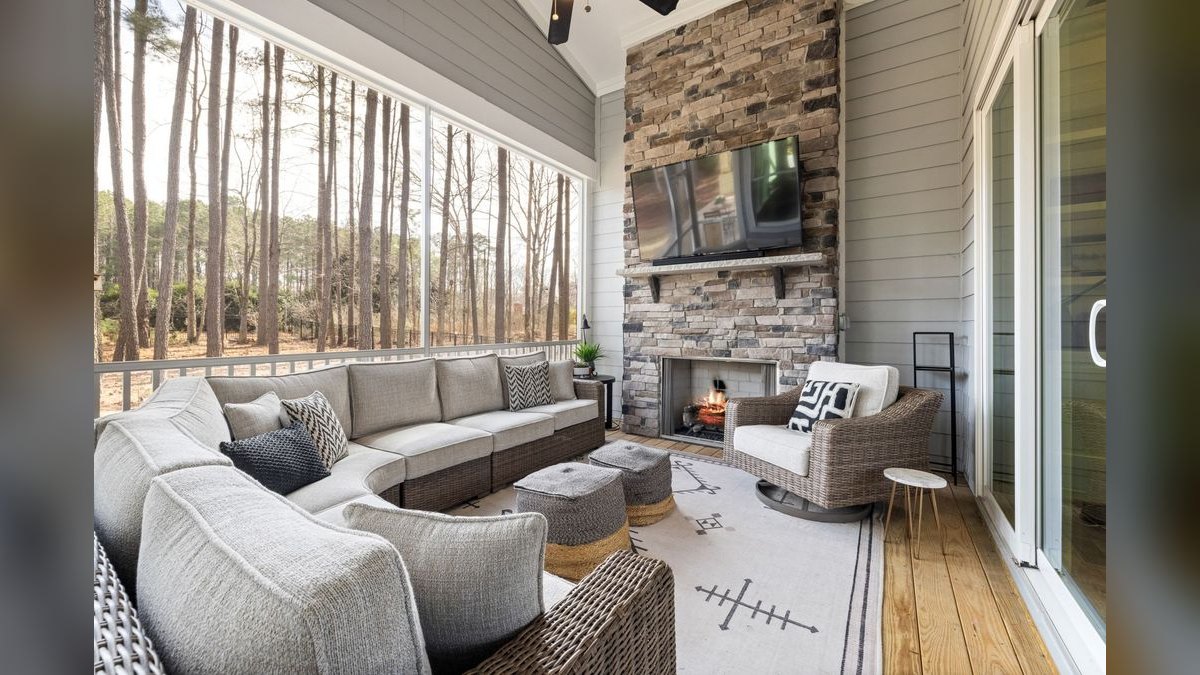
Seasonality, quantified. In northern climates (roughly USDA zones 4–6), plan for 70%–85% of annual revenue landing between April and October. Peak-month revenue of $60,000–$120,000 can fall to $10,000–$30,000 in the off-season. Royalties, marketing fees, insurance, and your own draw do not pause. This is the arithmetic behind the reserve requirement, and it is the single most common reason otherwise-competent owners get into trouble in year one.
Implementation details and sequencing
The order of operations matters more in this model than in most franchises, because two of your critical assets — the subcontractor network and the lead pipeline — take months to build and cannot be bought at the last minute.
Days 1–20: the document work. Read the full FDD, not a summary. Item 5 and Item 6 give you fees. Item 7 gives the investment range. Item 12 defines your territory and its protections — read the exclusivity language carefully, including what the franchisor may do inside your area (national accounts, internet leads, adjacent-brand operations). Item 19 is the financial performance representation; if it exists, note whether the averages include all units or only a top-performing subset, and whether they report gross revenue or profit. Item 20 lists openings, closures, transfers, and terminations over the trailing three years — a rising transfer or termination count in a specific region is the clearest early warning signal in any FDD.
Days 21–40: operator calls. Item 20 gives you contact information for current and former franchisees. Call at least eight current owners and, critically, at least two former ones. Ask specific questions: What did you actually gross in year one, year two, year three? What is your close rate on qualified appointments, and what is your cost per qualified lead? How many subcontractor crews do you use, and how did you find them? What does your November-through-February look like financially? Would you buy this franchise again? Former franchisees will tell you things no one else will.

Days 41–60: market validation. Pull county building-permit data for decks, patios, and outdoor structures. Cross-reference with owner-occupied household counts at $100,000-plus income. Drive the territory. Count the existing outdoor spaces — a neighborhood where every third house already has a composite deck is a replacement market, not a greenfield one, and replacement work carries different pricing dynamics than first-build. Identify your competitors: local independent deck builders, the concrete-and-hardscape franchises, the national home-improvement retailers' install programs. Get three competitive bids on a hypothetical project if you can, so you know the local price ceiling before you set yours.
Days 61–90: training and crew recruiting. Complete design-build training. Simultaneously — and this is the step people defer — start recruiting subcontractor crews. You need at minimum a framing/decking crew, a concrete crew, and an electrician comfortable with outdoor kitchens and lighting. Good crews are already busy; you are asking them to add an unproven general contractor to their client list. Expect to pay slightly above market for the first year to buy loyalty and priority scheduling. Verify licensing and insurance for every crew before they touch a job — a subcontractor's lapsed general liability policy becomes your liability the moment something goes wrong.
Days 91–120: launch. Deploy your marketing budget across the channels that actually generate homeowner remodeling leads: local search and Google Business Profile, Houzz and Angi presence, targeted direct mail into your qualified-household segments, and home shows. Home shows deserve specific mention — in outdoor living they remain a disproportionately effective channel because homeowners come to them already in the consideration phase, and a well-built booth display with real materials converts better than digital impressions.
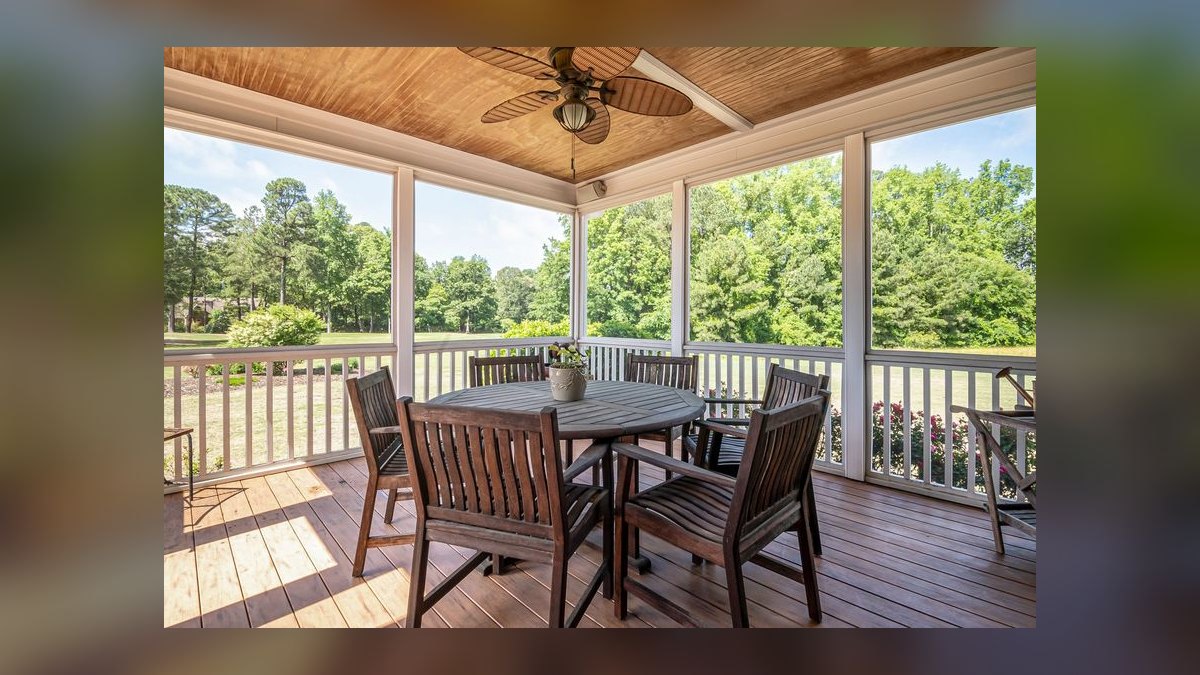
Months 5–12: sell, manage, and document. Every process you execute should be written down the first time you execute it. Estimating templates, subcontractor agreements, change-order procedures, homeowner communication cadence, punch-list closeout. This documentation is what turns your unit from a job into an asset. It is also what allows you to hire a project manager in year two or three instead of remaining the bottleneck on every job.
Off-season strategy. Plan it before you need it. Winter design consultations sell spring installations and collect 10%–25% deposits that carry cash flow through the trough. Smaller cold-weather-viable work — outdoor lighting, fire pits, some hardscape — keeps crews engaged and revenue nonzero. Some operators in snow markets run a separate entity for commercial snow removal specifically to hold crews together. If your market has a genuinely short build season, ask directly during discovery whether the franchisor offers any royalty deferral for winter months in the early years; some systems do, and it is worth asking before you sign rather than after.
Adjacent plays worth comparing before you commit
Archadeck sits inside a broader home-services franchise landscape, and a serious buyer should price at least two alternatives in the same category before deciding. The comparison sharpens your reasoning even if you end up back at Archadeck.
Decorative concrete and hardscape concepts serve the same homeowner with a different scope — driveways, patios, pool decks, resurfacing. Ticket sizes tend to run somewhat smaller than a full outdoor-living build, but jobs are shorter, crew requirements are narrower, and the season can extend further in mild climates. The lead-generation challenge is nearly identical.
Fencing franchises are the volume play in the same backyard: smaller tickets, faster installs, higher job counts, less design work. If you are strong operationally but less confident selling a $60,000 design concept, a higher-volume/lower-ticket model may suit you better.
Interior remodeling and organization concepts — garage systems, closets, flooring — trade seasonality for year-round demand. That single difference changes the cash-flow profile completely and is worth serious weight if you are in a four-season market and thinly capitalized.
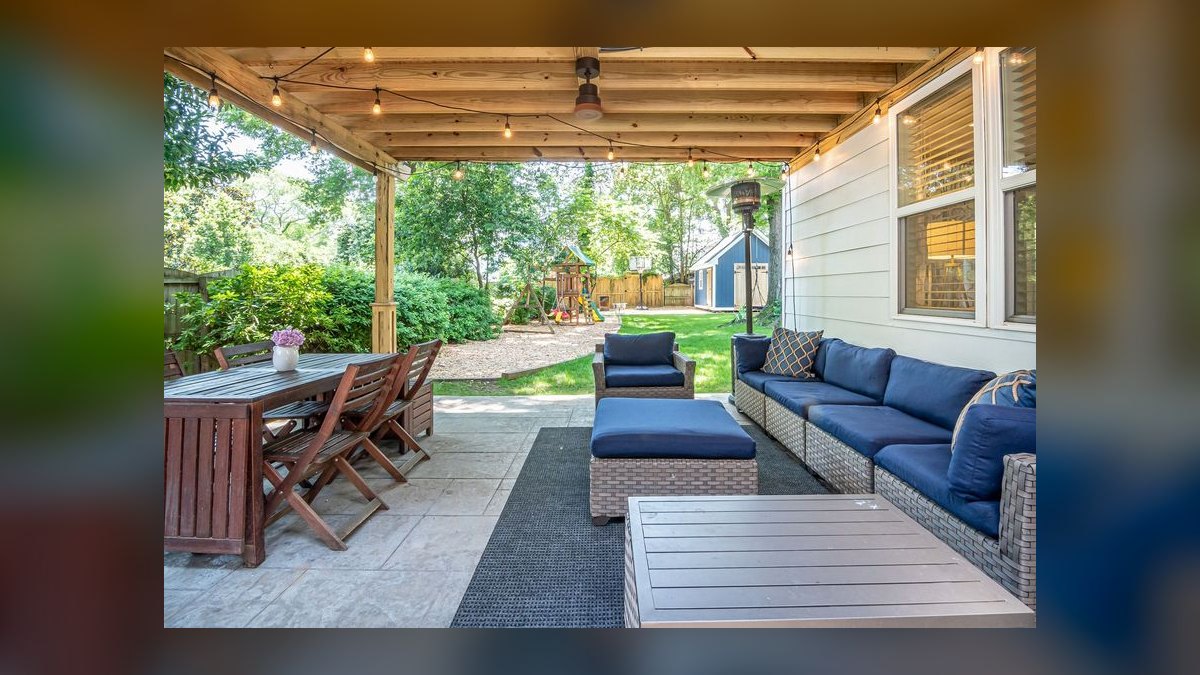
Outdoor lighting and landscape services are the natural downstream and upstream neighbors. Lighting in particular is a common attachment to outdoor-living projects, and some owners in adjacent brands cross-refer heavily. If you are evaluating a territory, find out who holds the neighboring outdoor-service brands there — a good referral relationship with a landscape or lighting operator can meaningfully lower your effective cost per lead.
The independent route, again, deserves an honest line in your comparison spreadsheet. Model five years both ways: franchise (with the fee, royalty, and marketing fee, but faster ramp and system support) versus independent (no fees, slower ramp, no playbook). If you already have trade relationships and a local reputation, the independent model frequently wins. If you are converting from a corporate career, the franchise premium usually pays for itself in avoided mistakes and time-to-first-revenue.
The broader point: the question is rarely "is this a good franchise?" It is "is this the right franchise for my specific skills, capital, market, and time horizon?" Archadeck's profile — home-based, low capital, high ticket, manage-don't-build, seasonal, sales-dependent — is a strong fit for a narrow personality type and a poor fit for everyone else. There is no version of this business that works for a passive owner.
Related questions
How long until an Archadeck franchise breaks even?
Most scratch starts in home-improvement franchising take twelve to twenty-four months to reach consistent monthly profitability, with seasonality stretching that in northern markets. Validate against Item 19 and direct operator interviews rather than any published average, since ramp varies enormously by territory and closing skill.
Do I need a contractor's license?
Usually yes, and it varies by state and sometimes by municipality. Licensing and insurance are budgeted at $8,000–$25,000 in the Item 7 range. Some states allow a qualifying individual on staff instead of the owner holding the license personally — confirm your state's rules before signing anything.
Can I run this part-time or absentee?
No. The model depends on the owner selling projects and managing subcontractors. Both are relationship-intensive, schedule-driven activities. Owners who attempt absentee operation in design-build remodeling typically fail, because nobody else has an equal incentive to close jobs and chase subs.
What happens if a subcontractor damages a customer's property?
You are the general contractor and the customer's counterparty, so the liability path runs through you first. This is why verifying every crew's active general liability coverage and licensing before each job — not just at onboarding — is non-negotiable operational hygiene.
Is 2027 a good year to enter outdoor living specifically?
Outdoor-living demand is homeowner-driven and tied to housing turnover, home equity, and interest rates. Rather than forecasting, validate locally: pull your county's trailing twelve-month deck and patio permit counts and compare them to prior years. Local permit data beats national sentiment every time.
FAQ
What exactly does an Archadeck Outdoor Living franchise owner do all day?
You sell, design, and manage — you do not build. A typical day is a mix of homeowner consultations, design and estimating work, site visits to check subcontractor progress, and marketing or lead follow-up. The construction itself is executed by subcontracted trade crews you recruit and coordinate. There is no showroom to staff and no inventory to manage, which is why the model runs out of a home office.
How much total capital do I need?
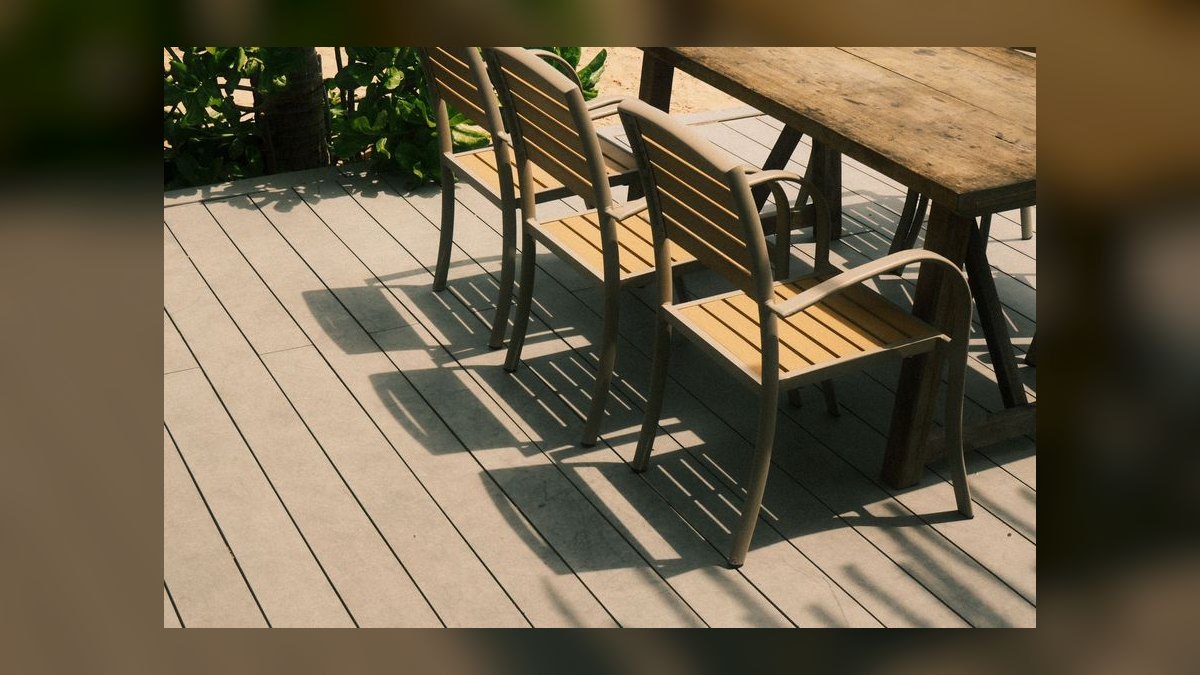
The 2026 FDD's Item 7 range is roughly $100,000 to $200,000, including a franchise fee around $50,000. Beyond that, plan for $60,000–$100,000 liquid at signing and a separate three-to-six-month operating reserve of $40,000–$80,000 to survive the off-season. A buyer arriving with exactly the minimum investment amount and nothing behind it is underfunded.
What do mature units actually earn?
Mature units gross $700,000 to $2,500,000-plus, with owners clearing $100,000 to $350,000. The spread is enormous because it tracks sales skill and territory quality more than anything else. Item 19 in the FDD is the only figure you should treat as authoritative, and even then you should confirm the sample it represents by calling current operators directly.
Should I buy an existing unit instead of opening new?
If you need income quickly and have the capital, yes — a resale transfers a subcontractor network, a referral base, and a review profile that take years to build. Expect 2.0×–3.5× SDE plus a $10,000–$25,000 transfer fee, and expect six to eighteen months to close. If you have more time than money, a scratch start costs less and lets you build the culture yourself.
How bad is the seasonality really?
In zones 4–6, 70%–85% of annual revenue arrives between April and October, and peak months of $60,000–$120,000 can drop to $10,000–$30,000 in winter. Mitigate with winter design consultations that collect deposits for spring installs, smaller cold-weather-viable work like lighting and fire pits, and disciplined reserves. In southern markets the effect is far milder.
What kills most owners in this model?
Three things, in order: weak consumer selling, underfunded lead generation, and inability to recruit or retain quality subcontractor crews. Construction inexperience is survivable if you can sell and manage. Being unable to close a homeowner on a $40,000 backyard project is not, because nothing downstream in the business happens until that signature exists.
Sources
- https://www.archadeck.com/franchise/
- https://www.entrepreneur.com/franchises/directory
- https://www.ftc.gov/business-guidance/resources/consumers-guide-buying-franchise
- https://www.franchise.org/
- https://www.sba.gov/business-guide/plan-your-business/buy-existing-business-or-franchise
- https://www.census.gov/construction/nrc/index.html
- https://www.jchs.harvard.edu/
- https://www.franchisebusinessreview.com/
- https://www.nahb.org/
- https://www.ibisworld.com/united-states/market-research-reports/
Related on PULSE
This page will be disappearing soon. Save it to your device for $1 — or read it free while it is here.
@Kory-White- · if Venmo asks, the last 4 of my number are 2012
This page is gone.
This one is off the shelf now. $1 keeps it on your phone for good — the whole page, pictures and diagrams included.
 franchiseShould I open or buy a Culver's franchise in 2027?
 franchiseShould I open or buy an F45 Training franchise in 2027?
 franchiseShould I open or buy a Cook Out franchise in 2027?
 franchiseShould I open or buy a UPS Store franchise in 2027?
 franchiseShould I open or buy a Domino's franchise in 2027?
 franchiseShould I open or buy a Rita's Italian Ice franchise in 2027?
 franchiseShould I open or buy a Great Clips franchise in 2027?
 franchiseShould I open or buy a Goddard School franchise in 2027?
 franchiseShould I open or buy a Wendy's franchise in 2027?
 franchiseShould I open or buy a Merry Maids franchise in 2027?