


Should I open or buy a You Move Me franchise in 2027?
Quality
Certified

Open a You Move Me franchise only if you want a hands-on, crew-driven local moving business. The 2026 FDD lists roughly a $40,000 franchise fee, $130,000–$350,000 total investment, and 7%–8% royalties. Mature units gross $1M–$3.5M with owner earnings near $130,000–$450,000, but seasonality and labor churn decide your actual outcome.
The outcome you should expect
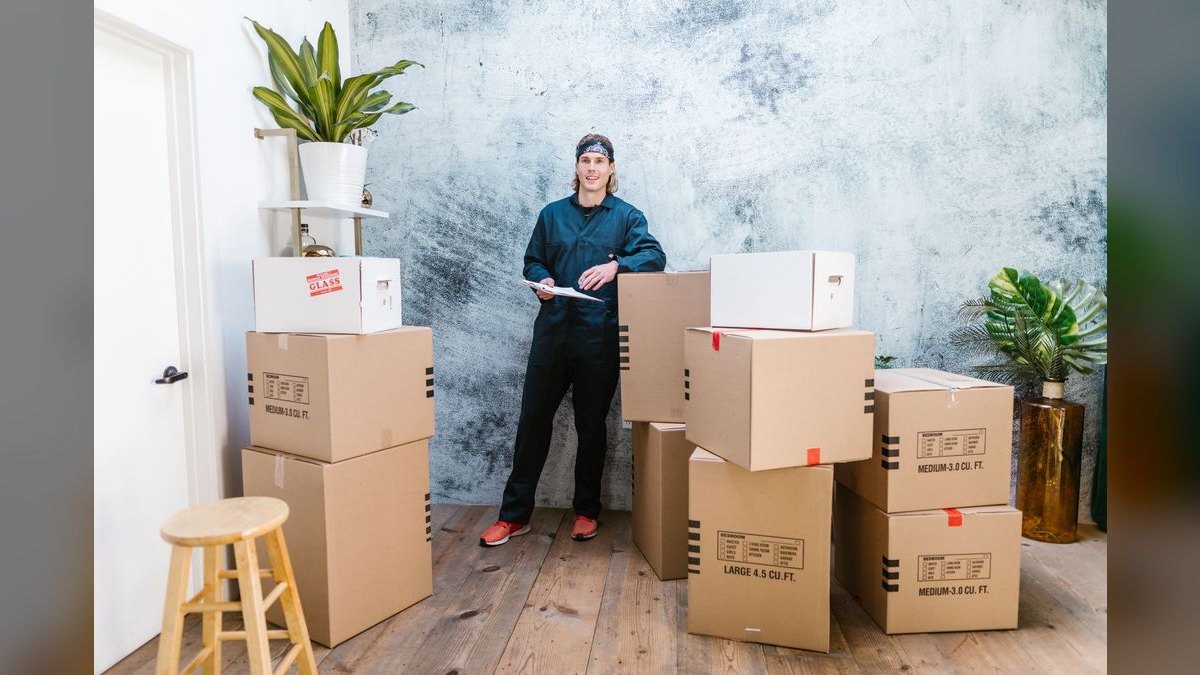
Strip away the brochure language and a You Move Me unit is a truck-and-crew operation with a customer-experience wrapper on top. That wrapper is real — uniformed movers, coffee for the customer, on-time arrival windows — and in a category where the dominant consumer emotion is fear of being ripped off or having furniture destroyed, a brand that reliably shows up on time is a genuine differentiator. But it is a wrapper. Underneath it, you are running payroll, dispatch, fuel, insurance, and damage claims.
The realistic first-year outcome for a single-territory owner who launches with one to two trucks is somewhere between $400,000 and $800,000 in gross revenue, with owner compensation that looks a lot more like a job than an investment return — often $50,000 to $90,000, much of it because you personally filled crew gaps and ran dispatch from your phone. That is not a failure case. That is the normal shape of year one in a labor business where the founder is the operating system until the systems are built.
By year three, a unit that has stabilized its crew base and earned a local reputation typically lands in the $1M to $2M gross range. That is where the FDD's headline owner-earnings numbers start to become achievable, because the fixed costs — the warehouse, the insurance floor, the office coordinator — are spread over enough jobs to stop eating the margin. The gap between a $700,000 unit and a $1.8M unit is rarely marketing spend. It is truck utilization: how many billable hours each truck runs per week, and how many of those hours are spent driving empty between jobs.
The honest framing is this. You Move Me is a moderate-capital entry into an industry with a high revenue ceiling and a thin, volatile margin. A well-run unit throws off real cash. A poorly-crewed unit in a seasonal northern market can lose money for two consecutive winters while the owner keeps paying the truck notes. The brand improves your odds; it does not change the physics.
What drives that outcome
Four variables account for most of the spread between a good unit and a struggling one, and only one of them is marketing.
Crew reliability is the product. Moving is one of the few businesses where the person your customer meets is a $18–$25/hour employee who may have been hired eleven days ago. Industry crew turnover commonly runs 30%–50% annually, and in peak-season markets it can be worse. Every departure costs you the recruiting time, the training hours, the ride-along supervision, and — most expensively — the damage claims and bad reviews that come from an under-trained mover carrying a piano down a stairwell. Owners who win here treat retention as the core operational metric: they pay slightly above the local market, they build a two-tier structure with a lead mover on every truck, and they keep a small year-round core rather than rebuilding the whole roster every April.

Truck utilization sets your ceiling. A truck that runs two jobs a day at four billable hours each is a fundamentally different asset than one running a single job with two hours of unpaid drive time. Routing density is why market selection matters more than most buyers realize: a compact suburban territory with clustered neighborhoods will out-earn a sprawling rural territory with the same population count, because the second truck's day is half windshield time.
Claims and insurance discipline eat the margin quietly. Cargo liability, general liability, workers' comp, and commercial auto together are a substantial fixed cost, and moving-company premiums have been climbing for several years across most carriers. Worse, a bad claims history compounds — you pay more in premium and you pay again in the settlements themselves. The operators who protect their margin are pedantic about pre-move walkthroughs, photo documentation, and blanket-wrapping standards, because a $2,000 damaged-armoire claim wipes out the profit on ten jobs.
Booking speed determines conversion. Moving leads are perishable in a way most service categories are not. A customer with a closing date in nine days is calling three companies in one afternoon, and the first one that answers with a firm quote frequently wins. Units that route calls to voicemail during peak season are effectively donating leads to their competitors. This is the single most fixable variable on the list, and it is usually the first thing a struggling franchisee is failing at.
Benchmarks and realistic ranges
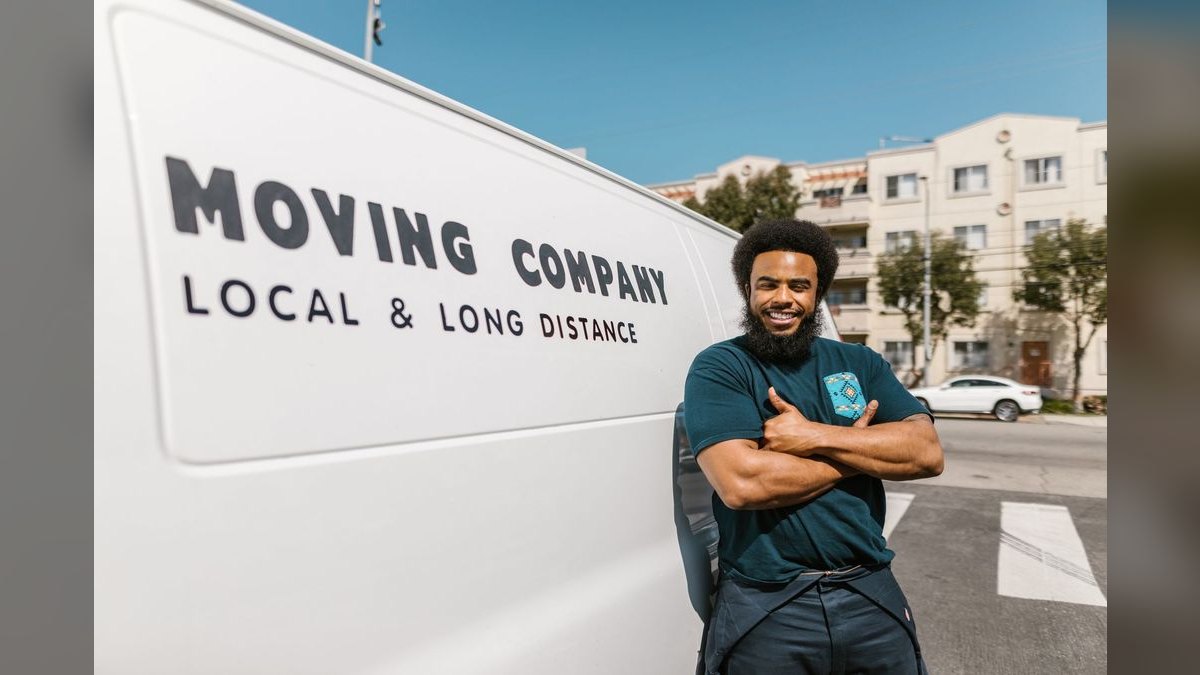
Here is what the capital stack actually looks like, drawn from the 2026 FDD's Item 7 range and the normal composition of a truck-based service startup.
The franchise fee is approximately $40,000. Trucks and equipment run $50,000 to $160,000 depending on whether you buy used box trucks or finance new ones — and this is the single largest lever on your entry cost. Branding and truck wraps add $8,000 to $22,000. Warehouse or office setup is $10,000 to $40,000, and many first-year owners run home-based with a small rented bay to keep this at the low end. Initial marketing is $18,000 to $50,000. Training and travel run $10,000 to $30,000. Licensing and insurance — moving authority, general liability, cargo coverage — is $12,000 to $35,000. Working capital of $30,000 to $90,000 rounds out the range to the FDD's total of roughly $130,000 to $350,000.
Plan on $70,000 to $140,000 liquid, and treat the low end of that range with suspicion. The most common financial failure mode in this business is not a bad market — it is an owner who capitalized to the exact Item 7 minimum and then hit a November with three trucks financed and half the crew gone.
Ongoing structure: royalty of roughly 7%–8% of gross plus a marketing fee near 2%. That combined ~10% off the top is normal for the category but it is not trivial — on a $1.5M unit that is $150,000 leaving the business before you pay a single mover.

Unit economics to sanity-check against: labor typically lands near 33%–38% of revenue, trucks and fuel near 15%–20%, insurance and administrative overhead in the mid-teens. If your labor line is running above 40%, you have a utilization problem, an overtime problem, or a pricing problem — and in a summer peak it is usually overtime.
Revenue by maturity, roughly: year one $400K–$800K, year two $700K–$1.4M, year three and beyond $1M–$2.5M for a single well-run territory. The FDD's $3.5M+ figures generally describe multi-truck operators in dense metros who have added commercial and long-haul work, not a first-time single-territory owner.
Seasonality: expect 60%–70% of annual revenue between May and September. Winter months can run 40%–50% below peak. Build a cash reserve of $20,000–$30,000 beyond your Item 7 working capital specifically to survive the first winter, and set your personal draw against the annual number rather than the July number — the most common owner mistake is calibrating lifestyle to peak-season cash flow.
Territory scale: territories are commonly drawn around a 20–30 mile radius from a hub. In a metro of 500,000 to 1,000,000 people, one territory realistically supports two to three trucks before plateauing. Growing past that means a second territory, another franchise fee, and a comparable capital outlay.
Risks, edge cases, and failure modes
The absentee-owner fantasy. This is the most expensive misread of the model. There is no version of year one where you buy this and check in weekly. Most franchisees function as lead mover, dispatcher, or both for the first 12 to 18 months. If you need a passive investment, a moving franchise is close to the worst category you could pick — the labor is the product, the schedule is unforgiving, and the crises happen at 7 a.m. on a Saturday.

Winter as a solvency event. A northern-market owner who financed three trucks in a strong summer can face a January where truck notes, insurance, and a skeleton crew's wages all come due against half the revenue. The failure isn't dramatic; it's a slow drain that ends with the owner selling a truck at a loss in March, right before demand returns. Mitigations that actually work: pivot crews to commercial and office relocations, which are less seasonal; sell packing and unpacking labor by the hour; take on storage-in-transit work; and where the sister-brand relationship allows it, cross-utilize crews on junk removal, which does not follow the same seasonal curve.
Claims spiral. One under-trained crew, one uninsured stairwell incident, and a handful of one-star reviews in a market where every prospective customer reads reviews before calling. Reputation in local moving is asymmetric — it takes forty good moves to build and two catastrophic ones to damage. Photo-document everything, do the walkthrough, and never send an unsupervised new hire.
Competitive squeeze from both ends. You are pinched between local independents who quote 20%–30% below you because they carry less insurance and pay cash wages, and app-based platforms like Dolly and TaskRabbit that take the small one-item jobs entirely. Meanwhile national van lines own the interstate business. Your defensible middle is the full-service local move for a customer who cares more about not losing a heirloom than about saving $150 — which means you must never compete primarily on price, because the structure of your cost base guarantees you will lose that fight.

Labor cost inflation. Mover wages have risen materially in most metros since 2023, and insurance premiums have followed. If you built your pro forma on wage assumptions from an older FDD or an older operator's experience, rebuild it at current local rates. A three-dollar-an-hour miss across six movers over a peak season is real money.
Underestimating the compliance layer. Intrastate moving is regulated at the state level, and requirements vary widely — some states require specific operating authority, tariff filings, or bonding. Interstate work requires federal registration. Verify what your specific state demands before you sign, not after.
The multi-unit trap. Owners who scale to a second territory before the first has a functioning general manager typically end up running two under-managed units instead of one good one. The gating condition for expansion is not revenue — it is whether unit one runs a full week without you.
A practical rollout plan
Days 1–20 — Read the document, not the pitch deck. Get the current FDD and read Items 5, 6, 7, 19, and 20 in that order. Item 19 tells you what units actually earn and, just as importantly, how the franchisor defines the reporting cohort — a figure drawn only from mature top-quartile units is a different number than a system-wide average. Item 20 tells you the turnover story: openings, closures, transfers, and terminations over the trailing three years. A pattern of transfers in a single region is a signal worth chasing.

Days 21–40 — Call operators, and call the right ones. Interview at least eight, and deliberately include units in your climate zone and market size. Ask specifics: What is your labor as a percentage of revenue? What did January look like? How many movers did you hire and lose last year? What did your insurance renew at? What do you wish you'd known about the territory? Then find one or two former franchisees from the Item 20 list and ask why they left. That conversation is worth more than the other eight combined.
Days 41–60 — Validate the territory quantitatively. Pull local housing turnover and building-permit data, look at rental vacancy and apartment inventory, identify whether you have a university, a military installation, or a corporate relocation hub that flattens the seasonal curve. Map the existing competition — count the local independents, not just the franchised brands. Then drive the territory and estimate honest windshield time between its densest zones.
Days 61–85 — Capitalize honestly and staff before you need to. Finalize financing with the reserve on top of Item 7, not inside it. Secure trucks — seriously evaluate used equipment for truck one to preserve cash. Bind insurance early; the underwriting process on a new moving authority is slower than most first-timers expect. Start recruiting six weeks before launch, because the crew you want is not available on demand.
Days 86–115 — Launch into the season, not against it. If you can control timing, open in early spring so your first ninety days ride the demand curve and your crew gets its reps before peak. Stand up the phone answering discipline on day one. Build the real-estate-agent and property-manager referral relationships immediately — they are the highest-value, lowest-cost lead source in this business and they take months to mature.

Months 4–12 — Instrument the business. Track jobs per truck per day, revenue per truck-hour, claims rate per hundred moves, and crew retention at 90 days. These four numbers tell you everything. Fix utilization before you spend more on marketing; buying more leads for an under-utilized truck is the most common way owners waste money in year one.
Year 2–3 — Hire the manager, then scale. Add truck two when you are consistently turning away work, not when you hope to grow into it. Hire the general manager before the second territory, not after. Multi-unit owners running three or more territories can reach meaningfully higher owner earnings, but that outcome is a management achievement, not a capital one.
Related questions
How does this compare to an independent moving company?
Going independent saves the $40,000 fee and ~10% ongoing, which on a $1.5M unit is roughly $190,000 a year. You trade that for brand trust, an operating playbook, and referral lift. Independents win on margin; franchises win on ramp speed and consumer confidence.
Is buying an existing unit better than opening a new one?
Usually yes, if the crew stays. An existing unit comes with reviews, referral relationships, and a proven route density — the three things that take a new unit two years to build. Verify crew tenure and claims history before valuing it; a resale whose lead movers leave is a startup with used trucks.
What is the realistic break-even timeline?

Most single-territory owners reach operating break-even somewhere in months 9 to 18, and full capital recovery in years three to five. Launching in spring shortens it materially. Launching in October can push operating break-even past month twenty-four in seasonal markets.
Does the O2E Brands connection actually matter?
It matters for systems maturity — the franchisor has run a large home-services network for decades, so training, scheduling tools, and call-handling standards are more developed than a young brand's. It does not fix crew turnover or territory density, which remain entirely yours to solve.
FAQ
How much does a You Move Me franchise cost?
The 2026 FDD lists a franchise fee of approximately $40,000 and a total Item 7 initial investment of roughly $130,000 to $350,000. That range covers trucks and equipment, branding and wraps, warehouse or office setup, initial marketing, training and travel, licensing and insurance, and working capital. Plan on $70,000 to $140,000 liquid, plus a separate winter reserve.
What are the ongoing fees?
Expect a royalty near 7%–8% of gross revenue plus a marketing fee around 2%. Combined, roughly ten cents of every dollar leaves the business before you pay a mover, buy fuel, or cover insurance. That is within normal range for home-services franchising, but it should be modeled explicitly in your pro forma rather than treated as a rounding item.

How much can I realistically earn?
Mature units are reported to gross $1,000,000 to $3,500,000 or more, with owner earnings commonly cited in the $130,000 to $450,000 range. First-year reality is much lower — often $400,000 to $800,000 in revenue with owner compensation resembling a salary. Verify the specific Item 19 cohort definition and validate it against eight or more operator calls in comparable markets.
How bad is the seasonality?
Significant. Roughly 60%–70% of annual revenue typically arrives between May and September, with winter running 40%–50% below peak. Counter it with commercial and office relocations, hourly packing and unpacking services, storage-in-transit work, and a year-round core crew supplemented by seasonal hires. Markets with universities, military installations, or corporate relocation activity flatten the curve somewhat.
Can I run this part-time or as an absentee owner?
No. This is a full-time, physically present operating role for at least the first 12 to 18 months. Crew scheduling, dispatch, customer escalations, and no-show coverage all land on the owner early on. Most franchisees only step back after hiring a capable general manager, which typically happens in year two or three, if at all.
What single metric predicts success best?
Revenue per truck-hour. It captures utilization, pricing, and routing density in one number, and it is the variable that separates a $700,000 unit from a $1.8M unit in the same territory. Track it weekly alongside 90-day crew retention and claims per hundred moves.
Sources
- https://www.ftc.gov/business-guidance/resources/franchise-rule-compliance-guide
- https://www.sba.gov/funding-programs/loans/7a-loans
- https://www.fmcsa.dot.gov/registration/do-i-need-usdot-number
- https://www.bls.gov/oes/current/oes537062.htm
- https://www.census.gov/topics/population/migration.html
- https://www.ibisworld.com/united-states/market-research-reports/moving-services-industry/
- https://www.entrepreneur.com/franchises/directory
- https://www.franchisebusinessreview.com/
- https://www.franchise.org/
- https://www.o2ebrands.com/
Related on PULSE
- How long does it take to open a franchise and break even in 2027?
- Should I open or buy a College Hunks Hauling Junk & Moving franchise in 2027?
- Should I open or buy an All My Sons Moving & Storage franchise in 2027?
- Should I open or buy a Tommy Gun's Original Barbershop franchise in 2027?
- Should I open or buy a Painting with a Twist franchise in 2027?
This page will be disappearing soon. Save it to your device for $1 — or read it free while it is here.
@Kory-White- · if Venmo asks, the last 4 of my number are 2012
This page is gone.
This one is off the shelf now. $1 keeps it on your phone for good — the whole page, pictures and diagrams included.
 franchiseShould I open or buy a Firehouse Subs franchise in 2027?
 franchiseShould I open or buy a Wingstop franchise in 2027?
 franchiseShould I open or buy a Wendy's franchise in 2027?
 franchiseShould I open or buy a UPS Store franchise in 2027?
 franchiseShould I open or buy a Chipotle franchise in 2027?
 franchiseShould I open or buy a Smoothie King franchise in 2027?
 franchiseShould I open or buy a Servpro franchise in 2027?
 franchiseShould I open or buy a Bojangles franchise in 2027?
 franchiseShould I open or buy a Jimmy John's franchise in 2027?
 franchiseShould I open or buy a Hand and Stone Massage franchise in 2027?