


Should I open or buy a Truly Nolen franchise in 2027?
Quality
Certified
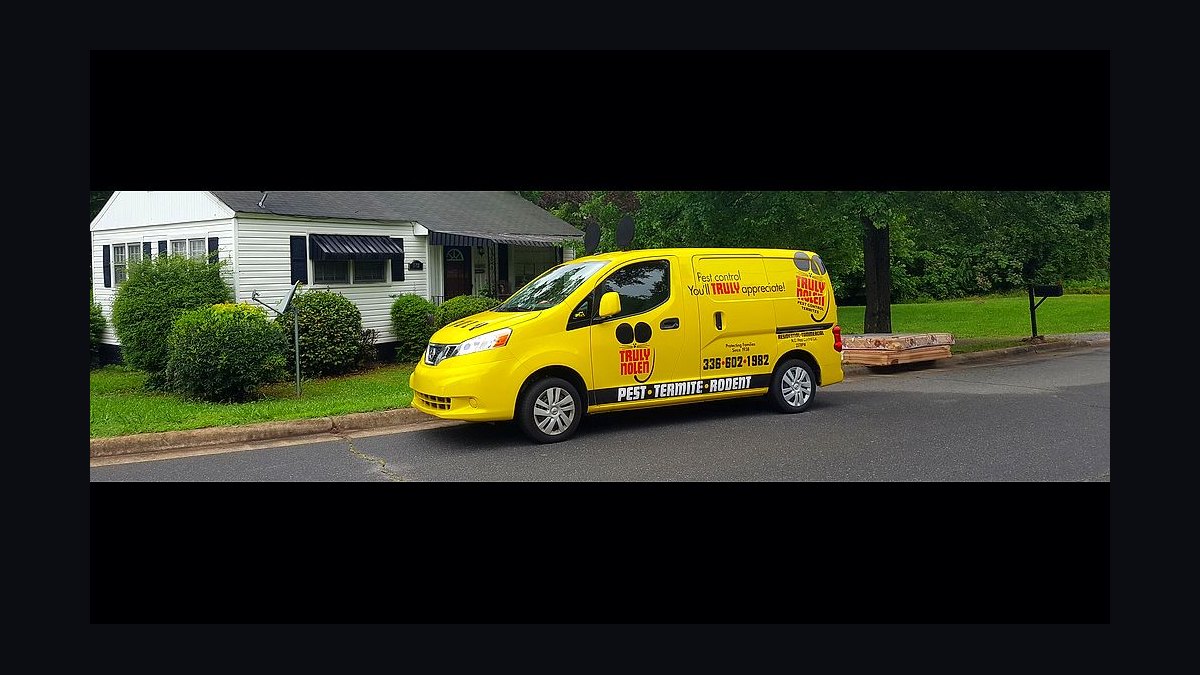
Yes, if you're a sales-and-service operator who wants a recession-resilient, recurring-revenue pest-control business inside an established franchise system: opening a Truly Nolen franchise in 2027 costs roughly $50,000-$200,000 total, carries a 7%-8% royalty, and mature units gross $400,000-$2,000,000 with owners clearing $80,000-$350,000. Buying an existing resale unit can shortcut the ramp if a strong one is available in your target market.
Truly Nolen ownership vs. the alternatives
Anyone evaluating whether to open a Truly Nolen franchise in 2027 is really choosing among four distinct paths, and each carries a different risk and capital profile. The first path is opening a brand-new Truly Nolen territory from scratch — signing the franchise agreement, securing a fresh zip-code cluster, and building the recurring customer base from zero. This is the most common route because Truly Nolen currently operates only around 120-130 units nationally, so resale inventory is thin compared to larger pest brands. The second path is acquiring an existing Truly Nolen location from a retiring or exiting franchisee, which buys you an established route, trained technicians, and existing recurring revenue — but resale pricing typically runs 2.5x-4x annual EBITDA on top of any outstanding equipment loans, so a profitable resale unit can easily cost $300,000-$700,000+ all-in, well above the Item 7 range for a new territory. The third path is choosing a faster-growing pest competitor instead — Fox Pest Control or EcoShield both emphasize more aggressive multi-unit growth models with heavier up-front marketing spend, while Truly Nolen leans on eight decades of brand recognition and the iconic yellow "mouse car" fleet rather than paid growth velocity. The fourth path is skipping franchising altogether and starting an independent pest-control company, which avoids the 7%-8% royalty and 2%-3% marketing fee entirely but forfeits the FDD-documented system, the national account recognition, and the vendor/insurance relationships a mature franchisor has already negotiated.
For most first-time buyers, the decision reduces to new-territory versus resale, because Truly Nolen's franchise development team actively steers serious inquiries into whichever option has current inventory. A new territory demands more patience — 12-24 months to reach steady profitability — but costs less up front and lets you build the customer base with your own sales discipline from day one. A resale unit compresses the ramp to profitability but concentrates risk into a single underwriting question: is the existing customer base retained on evergreen recurring agreements, or is a meaningful share of revenue tied to the departing owner's personal relationships and about to churn within the first year of new ownership. Franchisees who've been through both report that resale valuations rarely account for technician turnover risk correctly, so a buyer needs to independently verify which technicians are staying before closing, not just trust the seller's revenue trailing twelve months.

How to decide between opening new and buying an existing route
The decision tree below is the one operators actually walk through once they have Item 19 data and territory maps in hand. The two branches that matter most are capital availability and risk tolerance for the first-year ramp: a buyer with $150,000+ liquid and a preference for predictable cash flow from month one should weight resale higher if a clean unit is on the market, while a buyer with $50,000-$90,000 liquid and a longer time horizon is naturally pushed toward opening a new territory, since that's the only path the lower end of the Item 7 range actually supports.
Franchisees who skip the retention-verification step on a resale purchase are the ones who end up disappointed by year-two numbers that don't match the trailing-twelve-month figures they underwrote against. Conversely, franchisees who open new but underestimate how long it takes to reach 200-300 recurring service agreements in a territory often run out of working capital in months nine through fifteen, right when payroll for a growing technician team outpaces revenue. That's why the capital question in the decision tree isn't just "can I afford Item 7" — it's "do I have enough reserve past Item 7 to survive the exact month where the business is real but not yet profitable."
What each path actually costs
The 2026 FDD lists a franchise fee of $25,000-$35,000, with a reduced $20,000 fee available to military veterans and multi-unit developers signing for three or more territories — a discount worth $5,000-$15,000 depending on the standard fee at signing. Total Item 7 investment for a single new territory runs roughly $50,000 to $200,000, broken out approximately as: vehicles and equipment $25,000-$80,000, branding and vehicle wraps $5,000-$18,000 (the mouse-car livery is a fixed cost of the brand, not optional), warehouse or home-office setup $5,000-$25,000, initial marketing $12,000-$40,000, training and travel $8,000-$25,000, licensing and insurance $8,000-$25,000, and working capital $15,000-$55,000. On top of Item 7, ongoing fees are a royalty of roughly 7%-8% of gross revenue and a marketing fee near 2%-3%.
A resale unit's pricing works differently: instead of an itemized startup budget, you're paying a multiple of trailing EBITDA, typically 2.5x-4x depending on route density, technician retention, and recurring-agreement count. A unit grossing $800,000 with $150,000 in owner earnings might sell for $375,000-$600,000, plus whatever equipment debt or lease obligations transfer with the sale — figures that can exceed the new-territory Item 7 range by 2x-4x, which is why resale buyers generally need $150,000+ in liquid capital or a larger SBA loan to close. Financing for either path commonly comes through SBA 7(a) loans covering 80-90% of total investment, with equipment terms of 7-10 years and real-estate terms of 10-25 years, at interest rates in the 8-12% range as of early 2027; lenders typically want 20-30% of the total investment in liquid capital from the buyer, meaning $40,000-$90,000 unencumbered cash is the realistic floor for a new territory and $80,000-$180,000+ for most resale deals. Truly Nolen is not listed on the SBA Franchise Directory as a registry brand, so each loan application is underwritten individually — lenders will want to see 2-3 years of relevant management or sales experience, or a documented management team, before approving financing.
Revenue at maturity looks similar regardless of path once a unit is fully built out: mature Truly Nolen units gross $400,000-$2,000,000+ annually, with owner earnings of $80,000-$350,000 after royalty, marketing fee, labor, vehicles, and overhead. Route density is the single biggest lever on that range — adding 200-300 recurring service agreements to a territory through shared technician routes and reduced drive time can move net margins from roughly 15% up to 25% or more, which is a bigger swing than almost any other variable in the model, including which of the two acquisition paths you chose to get there.
Implementation details and sequencing
Whichever path you choose, the practical sequencing from decision to first full season of revenue follows a similar arc, though a resale purchase compresses steps three and four into a single due-diligence and closing phase instead of a slower buildout.
The first twenty days should be spent entirely on document review — the FDD's Item 19 financial performance representations, Item 20 outlet growth and closure tables, and Item 7 initial investment breakdown — before a single conversation with the franchisor's development team, so you're negotiating from an informed position. Days twenty-one through forty are for calling existing franchisees, ideally three to five who opened in the last two years and three to five who've operated for five-plus years, asking pointed questions about customer acquisition cost, technician retention, and how their actual first-year numbers compared to what they'd modeled going in. By day forty you should have enough information to choose between a new territory and a resale unit, and days forty-one through sixty are for validating that choice: for a new territory, confirming pest pressure and household density in the target zip codes (Truly Nolen typically requires at least 50,000 households in a primary service area, with a service radius of 15-30 miles residential and up to 50 miles commercial); for a resale, verifying which technicians and what share of recurring agreements are actually staying post-transition.
Days sixty-one through eighty-five are financing and licensing — closing the SBA loan and completing state pest-control licensing, which varies significantly by state (Florida requires 6-12 months of supervised experience before full certification, while Texas offers a faster pathway, so the state you're opening in materially changes your realistic launch date). Days eighty-six through one-fifteen are launch: Truly Nolen runs an initial two-week training program at its Tucson headquarters covering the proprietary routing, billing, and customer-communication software, but franchisees consistently report spending 15-20 hours per week personally on scheduling and dispatch during the first twelve to eighteen months, before the system is fully dialed in. Technician staffing is the recurring operational bottleneck across the pest industry, not specific to Truly Nolen — starting wages run $18-$25 per hour, experienced licensed techs command $28-$35 per hour plus commission, and industry-wide annual turnover of 30%-50% means franchisees who succeed typically build in performance bonuses of 5%-10% of service revenue and take-home vehicle privileges specifically to reduce churn. Most operators reach sustained profitability in the twelve-to-twenty-four-month range, at which point the multi-unit development question becomes real: Truly Nolen actively encourages three-to-five territory development agreements once a first unit proves out, generally after eighteen to twenty-four months, with a reduced fee on additional units and a required cadence of roughly one new unit opened every twelve to eighteen months.
Related questions
How much does it cost to open a Truly Nolen franchise?
Total initial investment runs $50,000-$200,000 per the 2026 FDD, including a $25,000-$35,000 franchise fee (reduced to $20,000 for veterans and qualifying multi-unit developers), vehicles, equipment, and working capital.
Is Truly Nolen a good franchise investment in 2027?
For sales-minded operators who can build a recurring customer base and manage licensed technicians, yes — recession-resilient demand, an 88-year-old heritage brand, and low-to-moderate capital make it competitive against Fox, EcoShield, Terminix, and Orkin.
Can I buy an existing Truly Nolen franchise instead of opening new?
Resale units exist but are limited given roughly 120-130 total units nationally; pricing runs 2.5x-4x EBITDA, often exceeding new-territory Item 7 costs, so verify technician and customer retention carefully before closing.
How long does it take a Truly Nolen franchise to become profitable?
Most franchisees reach profitability in 12-24 months, driven primarily by how quickly they build recurring service agreements and route density in their territory.
What's the biggest risk in opening a Truly Nolen franchise?
Technician staffing and retention — industry turnover runs 30%-50% annually, and franchisees who don't budget for licensing timelines, competitive wages, and retention incentives see the slowest ramps to profitability.
FAQ

What is the total investment needed to open a Truly Nolen franchise? The total initial investment typically ranges from $50,000 to $200,000, including the franchise fee of $25,000-$35,000. This range covers equipment, vehicles, branding, and initial marketing, but actual amounts vary by territory size and local licensing requirements.
How much can I expect to earn as a Truly Nolen franchise owner? Mature franchise units generally gross between $400,000 and $2,000,000 annually, with owner net income ranging from $80,000 to $350,000. Earnings depend heavily on route density, local pest pressure, and how effectively you manage staffing and customer acquisition.
What ongoing fees does Truly Nolen charge? You pay a royalty fee of about 7%-8% of gross sales plus a marketing fee typically in the 2%-3% range. These fees fund brand advertising, the mouse-car marketing program, and franchisor system support; exact figures are confirmed in the current FDD.
Is it better to open a new Truly Nolen territory or buy an existing one? It depends on your capital and risk tolerance. A new territory costs less up front but takes longer to reach profitability, while a resale unit costs more (often 2.5x-4x EBITDA) but can generate cash flow immediately if technician and customer retention are verified before purchase.
Do I need prior pest-control experience to open a Truly Nolen franchise? No, Truly Nolen provides initial training at its Tucson headquarters plus ongoing field support, but you should be comfortable managing technicians, handling sales, and navigating state-specific licensing requirements, which vary from six to twelve months in some states.
How long does it take to become profitable after opening? Most franchisees reach profitability within 12 to 24 months. Early months typically focus on route development, technician hiring, and licensing, with consistent recurring revenue building steadily as the customer base grows past roughly 200-300 service agreements.
Sources
- https://www.trulynolen.com
- https://www.entrepreneur.com/franchises/directory
- https://www.ibisworld.com
- https://www.statista.com
- https://www.npmapestworld.org
- https://franchisebusinessreview.com
- https://www.franchise.org
- https://www.sba.gov/business-guide/plan-your-business/franchises
- https://www.census.gov
- https://www.orkin.com
Related on PULSE
- Should I open or buy a Fox Pest Control franchise in 2027?
- Should I open or buy an EcoShield Pest Control franchise in 2027?
- Should I open or buy a Pestmaster franchise in 2027?
- How long does it take to open a franchise and break even in 2027?
- Should I open or buy a Tommy Gun's Original Barbershop franchise in 2027?
This page will be disappearing soon. Save it to your device for $1 — or read it free while it is here.
@Kory-White- · if Venmo asks, the last 4 of my number are 2012
This page is gone.
This one is off the shelf now. $1 keeps it on your phone for good — the whole page, pictures and diagrams included.
 franchiseShould I open or buy a Take 5 Oil Change franchise in 2027?
 franchiseShould I open or buy a Jeremiah's Italian Ice franchise in 2027?
 franchiseShould I open or buy a Taco Bell franchise in 2027?
 franchiseShould I open or buy a Mac Tools franchise in 2027?
 franchiseShould I open or buy a Merry Maids franchise in 2027?
 franchiseShould I open or buy a Drybar franchise in 2027?
 franchiseShould I open or buy a Cinnabon franchise in 2027?
 franchiseShould I open or buy a Wingstop franchise in 2027?
 franchiseShould I open or buy a Wendy's franchise in 2027?
 franchiseShould I open or buy an Ace Hardware franchise in 2027?