


Should I open or buy a Pestmaster franchise in 2027?
Quality
Certified
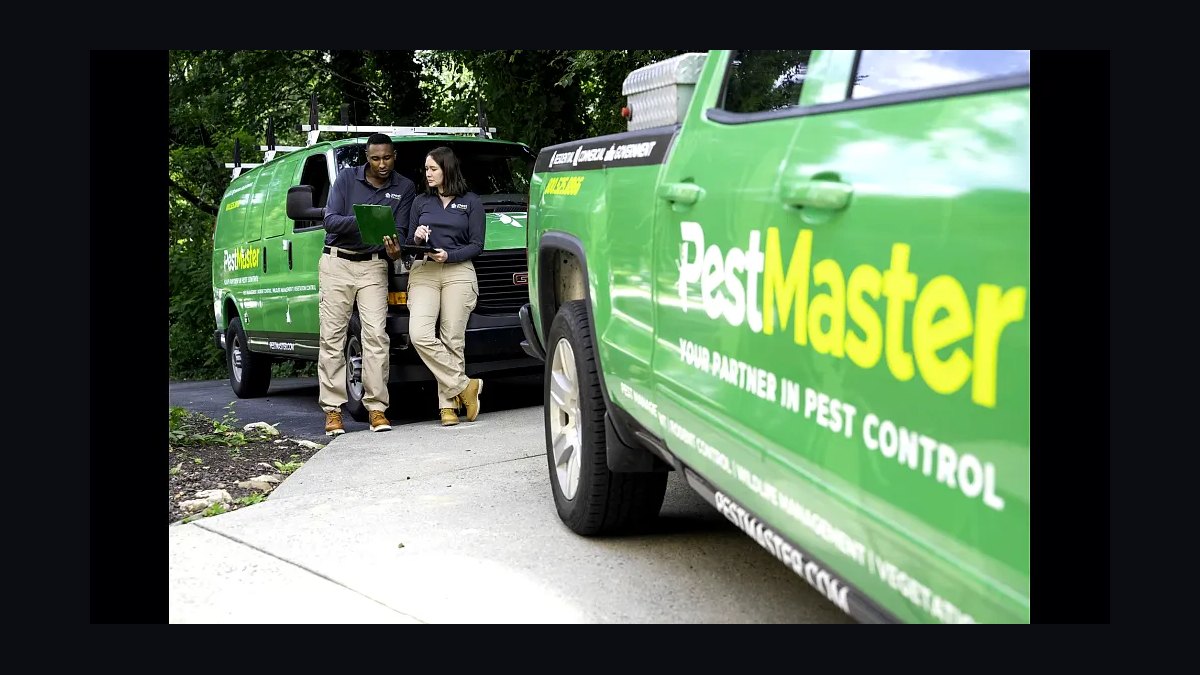
Yes, opening a Pestmaster franchise in 2027 makes sense for a sales-minded operator who wants pest control layered with government and commercial vegetation-management contracts, not just residential routes. With a 2026 FDD total investment near $80,000–$200,000 and mature units grossing $500,000–$2.5 million, the niche rewards owners who can win and service B2B contracts.
What Ownership Actually Delivers in Year One Through Three
A Pestmaster franchise is not a simple bug-spray route business — it's a hybrid operation that blends recurring residential pest agreements with commercial and government contract work, and that hybrid structure shapes what the first three years actually look like. In year one, most new franchisees spend the bulk of their energy on two parallel tracks: building a residential customer base through door-to-door and digital marketing, and pursuing the bid processes that lead to municipal, utility, or school-district vegetation and pest contracts. These two tracks move at different speeds. Residential signups can convert in days or weeks; a municipal roadside-vegetation or vector-control contract can take three to nine months from first outreach to signed agreement, because public entities typically require competitive bidding, insurance documentation, and sometimes a formal RFP response.
The outcome most owners should plan for is a slow first six to nine months while licensing, staffing, and the first B2B pipeline mature, followed by an acceleration once residential routes reach density and the first one or two government or commercial contracts land. Franchisees who reach $500,000-plus in annual gross typically do so by month 18 to 30, not month six. The ones who stall usually never build the contract pipeline at all and end up running a smaller, lower-margin residential-only operation that would have been better served by a pure residential pest brand like Fox Pest Control or Truly Nolen.

It's also worth setting expectations against the broader pest-control industry, which has grown steadily as a recession-resilient category — homeowners and property managers rarely defer pest treatment even in a downturn, because unresolved infestations create liability and property-damage risk. That baseline resilience is why Pestmaster's residential side performs reasonably even in soft economic years; the differentiator is that the government and commercial vegetation piece adds a second, often larger and stickier, revenue stream on top of it. A franchisee who treats the government/commercial side as optional rather than core to the model is effectively buying a Pestmaster and running it like a generic pest route, which forfeits the brand's main competitive advantage.
What Drives the Revenue Mix and Margin
Three structural factors drive whether a Pestmaster unit reaches the higher end of its revenue range or stalls in the lower end: contract-acquisition capability, technician licensing capacity, and route density. Contract acquisition is the single biggest lever, because government and commercial vegetation-management work — roadside spraying for a county DOT, utility right-of-way clearing, or public-health vector-control contracts — tends to be larger and more multi-year than residential agreements, but it requires bid-writing, insurance compliance, and relationship-building with procurement officers that many pest-control operators have never done. Franchisees who come from a B2B sales, government-contracting, or landscaping/vegetation-management background typically ramp this pipeline faster than those coming purely from a residential-service background.

Technician licensing is the second lever. Pest control technicians need state pesticide-applicator licenses, and vegetation-management work often requires additional herbicide-application certifications that vary by state and sometimes by contract type (right-of-way herbicide work, for example, frequently has its own certification track separate from structural pest control). A franchisee who under-invests in getting enough licensed technicians on staff will win a contract and then struggle to service it on schedule, which damages the government-client relationship and makes contract renewal or expansion far less likely.
Route density is the third lever and it's the more traditional pest-franchise economics: the closer together your residential stops are, the lower your drive time and fuel cost per stop, and the higher your technician utilization. Because Pestmaster territories often extend across a county or a population radius rather than a tight zip-code cluster, franchisees need to be deliberate about which sub-areas they market into first, rather than spreading thin across the whole territory in year one.
Benchmarks: Investment, Royalty, and Realistic Earnings
Per the 2026 Franchise Disclosure Document, the Pestmaster franchise fee runs roughly $30,000 to $40,000, and the total Item 7 initial investment — covering the franchise fee, vehicles and equipment, branded vehicle wraps, warehouse or home-office setup, initial marketing, training and travel, licensing and insurance, and working capital — lands between about $80,000 and $200,000. Franchisees should expect to bring $50,000 to $100,000 in liquid capital, with the remainder financed through SBA or conventional franchise lending. The ongoing royalty is approximately 7% to 8% of gross revenue, plus a marketing fee of roughly 2%, which is on the higher end for the home-service-franchise category but reflects the brand support and contract-referral infrastructure Pestmaster provides.

Mature units — generally those past their third year — report annual gross revenues between $500,000 and $2.5 million or more, with owner net income in the range of $90,000 to $400,000. That's a wide spread, and the position within it correlates almost entirely with the three drivers above: a unit stuck on residential-only revenue tends to land in the lower half of that range, closer to pure residential pest-franchise economics (where owner earnings of $80,000 to $150,000 are typical), while a unit with two or more active government or commercial vegetation contracts can push toward the top of the range because those contracts often carry better margins and lower customer-acquisition cost per dollar of revenue than door-to-door residential sales.
For comparison, competing residential-only pest brands — Terminix, Orkin, Fox Pest Control, EcoShield — generally have lower or comparable franchise fees but no equivalent government/vegetation-contract niche, so their revenue ceiling per territory is more tightly tied to household density alone. Buyers evaluating Pestmaster against those alternatives should ask specifically for Item 19 breakdowns that separate residential from contract revenue, since a blended average can obscure how dependent a given territory's top performers are on one or two large government contracts.
Risks, Edge Cases, and Where Franchisees Get Stuck
The most common failure mode is treating Pestmaster like a residential-only pest franchise and never building the contract pipeline that justifies the brand's positioning and royalty structure. Operators who are uncomfortable with B2B sales, RFP responses, or government procurement processes tend to underperform relative to Item 19 averages, sometimes significantly, because they're competing purely on residential density against brands that have optimized that model for decades.

Territory overlap is a second, less obvious risk. Territory definitions in the 2026 FDD typically range from one to three counties or a population-based radius of 50,000 to 150,000 residents, but government and commercial contracts often span multiple territories — a neighboring Pestmaster franchisee can legally bid on a municipal vegetation contract that overlaps your residential area, creating internal competition that a purely residential brand wouldn't have. Before signing, request a territory map and a list of existing franchisees within 100 miles, and specifically ask what percentage of their revenue comes from contracts that could overlap yours. A territory with fewer than two other Pestmaster units within 50 miles generally offers better protection for a single-unit owner building route density from scratch.
Seasonality creates a third risk that catches first-year owners off guard. Residential pest work peaks April through September, representing roughly 60% to 70% of annual residential revenue, while vegetation-management contracts concentrate in late spring and early fall, and government bidding cycles can delay first payments 60 to 90 days after contract award. That leaves a cash-thin window from November through February in colder climates, where indoor pest and rodent work covers only 20% to 30% of off-peak revenue. Franchisees who don't budget a $30,000 to $50,000 cash reserve beyond the initial investment routinely hit late vendor payments or missed royalty payments in the first-quarter slowdown.
Finally, exit planning is an edge case worth weighing before you open, not after. Resale multiples for Pestmaster units run roughly 1.2x to 3.0x annual net profit depending heavily on contract mix — units with 30% or more revenue from multi-year municipal agreements sell faster and at higher multiples than residential-heavy units, which can sit listed 12 to 18 months. Non-compete clauses typically restrict a seller from operating a similar business within 25 to 50 miles for two to three years, and government contracts frequently don't transfer automatically to a buyer, who must re-qualify with each municipality — a process that can delay a sale closing by three to six months.
A Practical 120-Day Rollout Plan
The rollout sequence for a Pestmaster franchise should run on two tracks simultaneously rather than sequentially, because waiting to start contract pursuit until residential routes are established wastes the multi-month government bid cycle. In the first twenty days, read the full FDD — especially Item 19's earnings claims and Item 20's franchisee turnover data — and get the state pesticide-applicator licensing process started immediately, since it's often the longest lead-time item. From day 21 to 40, call existing franchisees directly and ask pointed questions about their residential-versus-contract revenue split, how long their first government contract took to close, technician retention, and true net profit after all fees — not just gross revenue, which the FDD emphasizes more heavily.
Days 41 to 60 should validate local demand on both fronts: pull residential household density and existing pest-franchise saturation for your target territory, and separately research which municipalities, utilities, or school districts in the territory have active or upcoming vegetation-management and vector-control contracts, since public procurement records are usually searchable online. Days 61 to 85 cover licensing completion and technician hiring — budget for both structural pest applicator licenses and, if you're pursuing right-of-way vegetation work, the separate herbicide-application certifications many states require. From day 86 to 115, launch residential marketing and simultaneously submit your first RFP responses or direct outreach to government procurement contacts identified in the validation phase, since a franchise that opens without an active contract pipeline is already behind by the time its first bid cycle closes.
Related questions
How long does it take to open a franchise and break even in 2027?

Most home-service franchises reach breakeven in 12 to 24 months, but Pestmaster's timeline depends heavily on how fast the government/commercial contract pipeline closes, which can add several months versus a pure residential brand.
Is Pestmaster better than Fox Pest Control or Truly Nolen?
It depends on your strengths: Fox and Truly Nolen focus on residential density and are simpler to operate, while Pestmaster's edge only pays off if you can actively win and service government and commercial vegetation contracts.
What licenses do I need to operate a Pestmaster franchise?
You'll need a state pesticide-applicator license for structural pest control, and if you pursue vegetation-management or right-of-way herbicide contracts, most states require a separate herbicide-application certification.
How does government contract seasonality affect cash flow?
Government bid awards can delay first payment 60-90 days, and combined with a slow residential season from November through February, franchisees should hold a $30,000-$50,000 cash reserve beyond initial investment.
Can I sell a Pestmaster franchise later if it doesn't work out?
Yes, but resale value depends heavily on contract mix — units with strong multi-year government contracts sell faster and at higher multiples (up to 3.0x net profit) than residential-only units, which can list for 12-18 months.
FAQ
What is the total investment range for a Pestmaster franchise?

The total initial investment (Item 7) typically ranges from about $80,000 to $200,000. This includes the franchise fee of $30,000 to $40,000, plus vehicles, equipment, licensing, and working capital.
How much can I expect to earn as a Pestmaster franchise owner? Mature units generally report annual gross revenues between $500,000 and $2.5 million, with owner net income ranging from $90,000 to $400,000. Actual earnings depend heavily on your residential-versus-contract revenue mix and operational efficiency.
What makes Pestmaster different from other pest control franchises? Pestmaster combines standard residential and commercial pest control with a differentiated focus on vegetation management and government/municipal contracts, such as roadside spraying or public-health vector control — a niche most pest franchises don't pursue.
What are the biggest challenges of running a Pestmaster franchise? The biggest challenges are winning and servicing government/commercial contracts, recruiting and licensing enough technicians for both pest and vegetation work, managing seasonal cash flow, and competing with larger national pest brands on the residential side.
Is a Pestmaster franchise suitable for a first-time business owner? It can work for a first-time owner who is genuinely comfortable with B2B or government sales and willing to learn procurement processes. Without that comfort, the residential-only fallback underperforms relative to what the franchise fee and royalty assume.
How long does it take to become profitable with a Pestmaster franchise? Many owners reach profitability within 12 to 24 months, but that timeline is closely tied to how quickly the first one or two government or commercial contracts close, since those bid cycles alone can run three to nine months.
Sources
- https://www.ftc.gov/business-guidance/resources/franchise-rule
- https://www.franchise.org
- https://www.entrepreneur.com/franchises
- https://www.npmapestworld.org
- https://www.ibisworld.com
- https://www.statista.com
- https://www.franchisebusinessreview.com
- https://www.sba.gov/business-guide/plan-your-business/franchise-businesses
- https://www.pestmaster.com
Related on PULSE
This page will be disappearing soon. Save it to your device for $1 — or read it free while it is here.
@Kory-White- · if Venmo asks, the last 4 of my number are 2012
This page is gone.
This one is off the shelf now. $1 keeps it on your phone for good — the whole page, pictures and diagrams included.
 franchiseShould I open or buy a Subway franchise in 2027?
 franchiseShould I open or buy a Primrose Schools franchise in 2027?
 franchiseShould I open or buy a Great Clips franchise in 2027?
 franchiseShould I open or buy a Jeremiah's Italian Ice franchise in 2027?
 franchiseShould I open or buy a Papa John's franchise in 2027?
 franchiseShould I open or buy a Meineke franchise in 2027?
 franchiseShould I open or buy an Orangetheory Fitness franchise in 2027?
 franchiseShould I open or buy a Merry Maids franchise in 2027?
 franchiseShould I open or buy a Pizza Hut franchise in 2027?
 franchiseShould I open or buy a Dunkin' franchise in 2027?