


Should I open or buy a TruGreen franchise in 2027?
Quality
Certified
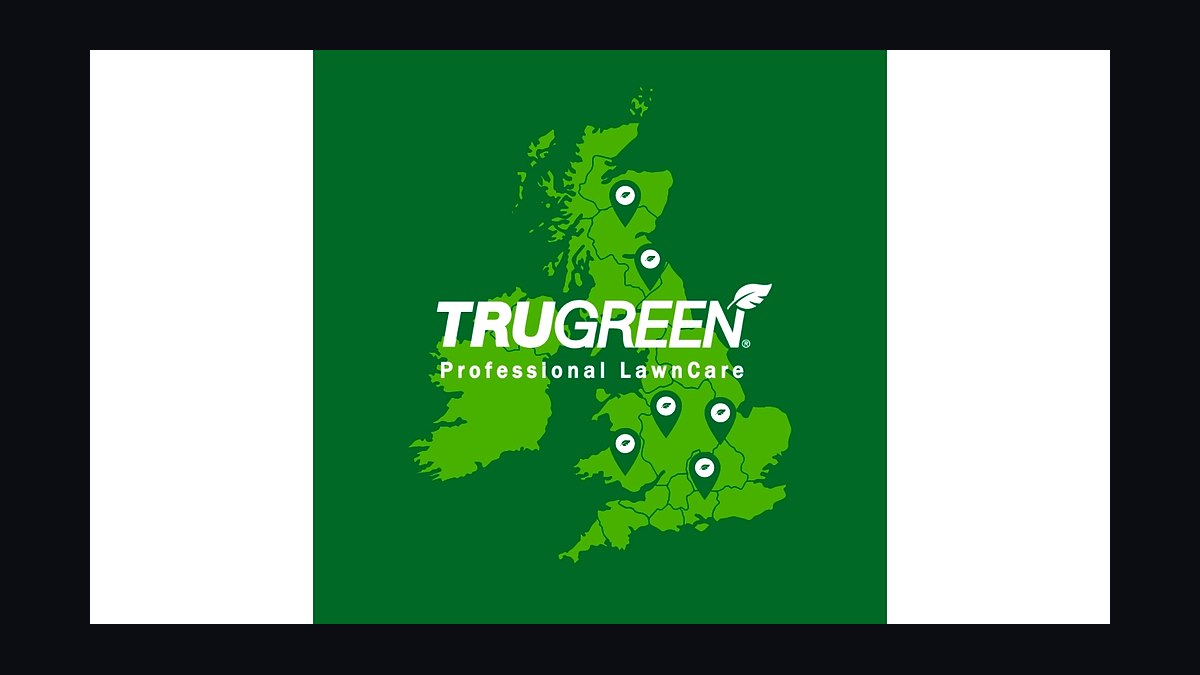
Move cautiously: TruGreen is the largest lawn-care company in the U.S., but roughly 95% of its 200+ locations are company-owned, so franchise availability is the real bottleneck, not brand appeal. Confirm whether your specific market is open to franchising before spending a dollar — if it isn't, an actively-franchising lawn-care brand gets you into the same recurring, recession-resilient category faster.
The two paths: TruGreen franchise vs. company-owned reality
Anyone researching whether to open a TruGreen franchise in 2027 runs into the same wall almost immediately: TruGreen is not structured like most household-name franchise brands. Where a chain like a fast-casual restaurant or a home-inspection brand actively recruits franchisees in every metro, TruGreen built its national footprint mostly through direct, company-owned operations. Franchising exists, but it is the exception inside the business model, not the rule. That single structural fact changes the entire decision tree for a prospective owner.
In practice, this means the first real question isn't "should I buy a TruGreen franchise" — it's "can I buy one at all, where I live." Franchise territories tend to surface in smaller cities (often under 100,000 people), rural counties, or regions where the corporate arm has decided direct ownership isn't cost-effective to manage from a distance. If you live in or near a major metro, there's a good chance TruGreen already runs a company branch there, and no franchise will ever be offered for that territory. Requesting a Franchise Disclosure Document (FDD) is the only reliable way to find out which zip codes or counties are actually open right now, because availability shifts from year to year as the company reassesses which markets it wants to run itself.

The second path — and the one most prospective owners end up walking — is looking at brands that franchise as their primary growth engine. Lawn Doctor, Weed Man, and Lawn Squad all compete in the same recurring lawn-treatment category TruGreen dominates, but their business model is built around actively selling and supporting new franchisees, not defending company-run turf. That means faster answers, clearer territory maps, and franchise development teams whose whole job is closing you as a new owner rather than politely explaining that your area isn't available.
It's worth being honest about what you're actually choosing between. A TruGreen franchise, where available, comes with the single strongest brand recognition in residential lawn care — homeowners already know the name, which shortens the sales cycle on new accounts. An actively-franchising alternative trades some of that brand pull for certainty: you know going in that a territory exists, that the franchisor wants your business, and that the onboarding timeline won't stall on an internal decision about whether your county gets a franchise slot this year. Neither path is objectively better — it depends entirely on whether TruGreen happens to be open where you want to operate.
How to decide between waiting on TruGreen and moving on an active franchise
The decision doesn't hinge on which brand is "best" in the abstract — it hinges on a sequence of yes/no checks that most people skip because they fall in love with the TruGreen name before doing the legwork. Start with availability, not financing, not equipment, not location scouting. If TruGreen doesn't franchise in your target territory, none of the rest of the analysis matters, because the deal simply isn't on the table.

Once you know availability, the decision splits cleanly. If a TruGreen territory is open, the next filter is whether you're a sales-and-service-minded operator who can build a customer base from a relatively unproven local presence (franchised territories are often the ones TruGreen itself struggled to grow directly, which is partly why they're offered out). If TruGreen is company-owned in your area — the more common outcome — the decision compresses to picking among the actively-franchising alternatives, where the evaluation criteria are more conventional: total investment, royalty structure, territory protection, and how the FDD's Item 19 (financial performance) and Item 20 (outlet and turnover data) compare across two or three candidate brands.
This flow matters because the biggest mistake prospective owners make is running the entire financial and operational analysis on TruGreen specifically — projecting revenue, mapping routes, pricing equipment — before ever confirming a franchise slot exists. That work isn't wasted if you end up going the alternative-brand route, since the underlying business (recurring lawn treatment, seasonal labor, route density) is nearly identical across all four brands. But sequencing the availability check first saves months of premature planning.
What the numbers actually look like for each option
Where a TruGreen franchise is available, the investment picture is comparable to any route-based recurring service business. Expect a franchise fee of roughly $30,000 to $35,000, with total startup investment ranging from about $60,000 to $220,000 depending on territory size and equipment needs. That range covers $20,000–$70,000 for vehicles and spray equipment, $5,000–$15,000 for branded vehicle wraps, $5,000–$20,000 for a home-office or warehouse setup, $12,000–$35,000 for initial local and brand marketing, $8,000–$22,000 for operator and technician training and travel, $6,000–$20,000 for applicator licensing and general liability insurance, and $15,000–$50,000 in working capital to carry you through seasonal revenue swings. Liquid capital requirements typically land between $40,000 and $90,000. Ongoing royalties run about 8–10% of gross revenue, and mature franchised units have reported annual gross revenue anywhere from $400,000 to over $2 million, though that top end reflects established, multi-year operations, not a first-year result.

The actively-franchising alternatives offer a useful point of comparison because their numbers are published more consistently and don't depend on scarce territory availability. Lawn Doctor, franchising since 1967, asks for total investment of $95,000–$130,000, a $35,000 franchise fee, and royalties of 6–8%. Weed Man, with a strong U.S. footprint out of its Canadian roots, runs $70,000–$100,000 total investment, a $25,000 franchise fee, and 6–7% royalties. Lawn Squad, the newest and most tech-forward of the three, offers the lowest entry point at $50,000–$90,000, a $20,000 franchise fee, and 5–6% royalties. Across all of these, expect additional local marketing contributions of roughly 2–4% of sales stacked on top of the royalty, plus equipment maintenance, seasonal labor, and chemical/product costs that typically add another 10–15% to operating expenses.
Customer acquisition is the line item people underestimate most. Building an initial base of 200–500 recurring accounts often consumes 15–25% of first-year revenue in marketing, sales commissions, and introductory service discounts, with typical first-year local marketing spend of $15,000–$40,000 regardless of which brand you choose. Because the underlying service — fertilization, weed control, pest and tree/shrub care sold on recurring agreements — is nearly identical across TruGreen and its actively-franchising peers, these acquisition costs are a more reliable planning number than brand-specific revenue claims, which vary heavily by territory maturity and local competition.
Rolling out the business once you've picked a path

Whichever brand you land on, the operational calendar looks similar because lawn care is inherently seasonal. Demand runs from roughly March through November across most U.S. climates, with a sharp spring spike (April–June) driven by fertilization and pre-emergent weed control, and a secondary fall peak (September–October) tied to overseeding and winterization services. Winter months (December–February) typically see revenue drop 60–80% in most regions, though markets with warm-season grasses or year-round pest pressure — Florida, Texas, parts of California — hold moderate activity through the cold months. During peak season, expect to staff 3–8 part-time technicians per route depending on territory size and customer density; during the winter trough, many owners supplement income with snow removal, holiday lighting, or extended tree/shrub care packages to keep crews employed and cash flowing.
Sequencing matters more than people expect once you've chosen a brand. First, confirm territory and licensing requirements specific to your state — most states require a pesticide/herbicide applicator license before you can legally perform core services, and getting licensed can take several weeks depending on testing schedules. Second, interview at least two or three existing franchisees in the brand you're considering, asking specifically about net profit after royalty and marketing fees, not just gross revenue, since gross figures in FDDs and marketing materials tend to flatter the opportunity. Third, budget a realistic 3–6 months of operating expenses as a cash reserve before you sign anything — seasonal revenue swings mean a franchise that looks profitable on an annual basis can still run a dangerously thin bank account during a slow winter quarter. From initial inquiry to signed franchise agreement, expect a realistic timeline of 3–6 months, longer if you're waiting on TruGreen to confirm territory availability, shorter with the actively-franchising brands whose approval processes are typically 2–4 months.

The owners who do best treat the seasonal cycle as a staffing and cash-flow problem to solve upfront rather than a surprise to react to mid-year. That planning discipline transfers directly regardless of which brand's sign ends up on your trucks — the recurring-revenue math, the licensing hurdles, and the seasonal labor curve are close to identical whether you eventually open under TruGreen or one of its actively-franchising peers.
Related questions
Can I convert an independent lawn-care business into a TruGreen franchise later? Generally no — TruGreen's franchise program operates on defined territories awarded directly by the company, not conversions of existing independent operators, though policies can vary by market and year.
Does TruGreen require prior lawn-care industry experience to franchise? Requirements vary, but most home-service franchisors prioritize sales and operations management experience over technical lawn-care expertise, since training programs cover the technical side.
How does TruGreen's franchise support compare to Lawn Doctor or Weed Man? All three provide training, marketing support, and territory protection, but actively-franchising brands typically have more mature franchisee-support infrastructure simply because supporting new owners is core to their growth strategy.
Is lawn care a good recession-resilient business in 2027? Recurring lawn treatment has historically held up better than discretionary home services during downturns, since many homeowners treat it as routine maintenance rather than a luxury expense.
What licenses do I need before starting a lawn-care franchise? Most states require a pesticide or herbicide applicator license, plus general liability insurance and, in many areas, a local business license — requirements vary meaningfully by state.
FAQ

Is TruGreen actually offering new franchises in 2027? TruGreen's franchise program is limited and market-dependent. Contact their franchise development team directly to confirm if your area is open — many territories remain company-owned, and availability can shift from year to year.
What's the realistic investment range for a TruGreen franchise? Total investment typically falls between $60,000 and $220,000, with an upfront franchise fee of roughly $30,000 to $35,000. Figures vary based on territory size, equipment needs, and local market conditions.
How much can a TruGreen franchise owner expect to earn? Mature franchised units have reported annual gross revenue from $400,000 to over $2 million. Actual net profit depends on local competition, operational efficiency, and the royalty fee, which runs roughly 8–10% of gross sales.
How long does it take to become profitable? Many franchisees reach positive cash flow within the first two to three years, though the timeline can extend in smaller or less-developed markets. Ramp-up speed and marketing investment play a significant role.
What are the main ongoing costs besides the royalty? Beyond the 8–10% royalty, budget for local marketing contributions (often 2–4% of sales), equipment maintenance, seasonal labor, and product or chemical purchases, which together can add another 10–15% to operating expenses.
If TruGreen franchising isn't available in my area, what are the best alternatives? Consider actively-franchising lawn-care brands like Lawn Doctor, Weed Man, or Lawn Squad. Each has an established franchise model and broader territorial availability, but compare their investment, royalty, and support structures directly before deciding.
Sources
- https://www.trugreen.com
- https://www.ftc.gov/business-guidance/resources/franchise-rule-compliance-guide
- https://www.entrepreneur.com/franchises/directory
- https://www.ibisworld.com/united-states/industry/lawn-care-landscaping-services/
- https://www.statista.com/markets/
- https://www.franchisebusinessreview.com
- https://www.franchise.org
- https://www.census.gov
- https://www.lawndoctor.com
- https://www.weedman.com
Related on PULSE
This page will be disappearing soon. Save it to your device for $1 — or read it free while it is here.
@Kory-White- · if Venmo asks, the last 4 of my number are 2012
This page is gone.
This one is off the shelf now. $1 keeps it on your phone for good — the whole page, pictures and diagrams included.
 franchiseShould I open or buy a Rita's Italian Ice franchise in 2027?
 franchiseShould I open or buy a Roto-Rooter franchise in 2027?
 franchiseShould I open or buy a Culver's franchise in 2027?
 franchiseShould I open or buy a Crumbl Cookies franchise in 2027?
 franchiseShould I open or buy a Meineke franchise in 2027?
 franchiseShould I open or buy a Marco's Pizza franchise in 2027?
 franchiseShould I open or buy a Jamba franchise in 2027?
 franchiseShould I open or buy a Stanley Steemer franchise in 2027?
 franchiseShould I open or buy a Supercuts franchise in 2027?
 franchiseShould I open or buy a Cold Stone Creamery franchise in 2027?