


Should I open or buy a Peace Love and Little Donuts franchise in 2027?
Quality
Certified
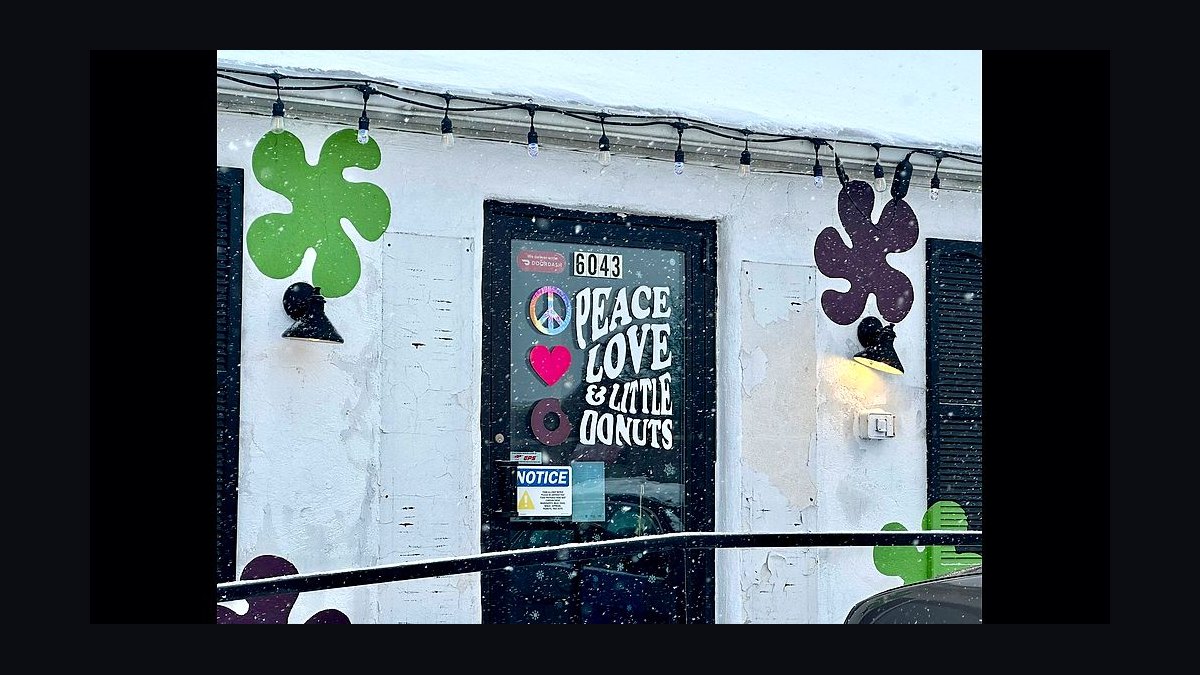
Open a Peace, Love and Little Donuts franchise in 2027 only if you can secure genuinely high-traffic retail space and personally run the shop. The concept's low-to-moderate capital, roughly $150,000 to $400,000, and distinctive groovy branding are real advantages, but modest unit volumes mean location traffic — not the brand — decides whether you profit.
The outcome you should expect
Strip away the tie-dye and the peace signs and what you are buying is a small-format fried-dough retail business with a coffee attachment. That framing matters, because it sets the ceiling on what a realistic outcome looks like. Mature Peace, Love and Little Donuts shops generally land somewhere between $250,000 and $700,000 in annual gross sales, and an owner-operator who is behind the counter most days typically clears somewhere in the $50,000 to $170,000 range once royalties, rent, labor, and food cost are paid. That is a wide band, and the width of the band is the single most honest thing anyone can tell you about this investment. A shop in a downtown pedestrian corridor next to a university and a shop in a suburban strip center anchored by a mid-tier grocery store carry the same signage, the same batter recipe, and the same royalty rate, and they can differ by a factor of two and a half in revenue.
The expectation you should carry into a discovery day is that you are buying a job with equity, not a passive yield. In the first eighteen to twenty-four months, plan on being the person who opens the shop, mixes batter, trains the topping station, and chases catering leads. Franchisees across the small-format dessert category consistently report that the units where the owner is absent from day one underperform, and the mini-doughnut format is unusually sensitive to this because the product is made to order in front of the customer. There is no walk-in cooler full of yesterday's inventory to hide behind. If the person running the machine is bored or slow during the 7 to 10 a.m. rush, throughput drops and the line walks.
Timeline-wise, expect six to twelve months from signing the franchise agreement to opening the doors. Site selection and lease negotiation eat the largest share of that, typically three to five months if you are patient and do it properly, and this is the phase where new franchisees most often make the expensive mistake: they take the available space rather than waiting for the right one, because carrying costs and enthusiasm both push toward signing something. Buildout runs another eight to fourteen weeks in a second-generation food space and longer in a shell. Training is short — the production process is deliberately simple — but training your own staff after opening is the ongoing work.

Cash-wise, plan on total investment inside the disclosed Item 7 range plus a personal cushion that sits outside the franchisor's number. Item 7 working capital allowances in this category tend to assume a three-month ramp. Real ramps in food retail more often take six to nine months to reach steady-state weekly sales, especially outside tourist markets where you do not get a seasonal traffic surge to accelerate word of mouth. If your liquidity is exactly the disclosed minimum, you are underfunded. The franchisees who fail in year two rarely fail because the concept did not work; they fail because they ran out of runway three weeks before the shop would have turned.
What drives that outcome
Four variables move the needle, and they are not equally weighted. Ranked by how much they explain the difference between a strong and a weak Peace, Love and Little Donuts unit: location traffic, catering and event revenue, beverage attachment rate, and labor scheduling discipline. Food cost matters, but in a mini-doughnut format it is the least volatile line on the P&L, which is a genuine structural advantage of the concept.

Location traffic is first because it is the one variable you cannot fix after the fact. You can retrain a staff, you can rebuild a catering funnel, you can renegotiate a coffee supplier. You cannot move a lease. A site that delivers 2,000 pedestrians a day past the door in an urban setting, or the vehicle-count equivalent in a suburban one, generates a baseline of impulse purchases that costs you nothing in marketing. A site that does not deliver that traffic forces you to buy customers through advertising and promotion forever, on a gross margin that does not support heavy customer-acquisition spend.
Catering and events are second because they are the only lever that meaningfully decouples revenue from foot traffic. Mini doughnuts are structurally excellent catering product: they travel reasonably, they portion easily, they look like a lot of food for the money, and they photograph well on a table. Weddings, corporate breakfasts, school events, church functions, and grand openings all buy them. A franchisee who builds a catering book that runs even fifteen to twenty percent of gross sales has materially derisked the business, because that revenue arrives with a deposit, a known headcount, and no dependence on whether it rained on Saturday.
Beverage attachment is third and underrated. Coffee and espresso drinks carry materially better gross margins than fried dough — the ingredient cost on a specialty latte is a fraction of the ticket price, while a doughnut's ingredient and labor cost eats a larger share. At mature units in this category, beverages commonly account for roughly a fifth to nearly a third of sales. The franchisees who treat coffee as an afterthought leave the highest-margin dollars in the business on the table. Investing in a proper espresso setup and actually training baristas is one of the few discretionary spends with a clear payback.
Labor discipline is fourth. The production model needs two to three people per shift, and the peak periods are sharp and predictable — a morning commuter and breakfast window, and an afternoon treat window. Labor typically runs in the high twenties to mid thirties as a percentage of sales. The gap between a well-scheduled shop and a poorly scheduled one is several points of margin, which on a $400,000 unit is real money against an owner's take-home.
Benchmarks and realistic ranges

Here is the structure of the investment as disclosed and as practitioners describe it. Treat every number as a range to test against the current Franchise Disclosure Document, never as a promise — Item 7 is an estimate and Item 19, where a financial performance representation exists at all, is the only performance data the franchisor is permitted to stand behind.
Initial investment. The franchise fee sits in the mid-twenties to mid-thirties of thousands of dollars. Total Item 7 investment runs roughly $150,000 at the low end to around $400,000 at the high end. The spread is almost entirely buildout: a second-generation food space with usable hoods, grease traps, and plumbing can come in near the bottom of the range, while a cold shell in a new development pushes you toward the top. Equipment, including fryers, display cases, and POS, is a meaningful chunk. Signage and the themed decor package is a smaller but real line — the groovy fit-out is part of what you are buying and skimping on it undercuts the differentiation you paid the franchise fee for.
Ongoing fees. Royalty of approximately six percent of gross sales, plus a marketing or brand fund fee in the low single digits. Combined, budget roughly eight percent of every dollar off the top before you have paid for a single bag of flour. This is standard for food franchising, but run it through your own model rather than the franchisor's: eight percent of $300,000 is $24,000, which is a meaningful share of a first-year owner's realistic take.
Format economics. Three formats behave differently enough to be treated as separate investments.
*Traditional inline shop*, roughly 800 to 1,500 square feet. Highest capital, highest revenue ceiling, longest lease commitment. Rent discipline is the thing to watch — occupancy above twelve to fifteen percent of projected gross is a structural problem no amount of operating skill fixes.
*Strip center or lifestyle center unit.* Lower rent, steadier neighborhood traffic, lower ceiling. This is the most common profile and the most forgiving for a first-time franchisee, but it grows slowly and depends on becoming a habit for a defined local customer base rather than catching tourists.
*Kiosk and non-traditional*, in airports, stadiums, food halls, and malls. Materially lower buildout, materially lower overhead, but shorter lease terms, frequent percentage-rent or revenue-share clauses, and host-controlled operating hours. Excellent for testing a market or adding a second unit; risky as a sole unit because the landlord holds most of the leverage at renewal.
Cost structure. The mini format's genuine advantage is food cost. Because portions are small and product is made to order in short batches rather than produced in bulk overnight, waste stays low and ingredient cost per unit sold is favorable compared with full-size doughnut operations that discard unsold inventory daily. The counterweight is that batter has a short usable window after mixing, so demand forecasting shifts from "how many dozen do I bake" to "how much batter do I mix at 6 a.m. and again at 1 p.m." That is a learnable skill, but it is a daily skill.
Ticket behavior. The mini format tends to pull larger average tickets than a single full-size doughnut purchase, because the natural purchase unit is a mixed half-dozen or a box rather than one item. Customers sample flavors instead of committing. Pair that with a beverage and the transaction size improves further. This is the mechanism behind the concept — build your model around box-and-drink tickets, not single-item ones.
Seasonality. Budget for a soft January and February and a strong summer in tourist-adjacent markets. The swing is real enough that a franchisee who spends the peak-season cash without reserving for the trough will be borrowing in February. Catering contracts and corporate accounts smooth this materially, which is another argument for building that channel early rather than treating it as a bonus.
Risks, edge cases, and failure modes
The doughnut category is crowded and getting more so. Dunkin' and Krispy Kreme compete on scale, price, and drive-thru convenience. Regional and artisan bakeries compete on craft and community relationships. A wave of gourmet dessert franchising — cookies, layered doughnuts, specialty ice cream — competes for the same discretionary treat dollar. Peace, Love and Little Donuts does not win on price and should not try. It wins on experience, customization, and the fact that the product is made in front of you. If your market already has a beloved independent doughnut shop with a line out the door, understand you are fighting for second place there.
Location dependence cuts both ways. The upside of an impulse business is that great traffic makes you money without marketing spend. The downside is that the failure mode is silent and slow. A weak site does not blow up; it just underperforms by twenty percent every month until the owner is exhausted and the lease still has four years on it. The most common regret in this category is a site chosen for rent rather than for traffic.
Absentee ownership is a poor fit. Some franchise concepts tolerate a manager-run model from day one. A made-to-order dessert shop with a personality-driven brand generally does not. The theme only works if the staff performs it, and staff perform it when the owner does. Semi-absentee models in this category tend to work only as a second or third unit, run by a manager you promoted from inside your own first shop.

Lease terms in non-traditional formats. Airport, stadium, and food hall agreements often include percentage rent, mandatory operating hours, host-mandated pricing constraints, and short renewal cycles. Read those clauses with a lawyer who does hospitality leases, not a generalist. A revenue-share clause that looks reasonable at $200,000 of sales can be punitive at $400,000.
Supply and equipment single points of failure. A mini-doughnut operation runs on one specialized production machine. If it goes down at 8 a.m. on a Saturday, you are closed. Budget for a service contract, know your local repair options before you need them, and ask existing franchisees what their downtime experience has actually been. This is a question worth asking every operator you call.
Resale is thin. Small dessert franchises with modest unit volumes do not command rich multiples on resale, and the buyer pool is small. If your plan requires an exit at a specific valuation in five years, pressure-test that assumption hard. The realistic exit for most owner-operators in this category is selling to another owner-operator at a modest multiple of seller's discretionary earnings, not a private-equity roll-up.
Buying an existing unit versus opening new. If a resale is available, it is often the better trade — you get real revenue history instead of a projection, and you skip the buildout risk. But diagnose *why* it is for sale. Owner retirement or relocation is fine. Declining sales in a fixed location is buying someone else's site mistake at a discount that is rarely deep enough. Ask for three years of tax returns and POS data, not a summary spreadsheet, and reconcile the two.
A practical rollout plan

The sequence below assumes you are starting cold and want the decision points ordered so the cheap, reversible work happens before the expensive, irreversible work.
Weeks 1 to 3 — Document work. Request the current Franchise Disclosure Document and read it yourself before any advisor summarizes it. Item 7 gives the investment estimate, Item 6 the ongoing fees, Item 19 any financial performance representation, and Item 20 the outlet and franchisee-turnover tables. Item 20 is the one most people skim and the one that tells you the most: units opened, units closed, units transferred, over three years. A concept with steady openings and low closures is a different risk profile than one with churn, regardless of what the brochure says. Item 20 also gives you the contact list for current and former franchisees, which is the real reason to read it.
Weeks 3 to 6 — Operator calls. Call at least eight to ten current franchisees and, critically, at least two or three former ones. Ask specific questions: actual annual gross, food cost percentage, labor percentage, rent as a percentage of sales, what share of revenue is catering, what share is beverage, how long the ramp took, what the equipment downtime experience has been, and whether they would sign again. Ask what they wish they had known about site selection. Former franchisees will tell you things current ones will not.
Weeks 5 to 14 — Site search, running in parallel. Engage a retail broker who works your target trade areas and give them traffic thresholds, not just square footage and budget. Walk candidate sites at three different times on three different days and count people yourself. Model each site with rent capped at twelve to fifteen percent of a *conservative* revenue projection, not an optimistic one. Push for tenant improvement allowance and rent abatement in new developments — both are commonly available and both directly reduce the cash you need at risk.
Weeks 14 to 24 — Buildout, hiring, and pre-opening. Permit early; permitting delays are the most common schedule killer in food retail. Hire your production lead first and train them deeply, because they are the person who will train everyone else. Begin catering outreach *before* you open — local wedding planners, corporate office managers, school activity coordinators, and event venues all book weeks or months ahead, and a grand opening with two catering contracts already on the calendar is a materially different launch than one without.

Opening through month 6 — Ramp and instrument. Track four numbers weekly: average ticket, transactions per day by daypart, beverage attachment rate, and catering revenue as a share of total. Those four tell you almost everything about whether you are trending toward the top or the bottom of the range. Adjust staffing to the daypart curve you actually observe rather than the one you assumed.
Months 6 to 18 — Optimize before you expand. Do not sign a second location until the first one has run six consecutive profitable months with you able to step away for a week without sales dropping. The second unit is where multi-unit economics start to work — shared management, shared purchasing, shared catering infrastructure — but only if the first is genuinely stable and you have a promotable manager in place.
Related questions
How does this compare to other doughnut franchises?
Duck Donuts and Shipley Do-Nuts are the closest franchise comparables, with Parlor Doughnuts occupying a similar made-to-order niche. All share the location-dependence problem. Compare Item 19 disclosures and Item 20 turnover tables side by side rather than comparing marketing materials.
Can I run this as a semi-absentee investment?
Poorly, at least initially. The made-to-order format and personality-driven brand require present ownership to execute. Semi-absentee generally works only after you have promoted a manager from inside a proven first unit and can supervise rather than operate.
Is a kiosk a safer entry than a full shop?

Cheaper, not automatically safer. Lower buildout reduces capital at risk, but host landlords in airports, stadiums, and malls control hours, pricing, and short renewal cycles. Good for market testing or a second unit; leverage-poor as your only location.
What percentage of revenue should catering represent?
There is no franchisor-mandated target, but operators who build catering to a meaningful share of gross — roughly fifteen to twenty percent or more — meaningfully reduce their dependence on daily foot traffic and smooth the January-February trough.
Should I buy an existing unit instead of opening new?
Often yes, if the reason for sale is retirement or relocation rather than declining sales. You trade projection risk for verified history and skip buildout. Demand three years of tax returns plus raw POS data and reconcile them yourself.
FAQ
What is the total investment to open a Peace, Love and Little Donuts franchise?
The disclosed Item 7 range runs roughly $150,000 to $400,000, including a franchise fee in the mid-twenties to mid-thirties of thousands. The spread depends almost entirely on your space: a second-generation food location with existing hoods and plumbing lands near the bottom, while a cold shell in a new development pushes toward the top. Verify the current figures in the latest FDD, since these estimates are updated annually.
How much does an owner realistically earn?
Mature units commonly gross between $250,000 and $700,000 annually, with owner earnings after all expenses landing somewhere between roughly $50,000 and $170,000. That range is wide because location quality drives most of the variance. Treat the low end as your planning assumption and the high end as the reward for excellent site selection plus a real catering book.

What are the ongoing fees?
Approximately six percent of gross sales in royalty, plus a marketing or brand fund contribution in the low single digits. Combined, budget roughly eight percent off the top before any operating expense. Confirm the exact percentages and any local advertising requirements in Item 6 of the current disclosure document.
How long does it take to open?
Six to twelve months from signing to opening in most cases. Site selection and lease negotiation typically consume three to five months, buildout eight to fourteen weeks in a second-generation space, and permitting is the most common source of unexpected delay. Do not compress site selection to hit a target opening date — that is where the expensive mistakes get made.
What actually differentiates this brand in a crowded doughnut market?
Three things: the mini format, which encourages mixed-box purchases and larger tickets than single-item doughnut buying; made-to-order customization, where the customer picks glazes and toppings and watches the product get made; and the 1960s groovy theme, which creates a visually distinctive environment that customers photograph and share. None of these beat Dunkin' or Krispy Kreme on price or convenience, and you should not try to compete there.
What is the single biggest risk?
Signing the wrong lease. Every other problem in this business — food cost, labor scheduling, competition, seasonality — is fixable by an attentive operator. A low-traffic location with five years remaining on the term is not. If you take one thing from this analysis, let it be that you should be willing to walk away from three mediocre sites to get one good one.
Sources
- https://www.ftc.gov/business-guidance/resources/franchise-rule-compliance-guide
- https://www.sba.gov/business-guide/plan-your-business/buy-existing-business-or-franchise
- https://www.franchise.org/
- https://www.entrepreneur.com/franchises
- https://www.ibisworld.com/united-states/market-research-reports/donut-stores-industry/
- https://www.nrn.com/
- https://www.qsrmagazine.com/
- https://www.franchisebusinessreview.com/
- https://www.consumer.ftc.gov/articles/buying-franchise-consumers-guide
Related on PULSE
- Should I open or buy a Duck Donuts franchise in 2027?
- Should I open or buy a LaMar's Donuts franchise in 2027?
- Should I open or buy a Just Love Coffee Cafe franchise in 2027?
- Should I open or buy an I Love Juice Bar franchise in 2027?
- Should I open or buy a Little Caesars franchise in 2027?
- Should I open or buy The Little Gym franchise in 2027?
This page will be disappearing soon. Save it to your device for $1 — or read it free while it is here.
@Kory-White- · if Venmo asks, the last 4 of my number are 2012
This page is gone.
This one is off the shelf now. $1 keeps it on your phone for good — the whole page, pictures and diagrams included.
 franchiseShould I open or buy a Panera Bread franchise in 2027?
 franchiseShould I open or buy a Cold Stone Creamery franchise in 2027?
 franchiseShould I open or buy a Supercuts franchise in 2027?
 frShould I open or buy a McDonald's franchise in 2027?
 franchiseShould I open or buy a Sonic Drive-In franchise in 2027?
 franchiseShould I open or buy a Meineke franchise in 2027?
 franchiseShould I open or buy a Little Caesars franchise in 2027?
 franchiseShould I open or buy a Mathnasium franchise in 2027?
 franchiseShould I open or buy an Anytime Fitness franchise in 2027?
 franchiseShould I open or buy a Stanley Steemer franchise in 2027?