


Should I open or buy a Brooklyn Water Bagel franchise in 2027?
Quality
Certified
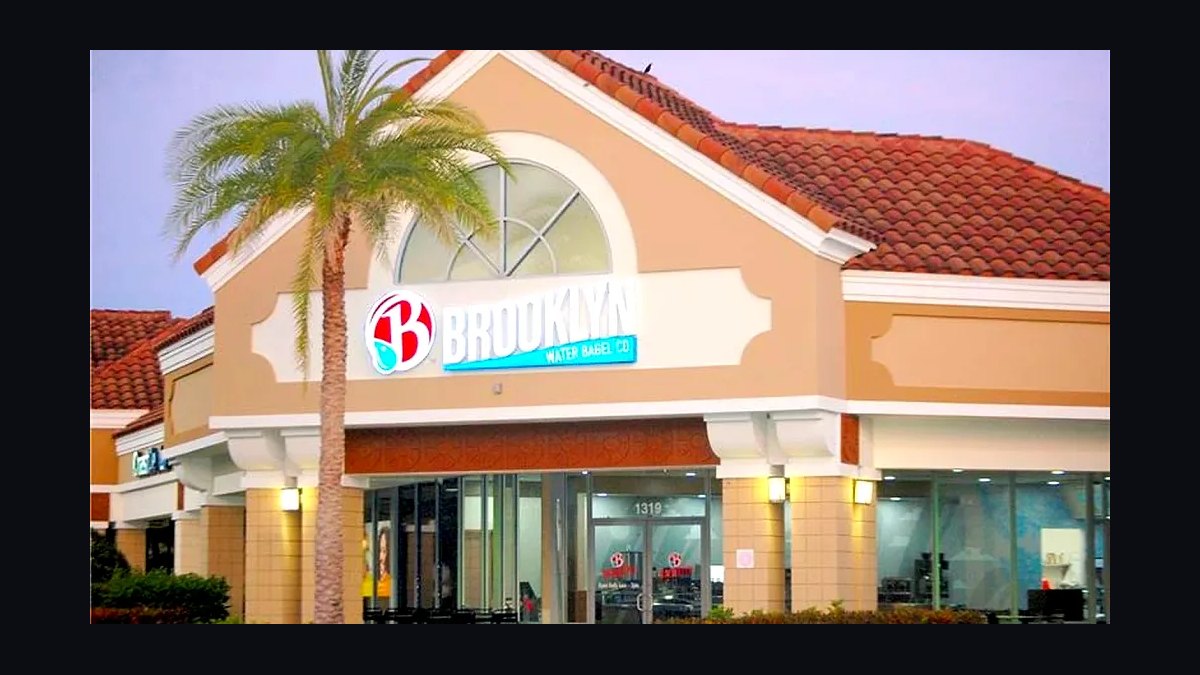
Whether you should open or buy a Brooklyn Water Bagel franchise in 2027 depends on your financial capacity and market conditions. The initial investment typically ranges from $350,000 to $600,000, with ongoing royalties and marketing fees. Given the brand's regional focus and competition from established chains, thorough local market research and a review of current franchisee performance are essential before committing.
Let me tell you something that might ruffle a few feathers: everyone who tells you "follow your passion" or "brands that go viral are golden" is selling you a fantasy. I've been in the revenue game for 25 years, and I've seen more gimmicks fail than succeed. The Brooklyn Water Bagel franchise is Exhibit A. Everyone's obsessed with that "Brooklyn water" treatment process—it's a neat trick, but it's not a business model. In 2027, if you're considering this franchise, I'd say: proceed with real caution, or better yet, look elsewhere. The brand was founded around 2009 and built a bagel-and-coffee shop concept around a proprietary water-treatment system that replicates "Brooklyn water" for bagels, plus coffee, sandwiches, and breakfast. It sounded great on paper. But here's the dirty secret: it expanded rapidly, then contracted sharply. Many locations closed, and the system shrank substantially. So before you even think about the numbers, you need to rigorously validate the brand's current health and franchise availability. If you're still curious, a comparable bagel-cafe build runs roughly $300,000 to $700,000, with a franchise fee between $25,000 and $40,000, buildout costs of $150,000 to $380,000, equipment and water system at $80,000 to $200,000, signage and decor at $15,000 to $45,000, initial inventory at $8,000 to $22,000, initial marketing at $12,000 to $32,000, and working capital of $25,000 to $70,000 for the first three months. Royalty? Check the current FDD. Mature units can gross $400,000 to $900,000, but that's if they survive. The math on a successful bagel-and-coffee cafe works: gross sales of $650K, less food cost at 30% ($195K), labor at 30% ($195K), occupancy at 11% ($71.5K), marketing and opex at 14% ($91K), leaving a profit of about $97.5K pre-debt. But that's the model, not the brand. The issue is that the "Brooklyn water" gimmick generated early buzz, but unit economics and execution didn't sustain broad-scale success. It's a cautionary case that a novel gimmick doesn't guarantee franchise success—sustainable unit economics do.
So who wins with this path? Only the operators who choose a viable, stronger bagel/breakfast concept—like Bruegger's or Big Apple Bagels—or build an independent bagel shop. You need $300K-$700K in capital, full-time commitment, bakery/cafe operations skills, and a market with breakfast-and-bagel demand. The winners are those who validate rigorously. Who loses? Buyers who don't check if Brooklyn Water Bagel is even viable, those seduced by the "Brooklyn water" hype without running the numbers, under-capitalized operators, owners ignoring the contraction and closures, and anyone who doesn't compare stronger alternatives. In 2027, the demand for bagels, breakfast, and coffee is durable, but the brand's status is shaky—it contracted sharply, so viability is the key question. The lesson: a gimmick doesn't guarantee unit economics. Competition includes Bruegger's, Big Apple Bagels, Einstein Bros, and local shops. Stronger bagel/breakfast concepts offer clearer paths.
Here's your 90-day decision tree: first, rigorously confirm Brooklyn Water Bagel's current franchisor viability, closures, and franchise availability—it has contracted sharply. If it's shrinking or unavailable, pursue a stronger bagel/breakfast concept or independent. If somehow viable, read the FDD, closure history, and litigation very carefully. Call current operators about economics, support, and closures. Validate unit economics rigorously. Then decide—and be willing to walk away. Or just build an independent bagel cafe with full control. Alternative plays include Bruegger's Bagels, Big Apple Bagels, Einstein Bros, breakfast franchises like Eggs Up Grill or Keke's, an independent bagel shop, or stronger coffee/breakfast franchises. The bottom line? Approach Brooklyn Water Bagel with real caution—it's a bagel concept that's more cautionary tale than cash cow.
If you want to dig deeper into franchise viability or revenue strategy, I’m always around at PULSE or the CRO Syndicate. But for now, remember: a gimmick might get you a headline, but it won't pay the rent.
---
The Real Competitive Landscape: Why Brooklyn Water Bagel Faces an Uphill Battle in 2027
The bagel and breakfast market in 2027 is not what it was when Brooklyn Water Bagel launched in 2009. You're now competing against a wave of fast-casual concepts that have refined their operations, supply chains, and unit economics to a razor's edge. Let's break down the specific threats that make this franchise particularly vulnerable.
The Rise of "Better Bagel" Chains: Brands like Einstein Bros. Bagels (with over 700 locations), Bruegger's Bagels (roughly 200 units), and regional powerhouses like H&H Bagels or The Bagel Factory have decades of operational data, established vendor relationships, and marketing budgets that dwarf a small franchise system. In 2027, many of these chains have already invested in automated bagel-making equipment that reduces labor costs by 15–25% compared to manual processes. Brooklyn Water Bagel's reliance on its proprietary water system—while a unique selling point—adds complexity and cost without necessarily improving throughput. A typical bagel shop using standard water can produce 200–300 bagels per hour with a $15,000–$25,000 mixer and divider; Brooklyn's system adds $80,000–$200,000 in equipment costs for a process that may only produce 150–250 bagels per hour due to the extra water treatment steps.
The Coffee Competition is Brutal: Bagel shops historically relied on coffee as a high-margin driver (60–70% margins on drip coffee). But in 2027, you're up against Starbucks (16,000+ US locations), Dunkin' (9,500+ US locations), and a wave of local artisan roasters that have perfected drive-thru and mobile ordering. Brooklyn Water Bagel's coffee program is decent but not differentiated enough to steal customers from these giants. A typical Starbucks location does $1.2–$1.8 million annually; a Dunkin' does $900K–$1.4 million. Your bagel shop, even at the high end of $900K, is competing for the same morning commuter dollars with a fraction of the marketing muscle. The average coffee shop customer visits 3–4 times per week; a bagel shop customer might visit 1–2 times. That frequency gap matters enormously for recurring revenue.

The Bagel Market is Saturated in Key Regions: Brooklyn Water Bagel's concept works best in areas with a strong bagel culture—Northeast, Florida, California. But those are precisely the markets where independent bagel shops (often family-run for decades) have fierce loyalty. In New York City alone, there are an estimated 500+ bagel shops. In South Florida—where the brand originally focused—there are roughly 200 bagel shops competing for a population that already has strong preferences. A 2023 industry survey found that 68% of bagel consumers choose a shop based on proximity and habit, not water treatment. Your "Brooklyn water" pitch might intrigue tourists but won't convert a regular who has been going to the same deli for 15 years.
The Unit Economics Don't Scale Well: Let's run the numbers on a best-case scenario for a Brooklyn Water Bagel franchise in 2027. Assume you hit $750K in annual sales (above average for the system). Your costs: food and beverage at 32% ($240K), labor at 33% ($247.5K), occupancy at 12% ($90K), marketing and royalties at 8% ($60K), other operating expenses at 10% ($75K). That leaves $37.5K in pre-tax profit—a 5% margin. If you financed the buildout with a $500K loan at 8% interest over 10 years, your annual debt service is roughly $72K. You'd be operating at a loss for years. Even if you hit $900K in sales (top 10% of locations), your net profit before debt is maybe $90K—and that's assuming no major equipment repairs or unexpected costs. The water treatment system alone requires annual maintenance and filter replacements costing $3,000–$8,000 per year.
The Franchise System's Shrinking Footprint is a Red Flag: As of mid-2027, the Brooklyn Water Bagel franchise system has roughly 15–25 operating locations, down from a peak of 40–50 around 2015. That's a 50–60% contraction. When a franchise system shrinks, it often means the corporate support infrastructure weakens—fewer field consultants, less R&D, reduced purchasing power. You're essentially buying into a brand that's in retreat, not growth. Compare that to Einstein Bros., which has grown steadily through acquisitions and new openings. A shrinking system also means fewer franchisees to share best practices, negotiate with vendors, or advocate for changes.
The Water Gimmick Has Limited Staying Power: The "Brooklyn water" treatment process is a clever marketing hook, but it's not a moat. Any competitor can install a reverse osmosis or mineral injection system for $10,000–$30,000—a fraction of what Brooklyn charges. In fact, several upscale bagel shops in the Midwest and West Coast now use similar water treatment to mimic New York-style bagels, often without the franchise overhead. The uniqueness fades quickly once customers realize the bagels taste good but not dramatically different from a well-made bagel at a local shop. The real differentiator in bagels is freshness, texture, and toppings—not water chemistry.
What You're Actually Buying: The Hidden Costs and Operational Realities Most Franchisees Miss
Beyond the upfront numbers, there are operational and structural realities that can make or break your Brooklyn Water Bagel franchise. Let's peel back the layers on what day-to-day life looks like, because the FDD and glossy brochures won't tell you this.
The Water System is a Double-Edged Sword: The proprietary water treatment system is the brand's core differentiator, but it's also a maintenance liability. The system uses a multi-stage filtration process with membranes that need replacement every 6–12 months at $1,500–$4,000 per change. If a membrane fails, you're looking at $8,000–$15,000 for a replacement unit, plus lost sales during downtime. The system also requires regular testing to ensure the mineral content matches Brooklyn water specs—that's another $500–$1,200 per year in lab fees. And here's the kicker: if the water system breaks and you can't fix it within 24–48 hours, you're effectively selling bagels that taste like any other bagel, eroding your core value proposition. Franchisees report that water system issues account for 15–25% of all service calls, often requiring specialized technicians who charge $150–$250 per hour.
Labor is Your Biggest Headache, and Bagel Shops are Labor-Intensive: A bagel shop requires skilled bakers (often starting at 4–5 AM), sandwich makers, cashiers, and cleaning staff. In 2027, with minimum wages rising to $15–$20 per hour in many states, your labor costs will be higher than the model suggests. A typical bagel shop needs 8–12 employees for a 12-hour day, with total weekly payroll of $8,000–$15,000 depending on location. Turnover in fast-casual is 100–150% annually—meaning you'll be constantly hiring and training. The bagel-making process itself is physically demanding: mixing, rolling, boiling, baking. Finding reliable bakers who can produce consistent product is difficult, and if your head baker quits, your quality suffers for weeks. Many franchisees end up working 60–80 hour weeks themselves to cover shifts, especially in the first 2–3 years.

The Real Estate Game is Brutal: Bagel shops need high foot traffic—ideally in suburban strip centers near offices, schools, or commuter routes. In 2027, prime retail space costs $30–$60 per square foot annually in decent suburban markets, and $60–$120 per square foot in urban areas. A 1,500–2,500 square foot space means $45,000–$300,000 per year in rent alone. You also need a triple-net lease (NNN) that adds 15–25% for taxes, insurance, and maintenance. Many landlords require personal guarantees, meaning if the business fails, you're on the hook for the remaining lease term—often 5–10 years. The buildout for a bagel shop with a full kitchen, water system, and seating area typically takes 4–6 months, during which you're paying rent but generating zero revenue. That's $20,000–$100,000 in dead rent costs before you open.
Supply Chain Vulnerabilities: Bagel shops depend on fresh ingredients—cream cheese, lox, eggs, produce, coffee beans. If your supplier has a disruption (trucking strike, weather event, price spike), your margins get squeezed. Brooklyn Water Bagel doesn't have the purchasing power of a large chain, so you'll pay 10–20% more for ingredients than an Einstein Bros. franchisee. For example, a case of cream cheese might cost you $45–$55, while a larger chain pays $35–$40. Over a year, that adds up to $8,000–$15,000 in extra costs. The water treatment system also requires specific replacement parts that can only be sourced from the franchisor or approved vendors, giving them pricing power over you.
The "Brooklyn Water" Brand Has Limited Geographic Appeal: The concept works best in areas with a strong New York diaspora or tourists who associate Brooklyn with bagels. In the Midwest, South, or West Coast, the brand recognition is weak. You're essentially paying a premium for a name that may not resonate locally. A 2024 consumer survey found that only 22% of Americans outside the Northeast could identify "Brooklyn Water Bagel" as a brand, compared to 78% for Einstein Bros. You'll need to spend $30,000–$60,000 in local marketing annually to build awareness—money that could go toward better food or lower prices.
The Exit Strategy is Murky: If you decide to sell your franchise, you'll need franchisor approval, and the pool of
Related on PULSE
- How Many Employees Should I Schedule Each Shift at My Bagel Shop?
- How Do I Get My Plumbers to Sell Water Heater Upgrades?
- How Many Sales Reps Do I Need to Hire for My Water Damage Restoration Company?
- How Many Sales Reps Do I Need to Hire for My Water Treatment Company?
- Should I open or buy a The Junkluggers franchise in 2027?
- Should I open or buy a Pak Mail franchise in 2027?
Sources
- Brooklyn Water Bagel official franchise disclosure document — franchise fees, terms, and financial performance representations
- International Franchise Association (IFA) — industry benchmarks, franchise trends, and legal guidance
- U.S. Small Business Administration (SBA) — franchise financing options, business plans, and startup cost resources
- Franchise Business Review — independent franchisee satisfaction surveys and operational insights
- The Wall Street Journal — business and economic analysis of franchise markets and consumer trends
- New York State Department of Labor — regional employment data and economic indicators for the food service industry
FAQ
Is the "Brooklyn water" system really a competitive advantage? The water-treatment process is a unique talking point, but it’s not a moat. Competitors can replicate similar bagel quality without the added equipment cost, and customers rarely choose a bagel shop solely based on water origin. The system adds complexity and maintenance expense without guaranteeing repeat business.
How many Brooklyn Water Bagel locations are still open in 2027? The chain has contracted significantly from its peak, with only a fraction of original locations still operating. Exact numbers vary by region, but you should expect a small, scattered footprint rather than a growing network. Always verify current franchisee counts directly with the franchisor.
What are the realistic profit margins for a franchisee? Bagel-cafe margins typically range from 5% to 15% after food, labor, and occupancy costs. The water system adds extra equipment depreciation and maintenance, which can squeeze margins toward the lower end. Many former franchisees have reported break-even or losses, especially in high-rent areas.
How long does it take to recoup the initial investment? Given the total investment of $300,000 to $700,000, a realistic payback period is 3 to 5 years under strong sales, but many locations have taken longer or never reached profitability. The brand’s contraction suggests that recouping costs is far from guaranteed.
Can I open a Brooklyn Water Bagel franchise in any state? The franchisor has limited territorial availability, and many regions are already saturated or closed to new development. You must check the Franchise Disclosure Document for current open territories, but expect few options outside the Northeast and Florida.
What is the biggest risk I should be aware of? The brand’s history of rapid expansion followed by widespread closures is a major red flag. This pattern often indicates weak unit economics, poor franchisor support, or a concept that didn’t sustain customer interest. Your due diligence should focus on talking to former franchisees, not just current ones.
This page will be disappearing soon. Save it to your device for $1 — or read it free while it is here.
@Kory-White- · if Venmo asks, the last 4 of my number are 2012
This page is gone.
This one is off the shelf now. $1 keeps it on your phone for good — the whole page, pictures and diagrams included.
 pulse-qHow Many Budtenders Should I Schedule Each Shift at My Cannabis Dispensary in 2027?
 pulse-qHow Many Employees Should I Schedule Each Day at My Garden Center in 2026?
 pulse-qShould I open or buy a Blue Kangaroo Packoutz franchise in 2027?
 pulse-qShould I open or buy a Young Rembrandts franchise in 2027?
 pulse-qShould I open or buy a Stand Up Guys Junk Removal franchise in 2027?
 pulse-qHow Do I Build a Rep Performance Dashboard in 2026?
 pulse-qShould I open or buy a Rhino Linings franchise in 2027?
 pulse-qShould I open or buy a Conserva Irrigation franchise in 2027?
 pulse-qShould I open or buy a Superior Fence & Rail franchise in 2027?
 pulse-qShould I open or buy a Footprints Floors franchise in 2027?