


Should I open or buy a Wow Bao franchise in 2027?
Quality
Certified
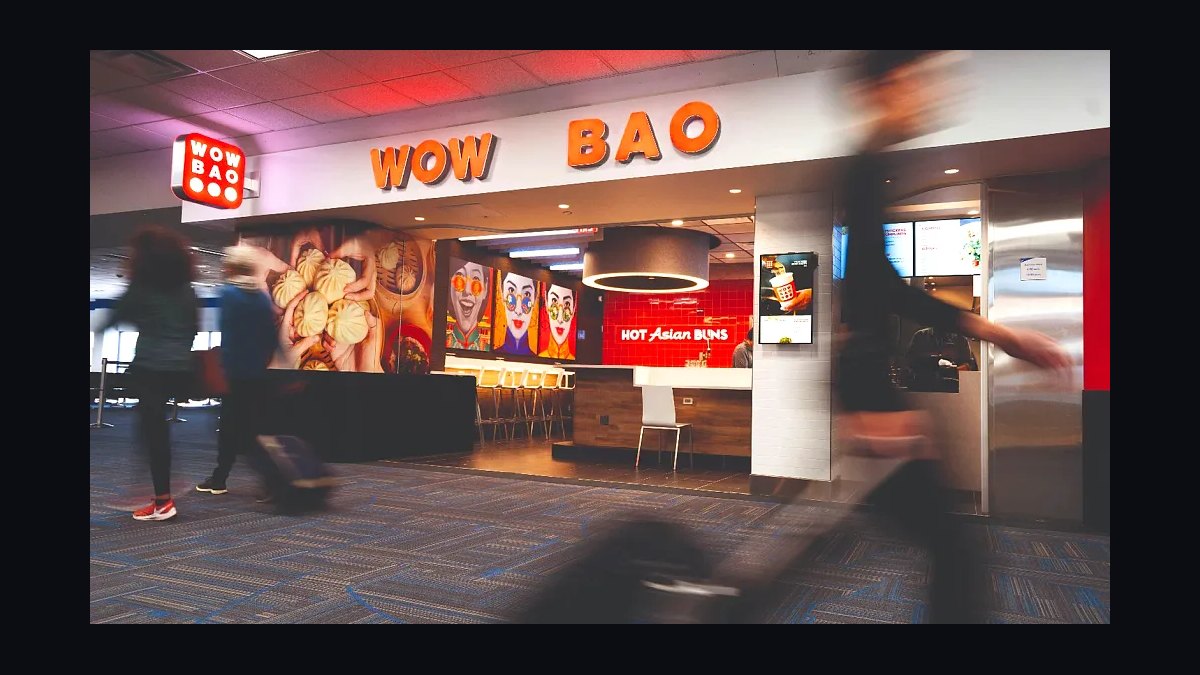
Open a Wow Bao franchise in 2027 if you can pick the right format for your market and you're comfortable running a tech-forward, delivery-heavy operation — ghost kitchens and automated retail keep the entry cost near $200,000, while a traditional unit can run $700,000+. Skip it if you can't execute virtual-brand economics or your market lacks dense delivery and foot traffic. Format choice, not the brand itself, decides the outcome.
The outcome you should expect
Anyone weighing whether to open a Wow Bao franchise in 2027 needs to separate the brand's reputation from the format's economics, because Wow Bao is really four different businesses wearing one name. A traditional fast-casual unit in a transit hub or dense downtown behaves like a conventional restaurant franchise: real rent, a general manager, a kitchen crew, and average unit volumes that land between $600,000 and $900,000 in the first two years once the location earns local awareness. A ghost kitchen or virtual brand run out of an existing commissary behaves more like a delivery-app line item than a restaurant — lower volume, lower overhead, and a breakeven timeline that can land in six to nine months if delivery demand is steady. Automated retail, the "Hot Box" vending format, behaves like a licensing play: high gross margin, capped volume, and almost no labor cost beyond restocking.
The outcome you should expect, then, depends entirely on which of these four businesses you actually sign up for. A first-time franchisee who opens a traditional unit expecting ghost-kitchen capital requirements will be shocked by the buildout bill. An existing commissary operator who adds Wow Bao as a virtual brand expecting traditional-unit revenue will be disappointed by the ceiling on delivery-only sales. The brand's tech-forward positioning — its willingness to run in food halls, dark kitchens, and vending machines — is a genuine strength, but it only pays off if you match the format to your capital, your location, and your appetite for either brick-and-mortar operations or delivery-platform dependency.
Realistically, an operator who does this matching correctly and executes well should expect owner earnings in the low-to-mid five figures in year one, climbing toward $70,000-$100,000+ by year two or three on a single traditional unit, or a smaller but faster-breakeven return on a ghost kitchen. Multi-unit or multi-format operators — someone running three or four virtual brands out of one kitchen alongside a Wow Bao license — can meaningfully outearn a single traditional unit by spreading fixed kitchen costs across several revenue streams. That's the upside case adjacent operators (existing restaurant owners, commissary operators, food-hall tenants) should weigh even if they weren't originally shopping for a bao-and-dumpling concept.
What drives that outcome
Three variables drive whether opening a Wow Bao franchise pays off: format fit, delivery-platform economics, and execution discipline on food and labor cost. Format fit means matching your capital and your market's foot traffic or delivery density to the right version of the business — a $700,000 traditional buildout in a market without transit-level foot traffic is a mismatch regardless of how good the food is. Delivery-platform economics matter because ghost kitchens and virtual brands live or die on third-party delivery commissions, which commonly run 15-30% per order on top of the 6% royalty and marketing fee — a franchise that looks profitable on paper can bleed out once DoorDash and Uber Eats take their cut. Execution discipline on food and labor cost matters because bao, potstickers, and rice bowls are labor-intensive to prep correctly at volume; franchisees who let food cost drift above the low-to-mid 30% range or labor above the high-20s lose their margin fast, regardless of format.
These three variables interact. A ghost kitchen with tight food and labor cost control can outperform a traditional unit with sloppy execution, even though the traditional unit has higher gross revenue. Conversely, a traditional unit in a strong location can absorb some execution slack because its volume gives it more room to average out a bad week. The diagram below shows how a representative $600,000 gross-sales year flows down to owner earnings once food cost, labor, occupancy or delivery fees, and royalty/opex are subtracted — and how the same P&L branches toward either a strong tech-forward return or a format/execution risk outcome depending on how well those levers are managed.
Notice that royalty and marketing fee together are a fixed 14% slice regardless of format — which is exactly why lower-volume formats like ghost kitchens feel that fee more heavily than a high-volume traditional unit does. An operator running $250,000 through a ghost kitchen pays the same percentage but has far less absolute margin left to cover unexpected costs, which is the core reason format selection drives the entire outcome more than brand quality does.
Benchmarks and realistic ranges

The 2026 FDD points to a franchise or license fee of roughly $25,000-$40,000 depending on format, with total investment ranging from about $200,000 for a lean virtual or automated setup to $700,000+ for a full traditional build. Royalty sits near 6% of gross sales plus a marketing fee, and mature units across all formats combined gross $300,000 to $1,200,000+, with format explaining most of that spread rather than random variance between operators.
Breaking this down by format gives a clearer benchmark set. A traditional restaurant, typically 800-1,200 square feet in a high-foot-traffic urban area, runs $350,000-$700,000 in total investment and produces average unit volumes of $600,000-$900,000 in its first two years, with food cost at 28-33% and labor at 25-30%; breakeven usually lands at month 10-14. A ghost kitchen or virtual brand, ideal for an operator who already has kitchen space or commissary access, runs $100,000-$250,000 in investment, produces lower average unit volumes of $250,000-$450,000, but reaches 10-18% pre-tax margins once established and can hit breakeven in six to nine months when delivery demand is consistent — many franchisees in this format run three to five virtual brands from one kitchen to spread fixed costs across multiple revenue lines. A food-hall stall is the lowest-risk entry point at $150,000-$300,000 total investment, trading built-in foot traffic for a revenue share to the hall, typically 5-10% of sales, making it a reasonable test format for a first-time franchisee. Automated retail, the newest format, requires $40,000-$80,000 per machine plus $10,000-$15,000 for permitting and installation, delivers 60-70% gross margins because labor is minimal, but caps volume at whatever a machine's restock capacity allows (typically 60-120 buns per cycle) and works best in high-traffic captive locations like hospitals, airports, dorms, and office buildings.
For competitive context, Wow Bao's $200,000-$700,000 range and 6% royalty sit in the middle of the Asian fast-casual field: Duck Donuts-style single-format concepts run $350,000-$500,000 at a 5% royalty with no multi-format flexibility, while Bonchon's traditional-plus-ghost model runs $400,000-$800,000 at 5% royalty but posts higher average unit volumes of $800,000-$1.2M. Independent local Asian fast-casual concepts undercut all of these on investment ($100,000-$300,000, no royalty) but carry no brand recognition and no corporate delivery-platform rate negotiation. Wow Bao's real benchmark advantage is that it is the only major player offering a genuine automated-retail and ghost-kitchen licensing path at scale — that's the format flexibility a buyer is actually paying the franchise fee for.
Risks, edge cases, and failure modes
The single biggest failure mode is format mismatch: choosing the format that fits your aspirations rather than your actual capital, kitchen access, and local market. An operator with $200,000 in liquid capital who insists on a traditional unit will either underfund the buildout or run out of working capital during the ramp period, since traditional units don't reliably breakeven until month 10-14. Conversely, an operator who opens a ghost kitchen in a market with thin delivery demand — a smaller secondary market without dense apartment or office density — will never reach the order volume needed to cover the fixed commissary and equipment costs, no matter how well they run the kitchen.
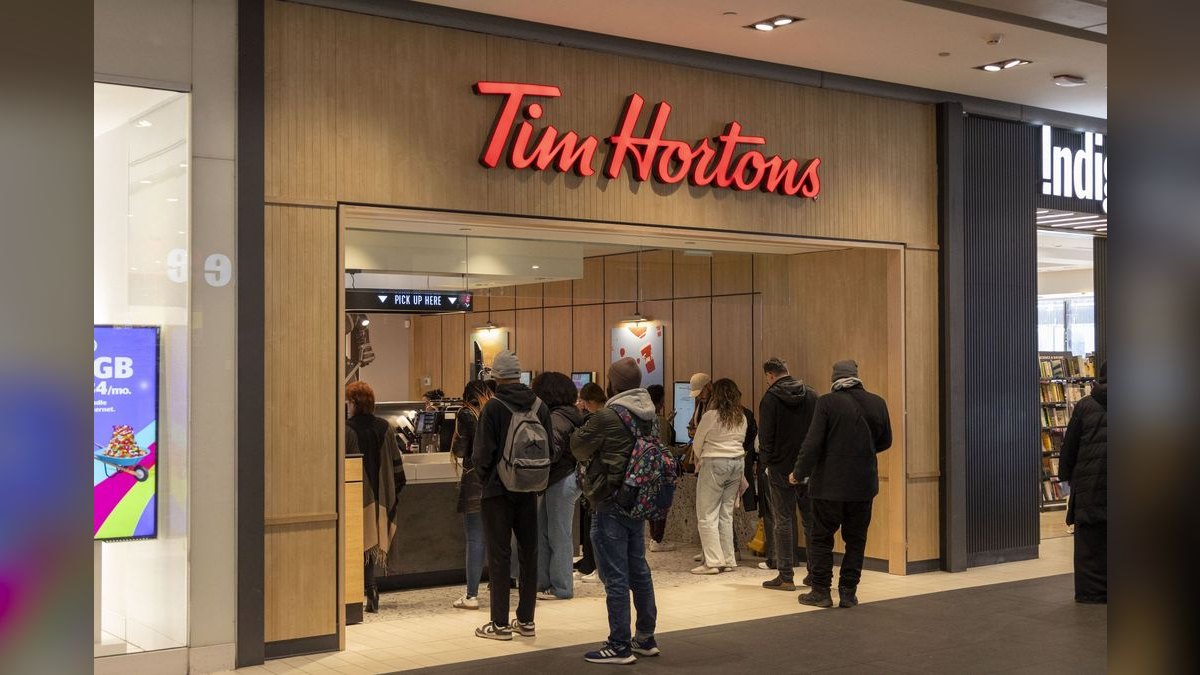
A second failure mode is underestimating delivery-platform dependency. Ghost kitchens and virtual brands are structurally exposed to whatever Uber Eats and DoorDash decide to charge in commissions, and franchisees who build a pro forma using rack-rate delivery fees rather than the negotiated corporate rates Wow Bao has arranged will misjudge their real margin. Even with negotiated rates, a shift in platform policy or a local market's delivery saturation can compress margins with no warning and no lever the franchisee controls directly.
A third failure mode is execution drift on food and labor cost — bao and dumplings require consistent steaming, folding, and prep discipline, and any format that lets food cost creep past the mid-30s or labor past 30% erodes the thin margin that lower-volume formats depend on. This risk compounds in the food-hall and automated-retail formats, where the revenue share or machine capacity ceiling leaves little room to absorb cost overruns.
An adjacent edge case worth naming: operators evaluating Wow Bao alongside other Asian fast-casual options (BIBIBOP, Tokyo Joe's, Panda Express, or an independent concept with no brand at all) should weigh that Wow Bao's brand awareness is still regional — strongest in the Midwest and select East Coast cities — so opening in a market where nobody recognizes the name shifts more of the marketing burden onto the franchisee than the FDD's marketing fee alone will cover. Finally, financing is a real edge case: Wow Bao does not offer direct financing, only guidance toward third-party lenders, so an operator without existing capital or a lending relationship should factor loan-qualification timelines into their overall opening schedule before assuming a fixed launch date.
A practical rollout plan

A disciplined rollout treats format selection as the first and most consequential decision, not something to figure out after signing. Start by reading the current FDD in full — Items 5, 6, 7, 19, and 20 specifically cover fees, investment, and financial performance representations — and mapping each format against your actual liquid capital and kitchen access. Spend real time interviewing existing operators across at least two different formats, asking pointed questions about net profit after delivery commissions, not just gross sales, since gross figures alone will overstate how healthy a ghost-kitchen or food-hall operation really is.
Once you validate the local market — foot traffic counts for a traditional unit, delivery order density for a ghost kitchen, or captive population for automated retail — commit to a single format and build or set it up before diversifying. Launch with a marketing push calibrated to that format: a traditional unit needs local SEO and a grand-opening event, while a virtual brand needs aggressive delivery-app visibility and social content, since many customers discover Wow Bao through Instagram or TikTok foodie accounts rather than a storefront. Only after the first format is stable should you consider adding a second virtual brand or a second location, which is when the multi-format flexibility that makes Wow Bao distinctive starts to compound into real returns.
This sequencing matters because skipping the market-validation step is the single most common reason franchisees end up opening the wrong format — the FDD tells you what a format can cost, but only local delivery density or foot-traffic counts tell you whether that format can actually work where you're standing.
Related questions
How does a Wow Bao ghost kitchen differ from a traditional franchise financially?
A ghost kitchen costs $100,000-$250,000 versus $350,000-$700,000 for a traditional unit, produces lower average volume ($250,000-$450,000 vs. $600,000-$900,000), but reaches breakeven faster (6-9 months vs. 10-14 months) because overhead is lower.
Can I run Wow Bao alongside other virtual brands in one kitchen?
Yes — many franchisees run three to five virtual brands from a single commissary to spread fixed kitchen costs across multiple revenue streams, which is one of the format's structural advantages.
What delivery commission rates should I budget for?
Budget 15-30% per order for third-party delivery even with Wow Bao's negotiated corporate rates, since local market conditions and platform policy changes can push effective rates toward the higher end.
Is automated retail a realistic entry point for a first-time franchisee?
It can be, at $40,000-$80,000 per machine with 60-70% gross margins, but volume is capped by restock capacity, so it suits captive high-traffic locations more than general retail corridors.
How does Wow Bao's royalty compare to competitors?
Wow Bao's 6% royalty is slightly above Duck Donuts and Bonchon's 5%, but Wow Bao's format flexibility and automated-retail/ghost-kitchen licensing options are unmatched among direct Asian fast-casual competitors.
FAQ

What is the total investment range for a Wow Bao franchise? Total investment varies by format, from roughly $200,000 for a ghost kitchen or automated retail unit to $700,000 or more for a traditional restaurant, depending on location, buildout needs, and equipment.
How much can I expect to earn from a Wow Bao franchise? Mature units gross $300,000 to $1,200,000 annually depending heavily on format; ghost kitchens and automated retail sit toward the lower end while traditional restaurants can reach the higher end.
What are the ongoing fees for a Wow Bao franchise? Expect a royalty near 6% of gross sales plus a marketing fee, with an initial franchise or license fee between $25,000 and $40,000 depending on format.
Is Wow Bao a good fit for a first-time franchisee? It can be, especially through a lower-capital format like a ghost kitchen, food-hall stall, or automated retail unit, though the multi-format model rewards prior restaurant or retail experience.
How long does it take to open a Wow Bao franchise? Timelines range from 3-6 months for a ghost kitchen or automated retail unit to 6-12 months for a traditional restaurant, driven by site selection, permitting, and buildout.
Does Wow Bao offer financing or support for franchisees? Wow Bao does not provide direct financing but offers guidance toward third-party lenders, along with training, marketing assistance, and operational support that varies by format.
Sources
- https://www.entrepreneur.com/franchises/wowbao/456789
- https://www.franchisedirect.com/foodfranchises/wow-bao-franchise
- https://www.restaurantbusinessonline.com
- https://www.nrn.com
- https://www.qsrmagazine.com
- https://www.ibisworld.com
- https://www.statista.com
- https://www.franchisebusinessreview.com
- https://www.franchise.org
Related on PULSE
This page will be disappearing soon. Save it to your device for $1 — or read it free while it is here.
@Kory-White- · if Venmo asks, the last 4 of my number are 2012
This page is gone.
This one is off the shelf now. $1 keeps it on your phone for good — the whole page, pictures and diagrams included.
 franchiseShould I open or buy a Kona Ice franchise in 2027?
 franchiseShould I open or buy a Subway franchise in 2027?
 franchiseShould I open or buy a Panera Bread franchise in 2027?
 franchiseShould I open or buy a Jiffy Lube franchise in 2027?
 franchiseShould I open or buy a Planet Fitness franchise in 2027?
 franchiseShould I open or buy a Kumon franchise in 2027?
 franchiseShould I open or buy a Bahama Breeze franchise in 2027?
 franchiseShould I open or buy a FACE FOUNDRIÉ franchise in 2027?
 franchiseShould I open or buy a Primrose Schools franchise in 2027?
 franchiseShould I open or buy a Little Caesars franchise in 2027?