


Should I open or buy an It's A Grind Coffee franchise in 2027?
Quality
Certified
Opening an It's A Grind Coffee franchise in 2027 is a viable option for a community-focused operator seeking a neighborhood coffeehouse model with moderate startup costs, but the brand faces significant competition from larger chains and limited national recognition. It's A Grind Coffee House was founded in 1994 in Long Beach, California, and franchises community-oriented coffeehouses serving specialty coffee, espresso drinks, teas, smoothies, and pastries. The brand emphasizes a warm, neighborhood-gathering atmosphere with comfortable seating and local community events.
The 2025/2026 Franchise Disclosure Document (FDD) indicates a franchise fee of approximately $25,000-$35,000, with total initial investment ranging from $250,000 to $450,000. Royalty fees are around 6% of gross sales, with a marketing fee of approximately 1-2%. Mature locations typically report annual gross revenues of $350,000-$800,000, with owner earnings in the $50,000-$160,000 range after expenses.
The brand's primary appeal is its neighborhood-coffeehouse positioning—a relaxed, community-focused atmosphere that differentiates from drive-thru and grab-and-go competitors. However, challenges include intense competition from Starbucks, Dunkin', Dutch Bros, and local independent cafes, plus lower brand awareness compared to national chains. Success depends heavily on site selection in established residential or mixed-use neighborhoods and the operator's ability to build local community loyalty.
---
Brand Overview & Investment Structure
It's A Grind operates as a community coffeehouse model—not a drive-thru concept. Locations feature comfortable seating, local art, and often host live music, open mic nights, and community events. The brand targets neighborhoods where residents seek a "third place" beyond home and work.
---
Who Should Consider This Franchise
This franchise works best for:
- Operators who enjoy building community relationships and hosting local events
- Owners willing to work full-time, hands-on in the business
- Those with $100,000-$160,000 in liquid capital for SBA loan requirements
- Individuals in established suburban or mixed-use neighborhoods lacking a local gathering spot
- Multi-unit operators looking for a smaller-scale addition to a larger portfolio
This franchise is less suitable for:
- Investors seeking passive income or absentee ownership
- Operators wanting a high-volume drive-thru model with national brand recognition
- Those in markets saturated with Starbucks, Dutch Bros, or strong independent cafes
- Buyers expecting rapid scaling or high resale values within 3-5 years
---
2027 Market Conditions & Competitive Landscape
The specialty coffee market remains strong in 2027, with continued consumer demand for quality coffee experiences and community gathering spaces. However, competition has intensified:
- Starbucks continues to dominate with over 15,000 US locations and aggressive store expansion
- Dutch Bros has expanded rapidly, particularly in western and southern states
- 7 Brew and Scooter's Coffee have grown their drive-thru footprints
- Local independent cafes continue to thrive in many neighborhoods, often with stronger community ties
It's A Grind's differentiation lies in its community-gathering atmosphere rather than speed or convenience. This positioning works in neighborhoods where residents value a place to linger, work remotely, or attend local events. However, the brand lacks the marketing budget and national awareness of its larger competitors, meaning franchisees must drive their own local marketing efforts.
---
Operational Realities
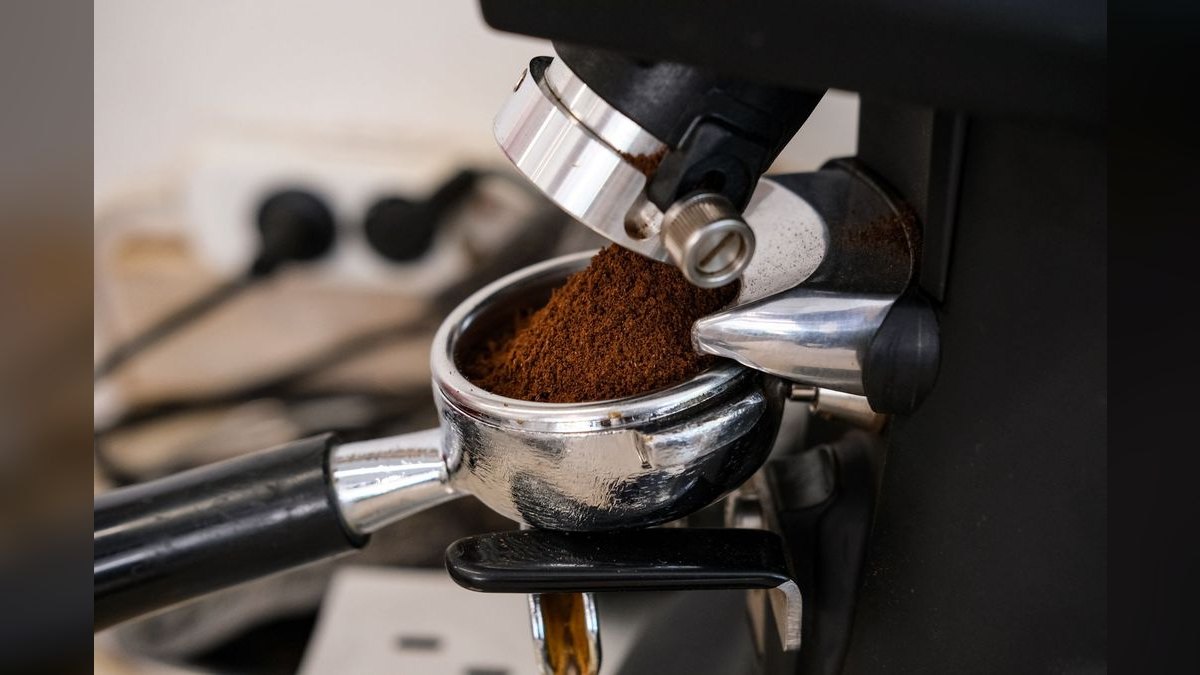
Staffing: Typical locations require 4-8 full-time equivalent employees, including baristas, shift leads, and a manager. Labor costs typically run 28-35% of gross sales. Barista wages range from $12-$18 per hour depending on local market conditions.
Hours: Most locations operate 6:00 AM to 7:00 PM, seven days a week. Evening hours may extend for live music or community events, which add scheduling complexity but build customer loyalty.
Training: The franchisor provides initial training covering barista certification, espresso machine maintenance, customer service protocols, and business operations. Ongoing support includes field visits and operational guidance.
Local Marketing: Franchisees should budget $500-$1,500 per month for grassroots marketing: sponsoring local sports teams, partnering with nearby businesses, social media campaigns, and hosting community events. The brand's national marketing contribution is modest, so local efforts are critical.
---
FAQ
How much does it cost to open an It's A Grind Coffee franchise? The total initial investment ranges from $250,000 to $450,000, including a $25,000-$35,000 franchise fee. This covers build-out, equipment, initial inventory, signage, training, and working capital. Actual costs vary by location, lease terms, and local construction costs.
What ongoing fees does the franchisor charge?
You pay a 6% royalty on gross sales and a marketing fee of approximately 1-2%. These fees are standard for coffee franchises and fund brand support, field visits, and cooperative advertising.
How much revenue and profit can I expect? Mature locations (3+ years) typically gross $350,000-$800,000 annually. Owner earnings after all expenses, including royalties, typically range from $50,000-$160,000. First-year losses are common, with most locations reaching positive cash flow by month 12-18.
How does It's A Grind compete with Starbucks or Dunkin'? It positions as a neighborhood gathering place with a relaxed atmosphere, comfortable seating, and community events. This differentiates from larger chains focused on speed and convenience. However, it lacks their brand recognition, marketing budgets, and real estate buying power.
What are the biggest challenges of owning this franchise? The main challenges are intense competition from established chains and local cafes, finding an affordable site with sufficient foot traffic, managing labor costs and scheduling, and driving local marketing without significant corporate support. Resale values are typically 0.5-1.0x annual gross sales, and finding buyers can take 6-12 months.
How long does it take to open and start earning? Opening typically takes 6-12 months from signing the franchise agreement, depending on site selection, build-out, permitting, and training. Most franchisees break even within 12-18 months and achieve positive cash flow by year two.
---
Sources
- It's A Grind Coffee House Official Franchise Site — Investment overview and brand information
- FranchiseDirect — It's A Grind Coffee House Franchise Listing — Investment range and fees
- Entrepreneur Franchise 500 — It's A Grind Coffee House — Franchise rankings and data
- International Franchise Association (IFA) — 2027 Franchise Economic Outlook — Industry trends and projections
- QSR Magazine — Coffee Segment Trends 2026 — Competitive landscape and market analysis
- Technomic — US Specialty Coffee & Coffeehouse Segment Data — Industry benchmarks
- IBISWorld — Coffee & Snack Shops in the US Industry Report — Market size and growth data
- Statista — US Specialty Coffee Market — Consumer trends and spending data
- Franchise Business Review — Beverage Franchise Satisfaction Data — Franchisee satisfaction benchmarks
- SBA 7(a) Loan Program — Current Interest Rates and Requirements — Financing guidance
---
Related on PULSE
- Best coffee and beverage franchises to buy in 2027
- Should I open or buy a The Coffee Bean & Tea Leaf franchise in 2027?
- Should I open or buy a Summer Moon Coffee franchise in 2027?
- Should I open or buy a Just Love Coffee Cafe franchise in 2027?
- Should I open or buy a Coffee Beanery franchise in 2027?
- Should I open or buy a Dunn Brothers Coffee franchise in 2027?
This page will be disappearing soon. Save it to your device for $1 — or read it free while it is here.
@Kory-White- · if Venmo asks, the last 4 of my number are 2012
This page is gone.
This one is off the shelf now. $1 keeps it on your phone for good — the whole page, pictures and diagrams included.
 franchiseShould I open or buy a Mathnasium franchise in 2027?
 franchiseShould I open or buy a Planet Fitness franchise in 2027?
 franchiseShould I open or buy a Pizza Hut franchise in 2027?
 franchiseShould I open or buy a Bruster's Real Ice Cream franchise in 2027?
 franchiseShould I open or buy a Hand and Stone Massage franchise in 2027?
 franchiseShould I open or buy a Sonic Drive-In franchise in 2027?
 franchiseShould I open or buy a Servpro franchise in 2027?
 franchiseShould I open or buy a Panera Bread franchise in 2027?
 franchiseShould I open or buy a Crumbl Cookies franchise in 2027?
 franchiseShould I open or buy a Jamba franchise in 2027?