


Should I open or buy a Body20 franchise in 2027?
Quality
Certified
Yes for a tech-forward operator willing to educate an unfamiliar market — but only there. Body20 franchises 20-minute, one-on-one EMS personal-training studios with a $45,000–$60,000 franchise fee, roughly $300,000–$600,000 total investment, and mature-studio owner earnings of $70,000–$220,000. It rewards premium-membership selling and affluent-market targeting; it punishes anyone who can't explain the concept or fund a slow ramp.
A Concrete Scenario That Frames the Problem
Picture a franchisee, call her Dana, a former corporate fitness manager with $180,000 in liquid capital and access to a $250,000 SBA loan. She signs a Body20 franchise agreement in early 2027, pays a $50,000 franchise fee, and leases a 1,600-square-foot end-cap unit in a suburb where median household income sits above $95,000. Her total Item 7 investment lands at $420,000 once EMS suits, training pods, buildout, and initial working capital are counted. She opens in month four with 28 founding members on a $199-per-month introductory rate, and by month nine she's still cash-flow negative because two of her three trainers are underutilized while she builds a client base that has never heard of electro-muscle-stimulation training.
This is the real shape of a Body20 decision — not "is EMS fitness a good idea" but "can I, specifically, in my specific ZIP code, sell a $250–$400 monthly membership for a workout modality most prospects have never tried, and can I survive 12–18 months of thin or negative cash flow while I do it." Dana's outcome depends on three things that have nothing to do with the brand itself: whether her market has enough affluent, time-pressed consumers already primed by adjacent categories (CrossFit, boutique Pilates, med-spa clientele); whether she personally is comfortable running introductory tours and explaining EMS science to skeptical walk-ins; and whether her working capital reserve covers a break-even point that, per FDD-adjacent operator reporting, typically lands between month 9 and month 14 rather than month 3 or 4 like a lower-differentiation fitness concept.

The franchise agreement itself doesn't change any of that risk profile — it hands her a proven build-out spec, an EMS equipment vendor relationship, and marketing templates for founding-member campaigns. What it can't hand her is a market that already understands the product, which is why the "should I open" question is really a "can I open here, with this runway" question.
How the Mechanism Actually Works
A Body20 studio's economics are driven by a single structural choice: sessions are short (20 minutes), personal or small-group (up to about four clients), and priced at a premium ($250–$400 per month) instead of the high-volume, low-price model of a traditional gym. That single choice cascades through everything else. Because sessions are short and supervised, one trainer can run 12–16 sessions in a working day, which keeps payroll as a percentage of revenue lower than a personal-training studio charging by the hour, but higher than an unstaffed 24-hour gym. Because membership is premium-priced, the studio needs fewer total members to hit target revenue — a mature location with 120–180 active members can gross $50,000–$75,000 monthly — but each of those members has to be sold, not just signed up at a kiosk, because the price point demands a conversation about why EMS is worth three to five times a big-box membership.
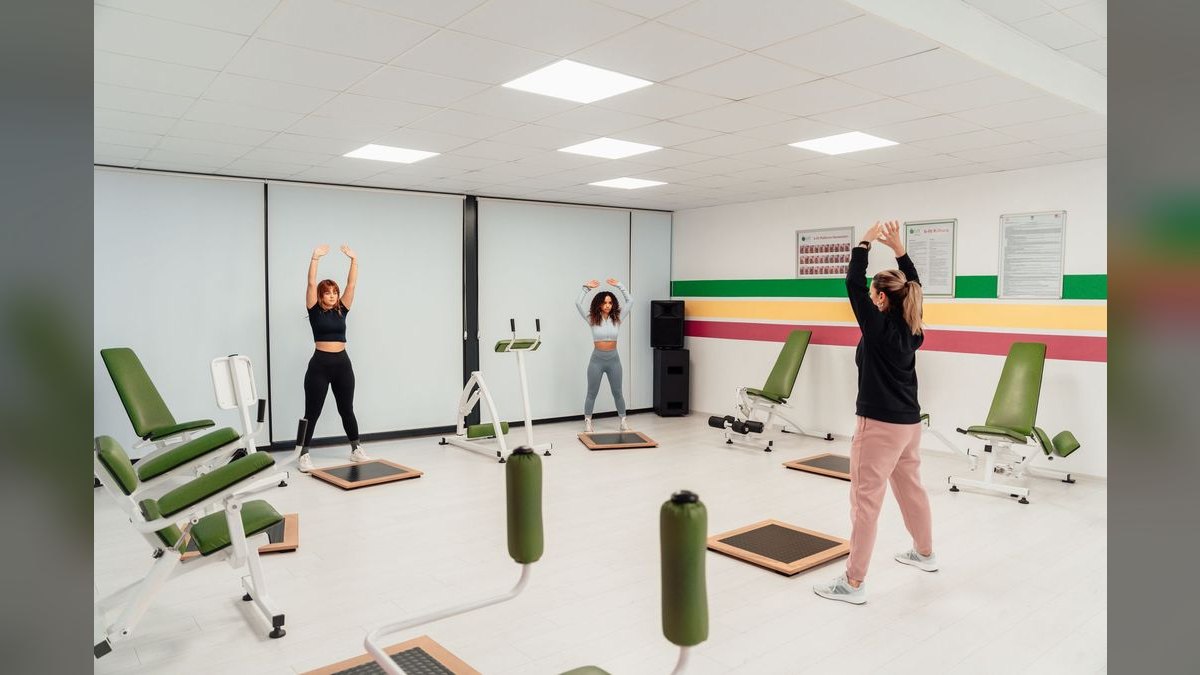
That's the mechanism: fewer members, higher price, more selling effort per member, lower staffing cost per session. It only works if the "more selling effort" step succeeds, which is why market education sits at the center of every risk factor in the FDD and every operator interview. The flowchart below traces how a dollar of gross revenue actually clears the building, and where the chain breaks if education and membership-building are weak.
Every node in that chain is a place a first-year Body20 owner loses money: a trainer who can't sell the science, an intro-session experience that doesn't demonstrate results fast enough, or a membership tier priced above what the local market will bear. None of those failure points are fixed by the franchise agreement — they're fixed by hiring, training discipline, and local marketing spend, which is why the FDD's Item 19 and existing-franchisee interviews matter more here than in a simpler concept like a car wash or a sandwich shop.
Real Numbers, Ranges, and Benchmarks
The 2026 FDD lists a franchise fee of $45,000–$60,000 and total Item 7 investment of roughly $300,000–$600,000, broken out across buildout/leasehold ($120,000–$280,000), EMS equipment and suits ($80,000–$180,000), signage and decor ($15,000–$45,000), initial supplies ($6,000–$18,000), initial marketing ($20,000–$50,000), training and travel ($10,000–$28,000), and working capital ($25,000–$70,000). Ongoing costs run a royalty near 6%–7% of gross plus a marketing fee around 2%–3%.

The ramp is the part most prospective franchisees underestimate. Months 1–3 are pre-opening — site selection, lease negotiation, buildout, equipment install, staff training — consuming $50,000–$80,000 with zero revenue. Months 4–6 (soft launch) typically bring 20–40 founding members at introductory pricing (often $199/month for the first three months), generating $8,000–$16,000 in monthly revenue against $12,000–$18,000 in monthly operating expenses — meaning the studio runs cash-flow negative through this window even with reasonable execution. Months 7–12 (growth phase) should push membership to 60–100 active members and monthly revenue to $24,000–$40,000, with expenses scaling to $18,000–$25,000 as a second trainer comes on; break-even commonly lands between month 9 and month 14. By year two and beyond, a mature studio with 120–180 members can generate $50,000–$75,000 monthly, and after royalties, marketing fees, rent (10–15% of revenue), payroll (25–35%), and equipment maintenance, net margins settle into the 15–25% range — translating to owner earnings of $70,000–$220,000 annually, with hands-on owner-operators at the top of that range and semi-absentee owners nearer the bottom.
Territory protection typically covers a 1.5- to 2-mile radius (tighter, around 1 mile, in dense urban markets; wider, up to 3 miles, in suburban or rural ones), which stops the franchisor from placing another Body20 inside that zone but does not prevent equipment sales or corporate-owned studios just outside the border. Body20's site-selection criteria call for a minimum population of 100,000 within a 5-mile radius, median household income above $90,000, and proximity to complementary health-conscious anchors like yoga studios, CrossFit boxes, or upscale grocers — all of which functions as a proxy for "is this market already primed to understand premium fitness," which loops back to the education problem at the center of the whole model.
Trade-Offs and Alternatives
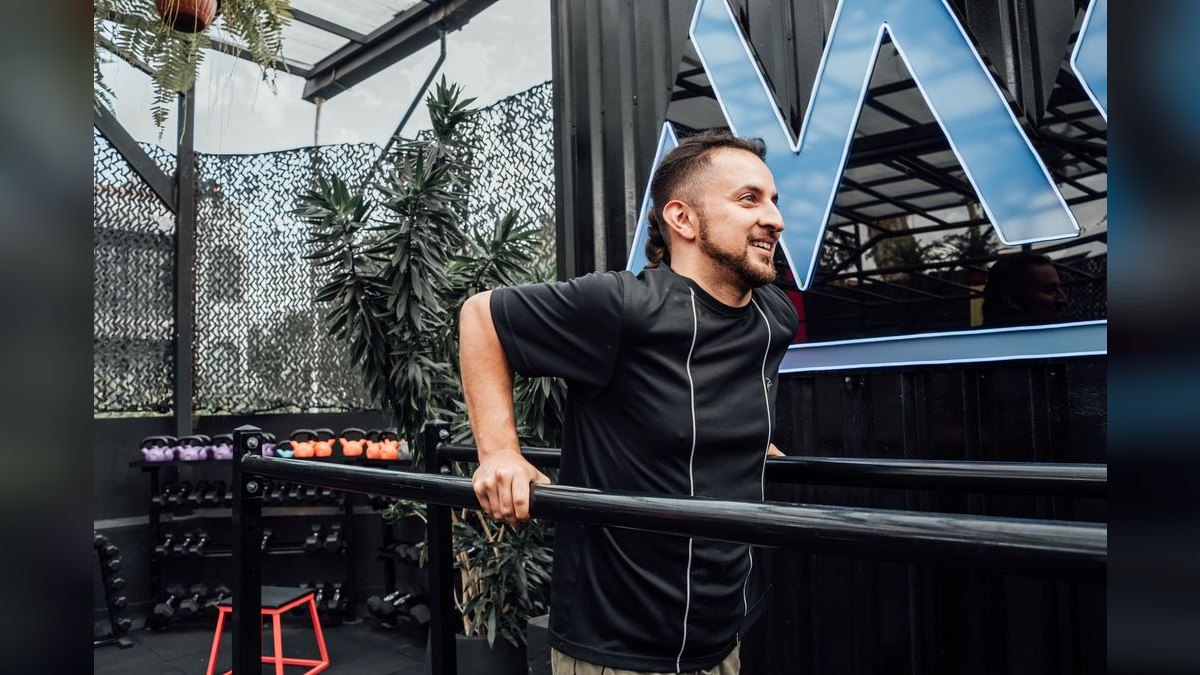
The trade-off Body20 asks a franchisee to accept is straightforward: you get a differentiated, less-crowded niche (EMS is not yet saturated the way HIIT or spin studios are) and a staffing model that's lighter than a traditional personal-training studio, in exchange for taking on a category that a large share of your local market has never heard of. That's a fundamentally different risk than opening a Massage Envy or an Orangetheory, where the buying public already understands the product on sight. A franchisee who can't personally run — or hire someone who can run — a confident, repeatable explanation of what EMS does and why it's worth a premium price is trading a staffing advantage for a sales-cycle disadvantage, and the numbers above show that disadvantage can extend the break-even timeline by 6–12 months compared to a more familiar concept.
The realistic alternative set breaks into three tiers. First, direct EMS competitors: Katalyst operates more as an equipment-and-training licensor than a full franchise system, so it hands the franchisee more operational control but far less turnkey support (site selection, proprietary scheduling/billing software, field support) than Body20 provides. Second, adjacent boutique-fitness franchises — Club Pilates, Pure Barre, StretchLab, Orangetheory, F45 — carry lower category-education risk because the format is already familiar to consumers, but they compete in a more saturated field with thinner differentiation. Third, going independent (an unbranded EMS or personal-training studio) removes the franchise fee and royalty entirely but also removes the vendor relationships, training systems, and brand recognition that shorten Body20's learning curve — an independent operator is solving the same market-education problem with none of the support infrastructure.
Common Pitfalls and How to Avoid Them
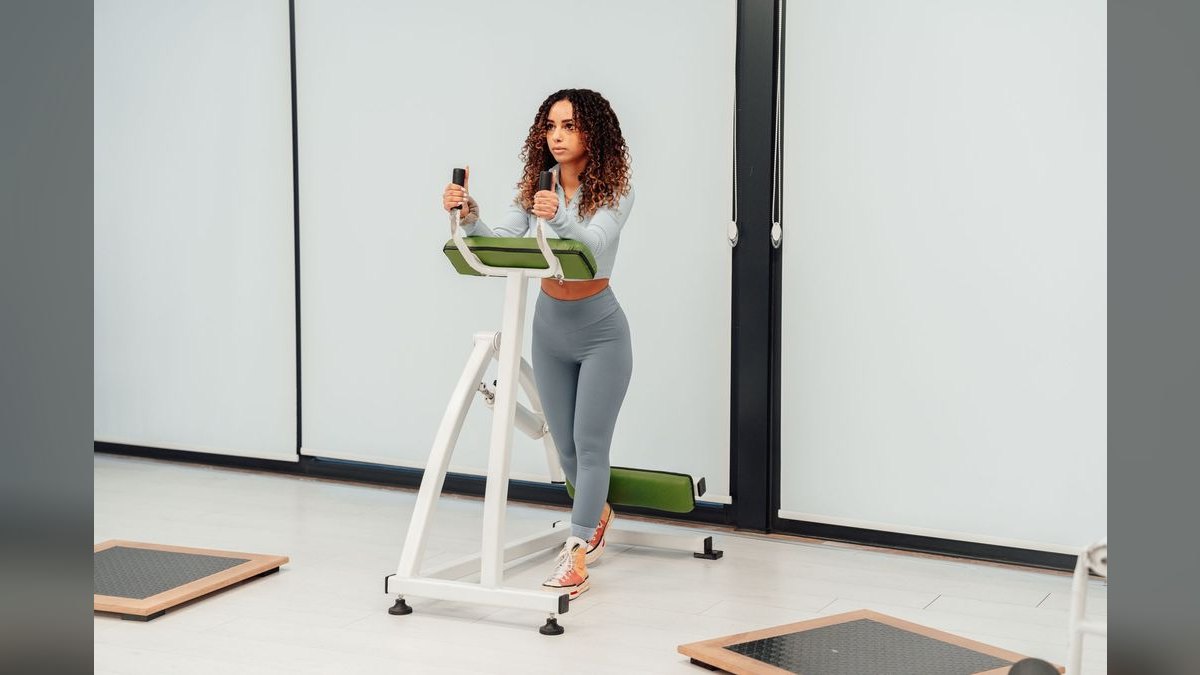
The single most common mistake is underestimating the working-capital runway. Because break-even typically lands between month 9 and 14, a franchisee who budgets only the FDD's stated working-capital range ($25,000–$70,000) without an additional $75,000–$100,000 cushion can run out of cash exactly when the growth phase most needs local marketing spend to keep converting founding members into full-price ones. Budget the cushion before signing, not after the soft launch disappoints.
A second pitfall is treating site selection as a real-estate decision instead of a demographic one. Franchisees who chase cheaper rent in lower-traffic strip malls without first confirming the 100,000-population/$90,000-median-income threshold end up with a studio that's structurally under-marketed to its own neighborhood — EMS studios are destination businesses, not impulse drop-ins, so foot traffic matters less than digital-marketing reach and community credibility. The FDD's recommended $2,000–$4,000 monthly local-advertising budget in year one is not optional overhead; skipping it is the fastest way to stall at the 40–60 founding-member plateau instead of climbing to the 120–180-member mature range.
A third pitfall is hiring trainers for technical competence alone and skipping sales training — since the entire mechanism above depends on a trainer converting an intro session into a $250–$400 membership, a trainer who can run a great EMS session but can't close a membership conversation caps the studio's growth regardless of lead volume. A fourth is ignoring territory-border risk: a franchisee near the edge of their 1.5–3-mile protected zone should confirm in writing (via Item 20 and by calling existing franchisees) whether nearby equipment sales or corporate studios could cannibalize demand before committing to that specific location. Finally, franchisees frequently over-index on the brand's national EMS narrative and under-index on Item 19's actual unit-level financial performance — always request current, location-matched Item 19 data and call at least five existing operators before signing, specifically asking about membership ramp speed, not just gross revenue.
Related questions
How long does a Body20 studio take to break even?
Most operators report break-even between month 9 and month 14, driven by a slow founding-member ramp and the need to build market awareness of EMS training before memberships convert to full price.
Is Body20 a good fit for a first-time franchise owner?
It can be, but only with strong sales instincts or a trainer who has them — the model's success depends more on selling an unfamiliar concept than on operating the equipment itself.
How does Body20 compare to a traditional personal-training studio?
Body20 uses proprietary EMS equipment and a 20-minute session format, letting one trainer run more sessions per day than hourly personal training, but it requires more client education upfront.
What financing works for a $300K-$600K Body20 investment?
SBA 7(a) loans, franchisor-preferred lender relationships, and personal liquid capital in the $120,000–$200,000 range are the typical combination cited in operator interviews and franchise financing guides.
FAQ
What exactly is a Body20 franchise? Body20 is an EMS (electro-muscle-stimulation) fitness franchise where clients do 20-minute, one-on-one or small-group workouts wearing an EMS suit that stimulates muscles. The model relies on recurring memberships and requires fewer staff per session than traditional gyms.

How much does it cost to open a Body20 franchise in 2027? Based on recent FDD data, the franchise fee ranges from roughly $45,000 to $60,000, with total initial investment (Item 7) between about $300,000 and $600,000. These figures vary by location, buildout costs, and equipment needs.
What are the ongoing fees and royalties? Ongoing costs include a royalty of approximately 6% to 7% of gross revenue plus a marketing fee near 2%–3%. Exact percentages differ by franchise agreement, so review the current FDD for your specific territory before signing.
How much revenue and profit can a Body20 franchise expect? Mature studios typically gross between $400,000 and $900,000 annually, with owner earnings after expenses in the $70,000–$220,000 range. Results vary widely based on location, management, and how quickly the local market adopts EMS training.
What size territory does Body20 protect? Protected territories typically span a 1.5- to 2-mile radius, narrower in dense urban markets and wider in suburban or rural ones. This stops another Body20 franchise opening nearby but doesn't block equipment sales or corporate studios just outside the line.
What's the biggest reason a Body20 franchise underperforms? Underestimating the market-education runway — franchisees who don't budget enough working capital or local marketing spend for the 9-to-14-month break-even window are the ones most likely to struggle in year one.
Sources
- https://www.ftc.gov/business-guidance/resources/consumer-guide-buying-franchise
- https://www.franchise.org
- https://www.entrepreneur.com/franchises
- https://www.sba.gov/business-guide/plan-your-business/franchise-businesses
- https://www.ibisworld.com
- https://www.ihrsa.org
- https://www.statista.com
- https://www.body20.com
Related on PULSE
This page will be disappearing soon. Save it to your device for $1 — or read it free while it is here.
@Kory-White- · if Venmo asks, the last 4 of my number are 2012
This page is gone.
This one is off the shelf now. $1 keeps it on your phone for good — the whole page, pictures and diagrams included.
 franchiseShould I open or buy a Bojangles franchise in 2027?
 franchiseShould I open or buy a Drybar franchise in 2027?
 franchiseShould I open or buy a Jamba franchise in 2027?
 franchiseShould I open or buy a Roto-Rooter franchise in 2027?
 franchiseShould I open or buy a Bruster's Real Ice Cream franchise in 2027?
 franchiseShould I open or buy a Crumbl Cookies franchise in 2027?
 franchiseShould I open or buy a Jimmy John's franchise in 2027?
 franchiseShould I open or buy a Marco's Pizza franchise in 2027?
 franchiseShould I open or buy a Stanley Steemer franchise in 2027?
 franchiseShould I open or buy a Take 5 Oil Change franchise in 2027?