


Should I open or buy a Pearle Vision franchise in 2027?
Quality
Certified
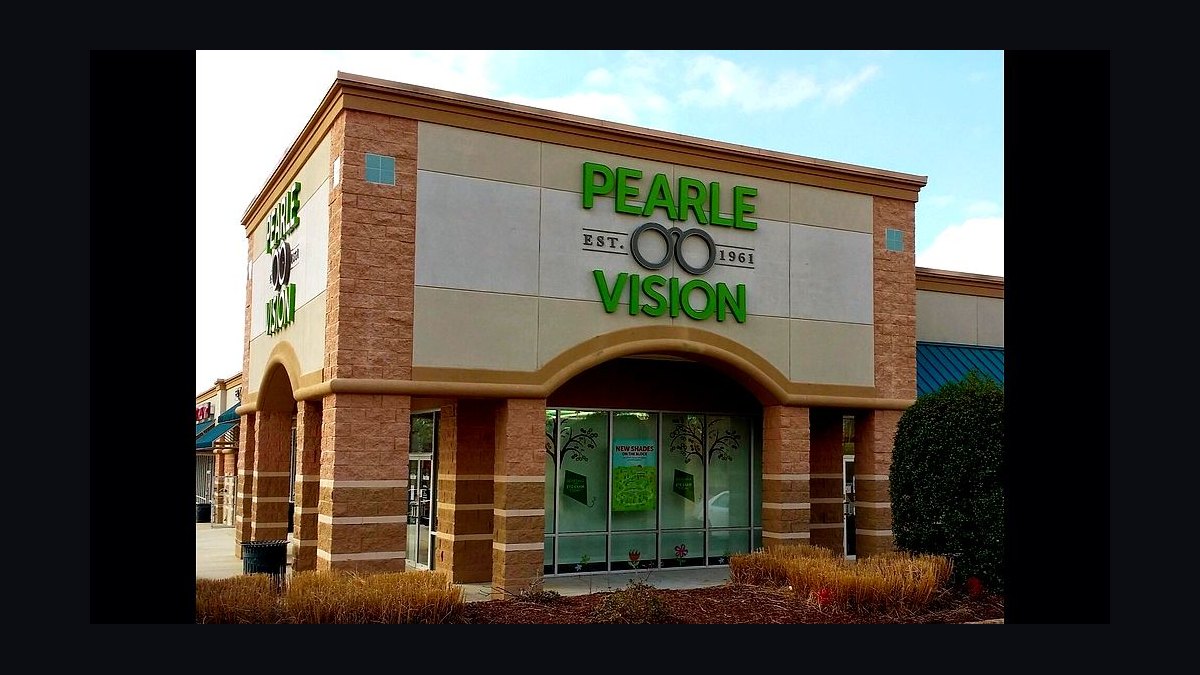
Opening a Pearle Vision franchise in 2027 makes sense for an operator with $400,000-$700,000 in capital who can secure a licensed optometrist relationship and wants a recession-resilient optical retail business backed by EssilorLuxottica's brand and supply chain. It's a poor fit for anyone unwilling to manage the optometrist partnership or unable to compete against Warby Parker, Costco Optical, and online eyewear sellers on price and convenience.
A Franchise Buyer Walks Into the Decision
Picture a prospective franchisee — call her Dana — who has spent eight years managing a regional optical retail chain and has $220,000 in liquid savings plus a home-equity line she's willing to tap. She's seen the Pearle Vision brand her whole life, remembers her grandmother getting glasses there in the 1980s, and wonders whether that nostalgia translates into 2027 foot traffic. Dana's first mistake would be assuming brand recognition alone drives revenue. What actually drives a Pearle Vision location's economics is the interplay between three separate businesses stacked in one building: a retail eyewear showroom, an eye-care clinic run by an independent optometrist, and a corporate-supplied inventory and marketing engine. Dana needs to underwrite all three simultaneously — she can't evaluate the optical retail math without also pricing out what it costs to recruit and retain an OD, and she can't project revenue without understanding how EssilorLuxottica's territory and supply agreements shape her ceiling. This is the scenario every serious Pearle Vision buyer faces: a franchise that looks like a single storefront on the outside but functions as two licensed businesses sharing overhead. Get the OD relationship wrong and the exam pipeline that feeds eyewear sales dries up; get the inventory and marketing math wrong and even a full waiting room doesn't convert to profit. The decision to open isn't "do I like glasses retail" — it's "can I run a two-headed operation where I control one head and lease the other."
How the Optometrist-Retail Mechanism Actually Works
The Pearle Vision model separates the clinical exam from the retail sale by regulatory necessity, not brand design. In most states, corporate practice of medicine statutes forbid a non-physician franchise owner from directly employing a licensed optometrist to perform exams — so franchisees structure the relationship as a professional services lease, an independent contractor agreement, or a revenue-split arrangement where the OD keeps roughly 60-70% of exam revenue while the franchisee keeps the space, staff, and equipment costs. The exam itself typically runs $80-$150, meaning the OD's take on a single visit is modest, but the real value transfers downstream: a satisfied exam patient walks fifteen feet into the retail floor and buys frames, lenses, and contacts at 60-85% gross margin. This is why 30-40% of Pearle locations run a full-time, on-site OD rather than a part-time or visiting arrangement — full-time presence correlates directly with higher patient volume and, more importantly, higher conversion from exam to eyewear purchase. The mechanism only works if the franchisee treats the OD as a genuine partner rather than a tenant: competitive compensation splits, flexible scheduling, and clinical autonomy on exam protocols keep the optometrist invested in referring patients toward the attached retail floor rather than writing a prescription and sending the patient elsewhere. Franchisees who instead treat the OD relationship as an afterthought — filling the slot with whoever's available, rotating locums, or squeezing the revenue split — see the opposite effect: patients get their prescription and buy glasses online or at a competitor, and the retail floor never captures the exam traffic it was built to convert.

Real Numbers, Ranges, and Benchmarks
The 2026 FDD lists a franchise fee of roughly $30,000 and a total Item 7 investment range of $400,000 to $700,000, covering build-out and leasehold improvements ($180,000-$380,000), equipment and exam-room fit-out ($90,000-$200,000), signage ($20,000-$60,000), opening inventory of frames, lenses, and contacts ($40,000-$120,000), initial marketing ($20,000-$50,000), training and travel ($12,000-$32,000), and working capital ($40,000-$100,000). Ongoing costs include a royalty of approximately 7-8% of gross sales and a marketing fund contribution of 2-3%. Monthly operating expenses at a typical location — rent ($4,000-$8,000), payroll for two to three retail staff plus OD compensation, royalty, marketing fund, and inventory replenishment — run $30,000-$50,000. Most new locations need 12-24 months to reach positive cash flow, with break-even commonly landing around month 18; first-year owner compensation frequently falls in the $50,000-$100,000 range even though mature, multi-year locations gross $700,000-$1,800,000+ annually and net owners $120,000-$400,000. A location doing $1 million in annual revenue might net $150,000-$250,000 after every expense line clears. Financing typically runs through SBA loans requiring 10-25% down, or EssilorLuxottica's preferred lender network, both of which expect a FICO score of 680 or higher and liquid assets of at least $150,000-$200,000 — meaning the realistic buyer needs roughly half the total investment sitting in cash or easily accessible credit before signing anything. Build-out costs scale with square footage: a 1,500-2,500 sq ft footprint at $150-$250 per square foot lands squarely inside the $180,000-$380,000 leasehold range quoted above, so a buyer negotiating a larger space should expect the top of that range or beyond.
Trade-Offs and Alternatives Worth Weighing
Choosing Pearle Vision over adjacent paths means trading full operational control for brand recognition and supply-chain backing. An independent optical center owner keeps 100% of every dollar and can source inventory from any vendor, but forfeits the neighborhood name recognition, the referral traffic that comes from EssilorLuxottica's national advertising, and the negotiated frame and lens pricing that comes from being part of a company that also owns Ray-Ban and Oakley. Within the EssilorLuxottica family itself, LensCrafters typically occupies larger-format mall and power-center locations with a broader premium-brand assortment, while Pearle Vision leans into a smaller-footprint, neighborhood eye-care positioning — a buyer choosing between the two is really choosing between a bigger-box retail play and a community clinic-plus-retail play. On the value end of the spectrum, brands like My Eyelab and Stanton Optical compete on low exam and eyewear pricing rather than brand heritage, which suits a buyer targeting price-sensitive demographics but sacrifices the margin structure that makes mature Pearle locations profitable. Territory protection at Pearle Vision is moderate rather than absolute: franchisees typically receive a defined trade area of 1.5 to 3 miles or a population threshold of 50,000-100,000 residents, but EssilorLuxottica's company-owned LensCrafters and Pearle locations can still operate nearby and compete indirectly for the same patient base. A buyer should also weigh healthcare-adjacent franchise alternatives outside optical entirely — hearing-care concepts like Miracle-Ear share the same "recurring clinical relationship feeding retail sales" structure and the same recession-resilient demand logic, so a buyer drawn to Pearle Vision's model but wary of eyewear-specific competition might find a comparable risk profile in a different clinical-retail category.

Common Pitfalls and How to Avoid Them
The single most common and costly mistake is delaying the optometrist search until after signing the franchise agreement or securing the lease. Because the OD relationship in most states requires a lease or professional-services structure rather than direct employment, and because the best independent optometrists already have established patient panels elsewhere, franchisees who wait until 60 or 90 days before opening often end up with a rotating cast of locums or a part-time OD whose limited hours cap exam volume — and therefore cap the retail conversion the whole model depends on. Start this search 6-12 months before your target opening date. A second pitfall is underestimating monthly burn during the ramp period: buyers who size their working capital reserve to the low end ($40,000) rather than planning for $30,000-$50,000 in monthly operating costs over an 18-month break-even runway frequently run out of cash in month 10 or 11, just as patient volume is starting to build. A third pitfall is site selection driven by available real estate rather than demographic fit — the strongest-performing locations sit near grocery-anchored shopping centers, medical office clusters, or aging-population neighborhoods where vision needs rise with age, not simply wherever a landlord offers the cheapest square footage. A fourth pitfall is treating the OD as a cost line to minimize rather than a revenue partner to cultivate; franchisees who negotiate the OD's revenue split down to the bare minimum often see that optometrist's engagement, hours, and referral behavior decline in proportion. Finally, buyers routinely skip the step of calling three to five existing franchisees before signing — a conversation that reliably surfaces the real numbers behind eyewear margins, local competition intensity, and how each operator structured their own OD arrangement, none of which appears in the FDD's aggregated averages.
Related questions
How much does it cost to open a Pearle Vision franchise?
Total Item 7 investment runs roughly $400,000 to $700,000, including a $30,000 franchise fee, build-out, equipment, opening inventory, and working capital, per the 2026 FDD.
Do I need to be an optometrist to open a Pearle Vision?
No. You need a lease or professional-services agreement with a licensed optometrist to provide exams; the exact structure depends on your state's corporate-practice-of-medicine rules.
How long does it take to open a Pearle Vision location?
Typically 6-12 months from signing to opening, depending on site selection, build-out timelines, permitting, and how quickly you secure an optometrist.
What's the difference between Pearle Vision and LensCrafters?
Both are EssilorLuxottica brands; Pearle Vision runs a smaller neighborhood-clinic footprint while LensCrafters typically occupies larger mall and power-center locations with broader assortment.
Is Pearle Vision a recession-resilient business?
Largely yes — eye exams and corrective eyewear are near-necessities regardless of economic conditions, and much of the demand is funded through vision insurance plans.
FAQ
What is the typical total investment for a Pearle Vision franchise in 2027? The total investment range is roughly $400,000 to $700,000, including the franchise fee. Actual costs vary by location, build-out scope, and equipment needs, with leasehold improvements typically the largest single line item.
How much can I expect to earn as a Pearle Vision franchise owner? Mature locations typically generate annual revenue of $700,000 to $1,800,000, with owner income ranging from $120,000 to $400,000. First-year owners should expect considerably less, often $50,000-$100,000, while cash flow ramps toward the typical 18-month break-even point.
Do I need to be an optometrist to open a Pearle Vision? No, you don't need to be an optometrist yourself. You must establish a relationship with a licensed optometrist to provide eye exams, structured as a lease, contractor agreement, or revenue split depending on your state's regulations.
What ongoing fees does the franchise require? The royalty runs approximately 7% to 8% of gross sales, plus a marketing fund contribution of roughly 2% to 3%. These fund national brand advertising, systems support, and vendor-negotiated inventory pricing through EssilorLuxottica.
How long does it take to open a Pearle Vision franchise? The timeline from signing to opening typically spans 6 to 12 months, driven mainly by site build-out, permitting, and how early you begin recruiting an optometrist partner — starting that search late is the most common cause of delay.
What are the main challenges of running a Pearle Vision franchise? The central challenges are structuring and sustaining a productive optometrist relationship, competing against optical retail chains and online eyewear sellers on price and convenience, and hiring and retaining trained opticians for the retail floor.
Sources
- https://www.ftc.gov/business-guidance/resources/franchise-disclosure-document-fdd-template
- https://www.entrepreneur.com/franchises/pearlevisioncenters/282001
- https://www.ibisworld.com/united-states/industry/optical-retail-eye-care-services/
- https://www.statista.com/topics/eyewear-market-united-states/
- https://www.thevisioncouncil.org/
- https://www.franchisebusinessreview.com/
- https://www.franchise.org/franchise-information/franchise-business-outlook
- https://www.sba.gov/funding-programs/loans
- https://www.census.gov/topics/health/health-insurance.html
- https://www.essilorluxottica.com/en/brands
Related on PULSE
This page will be disappearing soon. Save it to your device for $1 — or read it free while it is here.
@Kory-White- · if Venmo asks, the last 4 of my number are 2012
This page is gone.
This one is off the shelf now. $1 keeps it on your phone for good — the whole page, pictures and diagrams included.
 franchiseShould I open or buy a Meineke franchise in 2027?
 franchiseShould I open or buy a Dairy Queen franchise in 2027?
 franchiseShould I open or buy a Great Clips franchise in 2027?
 franchiseShould I open or buy a Goddard School franchise in 2027?
 franchiseShould I open or buy a Subway franchise in 2027?
 franchiseShould I open or buy an F45 Training franchise in 2027?
 franchiseShould I open or buy a Jiffy Lube franchise in 2027?
 franchiseShould I open or buy a Smoothie King franchise in 2027?
 franchiseShould I open or buy a Cinnabon franchise in 2027?
 franchiseShould I open or buy a Wendy's franchise in 2027?