


Should I open or buy a CarePatrol franchise in 2027?
Quality
Certified
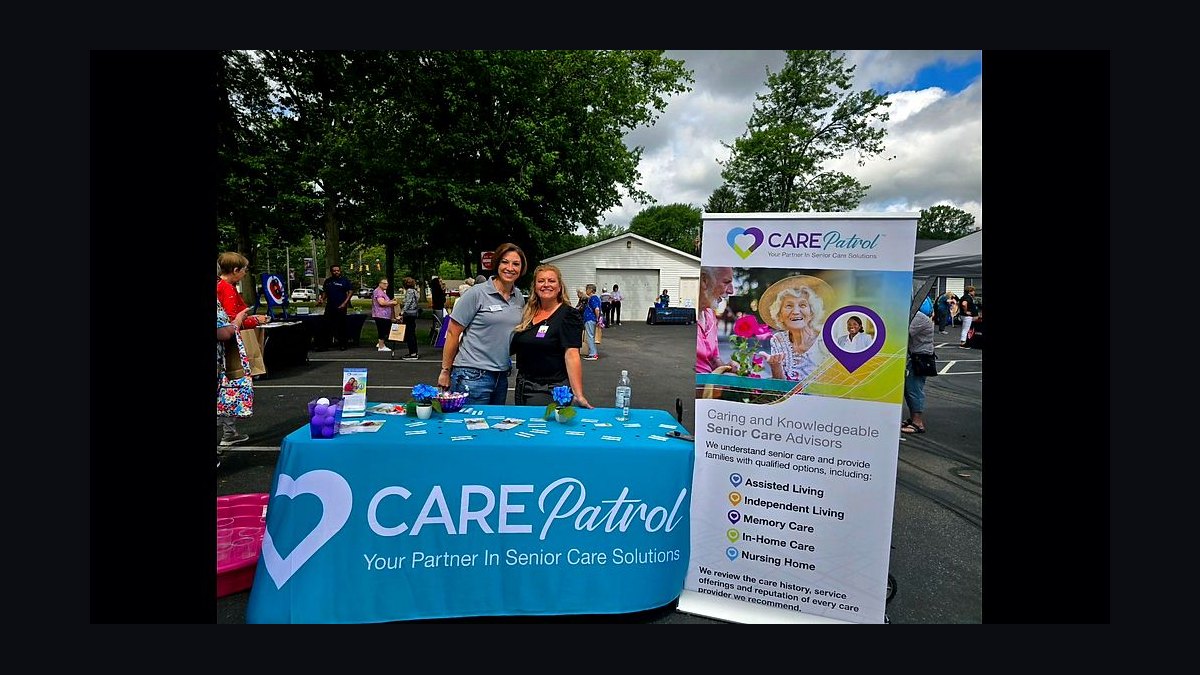
Yes — CarePatrol is one of the stronger low-capital franchise plays for 2027 if you can build referral relationships: total investment runs roughly $60,000-$110,000, there are no caregivers to staff, and mature territories gross $200,000-$800,000+ with owners clearing $80,000-$350,000. Buying an established resale territory from a seller with proven community relationships often beats opening a new territory from zero, but both paths can work.
The two paths: opening a new territory or buying a resale
Every prospective CarePatrol franchisee faces the same fork before signing anything: build a brand-new territory from a cold start, or buy an existing territory from a current owner who is exiting. Both routes run through the same 2026 Franchise Disclosure Document, the same roughly $50,000-$60,000 franchise fee, and the same 8%-10% royalty, but the day-to-day risk profile is completely different.
Opening a new territory means you are the first CarePatrol presence in that geography. You start with zero referral relationships — no assisted living communities know your name, no hospital discharge planners have your card, no elder-law attorneys have sent you a client. Everything from your first placement to your first six-figure month depends on relationships you have not built yet. The upside is that you choose the territory, you are not paying a premium for someone else's book of business, and your total cash outlay stays closer to the low end of the $60,000-$110,000 Item 7 range because there is no resale premium layered on top of the franchise fee.

Buying a resale territory means you are purchasing an operating business: an existing base of community partnerships, a working referral pipeline from hospitals and social workers, historical placement volume, and often a trained placement counselor who stays on. You typically pay the seller a multiple of trailing cash flow — commonly somewhere in the range of one to two times annual owner earnings for a healthy senior-placement territory, on top of whatever transfer fee the franchisor charges (often a few thousand dollars, sometimes waived or reduced versus the full new-franchise fee). That premium buys you a shorter runway to profitability. Instead of spending 6-18 months building referral relationships from nothing, you inherit relationships that already convert into placements, and you can often see cash flow from month one.
The trade-off is diligence risk. A resale territory is only as good as the relationships behind it, and those relationships live with people, not with the business entity. If the seller's referral network is really the seller's personal rapport with three or four discharge planners, that rapport may not transfer cleanly to a new owner, no matter what the purchase agreement says. You have to interview the seller's key referral contacts before closing, review at least two years of placement volume and revenue by source, and confirm the territory's minimum placement requirements have been consistently met — because if they have not, the franchisor may already be planning to shrink or reassign part of that territory. A resale that looks like a shortcut can turn into buying someone else's unresolved territory problem at a premium price.
How to decide between opening and buying

The decision usually comes down to three variables: how much capital you have above the minimum Item 7 range, how comfortable you are with 12-18 months of relationship-building before meaningful income, and whether a resale territory is actually available in a market you want to serve. Resales do not exist everywhere — CarePatrol has to have an existing franchisee willing to sell in a territory you would want, and that is often the real constraint, not preference.
If you cannot find a resale, the decision collapses to a simpler question: are you personally suited to spend the first year as a full-time relationship-builder, cold-calling hospital discharge planners and touring assisted living communities with no existing pipeline? If yes, opening new is not just the fallback option — it is often the better one, because you avoid paying a premium for relationships you could have built yourself with enough hustle and a lower total cash outlay.
If a resale is available, the deciding factor becomes verification, not price. A seller who readily provides two years of placement records broken out by referral source, and whose top referral contacts confirm the relationship independently (not just through the seller), is worth a premium. A seller who is vague about placement volume, or whose contacts seem to barely know them, is not — no matter how attractive the asking multiple looks on paper. Walk that resale away and open new instead; a fresh start with clean numbers beats inheriting a territory with hidden relationship rot.
Concrete numbers behind each option
The 2026 FDD lays out the baseline economics that apply whether you open or buy, and the resale premium sits on top of these numbers.
| Line item | Open new (low) | Open new (high) | Resale premium (typical add-on) |
|---|---|---|---|
| Franchise or transfer fee | $50,000 | $60,000 | Often reduced transfer fee, but see business purchase price below |
| Home-office setup | $3,000 | $12,000 | Usually already in place |
| Technology & CRM systems | $4,000 | $15,000 | Usually already in place |
| Initial marketing / relationship-building | $15,000 | $40,000 | Lower, since referral base exists |
| Training & travel | $6,000 | $20,000 | Same — new owner still trains |
| Insurance & licensing | $3,000 | $12,000 | Same |
| Working capital | $10,000 | $35,000 | Often lower given existing cash flow |
| Business purchase price (resale only) | — | — | Commonly 1x-2x trailing annual owner earnings |
| Total Item 7 (open new) | ~$60,000 | ~$110,000 | — |
| Ongoing royalty | ~8%-10% of gross | Same for both paths | |
| Marketing fee | ~2% of gross | Same for both paths |
On the revenue side, mature CarePatrol territories — whether opened new and matured over several years, or bought as an already-mature resale — gross roughly $200,000 to $800,000+ annually, with owner net income landing between $80,000 and $350,000. The spread is wide because it tracks almost entirely with placement volume and referral relationships, not with which acquisition path you took to get there. A newly opened territory that hits its stride in year three can out-earn a poorly-run resale territory that never rebuilt the relationships it inherited.

The math that actually separates the two paths is time-to-cash-flow. A new territory typically needs 6 to 18 months to build enough referral volume to cover the roughly $500-$2,000 a month most owners spend on local marketing and networking, plus draw a salary. A resale territory with verified, transferable relationships can often be cash-flow positive from the first full month, because the referral pipeline is already producing placements. If you model the resale premium as buying yourself 6-12 months of earlier cash flow, a one-to-two-times-earnings premium is frequently a reasonable trade — as long as the relationships genuinely transfer.
Implementation and 100-day sequencing
Whichever path you choose, the first 100 days look similar in shape, even though a resale compresses some steps and an open-new territory stretches others.
Days 1-15 are about paperwork and honesty with yourself: read the current FDD cover to cover, focus on Items 5-7 for cost and Item 19 for financial performance representations, and if you are buying a resale, get two years of the seller's placement and revenue records broken out by referral source before you spend another dollar of diligence time.
Days 16-35 are for talking to people who are not trying to sell you anything. Call at least eight existing CarePatrol franchisees in territories similar to the one you are considering and ask directly about referral relationships, placement volume, and net profit after royalties and marketing spend. If you are evaluating a resale, independently contact at least three of the seller's stated referral sources — a discharge planner, a social worker, or a community sales director — and confirm the relationship exists on their end, not just the seller's.
Days 36-55 validate the market itself: how many assisted living, memory care, and independent living communities operate in the territory, how saturated the area already is with competing placement services like A Place for Mom or Senior Care Authority, and whether the aging-population trend in that specific geography supports sustained placement demand rather than a shrinking pool of prospective residents.

Days 56-75 are relationship-building days, whether that means cold-starting outreach to hospitals and elder-law attorneys in a new territory, or personally re-introducing yourself to a resale territory's existing referral contacts so the relationship attaches to you and not just to the departing owner's name. Days 76-100 close the first quarter with your first live placements, however small, because early placements validate the referral relationships you have been building and start generating the fee revenue that will fund months four through twelve.
From month four onward, the work becomes about volume rather than setup: hitting the placement minimums the franchisor expects (commonly 30-50 placements a year after year two, though this figure is set territory by territory in your agreement) and, once that volume is stable, adding a second placement counselor or advisor so the business does not depend entirely on the owner's personal calendar.
Related questions
How long does it take a new CarePatrol territory to break even?
Most new territories reach break-even in 6 to 18 months, depending on how fast the owner builds referral relationships with hospitals, social workers, and senior-living communities. There is no caregiver payroll to cover, which shortens the runway compared to home-care franchises.
Is a CarePatrol resale always more expensive than opening new?
Usually, yes — a resale adds a purchase price on top of the standard Item 7 costs, commonly one to two times trailing annual owner earnings. The premium can be worth it if the referral relationships genuinely transfer to the new owner.
Do I need healthcare experience to run a CarePatrol franchise?

No. Healthcare or senior-care experience is not required. Strong sales, relationship-building, and local networking skills matter far more than clinical background, since the role is advisory rather than caregiving.
How does CarePatrol compare to home-care franchises like Amada or FirstLight?
CarePatrol avoids caregiver recruiting and staffing entirely, which is the single biggest operational headache in home care. Home-care franchises usually require higher capital ($100,000-$150,000+) and carry ongoing staffing risk that CarePatrol's advisory model does not.
FAQ
What is the total investment needed to open a CarePatrol franchise in 2027? The total investment range is roughly $60,000 to $110,000, including a franchise fee of around $50,000 to $60,000. That is low relative to most franchise categories and reflects the home-based, no-caregiver structure of the business.
Can I finance a CarePatrol resale purchase separately from the franchise fee? Yes — most resale buyers finance the business purchase price (paid to the departing owner) separately from any transfer fee owed to the franchisor. Lenders and SBA financing typically treat the two as distinct line items, so confirm both with the franchisor and a lender before signing anything.

What happens if I don't hit the territory's placement minimums? If you underperform the minimum placement volume the franchise agreement sets, the franchisor may reduce your exclusive territory or allow another franchisee to operate nearby. This is a key reason to validate market size and referral density before committing to either a new or resale territory.
How much of my time goes to actual relationship-building versus admin work? Most franchisees spend 60%-70% of their time on relationship-building — meeting families, touring communities, and networking with hospitals and elder-law attorneys — and the remaining 30%-40% on CRM tracking, marketing spend management, and reporting to the franchisor.
Is CarePatrol viable as a semi-absentee or part-time business? It can work semi-absentee once you have hired a strong placement counselor and built a stable referral pipeline, but the first year typically demands full-time involvement from the owner to establish the relationships the business depends on.
Does buying a resale territory guarantee the referral relationships stay intact? No. Referral relationships are personal, not contractual, so a resale purchase does not automatically guarantee those hospital, social worker, and community contacts will keep referring to a new owner. Independently verifying those relationships before closing is essential diligence, not an optional step.
Sources
- CarePatrol Franchise Disclosure Document (2026 filing) — https://www.carepatrolfranchise.com
- Entrepreneur Franchise 500 listings — https://www.entrepreneur.com/franchises
- International Franchise Association, Franchise Economic Outlook — https://www.franchise.org
- IBISWorld industry research — https://www.ibisworld.com
- Statista, US senior living market data — https://www.statista.com
- Franchise Business Review — https://franchisebusinessreview.com
- US Census Bureau, aging demographics data — https://www.census.gov
- A Place for Mom — https://www.aplaceformom.com
- Small Business Administration, franchise financing guidance — https://www.sba.gov
Related on PULSE
- How long does it take to open a franchise and break even in 2027?
- Should I open or buy a Tommy Gun's Original Barbershop franchise in 2027?
- Should I open or buy a Painting with a Twist franchise in 2027?
- What's the difference between a home-care franchise and a senior-placement franchise?
- How do franchise territory minimums and renewal terms typically work?
This page will be disappearing soon. Save it to your device for $1 — or read it free while it is here.
@Kory-White- · if Venmo asks, the last 4 of my number are 2012
This page is gone.
This one is off the shelf now. $1 keeps it on your phone for good — the whole page, pictures and diagrams included.
 franchiseShould I open or buy a Culver's franchise in 2027?
 franchiseShould I open or buy a McAlister's Deli franchise in 2027?
 franchiseShould I open or buy a UPS Store franchise in 2027?
 franchiseShould I open or buy an Ace Hardware franchise in 2027?
 franchiseShould I open or buy a Subway franchise in 2027?
 franchiseShould I open or buy a Wendy's franchise in 2027?
 franchiseShould I open or buy a Kumon franchise in 2027?
 franchiseShould I open or buy a Merry Maids franchise in 2027?
 franchiseShould I open or buy an Auntie Anne's franchise in 2027?
 franchiseShould I open or buy a Massage Envy franchise in 2027?