


Should I open or buy a HomeWell Care Services franchise in 2027?
Quality
Certified
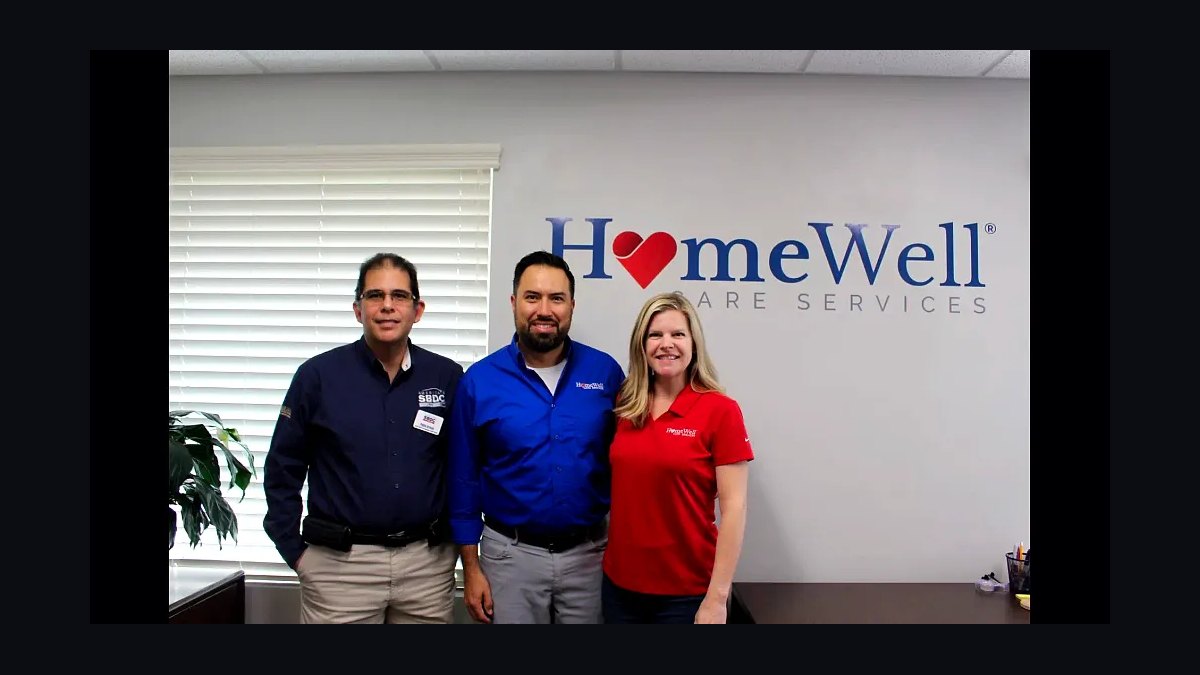
Yes, if you can recruit and retain caregivers and build referral relationships — HomeWell Care Services is a legitimate, low-capital way to open an in-home senior care franchise in 2027, backed by structured systems, recurring revenue, and a strong demographic tailwind. Skip it if you can't solve staffing, since caregiver turnover, not demand, is what sinks these agencies.
A Scenario: The First 12 Months of a HomeWell Owner
Picture a prospective franchisee, call her Dana, a former hospital case manager with $70,000 in liquid capital and no interest in a storefront. She signs a franchise agreement with HomeWell Care Services, pays a roughly $50,000 franchise fee, and spends the next six weeks in training on the "GoHomeWell" care methodology — the standardized intake, care-planning, and scheduling process every HomeWell location runs on. She sets up a small office, licenses her agency for non-medical home care in her state, and posts her first caregiver job listings before she has a single client.
This is the part most people underestimate when they think about whether to open a HomeWell franchise: the caregiver pipeline has to exist before the client pipeline matters. Dana's first 90 days aren't spent selling care hours — they're spent interviewing, background-checking, and onboarding caregivers, because a HomeWell agency with clients and no staff is worse than one with staff and no clients. By month four, she has 12 caregivers on payroll and 18 active clients logging roughly 20 hours a week each. Her monthly recurring revenue crosses $45,000, but her payroll, insurance, and working-capital draw mean she isn't personally profitable yet. That gap — the six-to-nine-month runway between "operational" and "profitable" — is the single most common reason undercapitalized HomeWell franchisees fail, not lack of demand for the service itself.

By month ten, Dana's referral network (a hospital discharge planner, two assisted-living communities, and a geriatric care manager) is generating more inbound leads than her paid marketing, and she's fielding calls from families rather than chasing them. This is the trajectory HomeWell is built around: slow, staffing-constrained ramp, followed by referral-driven compounding growth once the care model proves itself locally. It's a useful mental model for anyone deciding whether to open one in 2027 — the business rewards patience and operational discipline over aggressive marketing spend.
How the HomeWell Business Mechanism Actually Works
A HomeWell Care Services franchise is fundamentally a labor-coordination business wrapped around a care brand. The franchisor licenses the "GoHomeWell" structured care methodology — standardized client assessments, caregiver matching, care plans, and ongoing quality checks — along with a scheduling and care-management technology platform, training curriculum, and marketing support. The franchisee's job is to execute three things well: recruit and retain caregivers, convert local referral sources into paying clients, and manage the operational overhead (scheduling, compliance, payroll, insurance) that keeps care consistent.

Revenue is built hour by hour. A client contracts for a weekly number of care hours (commonly 15–25 hours per week for a typical non-medical client), billed at an hourly private-pay rate. The franchisee pays caregivers an hourly wage, keeps the spread as gross margin, and funds office overhead, royalties, and marketing fees out of that spread. Because the unit of sale is a recurring hour rather than a one-time transaction, revenue compounds as the caregiver roster and client base both grow — which is why mature HomeWell agencies can scale into the seven-figure range without a large physical footprint. The flip side is that revenue is capped by caregiver headcount: you cannot sell more care hours than you have staffed caregivers to deliver, which is the structural reason staffing dominates every conversation about whether this franchise model works.
Real Numbers, Ranges, and Benchmarks for 2027 Entry
The 2026 Franchise Disclosure Document lists a franchise fee near $50,000 and a total Item 7 investment range of roughly $80,000 to $160,000, which is low relative to most brick-and-mortar franchise categories because a HomeWell agency can launch from a home office. That investment typically breaks down into office setup ($6,000–$22,000), care-management technology ($5,000–$18,000), initial marketing and lead generation ($18,000–$45,000), operator and staff training and travel ($8,000–$25,000), licensing, bonding, and insurance ($10,000–$28,000), and working capital ($25,000–$70,000) to cover payroll float and slow-paying private-pay accounts. Royalties run roughly 5%–6% on a tiered structure, plus a marketing fee near 2% of gross revenue.
On the revenue side, mature agencies commonly gross $1,000,000 to $3,000,000-plus annually, with owner compensation in the $120,000–$400,000 range once the agency is fully staffed and referral-driven. Most new HomeWell agencies take 12–18 months to reach break-even, with monthly operating costs of roughly $8,000–$15,000 covering office rent, insurance, payroll administration, marketing, and royalties. Client acquisition costs in senior care franchises generally run $500–$1,200 per case depending on referral-source strength versus paid marketing reliance. A HomeWell agency targeting $500,000 in year-two revenue typically needs 40–60 active clients paying $22–$28 an hour for 15–25 hours of weekly care. Caregiver wages generally fall between $14 and $20 an hour depending on the local labor market, and a franchisee running 50–80 active clients typically employs 15–40 caregivers to cover that volume, accounting for part-time schedules and coverage overlap. By year three, well-run agencies often post 20%–30% net margins on revenue above $1 million, which is the range that produces the $200,000–$400,000 owner-compensation outcomes franchisees hear about in Item 19 disclosures and franchisee interviews.

Trade-Offs and Alternatives to Opening a HomeWell Franchise
The core trade-off with HomeWell is that its lowest-capital advantage — a home-office-based model with light physical overhead — is offset by its highest-effort constraint: caregiver recruitment never stops being an operating cost. Unlike a franchise with fixed inventory or equipment, HomeWell's "product" is a person showing up reliably at a client's home, which means the franchisee is simultaneously running a staffing agency and a care-services brand. Turnover in home care commonly runs 60%–80% annually nationally, so franchisees budget an ongoing 5%–8% of gross revenue toward retention programs — paid time off, mileage reimbursement, health-insurance stipends, and tenure bonuses of $0.50–$1.50 per hour — just to keep the caregiver bench from collapsing under client demand.
Compared to adjacent senior-care concepts, HomeWell's differentiator is its structured GoHomeWell methodology and franchisor support system, which appeals to operators who want process discipline rather than building care protocols from scratch. Competing brands like Home Instead, Visiting Angels, Amada, Comfort Keepers, and FirstLight occupy similar price points and service models, so market selection matters more than brand choice in oversaturated territories — avoid launching where three or more established home-care brands already operate within a 10-mile radius. An independent, unbranded home-care agency offers full operational control and no royalty drag, but forces the owner to build the care methodology, technology, and training curriculum alone, which is a heavier lift for a first-time healthcare-adjacent operator. Franchisees weighing HomeWell against Nurse Next Door, Acti-Kare, or Always Best Care Senior Services are largely choosing between similar economics and differentiating on local territory availability, franchisor support quality, and personal fit with each brand's care philosophy.
Common Pitfalls When Opening a HomeWell Franchise — and How to Avoid Them

The most common and costly mistake is underestimating working capital. Franchisees who invest only in the franchise fee and office setup, without reserving $30,000–$60,000 in additional working capital, run out of cash during the 12–18 month break-even window when payroll obligations arrive weekly but private-pay client invoices lag. The fix is straightforward: treat the full Item 7 range, not just the low end, as the real entry cost, and build a payroll-gap reserve before signing.
The second pitfall is chasing clients before securing caregiver capacity. New owners understandably want to generate revenue quickly, but signing clients an agency can't staff leads to cancellations, refunds, and reputational damage with referral sources that took months to cultivate. Sequencing matters: build a caregiver bench of at least 8–10 reliable staff before ramping marketing spend aggressively. Third, franchisees frequently underinvest in retention, treating caregiver pay as a pure cost rather than as the lever that determines whether client hours actually get covered; the agencies that thrive budget real dollars — not just goodwill — toward tenure bonuses, flexible scheduling, and mileage reimbursement.
A fourth pitfall is territory selection driven by convenience rather than data. Ideal HomeWell markets have populations of 200,000–500,000, a senior (65+) population of at least 15%–18%, and median household incomes above $55,000 to support private-pay rates; franchisees who open in markets that don't meet these thresholds often struggle to hit the client volume needed to justify the caregiver payroll. Finally, some owners over-rely on paid digital marketing — Google Ads for "senior home care near me" can run $3–$8 per click in competitive metros — when building organic relationships with hospital discharge planners, elder law attorneys, and senior communities typically generates 40%–60% of new clients at a fraction of the cost. Franchisees who treat referral-building as a core operating discipline, not an afterthought, consistently outperform those who lean on paid search alone.
Related questions

How long does it take to open a HomeWell Care Services franchise from signing to launch?
Most franchisees spend 8–14 weeks from signing the franchise agreement to opening, covering training, licensing, office setup, and initial caregiver recruitment before accepting the first client.
What licensing does a HomeWell franchisee need before operating?
Requirements vary by state but typically include a home-care agency license, business registration, general liability and bonding insurance, and compliance with state-level caregiver background-check and training rules.
Can I run a HomeWell franchise part-time?
No — the model requires full-time attention, especially in the first year, since caregiver recruitment, client intake, and referral-building are ongoing operational tasks, not passive management functions.
How is HomeWell different from a medical home health franchise?
HomeWell provides non-medical companion and personal care (bathing, meals, mobility, companionship), not skilled nursing or medical services, which keeps licensing requirements lighter than a certified home health agency.
What happens if I can't find enough caregivers in my territory?
Persistent staffing shortages cap revenue regardless of client demand; franchisees in thin labor markets should budget higher wages, partner with local CNA or nursing programs, and expect a longer ramp to profitability.
FAQ

How much does it cost to open a HomeWell Care Services franchise? Total investment typically runs $80,000 to $160,000, including a franchise fee near $50,000. It's considered low capital for a home-care franchise because you can start from a home office rather than leasing retail space.
What ongoing fees does HomeWell charge franchisees? Royalties run roughly 5%–6% on a tiered structure, plus a marketing fee near 2% of gross revenue. These fund the franchisor's training programs, care-management technology, and national brand marketing.
How much money can a HomeWell franchise owner make? Mature agencies often generate $1,000,000 to $3,000,000-plus in annual revenue, with owner income between $120,000 and $400,000. Actual results depend heavily on caregiver staffing levels, territory demographics, and referral-network strength.
What's the biggest risk in opening a HomeWell franchise? Caregiver recruitment and retention is the dominant constraint — national turnover in home care often exceeds 60%–80% annually, and agencies that can't staff reliably lose clients regardless of local demand.
Is 2027 a good time to open a senior care franchise like HomeWell? Yes, the aging population provides a durable demand tailwind and the category is recession-resilient, though competition from brands like Home Instead, Visiting Angels, and Amada is increasing in many metros, making territory selection important.
Do I need a healthcare background to run a HomeWell franchise? No prior clinical experience is required. HomeWell provides the structured GoHomeWell care methodology and training, so operators with strong management, sales, and people-leadership skills tend to perform best.
Sources
- https://www.entrepreneur.com/franchises/directory
- https://www.ibisworld.com
- https://www.statista.com
- https://www.hcaoa.org
- https://www.franchisebusinessreview.com
- https://www.franchise.org
- https://www.census.gov
- https://www.bls.gov
- https://www.homewellcares.com
- https://www.ftc.gov/business-guidance/resources/franchise-disclosure-document-fdd
Related on PULSE
- Should I open or buy an Always Best Care Senior Services franchise in 2027?
- Best home services franchises to buy in 2027
- Should I open or buy a Senske Services franchise in 2027?
- Should I open or buy a Padgett Business Services franchise in 2027?
- Should I open or buy an Ace Handyman Services franchise in 2027?
- Should I open or buy an Aftermath Services franchise in 2027?
This page will be disappearing soon. Save it to your device for $1 — or read it free while it is here.
@Kory-White- · if Venmo asks, the last 4 of my number are 2012
This page is gone.
This one is off the shelf now. $1 keeps it on your phone for good — the whole page, pictures and diagrams included.
 franchiseShould I open or buy a Jimmy John's franchise in 2027?
 franchiseShould I open or buy a Hand and Stone Massage franchise in 2027?
 franchiseShould I open or buy a Domino's franchise in 2027?
 franchiseShould I open or buy an Auntie Anne's franchise in 2027?
 franchiseShould I open or buy a Crumbl Cookies franchise in 2027?
 franchiseShould I open or buy a Wendy's franchise in 2027?
 franchiseShould I open or buy a Matco Tools franchise in 2027?
 franchiseShould I open or buy a Supercuts franchise in 2027?
 franchiseShould I open or buy a Smoothie King franchise in 2027?
 franchiseShould I open or buy a Servpro franchise in 2027?