


Should I open or buy a Blue Kangaroo Packoutz franchise in 2027?
Quality
Certified
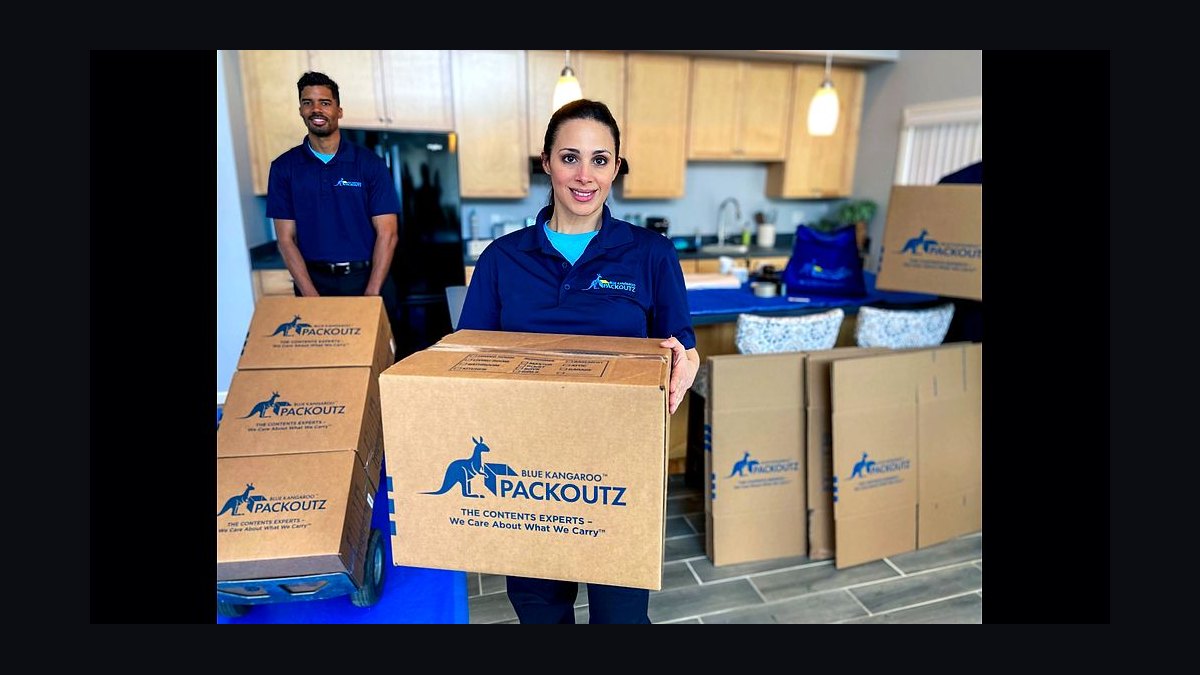
Yes for a relationship-driven operator: Blue Kangaroo Packoutz is worth opening in 2027 for someone who can build B2B ties with restoration firms and insurers, staff and manage pack-out technicians, and fund a warehouse operation. The franchise offers recession-resilient, insurance-funded demand in an underserved contents-restoration niche, with total investment of roughly $150,000-$350,000 and mature-unit owner earnings of $130,000-$450,000.
What it is and why it matters
Blue Kangaroo Packoutz, founded around 2018, franchises contents-restoration businesses — companies that pack out, clean, restore, inventory, and store the personal belongings inside a home or business after water, fire, smoke, or storm damage. This is a narrower and more specialized slice of the broader restoration industry than the work done by ServiceMaster Restore, Servpro, or PuroClean, which primarily handle structural repair: drying out walls, replacing drywall, remediating mold, and rebuilding. Blue Kangaroo instead handles what is inside those walls — furniture, electronics, clothing, documents, artwork, and heirlooms — cataloging each item, transporting it to a climate-controlled facility, cleaning or restoring it, and returning it once the structural work is complete.
Why this matters to a prospective franchisee in 2027 is the demand structure. Contents restoration is triggered by an insurance claim, not by discretionary consumer spending. When a pipe bursts or a kitchen fire spreads smoke through a house, the homeowner's policy typically covers pack-out and content cleaning as a line item, and the work has to happen regardless of the broader economy. That makes the revenue base considerably more recession-resistant than most home-service franchise categories, where demand can be deferred in a downturn.

The competitive landscape reinforces the opportunity. Most national restoration brands — Servpro, Paul Davis, Belfor — treat contents work as a secondary add-on to their core structural business, often subcontracting it out or handling it with the same crews doing demolition and drying. Few operate a dedicated, turnkey system built specifically around pack-out logistics, proprietary inventory-tracking software, and a national insurance-referral network the way Blue Kangaroo does. That leaves a genuine gap: a franchisee who becomes the default contents partner for the Servpro, Belfor, and independent restoration contractors in a metro area captures a steady referral stream with comparatively little direct competition.
The tradeoff is that the brand is young. With roughly 40-60 units operating as of early 2026, Blue Kangaroo has far less brand recognition than decades-old restoration names, which means a new franchisee is not opening a name that adjusters and property managers already trust — that trust has to be built market by market, referral relationship by referral relationship, typically over 6 to 12 months before volume becomes dependable. Anyone evaluating whether to open a Blue Kangaroo Packoutz franchise needs to weigh the differentiated, less-crowded niche against the extra sales effort a newer system demands.
The step-by-step process

Opening and running a unit follows a fairly linear sequence, from due diligence through daily dispatch. The early phase is franchise-standard: request and read the current Franchise Disclosure Document, focus specifically on Item 19 (financial performance representations) and Item 7 (estimated initial investment), then call existing franchisees to sanity-check the numbers against what they actually experienced. From there the process moves into site and facility selection — Blue Kangaroo units need a warehouse or climate-controlled storage facility, typically 5,000 to 10,000 square feet, since inventoried belongings may sit in storage for weeks or months while structural repairs finish.
Once the lease is signed, the franchisee builds out the facility, purchases pack-out and cleaning equipment, buys or leases service vehicles, and sends themselves and their lead technicians through the brand's training program. The single most important parallel track during this build-out window is relationship development: calling on local restoration companies, adjusters, and property managers before the doors open, because referral relationships take months to mature and cannot be started the week of launch.
Day-to-day, once operating, a unit dispatches pack-out crews to job sites — often within 24-48 hours of a claim being filed — where technicians photograph and barcode every item, box it by room, and transport it to the facility. There, items are cleaned, restored, or discarded per the adjuster's scope, tracked in inventory software, and either returned to the homeowner or held until the structural rebuild is finished, at which point a return crew unpacks and resets the space.
Costs, timelines, and typical ranges

According to the 2026 FDD, the franchise fee runs $50,000-$60,000, and total Item 7 investment lands between roughly $150,000 and $350,000. That range typically breaks down into facility setup ($30,000-$100,000 for the warehouse and storage build-out), equipment and cleaning systems ($40,000-$110,000), vehicles ($25,000-$70,000), branding and signage ($5,000-$18,000), initial marketing aimed at B2B relationship-building ($15,000-$45,000), training and travel ($12,000-$32,000), and working capital ($40,000-$110,000). Ongoing fees are a royalty of roughly 7%-8% of gross revenue plus a marketing fee typically cited around 1%-2%, meaning total brand fees consume close to 10% of top-line revenue.
Budgeted Item 7 capital is rarely the whole story. Because insurance claims commonly take 30 to 90 days to pay out after work is completed, franchisees should plan for an additional $50,000-$100,000 in working capital during the first 6-12 months to cover payroll and facility costs while waiting on claim reimbursement. Recurring costs beyond the franchise fees include the warehouse lease itself, often $2,000-$5,000 a month for a 5,000-10,000 square foot facility; box trucks, packing supplies, and cleaning consumables running $20,000-$40,000 annually; and elevated liability insurance, typically $10,000-$25,000 a year, since the franchisee is financially responsible for damaged or lost customer belongings.
Revenue ramps gradually rather than jumping straight to maturity. Many units report $300,000-$500,000 in gross revenue in year one, $600,000-$900,000 in year two, and $1,000,000+ by year three once B2B referral relationships are established. Mature, well-run units can gross $800,000 to $3,000,000 or more, with owner earnings after royalties, marketing fees, staffing, and facility costs landing in the $130,000-$450,000 range — implying operating margins of roughly 15%-25% on gross revenue for a typical unit. Break-even generally occurs in months 12-18, with a full return on the initial investment more commonly reached in year three to year five of operation, contingent on how quickly the franchisee builds referral volume.
Where teams get it wrong
The most common mistake is underestimating how long B2B relationships take to convert into steady job flow. Restoration companies and insurance adjusters do not switch contents partners on the first sales call; trust is built over 6-12 months of reliable, damage-free handling, and a franchisee who expects meaningful referral volume in month one is almost always disappointed. Owners who treat the pre-opening period purely as a construction and equipment timeline, without dedicating real hours to relationship-building before launch, open with a facility and no job pipeline.
A second recurring error is undercapitalizing for the claims-payment lag. Because insurers commonly take 30-90 days to reimburse completed work, a franchisee who budgets only the Item 7 minimum and skips the additional working-capital cushion can run into a cash crunch in month four or five even while the business is technically profitable on paper — payroll and lease payments are due long before many invoices clear.
Staffing is a third weak point. Technicians handle fragile, sentimental, and sometimes irreplaceable items — electronics, artwork, antiques — and turnover in the broader restoration labor market is high. Franchisees who don't invest early in training, careful hiring, and supervision expose themselves to damage claims and reputational risk with the very referral partners they are trying to cultivate. Related to this, some owners undersize their facility to save on lease costs, then find themselves unable to accept jobs during a busy storm season because there is nowhere to store contents awaiting return.
Finally, some buyers approach this as a largely passive investment, when in practice the first two to three years demand 50-60 hour weeks including on-call rotations for emergency pack-outs. Owners who don't plan to be hands-on early, or who don't hire a strong operations manager if they can't be, tend to underperform the Item 19 ranges.
Decision framework: when to choose what
The choice to open a Blue Kangaroo Packoutz unit versus a competing restoration concept, or versus staying independent, comes down to three questions: how comfortable is the buyer with B2B, referral-driven sales versus consumer-facing marketing; how much capital and runway can they commit before referral volume matures; and do they want the differentiated contents niche or the broader structural-restoration business. A buyer who is strong at relationship-building, has $80,000-$150,000 in liquid capital plus the working-capital cushion, and is comfortable staffing and managing a warehouse operation fits the model well. A buyer who wants a faster path to revenue, dislikes B2B sales cycles, or lacks the facility capital is generally a better fit for a structural-restoration brand like Servpro or PuroClean, or for a lower-capital service franchise entirely.
Geography matters less than relationship density: any market works, since content damage happens everywhere, but storm-prone or restoration-active regions with a high volume of existing restoration contractors give a new unit more potential referral partners to approach from day one. Buyers who want full creative and operational control without brand fees might instead consider an independent contents-restoration startup, trading the referral network and training system for zero royalty and total flexibility — a reasonable path for someone who already has deep restoration-industry contacts.
Related questions
How is Blue Kangaroo Packoutz different from Servpro or PuroClean?
Blue Kangaroo specializes exclusively in contents — packing out, cleaning, storing, and returning belongings — while Servpro and PuroClean primarily handle structural drying, demolition, and rebuild, often treating contents as a secondary service rather than a dedicated business line.
How many Blue Kangaroo Packoutz units are open as of 2026?
Roughly 40-60 units were operating as of early 2026, reflecting a young, growing system rather than a decades-old national footprint.
Does Blue Kangaroo Packoutz require restoration industry experience?
No — training is provided, but a background in B2B sales, logistics, or operations management is more predictive of success than prior contents-restoration expertise, since building adjuster and contractor relationships is the core skill.
What facility size does a franchisee need?
Most units operate out of a 5,000-10,000 square foot climate-controlled warehouse, since inventoried items may need to be stored for weeks or months during a structural rebuild.
How recession-resistant is the contents-restoration model?
Highly resistant, because demand originates from insurance claims tied to water, fire, and storm damage rather than discretionary spending, though claim volume can soften somewhat during a broader downturn.
FAQ
What is the total investment to open a Blue Kangaroo Packoutz franchise? The 2026 FDD lists total Item 7 investment at roughly $150,000-$350,000, including a $50,000-$60,000 franchise fee, facility build-out, equipment, vehicles, initial marketing, training, and working capital. Actual cost depends heavily on local facility lease rates and equipment choices.
How much can a mature franchise owner earn? Mature units generate gross revenue of $800,000 to $3,000,000 or more, with owner earnings in the $130,000-$450,000 range after royalties, marketing fees, staffing, and facility costs, implying operating margins of roughly 15%-25%.
What are the ongoing franchise fees? Franchisees pay a royalty of approximately 7%-8% of gross revenue plus a marketing fee of roughly 1%-2%, totaling close to 10% of top-line revenue going back to the brand.
How long until a new unit is profitable? Facility build-out and launch typically take 3-6 months from signing. Positive cash flow often arrives within 6-12 months, but break-even on the full investment more commonly lands in months 12-18, with full ROI in year three to five.
Is this a good franchise for someone with no restoration background? Yes, provided the buyer is strong at B2B relationship-building and comfortable managing a facility and technician staff — training covers the technical side, but referral-relationship development is the harder, less teachable skill.
Why is working capital beyond Item 7 so important here? Insurance claims commonly take 30-90 days to pay after work is completed, so franchisees need extra cash — often $50,000-$100,000 more — to cover payroll and lease costs while waiting on reimbursement during the first year.
Sources
- https://www.entrepreneur.com/franchises/directory
- https://www.franchisedirect.com
- https://www.ibisworld.com
- https://www.statista.com
- https://www.restorationindustry.org
- https://www.franchisebusinessreview.com
- https://www.franchise.org
- https://www.servicemasterrestore.com
- https://www.servpro.com
- https://www.puroclean.com
Related on PULSE
This page will be disappearing soon. Save it to your device for $1 — or read it free while it is here.
@Kory-White- · if Venmo asks, the last 4 of my number are 2012
This page is gone.
This one is off the shelf now. $1 keeps it on your phone for good — the whole page, pictures and diagrams included.
 franchiseShould I open or buy a Sonic Drive-In franchise in 2027?
 franchiseShould I open or buy a Subway franchise in 2027?
 franchiseShould I open or buy a Mac Tools franchise in 2027?
 franchiseShould I open or buy an Orangetheory Fitness franchise in 2027?
 franchiseShould I open or buy a Panera Bread franchise in 2027?
 franchiseShould I open or buy a Stanley Steemer franchise in 2027?
 franchiseShould I open or buy a Take 5 Oil Change franchise in 2027?
 franchiseShould I open or buy a Cinnabon franchise in 2027?
 franchiseShould I open or buy a Dunkin' franchise in 2027?
 franchiseShould I open or buy an Anytime Fitness franchise in 2027?