


Should I open or buy a Sploot Veterinary Care franchise in 2027?
Quality
Certified
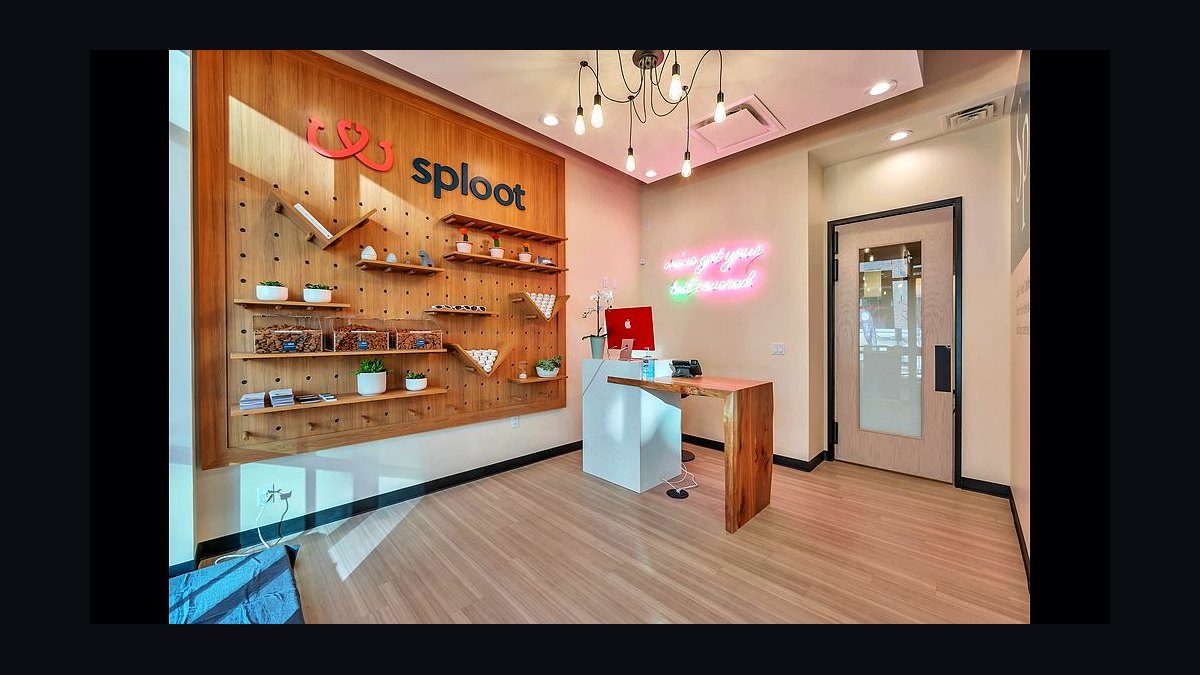
Only if you can staff veterinarians. Sploot Veterinary Care franchises run roughly $500K–$1.5M+ all-in and require employed licensed vets in a market with a severe DVM shortage. Well-capitalized operators in pet-dense urban markets who can recruit and retain doctors do well; everyone else should buy an existing practice instead.
Sploot versus the three real alternatives on the table
Nobody actually chooses between "Sploot" and "nothing." The real decision sits between four paths into veterinary ownership, and the franchise fee is the smallest difference between them.
Path one: open a new Sploot Veterinary Care franchise. You pay a franchise fee in the $50,000–$75,000 range per the current FDD, then carry the buildout yourself. Total Item 7 investment lands somewhere around $500,000 on the low end and can exceed $1,500,000 for a large, design-forward clinic in an expensive metro. Ongoing, you pay roughly 6%–8% of gross in royalty plus about 2% in brand/marketing fund. What you get is a brand identity aimed squarely at millennial and Gen Z pet parents, a practice-management stack you didn't have to buy or integrate, a membership-plan structure already designed, and a site-selection process with someone else's data behind it. What you give up is roughly eight to ten cents of every gross dollar, forever, and meaningful control over how the clinic looks and feels.
Path two: buy an existing independent veterinary practice. This is the path most first-time owners underweight, and it is often the better risk-adjusted trade. An established practice comes with a client list, a revenue history a lender can underwrite, and — critically — *veterinarians who already work there*. In a market where DVM hiring is the binding constraint, acquiring a practice is partly an acqui-hire. Small-animal practices generally trade on a multiple of EBITDA or of adjusted seller's discretionary earnings; smaller one-doctor practices transact at lower multiples than multi-doctor practices, because a one-doctor practice is really just that doctor's job. You avoid the ramp entirely: day one you have revenue. You inherit, in exchange, twenty-year-old dental equipment, paper-adjacent workflows, a client base conditioned to legacy pricing, and possibly a retiring owner-veterinarian whose departure takes a third of the goodwill with them.

Path three: open an independent de novo clinic. Same buildout cost as Sploot — construction, equipment, and lease don't care whose logo is on the door — minus the franchise fee and the royalty. You keep 100% of gross. You also build your own brand from zero, negotiate your own vendor terms without a franchise system's purchasing power, select your own PIMS and pay for your own integrations, design your own wellness-plan structure and figure out its unit economics on your own dime, and eat every mistake in site selection personally. The savings are real: on a $2,000,000 clinic, 8%–10% of gross is $160,000–$200,000 a year. Over a decade that is a house. But the failure rate on de novo clinics run by non-veterinarian first-time operators is where that savings usually goes.
Path four: buy an existing Sploot franchise unit from a departing franchisee. Resales exist in most systems once they mature, and this path splits the difference — you get the brand, the systems, and an existing team, at a price that reflects trailing performance. The catch is availability. With a relatively young system and a modest unit count concentrated in a handful of markets, the odds that a resale exists in *your* target territory in *your* buying window are low. Ask the franchisor for the Item 20 transfer and termination tables; a system with unusual transfer activity relative to its size is telling you something.
How to decide between them

The decision is not really about capital. It's about which of two scarce resources you actually control: money, or veterinarians. Most prospective owners have one and assume the other will follow. It won't.
Run yourself through the sequence honestly. If you cannot name — by first name — at least one licensed DVM who would join you, you are not ready to open a de novo anything, franchise or not. Recruiting a doctor into an unopened clinic with no client base, no reputation, and no colleagues means competing against corporate consolidators who can offer signing bonuses, student-loan assistance, structured mentorship, and a full appointment book on day one. You are asking a doctor to take a career risk on your construction schedule.
The second fork is temperament, not spreadsheet math. Franchising suits operators who genuinely want a playbook and will follow it. It punishes people who chafe at brand standards, want to run their own promotions, or believe they can design a better clinic than the franchisor. If reading the operations manual makes you want to argue with it, you'll pay 8% of gross for the privilege of being annoyed. Conversely, if you've never opened a healthcare facility, never negotiated a medical-equipment lease, and never hired a veterinarian, the playbook is worth more than it costs.
A third consideration people skip: your exit. Franchise units generally sell to a constrained buyer pool — buyers who want that brand, in that territory, and who can qualify with the franchisor. Independent practices sell into a much broader market that includes corporate consolidators, regional groups, and private-equity-backed platforms that have been aggressive acquirers of small-animal practices. If your ten-year plan ends in a sale, an independent multi-doctor practice with clean books is the more liquid asset. If your plan is to hold and hand it to a partner-veterinarian, that difference matters less.
Concrete numbers behind each option

Here is where the paths actually diverge financially. Treat every figure as a modeling range to be replaced with the current FDD's Item 7 and Item 19, plus real quotes from your own contractors and equipment vendors.
The buildout stack for a new Sploot. Franchise fee: $50,000–$75,000. Leasehold improvements and buildout: $250,000–$700,000, and this is the line with the widest variance — a second-generation medical space with existing plumbing runs dramatically cheaper than a cold vanilla shell where you're trenching for floor drains and running medical gas. Medical and diagnostic equipment: $150,000–$450,000, covering digital radiography, ultrasound, in-house chemistry and hematology analyzers, dental units, surgical suite, anesthesia machines, autoclave, and cages. Signage and interior decor: $20,000–$70,000, higher than a traditional clinic precisely because the design-forward look *is* the differentiation. Opening inventory of pharmaceuticals and medical supplies: $15,000–$45,000. Pre-opening and launch marketing: $25,000–$70,000. Training and travel: $15,000–$40,000. Working capital: $80,000–$200,000 — and this is the number most first-timers set too low.
Why working capital is the line that kills people. A new clinic does not fill its schedule in month one. A realistic ramp is twelve to eighteen months to stabilized revenue, during which you are paying full doctor salaries against a partial appointment book. A single associate veterinarian's total compensation — base, production bonus, benefits, license and DEA fees, continuing education, and liability coverage — is a substantial fixed monthly obligation from the day they start, which is *before* you open. Model at least six to nine months of full operating expense on top of the Item 7 total, and get a line of credit approved while your balance sheet still looks pre-construction.

Operating economics at maturity. Veterinary practices generally run gross margins in the 60%–70% band on product and service revenue combined. Doctor compensation is typically the single largest expense at roughly 20%–25% of revenue in a healthy practice — and note that if it's running much higher, either your doctors are underproducing or you overpaid to land them in a tight market. Support staff — credentialed technicians, assistants, client service — commonly lands in the mid-to-high teens as a percentage of revenue. Drugs and medical supplies typically run in the high single digits to low double digits. Occupancy runs 8%–12% depending on your metro and whether you got a tenant-improvement allowance. Add the franchise royalty at 6%–8% and the brand fund at roughly 2%, and the franchise-specific drag is real and permanent.
What lands at the bottom for an owner-operator who is *not* practicing as a veterinarian is commonly a high-single-digit to mid-teens percentage of revenue. On a $2,000,000 clinic that is roughly $160,000–$300,000 before debt service — and debt service on a $1,000,000 SBA 7(a) loan is not trivial. Run the same model at $1,200,000 of revenue, which is where an underperforming unit sits, and the owner distribution goes to approximately zero. That is the real downside case, and it is not rare.
The alternative's numbers. Buying an established two-doctor practice grossing $1,800,000 means you are underwriting real historical cash flow rather than a projection. Your lender will treat it very differently — acquisition financing against provable EBITDA is materially easier to obtain than construction financing against a pro forma. You will pay a multiple that reflects that certainty, and you should absolutely have a veterinary-specific broker or appraiser and a healthcare-experienced CPA run quality-of-earnings work before you sign. The seller's add-backs are where deals go wrong.
The membership variable. Wellness-plan memberships — recurring monthly billing covering exams, vaccines, and routine preventive care — change the shape of the business more than any other single lever. They convert lumpy fee-for-service revenue into a predictable base, they measurably improve compliance on preventive care, and they raise lifetime client value because a member who has already paid for the exam actually shows up for it. They also create a deferred-revenue liability you must account for properly: cash arrives monthly, the service obligation is annual. If you build one independently, price it with an actuary's caution — underpriced wellness plans are a classic way to grow revenue and shrink profit simultaneously.
The veterinarian shortage is the whole ballgame

Every other variable in this decision is downstream of one question: can you keep two to four licensed DVMs employed and reasonably happy in your building?
The profession has a well-documented capacity problem. Pet ownership and spending expanded substantially, the number of graduating veterinarians did not expand proportionally, and the credentialed-technician side is arguably worse — technician turnover and attrition out of the profession are chronic issues driven by compensation and burnout. Corporate consolidators recognized this early and compete for doctors with tools an independent operator or single-unit franchisee struggles to match: multi-location flexibility, structured mentorship for new graduates, student-loan repayment programs, equity participation, and internal relief coverage so nobody works every weekend.
This shapes site selection more than foot traffic does. Proximity to a veterinary college matters — new graduates disproportionately stay near where they trained, and a market within reasonable distance of a veterinary school has a structurally deeper hiring pool than one that doesn't. Cost of living matters, because a doctor carrying substantial educational debt does the rent math before they take your offer. Practice culture matters most of all, and it's the only one a small operator can actually win on: predictable schedules, real technician support so doctors practice at the top of their license, no solo-doctor weekends, and a clear position on how you handle the emotionally brutal parts of the job.

Under-leveraging credentialed technicians is the most common self-inflicted wound. A veterinary technician can legally perform a wide range of clinical tasks under supervision, and a practice where doctors are drawing blood and placing catheters is burning its most expensive labor on work that shouldn't require it. Staffing two-plus credentialed technicians per doctor increases doctor throughput, improves doctor retention, and improves margins simultaneously — it is one of the few levers that moves all three at once.
Also plan explicitly for relief coverage. Relief veterinarians — locum doctors who work per-diem — cost a premium per shift but are the difference between a clinic that closes when someone gets sick and one that doesn't. Build the relationships before you need them.
Implementation details and sequencing
If you commit to opening, the ordering of the work matters more than the speed of it. The single most common sequencing error is signing a lease before securing a doctor, which converts a hiring problem into a burning-rent emergency.
Diligence that actually finds problems. Read the entire FDD, not the summary. Item 19 is where financial performance representations live — and note what it *doesn't* say as much as what it does: whether the figures are gross revenue or net, whether they cover all units or a top-performing subset, and how many units are in the sample. A young system's Item 19 is inherently thin, which is a fact about the risk, not a reason to skip the reading. Item 20 gives you unit counts, openings, closures, terminations, and transfers by year, plus the contact list for current and — critically — former franchisees. Call the former ones. They have no reason to sell you anything.

Ask current franchisees a specific set of questions: how long from signing to opening, how far over the Item 7 estimate did you land, how many months until you covered operating expense, how many doctors are you staffed at versus how many you budgeted for, and what does the franchisor actually do for you that you couldn't buy yourself. That last question separates real support from a logo license.
Site work. Trade-area analysis for a primary-care clinic means household density, household income, pet-ownership propensity, and — importantly — the location of existing clinics and their appointment wait times. A market saturated with clinics but with three-week waits for a wellness appointment is *undersupplied*, not oversupplied. Call competitors as a prospective client and ask for the next available appointment. That single data point is worth more than most demographic reports.
Second-generation medical space is worth hunting for. A former dental office, urgent care, or vacated veterinary clinic already has the plumbing, electrical capacity, and often the floor drains and lead-lined radiology room. The savings can be six figures against a raw shell, and it compresses the construction timeline meaningfully.
Financing structure. Most single-unit veterinary deals get done with SBA 7(a) financing, which typically requires meaningful equity injection and personal guarantees, secured by business assets and often a lien on personal real estate. Equipment can frequently be financed separately, which preserves the loan proceeds for construction and working capital. Get pre-qualified before you sign anything — a lender's diligence on your pro forma is free skepticism, and if a lender who finances veterinary practices for a living won't underwrite your projection, that is information.

Opening and ramp. Soft-open on a deliberately limited schedule. Booking to capacity on week one guarantees a bad first impression from a team that hasn't worked together yet, and in primary care the first fifty client experiences generate the reviews that determine the next five hundred. Local marketing for a clinic is unglamorous and effective: relationships with nearby groomers, boarding facilities, trainers, dog daycares, and shelters and rescues; a functioning Google Business Profile with real photos and fast review responses; and a new-client offer that doesn't devalue your pricing. Referral relationships with the local emergency and specialty hospital cut both ways — they send you the follow-up care, you send them the after-hours cases.
Adjacent expansion. The pet-services ecosystem around a clinic is worth thinking about early, even if you don't build it. Boarding, daycare, grooming, and training operate on very different economics — lower capital, lower margin, no licensure constraint on the core service — and they're natural referral partners rather than competitors. Some multi-unit operators eventually run both, using the clinic as the trust anchor and the services business as the frequency driver. Don't attempt it at the same time. Get one clinic to stabilized revenue and adequately staffed before adding any second concept.
Related questions
Do I have to be a veterinarian to own the franchise?
No — the model is built for a non-veterinarian owner-operator who employs licensed DVMs. But some states restrict veterinary practice ownership through corporate-practice-of-veterinary-medicine rules, requiring specific ownership or management-services-organization structures. Verify your state's rules with a healthcare attorney before signing anything.
Is buying an existing practice really cheaper than opening new?
Not necessarily cheaper — often more expensive up front, because you're paying for goodwill and proven cash flow. It's *less risky*: you skip the twelve-to-eighteen-month ramp, inherit working doctors, and give lenders real financials to underwrite instead of a projection.
How recession-resistant is veterinary care actually?

More resilient than most retail, but not immune. Preventive and elective spending softens in downturns; medically necessary care holds. Practices with strong wellness-membership bases and established client relationships weather it better than those dependent on new-client acquisition and discretionary procedures.
What happens if my lead veterinarian quits in year one?
This is the scenario to plan for explicitly. Without a doctor you cannot see patients, and revenue goes to zero while rent and debt service continue. Mitigate with relief-veterinarian relationships established pre-opening, retention-oriented compensation structures, and enough working capital to survive a ninety-day gap.
Should I open in a market with lots of existing clinics?
Often yes. Competitor density signals pet-owning demand; the real question is capacity. If existing clinics book three weeks out for routine wellness appointments, the market is undersupplied regardless of clinic count. An empty market usually means the demographics don't support a clinic.
FAQ
What's the total realistic cash requirement, not just the Item 7 number?
Budget the Item 7 total — roughly $500,000 to $1,500,000+ depending on market and buildout scope — plus six to nine months of full operating expense as ramp reserve, plus personal living expenses for the same period. Liquid requirements commonly land in the $200,000–$400,000 range with the balance financed. Get a signed lender term sheet before you sign a lease.
Is the franchise royalty worth 6%–8% of gross?
It depends entirely on what you'd otherwise have to build yourself. If you've never opened a healthcare facility, never negotiated medical equipment, never designed a wellness plan, and have no brand — the systems, site-selection support, purchasing terms, and playbook can be worth more than the royalty. If you're an experienced practice manager with a doctor partner and a market you know cold, you're paying meaningfully for less.

How long until the clinic is actually profitable?
Plan on twelve to eighteen months to reach a stabilized appointment schedule, and twenty-four to thirty-six months before you've recovered initial capital in most realistic scenarios. Any projection showing month-six breakeven should be interrogated hard — ask what appointment volume per doctor per day it assumes and whether that's achievable with your planned staffing.
How do wellness memberships actually change the economics?
They convert unpredictable fee-for-service revenue into a recurring base, materially improving cash-flow predictability and preventive-care compliance. The tradeoff is a deferred-revenue obligation and real pricing risk — a plan priced below the cost of the services it covers grows top line while destroying margin. Model member behavior conservatively and assume high utilization, not average.
What's the single biggest reason new veterinary clinics underperform?
Doctor capacity. Revenue in primary care is a function of doctor-hours multiplied by throughput, and throughput depends on technician support. A clinic that budgeted for three doctors and staffed two, with too few credentialed technicians, will miss its pro forma by a wide margin no matter how good the marketing is.
Should I consider a resale unit instead of a new build?
Yes, if one exists in a territory you want — you get the brand and systems with an operating team and trailing financials. The constraint is supply: a young system with a modest unit footprint may have no resale available in your market for years. Ask the franchisor directly about transfer history and any units currently listed.
Sources
- https://www.avma.org/resources-tools/reports-statistics — American Veterinary Medical Association reports and statistics on the profession and workforce
- https://www.ftc.gov/business-guidance/resources/franchise-rule-compliance-guide — FTC Franchise Rule compliance guide covering FDD structure and Items 1–23
- https://www.sba.gov/funding-programs/loans/7a-loans — U.S. Small Business Administration 7(a) loan program terms and eligibility
- https://www.americanpetproducts.org/industry-trends-and-stats — American Pet Products Association industry trends and pet-spending statistics
- https://www.bls.gov/ooh/healthcare/veterinarians.htm — Bureau of Labor Statistics Occupational Outlook Handbook, veterinarians
- https://www.bls.gov/ooh/healthcare/veterinary-technologists-and-technicians.htm — Bureau of Labor Statistics, veterinary technologists and technicians
- https://www.aavmc.org/ — Association of American Veterinary Medical Colleges, accredited program and enrollment data
- https://navta.net/ — National Association of Veterinary Technicians in America, credentialing and workforce resources
- https://www.franchise.org/ — International Franchise Association, franchising research and economic outlook
- https://www.aaha.org/ — American Animal Hospital Association, practice standards and accreditation
Related on PULSE
- Best pet care franchises to start in 2027
- Should I open or buy a Dogtopia franchise in 2027?
- Should I open or buy an AFC Urgent Care franchise in 2027?
- Should I open or buy a Griswold Home Care franchise in 2027?
- Should I open or buy a HomeWell Care Services franchise in 2027?
- Best senior care franchises to buy in 2027
This page will be disappearing soon. Save it to your device for $1 — or read it free while it is here.
@Kory-White- · if Venmo asks, the last 4 of my number are 2012
This page is gone.
This one is off the shelf now. $1 keeps it on your phone for good — the whole page, pictures and diagrams included.
 franchiseShould I open or buy a Big O Tires franchise in 2027?
 franchiseShould I open or buy a Rita's Italian Ice franchise in 2027?
 franchiseShould I open or buy a Domino's franchise in 2027?
 franchiseShould I open or buy a Supercuts franchise in 2027?
 frShould I open or buy a McDonald's franchise in 2027?
 franchiseShould I open or buy a Dairy Queen franchise in 2027?
 franchiseShould I open or buy a UPS Store franchise in 2027?
 franchiseShould I open or buy an Auntie Anne's franchise in 2027?
 franchiseShould I open or buy a Smoothie King franchise in 2027?
 franchiseShould I open or buy a Servpro franchise in 2027?