


Should I open or buy a Wild Birds Unlimited franchise in 2027?
Quality
Certified
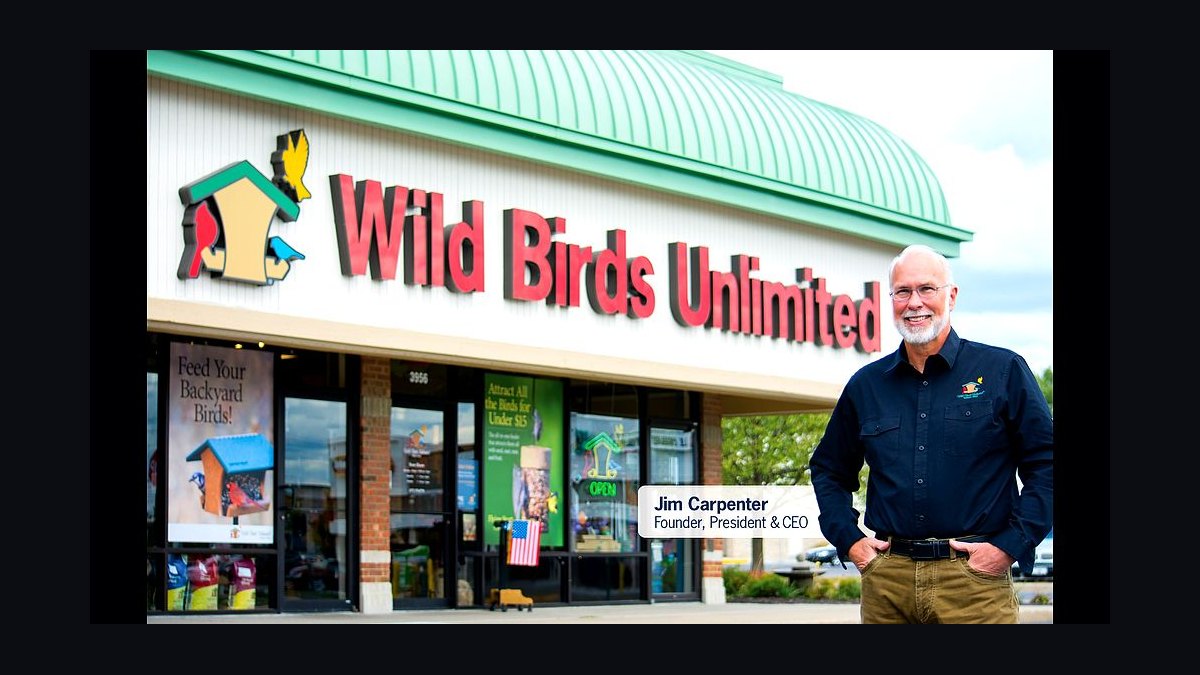
Opening a Wild Birds Unlimited franchise in 2027 makes sense for a retail-minded operator who genuinely loves the hobby and wants a specialty-retail business with a loyal, repeat-buying customer base. Expect a total investment of roughly $200,000-$400,000, mature revenue of $500,000-$1,200,000+, and owner earnings of $60,000-$180,000, driven mostly by recurring bird seed sales rather than one-time purchases.
A Concrete Scenario That Frames The Problem
Picture a prospective owner in a mid-size suburban market — say a metro area of 150,000-400,000 people with a healthy stock of single-family homes with yards. She has $90,000 in liquid capital, a background in retail management, and a personal passion for backyard birding that started during the pandemic. She's comparing a Wild Birds Unlimited franchise against opening an independent bird-and-nature store, or buying an existing WBU location from a retiring owner. The franchise route gives her a proven store format (1,500-2,500 square feet), a supply chain for proprietary seed blends, training on merchandising and species-specific product knowledge, and a recognized brand that's operated since 1981. The independent route gives her full control and no royalty, but she'd have to build sourcing relationships, brand recognition, and an operations playbook from zero. This is the actual decision Wild Birds Unlimited franchising presents in 2027: pay for a system that converts hobbyist passion into repeat retail revenue, or build that system yourself. For most first-time specialty retailers, the franchise fee and royalty buy meaningfully faster time-to-competence, which matters because retail margins punish operators who are still learning merchandising and inventory discipline in year one.
The decision gets sharper when she models a existing-location purchase instead of a new build. Buying an established Wild Birds Unlimited store sidesteps the 6-12 month build-out and ramp period entirely — she inherits an active customer list, a track record of seasonal sales, and existing vendor terms. But she also inherits whatever territory erosion, deferred maintenance, or customer-relationship gaps the prior owner left behind. Either path — open new or buy existing — requires the same underlying question: does this specific market have enough backyard-bird-feeding households within a realistic drive-time radius to support $500,000+ in annual specialty retail sales, and can she personally become the trusted local expert those customers expect.
How The Wild Birds Unlimited Model Actually Works
The mechanism behind Wild Birds Unlimited's economics is straightforward but easy to underestimate: the business is built around a consumable, not a durable good. A customer buys a $40-$150 feeder once, but they return every 3-6 weeks to refill on seed, suet, and accessories — and that recurring seed purchase is what turns a one-time transaction into a loyal, repeat-visit relationship. The franchisor's proprietary seed blends (region-specific mixes formulated for local bird species) are the anchor product; feeders, houses, baths, and optics are the higher-margin, lower-frequency add-ons that get sold alongside the recurring seed run.
This recurring-purchase engine is also what differentiates Wild Birds Unlimited from a generic pet-supply or garden-center competitor: those stores treat bird feeding as one category among many, while a WBU store's entire staff, layout, and customer relationships are built around it. Store associates are trained to diagnose a customer's yard (tree cover, predator pressure, regional migratory patterns) and recommend the right feeder-and-seed combination, which builds the kind of expert trust that keeps a customer coming back rather than buying a bag of generic seed at a big-box store. That trust compounds over time — a customer who gets good advice in year one becomes a customer who refers neighbors and returns for years, which is the actual mechanism behind the $500,000-$1,200,000+ mature-store revenue range.
The franchisor's role in this loop is supply-chain and training, not marketing magic: it sources and formulates the proprietary seed blends, negotiates feeder and accessory product lines, and trains new owners on species knowledge and retail merchandising. The 4%-5% royalty and roughly 1%-2% marketing fee fund that ongoing support plus brand advertising, but the actual revenue engine — the recurring seed relationship — depends entirely on how well the local owner and staff execute the expert-advice loop above. A franchise that treats the seed aisle as a commodity rather than a relationship-builder will underperform the benchmark numbers regardless of brand strength.
Real Numbers, Ranges, And Benchmarks For 2027
The 2026 FDD lists a franchise fee of roughly $40,000-$50,000, and total Item 7 investment typically lands between $200,000 and $400,000 once build-out, inventory, equipment, signage, initial marketing, training travel, and working capital are included. Build-out and leasehold improvements for a retail fit-out run $80,000-$180,000 depending on whether the space needs significant construction. Initial inventory — feeders, seed, and accessories to stock a full retail floor — typically requires $50,000-$100,000, with equipment and fixtures (shelving, point-of-sale systems) adding another $20,000-$50,000. Signage and interior decor to match the brand's visual identity run $12,000-$35,000, initial grand-opening marketing costs $10,000-$25,000, training and travel for the operator runs $8,000-$20,000, and working capital to cover the ramp period should be budgeted at $20,000-$50,000.

On the revenue side, mature stores (generally defined as locations operating 3+ years) gross $500,000 to $1,200,000 or more annually, with owner earnings in the $60,000-$180,000 range after cost of goods, labor, occupancy, and franchise fees. A useful rough model: cost of goods sold runs near 50% of gross revenue (typical for specialty retail carrying branded consumables), staff costs around 16%, occupancy around 10%, and the combined royalty-plus-marketing fee around 6%, leaving roughly 18% of gross as pre-tax owner earnings before other operating expenses. On $700,000 in gross revenue, that's approximately $126,000 before miscellaneous overhead — consistent with the stated $60,000-$180,000 owner-earnings range once location-specific costs are applied.
Inventory carrying costs deserve their own line item because of the seasonality discussed below: expect to hold $50,000-$90,000 in inventory at peak season, with seed alone accounting for 40%-50% of that value. Seed costs have risen roughly 15%-25% since 2020 due to inflation and agricultural supply-chain pressure, which compresses margin for owners who don't manage markdowns and rotation carefully — annual spoilage from moldy seed or damaged feeders runs 2%-5% when stock isn't rotated properly, but can run higher if an owner over-orders ahead of a peak season that underperforms.
For territory and real estate, expect $2,500-$4,500 per month in rent for a well-positioned 1,500-2,500 square foot space in a grocery-anchored or outdoor-lifestyle retail corridor, plus common-area maintenance. Franchise agreements typically grant a protected territory based on a 2-5 mile radius or a defined zip-code cluster, though some newer agreements allow the franchisor to place non-competing formats (kiosks, seasonal pop-ups) inside that territory — worth reading closely in Item 12 of the FDD before signing.
Trade-Offs And Alternatives

The central trade-off in a Wild Birds Unlimited franchise decision is retail intensity versus niche loyalty. On the upside, the business benefits from a passionate, low-churn customer base, a recurring consumable product that drives predictable repeat traffic, a heritage brand operating since 1981 with established supplier relationships, and comparatively low direct competition since few retailers specialize this narrowly in backyard birding. It's also a genuine lifestyle business for an owner who enjoys the hobby — many successful franchisees describe the job as "getting paid to talk about birds with people who love birds as much as I do."
On the downside, the business carries full retail overhead: a physical lease, inventory risk, part-time staff management, and the general margin pressure that comes with selling physical goods rather than services. The addressable market has a real ceiling — backyard bird feeding is a sizable niche but not a mass-market category, which caps how large any single location can realistically grow regardless of execution quality. And unlike some franchise categories, success depends heavily on the owner personally becoming a credible local expert on species, seed formulations, and feeder maintenance; an owner who can't build that credibility will struggle even in a demographically favorable market.
Alternatives worth weighing against a Wild Birds Unlimited franchise include adjacent pet-supply or specialty-retail franchise concepts, which trade some of the birding niche's charm for a broader (and more competitive) addressable market; other hobby-and-niche retail franchises with similar recurring-consumable economics; an independent bird-and-nature store, which offers full control and no royalty but requires building supplier relationships and brand trust from scratch; and general pet-care franchise concepts, which sit in an adjacent but distinct niche with different unit economics. For a buyer specifically drawn to the recurring-consumable, passionate-niche model, few franchise categories replicate Wild Birds Unlimited's combination of brand heritage and repeat-purchase mechanics as closely as a competing bird-and-wildlife specialty concept would, which is part of why the resale market for existing WBU locations — typically 8-15 listings available at any given time — tends to attract buyers who are already committed to the niche rather than generalist franchise shoppers.
Common Pitfalls And How To Avoid Them
The most common pitfall is underestimating seasonality and mismanaging inventory cash flow as a result. Wild Birds Unlimited sales peak from late March through June (spring migration and nesting) and again from September through November (fall feeding and holiday gifting), with winter months often strong in snow-heavy regions and summer (July-August) typically seeing a 20%-40% drop in foot traffic. New owners who don't stock ahead of each peak — tying up cash for 60-90 days before the seasonal sales materialize — end up either stocked out during the highest-margin weeks of the year or overstocked heading into the summer slowdown. The fix is disciplined pre-season ordering based on the prior year's sell-through data, and using the slower summer months productively for staff training, store maintenance, and local birding-club outreach rather than treating them as dead time.

A second pitfall is treating the seed aisle as a commodity rather than the relationship-building mechanism it actually is. Owners who staff the register with clerks instead of trained bird-knowledgeable associates lose the expert-advice loop that differentiates Wild Birds Unlimited from a big-box competitor selling generic seed at a lower price — and once a customer defects to cheaper generic seed, the recurring-visit relationship that drives the whole revenue model breaks. Training every associate to diagnose a customer's yard and recommend the right product combination is not optional polish; it's the core retention mechanism.
A third pitfall is buying an existing location without verifying territory integrity. Some resale candidates have had their effective territory eroded by newer franchise openings nearby or by online fulfillment from the corporate store cutting into local sales — a buyer who doesn't check whether the territory has been quietly compressed since the original agreement can overpay for a customer base that's smaller than the historical financials suggest. Reading Item 20 of the current FDD alongside the specific location's trailing three years of sales, not just its stated territory boundaries, catches this before closing.
A fourth pitfall is underestimating the labor intensity of the lifestyle-business pitch. Most franchisees work 45-55 hours per week during peak seasons, dropping to 30-40 in slower months, managing 2-4 part-time staff while also handling inventory, merchandising, and customer education personally. Owners who expect a passive or semi-passive retail investment are consistently disappointed; this is a hands-on operating business first and a hobby-adjacent lifestyle business second.
Related questions
How long does it take to open a Wild Birds Unlimited franchise from signing?

Opening typically takes 6 to 12 months from signing, covering site selection, lease negotiation, build-out, and training. Buying an existing location shortcuts most of this timeline since the store, staff, and customer base already exist.
What ongoing fees does a Wild Birds Unlimited franchise carry?
Owners pay a royalty of roughly 4%-5% of gross sales plus a marketing fee around 1%-2%. These fund brand advertising, proprietary seed sourcing support, and ongoing operational guidance from the franchisor.
Is backyard bird feeding a seasonal or year-round business?
It's seasonal but not dormant — spring and fall are peak, summer dips 20%-40%, and winter stays strong in snow-heavy regions. Recurring seed purchases keep some repeat traffic flowing across all four seasons.
What's the resale market like for existing Wild Birds Unlimited stores?
Moderate: typically 8-15 listings available at any time, with most selling within 6-12 months at 2.5-4 times annual seller's discretionary earnings. The niche limits the buyer pool mostly to committed birding enthusiasts.
FAQ
What is the total investment range for a Wild Birds Unlimited franchise in 2027? The total initial investment typically falls between $200,000 and $400,000, covering the franchise fee, build-out, initial inventory, equipment, signage, and working capital. Actual cost depends heavily on store size, local construction requirements, and lease terms.
How much can I expect to earn as a franchise owner?

Mature stores generally generate annual gross revenue of $500,000 to $1,200,000, with owner net income ranging from $60,000 to $180,000. Earnings vary based on location, local demographics, and how well the owner executes the recurring-seed, expert-advice retail model.
What ongoing fees does the franchise require? Owners pay a royalty of roughly 4%-5% of gross sales, plus a marketing fee typically around 1%-2%. These support brand advertising, proprietary product sourcing, and continued operational guidance.
How seasonal is the bird-feeding business, and how should I plan inventory around it? Peak season runs late March through June and again September through November, with summer often 20%-40% slower. Owners need to stock ahead of each peak, tying up $50,000-$90,000 in inventory at high points, then use slow months for maintenance and community outreach.
What does a typical exit look like for a Wild Birds Unlimited owner? Mature franchises typically sell for 2.5-4 times annual seller's discretionary earnings, meaning a store clearing $70,000-$150,000 in owner income might sell for $175,000-$600,000. Transfers require franchisor approval and a transfer fee, often around 50% of the current franchise fee.
What support does Wild Birds Unlimited provide to new owners? The franchisor offers initial training, site-selection assistance, store design guidance, proprietary seed sourcing, and ongoing marketing support, along with a network of experienced owners. Local market knowledge and community relationships, however, are built by the individual owner over time.
Sources
- https://www.wbu.com
- https://www.entrepreneur.com/franchises/directory
- https://www.ftc.gov/business-guidance/resources/franchise-disclosure-document-fdd
- https://www.ibisworld.com
- https://www.statista.com
- https://www.franchisebusinessreview.com
- https://www.franchise.org
- https://www.census.gov
- https://www.sba.gov/business-guide/plan-your-business/franchise-your-business
Related on PULSE
This page will be disappearing soon. Save it to your device for $1 — or read it free while it is here.
@Kory-White- · if Venmo asks, the last 4 of my number are 2012
This page is gone.
This one is off the shelf now. $1 keeps it on your phone for good — the whole page, pictures and diagrams included.
 franchiseShould I open or buy a Bahama Breeze franchise in 2027?
 franchiseShould I open or buy a Primrose Schools franchise in 2027?
 franchiseShould I open or buy a Matco Tools franchise in 2027?
 franchiseShould I open or buy a Mathnasium franchise in 2027?
 franchiseShould I open or buy an Ace Hardware franchise in 2027?
 franchiseShould I open or buy a Kona Ice franchise in 2027?
 franchiseShould I open or buy a Marco's Pizza franchise in 2027?
 franchiseShould I open or buy a Jimmy John's franchise in 2027?
 franchiseShould I open or buy a Chipotle franchise in 2027?
 franchiseShould I open or buy a Valvoline Instant Oil Change franchise in 2027?