
What are the best med spa franchise opportunities to buy in 2027?
 Curated byKory White · Fractional CRO · Maryland
 PULSEKNOWLEDGE LIBRARY
Quality
Certified
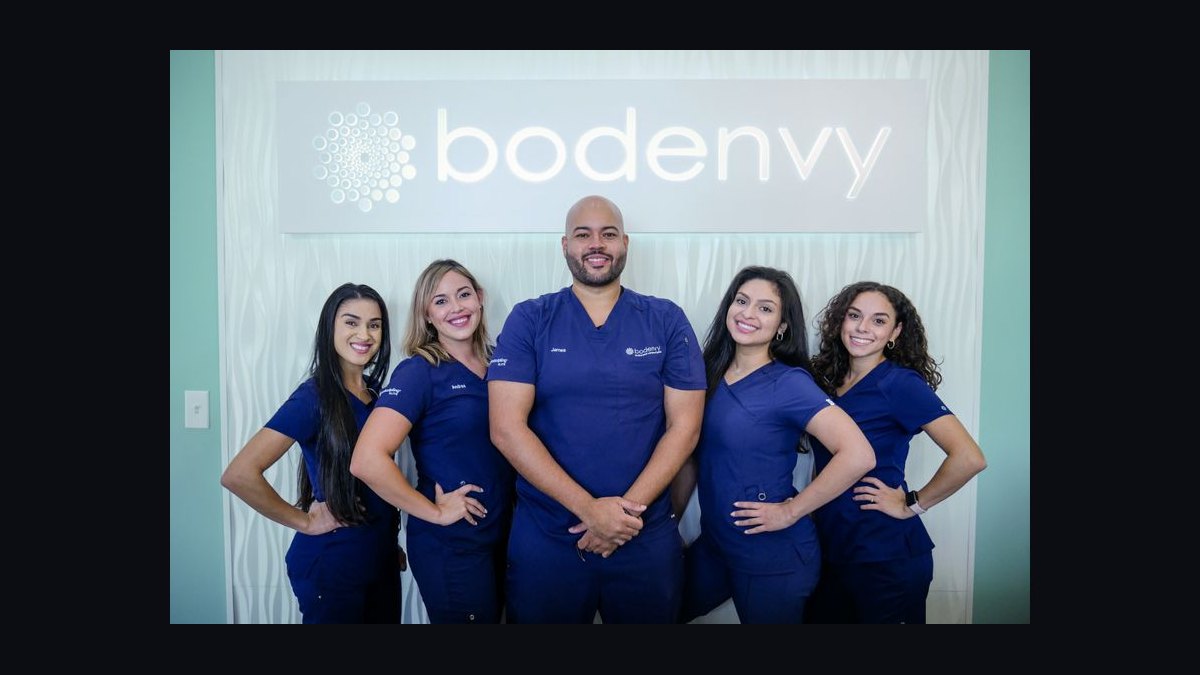
The best med spa franchise opportunities to buy in 2027 are established injectable-and-laser brands with transparent Item 7 investment ranges, a working medical-director structure, and disclosed unit economics — names like dermani MEDSPA and Sōna Dermatology & MedSpa, whose FDDs show roughly $382,000 to $861,000 all-in. Verify supervision law, Item 19, and your state's corporate-practice rules before signing.
A buyer's scenario: the spreadsheet that was wrong by $180,000
Picture a buyer — a former regional medical-device sales director with $350,000 in liquid capital and a home-equity line behind it. She reads that a med spa franchise runs "about $400,000," pencils out a 2,000-square-foot suite in a growing suburb, assumes an SBA 7(a) loan covers 80% of it, and starts touring spaces. Nine months later she is open, undercapitalized, and burning her line of credit to make payroll. Nothing she read was false. It was just incomplete in three specific places, and those three places are where nearly every first-time med spa franchise buyer loses money.
The first gap is the bottom versus the top of the disclosed range. Franchise Disclosure Document Item 7 gives a low and a high estimate, and buyers habitually plan against the low. dermani MEDSPA's recent FDD reporting shows an estimated initial investment of roughly $386,000 to $796,000, with some trackers citing a wider band of $436,000 to $861,000. Sōna Dermatology & MedSpa has historically disclosed a $60,000 initial franchise fee against total investment in the $382,000 to $747,500 range. That spread — often $350,000 or more between floor and ceiling — is not franchisor hedging. It is the honest difference between a second-generation medical suite in a Midwest secondary market and a raw shell in a coastal metro requiring full plumbing, electrical, and HVAC work. Ask the franchisor which end of the range the last five openings actually landed on, and in what kind of markets. If the answer is vague, assume the top.
The second gap is the medical layer. A med spa is not a spa with a laser in the back room; it is a healthcare delivery site with a retail front end. Injectables, ablative and non-ablative lasers, prescription-grade peels, and most body-contouring modalities are medical procedures. That means a licensed physician has to be in the ownership or supervision chain, and in many states the corporate practice of medicine doctrine bars a non-physician from owning the entity that renders those services at all. The workaround is a management services organization structure: the physician owns the professional entity, your entity owns everything else and contracts to manage it. That structure is legal and common, but it is also the thing that gets built wrong, and rebuilding it after you have signed a fifteen-year lease is expensive.
The third gap is working capital measured against ramp, not against opening day. A med spa's revenue engine is a membership base, and membership bases compound slowly. A location that will eventually run 500 members at $150 a month does not have 500 members in month three. It has 60. Meanwhile rent, the medical director retainer, licensed injector salaries, and equipment leases are all running at full freight from day one. The realistic question is not "can I fund the buildout" but "can I fund eighteen months of a fixed cost base while a variable revenue base climbs to meet it." Our buyer funded the first and not the second.
Broaden the frame slightly and the same failure pattern shows up across the adjacent categories buyers cross-shop — dental service organizations, IV hydration and wellness clinics, hormone-optimization and men's health franchises, weight-management clinics riding the GLP-1 wave. All of them are clinical-retail hybrids. All of them carry a supervision requirement, a specialized buildout, and a subscription revenue model that ramps on a curve. If you learn to underwrite one of them properly, you can underwrite all of them, which is worth remembering when you compare offers.
How the ownership and supervision mechanism actually works
Understanding the med spa structure means separating three things that buyers routinely collapse into one: who owns the business, who owns the medical practice, and who supervises the individual treatment.
The franchisor sells you a license to a brand, an operating system, a supplier network, a marketing program, and a training curriculum. It does not — and legally cannot, in most states — sell you the right to practice medicine. That right attaches to a licensed individual. So the structure separates.
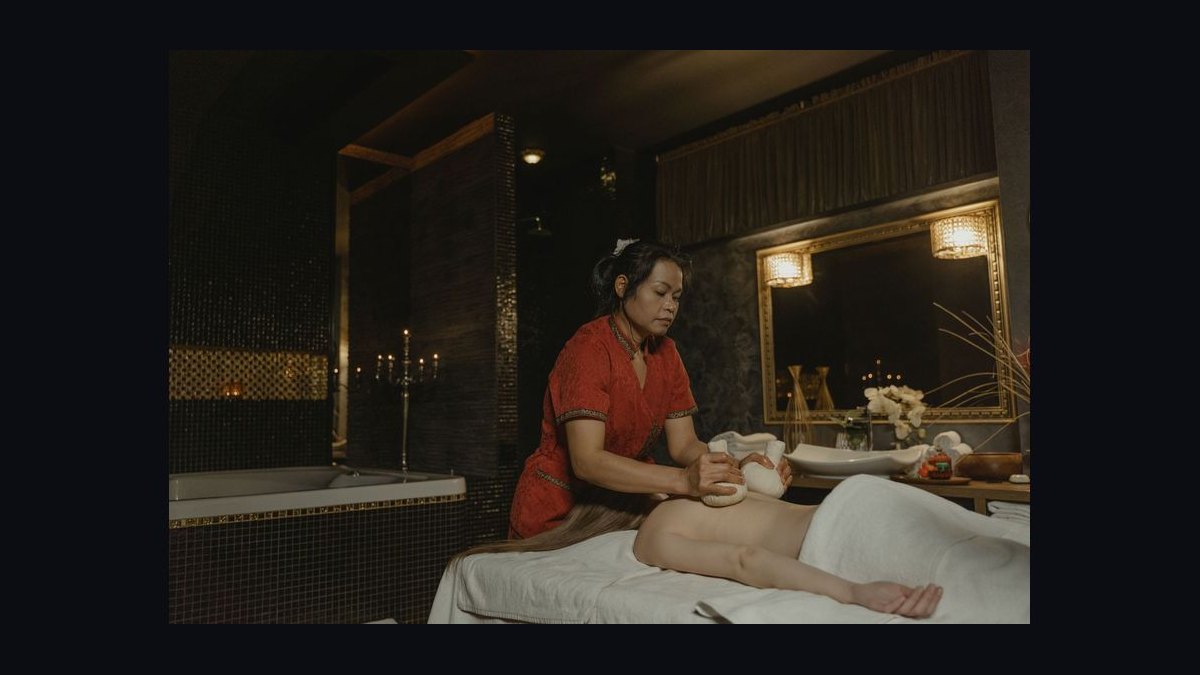
In a permissive state, you may be able to own the operating entity directly and contract with a physician medical director who provides oversight, protocol approval, chart review, and standing orders under a written supervision agreement. In a strict corporate-practice state, you form two entities: a professional corporation or PLLC owned by the physician, which employs or contracts the injectors and holds the clinical liability, and a management company owned by you, which holds the lease, the equipment, the franchise agreement, the staff on the non-clinical side, and the brand license. The management company charges the professional entity a fair-market management fee for administrative services. The fee has to be genuinely fair-market and not a disguised split of professional revenue, because fee-splitting and kickback rules exist precisely to police that boundary.
Below the ownership layer sits the delegation layer. Even where a physician is properly in the chain, states differ on who may actually hold the syringe or fire the laser — physician only, physician assistant or nurse practitioner under collaborative agreement, registered nurse under direct or indirect supervision, or in some states a licensed aesthetician for a narrow set of non-medical modalities. States also differ on whether the good-faith exam establishing the patient relationship can be done by telehealth or must be in person, and whether the supervising physician must be physically on site, within a defined travel radius, or merely reachable. Every one of those variables changes your staffing cost and your scheduling flexibility.
The practical consequence is that two franchisees of the same brand, in two states, running the same square footage and the same equipment package, can have materially different cost structures and materially different legal exposure. The brand's operations manual will not resolve this for you. A healthcare licensing attorney in your specific state will. Budget for that review before you sign anything — it is a five-figure expense that routinely prevents a six-figure mistake.

Real numbers: what the leading brands disclose and what the disclosures leave out
Start with the documented figures, then layer on the costs that live outside Item 7.
dermani MEDSPA. Founded in 2013, the brand's recent FDD reporting shows an estimated initial investment of roughly $386,000 to $796,000, with some franchise trackers publishing a wider $436,000 to $861,000 band. The range covers construction and leasehold improvements, the aesthetic equipment package, opening inventory, and an initial operating-expense allowance. The brand offers design and construction management support, which shortens the build timeline but adds a markup over the raw contractor cost.
Sōna Dermatology & MedSpa. Disclosed initial franchise fee around $60,000 for a term in the fifteen-year range, with total investment historically disclosed between $382,000 and $747,500 for a new center. Sōna's positioning leans more dermatology-adjacent than pure aesthetics, which changes the service mix and the physician relationship.
The adjacent tier. Beauty and wellness concepts without the medical layer — waxing brands like Radiant Waxing, lash and brow studios, massage and stretch franchises — enter at a fraction of that capital, often well under $300,000 all-in and sometimes under $200,000. They trade lower average ticket for dramatically lower regulatory burden and faster buildout. For a buyer whose real goal is recurring beauty-category revenue rather than injectables specifically, this tier deserves a serious look rather than a dismissal.

Now the costs that Item 7 handles inconsistently or not at all.
Medical director compensation. This is the single most underestimated line. Depending on state and market, a med spa's medical director arrangement commonly runs somewhere in the range of a few thousand dollars a month at the low end to five figures monthly where physician equity or heavy involvement is required — plausibly $30,000 to $120,000 a year all-in once you include retainer, any per-procedure component, and the physician's malpractice coverage. In markets thick with med spas, competition among physicians for director roles softens the retainer. In restrictive states where the physician must hold meaningful equity, you are not paying a fee at all — you are giving up a slice of the business, and that slice is permanent. Ask the franchisor whether it maintains a vetted medical-director network by state; brands that do can save you months of search and a bad first hire.
Supervision capacity limits. Several states cap how many locations a single physician may oversee. If the brand's model assumes you share a director across a market, you inherit a queueing problem: when that physician hits capacity, your opening waits. Ask directly how many franchise locations each network physician currently covers.
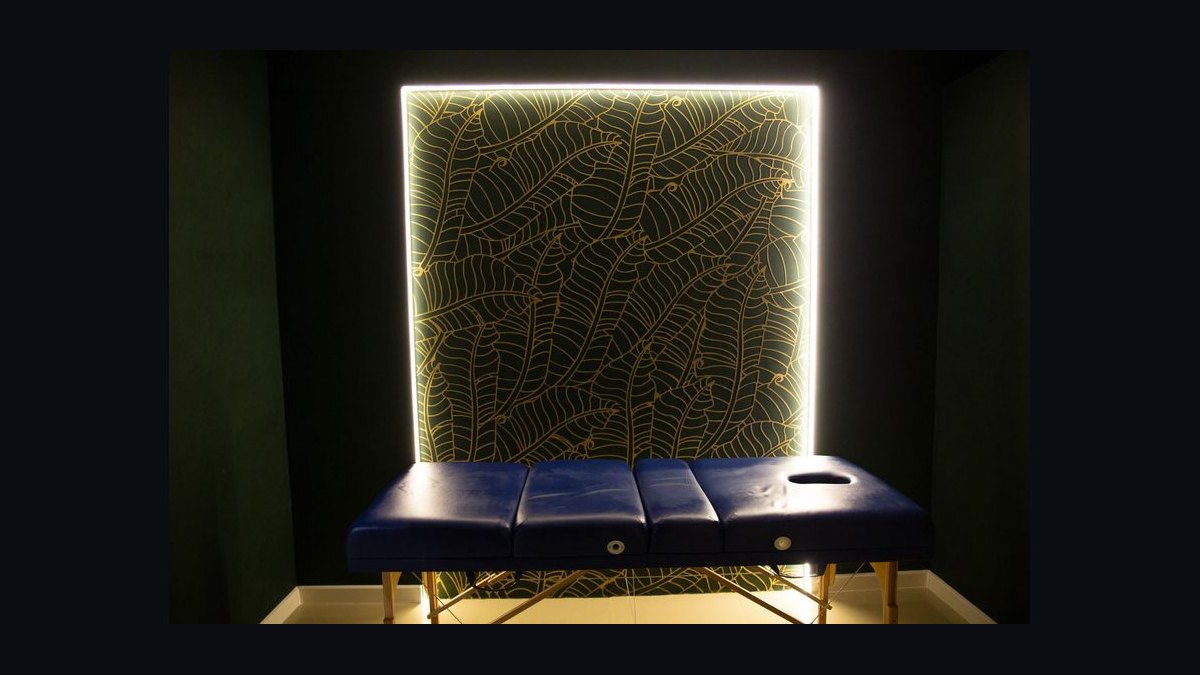
Buildout intensity. Medical-grade space costs substantially more per square foot than retail spa space — commonly in the $150 to $300 per square foot range against $50 to $100 for a standard spa fit-out. On 2,000 square feet that is a $300,000 to $600,000 construction line before equipment. The drivers are specific and quotable: plumbing and drainage in every treatment room, dedicated high-voltage circuits for laser and radiofrequency devices, a separate HVAC zone to hold temperature and humidity for device tolerances and product storage, and ADA plus medical-code items like corridor widths and fire suppression. Each of those is a line a general contractor will happily under-scope if you let them bid off a generic retail plan.
Lease terms. Landlords have learned what medical tenants are. Expect a medical-use clause that constrains sublease and assignment, and expect a security deposit well above the standard one to two months' rent because the improvements are so use-specific. Tenant improvement allowances swing hard by market — thin in hot metros, generous in secondary markets, occasionally full build-to-suit in exchange for higher base rent. A commercial broker who specializes in medical and healthcare leases earns their fee here several times over.
Equipment lifecycle. Lasers and body-contouring platforms are capital assets with service contracts, consumable handpieces, and replacement cycles. The purchase price is the beginning of the cost, not the end. Ask existing franchisees what their annual service and consumable spend runs per device, and whether the franchisor's approved-vendor list locks you into a single manufacturer's pricing.
Working capital. Whatever the FDD's initial-operating-expense line says, model it independently against your own ramp curve. Build a month-by-month model where fixed costs run at 100% from month one and membership revenue climbs on a realistic acquisition assumption. The gap between those two lines, summed until they cross, is your true working capital requirement.

Trade-offs: membership economics, brand tier, and the alternatives worth cross-shopping
The financial backbone of a med spa is the membership program, and the trade-offs inside it deserve as much scrutiny as the franchise agreement.
The appeal is obvious. Memberships convert episodic aesthetic purchases into predictable monthly cash flow, smooth the seasonality that otherwise wrecks a spa's Q1, and raise lifetime value dramatically — a member retained eighteen months is worth multiples of a one-off injectable client. Typical tiers run roughly $99 to $299 a month and bundle some combination of units of neurotoxin, treatment credits, a monthly facial, and a standing discount on everything else. Five hundred members at $150 is $75,000 in monthly recurring revenue before a single retail product or add-on sells.
The offsetting reality is churn and acquisition cost. Med spa memberships churn faster than gym memberships because the purchase is discretionary, the results are visible and therefore satisfying enough to pause, and life events — pregnancy, relocation, a tightened budget — interrupt them cleanly. If you lose a mid-single-digit percentage of your base monthly, standing still requires a continuous acquisition program, not a launch campaign. And acquisition is not cheap: paid social, local search, and influencer partnerships in aesthetics are competitive channels, and cost per acquired member is typically a multi-hundred-dollar figure that pays back over several months, not immediately. That payback lag is a cash-flow event, and it compounds during ramp when you are acquiring hardest.
Three design choices separate the membership programs that work from the ones that stall. First, a genuinely low-friction entry tier that a price-sensitive prospect will try — the point of the bottom tier is not margin, it is getting someone onto a recurring billing relationship. Second, a deliberate upgrade ladder, so a member at the entry tier has a scripted reason to move up at six months rather than sitting flat forever. Third, honest lifetime-value tracking by cohort, so you learn whether your month-nine retention is actually holding before you spend another quarter's marketing budget on the same acquisition channel.
There is also a compliance dimension to memberships that generalist franchise attorneys miss. Prepaid service contracts sit at the intersection of state consumer-protection law, automatic-renewal statutes, and medical practice rules. Some states constrain how far in advance you may bill for unrendered medical services, or require specific disclosure and cancellation language. Getting this wrong is not a marketing problem — it is an attorney general or medical board problem, and both are ruinous for a single-location operator.
Cross-shop honestly. The med spa premium — the extra $200,000 to $500,000 of capital and the entire regulatory apparatus — only pays back in a trade area that will genuinely support injectable and laser pricing at volume. Household income, age distribution, competitive density, and the local normalization of aesthetic treatment all matter more than raw population. In a market that will not support it, a waxing or massage franchise on a third of the capital may produce a better return on invested equity with a fraction of the legal exposure. That is not a consolation prize; it is a legitimate answer to the underwriting question.
Also worth cross-shopping: the emerging clinical-retail categories that share the med spa's structure. IV hydration and wellness clinics, hormone and men's health franchises, and weight-management concepts built around GLP-1 prescribing all use the same MSO scaffolding and the same membership logic, often at lower buildout cost because they need fewer specialized devices. They carry their own regulatory questions — telehealth prescribing rules, compounding-pharmacy sourcing, supply reliability — but if you have already done the work to understand supervision structures, evaluating them is incremental rather than starting over.

Common pitfalls and how to pressure-test before you sign
Work through these deliberately, in order, and document the answers.
Pitfall: reading a stale investment range. Published cost figures circulate for years after the FDD they came from. Cited bands for the leading med spa brands span roughly $382,000 to $861,000 depending on brand and source vintage. Request the current FDD directly from the franchisor and read Item 7 in the actual document. Then ask for the actual all-in cost of the three most recent openings.
Pitfall: assuming an Item 19 exists. Franchisors are not required to publish a financial performance representation. If Item 19 is absent, no one at the franchisor may legally give you revenue projections — and if a salesperson does anyway, that is a disclosure violation and a reason to walk. If Item 19 is present, read what it actually measures: gross revenue only, or revenue with cost lines; all units or a flattering subset; mature units only or all units including ramp-stage ones. A top-quartile-only average is not a forecast for your first year.
Pitfall: skipping Items 3 and 20. Item 3 discloses litigation. Item 20 discloses unit counts, openings, closures, terminations, and transfers, plus the contact list for current and former franchisees. Transfers and terminations are the tell — a brand with steady openings and equally steady exits is churning operators. Call the former franchisees, not just the reference list the franchisor volunteers. Ask them the one question that gets honest answers: knowing what you know now, would you sign again?
Pitfall: a vague answer on medical compliance. If the franchisor cannot explain, concretely and specifically, how its model satisfies your state's corporate-practice and supervision rules — which entity holds what, who signs the supervision agreement, who carries the malpractice coverage, how the good-faith exam is performed — that is disqualifying. Not a concern to resolve later. Disqualifying. Bring your own healthcare licensing attorney and have them read the franchise agreement alongside the FDD, because the two documents together determine whether the structure actually works where you live.
Pitfall: under-scoping the buildout bid. Get a contractor who has built medical space before, and have them bid off a real plan set with the treatment-room plumbing, device electrical, HVAC zoning, and code items itemized separately. A retail-experienced GC bidding a generic fit-out will come in low and change-order you to the real number after you have signed the lease.
Pitfall: financing the buildout but not the ramp. SBA 7(a) lending is common in this category and lenders are familiar with it, but a loan sized to construction and equipment leaves the operating gap to you. Size the facility to cover the runway, or hold the difference in reserve, and stress-test against a slower membership ramp than the pro forma assumes.
Pitfall: hiring the injector last. Licensed injectors — nurse practitioners, physician assistants, experienced RNs — are the constrained resource in this business, and a great one carries a personal client following while a mediocre one produces complications and refunds. Start recruiting before you have a certificate of occupancy. Compensation for strong injectors is competitive and frequently includes commission on treatment revenue; model that as a variable cost against your membership pricing, because a bundled membership that looked profitable on paper can go negative once injector commission and product cost are both loaded against it.
Pitfall: treating the franchisor's marketing fund as your marketing plan. The brand fund typically buys national or regional brand presence. Local acquisition — the paid social, local search, events, and partnerships that actually fill your appointment book — is usually a separate local-spend requirement on top of the fund contribution, and it is the line that determines whether your ramp curve is steep or flat. Read Items 5, 6, and 11 together to see the full marketing obligation, and confirm with existing franchisees what they actually spend locally versus what the agreement requires as a minimum.
Pitfall: single-unit thinking in a multi-unit category. Much of the profit in clinical-retail franchising comes from spreading a medical director, a marketing spend, an administrative back office, and an area manager across three or four locations rather than one. If you intend to grow, negotiate development rights and territory protection at the first signing, when you have leverage. Buying a second territory later, after the first unit proves out, is routinely more expensive — and sometimes impossible if the market has been sold underneath you.
Related questions
Do I need to be a physician to buy a med spa franchise?
Usually no. Most states permit non-physician ownership of the business entity as long as a licensed physician owns or supervises the professional side, typically through an MSO structure. A minority of states require physician equity. Confirm your specific state with a healthcare licensing attorney before signing.
Can a med spa franchise be run semi-absentee?
Yes, with a strong clinic manager, a reliable medical director, and disciplined KPI reporting. But the clinical and regulatory stakes are higher than a typical service franchise, and compliance failures are the owner's problem regardless of who was on site. Read Item 15 of the FDD carefully.
How long until a new med spa location breaks even?
It depends almost entirely on membership ramp against a fixed cost base that runs at full rate from opening day. Model month by month rather than annually, assume a slower acquisition curve than the pro forma, and hold working capital for the gap.
What is the best alternative if I can't fund a med spa?
Adjacent beauty and wellness franchises — waxing, lash, brow, massage, stretch — enter at a fraction of the capital with no medical supervision layer, faster buildout, and simpler staffing. Lower average ticket, but often stronger return on the equity actually at risk.
Which FDD items matter most for a med spa specifically?
Item 7 for the real investment range, Item 19 for any financial performance representation, Items 3 and 20 for litigation and unit churn, Items 5, 6 and 11 for royalties and total marketing obligation, and Item 15 for whether absentee ownership is even permitted.
FAQ
How much does a med spa franchise cost in 2027?
The leading disclosed brands cluster in a broad six-figure band. dermani MEDSPA has reported an estimated initial investment of roughly $386,000 to $796,000, with some trackers citing $436,000 to $861,000. Sōna Dermatology & MedSpa has historically disclosed a $60,000 initial franchise fee against total investment of $382,000 to $747,500. Always confirm the current Item 7 in the FDD you receive rather than relying on published summaries, and ask what the last several openings actually cost.
What makes one med spa franchise better than another?
Four things, in order: whether the medical-compliance structure works cleanly in your state, whether Item 19 discloses real unit-level performance, what the equipment package and its lifecycle costs actually are, and how current franchisees rate the support model. Brand recognition matters least of the four in a category where the client relationship is with the injector, not the sign on the building.
Why is the medical director such a big deal?
Because injectables and lasers are medical procedures, a licensed physician has to be in the ownership or supervision chain, and the cost of that varies enormously by state — from a modest monthly retainer to a required equity stake. It is a fixed recurring cost that starts before your first member does, and in some states supervision capacity limits mean the physician you need may already be at capacity across other locations.
Is the membership model reliable revenue?
Reliable, but not automatic. Memberships smooth cash flow and raise lifetime value substantially, and they are the reason a mature med spa is a good business. But mid-single-digit monthly churn means you must acquire continuously just to hold flat, and member acquisition cost pays back over months rather than weeks. Treat membership growth as an ongoing operating function, not a launch campaign.
Should I compare med spas against non-medical beauty franchises?
Absolutely. Waxing, lash, brow, and massage concepts deliver recurring beauty-category revenue at a fraction of the capital and none of the medical regulatory burden. The med spa premium only pays off in a trade area that will genuinely support injectable and laser pricing at volume. Underwrite both and let return on invested equity decide, not category prestige.
What's the single most common reason a new med spa franchise struggles?
Undercapitalization relative to ramp. Owners fund construction and equipment because those are the visible costs, then discover that rent, the medical director, and licensed injector payroll all run at full rate for twelve to eighteen months while the membership base is still climbing toward scale. The business model is sound; the runway assumption was not.
Sources
- https://www.ftc.gov/business-guidance/resources/franchise-rule-compliance-guide
- https://www.sba.gov/funding-programs/loans/7a-loans
- https://www.franchise.org/
- https://www.ama-assn.org/
- https://www.fda.gov/medical-devices/consumer-products/medical-devices-cosmetic-procedures
- https://www.ftc.gov/business-guidance/industry/franchises
- https://www.nolo.com/legal-encyclopedia/franchise-disclosure-document.html
- https://www.entrepreneur.com/franchises
Related on PULSE
- Best master franchise and area development opportunities in 2027
- What are the best sushi franchise opportunities to buy in 2027?
- Best multi-unit franchise opportunities for empire builders in 2027
- Should I open or buy a Glo Sun Spa franchise in 2027?
- Should I open or buy a Woodhouse Spa franchise in 2027?
- Should I open a Spavia Day Spa franchise in 2027?
This page will be disappearing soon. Save it to your device for $1 — or read it free while it is here.
@Kory-White- · if Venmo asks, the last 4 of my number are 2012
This page is gone.
This one is off the shelf now. $1 keeps it on your phone for good — the whole page, pictures and diagrams included.
 pulse-franchisesShould I open or buy a Comfort Inn franchise in 2027?
 pulse-franchisesShould I open or buy a Painting with a Twist franchise in 2027?
 pulse-franchisesWhat is the best way to approach Franchises in 2027?
 pulse-franchisesHow do you get started with Franchises in 2027?
 pulse-franchisesShould I open or buy a Mad Science franchise in 2027?
 pulse-franchisesMaster franchise vs. area developer agreements: which is right in 2027?
 pulse-franchisesHow much does Franchises cost in 2027?
 pulse-franchisesShould I open or buy a Pinot's Palette franchise in 2027?
 pulse-franchisesShould I open or buy a Wyndham franchise in 2027?
 pulse-franchisesBest fitness and gym franchises to buy in 2027