
Best landscaping and lawn-care franchises to buy in 2027
 Curated byKory White · Fractional CRO · Maryland
 PULSEKNOWLEDGE LIBRARY
Quality
Certified
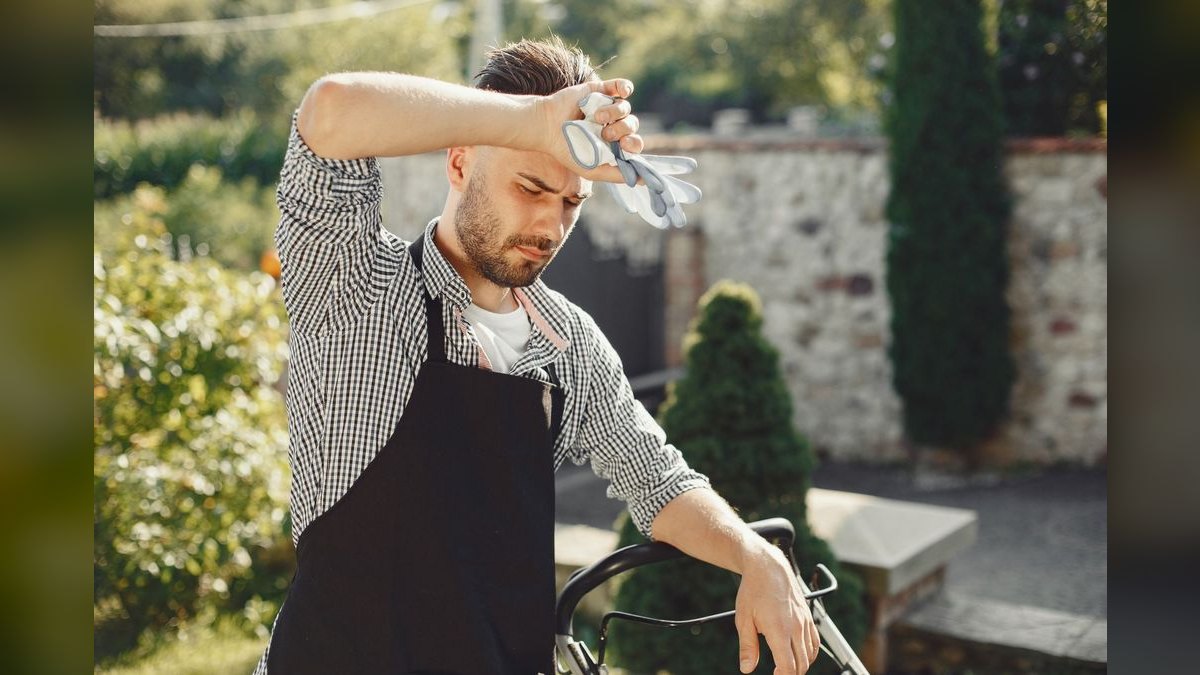
The best landscaping and lawn-care franchises to buy in 2027 are route-density businesses with recurring contracts, low real-estate overhead, and equipment that can be financed instead of a leased storefront. Strong concepts include Weed Man (turf treatment), Lawn Doctor (technology-driven lawn care), U.S. Lawns (commercial grounds), Spring-Green Lawn Care, NaturaLawn of America (organic-based), and full-service The Grounds Guys (a Neighborly brand). Total initial investment for lawn-care concepts commonly runs $60,000 to $130,000, with franchise fees of roughly $30,000 to $60,000 and royalties of 6% to 10% of gross sales. The economics reward recurring treatment programs that bill the same customers four to eight times a season. Below are real Franchise Disclosure Document ranges and the way to verify them yourself.
How lawn-care franchise economics actually work
A lawn-care or landscaping franchise trades retail rent for a truck, tank, and route. Your capital goes into a treatment vehicle, application equipment, and a marketing radius rather than a build-out, so Item 7 of the FDD stays low compared with food or fitness. The margin engine is recurring revenue: a turf-treatment program signs a customer for a season of scheduled visits, so each new account adds to a predictable annual base rather than requiring a fresh sale each time.
The trade-offs are seasonality (most markets compress demand into roughly eight months), labor (you will hire and retain technicians who can drive routes and apply product safely), and route density — the closer your customers cluster, the lower your drive time and the higher your daily stop count. The best operators measure revenue per route-hour, not just total accounts.
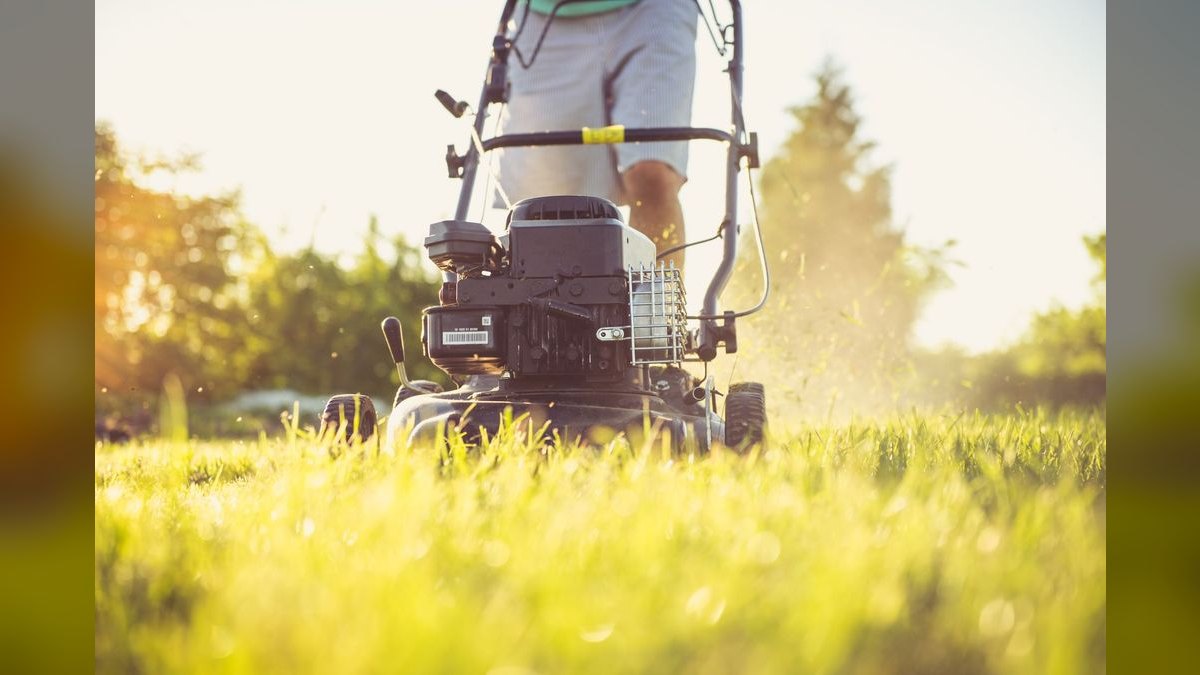
Turf-treatment franchises
- Weed Man — turf-treatment franchise with a sub-franchise model in many markets. Item 7 commonly runs $90,000 to $130,000 per published FDD ranges, royalties tied to a per-program structure. Strong fit for owners who want a scheduled treatment program rather than mowing crews.
- Lawn Doctor — technology-driven lawn care with proprietary application equipment. Initial investment commonly $120,000 to $145,000, franchise fee around $40,000, royalties in the 10% range. Marketing co-op and lead generation are central to the model.
- Spring-Green Lawn Care — lawn and tree-and-shrub care aimed at owner-operators converting from green-industry backgrounds. Item 7 commonly $110,000 to $130,000.
- NaturaLawn of America — organic-based lawn care for the environmentally conscious segment, with investment commonly in the $100,000 to $130,000 band.
Full-service and commercial-grounds franchises
- U.S. Lawns — commercial grounds maintenance for property managers and HOAs. B2B contracts skew toward larger annual values and net-terms billing. Item 7 commonly $60,000 to $100,000.
- The Grounds Guys (Neighborly) — residential and commercial grounds-care services with a national brand system and shared call-center support. Investment commonly $110,000 to $200,000 depending on equipment and territory.
What the FDD actually tells you
Read Item 7 for the full initial-investment range, Item 6 for royalty and ad-fund percentages, and Item 19 for any Financial Performance Representation. Item 19 is where a franchisor may (optionally) disclose average or median revenue per franchisee — but read the cohort: a figure that blends ten-year veterans with first-year owners overstates what a startup territory earns. Item 20 lists outlet counts and, critically, transfers and terminations, which signal how often existing owners exit.
Cross-check the FDD against franchisee interviews. Ask current owners about realized revenue per route, technician turnover, the cost and timing of equipment replacement, and how many seasons it took to fill their routes.
Red flags to watch before you commit
- Thin or absent Item 19. If a lawn-care franchisor will not put any revenue range on paper, treat verbal income claims as unverifiable.
- Sparse territory mapping. A treatment route only works with density. If the available territory is geographically huge but sparsely populated, your drive time eats your margin.
- High technician turnover at existing units. Lawn care lives and dies on reliable applicators. If franchisees report constant rehiring, factor in recruiting cost and lost route capacity.
- Equipment lock-in without justification. Proprietary application gear can be a genuine advantage, but confirm whether you are required to buy or lease it from the franchisor and at what markup.
- Seasonal cash-flow blind spots. If the model does not include snow removal, holiday lighting, or another shoulder-season service, plan for months with low or no revenue.
- Lawsuits or terminations clustered in recent years. Item 3 (litigation) and a spike in Item 20 terminations are warnings that the system is under stress.
Financial Realities: What the Franchise Disclosure Document (FDD) Actually Shows
Before you sign any agreement, you must request and review the brand's current Franchise Disclosure Document. The FDD Item 7 reveals the full initial investment range, and Item 6 shows ongoing fees. For lawn-care franchises, the initial investment typically spans $55,000 to $145,000 depending on territory size, equipment package, and whether you lease or buy trucks. The franchise fee itself usually falls between $25,000 and $55,000, though some emerging brands offer reduced fees for multi-unit operators.
Royalties in this sector commonly range from 6% to 10% of gross sales, with many brands charging a flat percentage rather than a sliding scale. Marketing fund contributions add another 1% to 3%, often mandatory. A few brands, like Weed Man, have a two-tier royalty structure where you pay a lower percentage after reaching a revenue threshold. You should also check Item 19 (financial performance representations) — some brands disclose average gross revenue per customer or per route, while others share system-wide averages. Be cautious: only about 30% of lawn-care franchises include any financial performance data in their FDD. If a brand doesn't provide it, ask existing franchisees directly for their real numbers.
Equipment financing is widely available through companies like BMO Dealer Finance or First American Equipment Finance, often requiring 10% to 20% down on trucks, mowers, and sprayers. Many franchisees lease their initial equipment package rather than buying outright, keeping initial cash outlay closer to the lower end of the range. The key metric to watch is revenue per route stop — successful operators typically see $250 to $450 per stop per season for residential accounts, with commercial stops ranging $800 to $2,500 per month.
Operational Model: Route Density and Seasonal Cash Flow
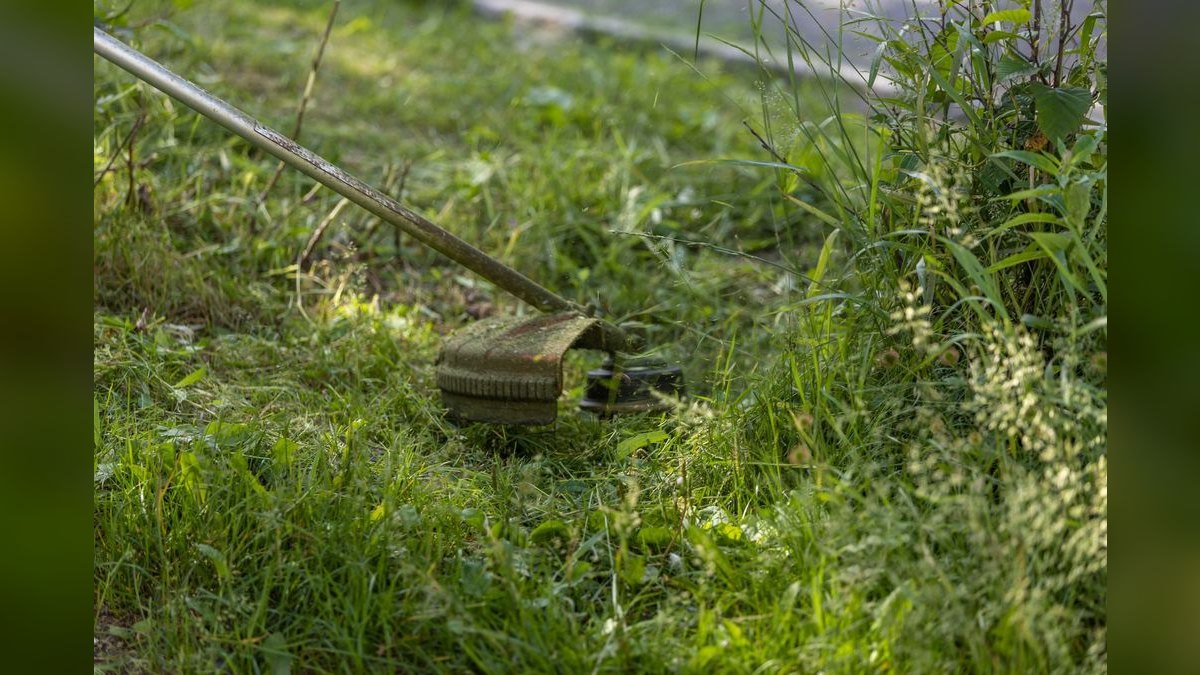
Lawn-care franchises succeed or fail based on route density — how many customers you can serve within a small geographic area. The ideal target is 150 to 250 residential accounts per route, with each account visited 4 to 8 times per season depending on service type (fertilization, weed control, aeration, overseeding). A single truck with one technician can typically handle 25 to 35 stops per day during peak season, meaning a full route of 200 accounts requires roughly 6 to 8 days of work per cycle.
Cash flow is heavily seasonal. Most lawn-care franchises generate 60% to 70% of annual revenue between April and October in northern climates, with a smaller shoulder season in March and November. To smooth this out, many brands require or encourage prepaid annual contracts — customers pay upfront for the full season, giving you working capital before you incur labor costs. Some franchises, like Spring-Green, also offer fall aeration and overseeding as add-on services, which can add 15% to 25% to annual revenue per customer.
The labor model is critical. Most owners start by working the route themselves, then hire a technician at $15 to $22 per hour once the route is full. A second truck and technician can double your capacity, but only if you have the customer density to support it. The best operators aim for $80,000 to $120,000 in gross revenue per truck per year, with net margins of 15% to 25% after labor, chemicals, fuel, and franchise fees. Commercial-focused franchises like U.S. Lawns often have higher revenue per stop but longer sales cycles and more competitive bidding.
Exit Strategy and Resale Value
Lawn-care franchises have strong resale value because they are asset-light, recurring-revenue businesses. A well-run route with 200 to 300 annual contracts can sell for 2.5 to 4 times annual net profit, or roughly $80,000 to $150,000 per route depending on territory density and contract retention rates. Many franchise systems have internal resale programs where existing owners buy routes from retiring franchisees, often with financing from the brand or a third-party lender.
The key to maximizing resale value is contract retention. Brands like Lawn Doctor report average customer retention rates of 70% to 85% year-over-year for their top-performing franchisees. If you can maintain a retention rate above 80%, your route becomes significantly more valuable because the buyer is purchasing predictable cash flow rather than starting from scratch. You should also track average revenue per customer — increasing this by $50 to $100 per year through add-on services (like mosquito control, tree and shrub care, or lawn aeration) directly boosts your exit multiple.
Most franchise agreements run 10 years with one or two renewal options, and the transfer fee for selling your franchise is typically 10% to 15% of the sale price or a flat fee of $5,000 to $15,000. Some brands, like The Grounds Guys, have a right of first refusal on any sale, meaning they can match a third-party offer and buy your route themselves. This can actually work in your favor if you want a clean exit without negotiating with individual buyers.
FAQ
What is the typical initial investment range for a landscaping franchise? Total initial investment for lawn-care franchises generally falls between $60,000 and $130,000. This range covers franchise fees, equipment, and initial marketing, but can vary by brand and territory size.
How much can I expect to pay in ongoing royalties? Royalties typically range from 6% to 10% of gross sales, depending on the franchise. Some brands also charge a small marketing fee, often 1% to 2% of revenue.
Do I need prior landscaping experience to buy a franchise? Most franchisors provide training, so no prior landscaping experience is required. However, a background in sales, management, or customer service can be helpful for building a recurring customer base.
How long does it take to break even or become profitable? Many owners see profitability within the first one to two seasons, especially with route-based models that secure recurring contracts. Actual timelines depend on territory, pricing, and local competition.
Can I finance the equipment and franchise fee? Yes, many franchisors offer financing options or work with third-party lenders for equipment and initial fees. Some brands also have in-house financing programs to lower upfront costs.
What is the difference between a lawn-care franchise and a full-service landscaping franchise? Lawn-care franchises focus on recurring treatments like fertilization and weed control, with lower overhead. Full-service franchises, such as The Grounds Guys, offer mowing, hardscaping, and seasonal services, requiring more equipment and labor investment.
Sources
- U.S. Federal Trade Commission, "A Consumer's Guide to Buying a Franchise" — https://consumer.ftc.gov/articles/buying-franchise-consumer-guide
- Weed Man USA franchise information — https://www.weedmanfranchise.com/
- Lawn Doctor franchise opportunity — https://www.lawndoctorfranchise.com/
- U.S. Lawns franchise information — https://uslawnsfranchise.com/
- Spring-Green Lawn Care franchise — https://www.springgreenfranchise.com/
- NaturaLawn of America franchise — https://www.nl-amer.com/
- The Grounds Guys (Neighborly) — https://www.groundsguysfranchise.com/
Related on PULSE
This page will be disappearing soon. Save it to your device for $1 — or read it free while it is here.
@Kory-White- · if Venmo asks, the last 4 of my number are 2012
This page is gone.
This one is off the shelf now. $1 keeps it on your phone for good — the whole page, pictures and diagrams included.
 pulse-franchisesShould I open or buy a Best Western franchise in 2027?
 pulse-franchisesShould I open or buy a Board & Brush franchise in 2027?
 pulse-franchisesShould I open or buy a Comfort Inn franchise in 2027?
 pulse-franchisesBest low-cost franchises to start under $50,000 in 2027
 pulse-franchisesBest ice cream and frozen dessert franchises to buy in 2027
 pulse-franchisesShould I open or buy a Coverall franchise in 2027?
 pulse-franchisesWhat is the best way to approach Franchises in 2027?
 pulse-franchisesShould I open or buy a School of Rock franchise in 2027?
 pulse-franchisesFranchise vs. independent business: which should I start in 2027?
 pulse-franchisesShould I open or buy a Hilton franchise in 2027?