
Best Mexican food franchises to buy in 2027
 Curated byKory White · Fractional CRO · Maryland
 PULSEKNOWLEDGE LIBRARY
Quality
Certified
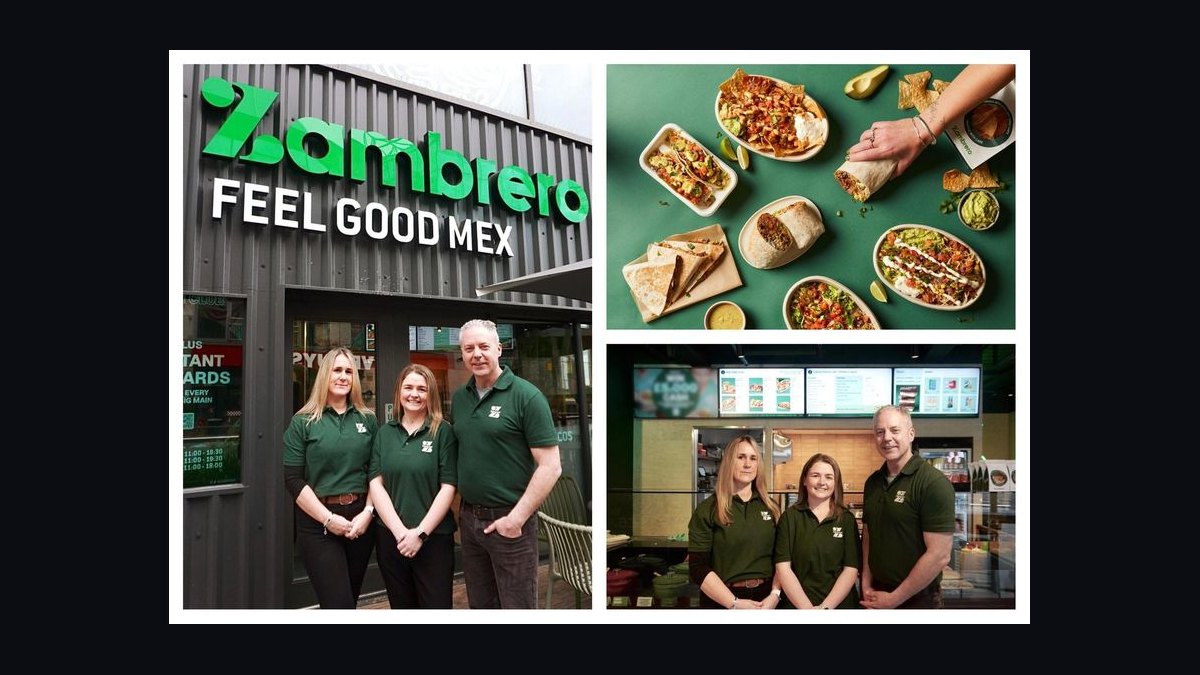
The best Mexican food franchises to buy in 2027 are fast-casual and quick-service brands with simple assembly-line operations, strong digital ordering, and a menu that travels well for delivery and catering. Leading concepts include Del Taco, Taco John's, Fuzzy's Taco Shop, Cafe Rio Mexican Grill, Salsarita's Fresh Mexican Grill, and Pancheros Mexican Grill. Total initial investment commonly runs $300,000 to $2,000,000 depending on whether the format is counter-service fast-casual or a drive-thru quick-service restaurant, with franchise fees of roughly $30,000 to $50,000 and royalties of 4% to 6% of gross sales plus an advertising contribution. The margin engine is throughput, ticket-building add-ons, and catering. Below are real Franchise Disclosure Document ranges and how to verify them.
How Mexican food franchise economics actually work
Mexican fast-casual is a high-throughput, build-your-own model. The assembly line lets a crew move customers quickly, food cost is reasonable thanks to shared ingredients across the menu, and the format adapts well to delivery and catering. You still carry a retail lease and full restaurant build-out, so Item 7 runs higher than mobile or service concepts, and drive-thru quick-service formats push investment higher still.
The margin engine is transaction throughput plus average ticket. Add-ons (guacamole, queso, drinks), combo construction, and catering orders lift the check, while digital ordering improves order accuracy and frequency. The trade-offs are food and labor cost pressure, real-estate dependence, and the operational discipline of fresh prep. The strongest operators watch average unit volume, food cost, labor percentage, and same-store sales.
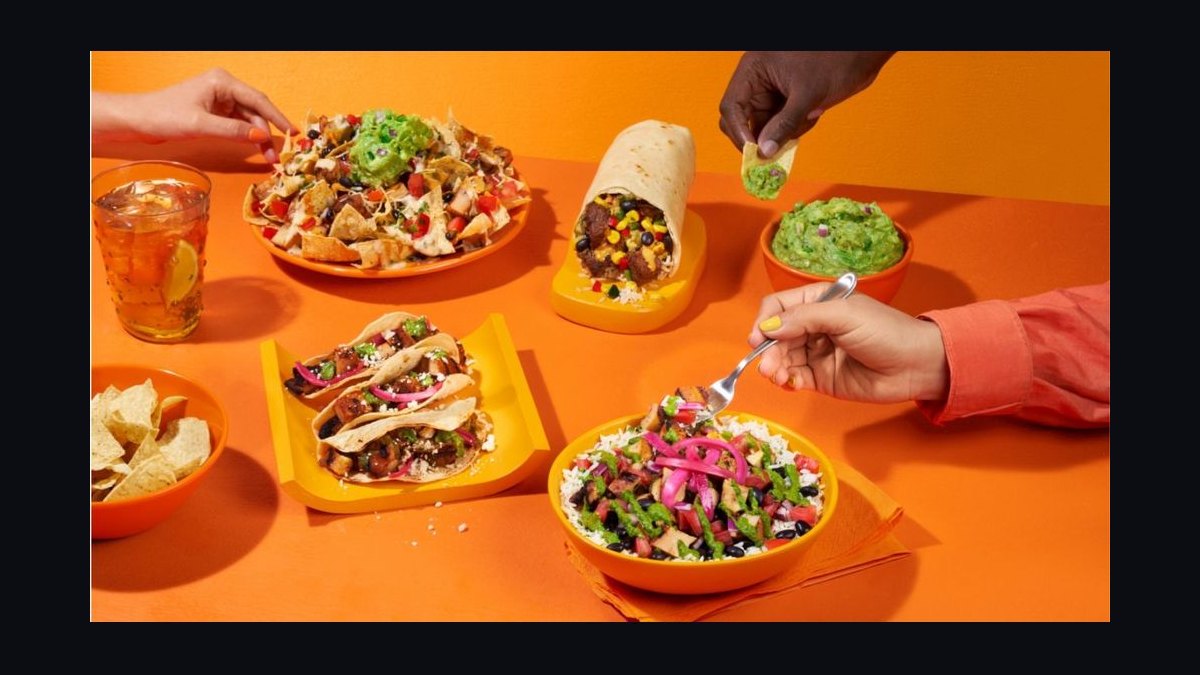
Fast-casual Mexican franchises
- Cafe Rio Mexican Grill — fresh, made-to-order fast-casual with a strong following. Item 7 commonly runs $1,000,000 to $2,000,000+ per published FDD ranges for a full restaurant, royalties around 5%.
- Fuzzy's Taco Shop — Baja-style tacos with a bar component in many units. Investment commonly $500,000 to $1,200,000.
- Salsarita's Fresh Mexican Grill — build-your-own fast-casual burritos and bowls. Item 7 commonly $400,000 to $900,000.
- Pancheros Mexican Grill — fast-casual known for fresh-pressed tortillas and a mixed-to-order line. Investment commonly $400,000 to $1,000,000.
Quick-service Mexican franchises
- Del Taco — quick-service tacos and burgers with drive-thru, a large established system. Item 7 commonly $900,000 to $2,000,000+ depending on real estate and drive-thru build.
- Taco John's — quick-service Mexican with strong regional presence and a drive-thru format. Investment commonly $700,000 to $1,800,000.
What the FDD actually tells you
Read Item 7 for the full initial-investment range, Item 6 for royalty and ad-fund percentages, and Item 19 for any Financial Performance Representation. Restaurant brands often disclose average unit volume in Item 19 — read whether it reflects company units, franchise units, or both, and whether it is mean or median. Item 20 lists outlet counts plus transfers and terminations; Item 3 lists litigation.
Interview current franchisees. Ask about realized average unit volume, food and labor cost, delivery mix and its margin impact, catering contribution, and how long it took to ramp a new unit to steady sales.
Real estate is the make-or-break variable. Mexican quick-service and fast-casual concepts depend on traffic, visibility, and, for drive-thru formats, the right lot geometry and stacking capacity. A prime endcap with strong daypart traffic and easy access will outperform a cheaper inline space that customers struggle to reach. Before signing, evaluate the trade area's population density, daytime employment, competing options, and the lease economics relative to expected average unit volume, and ask the franchisor for its site-selection criteria and any market study. The brands worth buying hold a firm line on real-estate quality rather than approving marginal sites to grow unit count.
Red flags to watch before you commit
- Average unit volume that masks weak units. A blended AUV can hide a wide spread. Ask franchisees where their store sits relative to the disclosed figure.
- Real-estate and build-out overruns. Drive-thru quick-service builds can blow past the Item 7 high end. Confirm recent actual build costs with current owners.
- Delivery margin erosion. Third-party commissions cut into a moderate ticket. Confirm how franchisees protect delivery profit.
- Food and labor cost above plan. Mexican concepts depend on disciplined prep. If existing owners run hot on cost, margin suffers despite solid sales.
- Thin Item 19 with heavy verbal income talk. Claims with nothing on paper are unverifiable.
- Termination clusters in Item 20. A recent spike in closures or transfers signals stress in the unit economics.
Operational Complexity and Staffing Requirements
Before signing a franchise agreement, it's critical to understand the operational demands of each Mexican food concept. The labor intensity varies significantly between brands. Quick-service models like Del Taco and Taco John's typically require 8–15 employees per shift, with a general manager, assistant manager, and 2–3 shift leads. Fast-casual formats such as Cafe Rio and Fuzzy's Taco Shop often need 12–20 staff per shift due to made-to-order assembly lines and fresh ingredient prep. Pancheros and Salsarita's fall in between, with 10–16 employees per shift. Annual labor costs as a percentage of revenue typically run 28% to 35%, depending on local minimum wage laws and benefit offerings. Turnover in the quick-service segment averages 130% to 150% annually, meaning you'll constantly recruit, train, and replace staff. Franchisors often mandate specific staffing ratios and training programs, which can add $15,000 to $30,000 in initial training costs for your management team. Some brands, like Cafe Rio, require new franchisees to complete a 4–6 week hands-on training program at an existing location, including travel and lodging expenses that can reach $8,000 to $15,000. If you're looking for lower operational complexity, Taco John's and Salsarita's tend to have simpler menus and fewer ingredients than Cafe Rio or Fuzzy's, potentially reducing prep time and waste.
Real Estate and Site Selection Considerations
The physical footprint of your Mexican food franchise directly impacts startup costs and revenue potential. Drive-thru models like Del Taco and Taco John's typically require 2,000 to 2,800 square feet on a pad site of 0.8 to 1.5 acres, with build-out costs ranging $600,000 to $1,200,000 including equipment and signage. Inline or end-cap fast-casual locations for Fuzzy's Taco Shop, Cafe Rio, or Salsarita's generally need 2,400 to 3,200 square feet in a shopping center or mixed-use development, with build-out costs of $400,000 to $900,000. Pancheros often operates in smaller footprints of 1,800 to 2,400 square feet with lower build-out costs of $350,000 to $700,000. Lease terms typically run 10 to 15 years with options to renew, and triple net rents range from $18 to $35 per square foot annually in suburban markets, up to $40 to $60 per square foot in high-traffic urban areas. Many franchisors require site approval and may restrict locations within a certain radius of existing franchisees—typically 1.5 to 3 miles for quick-service and 2 to 5 miles for fast-casual. Some brands, like Del Taco, have proprietary real estate teams that source and negotiate sites for franchisees, while others expect you to bring your own location for approval. If you're considering a multi-unit deal, expect to secure 2 to 5 sites simultaneously, with total real estate investment of $1.5 million to $6 million depending on market and format.
Technology, Delivery, and Marketing Requirements
Digital infrastructure is no longer optional for Mexican food franchises—it's a core operational requirement. Most brands mandate a point-of-sale system integrated with online ordering, third-party delivery platforms (DoorDash, Uber Eats, Grubhub), and loyalty programs. Initial technology setup costs range $25,000 to $60,000 per location, including POS hardware, kitchen display screens, and network infrastructure. Monthly software and platform fees run $1,500 to $4,500, covering POS licensing, online ordering, and delivery commission management. Del Taco and Taco John's have invested heavily in proprietary apps and loyalty programs, with franchisees contributing 2% to 3% of gross sales to a national marketing fund. Cafe Rio and Fuzzy's Taco Shop often require 1.5% to 2.5% for local and regional marketing, plus an additional 0.5% to 1% for digital advertising. Third-party delivery commissions typically eat 15% to 30% of each delivery order, which can represent 10% to 25% of total sales in a well-located store. Some franchisors negotiate lower commission rates for their system, but you'll still need to manage delivery margins carefully. Catering programs—common at Pancheros, Salsarita's, and Cafe Rio—require separate online ordering portals, insulated transport equipment ($3,000 to $8,000), and dedicated phone lines. If you're targeting a market with high delivery demand, expect to allocate $10,000 to $20,000 annually for digital marketing and SEO to maintain visibility on search platforms.
FAQ
What is the typical total investment range for a Mexican food franchise? The total initial investment for most Mexican food franchises falls between $300,000 and $2,000,000. This range depends on the brand, location, and whether you choose a counter-service fast-casual format or a drive-thru quick-service model.
How much are the franchise fees and ongoing royalties? Franchise fees generally range from $30,000 to $50,000. Ongoing royalties are typically 4% to 6% of gross sales, with an additional advertising contribution that varies by brand.
Which Mexican food franchise is the most affordable to start? Smaller fast-casual concepts like Salsarita's Fresh Mexican Grill or Pancheros Mexican Grill often have lower entry points, with total investments starting around $300,000 to $500,000. However, exact costs depend on location and build-out requirements.
How long does it take to break even on a Mexican food franchise? Break-even timelines vary widely, but many franchisees report reaching profitability within 1 to 3 years. Factors like location, local competition, and operational efficiency significantly impact this timeframe.
Do Mexican food franchises require prior restaurant experience? Many franchisors prefer but do not require prior restaurant experience. They often provide training programs covering operations, food preparation, and management. However, strong business acumen and a willingness to follow the system are essential.
What are the main profit drivers for a Mexican food franchise? The primary profit drivers are high customer throughput, add-on sales like guacamole or drinks, and catering orders. Efficient assembly-line operations and strong digital ordering for delivery also boost margins.
Sources
- U.S. Federal Trade Commission, "A Consumer's Guide to Buying a Franchise" — https://consumer.ftc.gov/articles/buying-franchise-consumer-guide
- Del Taco franchising — https://www.deltaco.com/franchising
- Taco John's franchise — https://www.tacojohnsfranchising.com/
- Fuzzy's Taco Shop franchise — https://www.fuzzystacoshop.com/franchising
- Cafe Rio franchise — https://www.caferio.com/
- Salsarita's franchise — https://www.salsaritas.com/franchising/
- Pancheros franchise — https://www.pancheros.com/franchising
Related on PULSE
This page will be disappearing soon. Save it to your device for $1 — or read it free while it is here.
@Kory-White- · if Venmo asks, the last 4 of my number are 2012
This page is gone.
This one is off the shelf now. $1 keeps it on your phone for good — the whole page, pictures and diagrams included.
 pulse-franchisesIs Franchises worth it in 2027?
 pulse-franchisesFranchise vs. independent business: which should I start in 2027?
 pulse-franchisesShould I open or buy a Coverall franchise in 2027?
 pulse-franchisesShould I open or buy a Wyndham franchise in 2027?
 pulse-franchisesWhat is the best way to approach Franchises in 2027?
 pulse-franchisesShould I open or buy a School of Rock franchise in 2027?
 pulse-franchisesTop 10 Most Profitable Franchises in 2027
 pulse-franchisesShould I open or buy a Comfort Inn franchise in 2027?
 pulse-franchisesTop 10 best Franchises options in 2027
 pulse-franchisesShould I open or buy a BluSky Restoration franchise in 2027?