
Best home-healthcare franchises to buy in 2027
 Curated byKory White · Fractional CRO · Maryland
 PULSEKNOWLEDGE LIBRARY
Quality
Certified

The best home-healthcare franchises to buy in 2027 are non-medical and skilled-care concepts riding the aging-population wave, because demographic demand for in-home support keeps climbing as more seniors choose to age in place. Strong concepts include Home Instead (non-medical senior care), Visiting Angels, Right at Home, BrightStar Care (medical and non-medical), Comfort Keepers, and Senior Helpers. Total initial investment commonly runs $80,000 to $200,000 for non-medical agencies, with franchise fees of roughly $45,000 to $65,000 and royalties of 3% to 6% of gross sales. Skilled-care models that provide nursing run higher. Below are real Franchise Disclosure Document ranges and how to verify them yourself.
How home-healthcare franchise economics actually work
A home-care franchise is a people business, not a real-estate business. Capital goes into licensing, recruiting, scheduling software, and working capital to make payroll before client invoices and insurance reimbursements arrive, rather than a storefront build-out. The margin engine is billable caregiver hours at a spread over the wage you pay, multiplied by a roster of clients who need recurring weekly support. Non-medical care is private-pay or long-term-care insurance; skilled care can bill Medicare and Medicaid, which adds compliance weight.
The trade-offs are caregiver recruiting and retention (the single hardest part of the model), regulatory and licensing complexity that varies by state, and working-capital strain from the gap between paying staff and collecting receivables. The best operators measure billable hours, caregiver turnover, and gross margin per hour.
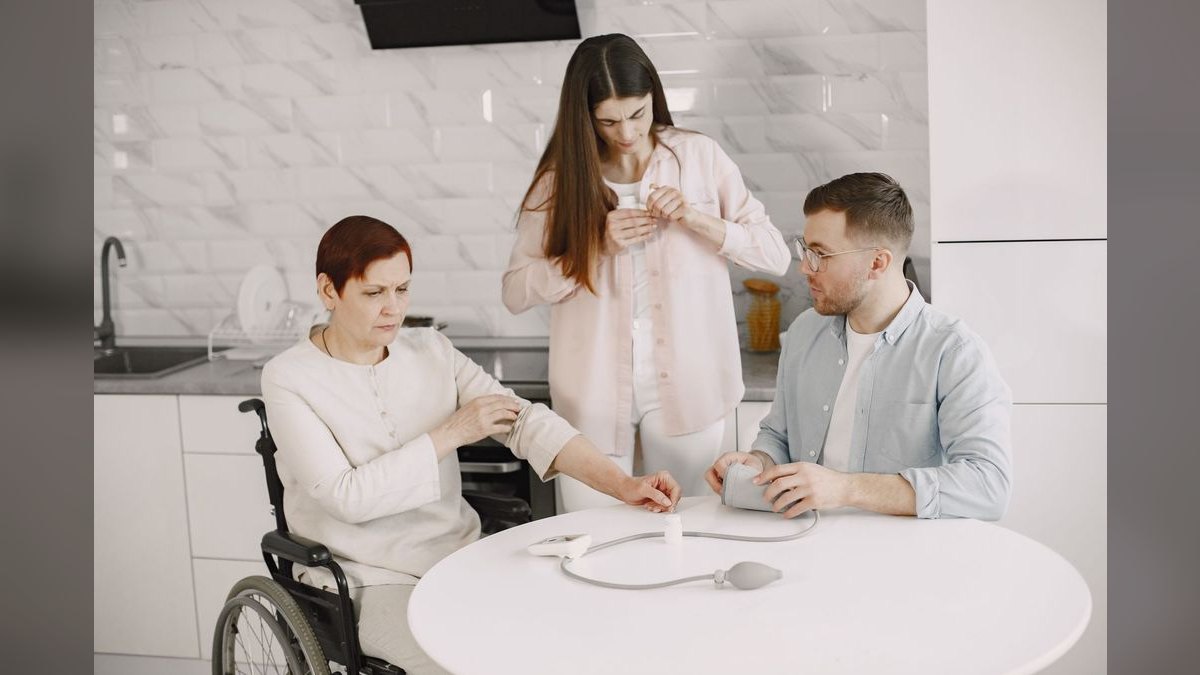
Non-medical senior-care franchises
- Home Instead — one of the largest non-medical senior-care brands, focused on companionship and daily-living support. Total initial investment commonly runs $120,000 to $130,000 per published FDD ranges, franchise fee around $60,000, royalties on a structured scale. Best fit for owners who want a proven recruiting and operations system.
- Visiting Angels — non-medical in-home senior care with a strong national brand. Investment commonly $130,000 to $170,000, franchise fee around $50,000, royalties that step down as revenue grows.
- Comfort Keepers — companion and personal care with an interactive-caregiving model. Investment commonly $90,000 to $170,000 depending on territory.
- Senior Helpers — non-medical care with specialized dementia and Parkinson's programs. Investment commonly $110,000 to $170,000.
Skilled and medical home-care franchises
- BrightStar Care — offers both medical (nursing) and non-medical care, which broadens the revenue base but adds clinical oversight and licensing. Investment commonly $110,000 to $200,000, with a Director of Nursing requirement in most territories.
- Right at Home — in-home care and assistance spanning companionship through some skilled services. Investment commonly $90,000 to $170,000 depending on the market and license type.
What the FDD actually tells you
Read Item 7 for the full initial-investment range, Item 6 for royalty and ad-fund percentages, and Item 19 for any Financial Performance Representation. Item 19 may disclose average agency revenue or billable hours, but read the cohort — a mature agency with a deep client roster overstates what a new agency earns while it recruits caregivers and builds referrals. Item 20 lists outlet counts plus transfers and terminations, which reveal how often owners exit.
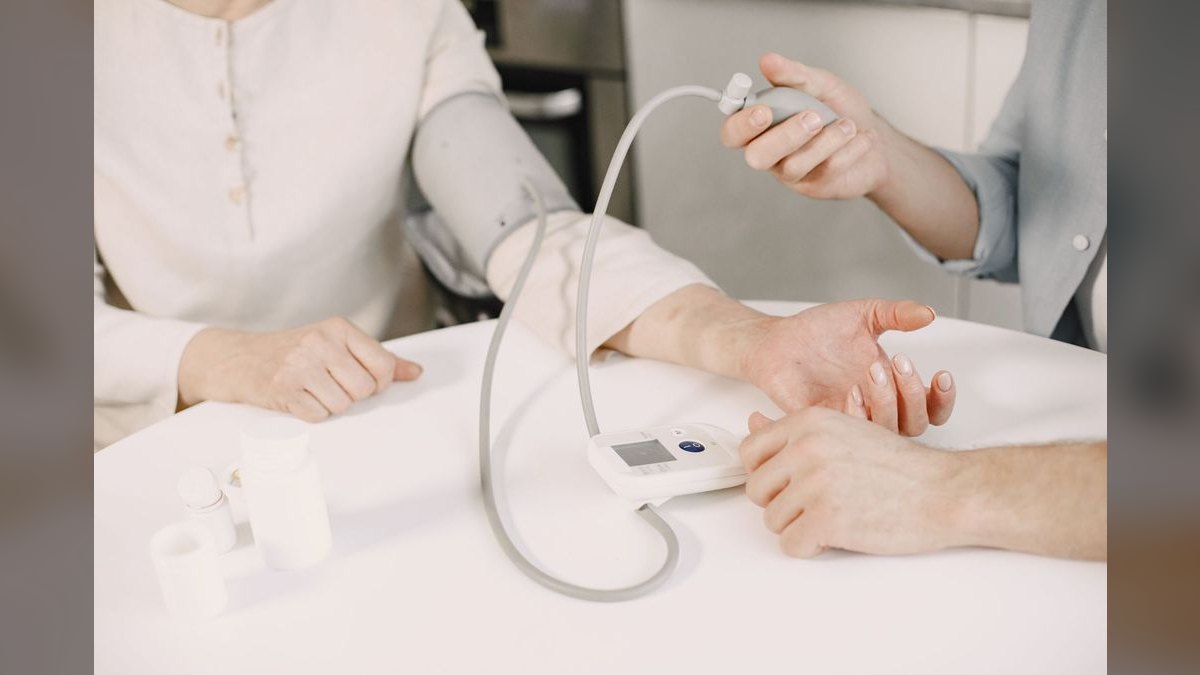
Cross-check the FDD against franchisee interviews. Ask current owners about realized billable hours, caregiver turnover, how long it took to reach breakeven, and the working capital they needed to cover payroll before receivables came in.
Red flags to watch before you commit
- Thin or absent Item 19. If a home-care franchisor will not put any revenue or billable-hour range on paper, treat verbal claims as unverifiable.
- Underestimated working capital. Payroll comes before collections. If the franchisor downplays the cash you need to bridge that gap, you will feel it fast.
- Caregiver recruiting that is harder than promised. Staffing is the make-or-break factor. Heavy turnover means missed shifts and lost clients.
- Licensing complexity glossed over. State rules differ sharply, especially for skilled care. Confirm what license you need and how long approval takes.
- Lawsuits or terminations clustered in recent years. Item 3 litigation and a spike in Item 20 terminations are warnings that the system is under stress.
- Reimbursement dependence. If a model leans on Medicaid or insurance, understand payment timelines and audit risk before committing.

How to Vet a Home-Healthcare Franchise’s Financial Health Before You Sign
Before committing your capital, you need to dig past the glossy marketing materials and into the franchise’s actual financial performance. The Franchise Disclosure Document (FDD) is your primary tool here. Pay special attention to Item 19 (financial performance representations) and Item 20 (outlets and franchisee turnover). Look for concepts that disclose average unit revenue or gross profit—many home-healthcare franchisors will share a range like $350,000 to $600,000 in annual revenue for a mature, single-location non-medical agency. Skilled-care units often run higher, sometimes $800,000 to $1.5 million, but carry higher overhead from nursing payroll.
Also check Item 21 for the franchisor’s audited financial statements. You want a franchisor with positive net worth and growing revenue over the past three years. Avoid brands where the franchisor itself is losing money or heavily indebted—they may raise fees or cut support. Finally, talk to at least five current franchisees (not just the ones the franchisor recommends). Ask about their actual profit margins, how long it took to break even (often 6 to 18 months for home care), and whether the franchisor’s training and ongoing support met expectations. Franchisees who are candid about challenges—like staffing shortages or insurance reimbursement delays—give you a realistic picture.
The Staffing Challenge: Why Your Biggest Risk Isn’t the Market—It’s Finding Caregivers
Home-healthcare franchises face a persistent labor shortage. The U.S. Bureau of Labor Statistics projects a 22% growth in home health and personal care aide jobs through 2031, yet turnover rates in the industry routinely hit 60% to 80% annually. This means your franchise’s success hinges less on demand and more on your ability to recruit, train, and retain caregivers. Non-medical franchises typically pay caregivers $13 to $18 per hour (depending on your region), while skilled nursing staff command $25 to $40 per hour. You’ll also need to factor in payroll taxes, workers’ compensation insurance, and sometimes health benefits to stay competitive.
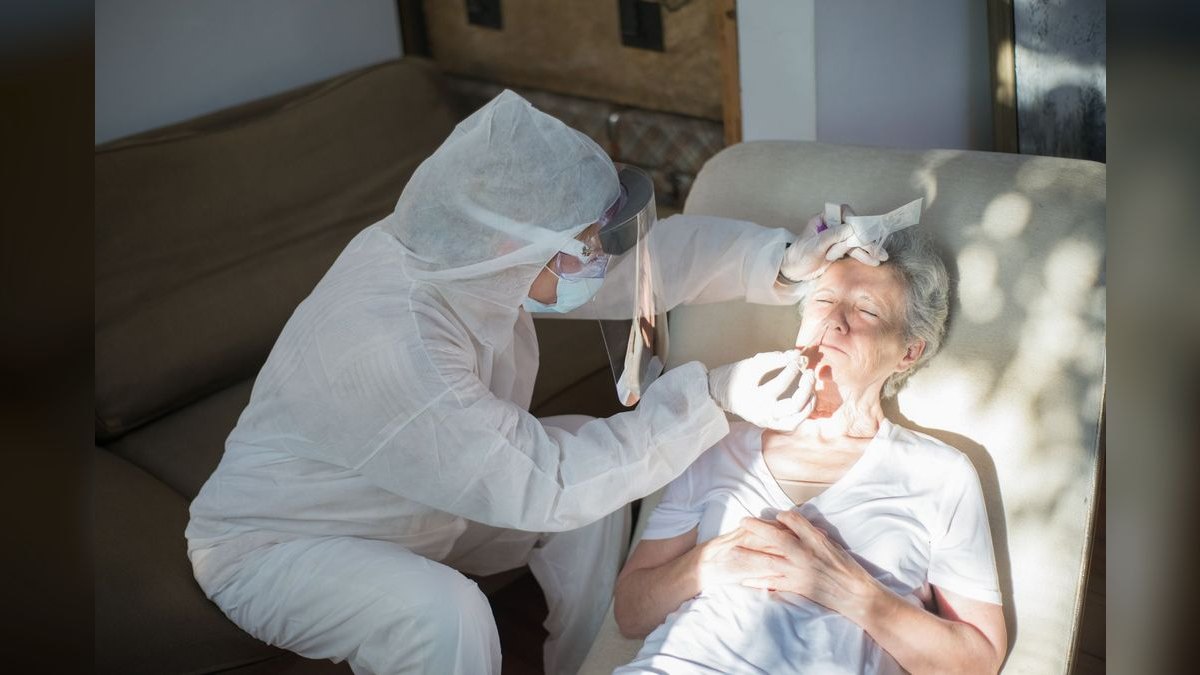
To mitigate this risk, investigate each franchisor’s caregiver recruitment and retention systems. Do they provide a dedicated hiring platform or partnerships with local nursing schools? Do they offer a caregiver app for scheduling and communication? Some top franchises like Home Instead and Right at Home have proprietary training programs that reduce turnover by creating career paths (e.g., from aide to care coordinator). Also, consider the franchise’s territory size—a larger exclusive territory gives you a bigger pool of potential caregivers to draw from. In 2027, the most successful home-care franchisees will be those who treat their staff as their primary asset, not just a cost center.
Technology and Reimbursement Trends Reshaping Home-Healthcare Franchises in 2027
Two major shifts are altering the economics of home-healthcare franchises: technology integration and value-based reimbursement. On the tech side, expect to invest in a robust electronic visit verification (EVV) system—now mandated by many states for Medicaid-funded care. The best franchises provide a turnkey software stack that includes EVV, client scheduling, caregiver time-tracking via mobile app, and family portal access. These systems can cost $5,000 to $15,000 upfront plus monthly fees of $200 to $600, but they reduce billing errors and improve compliance. Some forward-looking franchisors are also piloting remote patient monitoring (RPM) devices, like fall-detection pendants or vital-sign trackers, which can generate additional recurring revenue streams.
On the reimbursement front, the shift toward Medicare Advantage plans and Accountable Care Organizations (ACOs) is creating new opportunities. These payers increasingly contract with home-health agencies to provide non-medical support (e.g., meal prep, transportation, light housekeeping) as a way to keep seniors out of hospitals. Franchises that can demonstrate outcomes—like reduced hospital readmission rates—can negotiate higher per-visit rates or per-member-per-month (PMPM) fees. In 2027, look for a franchisor that has dedicated payer-relations staff to help you secure these contracts. Also ask about their experience with private-pay clients (the most profitable segment) versus government-funded programs. A healthy mix is typically 60% to 80% private-pay, with the rest from insurance or Medicaid, to maintain margins.
FAQ
What is the typical total investment to start a home-healthcare franchise? Total initial investment for non-medical home-healthcare franchises generally ranges from $80,000 to $200,000. This includes franchise fees of roughly $45,000 to $65,000, plus costs for office setup, insurance, and initial marketing. Skilled-care or medical-focused franchises can require significantly higher investments.
How much can I expect to earn from a home-healthcare franchise? Earnings vary widely by location, services offered, and operational efficiency. Many franchisees report gross profit margins in the range of 10% to 20% of revenue, but individual results depend on factors like local demand, staffing costs, and competition. Always review Item 19 of the Franchise Disclosure Document for specific financial performance representations.
What ongoing fees do home-healthcare franchises charge? Royalties typically range from 3% to 6% of gross sales, and some brands also charge a marketing or technology fee of 1% to 2%. These fees are deducted from your monthly revenue, so it's important to factor them into your budget when evaluating franchise opportunities.
Do I need a medical background to own a home-healthcare franchise? No, most non-medical franchises do not require a healthcare background. Franchisors provide training on operations, client care, and business management. However, skilled-care or medical franchises may require licensed professionals or partnerships with healthcare providers.
How long does it take for a home-healthcare franchise to become profitable? Many franchises reach profitability within 12 to 24 months, though this varies based on location, local demand, and how quickly you build a client base. Initial months often involve higher expenses for staffing and marketing before revenue stabilizes.
What are the biggest risks when buying a home-healthcare franchise? Key risks include local competition, staffing shortages, and regulatory changes in healthcare or labor laws. Additionally, relying on a single franchise brand can limit flexibility. Always conduct independent market research and consult with an attorney or franchise advisor before investing.
Sources
- U.S. Federal Trade Commission, "A Consumer's Guide to Buying a Franchise" — https://consumer.ftc.gov/articles/buying-franchise-consumer-guide
- Home Instead franchise opportunity — https://www.homeinsteadfranchising.com/
- Visiting Angels franchise — https://www.visitingangelsfranchise.com/
- BrightStar Care franchise — https://www.brightstarfranchise.com/
- Right at Home franchise — https://www.rightathomefranchise.com/
- U.S. Administration for Community Living, aging resources — https://acl.gov/
Related on PULSE
This page will be disappearing soon. Save it to your device for $1 — or read it free while it is here.
@Kory-White- · if Venmo asks, the last 4 of my number are 2012
This page is gone.
This one is off the shelf now. $1 keeps it on your phone for good — the whole page, pictures and diagrams included.
 pulse-franchisesFranchise vs. independent business: which should I start in 2027?
 pulse-franchisesBest fitness and gym franchises to buy in 2027
 pulse-franchisesShould I open or buy a Hampton Inn franchise in 2027?
 pulse-franchisesShould I open or buy a BluSky Restoration franchise in 2027?
 pulse-franchisesIs Franchises worth it in 2027?
 pulse-franchisesShould I open or buy a Days Inn franchise in 2027?
 pulse-franchisesWhat are the best med spa franchise opportunities to buy in 2027?
 pulse-franchisesShould I open or buy a Griswold Home Care franchise in 2027?
 pulse-franchisesBest children's STEM and enrichment franchises to buy in 2027
 pulse-franchisesTop 10 best Franchises options in 2027